

Michelin Plate · We're Smart World 5 Radishes
Our verdict
Cuculia occupies a quietly bookish room on Via dei Serragli, just back from the Arno, where Chef Oliver Betancourt fuses seasonal Italian produce with ingredients drawn from his training across Venezuela, France, Spain, and Italy.

Pearl is the En Primeur Club membership app — saves, bookings, and concierge access live there. Same editors, same standards.
- Address
- Via dei Serragli, 3/Rosso, 50124 Firenze FI, Italy
- Phone
- +39 349 434 4518
- Hours
- Mon ClosedTue–Wed 7–10:30 PMThu–Sun 12–2:30 PM, 7–10:30 PM
- Website
- cuculia.it
- Directions
- Get directions
- Booking
- Book on TheFork
The menu
What to order
- Broccoli with Miso
- Beef Ravioli
- Pork with Raspberry and Cherry Sauce
- Chocolate Pasta with Slow Cooked Pork
- Risotto with Tomato and Soy Sauce Reduction
A Library Room on the Left Bank of the Arno
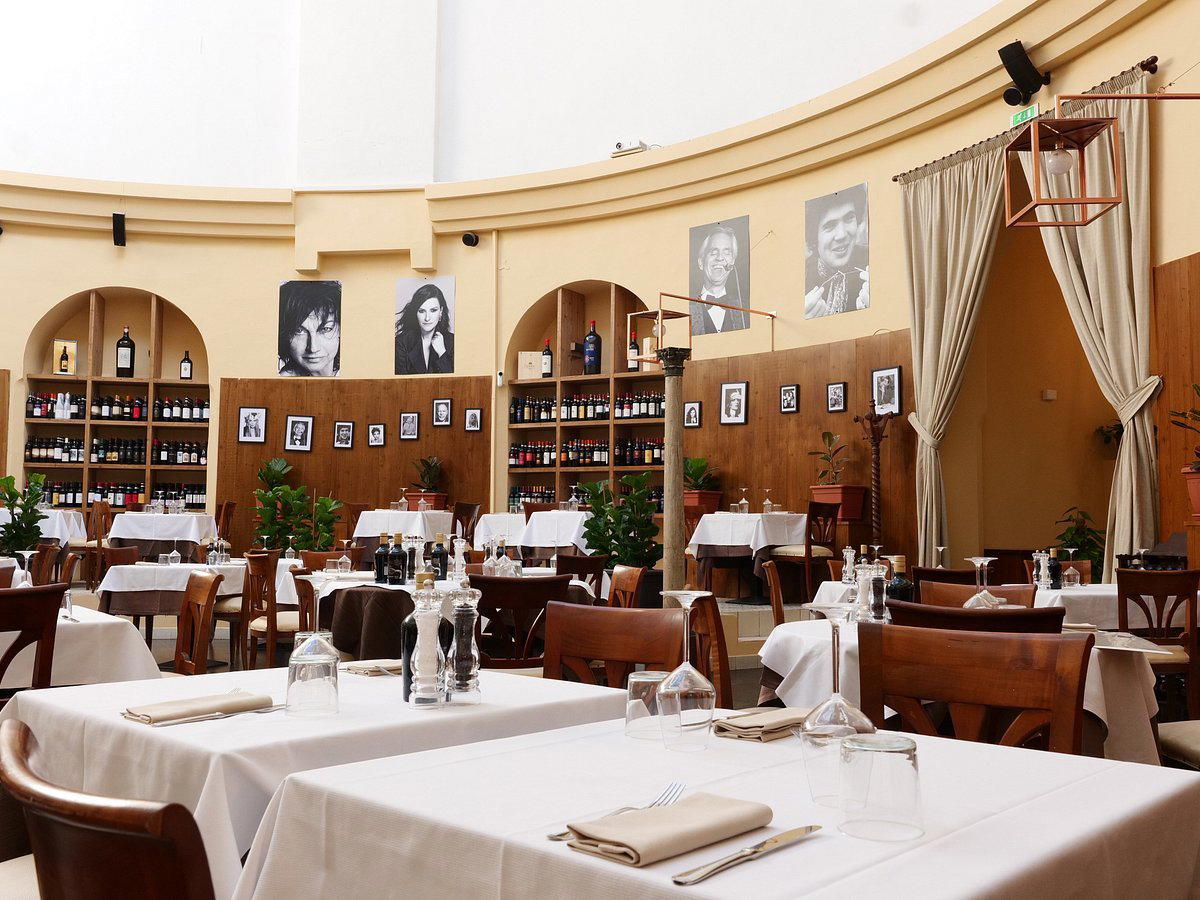
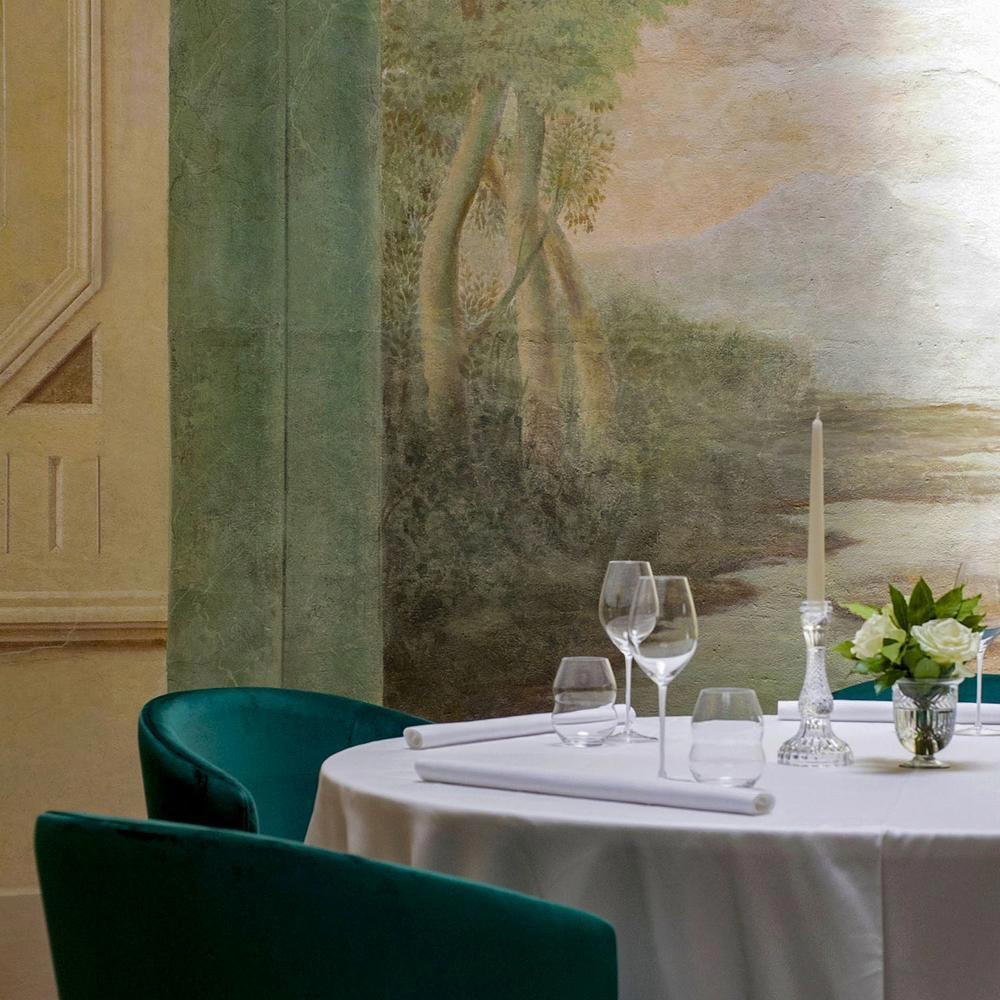
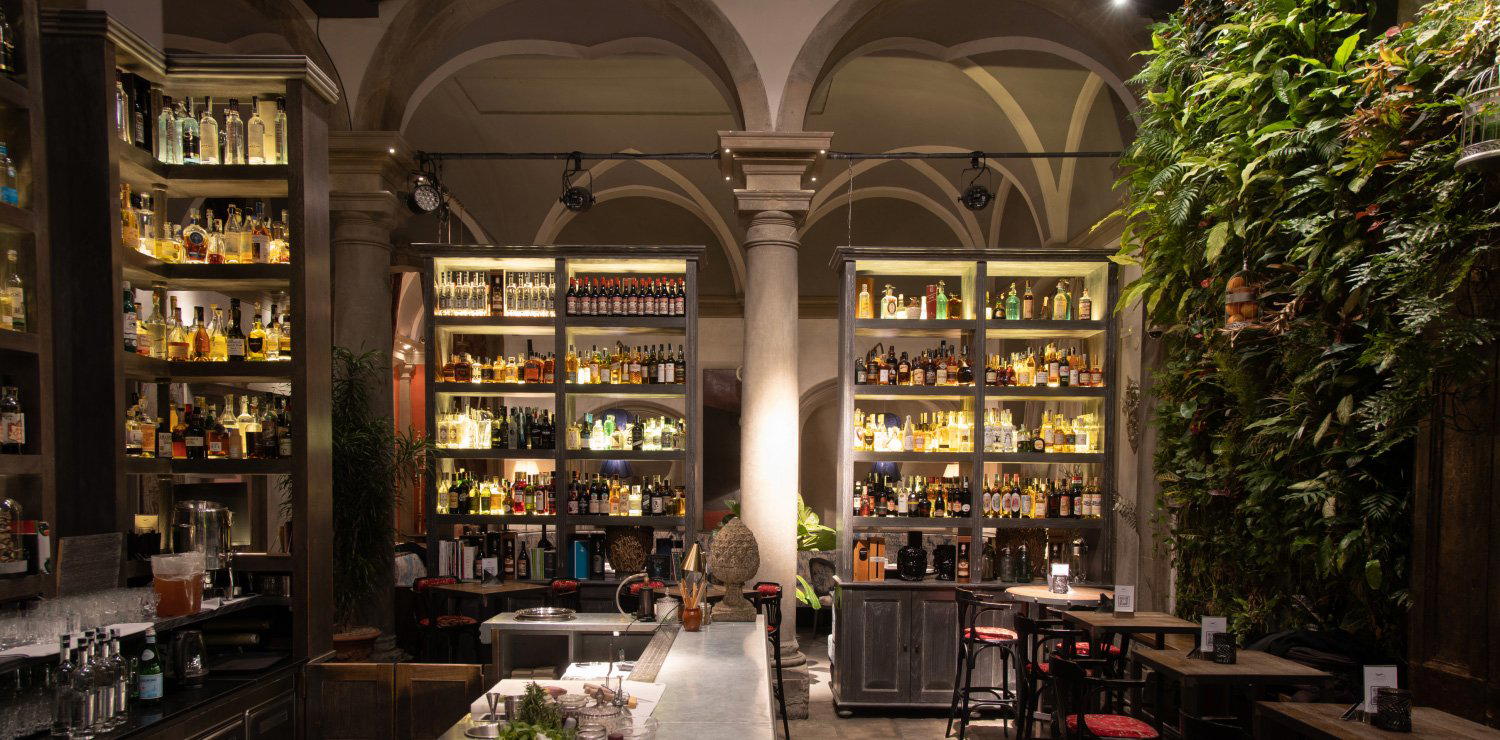
The Oltrarno side of Florence has long operated at a lower temperature than the centro storico. Streets like Via dei Serragli draw fewer tour groups and more neighbourhood regulars, which creates the conditions for restaurants to settle into a slower, more deliberate rhythm. Cuculia occupies this register well. The dining room is arranged like a small private library, with cookery books and other volumes lining the walls, and a French bistro formality that sits at an angle to its Florentine address. The effect is quiet and particular — the kind of room that establishes its own character before a dish arrives.
At the €€€ price tier, Cuculia positions itself below the cluster of €€€€ contemporary addresses that dominate Florence's most-recognised dining circuit — venues like Enoteca Pinchiorri and Santa Elisabetta. That positioning is not a concession but a distinct market choice: serious cooking, substantive hospitality, without the ceremonial overhead of the city's grand dining tier.
The Wine List as an Argument
Florence's contemporary restaurant scene has become increasingly comfortable with wine lists that function as editorial objects rather than mere catalogues. Cuculia's list leans into this fully: each label carries detailed annotations covering producer, method, and character, which means a diner can read the list as an education rather than a series of decisions to be made under pressure. This approach is more common in wine-focused destinations like Burgundy or the Rhône, and its presence in a mid-tier Florentine room signals a degree of programme seriousness that the price point alone would not predict.
The wine list features a notable red from Bolgheri, the coastal Tuscan appellation whose most serious Cabernet-dominant blends have been benchmarked against Bordeaux since the 1970s. Bolgheri Acciderba appears as a recommended pick, positioned within a list that clearly organises Italian production with some depth. That the list includes extensive producer-level annotation rather than relying on the Bolgheri appellation's name to do the persuasive work says something about how the programme is built. The approach is curator-first, not label-first, a distinction that matters at this price level, where the gap between a thoughtful and a formulaic wine list is immediately felt.
A Kitchen Shaped by Four Countries
Contemporary Italian cooking has fractured into distinct orientations over the past two decades. One current, represented by restaurants like Osteria Francescana in Modena or Uliassi in Senigallia, foregrounds Italian identity as the organising principle, with foreign references appearing as studied inflection. Another, practised at addresses like Enrico Bartolini in Milan, treats technique as genuinely international while keeping the ingredient base anchored in Italy. Cuculia operates somewhere in this second current, with the kitchen drawing on training across Venezuela, France, Spain, and Italy and using ingredients such as kombu, soy sauce, and koji that have no precedent in Florentine cooking but are now unremarkable in the broader language of contemporary European kitchens.
The ingredient choices are relevant because they signal a particular version of seasonal Italian cooking: one where the Italian produce provides the foundation and the umami-forward condiments and ferments from Japanese pantry tradition provide depth and binding. This is not fusion in the dismissive sense but a compositional method that has become standard in serious contemporary rooms from Seoul to New York. The comparison is not incidental: kitchens like Jungsik in Seoul and César in New York City operate in the same formal grammar of contemporary cuisine that crosses national pantry lines without losing a local ingredient commitment.
The menu includes a substantial selection of vegetarian dishes alongside several vegan options, which in Florence, a city not historically given to plant-forward fine dining, represents a meaningful programme commitment. The homemade seitan is noted specifically in published reviews, which suggests it functions as a centrepiece rather than an accommodation, and the vegetable tasting route is described as producing complex, accurate results rather than simplified plates.
Cuculia holds a Michelin Plate for 2025, the guide's marker for restaurants serving food of a good standard. It places the restaurant in the tier below star recognition, in a peer group that includes Locale, Nugolo, and Luca's by Paulo Airaudo within Florence. For reference points further afield in Italy's contemporary restaurant circuit, Atelier Moessmer Norbert Niederkofler in Brunico, Dal Pescatore in Runate, and Quattro Passi in Marina del Cantone illustrate how differently the Michelin-recognised contemporary tier distributes across Italy's regions.
Getting There and Planning a Visit
Cuculia sits at Via dei Serragli, 3/Rosso, in the 50124 postcode of Florence, on the Oltrarno's main artery running south from the Ponte alla Carraia. The address is walkable from most central Florence hotels in under fifteen minutes, crossing either the Carraian or Santa Trinita bridges. Those spending longer in the city and wanting to go beyond dining and lodging can consult the EP Club Florence experiences guide.
Frequently asked questions
Where do I go for Cuculia?
Cuculia is located at Via dei Serragli, 3/Rosso, 50124 Firenze FI, Italy, Florence.
What should I order at Cuculia?
The menu is built around seasonal Italian produce handled through techniques drawn from Chef Oliver Betancourt's training in France, Spain, and Italy, with ingredients like kombu, koji, and soy sauce threading through dishes that blend traditions without losing coherence. Michelin inspectors note the vegetable-focused options as genuinely complex rather than afterthoughts, and the homemade seitan has received specific editorial mention. The wine list rewards attention: labels are annotated in detail, and the Bolgheri Acciderba red is cited by name as a reference point on the list.
What style of cooking does Cuculia do?
Cuculia is categorized as Contemporary.
What's the price range at Cuculia?
Pricing at Cuculia is listed as €€€.
Cuisine and Credentials
| Venue | Cuisine | Price | Awards | Notes |
|---|---|---|---|---|
| CuculiaThis venue — the venue you are viewing | Modern Fusion with Japanese and Latin American Influences | $50–100 | Michelin Plate · We're Smart World 5 Radishes | Not listed |
| Enoteca Pinchiorri | Contemporary Italian Fine Dining | $200–300 | 3 Michelin Stars · World's 50 Best #32 | Italian - French, Italian Contemporary |
| Santa Elisabetta | Modern Italian Fine Dining with Seafood Focus | $200–300 | 2 Michelin Stars · La Liste Top Restaurants | Italian, Creative |
| Borgo San Jacopo | Michelin-starred Modern Tuscan & Italian Fine Dining | $150–200 | 1 Michelin Star · Falstaff Restaurant - 94 Falstaff Points | Italian, Modern Cuisine |
| Gucci Osteria da Massimo Bottura | Contemporary Italian with Japanese and Mexican Influences | $200–300 | 1 Michelin Star · Wine Spectator Best of Award of Excellence | Modern Italian, Italian Contemporary |
| Il Palagio | Modern Tuscan Fine Dining | $100–150 | 1 Michelin Star · Star Wine List | Italian Contemporary |
Recognition history
Dated appearances from independent guides and award organizations, with the underlying list record or original source where available.
Michelin Plate
Michelin
We're Smart World 5 Radishes
We're Smart World
Full recognition history (4 entries)
Michelin Plate
Michelin
Michelin Plate
Michelin
Continue exploring
More in Florence
Restaurants in Florence
Browse all →
Bars in Florence
Browse all →
Hotels in Florence
Browse all →
Cuculia
The wine
- Wine program
- Curated wine list
- Extensive wine list
- Sommelier-led
Details
- Romantic
- Elegant
- Intimate
- Sophisticated
- Quiet
- Date Night
- Special Occasion
- Celebration
- Open Kitchen
- Standalone
- Design Destination
- Extensive Wine List
- Sommelier Led
- Local Sourcing
- Tasting Menu
- A La Carte
- Wine Pairings
- Curated Wine By The Glass
- Vegetarian Friendly
- Vegan Options
- Gluten Free Options
- Allergy Accommodating
Current opening hours
- Monday
- Closed
- Tuesday
- 7–10:30 PM
- Wednesday
- 7–10:30 PM
- Thursday
- 12–2:30 PM, 7–10:30 PM
- Friday
- 12–2:30 PM, 7–10:30 PM
- Saturday
- 12–2:30 PM, 7–10:30 PM
- Sunday
- 12–2:30 PM, 7–10:30 PM
Hours can change for holidays and private events. Last verified .
Refined, measured elegance with contemporary French bistrot-inspired interiors enhanced by a small library of culinary art books; candlelit, intimate, and sophisticated with sober elegance.