Le Crech Kerio
Crech Kerio sits on Île-de-Bréhat, a car-free island off the Brittany coast where the Atlantic shapes everything on the plate. The island's isolation and its surrounding waters define the kitchen's raw material before any cook intervenes. For anyone tracing France's relationship between place and ingredient, Bréhat's table is a compelling stop.
Pearl is the En Primeur Club membership app — saves, bookings, and concierge access live there. Same editors, same standards.
- Address
- 22870 Île-de-Bréhat, France
- Phone
- +33296200095
- Directions
- Get directions
 Saves & bookings on Pearl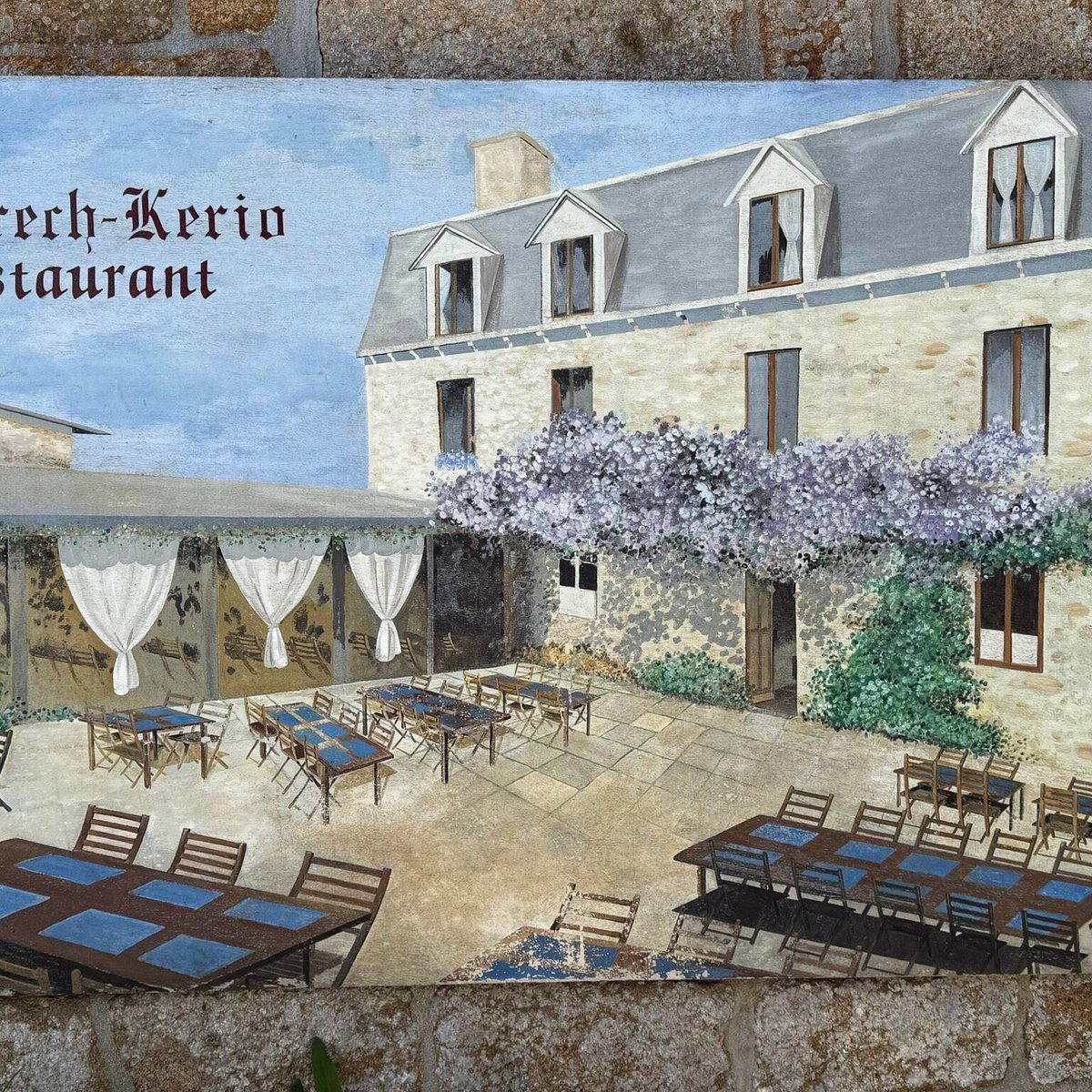
Where the Atlantic Sets the Menu
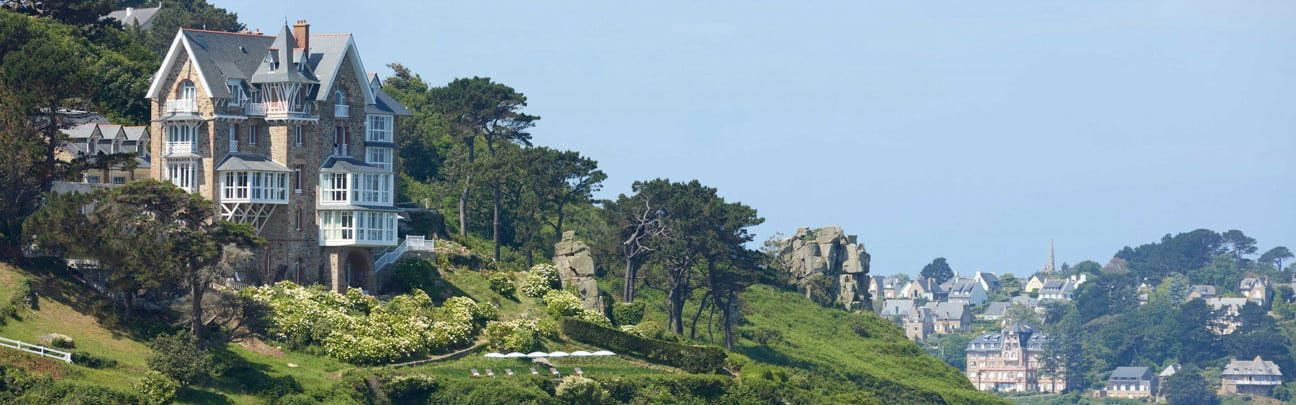
Île-de-Bréhat sits roughly two kilometres off the Côtes-d'Armor coast, accessible only by ferry from the Pointe de l'Arcouest, a crossing that takes under ten minutes but effectively removes the island from mainland rhythms. There are no cars on Bréhat. The pace is set by tides and ferry schedules rather than traffic or tourism infrastructure, and that physical separation has a direct consequence for what appears on local tables. Ingredients here do not travel to the kitchen; the kitchen is organised around what the island and its surrounding waters can supply. Crech Kerio, addressed on the island at 22870 Île-de-Bréhat, operates within that compact, tide-dependent logic.
In French regional dining, the strongest kitchens in remote locations tend to make their constraints the point rather than apologising for them. The island tradition along the Brittany coast, from the Côtes-d'Armor up through Finistère, has long placed shellfish, line-caught fish, and locally grown vegetables at the centre of the plate. Bréhat's microclimate is mild enough, warmed by the Gulf Stream, that certain cultivated plants survive here that would not on the mainland coast. That subtle agricultural specificity compounds the sourcing argument: the island is not just remote, it is climatically distinct.
The Sourcing Logic of an Island Table
The editorial conversation around ingredient provenance in French gastronomy has shifted considerably over the past decade. At the three-Michelin-star tier, houses like Mirazur in Menton, where the kitchen's kitchen garden overlooks the Mediterranean, or Bras in Laguiole, which built its identity around the Aubrac plateau's flora, sourcing has become a structural argument rather than a marketing footnote. The claim is not simply that ingredients are local; it is that the place shapes the dish in ways that cannot be replicated elsewhere.
On an island with no road access for freight vehicles, that argument is not rhetorical, it is operational. The Atlantic waters around Bréhat are rich with shellfish: coquilles Saint-Jacques, homard breton, and various clams and mussels that benefit from the tidal range of the English Channel approaches. The Breton seafood tradition, formalised across generations of coastal cooking, treats these ingredients with restraint, butter, cream from nearby Norman and Breton dairies, and acid from local cider or wine, because the raw material requires little amplification. It is a different logic from the sauce-forward classicism of inland France, closer in spirit to the producer-first approach that has made Brittany a reference point for chefs across the country.
For context on how France's most discussed kitchens handle questions of terroir and sourcing, see our profiles of Auberge de l'Ill in Illhaeusern, Les Prés d'Eugénie in Eugénie-les-Bains, and Maison Lameloise in Chagny, each of which has built a regional identity around what grows or swims nearby.
Bréhat in the Brittany Dining Context
Brittany has a specific place in French culinary geography. It is not where the country's decorated fine-dining infrastructure concentrates, that gravitates toward Paris, Lyon, and the southern coast, but it is where the argument for ingredient integrity tends to be most visceral. The coast between Saint-Malo and Brest has supplied French restaurant kitchens with some of their most prized raw materials for generations. Chefs at Alléno Paris au Pavillon Ledoyen and Le 1947 à Cheval Blanc in Courchevel source from Breton waters precisely because the quality benchmark is recognised at the highest levels of French cooking.
What distinguishes a place like Bréhat from those mainland supply chains is proximity. The gap between water and plate shrinks when there is no refrigerated truck making a four-hour motorway run. That compression of supply chain is not automatically a virtue, execution still determines the result, but it does mean that the seasonal and tidal calendar governs the menu in a more direct way than it does in urban kitchens. When the lobster season shifts or the scallop beds are rested, the island table adjusts without the buffer that a diversified supply chain provides.
For a broader view of how France's regional restaurant scene distributes across different geographic and culinary contexts, our full Île-de-Bréhat restaurants guide maps what is available on and around the island.
Getting to the Island and Planning Around It
Reaching Île-de-Bréhat requires a ferry from the Pointe de l'Arcouest, itself roughly 25 kilometres north of Paimpol. The crossing runs several times daily, with reduced frequency in winter. Because the island operates without motorised vehicles, movement on Bréhat is on foot or by bicycle. That practical reality means accommodation and dining are tightly linked, visitors who come for a meal are likely staying overnight, and those staying overnight are eating on the island by necessity as much as by choice. Advance planning matters more here than in a city with restaurant alternatives on every block.
The seasonal rhythm is significant. Summer on Bréhat draws considerably more visitors, which affects availability and the character of the experience. The shoulder seasons, April through June and September through October, tend to offer the combination of mild weather and reduced crowds that makes a small island like this more legible. The island's mild microclimate, a product of the Gulf Stream's moderating influence, means winter is rarely as harsh as the latitude might suggest, though services contract considerably.
For reference points in how France's most geographically committed restaurants handle the relationship between place, season, and kitchen, see Flocons de Sel in Megève, Auberge du Vieux Puits in Fontjoncouse, and L'Oustau de Baumanière in Les Baux, all kitchens where geography is a structural condition rather than a backdrop. Further afield, the same principle operates differently in coastal contexts: Le Bernardin in New York City and Lazy Bear in San Francisco both work within sourcing frameworks shaped by geography, though at a remove that an island kitchen like Bréhat's does not have.
Additional context on the broader French fine-dining circuit: Troisgros - Le Bois sans Feuilles in Ouches, Paul Bocuse - L'Auberge du Pont de Collonges, Georges Blanc in Vonnas, and La Table du Castellet in Le Castellet each represent different ways the French regional tradition has institutionalised around place and product. La Vague d'Or in Saint-Tropez offers a coastal parallel worth considering when thinking about how French kitchens translate maritime proximity into formal dining.
How It Stacks Up
Comparable venues nearby, for context on price, style, and recognition.
| Venue | Cuisine | Price | Notes |
|---|---|---|---|
| Crech KerioThis venue — the venue you are viewing | Traditional French Breton Bistro | $$ | Not listed |
| La Marinière | French Seafood | $$ | Les Mielles |
| Karantez | Refined French Bistro | $$ | Centre Ville |
| La Maison du Puits | Traditional French Bistro | $$ | Pleucadeuc |
| Saturne | Modern French with Nordic Influences | $$$ | 2nd Arrondissement |
| Brume | Modern French Bistro with Seafood | $$ | Port Haliguen |
Continue exploring
More in Ile De Brehat
Restaurants in Ile De Brehat
Browse all →
At a Glance
- Rustic
- Cozy
- Scenic
- Family
- Group Dining
- Casual Hangout
- Terrace
- Local Sourcing
- Garden
Current opening hours
- Monday
- 12–2 PM
- Tuesday
- Closed
- Wednesday
- 12–2 PM, 7–9 PM
- Thursday
- 12–2 PM, 7–9 PM
- Friday
- 12–2 PM, 7–9 PM
- Saturday
- 12–2 PM, 7–9 PM
- Sunday
- 12–2 PM, 7–9 PM
Hours can change for holidays and private events. Last verified .
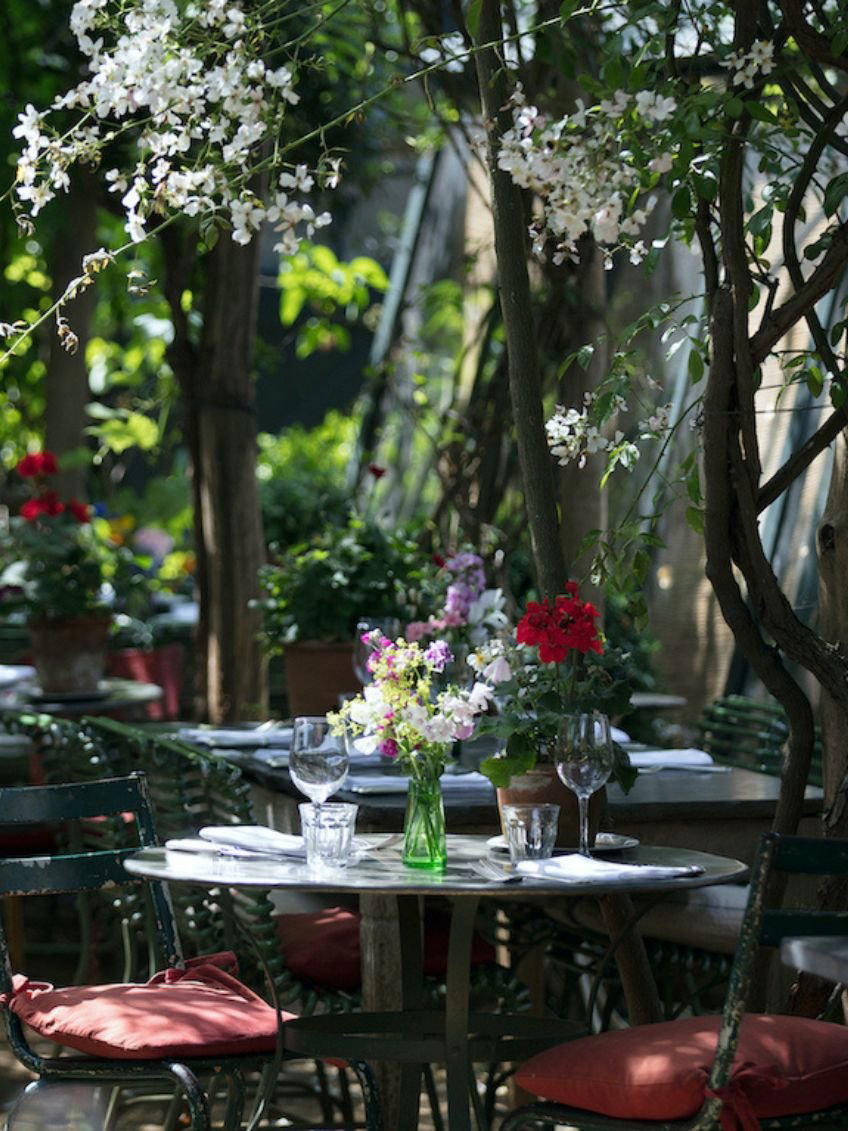
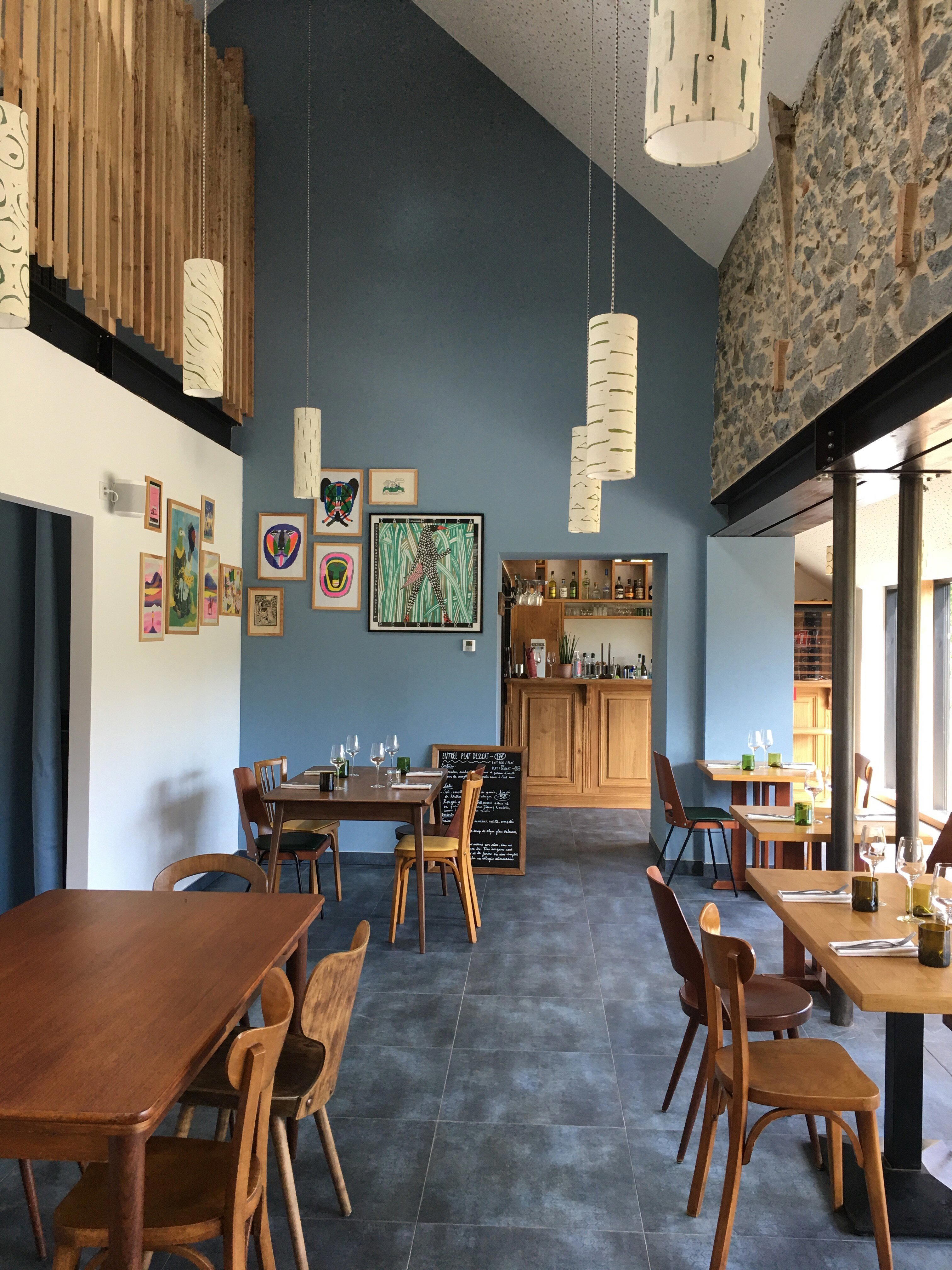
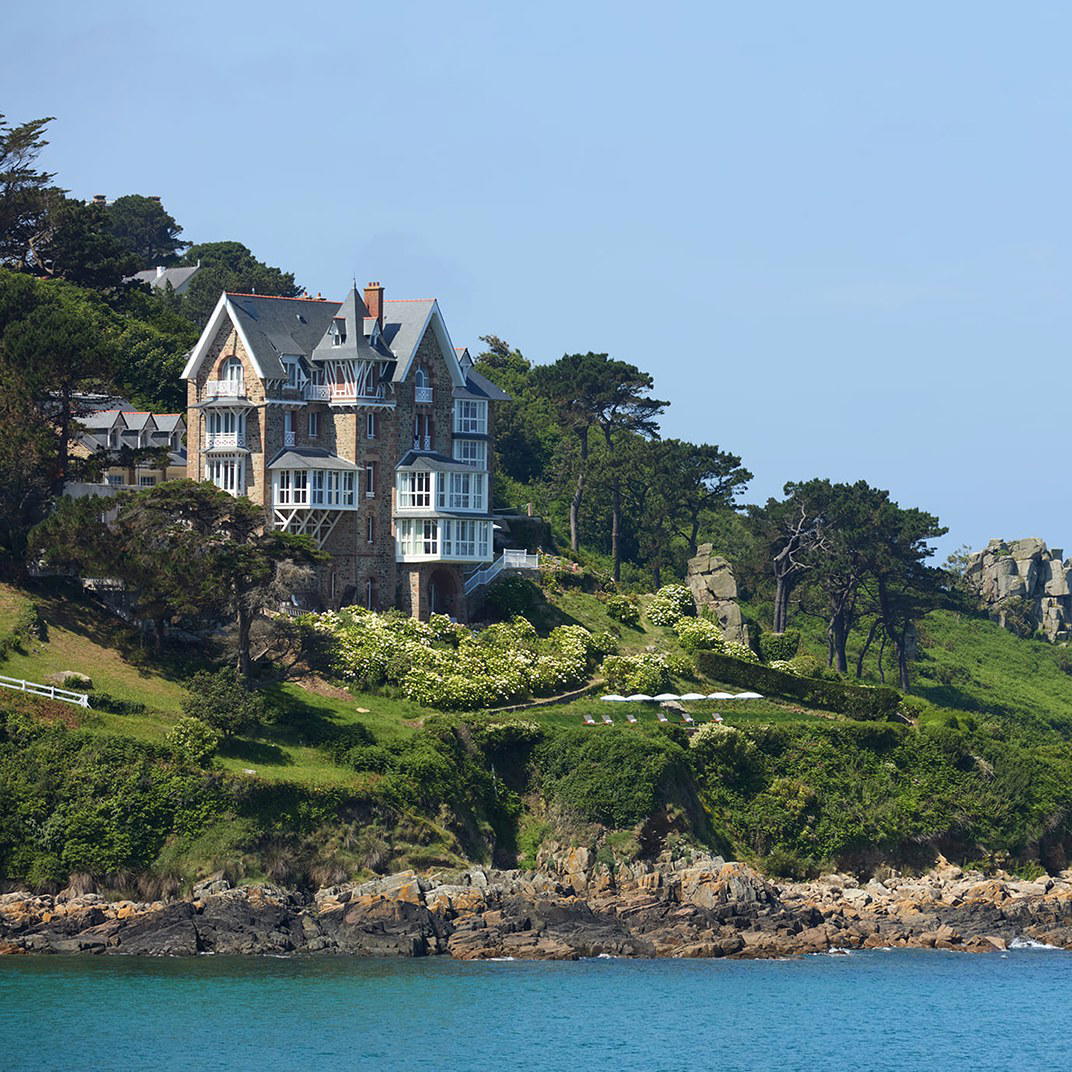
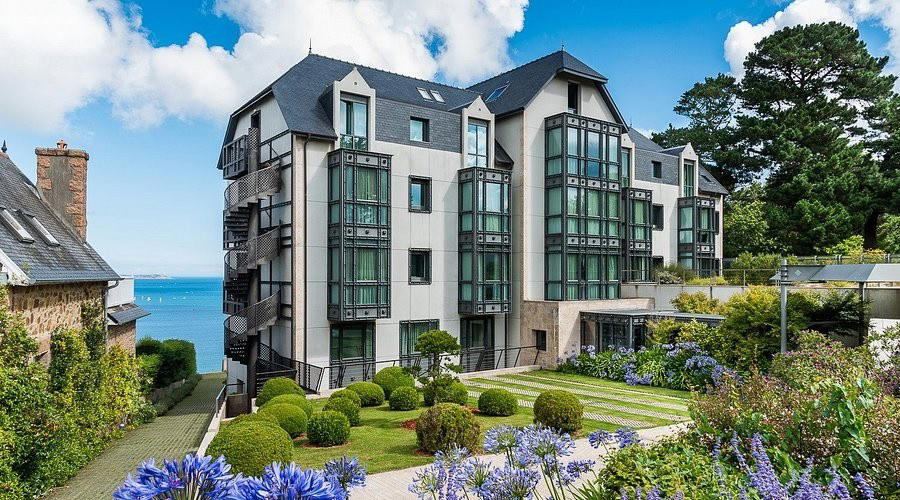
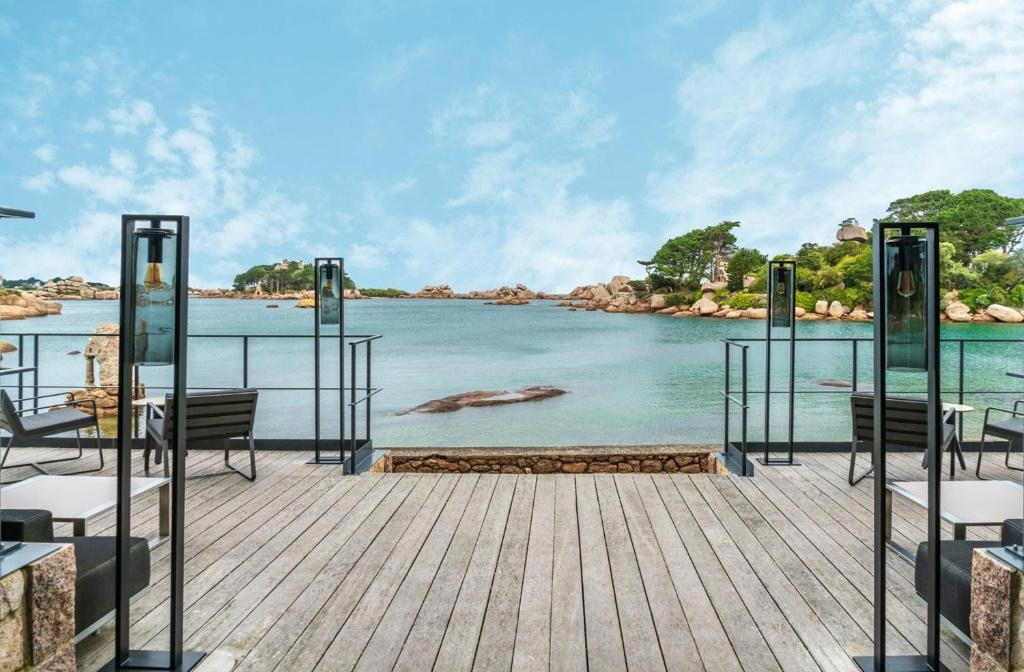
Charming country house with warm dining room and beautiful flower-adorned terrace creating a relaxing, bucolic paradise in summer.