La Marinière
On the seafront boulevard of Saint-Cast-le-Guildo, La Marinière occupies a position that says everything about what the Breton coast does well: proximity to the water, simplicity of intent, and access to particularly reliable shellfish and finfish sourcing in northern France. For visitors working through the Côtes-d'Armor coastline, it functions as an honest read on the local catch.
Pearl is the En Primeur Club membership app — saves, bookings, and concierge access live there. Same editors, same standards.
- Address
- 5 Bd de la Mer, 22380 Saint-Cast-le-Guildo, France
- Phone
- +33296418614
- Website
- facebook.com
- Directions
- Get directions
 Saves & bookings on Pearl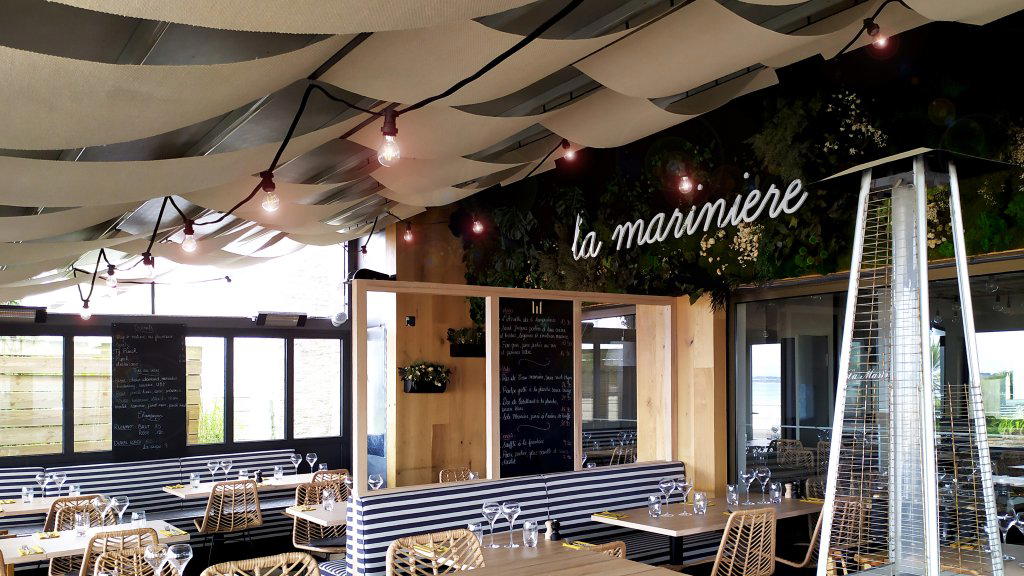
Where the Atlantic Sets the Menu
Stand on the Boulevard de la Mer in Saint-Cast-le-Guildo on a grey morning, the kind the Breton coast produces most weeks between October and April, and the logic of a restaurant like La Marinière becomes obvious. The address at number 5 puts it directly on the seafront, with the bay opening westward toward the Île des Ébihens and the tidal rhythms that shape what arrives in local kitchens each day. In a village of this scale, the distance between the water and the plate is not a selling point but a structural fact. That proximity is what makes the Côtes-d'Armor an interesting part of the broader French coastal dining picture, and La Marinière sits squarely within it.
Saint-Cast-le-Guildo is not a town that appears on lists dominated by Mirazur in Menton or Alléno Paris au Pavillon Ledoyen. It is a quiet Atlantic resort commune in the Côtes-d'Armor department of Brittany, known to French families for its beaches and to serious eaters for the quality of shellfish coming out of the bay. The restaurant scene here operates at a register that is local in the leading sense: calibrated to the catch, the season, and the preferences of the clientele that returns year after year.
Ingredient Sourcing on the Breton Coast
The argument for dining along this stretch of the Breton coastline begins with geography. Brittany produces roughly half of France's shellfish, with the bays and estuaries between Saint-Malo and the Cap Fréhel functioning as productive grounds for oysters, mussels, scallops (coquilles Saint-Jacques), and crustaceans including spider crab and lobster. Saint-Cast-le-Guildo sits within that productive corridor. For a seafront address like La Marinière, this means access to a supply chain that is short by almost any standard in European coastal dining.
The importance of that supply chain is easier to appreciate when you compare it against the sourcing constraints that restaurants further inland, or in dense urban markets, routinely manage. Operations like Christopher Coutanceau in La Rochelle have built serious reputations around Atlantic seafood by making provenance the foundation of the menu, and La Marine in Noirmoutier-en-l'Île has taken the island-catch model further still, becoming one of France's most discussed seafood addresses. The restaurant operates without those institutional profiles, but the underlying resource, Breton Atlantic seafood at its source, is the same category of raw material.
Coquille Saint-Jacques season runs from October through April along this coast, with the scallop fishery in the Bay of Saint-Brieuc (directly south of Saint-Cast) representing among the more tightly regulated and volume-significant shellfish operations in France. Any kitchen working in this area during winter months has access to that catch. Oyster beds in Cancale, roughly 40 kilometres northeast, supply much of northern Brittany's restaurant trade with product that reaches tables within hours of harvest. For a small seafront address, these are the sourcing conditions that define the menu more than any individual kitchen decision.
The Coastal Restaurant Format in Northern France
Small resort towns on the French Atlantic coast have developed a dining format over decades that differs from its Mediterranean equivalent. Where the southern coast trends toward the theatrical and the international, the northern Breton and Norman coastlines produce restaurants that are largely functional, seasonally minded, and oriented around local families and returning visitors rather than destination tourism. The price register tends toward the accessible, the format is often à la carte with daily specials built around the catch, and the wine list typically prioritises Muscadet, Gros Plant, and Breton ciders as natural matches for shellfish.
This format sits at a considerable distance from the tasting-menu architecture of Bras in Laguiole or the classical grandeur of Auberge de l'Ill in Illhaeusern, but it operates on its own logic. Comparable formats on other French coastlines, see also Auberge du Vieux Puits in Fontjoncouse for a different regional version of the terroir-anchored small restaurant, demonstrate that France's most interesting eating is not always concentrated in its starred addresses. The coastal seafood bistro is its own genre, with its own standards and its own clientele.
Internationally, the format rhymes with what Le Bernardin in New York City demonstrated: that seafood, treated with restraint and sourced rigorously, can anchor a restaurant's entire identity. The ambition at Le Bernardin operates at a different scale and price tier entirely, but the underlying argument about proximity to the water and quality of the catch is the same one that a seafront address in Saint-Cast-le-Guildo makes implicitly by its location alone.
Planning a Visit
Saint-Cast-le-Guildo is accessible by car from Saint-Malo in approximately 40 minutes via the D786, making it a practical half-day excursion from one of Brittany's main transport hubs. The town is primarily a summer resort, and the restaurant trade here follows that pattern: peak activity runs from June through August, with shoulder season activity in May, September, and October driven partly by the scallop season. Visitors planning around the Breton seafood calendar, particularly those interested in coquilles Saint-Jacques, are better served by autumn and winter visits when the fishery is active, though the restaurant's address at 5 Boulevard de la Mer places it within easy walking distance of the main beach and the town centre.
Fast Comparison
Comparable venues nearby, for context on price, style, and recognition.
| Venue | Cuisine | Price | Awards | Notes |
|---|---|---|---|---|
| La MarinièreThis venue — the venue you are viewing | French Seafood | $$ | Not listed | Not listed |
| Le Jardin Délice | Modern French Breton Fine Dining | $$$ | Michelin Plate | Saint-Cast-le-Guildo |
| Crêperie Ahna | Breton Crêperie | $$ | Not listed | centre-ville |
| Crêperie Pourlette | Breton Crêperie | $$ | Not listed | centre ville |
| La Touline | Breton Crêperie | $$ | Not listed | Intra-Muros |
| BEVAN | Modern French Bistro | $$ | Not listed | Dahouët |
Continue exploring
More in Saint-Cast-le-Guildo
Restaurants in Saint-Cast-le-Guildo
Browse all →
At a Glance
- Scenic
- Rustic
- Cozy
- Family
- Casual Hangout
- Waterfront
- Terrace
- Local Sourcing
- Waterfront
Current opening hours
- Monday
- 12–3 PM, 7–10 PM
- Tuesday
- 12–3 PM, 7–10 PM
- Wednesday
- 12–3 PM, 7–10 PM
- Thursday
- 12–3 PM, 7–10 PM
- Friday
- 12–3 PM, 7–10 PM
- Saturday
- 12–3 PM, 7–10 PM
- Sunday
- 12–3 PM, 7–10 PM
Hours can change for holidays and private events. Last verified .
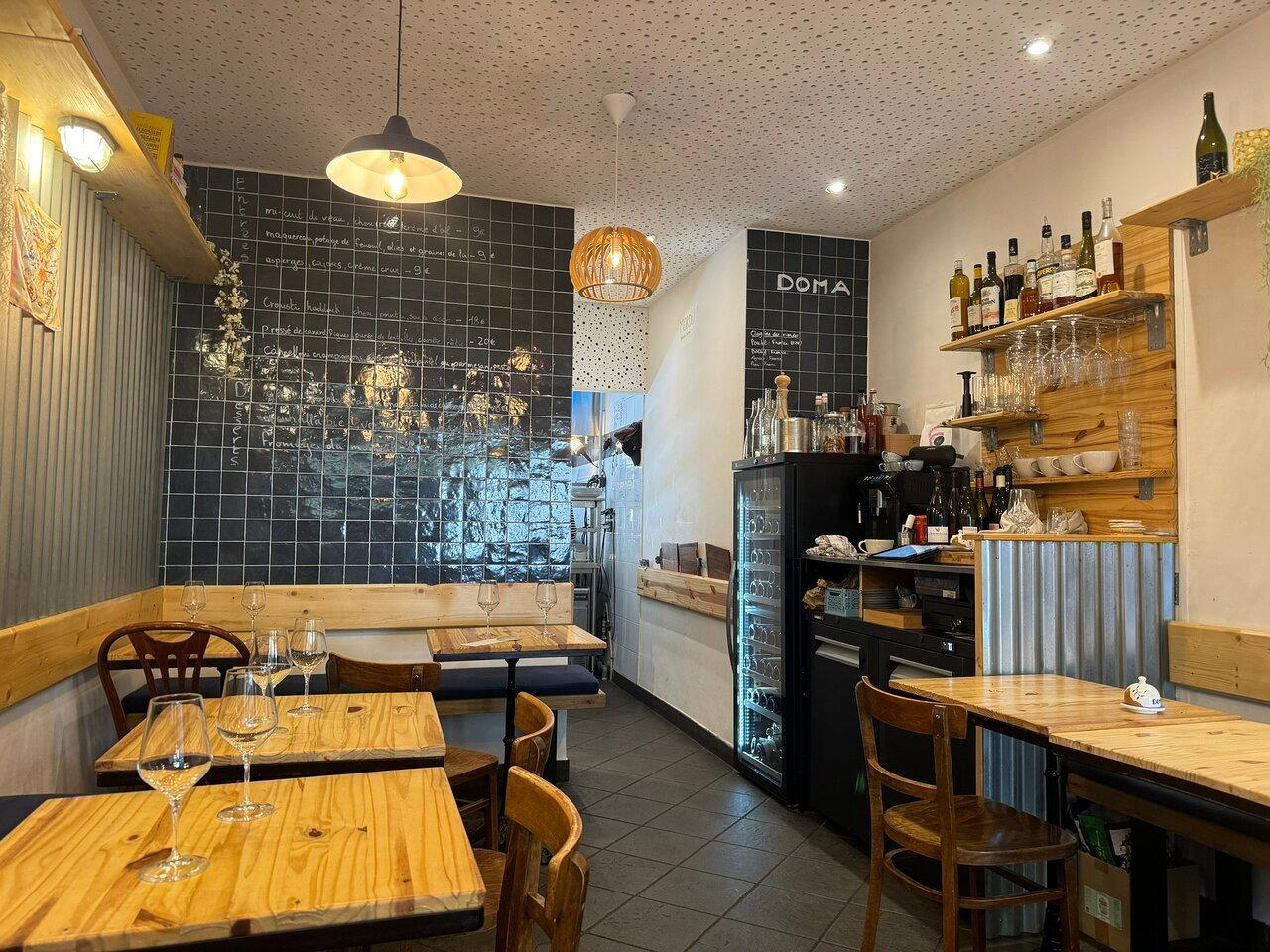
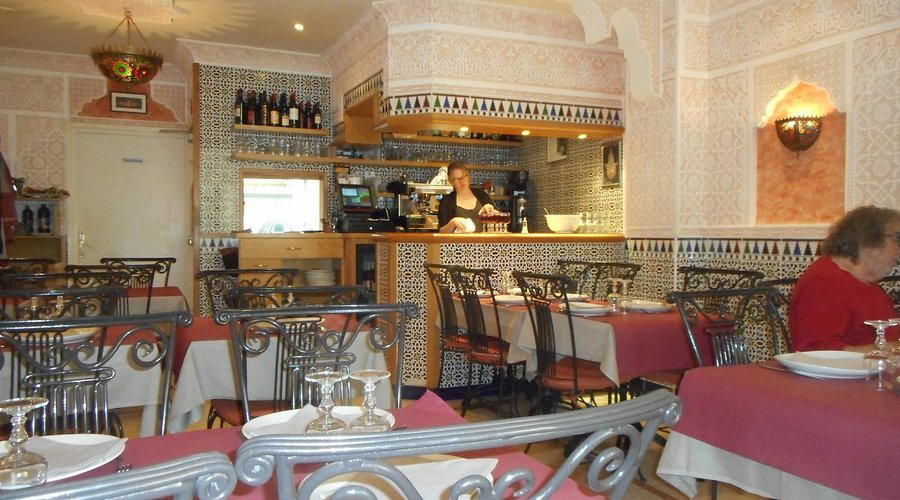
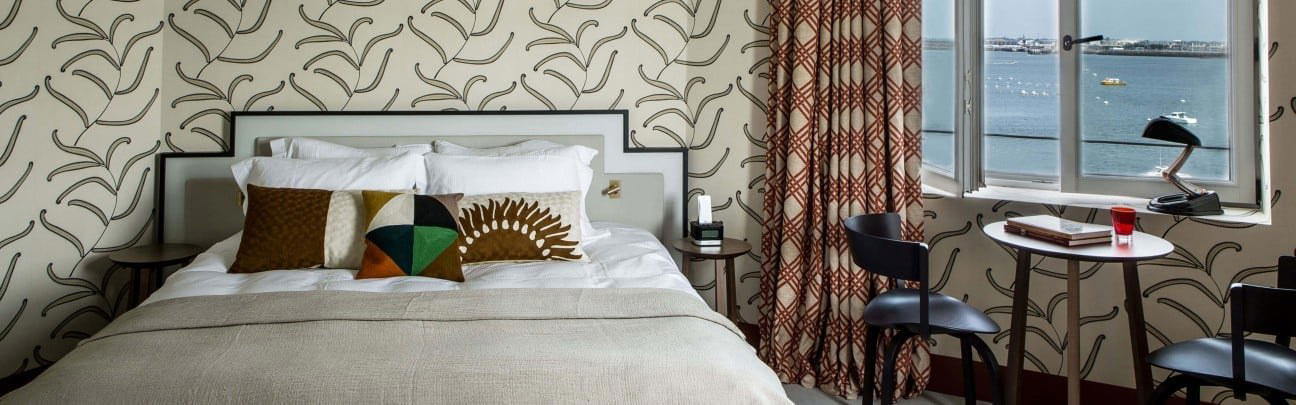
Maritime-themed with modern decor, large windows offering sea views, and a welcoming, professional atmosphere.