
A Michelin Bib Gourmand address in the small Breton port of Binic-Étables-sur-Mer, Brasserie d'Asten operates from a first-floor dining room overlooking the harbour, with a kitchen drawing on market fish, seasonal vegetables, and a career forged at some of France's most demanding addresses. The €€ price point makes it one of the more accessible entries in the region's contemporary dining scene.
Pearl is the En Primeur Club membership app — saves, bookings, and concierge access live there. Same editors, same standards.
- Address
- 8 Bd Clemenceau, 22520 Binic-Étables-sur-Mer, France
- Phone
- +33 2 56 44 28 42
- Website
- asten-restaurant.fr
- Directions
- Get directions
 Saves & bookings on Pearl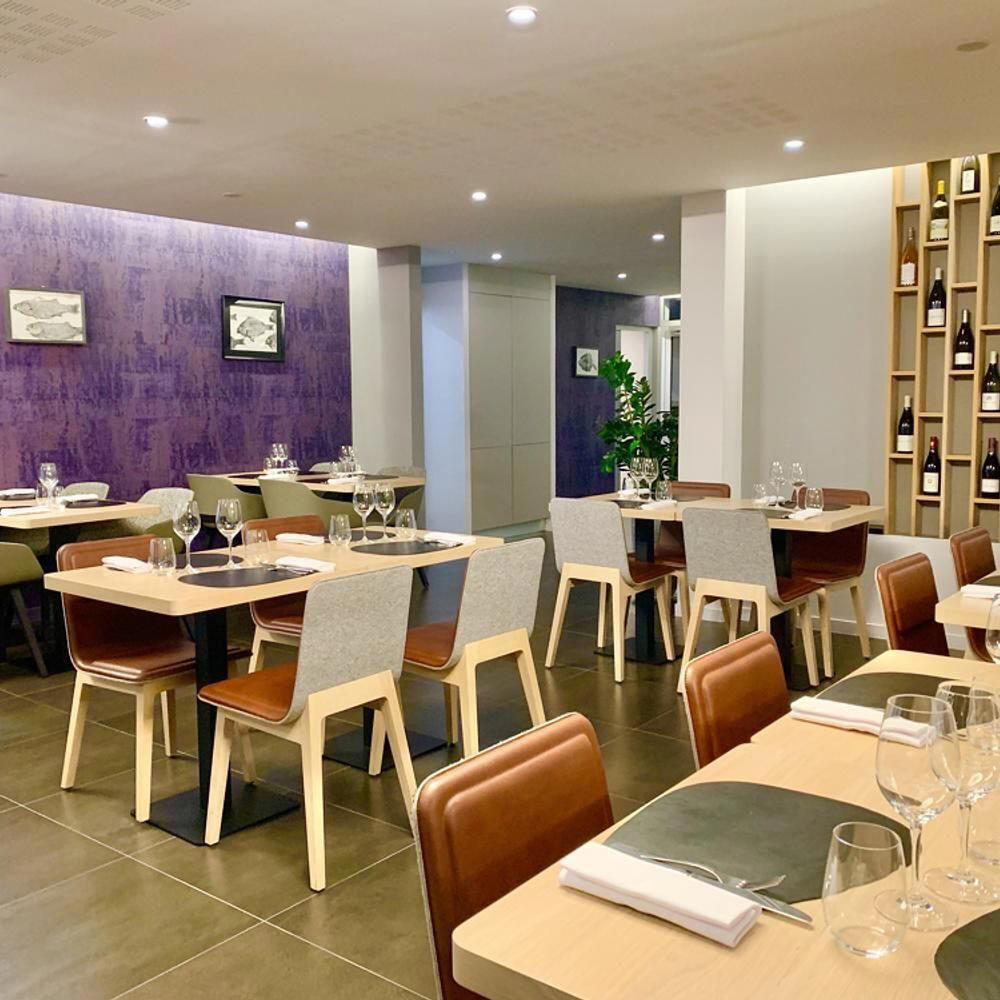
A Port View and a Kitchen That Has Earned Its Place
Brittany's smaller harbour towns have always lived between two culinary worlds: the simple crêperie and the serious table. Binic-Étables-sur-Mer, a modest fishing and leisure port on the Côtes-d'Armor, sits in that tension without resolving it neatly. What Brasserie d'Asten represents is something the region still produces only occasionally: a one-Michelin-star contemporary kitchen that prices itself within reach of a mid-week dinner rather than a special-occasion budget. The dining room occupies the first floor of a house on Boulevard Clemenceau, with direct sightlines over the port. The physical position matters. In a coastal town where the catch is visible from the table, the relationship between sourcing and cooking is not a marketing position, it is a geographical fact.
Where the Ingredients Come From, and Why That Defines the Plate
Breton coastline has historically supplied some of France's most serious kitchens. The cold, nutrient-dense waters of the Channel and the Atlantic produce fish and shellfish that need less intervention to deliver flavour, and the region's market gardeners, particularly those farming in the coastal microclimate, grow vegetables with a concentration that flatland equivalents rarely match. The Michelin citation for Brasserie d'Asten specifically names brill from small boats, cuttlefish, cauliflower, and asparagus: not the prestige ingredients of a luxury menu, but ingredients that depend entirely on sourcing discipline to justify their place on a plate. Small-boat brill, in particular, signals a supply chain that prioritises condition over volume. Trawl-caught fish arrives differently from line-caught or day-boat fish, bruised, stressed, held longer. The decision to source from small boats is a kitchen philosophy expressed through procurement rather than through menu language.
The vegetable work follows the same logic. Cauliflower treated with citrus, fire-roasted cuttlefish, asparagus with a seaweed-inflected hollandaise: these combinations read as contemporary, but the technique is in service of the ingredient rather than in competition with it. Seaweed in a hollandaise is not novelty for its own sake in Brittany, it is a local flavour integrated into a classical sauce, which is a more disciplined manoeuvre than it appears. Coastal kitchens across France have spent years reaching for local inflections that feel earned rather than grafted on; the Michelin citation suggests this kitchen has found that register.
The Kitchen's Lineage and What It Signals
Context for a kitchen's ambition often lies in where its cook trained. In French dining, career provenance functions as a shorthand for technical vocabulary. The Michelin record for Brasserie d'Asten documents a trajectory through Patrick Henriroux's La Pyramide in Vienne, a table that has held two Michelin stars and represents a tradition of rigorous classical French technique. Maison de Bricourt's Coquillage at Cancale is especially directly relevant: Cancale is Brittany's oyster capital, and the kitchen there is defined by its proximity to the sea. Each stop contributes a specific technical layer. The result, in a Bib Gourmand address at €€ pricing, is a kitchen whose technical formation exceeds what the price point would typically suggest. Its Michelin recognition confirms the kitchen has maintained that standard across two inspection cycles, not merely achieved it once. Comparable elevation of technical ambition at accessible price points can be tracked across France at addresses like Au Crocodile in Strasbourg and Assiette Champenoise in Reims, though both operate at higher price bands.
The Room and How It Functions
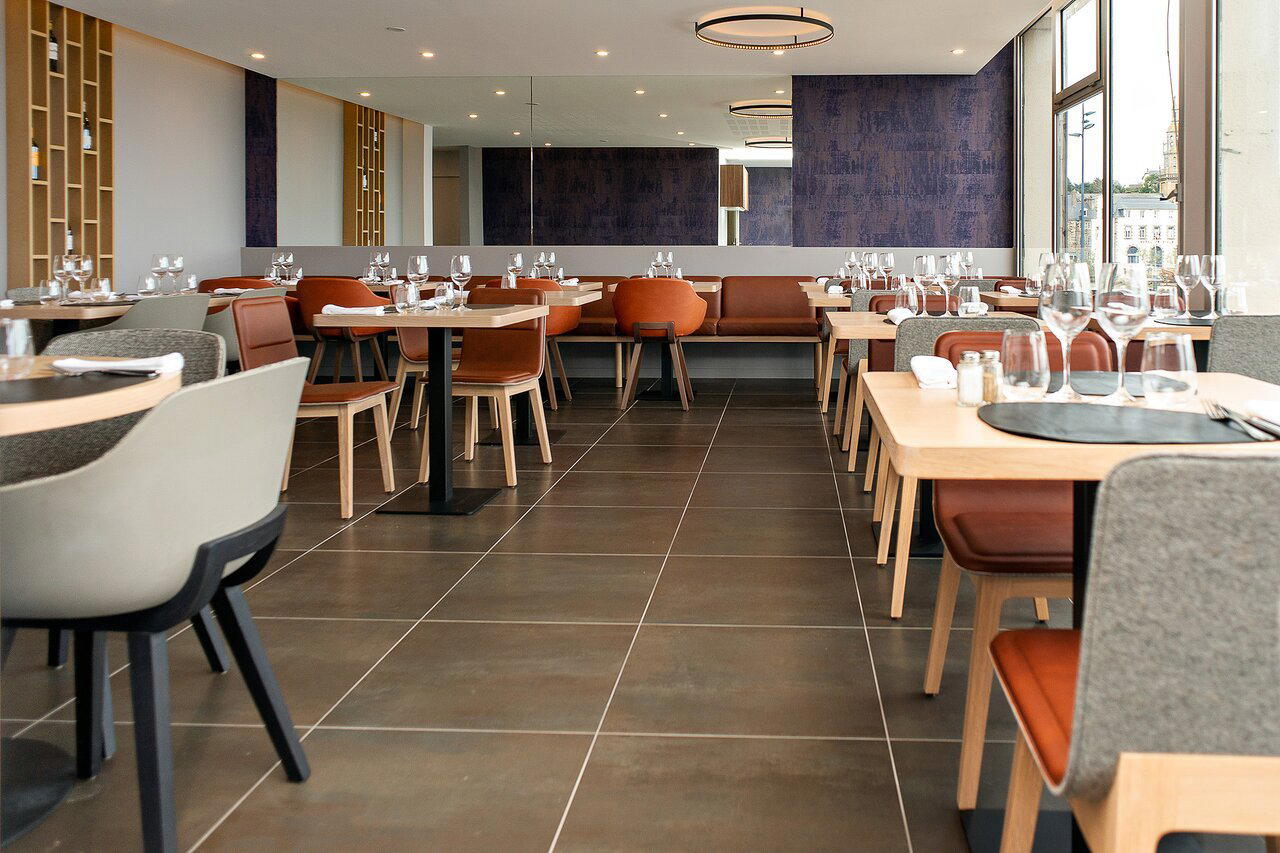
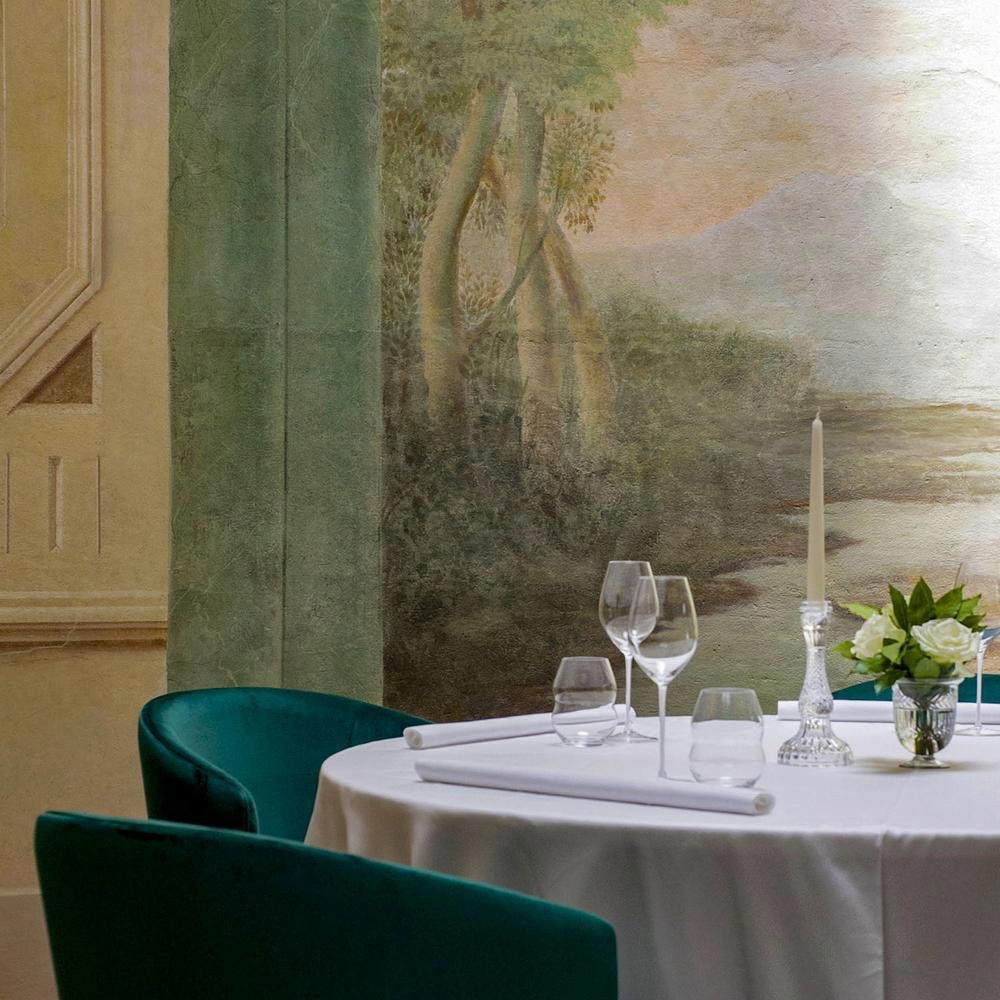
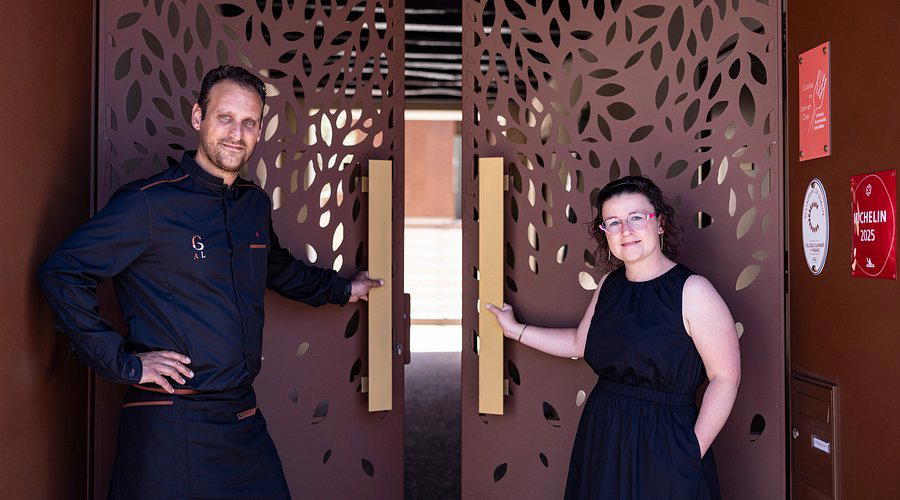
The front-of-house operation at the restaurant is led by the chef's wife, who handles both the dining room and the wine programme. In smaller French restaurants, the sommelière-as-host arrangement concentrates expertise in a way that larger rooms cannot always replicate. The room itself, as described in the Michelin citation, frames harbour views on the first floor: a setting where the meal and the source of much of what appears on the plate occupy the same field of vision.
Service hours narrow considerably compared to a city bistro. The kitchen runs lunch from noon to 1:30 PM and dinner from 7 PM to 8:30 PM Wednesday through Saturday, with a Sunday lunch service and both Monday and Tuesday closed. That timetable, tight even by French provincial standards, reflects the realities of a small operation running at quality rather than volume. Reservations are recommended, particularly for weekend dinner.
Where It Sits in the Local and Regional Picture
Binic-Étables-sur-Mer is not a dining destination in the way that Saint-Malo or Cancale function, where restaurants draw visitors specifically for the table. It is a port town with a working character, and the restaurant occupies an unusual position within it: contemporary in technique, local in sourcing, and priced to attract residents as much as travellers. The €€ bracket sits well below the €€€€ of a three-star French address like Alléno Paris au Pavillon Ledoyen or Paul Bocuse - L'Auberge du Pont de Collonges, and the format is correspondingly more relaxed. That combination of technical seriousness and accessible pricing is what the Bib Gourmand classification exists to recognise, and the restaurant has now held it across consecutive years.
Within the contemporary cooking category, La Table d'Asten offers another local reference point in the same genre. For a wider sense of how contemporary French technique operates at global scale, Jungsik in Seoul and César in New York City show how the idiom travels, while AM par Alexandre Mazzia in Marseille and Flocons de Sel in Megève demonstrate the range of regional French contemporary cooking at starred level. Troisgros - Le Bois sans Feuilles and Auberge de l'Ill in Illhaeusern provide the deeper historical context for where serious provincial French cooking has come from.
Planning Your Visit
The restaurant is at 8 Boulevard Clemenceau, Binic-Étables-sur-Mer (22520). The kitchen is open Wednesday through Saturday for both lunch (12:00 to 13:30) and dinner (19:00 to 20:30, Saturday dinner from 19:15), and Sunday for lunch only. Monday and Tuesday are closed. Reservations are advisable, particularly for weekend dinner slots during the Breton summer season.
How It Stacks Up
Comparable venues nearby, for context on price, style, and recognition.
| Venue | Cuisine | Price | Awards | Notes |
|---|---|---|---|---|
| Brasserie d'AstenThis venue — the venue you are viewing | French Bistronomique | $$ | Michelin 1 Star | Not listed |
| La Table d'Asten | Modern French Fine Dining | $$$$ | Michelin 1 Star | Binic |
| Auberge de l'Abbaye | Normandy French Bistro | $$ | Michelin 1 Star | Hambye |
| Brasserie Constance - Abbaye de Villeneuve | Traditional French Brasserie | $$$ | Michelin 1 Star | Les Sorinières |
| L'Inattendu - Domaine de Locguénolé | Haute French Fine Dining | $$$$ | Michelin 1 Star | Kervignac |
| La Vieille Tour | Modern French Fine Dining | $$$ | Michelin 1 Star | Cellettes |
Recognition history
Dated appearances from independent guides and award organizations, with the underlying list record or original source where available.
Michelin 1 Star
Michelin
Michelin Bib Gourmand
Michelin
At a Glance
- Modern
- Elegant
- Cozy
- Date Night
- Family
- Casual Hangout
- Waterfront
- Local Sourcing
- Waterfront
Current opening hours
- Monday
- Closed
- Tuesday
- Closed
- Wednesday
- 12:15–1:30 PM, 7:15–8:30 PM
- Thursday
- 12:15–1:30 PM, 7:15–8:30 PM
- Friday
- 12:15–1:30 PM, 7:15–8:30 PM
- Saturday
- 12:15–1:30 PM, 7:15–8:30 PM
- Sunday
- 12:15–1:30 PM
Hours can change for holidays and private events. Last verified .
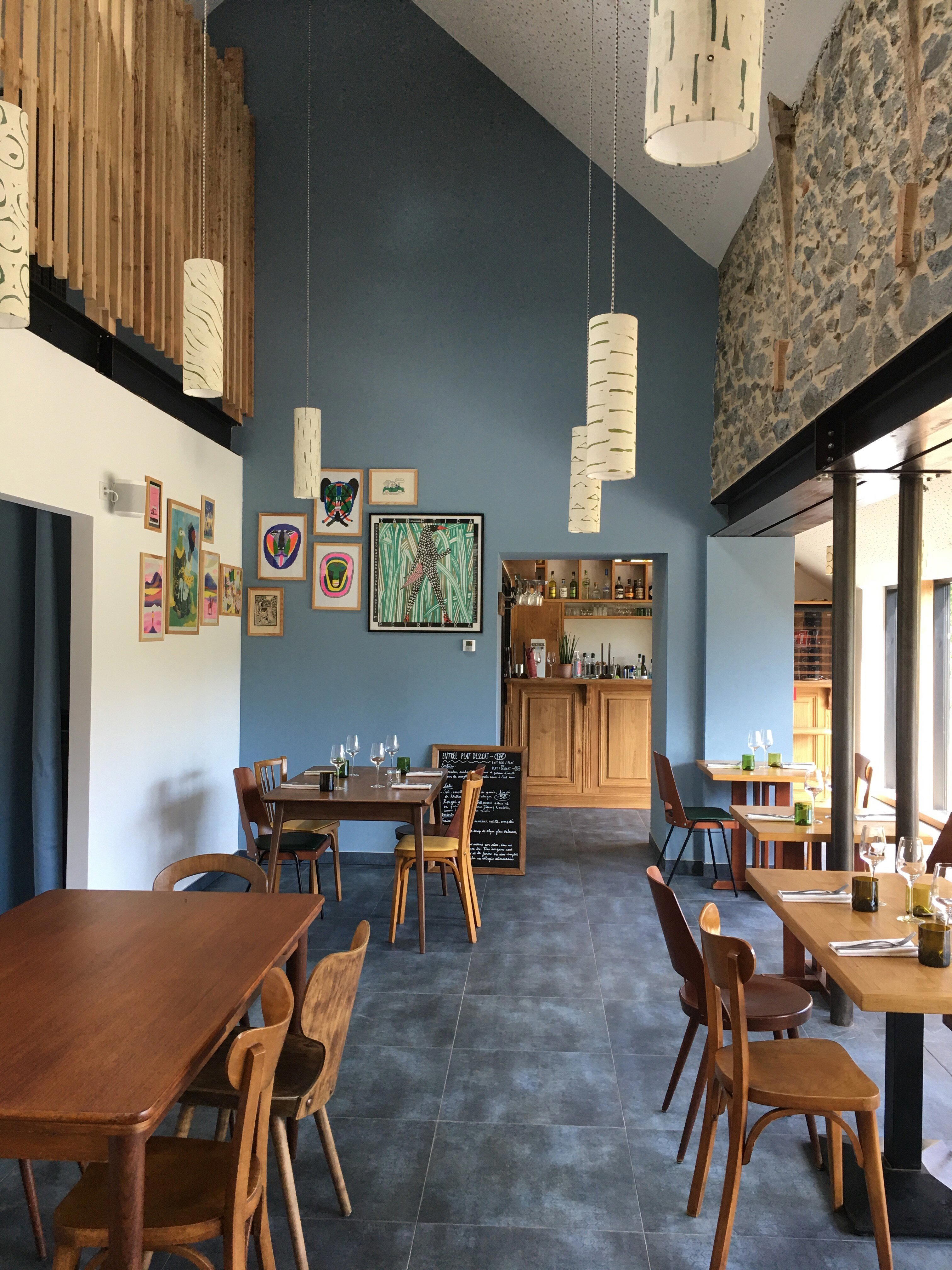
Contemporary and warm with an épurée, modern decor, large bay windows offering sea views, and a convivial relaxed atmosphere.