Karantez sits on Rue Lazare Carnot in Lorient, a port city whose entire culinary identity is shaped by Atlantic proximity. In a Breton dining scene where ingredient sourcing is a point of civic pride rather than marketing, this address operates within a tradition that treats the sea and surrounding farmland as the kitchen's primary brief. For visitors oriented toward provenance-led cooking in a non-touristy French port, it warrants serious attention.
Pearl is the En Primeur Club membership app — saves, bookings, and concierge access live there. Same editors, same standards.
- Address
- 36 Rue Lazare Carnot, 56100 Lorient, France
- Phone
- +33297642654
- Website
- restaurantkarantez.fr
- Directions
- Get directions
 Saves & bookings on Pearl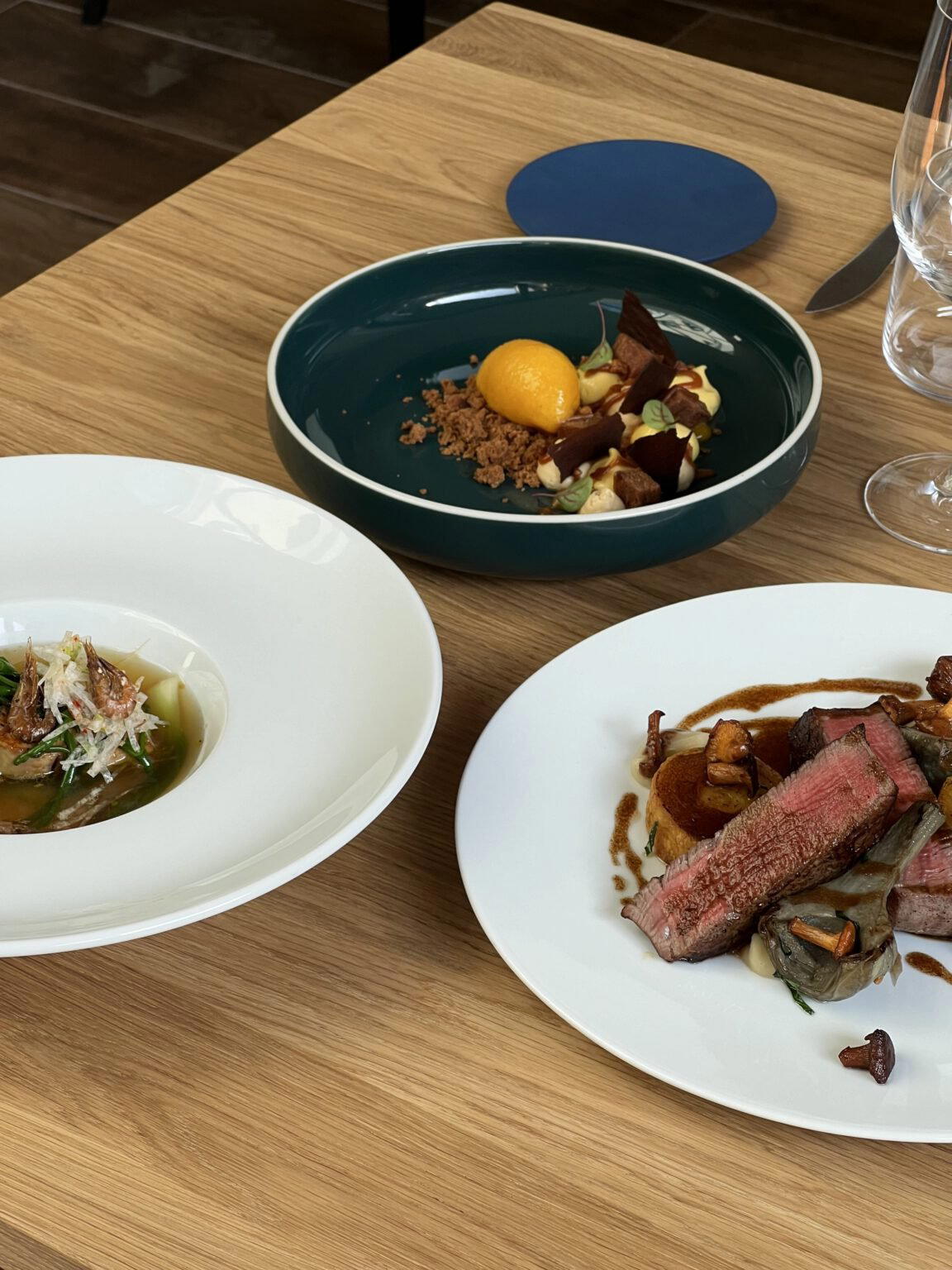
Where the Atlantic Shapes What Ends Up on the Plate
Lorient is not a dining city that announces itself loudly. Rebuilt almost entirely after wartime destruction, it lacks the preserved stone streetscapes that pull visitors to Quimper or Vannes, and its restaurant scene reflects that same quality of operating without much external attention. What the city does have is a working port, direct access to some of Brittany's most productive fishing grounds, and a local eating culture that has historically prioritised what arrives fresh over what photographs well. Karantez, at 36 Rue Lazare Carnot, sits inside that tradition.
Rue Lazare Carnot runs through a central residential and commercial grid — not a tourist corridor, not a waterfront promenade. The address signals immediately that this is a restaurant oriented toward the city rather than toward visitors passing through. In French provincial dining, that geography often matters more than any award. Venues that depend on returning locals tend to maintain consistency differently from those chasing seasonal footfall.
Brittany's Ingredient Logic and Why It Matters Here
The broader argument for eating in Lorient, and in coastal Brittany generally, is one of supply chain compression. The fish markets at the port handle landings from vessels working the Bay of Biscay and Celtic Sea. Oysters come from the Belon and Etel rivers, both within an hour. The bocage inland produces butter and cream that French cooking has relied on for centuries — this is, after all, the region that gave the country its most recognisable dairy tradition. For a kitchen anchored to that supply network, seasonality is not a positioning statement: it is simply the operational reality of working with what the boats and the farms bring in.
That ingredient logic distinguishes the Lorient dining scene from higher-profile Breton destinations. In Saint-Malo or Cancale, restaurants have built international reputations partly on the same raw material advantage, consider how Mirazur in Menton or Bras in Laguiole have made sourcing and terroir the explicit editorial centre of their cooking. In Lorient, similar sourcing rigour tends to operate without the accompanying publicity apparatus. The fish is the same quality; the platform is smaller.
Across the city's mid-range addresses, the pattern is consistent. Gare aux Goûts works a contemporary register at the €€ tier. Le 26-28 applies modern technique to the same local supply. Le Tire Bouchon holds to a more traditional format. The Crêperie du Port anchors the more casual end. Le Jardin Gourmand takes a different angle toward the garden-produce tradition. Karantez enters that conversation at an address that prioritises neighbourhood function, placing it in the same practical tier as its peers while its kitchen priorities remain its distinguishing variable.
The Breton Dining Tradition as Context
Brittany produces a regional cuisine that resists easy categorisation within the French canon. It is not the butter-and-wine architecture of Burgundy, not the technique-first ambition of Paris, not the Mediterranean lightness of Provence. What it offers instead is a coastal austerity: galettes, crêpes, shellfish served with minimal intervention, fish preparations that respect the protein rather than elaborate on it. The Breton tradition values the ingredient over the sauce, the landed catch over the composed plate.
That restraint has its own discipline. French restaurants that make provenance their primary argument, from Auberge de l'Ill in Illhaeusern to Troisgros - Le Bois sans Feuilles in Ouches, tend to anchor their identity in specific supply relationships developed over years. The same logic applies at smaller scale in a city like Lorient, where proximity to source is a structural advantage that any kitchen can exploit if it chooses to orient around it. Karantez's position on a working residential street in a port city suggests that orientation rather than contradicting it.
For readers who track what France's most ambitious addresses are doing with terroir, whether at Alléno Paris au Pavillon Ledoyen, AM par Alexandre Mazzia in Marseille, or Flocons de Sel in Megève, the interest in a Lorient address is partly comparative. The ingredient quality that underpins those larger reputations exists in abundance on this coastline. The question in any Lorient restaurant is what a kitchen does with that proximity.
Planning a Visit
Lorient is accessible by TGV from Paris Montparnasse, with journey times typically running under four hours. The city's restaurant culture concentrates in the central arrondissement, and 36 Rue Lazare Carnot sits within walking distance of most central accommodations. Lunch service tends to be the format through which local clientele most regularly engages with neighbourhood restaurants of this type in Brittany, making a midday visit the lower-friction option for first-time visitors. For a broader orientation to eating and drinking in the city, the full Lorient restaurants guide maps the scene across formats and price points.
How Karantez Lorient compares with similar nearby venues.
| Venue | Cuisine | Price |
|---|---|---|
| Le Yachtman | Seafood | €€ |
| Le 26-28 | Modern Cuisine | €€ |
| Le Tire Bouchon | Traditional Cuisine | €€ |
At a Glance
- Cozy
- Elegant
- Intimate
- Date Night
- Special Occasion
- Standalone
- Extensive Wine List
- Local Sourcing
Current opening hours
- Monday
- Closed
- Tuesday
- Closed
- Wednesday
- 12–1:30 PM, 7–9:30 PM
- Thursday
- 12–1:30 PM, 7–9:30 PM
- Friday
- 12–1:30 PM, 7–9:30 PM
- Saturday
- 12–1:30 PM, 7–9:30 PM
- Sunday
- 12–1:30 PM
Hours can change for holidays and private events. Last verified .
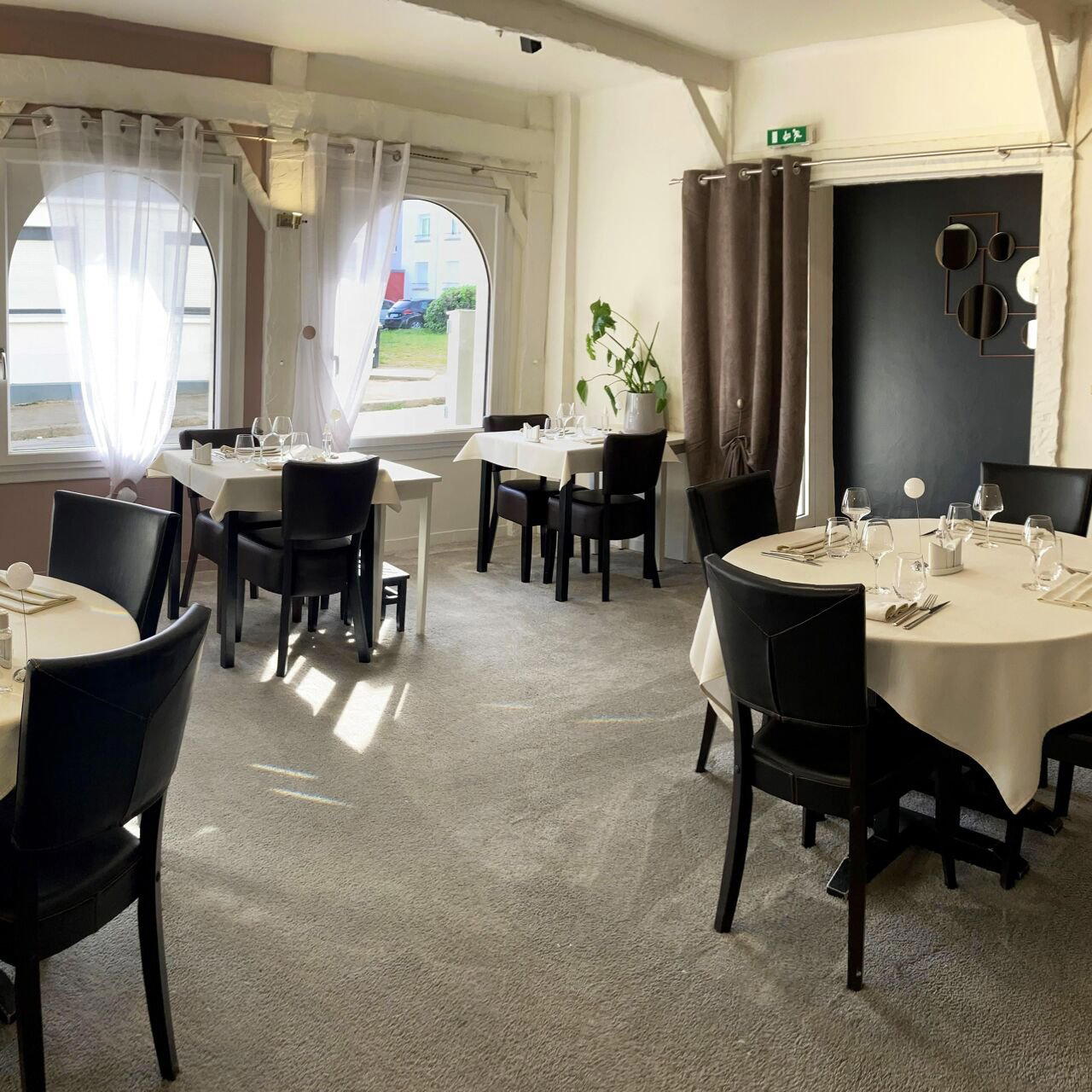
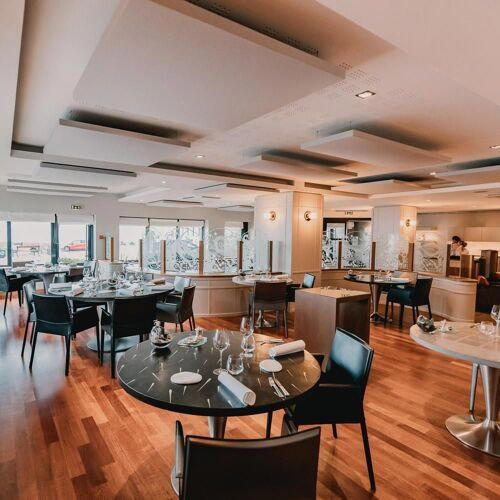
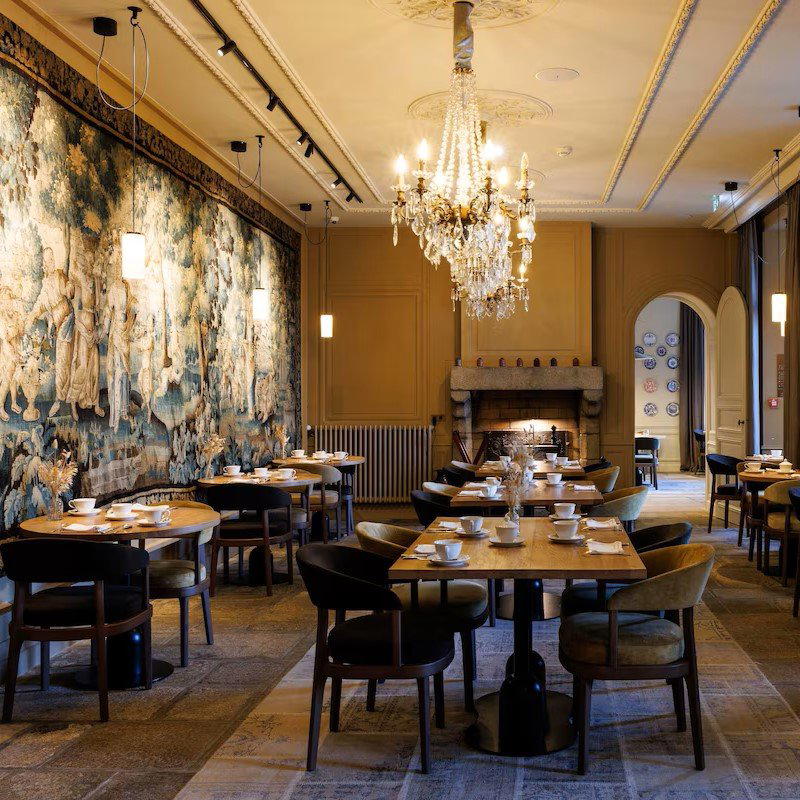
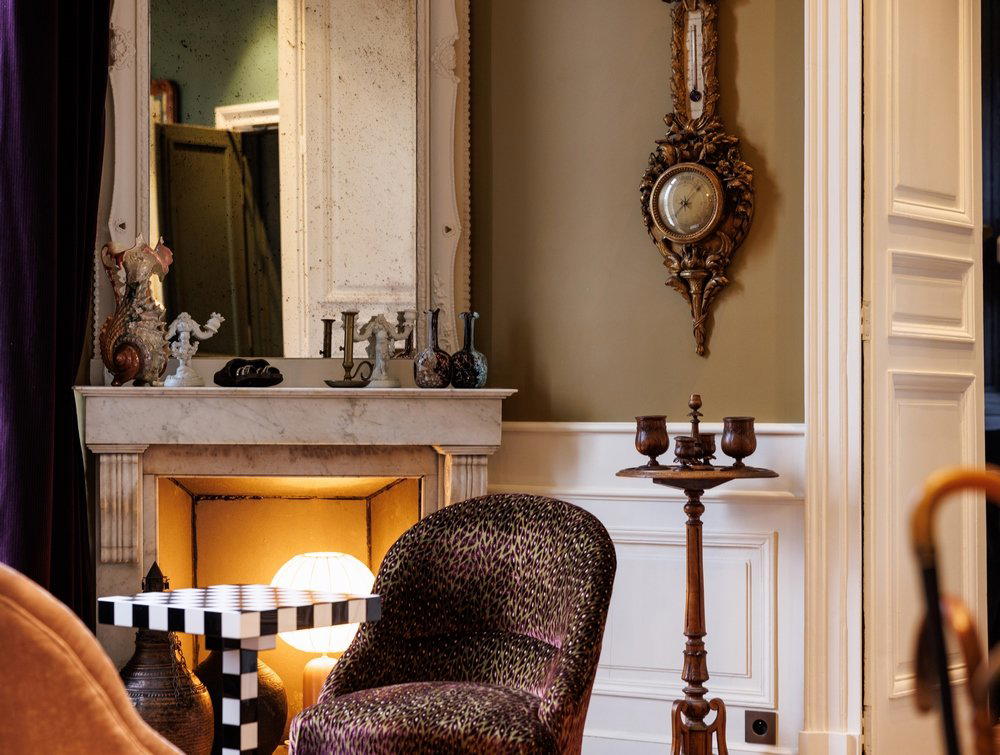
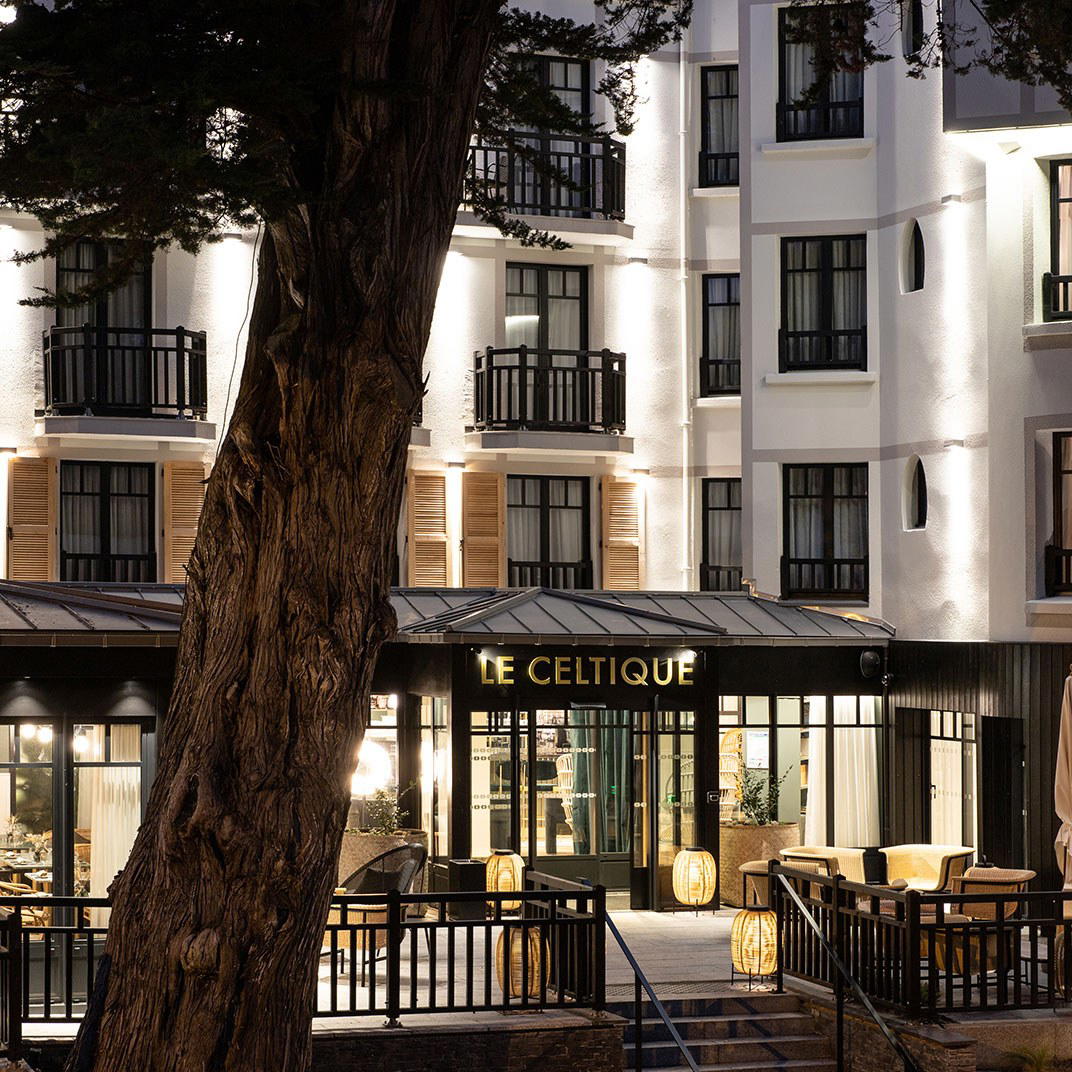
Cozy and intimate atmosphere with chic pastel and wooden decor creating a calm, feutrée ambiance.
Know Before You Go
- Getting there
- 36 Rue Lazare Carnot, 56100 Lorient, France