L'Ecole
L'Ecole sits along the route de Bouchala in Saint-Martin-Lestra, a small commune in the Loire département of France's Auvergne-Rhône-Alpes region. The address places it firmly in rural French dining territory, where the relationship between kitchen and surrounding land tends to define the character of a meal far more directly than in any urban setting. For travellers who follow French regional cooking seriously, this corner of the Loire hills rewards attention.
Pearl is the En Primeur Club membership app — saves, bookings, and concierge access live there. Same editors, same standards.
- Address
- 3602 route de Bouchala, 42110 Saint-Martin-Lestra, France
- Phone
- +33635511084
- Website
- aubergedelecole.fr
- Directions
- Get directions
 Saves & bookings on Pearl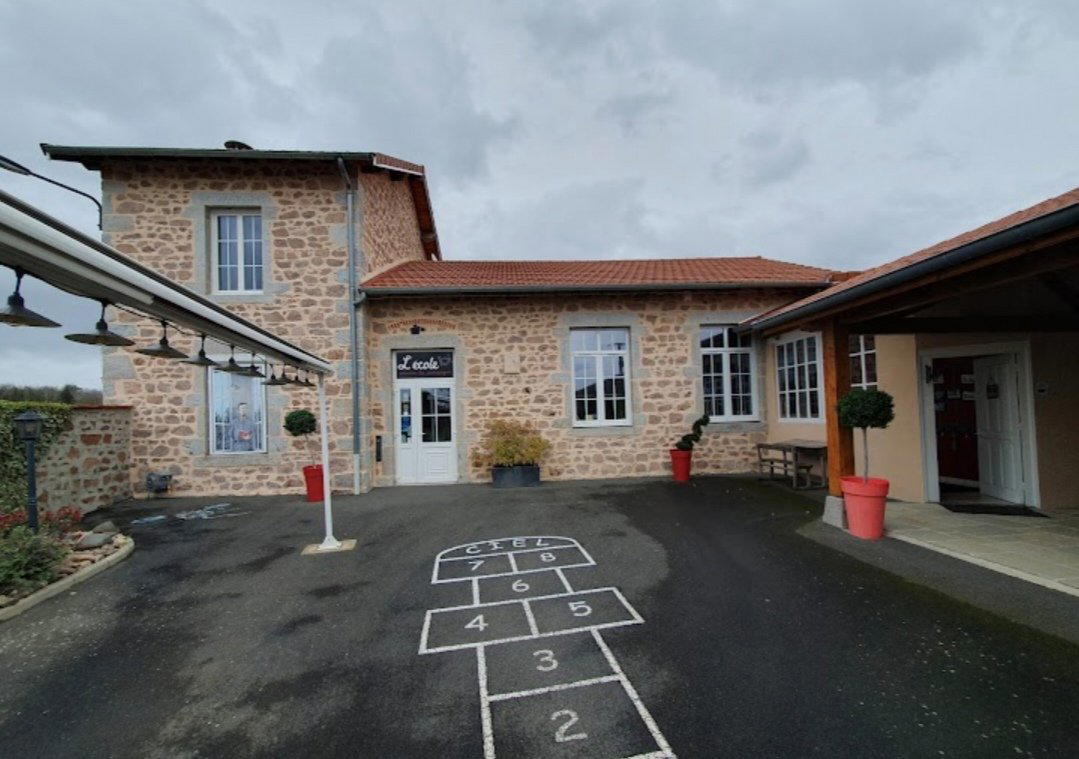
Rural Loire Cooking and the Logic of Place
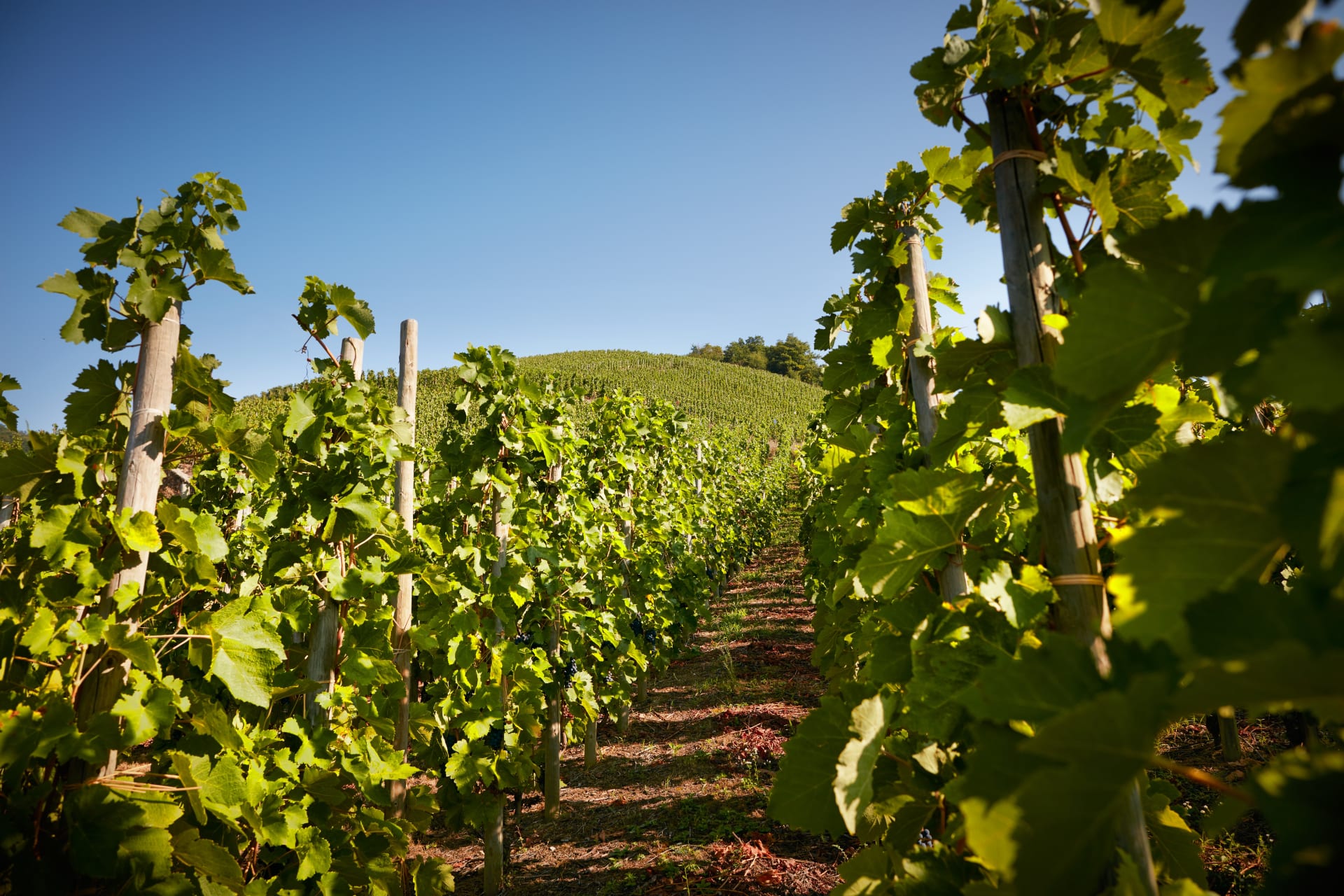
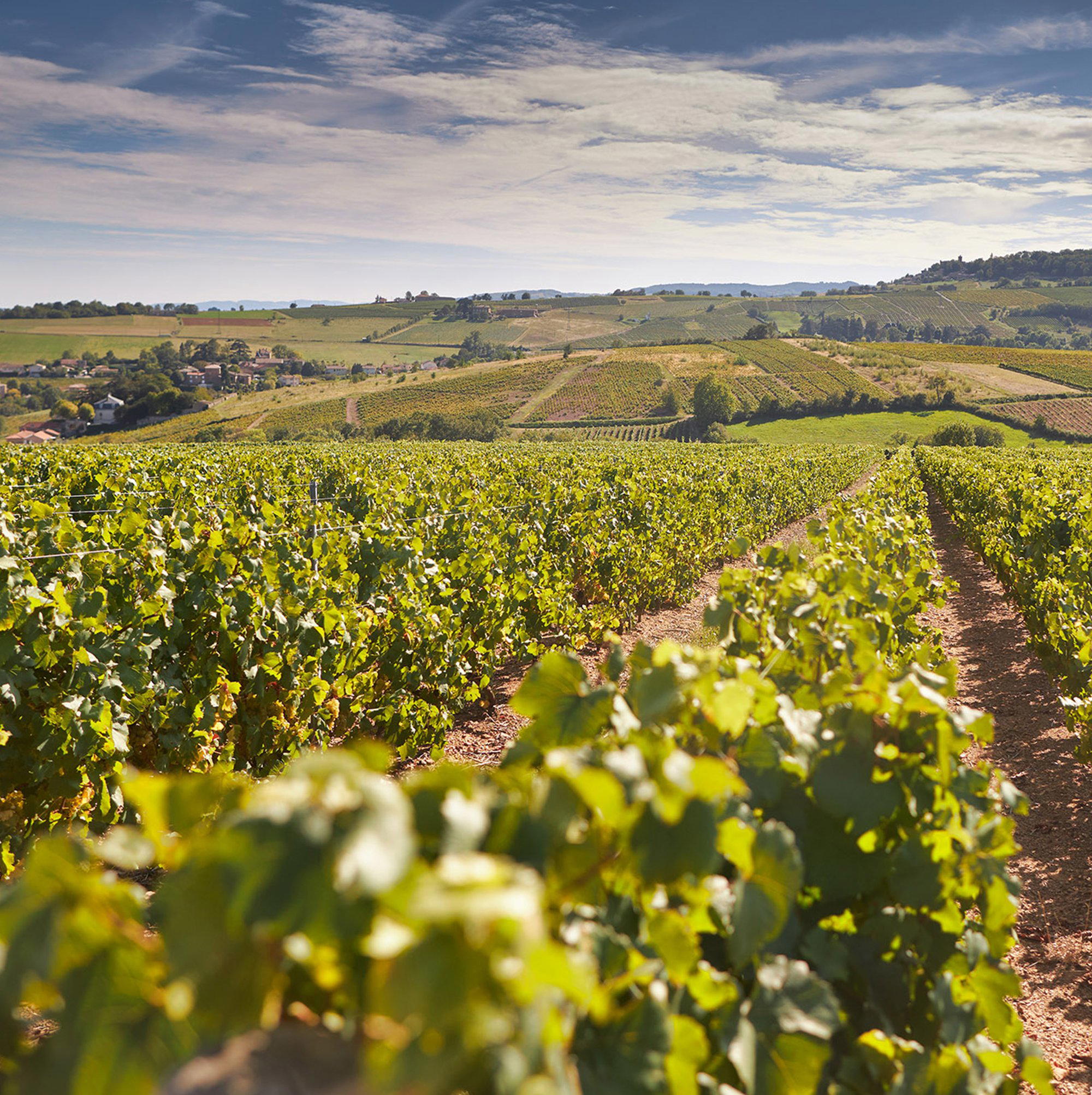
Saint-Martin-Lestra sits in the hilly country of the Loire département, roughly between Lyon and Roanne, in a part of Auvergne-Rhône-Alpes that most visitors pass through rather than stop in. That geography matters. The villages along this stretch of the Loire hills have long supported a particular style of French regional cooking rooted in proximity: proximity to farms, to seasonal rhythms, and to a tradition of feeding a local community rather than performing for an international audience. L'Ecole, at 3602 route de Bouchala, occupies that kind of address, a road-level location in a small commune, the sort of place that earns its following from the surrounding area outward rather than from city-based destination dining inward.
The Loire's position within French gastronomy is often framed around its wines, but the food culture of the département itself draws from a different set of references: the agricultural depth of the Auvergne-Rhône-Alpes plateau, the dairy traditions of the surrounding hills, and a vegetable-growing culture that predates the modern farm-to-table framing by several generations. Restaurants in this zone tend to sit closer to that tradition than to the creative tasting-menu formats associated with Lyon's starred addresses or the grand classical houses further north.
The Setting Along the Route de Bouchala
Arriving at an address like this one requires a different kind of attention than finding a restaurant on a Paris arrondissement map. The route de Bouchala is a rural road; the commune of Saint-Martin-Lestra has the character of a working village rather than a tourist destination. What that means for a dining experience is significant: the physical environment arriving and surrounding the space is agricultural and quiet, not curated for visitors. A dinner here is a deliberate act, which shapes how the room feels, guests have travelled specifically to be there, and that self-selection changes the atmosphere inside.
This is a format that appears across rural France, from the Aveyron hills around Bras in Laguiole to the Alsatian riverside setting of Auberge de l'Ill in Illhaeusern. The common thread is that isolation functions as a filter: it removes the casual foot traffic and leaves a dining room populated almost entirely by people who came because they wanted exactly this. The rural auberge tradition in France has always operated on that logic.
Ingredient Sourcing and Regional Identity
The Loire département's food identity is built on a set of agricultural realities that differ meaningfully from those of the Rhône valley further south or the Burgundy plateau to the north. The hills around Saint-Martin-Lestra sit within reach of cattle farming, small-scale vegetable production, and the river valley's own supply of freshwater fish. French regional cooking in this mode historically used what was close, and the seasonal calendar was not a marketing concept but a practical constraint, what grew, what grazed, what came into condition at a given time of year.
Kitchens in this part of France that honour that tradition tend to express it through restraint rather than elaboration. The sourcing story is told through the cooking rather than through menu annotations. This stands in contrast to the more architecturally complex sourcing programs at places like Mirazur in Menton, where the garden is itself a design element, or the highly mediated farm relationships visible at the three-Michelin-star level across France. Rural Loire cooking at its most grounded is less theatrical about its ingredients and more directly reliant on them.
That directness has its own integrity. A kitchen sourcing from farms within a few kilometres of the dining room does not need to explain the distance; the flavour of the season does the work. This is the argument that places like Georges Blanc in Vonnas and Troisgros in Ouches have made across decades in their respective corners of Auvergne-Rhône-Alpes, regional identity expressed through the accumulated decision of what to buy and where.
How This Fits the Broader French Provincial Dining Picture
France's recognised fine dining remains heavily concentrated in Paris, Lyon, and a handful of landmark rural addresses. At the level of a small commune like Saint-Martin-Lestra, the relevant comparison set is not Alléno Paris au Pavillon Ledoyen or Assiette Champenoise in Reims but rather the tier of committed regional tables that serve a local and regional audience with seriousness and consistency. These are not interchangeable with the destination starred houses; they occupy a different function in the French food ecosystem.
Provincial French dining at this level carries a different set of expectations on both sides of the pass. The cooking responds to what is available, the pacing follows a rhythm set by the locality rather than the demands of international food media, and the room tends to reflect the community around it. For travellers accustomed to urban tasting-menu formats, a rural auberge experience in the Loire hills offers a different register of French cooking. Neither is superior; they answer different questions.
Planning a Visit
Saint-Martin-Lestra is not served by major rail connections. The practical approach from Lyon is by car, making it a genuine half-day or evening excursion from the city rather than a quick transit stop. Given the rural address and the scale of the commune, confirming opening days and reservation requirements directly before travelling is advisable. Visitors in the Auvergne-Rhône-Alpes region who are building a broader dining itinerary might pair a visit here with the Roanne corridor, where Paul Bocuse's Auberge du Pont de Collonges remains a reference point for the region's classical tradition, or look further afield to Flocons de Sel in Megève for a contrasting mountain perspective on Auvergne-Rhône-Alpes produce.
Quick Comparison
Comparable venues nearby, for context on price, style, and recognition.
| Venue | Cuisine | Price | Notes |
|---|---|---|---|
| L'EcoleThis venue — the venue you are viewing | Traditional French Bistro | $$ | Not listed |
| Restaurant le traditionnel | Traditional French Bistro | $$ | Cours Fauriel |
| L’aventure | French Mountain Grill | $$ | Oz en Oisans |
| Le Bistrot de Lyon | Authentic Lyonnaise Bistro | $$ | Quartier Bellecour Cordeliers |
| Le Café du Peintre | Traditional Lyonnais Bouchon | $$ | Quartier Brotteaux |
| La Cuisine | Modern French Bistro | $$ | Quartier Haut et Coeur des Pentes |
Continue exploring
More in Saint Martin Lestra
Restaurants in Saint Martin Lestra
Browse all →
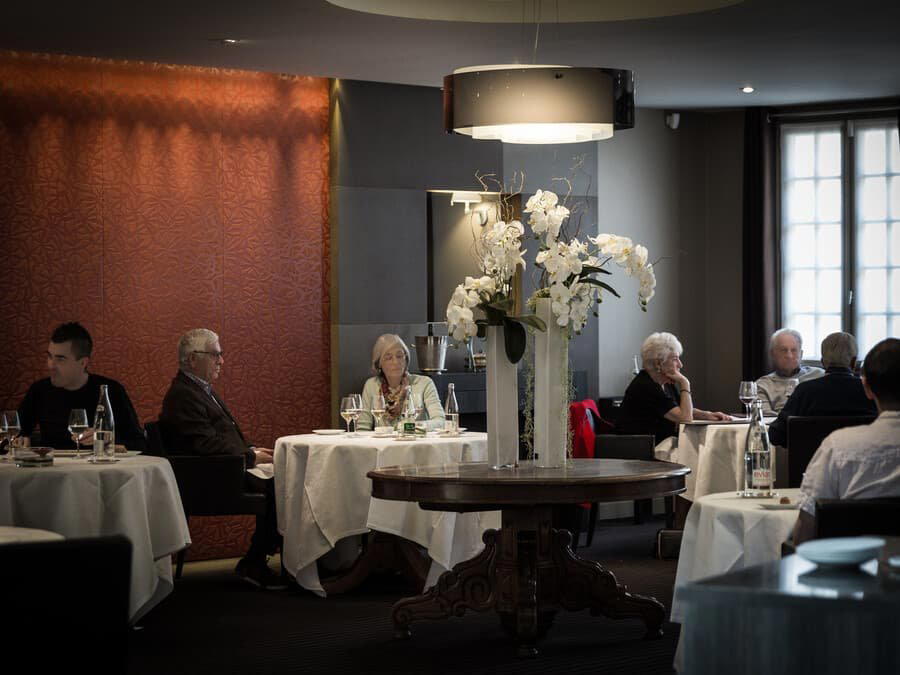
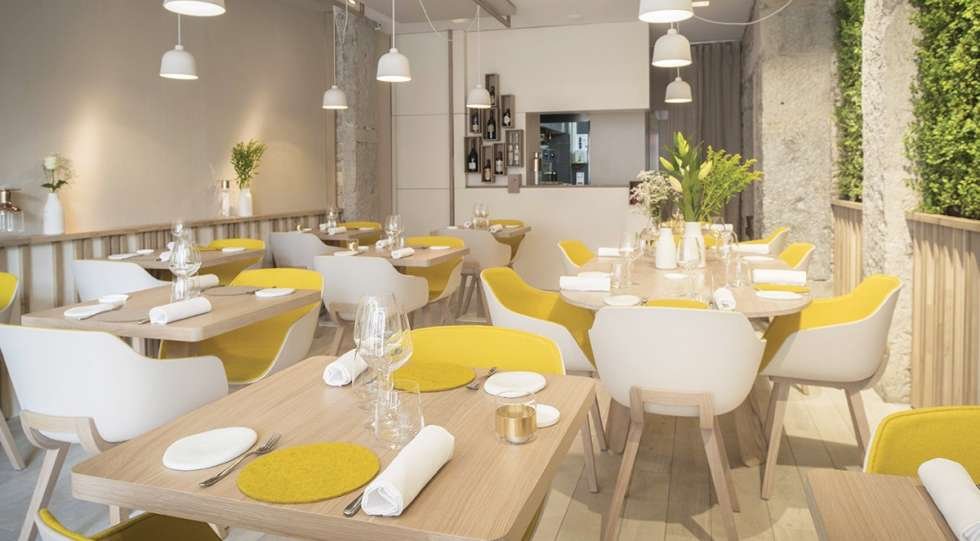
Bars in Saint Martin Lestra
Browse all →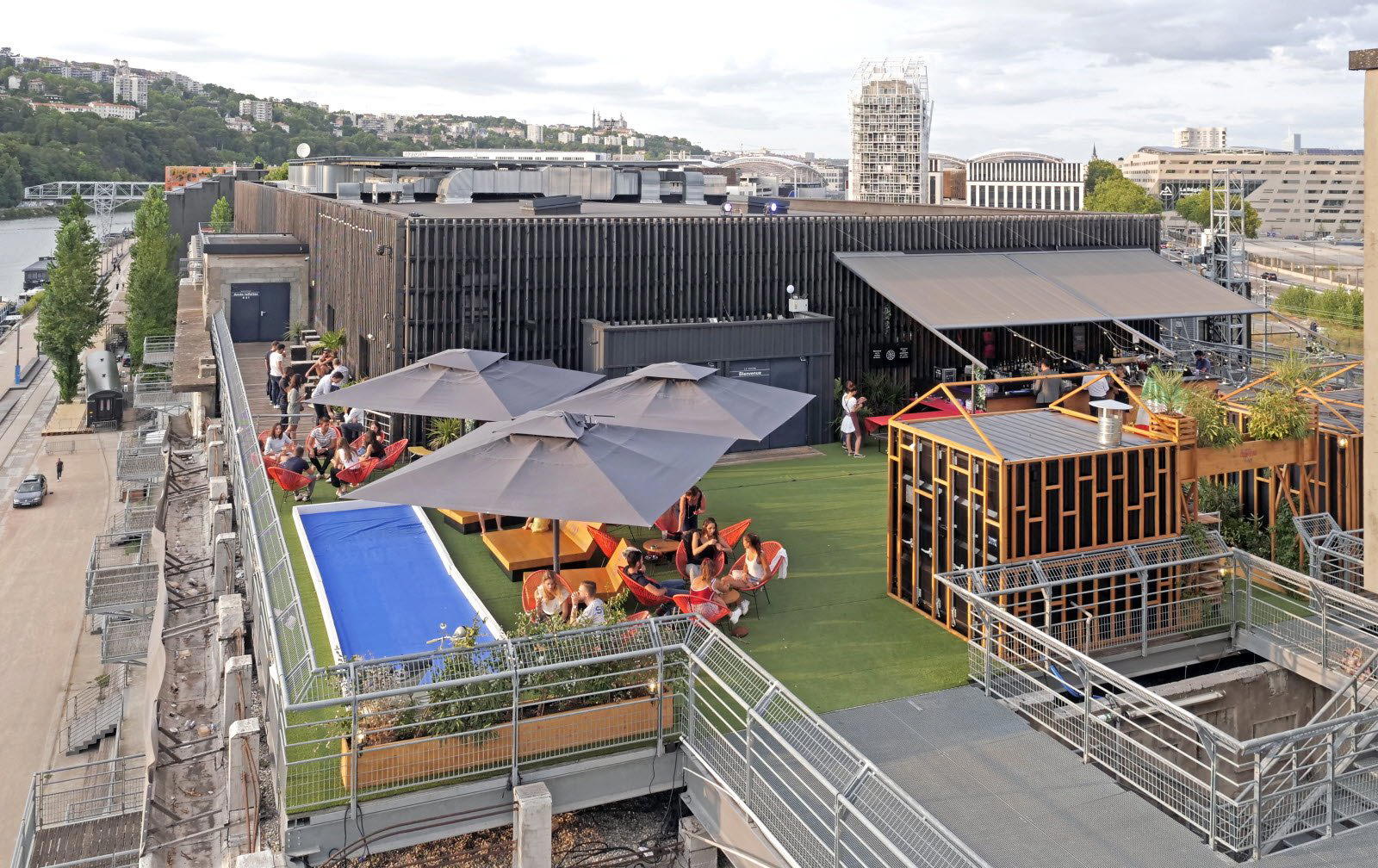
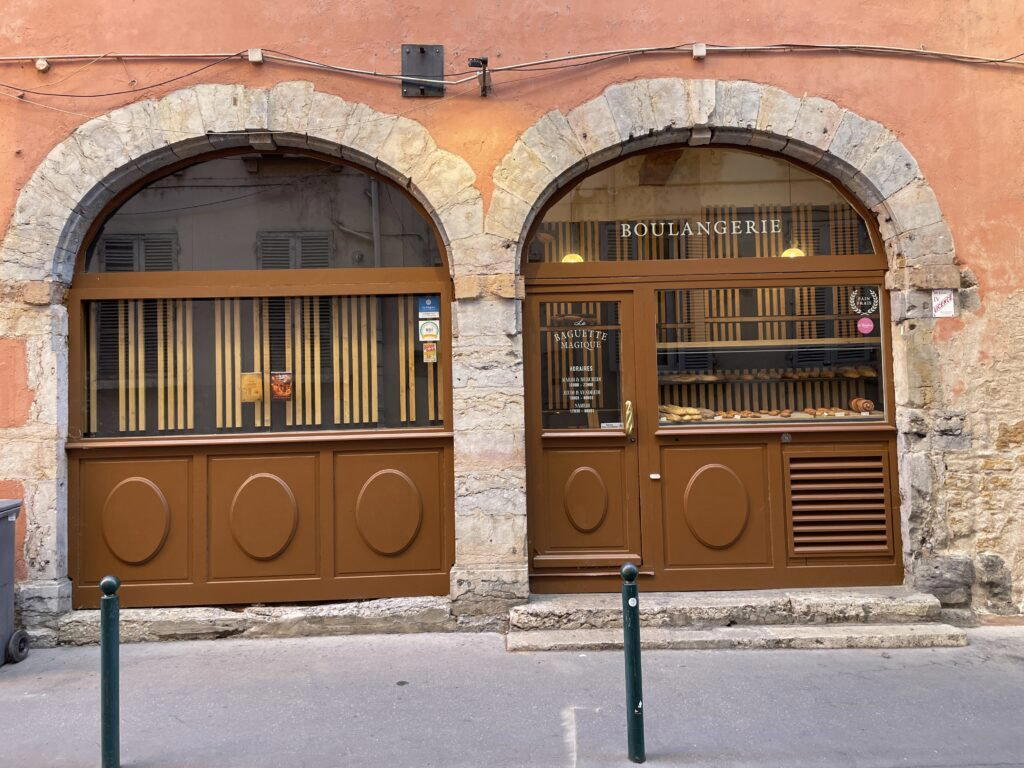
Hotels in Saint Martin Lestra
Browse all →

At a Glance
- Cozy
- Rustic
- Intimate
- Family
- Casual Hangout
- Garden
- Historic Building
- Local Sourcing
- Garden
Current opening hours
- Monday
- Closed
- Tuesday
- 11:30 AM–3 PM
- Wednesday
- 11:30 AM–3 PM
- Thursday
- 11:30 AM–3 PM
- Friday
- 9 AM–3 PM, 7–11:30 PM
- Saturday
- 11:30 AM–3 PM, 7–11:30 PM
- Sunday
- 11:30 AM–3 PM
Hours can change for holidays and private events. Last verified .
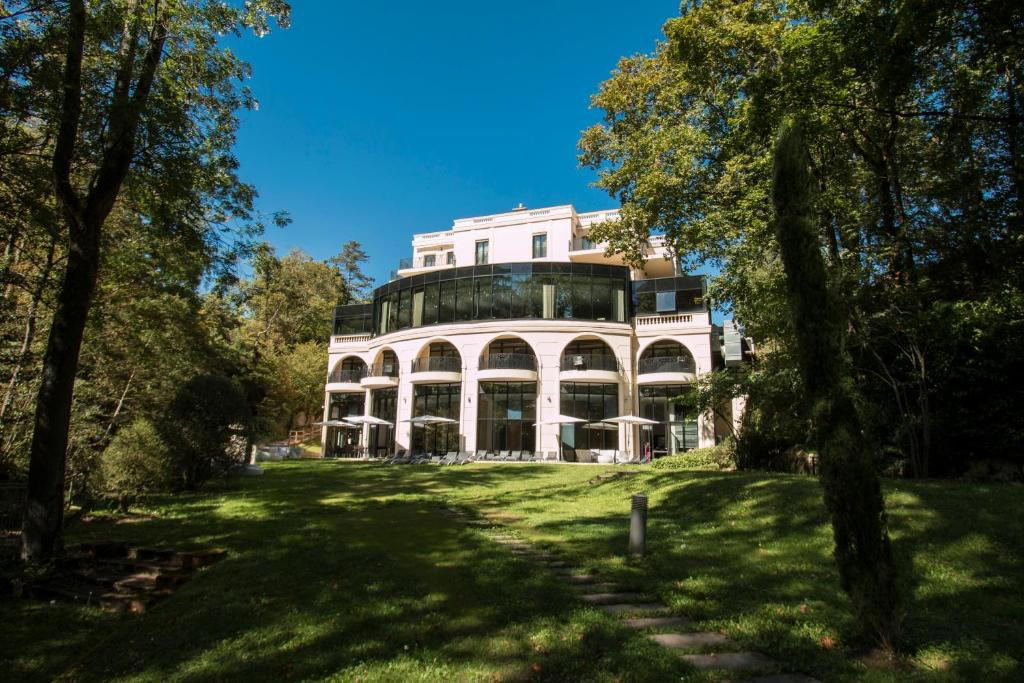
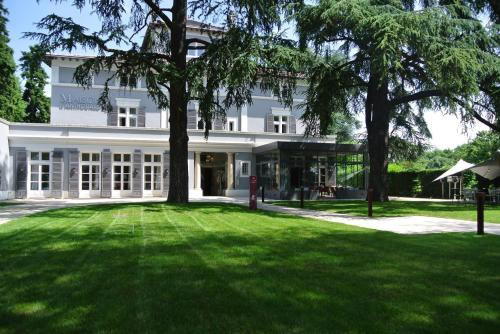
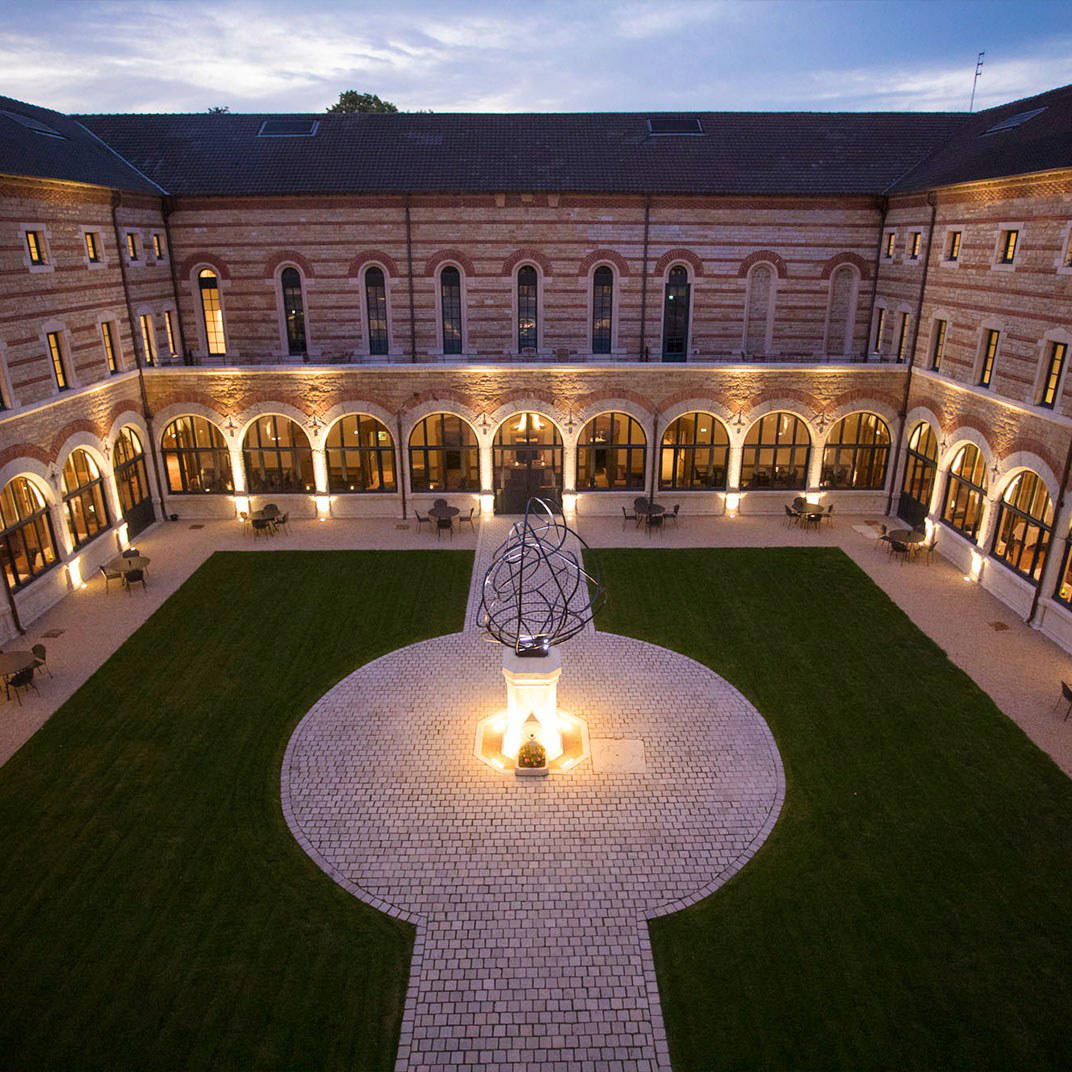
Convivial and tastefully decorated interior with a beautiful terrace in the courtyard, evoking nostalgic schoolhouse charm.