Coquum

At Coquum in Woluwé-Saint-Pierre, Chef Dassonville runs the kitchen alone, threading Nordic discipline and Belgian creativity into a menu where vegetables hold as much weight as meat or fish. The approach has drawn early recognition for its flavor precision and the ease of the dining experience. A solo-chef format means availability is limited, making forward planning advisable.
Pearl is the En Primeur Club membership app — saves, bookings, and concierge access live there. Same editors, same standards.
- Address
- Rue au Bois 226, 1150 Bruxelles, Belgium
- Phone
- +32 2 850 41 67
- Website
- coquum.be
- Directions
- Get directions
 Saves & bookings on Pearl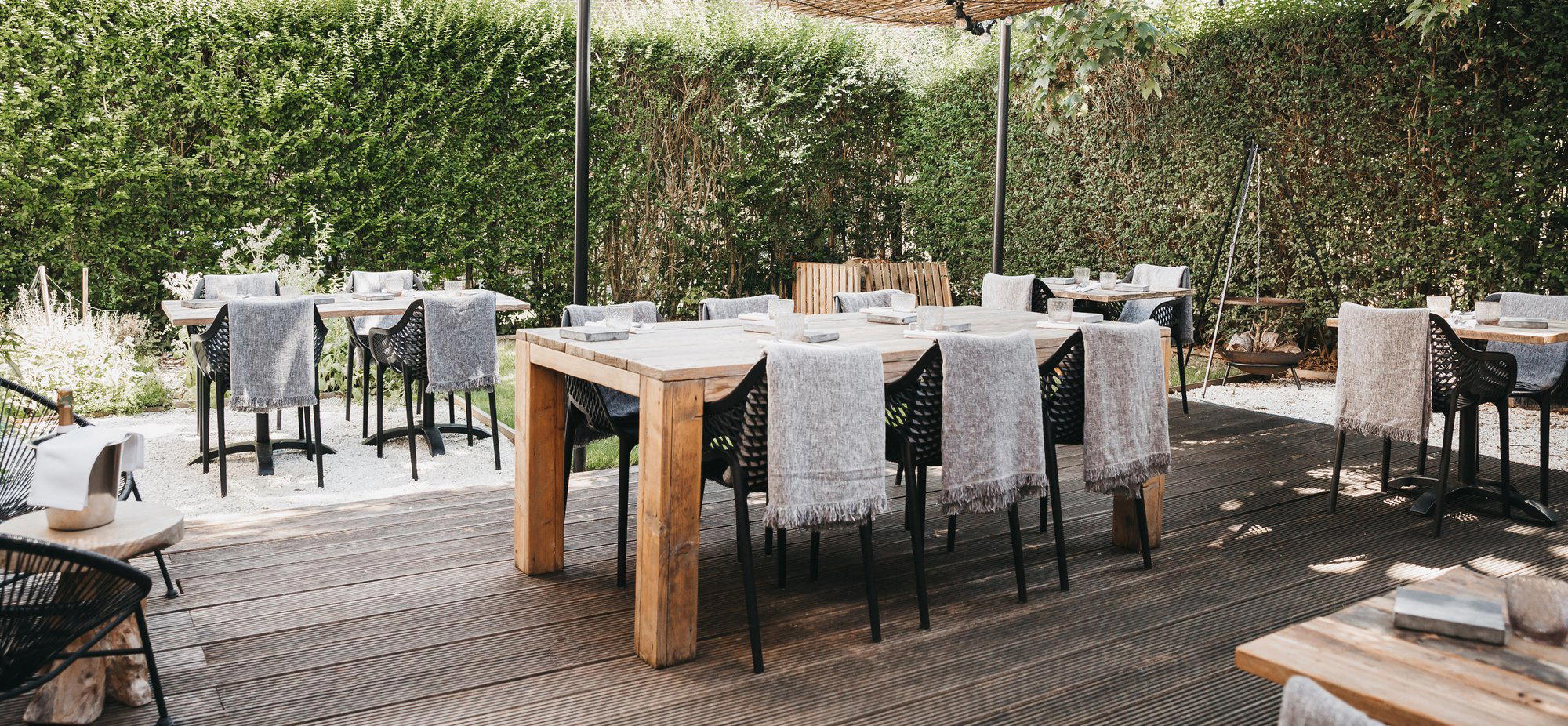
Where Belgian Cooking Meets a Nordic Sensibility
Woluwé-Saint-Pierre sits at the quieter, residential edge of the Brussels municipality map, a neighborhood of tree-lined avenues and low-key commerce that rarely competes for attention with the city center's more conspicuous restaurant scene. That geographic modesty has historically allowed a particular kind of restaurant to survive and develop here: smaller, independently driven, answerable to a neighborhood rather than a tourist circuit. Coquum is a restaurant at Rue au Bois 226, 1150 Bruxelles, Belgium, serving Nordic-Inspired Fine Dining at a price tier of 4. It is the kind of address that rewards those who pay attention to what is happening at the edges of a city's dining culture rather than waiting for a consensus to form.
Belgian fine dining has, over the past decade, developed a distinctive internal tension between two orientations. One strand runs south and west, toward French classical technique, rich sauce work, and the kind of luxury-register cooking associated with addresses like Bozar Restaurant in Brussels. The other runs north and east, toward Flemish produce-centrism and a Nordic influence that has reshaped how Belgian kitchens think about vegetables, fermentation, and restraint. Coquum sits firmly in the second orientation, with a cooking style that draws from both a sharp Nordic sensibility and a highly creative reading of Belgian ingredients.
Vegetables as the Organizing Principle
The ingredient sourcing argument in Belgian fine dining has shifted considerably in recent years. Where vegetables once appeared as accompaniment, a growing cohort of kitchens now treats them as the structuring logic of the plate. This is not merely an ideological position; it reflects a genuine shift in what Belgian producers are bringing to market, and in how chefs trained in Nordic or Flemish traditions have learned to work with seasonal, local material at a technical level comparable to protein-led cooking.
At Coquum, vegetables occupy a central role in a way that is both philosophically consistent and practically demonstrated. Dishes arrive as either fully plant-based compositions or as plates where vegetables provide the primary flavor architecture, with meat or fish playing a secondary or supporting role. The precision of that approach requires a different kind of sourcing discipline than a conventional menu: the quality of the vegetable determines whether the plate works, which means the sourcing relationship between kitchen and producer carries more weight than it would in a kitchen where protein anchors every dish.
The challenge at Coquum is structural rather than creative. Because Chef Dassonville runs the kitchen alone, a fully plant-based menu cannot be offered every day. The solo format imposes real limits on what the kitchen can execute at a given service, and it means the menu's exact character on any given evening depends on what one person can execute from sourcing through plating. This is a constraint familiar to particularly intimate small-kitchen restaurants across Belgium and beyond, and it is not a weakness so much as a defining condition of the format. The leading comparison is not with large brigade operations like Hof van Cleve or Boury in Roeselare, but with a smaller tier of Belgian restaurants where the chef and the kitchen are essentially the same entity.
The Solo Kitchen and What It Signals
Across Belgium and the wider European fine dining circuit, solo-chef restaurants occupy a specific position. They are not scalable in the way that multi-starred operations with full brigades are scalable. What they offer instead is a directness of vision: the cooking you eat is the decision of one person, from ingredient selection to seasoning to the pace at which dishes arrive. There is no intermediate translation between the chef's intention and the plate.
Early recognition of Coquum has focused precisely on this directness, noting the effortless flow of the dining experience and the approachability of the chef's personality alongside the flavor precision of the food. Those two qualities, the ease of the room and the accuracy of the cooking, are not automatic companions. Many small restaurants achieve one without the other. When a solo kitchen manages both, it typically signals a level of craft and judgment that is harder to develop than technical skill alone. Restaurants in Belgium that have built sustained reputations from similar small-format, single-chef positions include addresses well outside the capital's immediate orbit, from Zilte in Antwerp to Willem Hiele in Oudenburg. Coquum is at an earlier stage than those addresses, but the early signals point in a consistent direction.
The Nordic-Belgian Axis in Practice
The Nordic influence on Belgian cooking is now well-established enough that it reads less as a trend than as a settled strand of the country's culinary vocabulary. What it has contributed, above all, is a framework for working with northern European vegetables, ferments, and preserved ingredients in a way that prioritizes flavor intensity over visual maximalism. Belgian kitchens that have absorbed this influence, including those operating in the creative modern European tier alongside addresses like Castor in Beveren and Cuchara in Lommel, have generally used it to sharpen their handling of local produce rather than to import a foreign aesthetic wholesale.
At Coquum, the cooking described as alternating between a sharp Nordic style and a highly creative Belgian touch suggests a kitchen that has internalized both orientations and moves between them fluidly rather than treating them as separate modes. The vegetables-forward approach is consistent with both: Nordic cooking refined vegetables to structural importance long before it became a talking point in Michelin-registered kitchens, while the leading contemporary Belgian cooking has always had a strong regional-produce identity that makes the transition to vegetable-led dishes logical rather than forced. For further reference on what creative Belgian kitchens are doing in this space, De Jonkman in Sint-Kruis and Bartholomeus in Heist represent different expressions of a similar regional-produce discipline.
Planning a Visit
Coquum is located at Rue au Bois 226 in Woluwé-Saint-Pierre, a residential address that requires a deliberate journey rather than a passing encounter. Reservations are essential, and advance note of dietary preferences is advisable. The plant-based menu may be available depending on the day. For those building a broader Belgian itinerary, addresses like d'Eugénie à Emilie in Baudour and L'Eau Vive in Arbre operate in a comparable register of personal, small-kitchen cooking with strong regional identity. Those curious about how this kind of European precision-cooking translates to different culinary traditions might also look at Le Bernardin in New York City or Emeril's in New Orleans for points of contrast.
In Context: Similar Options
Comparable venues nearby, for context on price, style, and recognition.
| Venue | Cuisine | Price | Awards | Notes |
|---|---|---|---|---|
| CoquumThis venue — the venue you are viewing | Nordic-Inspired Fine Dining | $$$$ | Not listed | Not listed |
| Le Mucha | Classic French Bistro with Belgian and Italian Influences | $$$ | Michelin Plate | Woluwe-Saint-Pierre |
| Bottega Vannini | Authentic Italian Trattoria | $$$ | Michelin Plate | Woluwe-Saint-Pierre |
| Sanzaru | Modern Nikkei (Japanese-Peruvian Fusion) | $$$ | Michelin Plate | Woluwe-Saint-Pierre |
| Menssa | Michelin-Starred Franco-Belgian Fine Dining | $$$$ | Michelin 1 Star | Woluwe-Saint-Pierre |
| Must | Belgian European Wine Bar | $$$ | Not listed | Ixelles |
Recognition history
Dated appearances from independent guides and award organizations, with the underlying list record or original source where available.
We're Smart World 1 Radish
We're Smart World
Continue exploring
More in Woluwe-Saint-Pierre
Restaurants in Woluwe-Saint-Pierre
Browse all →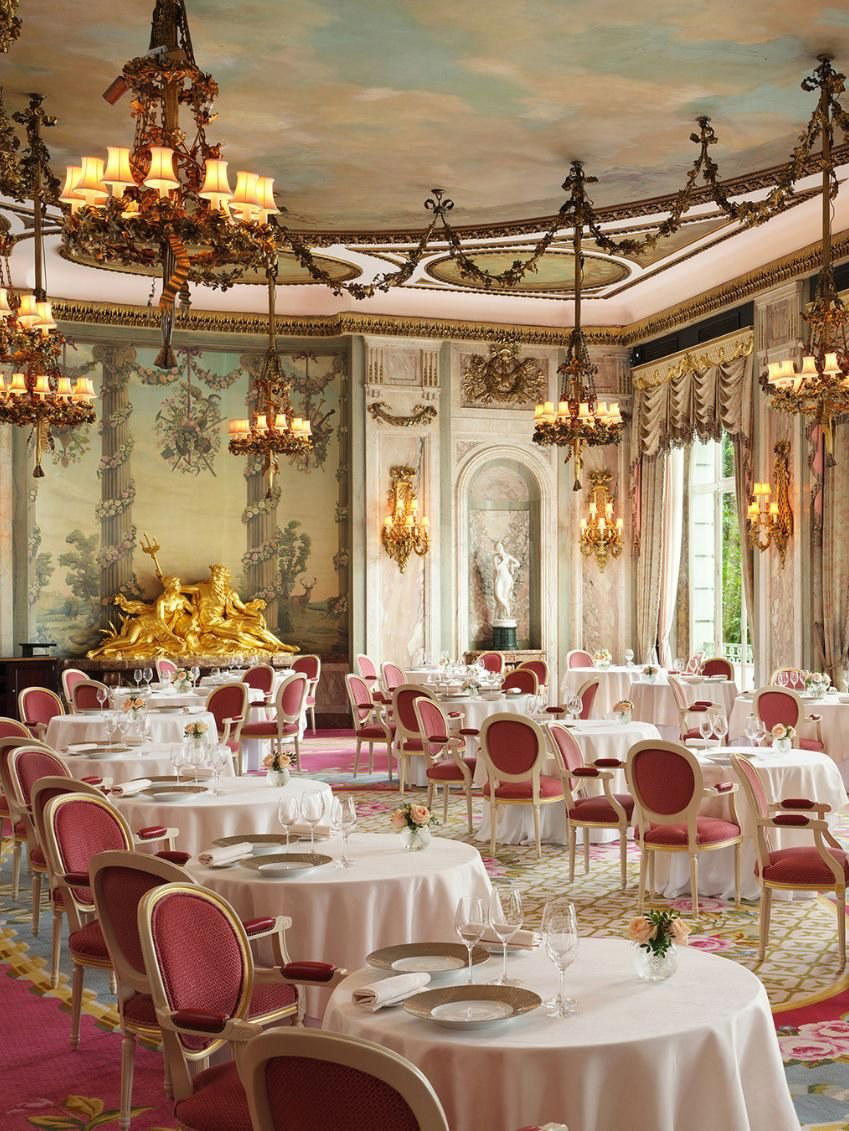
Bars in Woluwe-Saint-Pierre
Browse all →
Hotels in Woluwe-Saint-Pierre
Browse all →
Wineries in Woluwe-Saint-Pierre
Browse all →
At a Glance
- Elegant
- Sophisticated
- Modern
- Cozy
- Special Occasion
- Date Night
- Business Dinner
- Private Dining
- Extensive Wine List
- Local Sourcing
Current opening hours
- Monday
- 6:30–11:30 PM
- Tuesday
- 6:30–11:30 PM
- Wednesday
- 6:30–11:30 PM
- Thursday
- 12–3 PM, 6:30–11:30 PM
- Friday
- 12–3 PM, 6:30–11:30 PM
- Saturday
- Closed
- Sunday
- Closed
Hours can change for holidays and private events. Last verified .
Scandinavian-inspired decor creating a warm, elegant, and welcoming atmosphere with focus on artistic presentation.