Controcorrente
In the inland Romagna town of Morciano di Romagna, Controcorrente takes its name seriously: the address on via XXV Luglio positions it away from the coastal dining circuit that dominates the regional conversation, pointing instead toward a kitchen rooted in what the territory actually produces. For travellers willing to look past the Adriatic resorts, this is where the region's agricultural identity shows up on the plate.
Pearl is the En Primeur Club membership app — saves, bookings, and concierge access live there. Same editors, same standards.
- Address
- via XXV Luglio 23
- Phone
- +39 0541 988036
- Website
- ristorantecontrocorrente.com
- Directions
- Get directions
 Saves & bookings on Pearl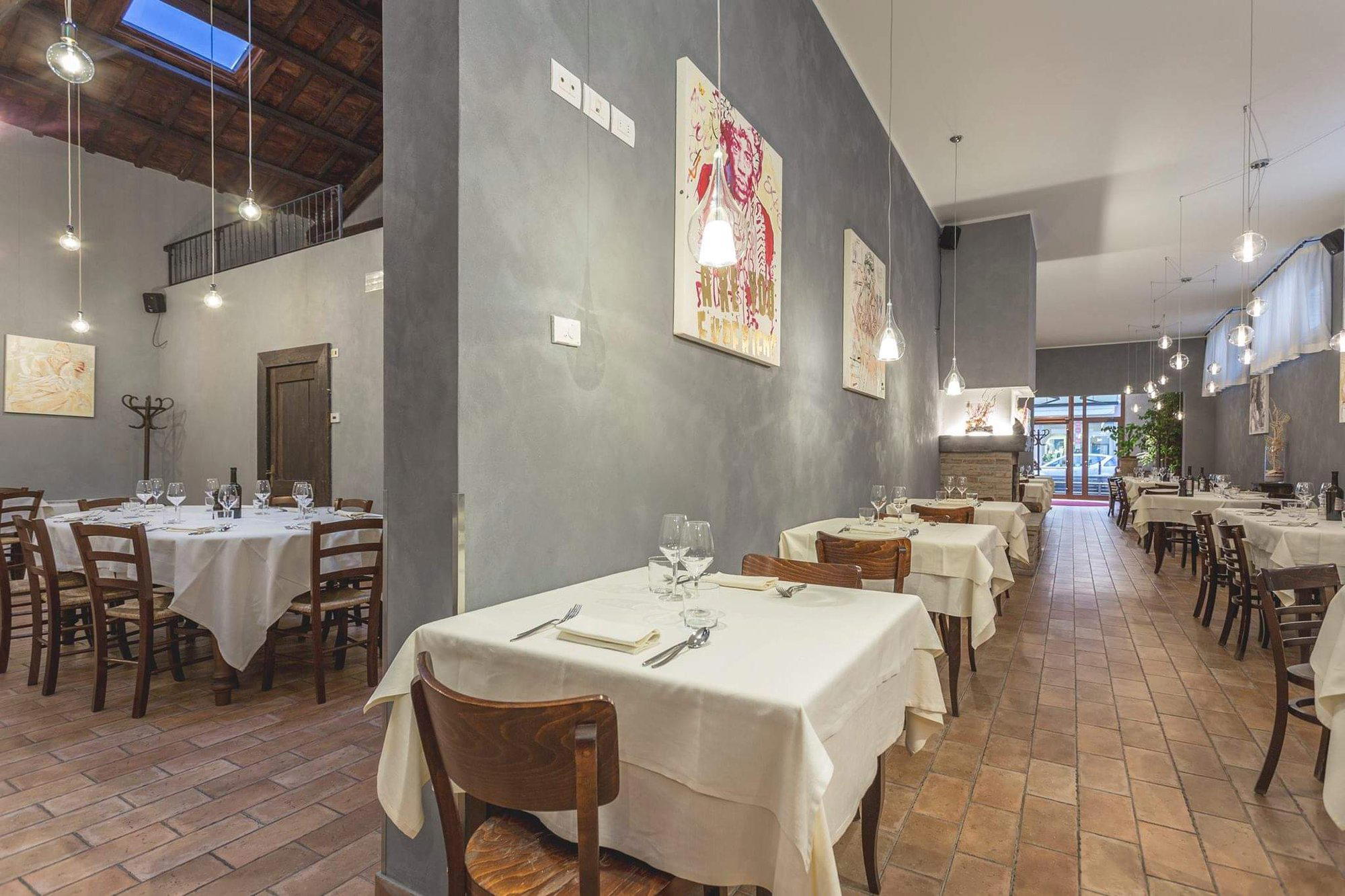
Against the Current: Dining in Inland Romagna
The Romagna dining conversation defaults to the Adriatic coast, where seafood trattorias line every resort town from Rimini to Cattolica and the summer trade sustains a particular, crowd-facing style of hospitality. Morciano di Romagna sits inland, in the Valconca valley, at a remove from that seasonal economy. The restaurants that survive here do so on local patronage and a different kind of attention, one rooted in what the surrounding hills and smallholdings actually supply rather than what the beach crowd expects to order. Controcorrente, whose name translates literally as "against the current," sits at via XXV Luglio 23 inside this quieter register of Romagnan dining.
The Setting: Via XXV Luglio
Approaching the address on via XXV Luglio, the scale is immediately residential: this is a town where the dining room coexists with the neighbourhood rather than performing against it. The interior operates at the pace the name implies, without the decorative ambition or theatrical service architecture that defines Italian fine dining in larger centres. In the regional context, that restraint is itself a signal. Kitchens in towns of this size in Romagna tend to be places where regulars set the rhythm, where the kitchen responds to what arrived from local suppliers that week rather than maintaining a fixed seasonal menu for visiting critics. The physical environment rewards a slower reading: arrive without the expectation of spectacle and the room resolves into something more considered.
Ingredient Sourcing and the Valconca Territory
Romagna's agricultural identity is less exported than its coastal seafood reputation, but it is the more durable one. The Valconca valley and the hills rising toward the Apennines behind Morciano produce a working larder: pigs raised for local curing traditions, wheat grown for handmade pasta, vegetables from family plots that have supplied the same kitchens for generations. The culture of eating in inland Romagna is built on this proximity, and it shapes what ends up on a plate at a place like Controcorrente in ways that menu description rarely captures. Piadina romagnola, the region's flatbread, is a useful index: in coastal tourist contexts it becomes a commodity; in towns like Morciano, the quality of the lard or oil, the thickness of the dough, and the heat of the griddle remain matters of local debate. That attentiveness to material quality, rather than to presentation or international reference, characterises the inland Romagnan kitchen at its most grounded.
Sourcing from within a short radius also means that the kitchen's range is disciplined by what the territory offers rather than expanded by import logistics. This is a different constraint than the one facing high-concept Italian kitchens in Milan or Florence, where the sourcing ambition is often to reach further. At Osteria Francescana in Modena, the intellectual architecture around ingredient sourcing is part of the explicit editorial of the meal. At Le Calandre in Rubano or Piazza Duomo in Alba, terroir is framed as a creative proposition at the €€€€ tier. The inland Romagnan version of the same instinct is less declarative and more structural: the sourcing is the default, not the concept.
Where Controcorrente Sits in the Regional Picture
Italy's restaurant geography separates more sharply by tier than the casual visitor tends to assume. The country's Michelin-starred circuit, which includes three-star rooms like Dal Pescatore in Runate, Enoteca Pinchiorri in Florence, and Reale in Castel di Sangro, operates in a different economy of attention, price, and expectation than a neighbourhood restaurant in a Valconca valley town. The gap between those two tiers is not simply one of quality but of function: the starred rooms serve a national and international audience; places like Controcorrente serve the town and its region. That is not a lesser function. It is the function that keeps a regional food culture coherent between the award cycles. Compare also the coastal Italian creative kitchens, such as Uliassi in Senigallia or Quattro Passi in Marina del Cantone, where proximity to the sea gives the kitchen a ready dramatic register. The inland alternative demands a different kind of argument for why the meal matters, and the leading version of that argument is the ingredient itself.
In the broader Italian creative context, kitchens like Atelier Moessmer Norbert Niederkofler in Brunico and Enrico Bartolini in Milan have built international reputations on the back of regional sourcing philosophies taken to a formal extreme. Casa Perbellini 12 Apostoli in Verona occupies a middle tier where heritage and technique share billing. Controcorrente belongs to none of these tiers by scale or ambition, but it shares with the better end of that spectrum an interest in what the immediate territory actually produces rather than what the current dining moment requires it to import. That alignment, however informal, is what earns inland Romagnan restaurants a place in a serious conversation about Italian regional cooking.
Planning a Visit
Morciano di Romagna is accessible from Rimini, roughly 20 kilometres to the northeast, making it a practicable excursion from the coast or a convenient stop on a route through the Valconca toward the Republic of San Marino. For anyone travelling along the Adriatic corridor and looking to step off the resort circuit, the town rewards an afternoon and evening rather than a rushed lunch. For travellers used to the documented reservation systems of Italian destination kitchens such as Le Bernardin in New York City or Emeril's in New Orleans, the informal rhythm here is a deliberate recalibration of expectation.
Quick Comparison
Comparable venues nearby, for context on price, style, and recognition.
| Venue | Cuisine | Price | Notes |
|---|---|---|---|
| ControcorrenteThis venue — the venue you are viewing | Modern Seafood Osteria | $$$ | Not listed |
| SaleGrosso | Modern Italian Seafood | $$$ | Milano Marittima |
| Fuor d’Acqua | Fresh Seafood & Italian Coastal Cuisine | $$$ | San Frediano |
| Il Pescatorio | Modern Italian Seafood Bistro | $$$ | Gianicolese |
| Al Canevon | Traditional Friulian Seafood | $$ | Centro Storico |
| Al Pontil de' Tripoli | Regional Italian Seafood | $$$$ | Isola della Schiusa |
Continue exploring
More in Morciano di Romagna
Restaurants in Morciano di Romagna
Browse all →
Bars in Morciano di Romagna
Browse all →
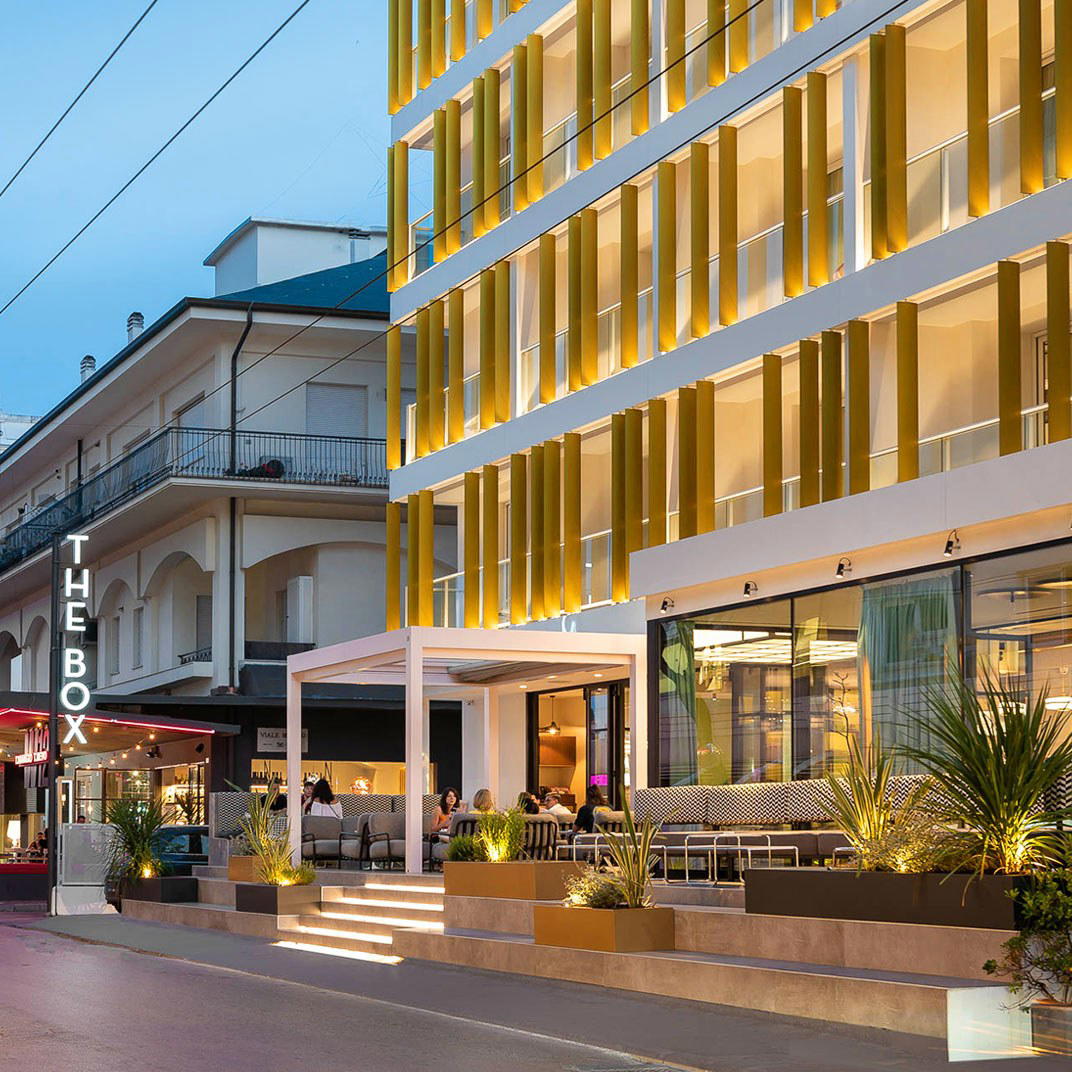
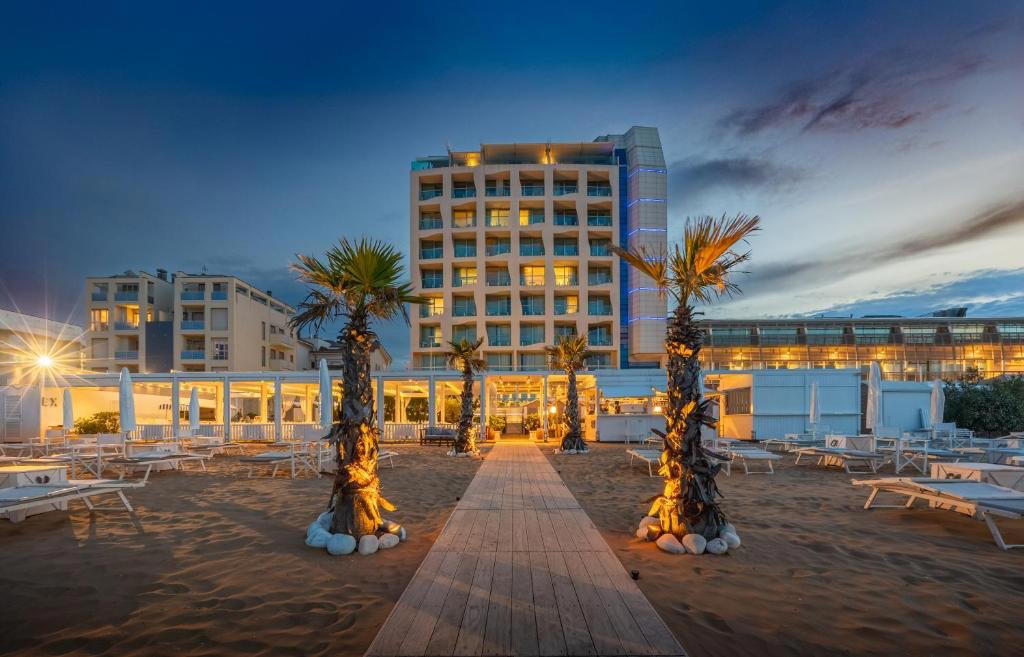
Hotels in Morciano di Romagna
Browse all →
Wineries in Morciano di Romagna
Browse all →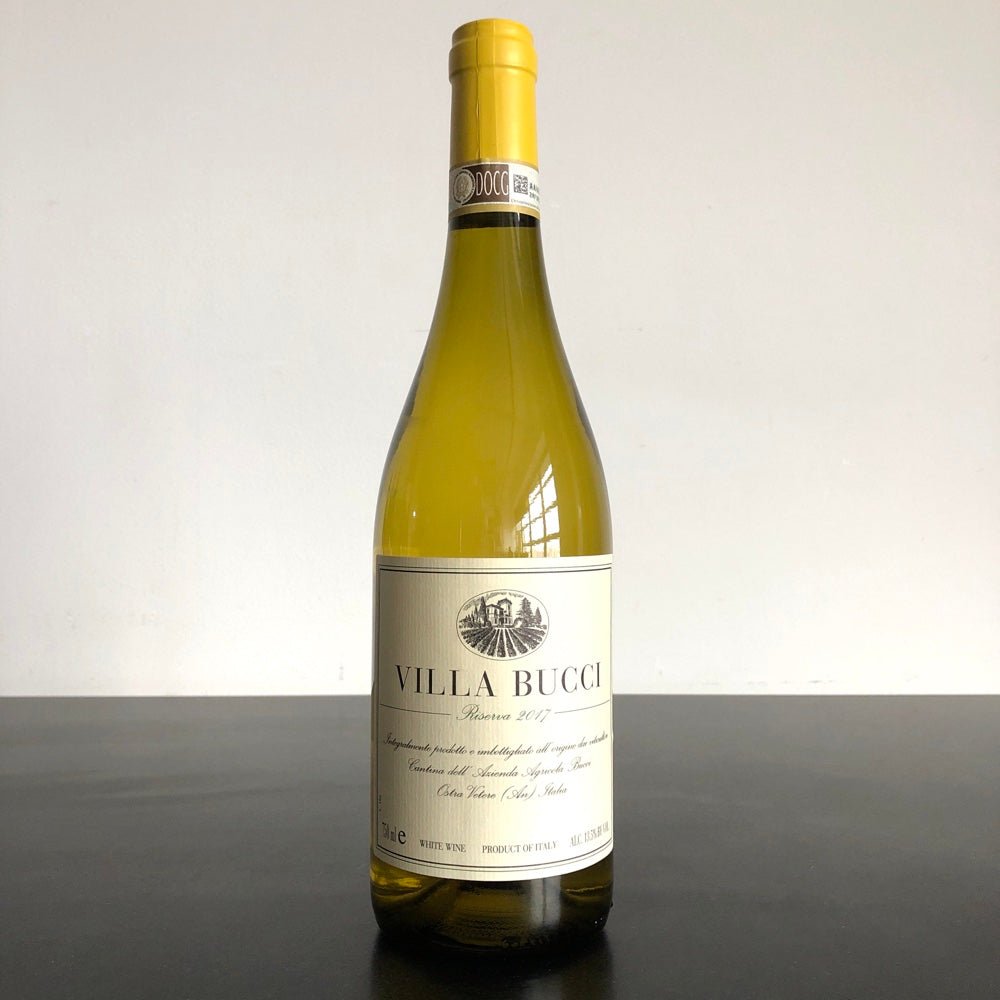
At a Glance
- Lively
- Rustic
- Elegant
- Date Night
- Special Occasion
- Open Kitchen
- Extensive Wine List
Current opening hours
- Monday
- Closed
- Tuesday
- 7–10:30 PM
- Wednesday
- 7–10:30 PM
- Thursday
- 12–2:30 PM, 7–10:30 PM
- Friday
- 12–2:30 PM, 7–10:30 PM
- Saturday
- 12–2:30 PM, 7–10:30 PM
- Sunday
- 12–2:30 PM
Hours can change for holidays and private events. Last verified .
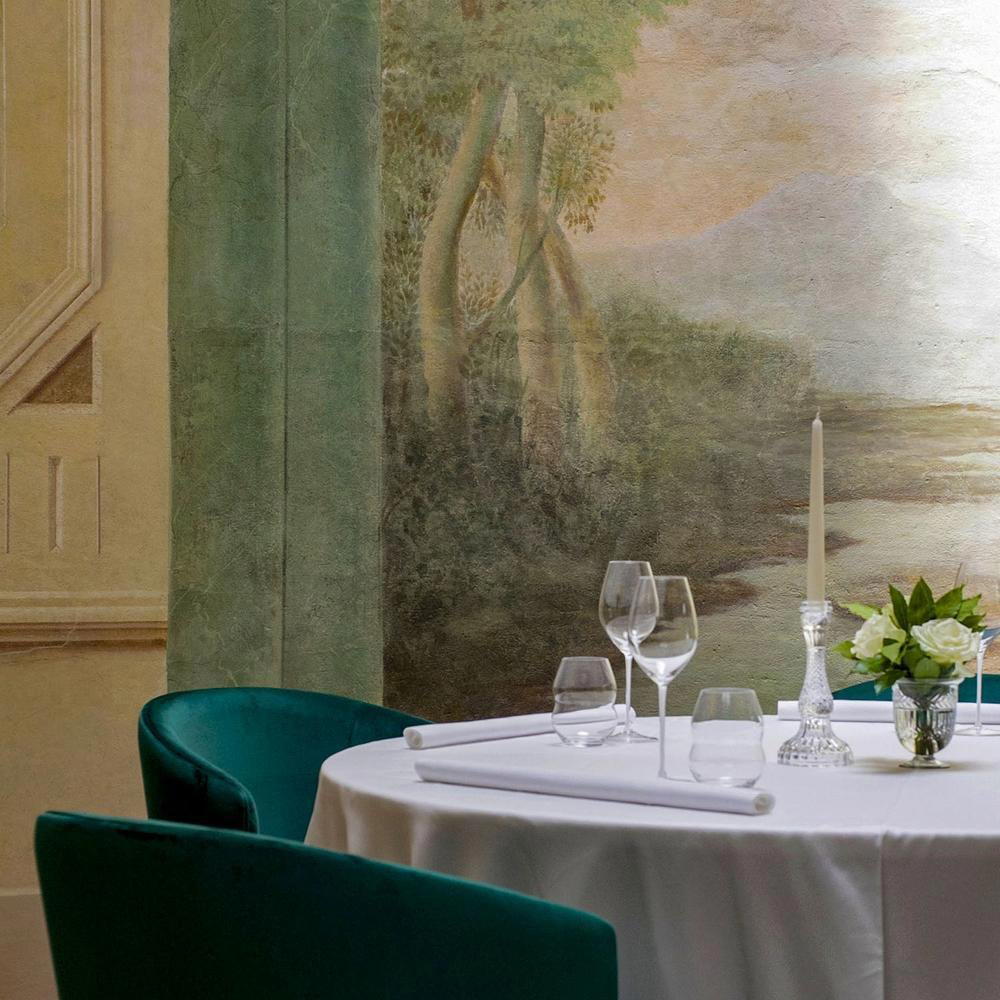
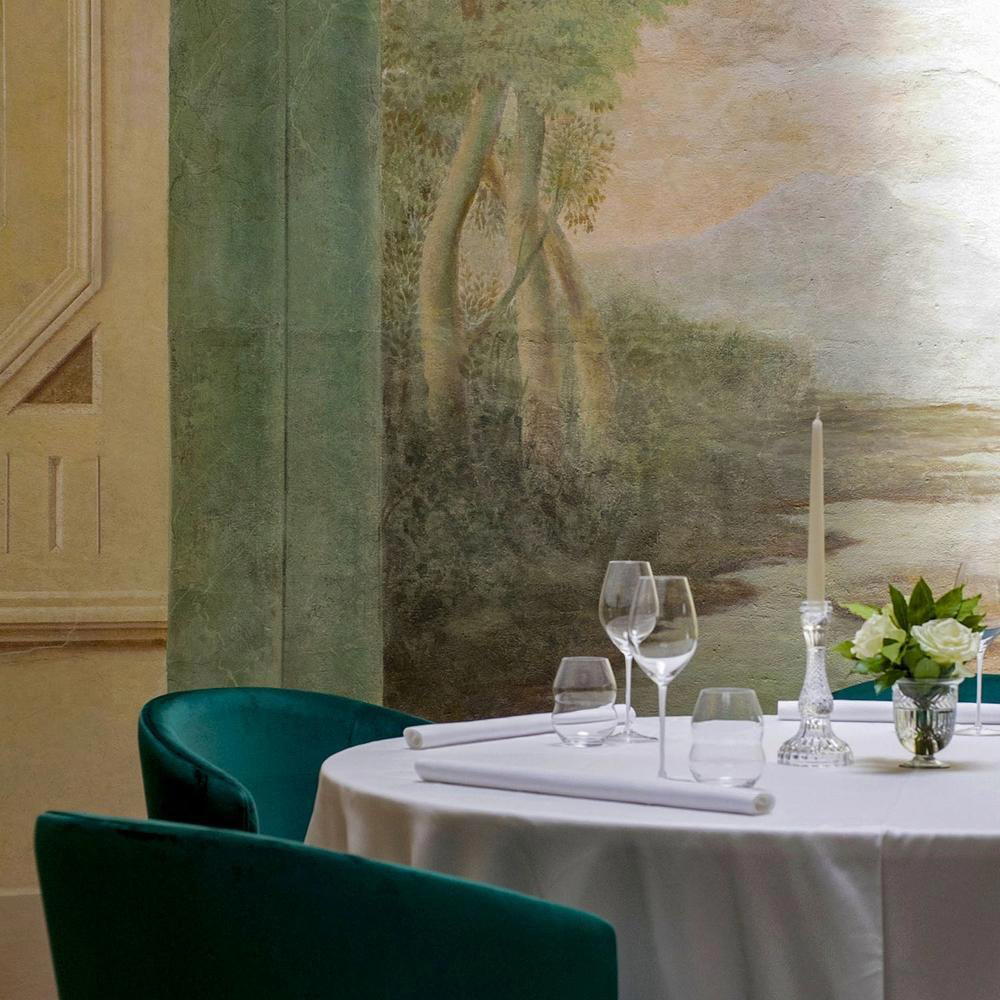
Rustic-style dining room blending traditional touches with contemporary design, featuring a young, lively yet relaxed and elegant atmosphere.