SaleGrosso sits on Viale Due Giugno in Milano Marittima, the resort quarter of Cervia where the Adriatic coastline and the town's salt-harvesting heritage converge. The restaurant draws on the culinary traditions of the northern Adriatic, a region where seafood and local produce have shaped cooking for centuries. For visitors exploring the Romagna coast, it represents a considered point of entry into the area's dining culture.
Pearl is the En Primeur Club membership app — saves, bookings, and concierge access live there. Same editors, same standards.
- Address
- Viale Due Giugno, 15, 48015 Milano Marittima RA, Italy
- Phone
- +39544971538
- Website
- ristorantesalegrosso.it
- Directions
- Get directions
 Saves & bookings on Pearl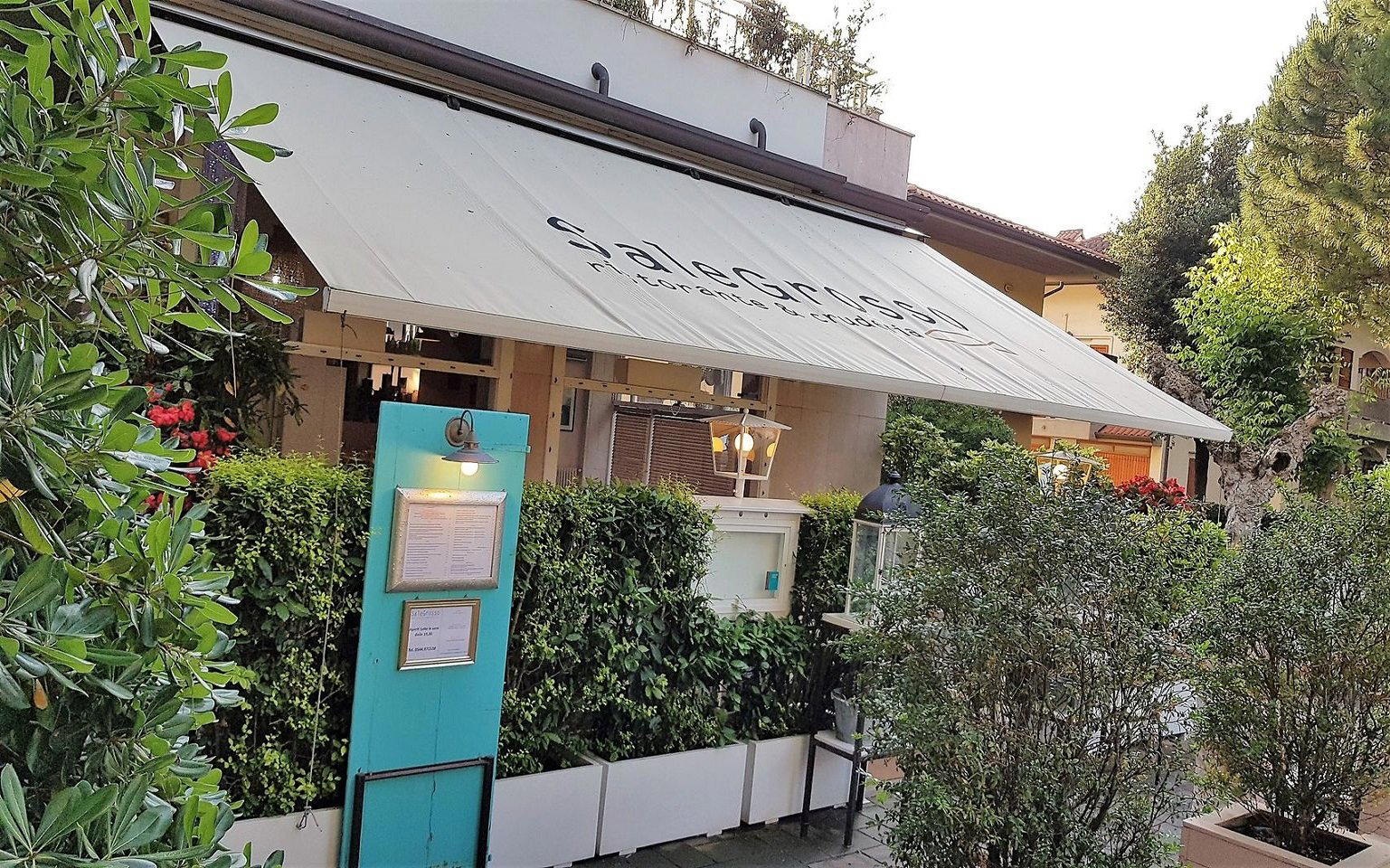
Where Salt, Sea, and Romagna Cooking Meet
Milano Marittima is the polished face of Cervia: a resort strip of pine-lined avenues and seasonal restaurants that runs parallel to the Adriatic shore. Viale Due Giugno, where SaleGrosso sits, is one of those avenues where the atmosphere shifts between the brine of the nearby salt pans and the familiar hum of an Italian coastal resort in full season. The address places the restaurant squarely inside a dining culture defined by two forces: the Adriatic's supply of fish and shellfish, and the inland Romagna tradition of pasta, cured meats, and produce that follows its own distinct grammar from Tuscan or Venetian cooking.
Cervia's identity as a salt town is not incidental to the food served along its coast. The town's salina has been active since Roman times, producing a fine-grained sea salt that carries a mild, almost sweet character compared to coarser Atlantic varieties. That ingredient runs through the local cooking as a foundational element rather than a finishing touch. Restaurants along this stretch of the Adriatic, from Cervia south toward Senigallia, where Uliassi has built one of Italy's most-discussed seafood kitchens, share a common thread: the sea defines the plate, and the salt defines the sea.
The Romagna Coastal Kitchen in Context
Northern Adriatic cooking occupies a position in Italian gastronomy that is frequently underestimated relative to the acclaim directed at Piedmont, Lombardy, or Tuscany. The Romagna coast's contribution sits between the lagoon refinement of Venice and the market-driven simplicity of Puglia, producing a style that prizes freshness above technique and locality above imported reference points. Clams, razor clams, scampi, cuttlefish, and turbot move through these kitchens in ways shaped more by what the Adriatic delivers on a given morning than by fixed menu cycles.
That model contrasts with the more structured tasting formats found at Italy's highest-profile addresses. Osteria Francescana in Modena and Le Calandre in Rubano operate within a progressive Italian idiom where the kitchen's intellectual program is as visible as the produce itself. Coastal Romagna restaurants generally work from a different premise: the ingredient's season and provenance carry the weight, and the kitchen's role is to stay out of the way. This is not a lesser tradition; it is a different one, with its own discipline and its own set of failures when executed badly.
For broader context across Italy's fine dining tier, the EP Club maintains coverage from Enoteca Pinchiorri in Florence and Enrico Bartolini in Milan to more regionally specific addresses like Piazza Duomo in Alba and Dal Pescatore in Runate. SaleGrosso operates at a different register from those Michelin-decorated rooms, but the Adriatic coastal tradition it draws from is no less defined by history and geography.
Milano Marittima's Dining Position
Milano Marittima functions as Cervia's upmarket resort extension, with a seasonal dining culture that peaks from June through August and contracts sharply outside those months. Restaurants here serve a clientele that mixes Italian summer holidaymakers with visitors from across northern Europe, and the better addresses have learned to hold culinary standards against the pull of volume and convenience that resort seasons impose. The separation between places that manage that balance and those that do not is usually visible within the first course.
In Cervia itself, the dining conversation includes addresses like Locanda dei Salinari, which draws directly on the salt-harvesting heritage in both its name and its kitchen, and Restoran 27, which approaches the local ingredient set from a different angle. SaleGrosso's placement on Viale Due Giugno positions it within walking distance of the beach and the town's main seasonal traffic, which shapes both the pace of service and the expectations of the room.
The Adriatic Seafood Tradition and Its Reference Points
The Adriatic's culinary geography extends well beyond Cervia. South along the coast, Uliassi in Senigallia represents the region's most Michelin-celebrated interpretation of the same coastal ingredient base, operating at three stars with a kitchen that uses fermentation, curing, and technical elaboration to push the tradition without abandoning it. Further south, Quattro Passi in Marina del Cantone and Reale in Castel di Sangro show how Italian coastal and mountain kitchens approach locality from opposite elevations but with comparable seriousness.
The global seafood-focused fine dining conversation, represented in different registers by Le Bernardin in New York and places like Atomix, which applies Korean precision to a different culinary heritage, frames how seriously ingredient-led coastal cooking can be taken when the kitchen commits to it without compromise. The Romagna coast's contribution to that conversation is real, if less publicized than its northern Italian counterparts.
For mountain-rooted Italian creativity that draws on locality as intently as any Adriatic kitchen, Atelier Moessmer Norbert Niederkofler in Brunico and Casa Perbellini 12 Apostoli in Verona and Da Vittorio in Brusaporto round out the northern Italian picture. And for the capital's highest-altitude dining, La Pergola in Rome remains the reference point.
Planning Your Visit
SaleGrosso is located at Viale Due Giugno, 15, in Milano Marittima, the coastal district of Cervia in the Ravenna province of Emilia-Romagna. The address is accessible on foot from the main beach strip and from the town's central pine-forest park. Visitors arriving by car from the A14 motorway should allow for limited summer parking along the resort's main avenues. The seasonal nature of Milano Marittima means that confirming opening hours and reservation availability directly before any visit is advisable, particularly outside the June-to-August peak.
Pricing, Compared
Comparable venues nearby, for context on price, style, and recognition.
| Venue | Cuisine | Price | Awards | Notes |
|---|---|---|---|---|
| SaleGrossoThis venue — the venue you are viewing | Milano Marittima, Modern Italian Seafood | $$$ | Not listed | Not listed |
| Restoran 27 | Cervia, Italian | $$ | Not listed | Not listed |
| Locanda dei Salinari | Salinari, Creative Romagna Seafood | $$ | Michelin Plate | Not listed |
| Controcorrente | Not listed | $$$ | Not listed | Morciano di Romagna, Modern Seafood Osteria |
| Pier The Roof | Not listed | $$$ | Not listed | Marina San Giusto, Contemporary Italian Seafood |
Continue exploring
More in Cervia
Restaurants in Cervia
Browse all →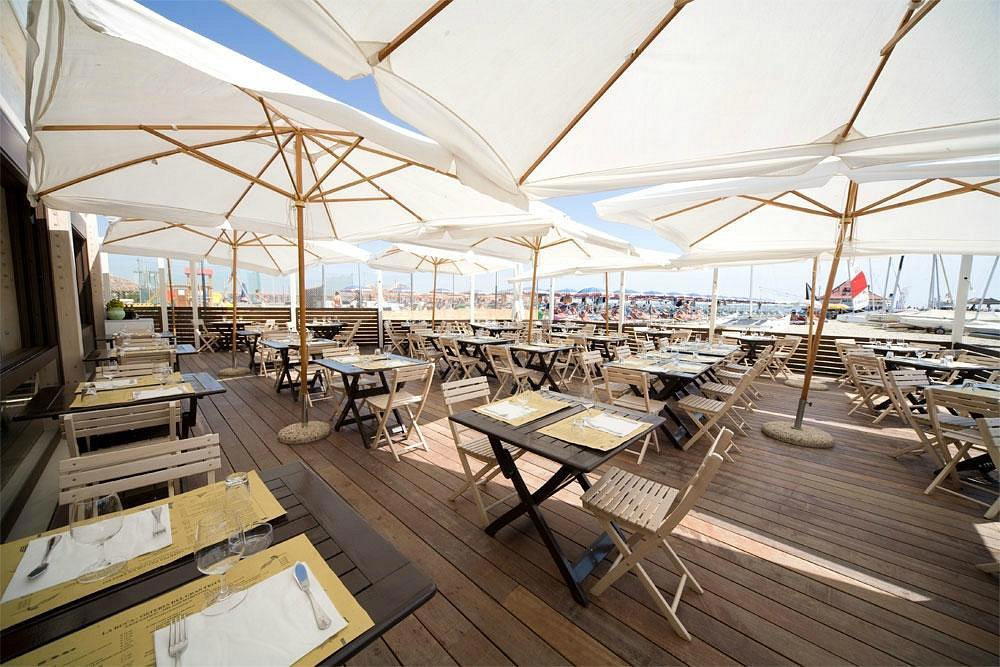
At a Glance
- Elegant
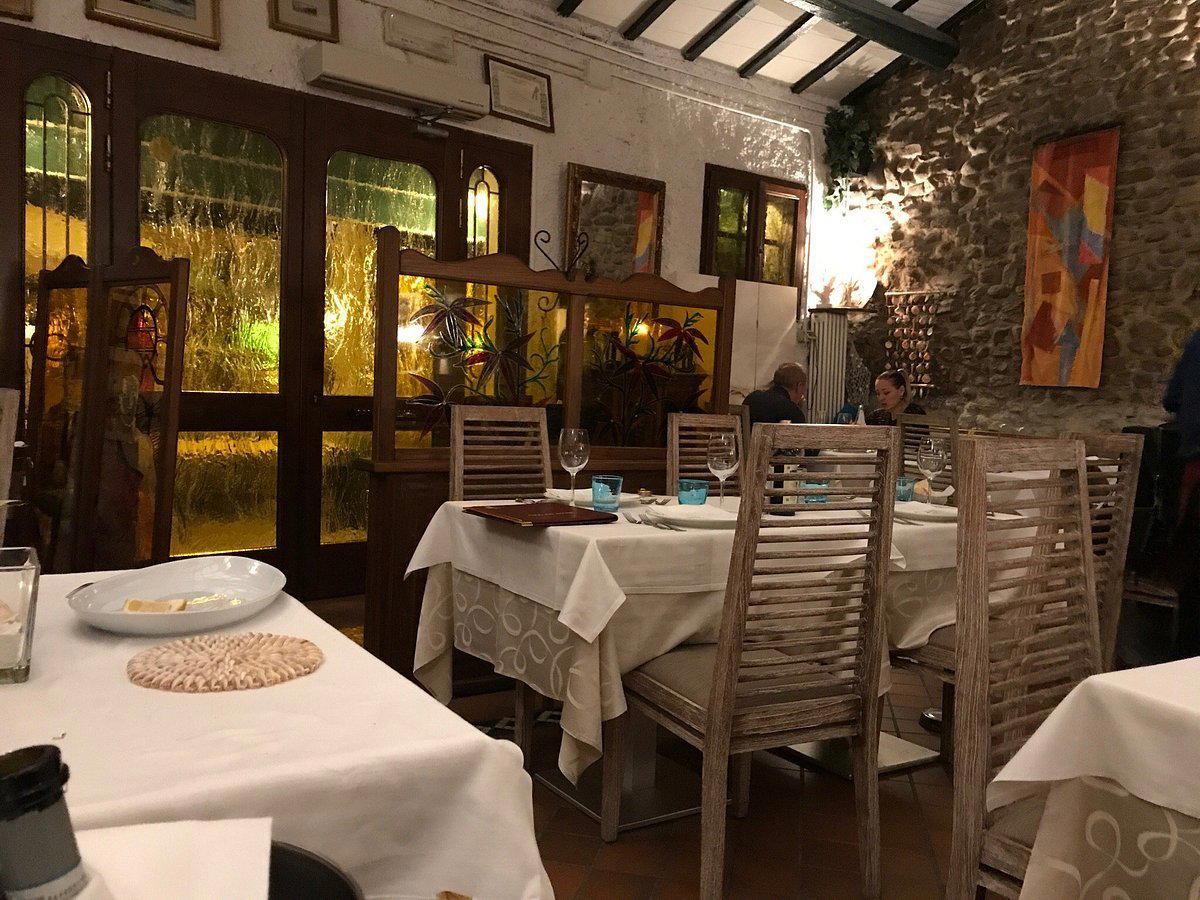
- Cozy
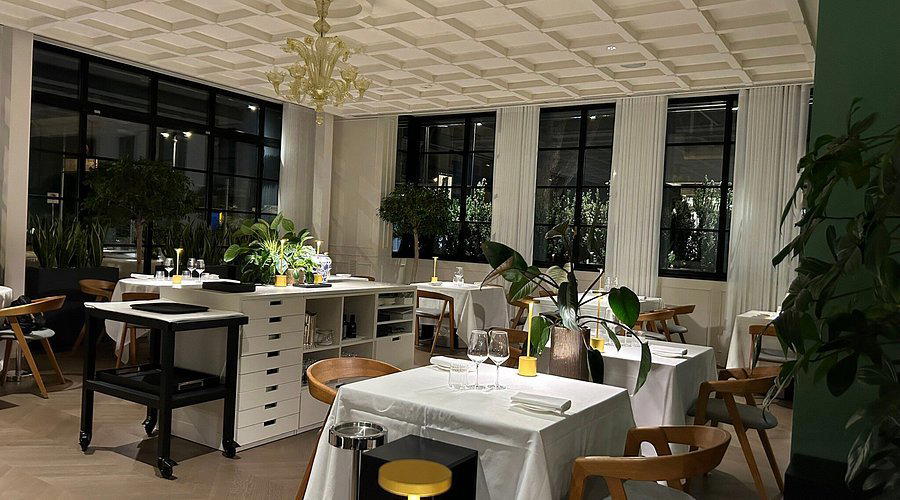
- Modern
- Date Night
- Special Occasion
- Family
- Open Kitchen
- Terrace
- Extensive Wine List
- Local Sourcing
- Street Scene
Current opening hours
- Monday
- Closed
- Tuesday
- Closed
- Wednesday
- Closed
- Thursday
- 7:30–11 PM
- Friday
- 7:30–11 PM
- Saturday
- 12:30–3 PM, 7:30–11 PM
- Sunday
- 12:30–3 PM
Hours can change for holidays and private events. Last verified .
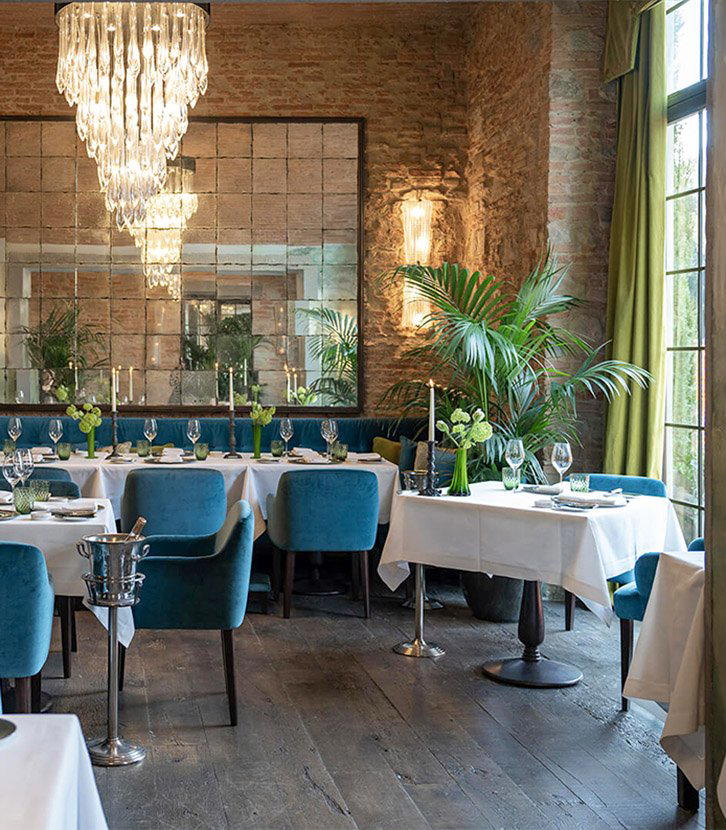
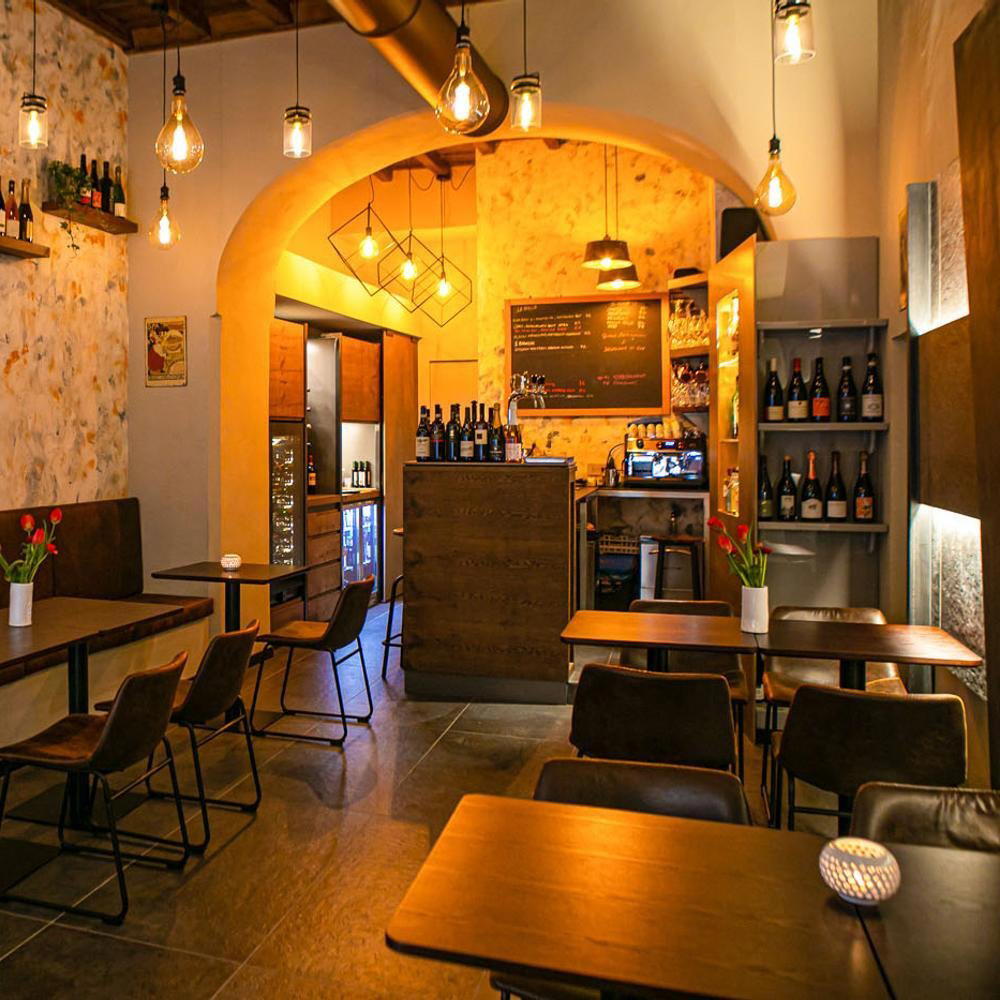
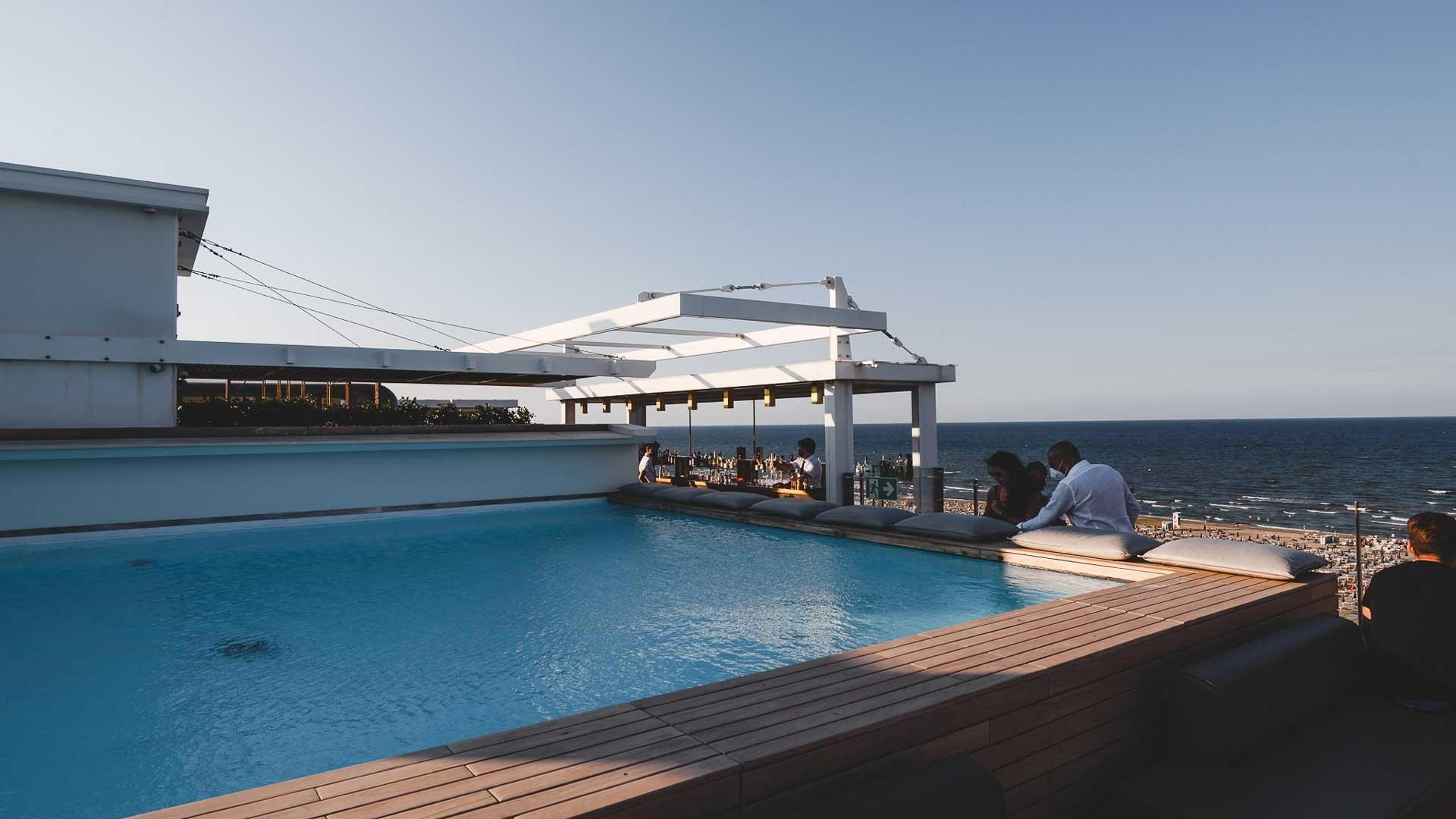
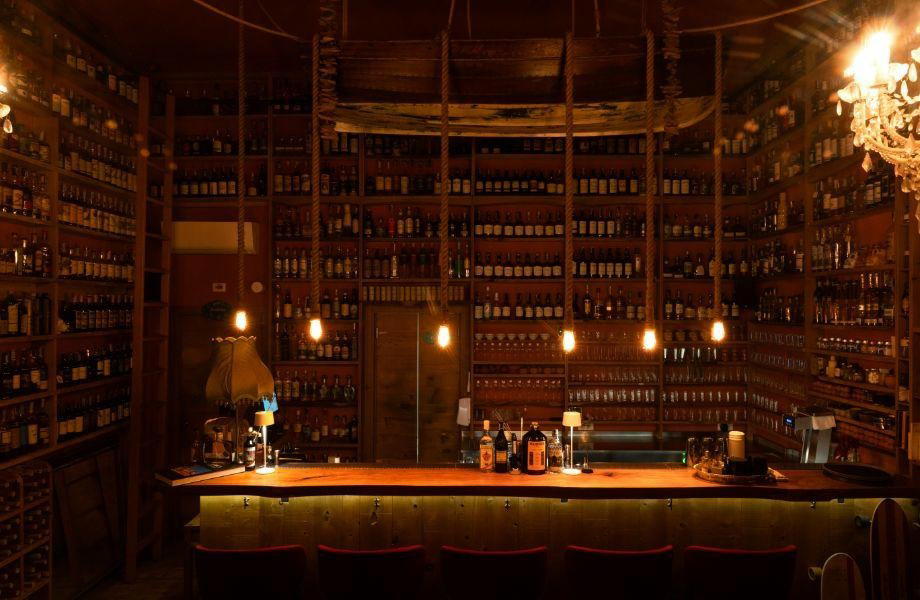
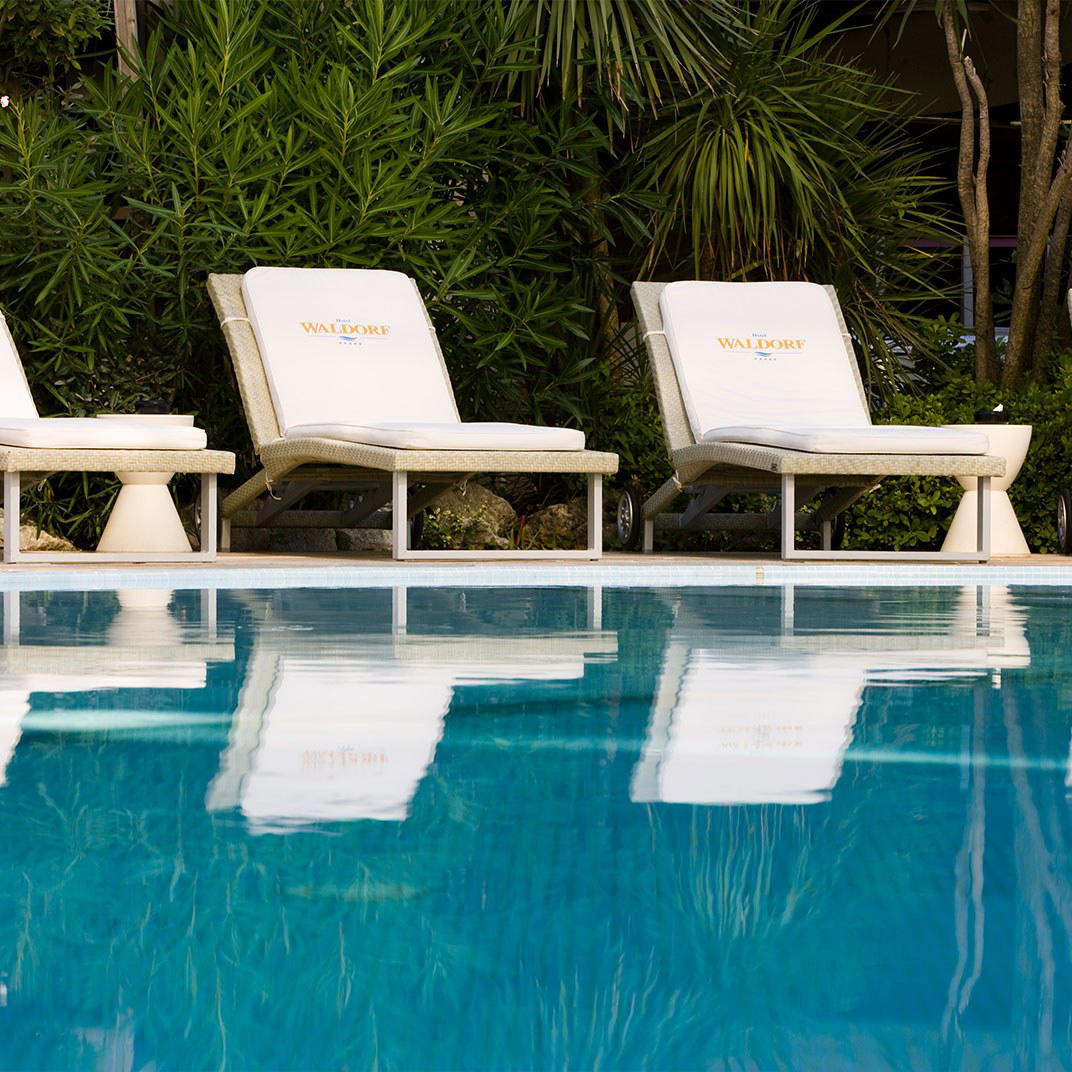
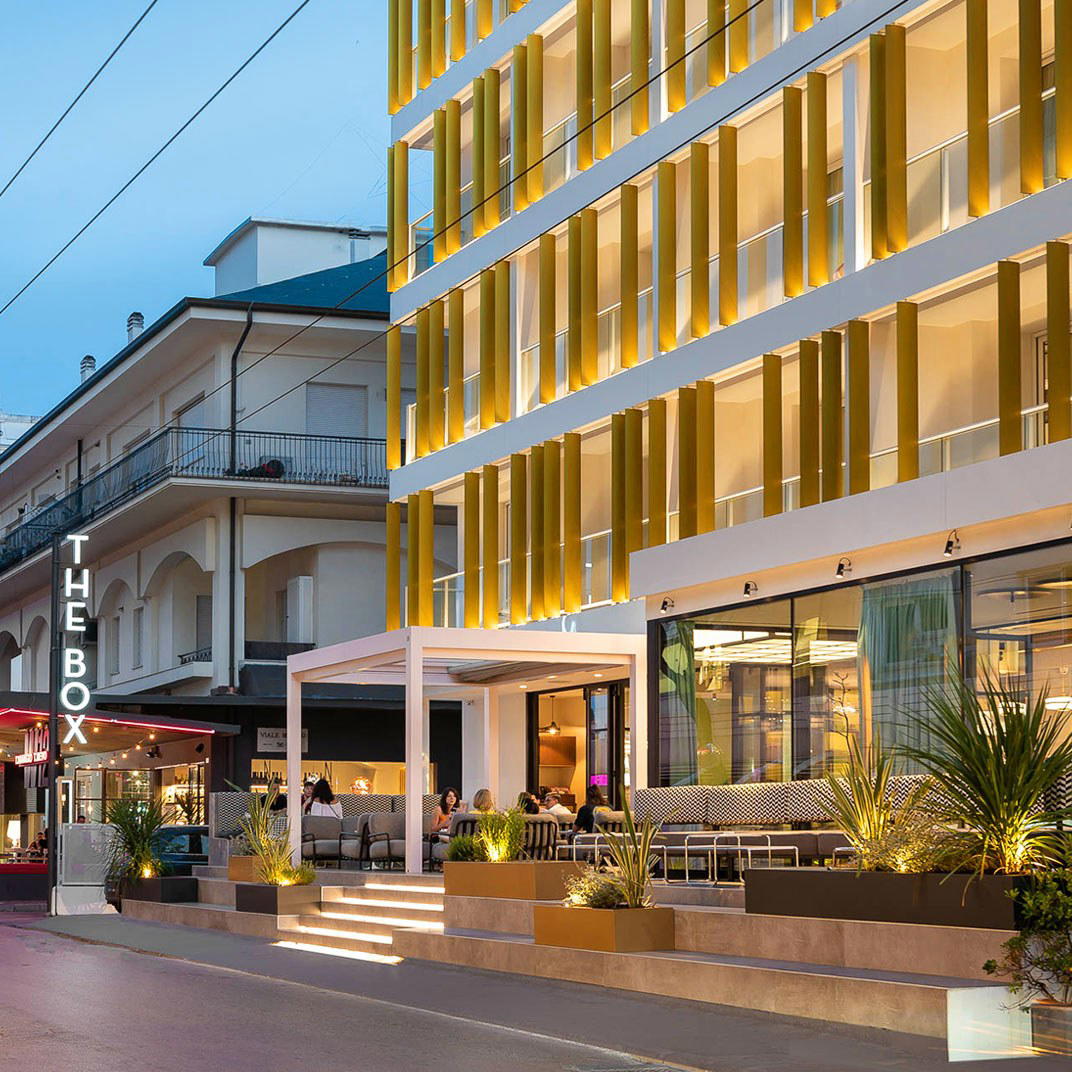
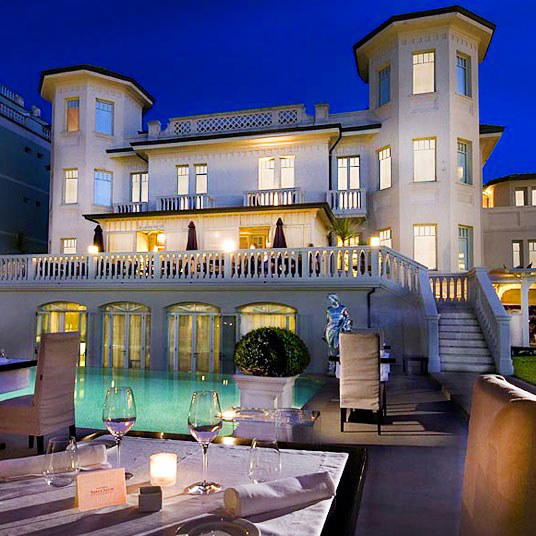
Pleasant light-colored decor inspired by the sea with welcoming and attentive atmosphere.