At 44 Rue de Gand, Comptoir 44 occupies a stretch of Lille's Vieux-Lille quarter where bistrot tradition and contemporary cooking have long coexisted. The address places it among a small cluster of restaurants rethinking what a northern French meal can look like, course by course, without the formality of a grand dining room. For those tracing Lille's current restaurant generation, it is a relevant stop.
Pearl is the En Primeur Club membership app — saves, bookings, and concierge access live there. Same editors, same standards.
- Address
- 44 Rue de Gand, 59800 Lille, France
- Phone
- +33320476599
- Website
- comptoir44-lille.fr
- Directions
- Get directions
 Saves & bookings on Pearl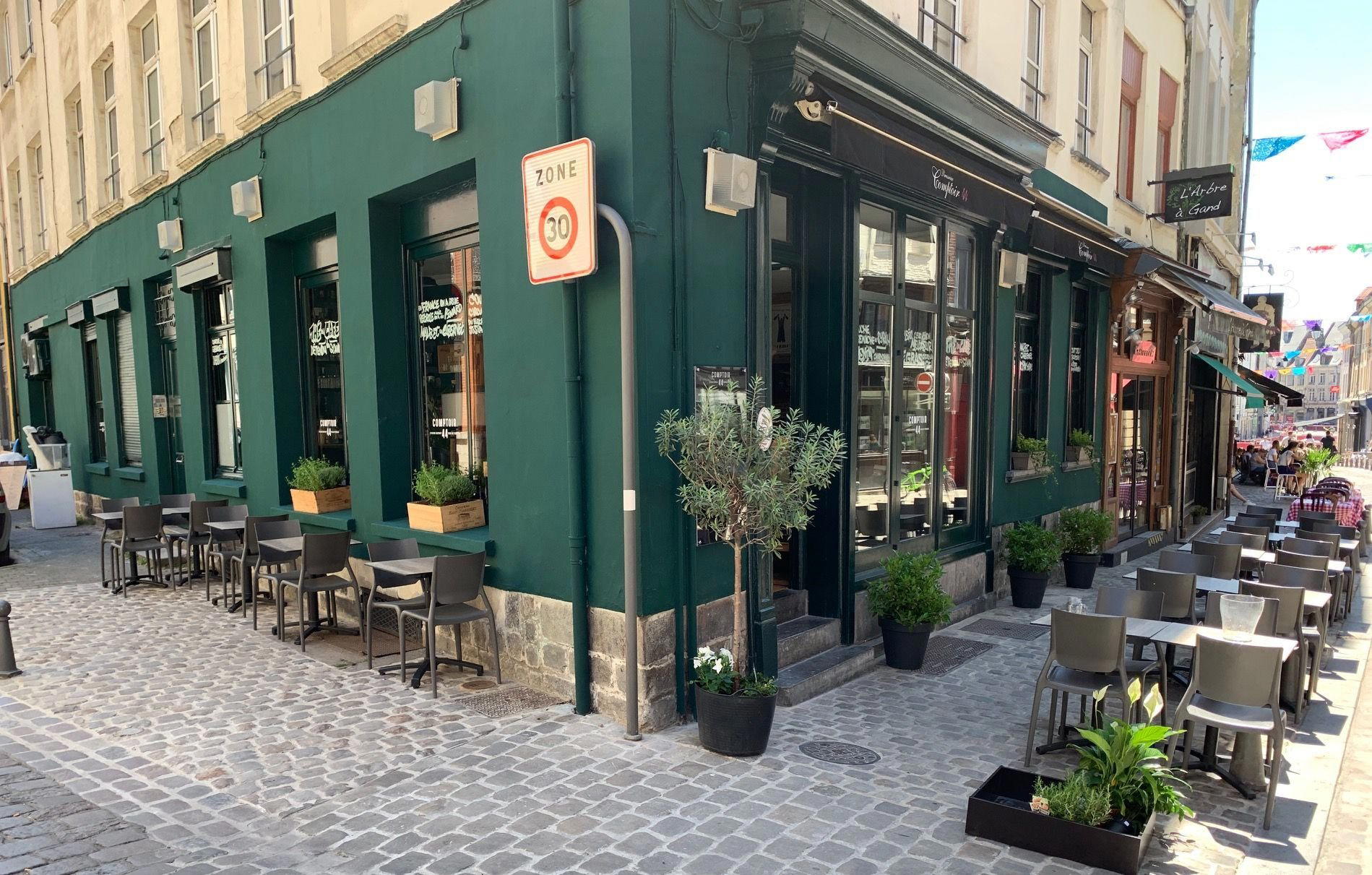
A Street That Sets the Register
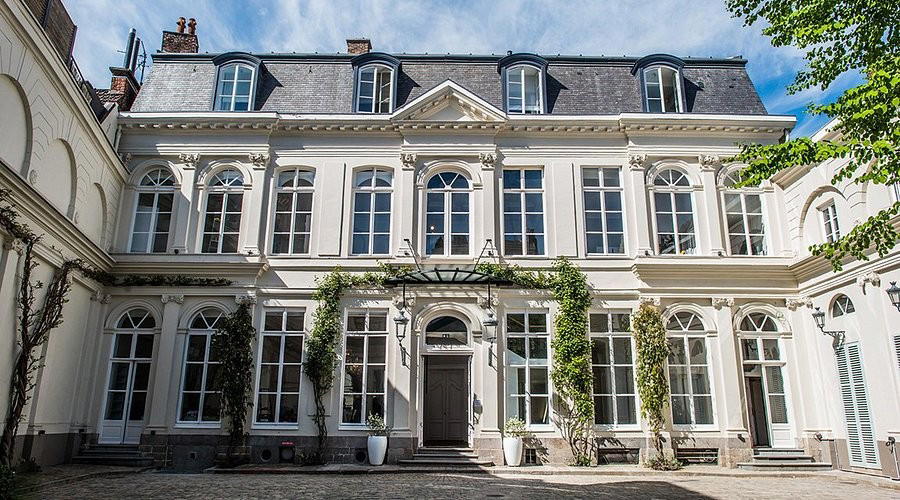
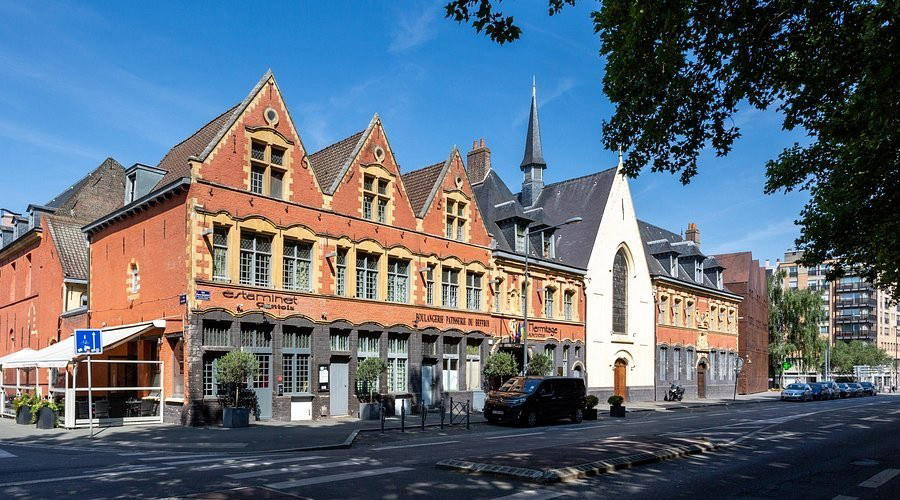
Rue de Gand runs through one of Lille's most architecturally consistent neighbourhoods, its Flemish-baroque facades offering a backdrop that quietly conditions every meal taken nearby. The buildings are tall, the streets narrow enough that light arrives at angles, and the general density of the area means that restaurants here compete on atmosphere as much as plate. Comptoir 44, sitting at number 44 on that same street, inherits that register.
This part of Vieux-Lille has become one of the more closely watched corridors in northern France's restaurant scene. The neighbourhood hosts a range of approaches, from the traditional estaminet format at Au Vieux de la Vieille to the contemporary precision visible at Ginko and the hotel-dining model represented by La Table at Hôtel Clarance. Comptoir 44 operates somewhere within that range, occupying a more informal register than the latter while being more kitchen-focused than the former.
How the Meal Unfolds
The French comptoir format places the kitchen close to the counter, and the sequencing of the meal tends to be driven by the cook rather than the guest. This is a tradition with roots in the Lyonnais bouchon and the Parisian zinc counter, and it carries certain assumptions about the pace of service and the relationship between kitchen output and table rhythm.
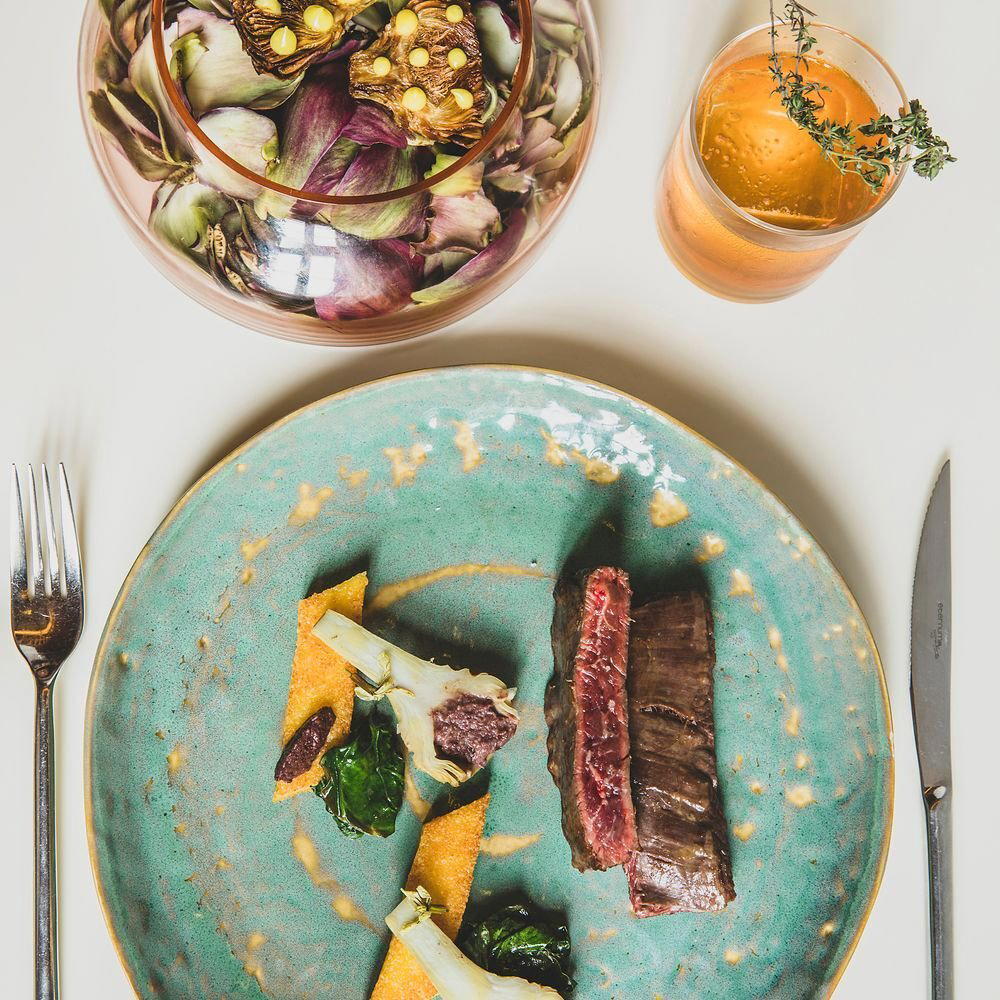
At Comptoir 44, that sequencing logic appears to govern how the menu operates. The meal is less about a la carte assembly and more about moving through a defined arc, where early courses establish a register, typically lighter, more acidic, vegetable-led, and later courses carry more weight. This is broadly how the better bistrot-comptoir formats operate across France, from the neighbourhood in Paris's 10th arrondissement to the more ambitious examples further afield. The approach places the restaurant in a different competitive conversation from Lille's more formal dining rooms. Where Pureté and similar addresses push toward tasting-menu territory, the comptoir model tends to favour a shorter, denser edit: fewer courses, each carrying more responsibility.
The kitchen's position within northern France's cooking traditions matters here. Ch'ti cuisine, the regional cooking of Nord-Pas-de-Calais, is built around hearty proteins, beer-based braises, endive, and Maroilles cheese, ingredients with strong personalities that resist delicacy. The more interesting kitchens in Lille right now are not abandoning those ingredients but learning to work with their weight differently: shorter cooking times, sharper acid balances, less reliance on cream as a structural element. The format suggests a kitchen engaged with current bistrot thinking rather than regional nostalgia.
Where It Sits in Lille's Current Scene
Lille's restaurant generation of the past decade has diversified considerably. The city's proximity to Belgium and the Channel Tunnel corridor means it draws a travelling audience that compares it not just to French provincial cities but to Ghent, Bruges, and Brussels. That comparison is not flattering in every respect, the Belgian cities have more visible fine-dining infrastructure, but it has pushed Lille's better kitchens to think harder about what they offer.
The price architecture across Lille's mid-tier restaurants is notably accessible compared to Paris equivalents. A lunch at a comptoir-format address in Vieux-Lille will typically run well under what comparable cooking costs in the capital's 6th or 8th arrondissements. This is partly cost-of-operation differential and partly a deliberate positioning decision by kitchens that want to sustain regular local custom alongside visitor traffic. Au Soyeux occupies a similar bracket, and the two addresses together represent a cluster of value-relative-to-cooking-quality that is more difficult to find in France's larger cities.
At the national level, the reference points for serious French restaurant cooking remain concentrated further south and east: Flocons de Sel in Megève, Mirazur in Menton, and legacy addresses such as Auberge de l'Ill in Illhaeusern or Bras in Laguiole. The northern corridor, historically underrepresented in France's prestige dining conversation, is generating its own momentum, and addresses like Comptoir 44 are part of that story even when they do not seek the recognition attached to places such as Alléno Paris au Pavillon Ledoyen or Troisgros in Ouches. The comptoir format is, by design, a more modest register than the grand table, but it is no less considered for that.
For visitors cross-referencing against the broader European bistrot tradition, the informal counter-led format also has parallels in what Lazy Bear in San Francisco does with communal sequencing, or the way Le Bernardin in New York structures progression, though at a different scale and ambition. The underlying idea that the kitchen controls the arc of the meal rather than deferring entirely to the guest's a la carte choices is shared across all these formats.
Planning the Visit
Rue de Gand is walkable from Lille's main squares, Grand Place is roughly ten minutes on foot through Vieux-Lille's pedestrian corridors. The neighbourhood is dense with restaurant options, which means that arriving without a reservation carries risk on busier evenings, particularly Thursday through Saturday. Lunch tends to be more accessible. Reservation is recommended. The full range of Lille's dining options, from neighbourhood bistrots to more formal tables, is covered in our full Lille restaurants guide.
Reputation First
Comparable venues nearby, for context on price, style, and recognition.
| Venue | Cuisine | Price | Notes |
|---|---|---|---|
| Comptoir 44This venue — the venue you are viewing | French Bistronomique | $$$ | Not listed |
| Brother & Sister | French Bistronomie | $$$ | Vieux Lille 3 |
| Le Lion Bossu | Traditional French Gastronomic | $$$ | Vieux Lille 3 |
| Aux éphérites | French Fusion Bistronomy | $$$ | Lille Centre 19 |
| Club Marot | Modern French Bistronomic | $$$ | Vieux Lille 4 |
| Quai 38 | Modern French Seafood | $$ | Vieux Lille 1 |
Continue exploring
More in Lille
Restaurants in Lille
Browse all →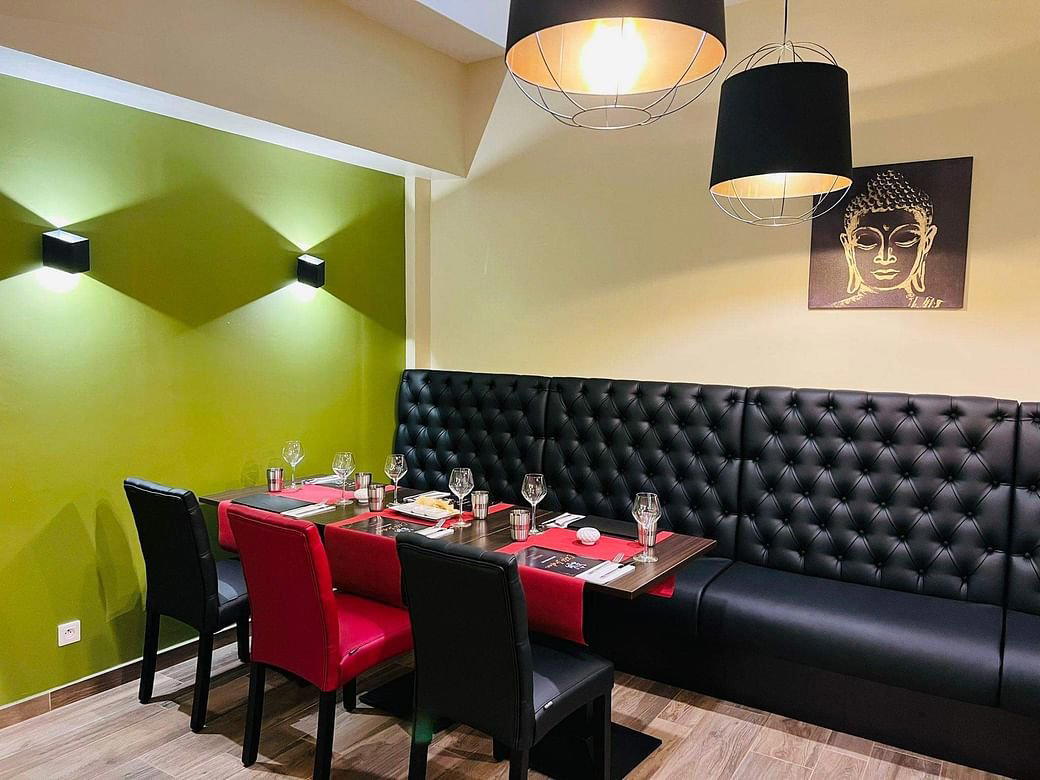
At a Glance
- Cozy
- Intimate
- Classic
- Elegant
- Date Night
- Group Dining
- Casual Hangout
- Terrace
- Natural Wine
- Local Sourcing
Current opening hours
- Monday
- 12–2 PM, 7–9:30 PM
- Tuesday
- 12–2 PM, 7–9:30 PM
- Wednesday
- 12–2 PM, 7–9:30 PM
- Thursday
- 12–2 PM, 7–9:30 PM
- Friday
- 12–2 PM, 7–10 PM
- Saturday
- 12–2:30 PM, 7–10 PM
- Sunday
- 12–2:30 PM, 7–9:30 PM
Hours can change for holidays and private events. Last verified .
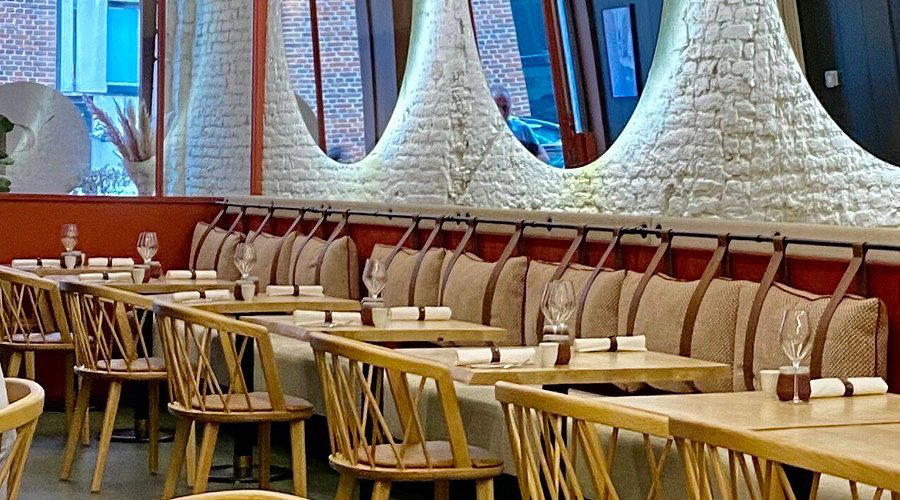
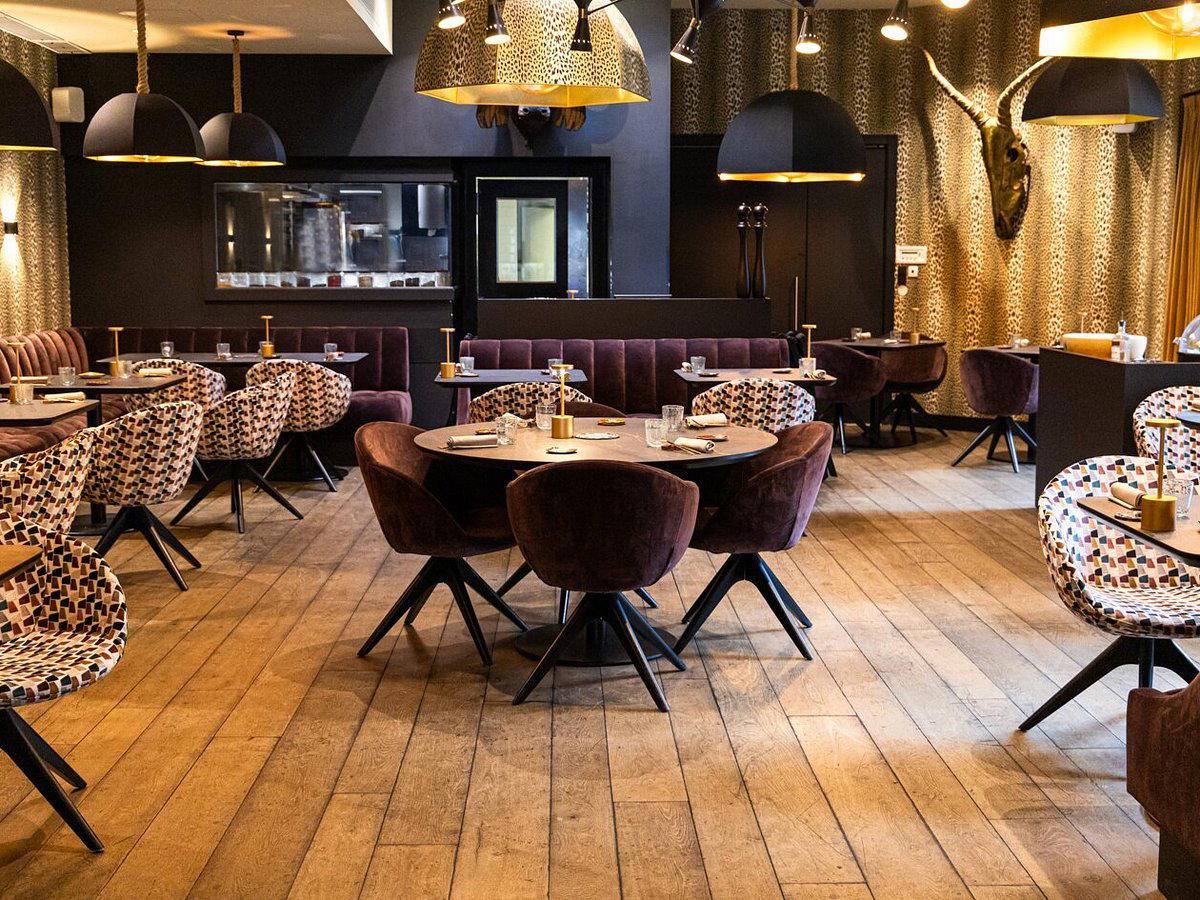
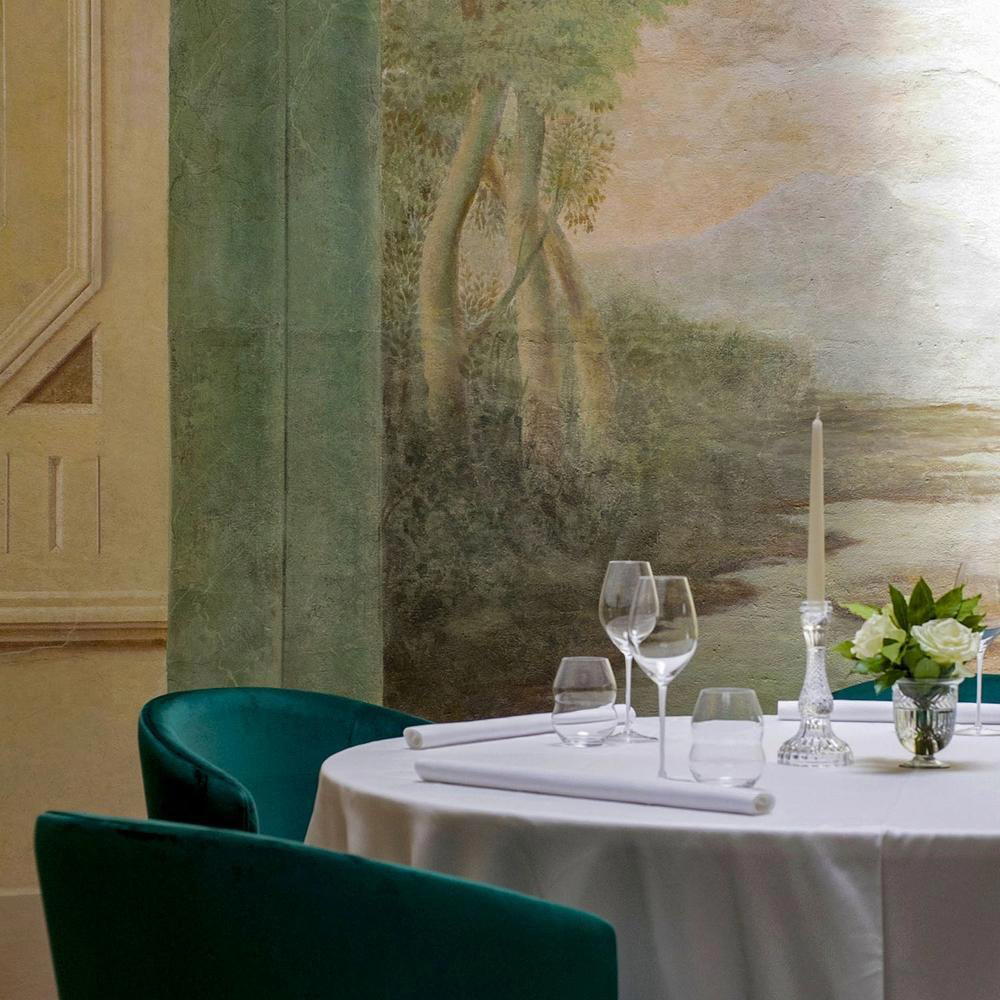
Apaisant and convivial by day, intimiste in the evening with tamised lighting and candlelight on tables.