Colors World Food
Colors World Food sits on Wageningen's Markt square, bringing a multicultural table to a university city already accustomed to thinking globally. The kitchen draws on culinary traditions from multiple continents, making it one of the more internationally oriented addresses in a town whose dining scene punches well above its modest size. For visitors exploring the Gelderse Vallei region, it offers a useful counterpoint to the modern French and European formats that dominate the local competition.
Pearl is the En Primeur Club membership app — saves, bookings, and concierge access live there. Same editors, same standards.
- Address
- Markt 15, 6701 CX Wageningen, Netherlands
- Phone
- +31317417463
- Website
- colorsworldfood.nl
- Directions
- Get directions
 Saves & bookings on Pearl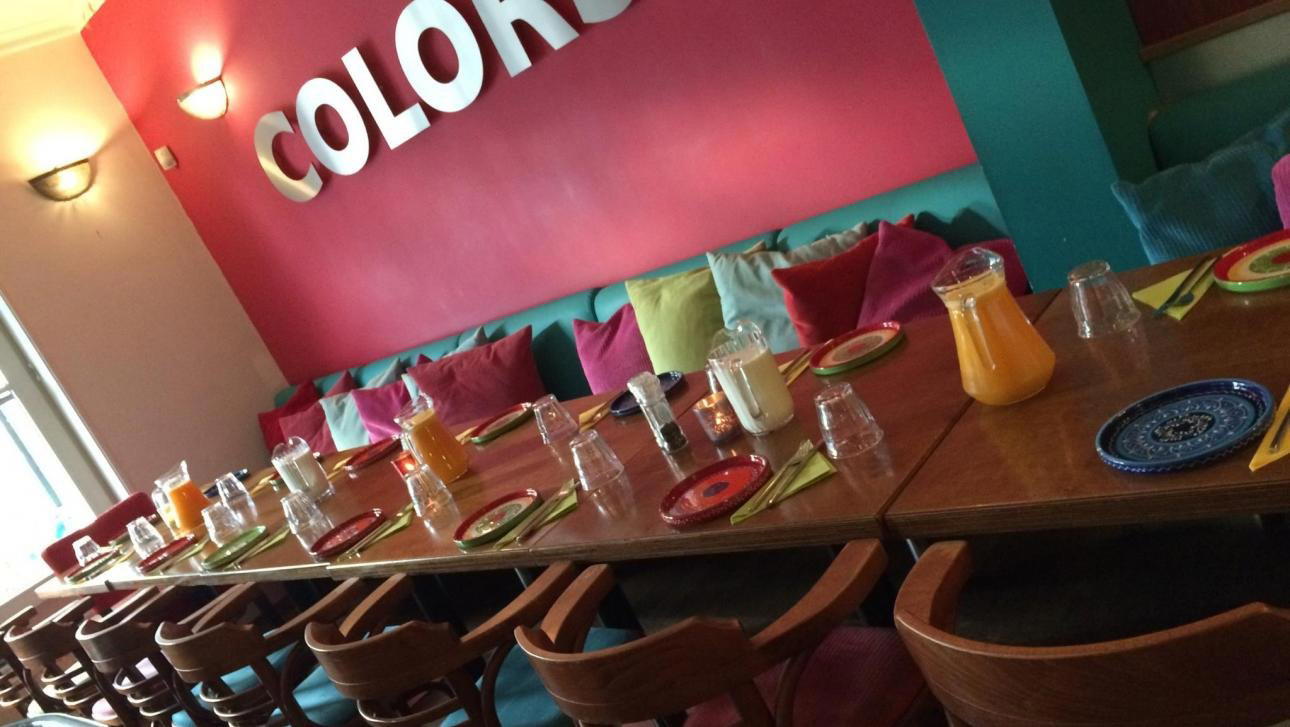
A University City's Appetite for the World
Wageningen is an unusual Dutch city. Its population skews young and international — the Wageningen University campus draws researchers and students from over a hundred countries — and that demographic reality shapes what the town's restaurants can sustain. A kitchen trading in global reference points finds a more receptive audience here than it might in a comparably sized provincial centre. Colors World Food, addressed at Markt 15 in the heart of the old market square, is a direct expression of that local appetite.
The Markt itself frames the experience before you reach the door. Wageningen's central square retains the proportions of a small Gelderse market town, with brick facades and low sightlines that keep the scale human. Arriving from the western approach, the square opens gradually, and Colors World Food sits within that compact, walkable core that defines Wageningen's social geography. It is the kind of address that benefits from foot traffic and a captive local population willing to range widely across cuisines on any given evening.
What World Food Means on the Veluwe Edge
The term 'world food' carries different weight in different cities. In Amsterdam it can signal a tourist-facing eclecticism; in a university town like Wageningen it more often reflects genuine demand from a cosmopolitan student body and an academic community with direct culinary experience across multiple continents. The distinction matters because it shifts what a kitchen has to do to hold its audience. Diners who have eaten the source material in its home country are harder to satisfy with approximations.
That context places Colors World Food in a specific local tier. Wageningen's restaurant scene is small enough that each address occupies a distinct niche rather than competing within a crowded category. DIELS (€€ · Modern French) holds the modern European end of the market, while My Asia addresses a more focused Asian format. Sa Lolla adds further variety to a scene that, given the city's size, covers a reasonable amount of ground. Colors World Food's multicultural framing puts it at the broadest end of that spectrum, trading in reach rather than depth within any single tradition.
The broader Dutch dining context is worth noting. The Netherlands has one of Europe's more developed high-end restaurant cultures relative to its population, with Michelin-starred addresses distributed well beyond Amsterdam. Properties like De Librije in Zwolle and Inter Scaldes in Kruiningen anchor a national scene that extends into smaller cities and towns. De Nieuwe Winkel in Nijmegen, the nearest major city to Wageningen, demonstrates that ambitious kitchens can operate successfully in the Gelderse region. Colors World Food operates at a different register, more casual, more accessible, but within a national culture that takes food seriously at most price points.
Multicultural Cooking and Its Demands
Kitchens that span multiple culinary traditions face an inherent tension: range can signal inclusivity or it can signal a lack of discipline. The restaurants that resolve this tension successfully tend to do so through a clear editorial point of view, a set of sourcing principles, a house flavour profile, or a geographic logic that ties disparate dishes into something coherent. Without that thread, a world food menu risks becoming a collection of approximations rather than a statement.
In the Dutch context, multicultural cooking has a particular history. Post-colonial connections to Indonesia and Suriname, combined with mid-twentieth-century labour migration from Morocco and Turkey, gave Dutch cities a food culture shaped by genuine community presence rather than purely commercial import. That history is less legible in Wageningen than in Amsterdam or Rotterdam, but the university's international character creates a parallel logic: the audience has personal reference points across many cuisines, and the kitchen has to earn its credibility with each dish rather than relying on novelty.
For comparison, the challenge is not unlike what operators in cities like San Francisco have navigated for decades. Lazy Bear in San Francisco addressed a different version of the same problem, how to cook with range and ambition for a technically literate audience, through a highly controlled format. The solutions available in Wageningen are less theatrical, but the underlying question of how to satisfy a cosmopolitan diner is the same.
Placing Colors World Food in the Wageningen Picture
For visitors arriving in Wageningen with a meal to plan, the market square location makes Colors World Food one of the more convenient options in the centre. The Markt is within easy walking distance of the university campus and the main shopping streets, which means it functions as a natural gathering point for the mixed crowd the city attracts. BEAU represents another Markt-adjacent option for those building an evening around the square.
Those planning a wider regional eating trip will find that Wageningen sits at a useful geographic junction. The Gelderse Vallei connects the city to the Veluwe to the north and the Betuwe orchard region to the south, and day trips to Nijmegen or Arnhem are manageable. For higher-end dining further afield, De Lindenhof in Giethoorn, Tribeca in Heeze, De Groene Lantaarn in Staphorst, Brut172 in Reijmerstok, De Lindehof in Nuenen, De Bokkedoorns in Overveen, De Treeswijkhoeve in Waalre, and Ciel Bleu in Amsterdam all represent options that sit clearly in the fine-dining register. For a global reference point at the technical extreme, Le Bernardin in New York City illustrates how a single-cuisine focus can achieve depth that broad-spectrum kitchens rarely match, a useful frame for understanding what Colors World Food trades away in exchange for range. Our full Wageningen restaurants guide maps out the complete local picture for anyone planning time in the city.
Planning Your Visit
Colors World Food is located at Markt 15, 6701 CX Wageningen, placing it at the centre of the city's most accessible dining zone. Wageningen is served by regular bus connections from Arnhem and Ede-Wageningen railway station, making it reachable from the national rail network without a car.
A Pricing-First Comparison
| Venue | Price | Awards |
|---|---|---|
| Colors World FoodThis venue — the venue you are viewing | This venue | Not listed |
| DIELS | €€ | €€ · Modern French, €€ |
Continue exploring
More in Wageningen
Restaurants in Wageningen
Browse all →
Bars in Wageningen
Browse all →
At a Glance
- Trendy
- Cozy
- Group Dining
- Casual Hangout
Current opening hours
- Monday
- 11 AM–10 PM
- Tuesday
- Closed
- Wednesday
- Closed
- Thursday
- 11 AM–10 PM
- Friday
- 11 AM–10 PM
- Saturday
- 11 AM–10 PM
- Sunday
- 11 AM–10 PM
Hours can change for holidays and private events. Last verified .
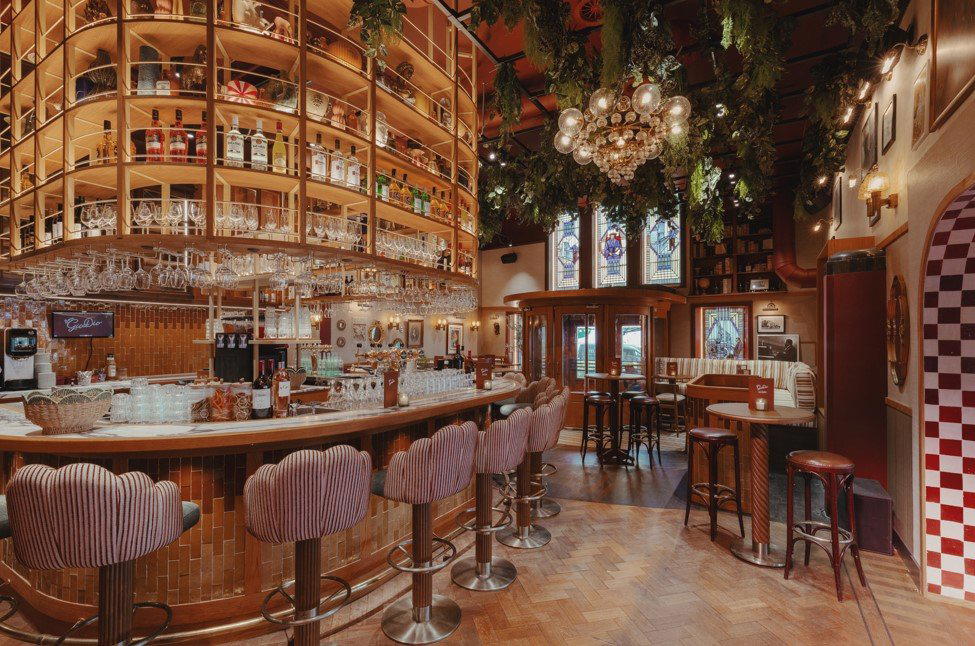
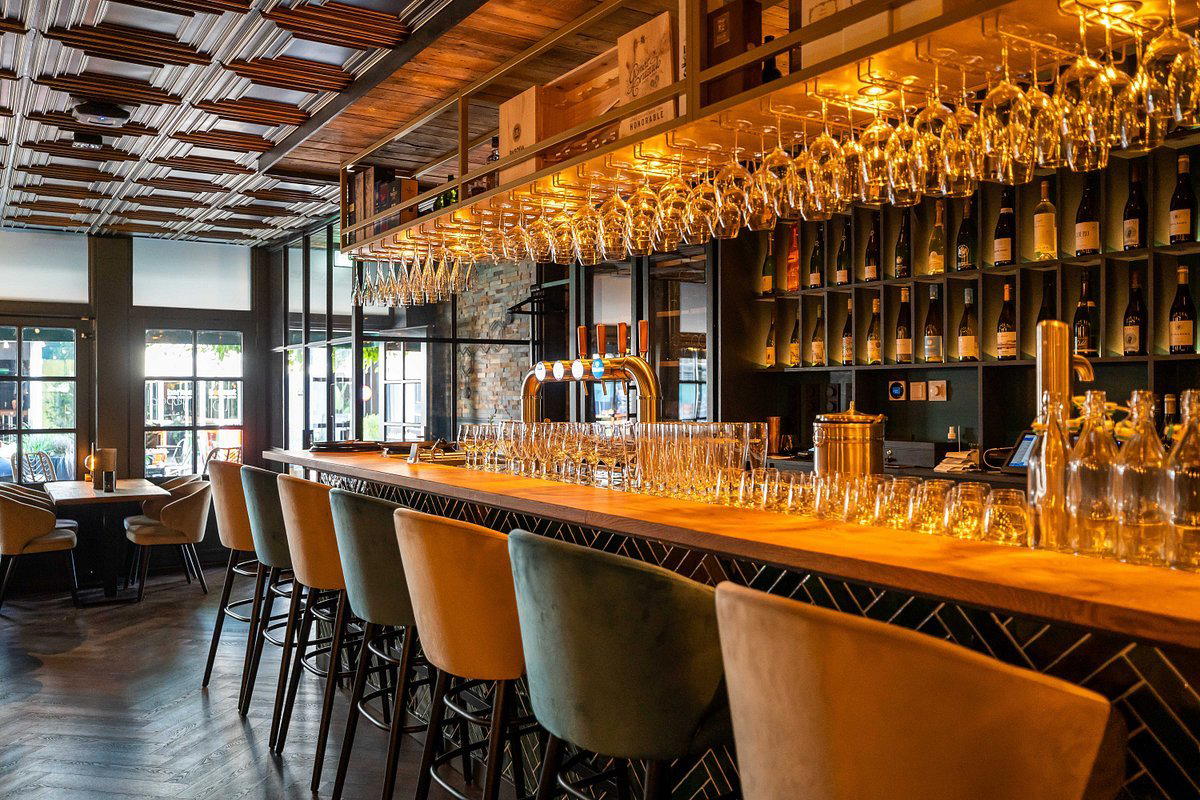
Casual and welcoming atmosphere ideal for sharing international small dishes with friends or groups.
Know Before You Go
- Getting there
- Markt 15, 6701 CX Wageningen, Netherlands