My Asia
My Asia occupies a straightforward address on Hoogstraat in Wageningen, the university city in Gelderland known more for agricultural science than restaurant ambition. In a dining scene where Modern French and European formats dominate the upper tier, an Asian kitchen here operates in a different register entirely, drawing on sourcing traditions and cooking approaches that the Netherlands has absorbed through decades of trade and migration.
Pearl is the En Primeur Club membership app — saves, bookings, and concierge access live there. Same editors, same standards.
- Address
- Hoogstraat 9, 6701 BJ Wageningen, Netherlands
- Phone
- +31317411029
- Website
- myasia.nu
- Directions
- Get directions
 Saves & bookings on Pearl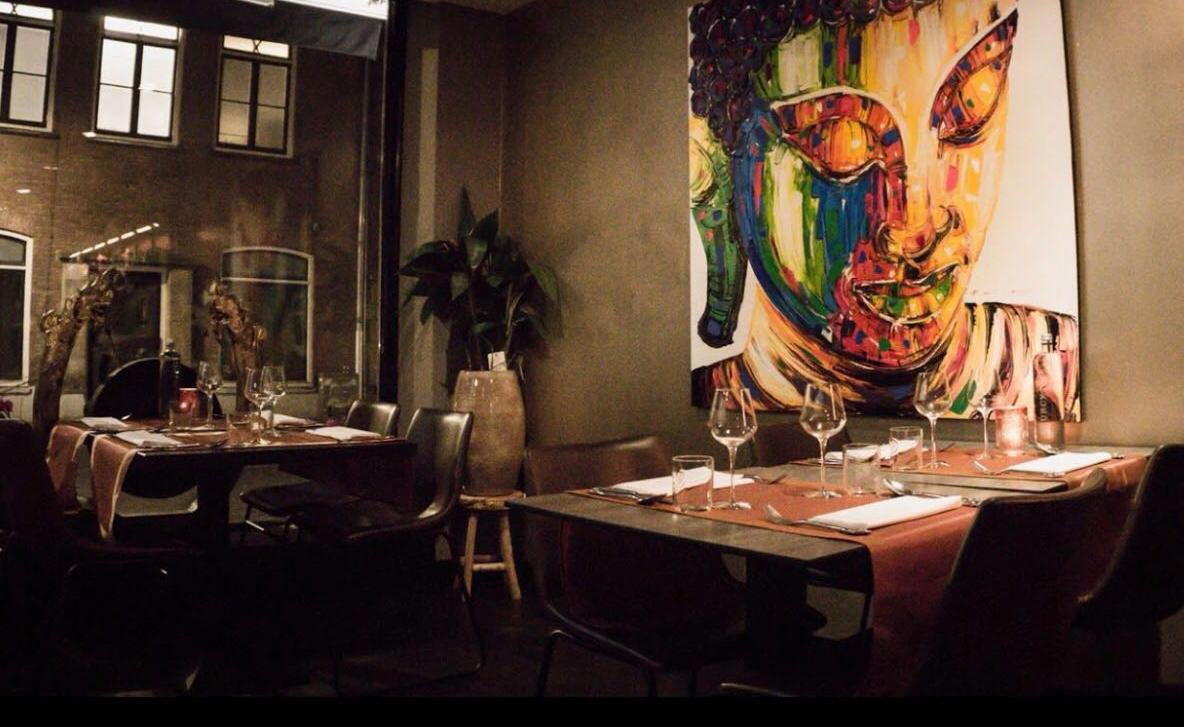
A Street-Level Address in a City That Eats Seriously
Hoogstraat is one of those central shopping streets that most Dutch provincial cities have in some form: functional, pedestrian-friendly, lined with a mixture of retail and food that serves the local population rather than visiting food tourists. Wageningen sits in this category of city more broadly. Its identity is shaped by Wageningen University, one of the leading agricultural research institutions in Europe, which gives the city an unusual character: a relatively small population that skews young, internationally minded, and more attuned to questions of food origin and sustainability than the average Dutch provincial town. That backdrop matters when thinking about what an Asian restaurant here is actually serving and to whom.
My Asia, at Hoogstraat 9, operates in a city where the dining conversation is still developing. The upper tier of Wageningen's restaurant scene includes places like BEAU and DIELS (€€ · Modern French), which anchor the more formal European end of the market. World food formats, represented by venues such as Colors World Food, occupy a different position in the mix. My Asia sits within that broader category of kitchens that draw from Asian culinary traditions, and in a university city with a significant international student and faculty population, that positioning carries real local relevance.
Where the Food Comes From and Why That Matters in This Context
Asian cooking in the Netherlands has a layered history. The Indonesian connection, rooted in colonial trade, gave the country its oldest and most deeply embedded Asian food culture, producing a domestic comfort with spice and slow-cooked preparation that remains unlike any other Northern European country. Later waves of Chinese, Vietnamese, Thai, and Japanese migration added further registers. By the time you reach a city like Wageningen in the current decade, an Asian kitchen can mean almost anything on that spectrum, from the rice-table traditions of Indonesian-Dutch cooking to newer formats that reference East and Southeast Asian sourcing more directly.
The ingredient sourcing question is particularly pointed in this context. Wageningen University's food systems research has put questions of agricultural origin, supply chain transparency, and regional provenance into daily campus conversation for decades. Students and researchers here are more likely than most to think about where a product comes from before they order it. An Asian kitchen that takes sourcing seriously, whether that means drawing on Netherlands-based importers with strong direct relationships in Asia, or sourcing produce through the Dutch agricultural networks that Wageningen itself has helped shape, speaks a language this city is equipped to appreciate. The Dutch position as a major global agri-food hub also means that premium Asian ingredients, from specific soy varieties to Asian brassicas grown in Dutch greenhouse conditions, are more accessible here than they would be in comparable cities elsewhere in Europe.
For comparison, some of the most credentialed Asian-influenced kitchens in the broader Netherlands context, such as De Nieuwe Winkel in Nijmegen (a short drive from Wageningen), have built international recognition around plant-forward menus that draw directly on regional agricultural relationships. At the starred level further afield, Atomix in New York City demonstrates how Korean sourcing precision and ingredient provenance can drive a dining program to the very leading of global recognition. These are different scales and ambitions, but they illustrate how seriously the sourcing question is taken across the Asian cooking spectrum at its most considered.
The Wageningen Dining Scene in Wider Context
Wageningen does not compete with Nijmegen or Arnhem at the top of the Gelderland dining hierarchy, but it punches above its population weight in terms of dining diversity, partly because of the university's international composition. The city's restaurants serve a community that includes food scientists, agronomists, and environmental researchers from across the world, which creates demand for range and authenticity that a purely domestic provincial city would not generate.
The Michelin-recognized end of the Dutch dining scene is concentrated in other cities: Ciel Bleu in Amsterdam, De Librije in Zwolle, and De Lindenhof in Giethoorn represent the starred tier that Wageningen's scale does not support. But that does not mean the local scene is without interest. Venues like Sa Lolla show that the city has room for distinct formats that serve the community well. In that context, an Asian kitchen occupies a specific and useful position: it fills a category that the European-leaning fine dining alternatives do not, and it does so for a population that is more internationally diverse than the surrounding region.
Across the Netherlands more broadly, the category of Asian dining has produced some of its most interesting results when kitchens have committed to a specific geographic register rather than defaulting to a pan-Asian catch-all. Brut172 in Reijmerstok and De Bokkedoorns in Overveen illustrate how regional specificity in a Dutch kitchen can generate genuine critical attention. The same principle applies to Asian formats: depth in one tradition typically produces stronger results than width across several.
Planning a Visit
My Asia is located at Hoogstraat 9, 6701 BJ Wageningen, in the central part of the city within easy walking distance of the main university campus and the market square. Wageningen is accessible by train via Ede-Wageningen station, with regular bus connections into the town centre. For visitors combining the restaurant with broader Gelderland dining, the city sits within reasonable reach of the Nijmegen dining scene, where venues including De Nieuwe Winkel represent the region's most internationally recognized food addresses. Current contact details, hours, and booking arrangements are best confirmed directly with the venue, as these details were not available at the time of writing. For a broader overview of where My Asia fits within the local dining picture, the full Wageningen restaurants guide maps the city's options across formats and price points.
Wageningen is a small city, which means the restaurant community is relatively legible. If My Asia is on your list alongside other options, venues like DIELS or BEAU provide strong European alternatives for the same visit, making a day or evening in Wageningen a more complete dining proposition than the city's size might initially suggest.
How My Asia Wageningen compares with similar nearby venues.
| Venue | Cuisine | Price |
|---|---|---|
| DIELS | Modern French | €€ |
| Het Koetshuis | Modern Cuisine | €€€ |
Continue exploring
More in Wageningen
Restaurants in Wageningen
Browse all →
Bars in Wageningen
Browse all →
At a Glance
- Modern
- Elegant
- Cozy
- Date Night
- Group Dining
- Casual Hangout
- Family
- Standalone
- Terrace
- Beer Program
- Local Sourcing
Current opening hours
- Monday
- Closed
- Tuesday
- 5–10 PM
- Wednesday
- 5–10 PM
- Thursday
- 5–10 PM
- Friday
- 5–10 PM
- Saturday
- 5–10 PM
- Sunday
- 5–10 PM
Hours can change for holidays and private events. Last verified .
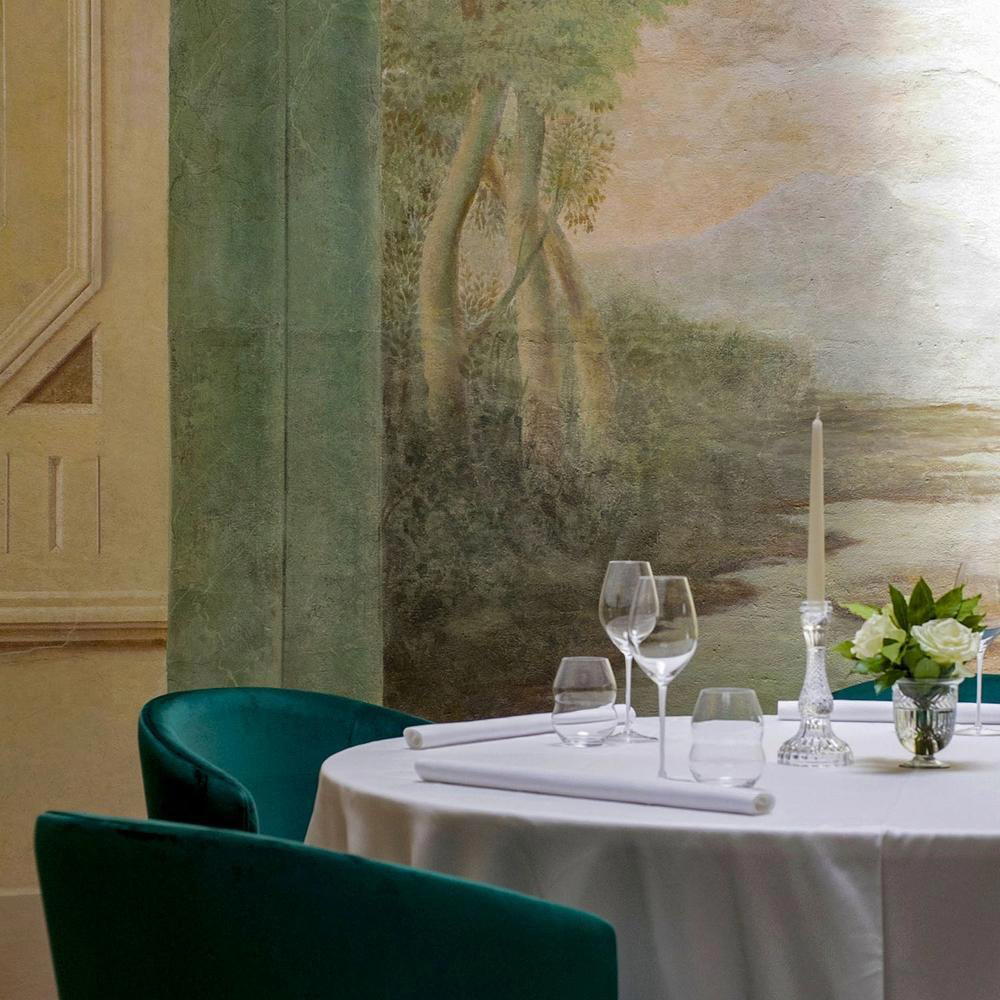
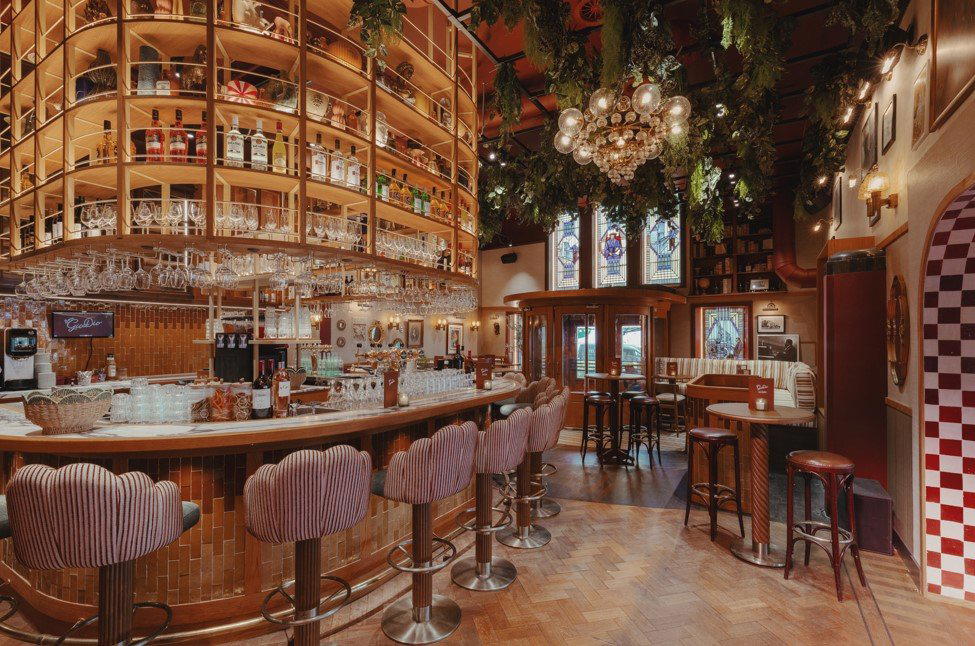
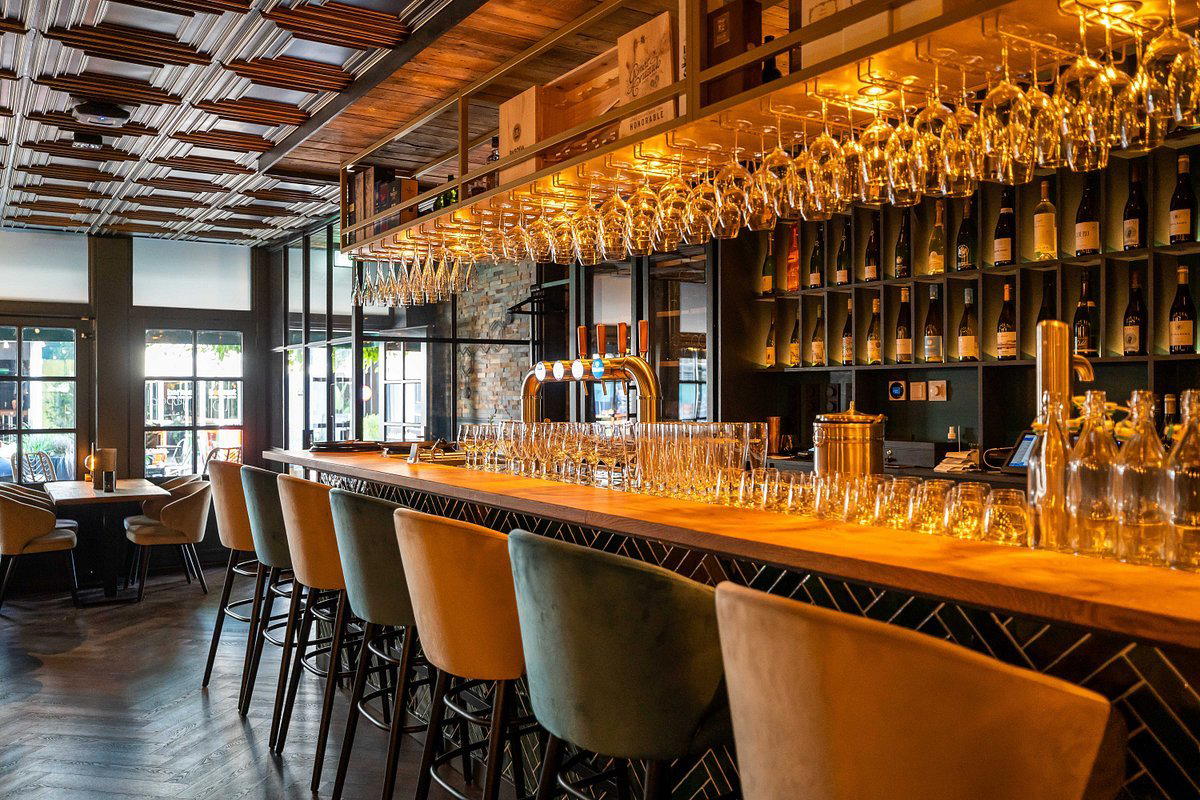
Modern interior with subtle Thai decorations, candlelit tables with linen napkins, creating an elegant yet welcoming atmosphere without heavy kitsch elements.
Know Before You Go
- Getting there
- Hoogstraat 9, 6701 BJ Wageningen, Netherlands