BEAU
BEAU occupies a quietly considered address on Lawickse Allee in Wageningen, a university city where food science and gastronomy share an unusual proximity. The restaurant operates within a Dutch dining culture that has increasingly turned toward provenance and seasonal restraint, placing it alongside a small cohort of regionally focused tables that treat ingredient sourcing as a structural commitment rather than a menu footnote.
Pearl is the En Primeur Club membership app — saves, bookings, and concierge access live there. Same editors, same standards.
- Address
- Lawickse Allee 9a, 6701 AN Wageningen, Netherlands
- Phone
- +31317490133
- Website
- wicc.nl
- Directions
- Get directions
 Saves & bookings on Pearl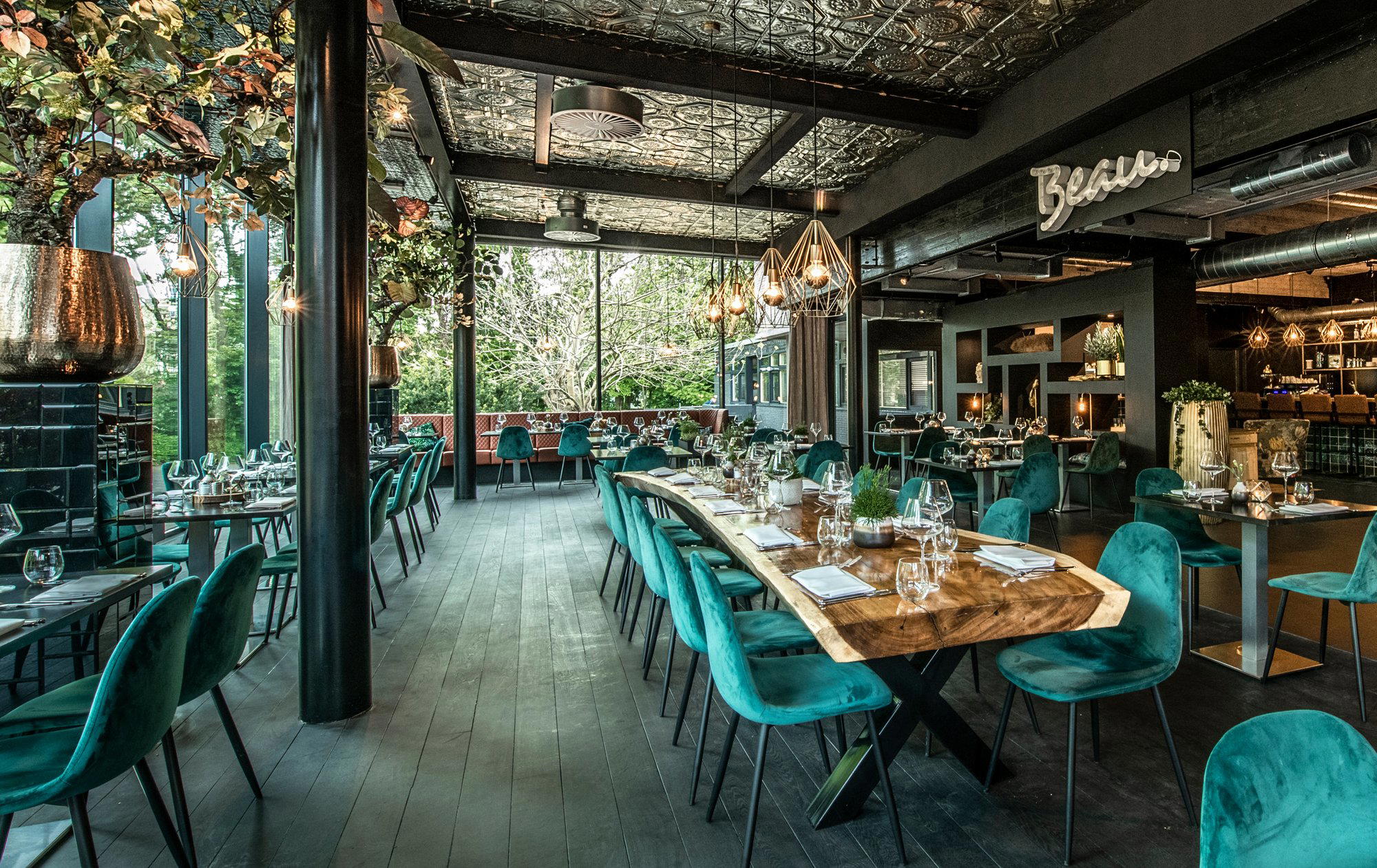
Where Wageningen's Food Science Culture Meets the Dining Room
Wageningen carries a particular weight in the world of food and agriculture that no other Dutch city quite matches. Home to Wageningen University and Research, one of Europe's foremost institutions for food science, life sciences, and sustainable agriculture, the city generates a kind of ambient intellectual seriousness about where food comes from and why it matters. That context shapes what a restaurant like BEAU means when it exists here, on Lawickse Allee, in a city that thinks harder about the origins of ingredients than almost anywhere else in the country. The approach to sourcing that defines the more considered end of Dutch fine dining is not incidental in Wageningen: it has an institutional framework around it that most restaurant towns lack entirely.
The broader movement in Dutch gastronomy over the past decade has been a sustained turn toward regionality and provenance. Kitchens that once modelled themselves on French classical technique have increasingly shifted emphasis toward what grows, grazes, and is caught within a realistic radius of the pass. De Nieuwe Winkel in Nijmegen, a short distance from Wageningen, has made plant-forward sourcing from local growers a defining structural feature, earning recognition at the highest levels of the Dutch awards system. De Librije in Zwolle and Inter Scaldes in Kruiningen represent the long-established end of that tradition, where seasonal sourcing has been embedded in kitchen culture for decades. BEAU enters this conversation from a city that, more than most, gives that conversation genuine institutional backing.
The Lawickse Allee Address and What It Signals
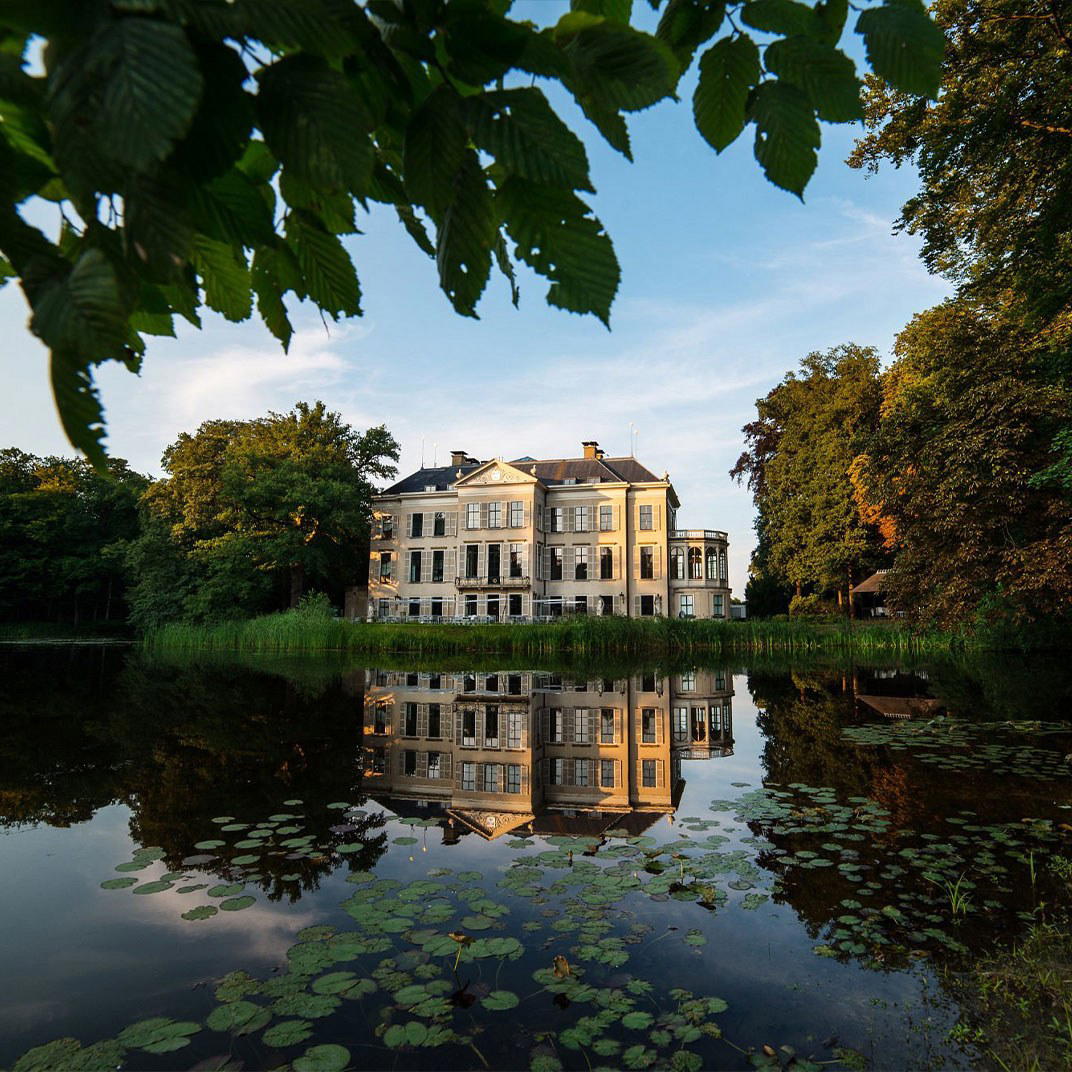
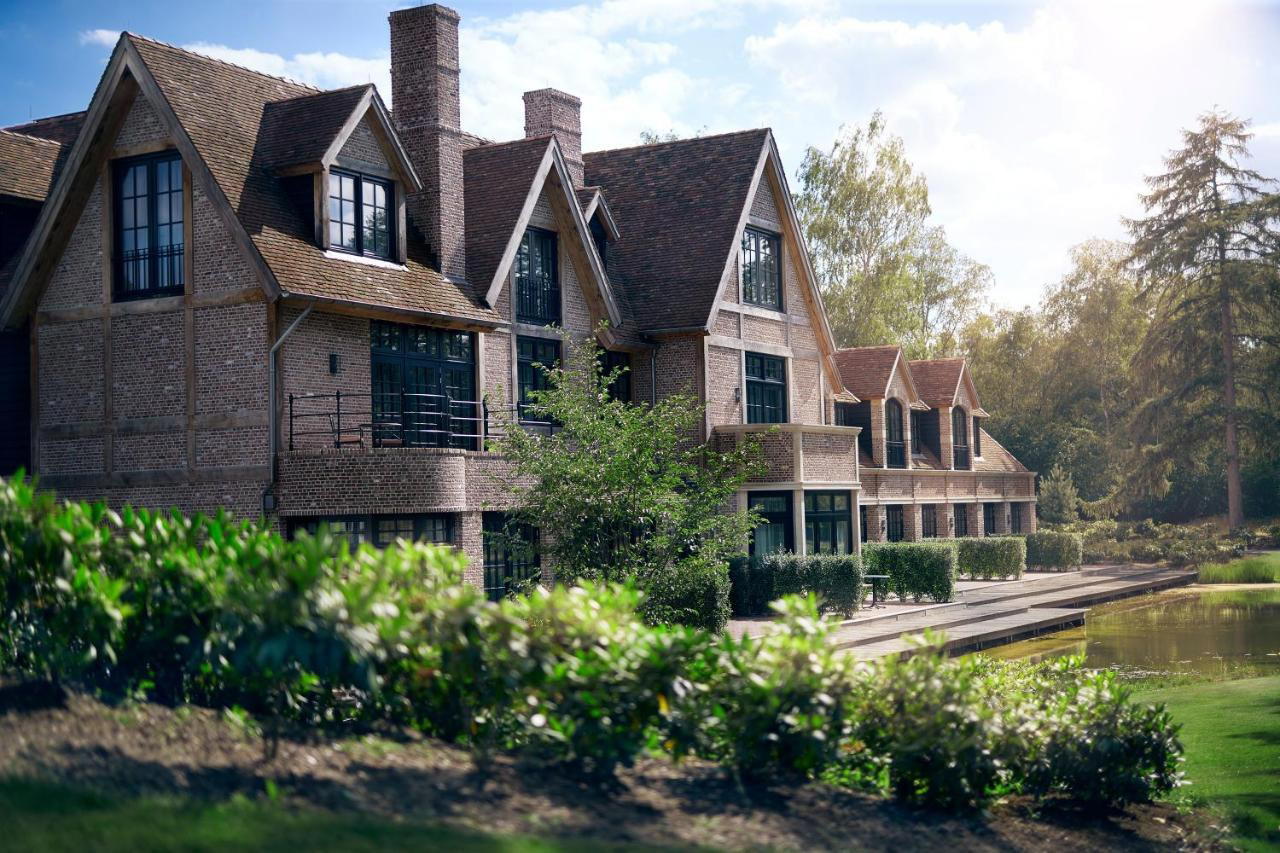
Lawickse Allee is one of Wageningen's more composed streets, set apart from the compressed commercial centre of the city. Arriving here, the address communicates a deliberate remove from the kind of high-footfall positioning that signals volume-driven ambition. In the Netherlands, restaurants that occupy quieter, less obvious locations within mid-sized cities tend to do so because their model depends on destination dining rather than passing trade: guests who have made a decision in advance rather than those who wandered in. That structural choice about location typically aligns with a more considered kitchen operation, one where ingredient relationships, preparation time, and menu discipline take precedence over turnover.
Wageningen as a dining city occupies an interesting tier. It lacks the concentration of Michelin-recognised tables that Amsterdam or Zwolle can field, but it supports a more varied and genuinely local restaurant scene than its population size might suggest. DIELS, a Modern French table at the €€ price tier, represents the more formally European end of Wageningen's mid-range offering. Colors World Food, My Asia, and Sa Lolla each represent the city's appetite for range: a dining population that is internationally mobile, intellectually curious, and not especially parochial in its tastes. BEAU operates within this scene but at a remove from it, as a destination rather than a neighbourhood option. For a fuller picture of where it sits among Wageningen's tables, the full Wageningen restaurants guide maps the city's dining range in detail.
Ingredient Sourcing as a Structural Commitment
In Dutch fine dining, the most meaningful distinction is no longer between French-trained and Nordic-influenced kitchens. It is between restaurants that treat sourcing as a marketing narrative and those that treat it as a supply-chain commitment: specific farms, named growers, seasonal purchasing calendars that actually constrain the menu rather than merely informing it. The difference is apparent in a kitchen's relationship with its suppliers, in whether those relationships survive a change of produce manager or are built into the restaurant's operating identity.
Wageningen's proximity to the Gelderse Vallei, one of the Netherlands' more productive agricultural zones, gives restaurants here a geographic argument for regionality that is harder to make from a city centre in the Randstad. The polders, river clays, and sandy soils of the Gelderland interior produce a varied agricultural output: dairy, root vegetables, poultry, fresh-water fish from the Rhine delta system to the south. Kitchens that are genuinely engaged with that local production network have access to ingredients at a level of freshness and specificity that more urban-facing restaurants cannot match through conventional wholesale channels.
Across the Dutch fine dining tier, the sourcing conversation has become increasingly sophisticated. De Groene Lantaarn in Staphorst and Brut172 in Reijmerstok are among the smaller-footprint tables outside the major cities that have built recognisable identities around tight regional sourcing. De Lindehof in Nuenen, Tribeca in Heeze, and De Treeswijkhoeve in Waalre collectively illustrate how the southern and eastern provinces have developed a credible fine dining circuit that runs parallel to the Amsterdam-centric conversation. De Bokkedoorns in Overveen and De Lindenhof in Giethoorn extend that geography further, demonstrating that the Netherlands' serious tables are now distributed across the country in a way that rewards guests willing to travel beyond the Randstad. Internationally, the sourcing discipline that defines this tier finds its closest analogues at places like Lazy Bear in San Francisco, where a set-format kitchen built around seasonal procurement has become a structural identity rather than a seasonal promotion, and in the supply-chain rigour that underpins a kitchen like Le Bernardin in New York City, where ingredient relationships are built over years rather than seasons.
Planning a Visit to BEAU
BEAU is located at Lawickse Allee 9a, 6701 AN Wageningen. Wageningen is accessible by train via Ede-Wageningen station, with onward connections by bus or taxi into the city centre; the journey from Utrecht runs under an hour. Given the limited public information currently available about booking method, hours, and pricing, prospective guests should contact the restaurant directly or monitor its website for current reservation availability and menu format. For restaurants at this tier in mid-sized Dutch cities, advance booking of at least two to three weeks is a reasonable baseline expectation, with weekend slots tending to fill sooner.
How BEAU Wageningen compares with similar nearby venues.
| Venue | Cuisine | Price |
|---|---|---|
| DIELS | Modern French | €€ |
| Het Koetshuis | Modern Cuisine | €€€ |
Continue exploring
More in Wageningen
Restaurants in Wageningen
Browse all →
Bars in Wageningen
Browse all →
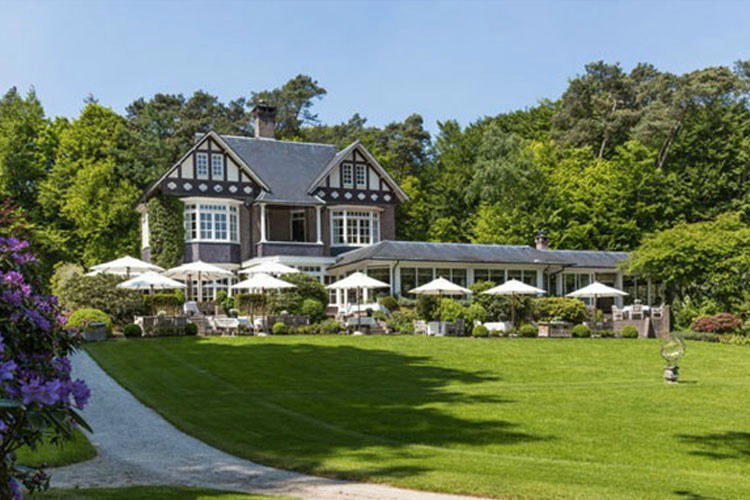
At a Glance
- Modern
- Cozy
- Elegant
- Date Night
- Hotel Restaurant
- Local Sourcing
Current opening hours
- Monday
- 5–9:30 PM
- Tuesday
- 5–9:30 PM
- Wednesday
- 5–9:30 PM
- Thursday
- 5–9:30 PM
- Friday
- 5–9:30 PM
- Saturday
- 5–9:30 PM
- Sunday
- 5–9:30 PM
Hours can change for holidays and private events. Last verified .
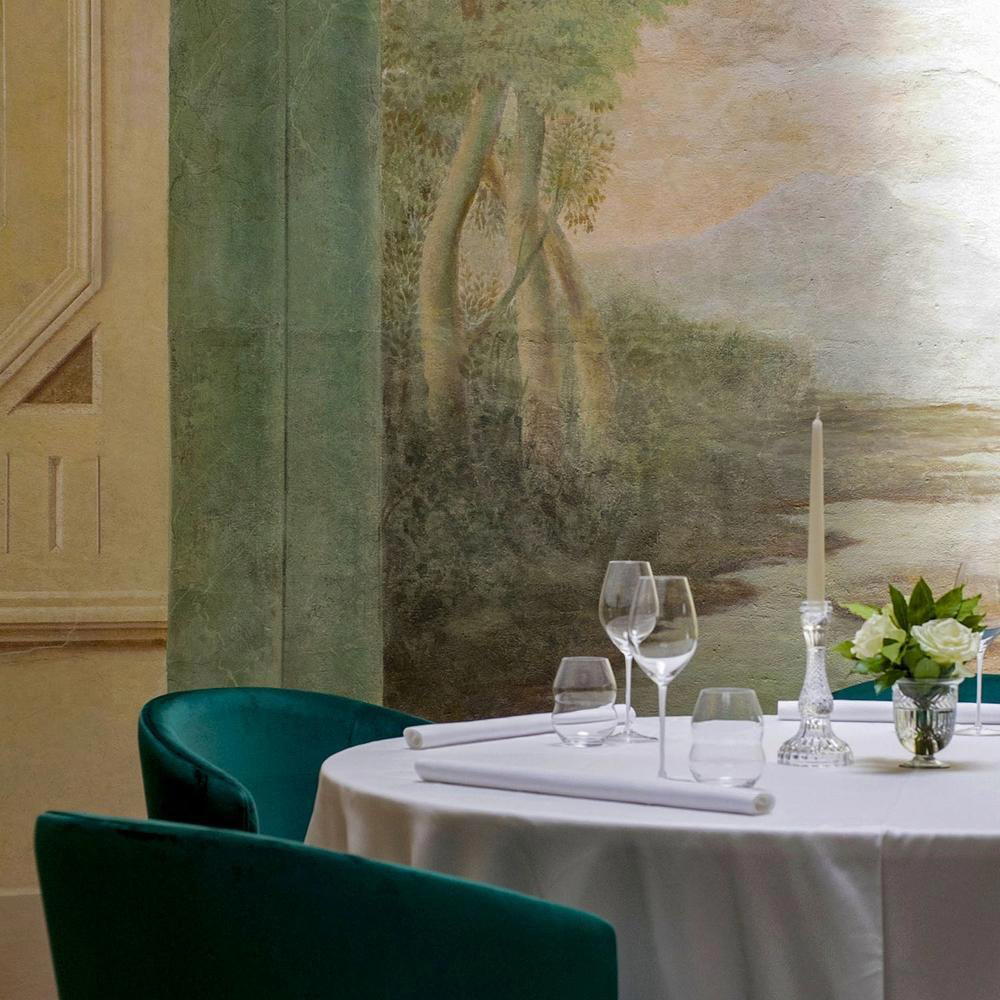
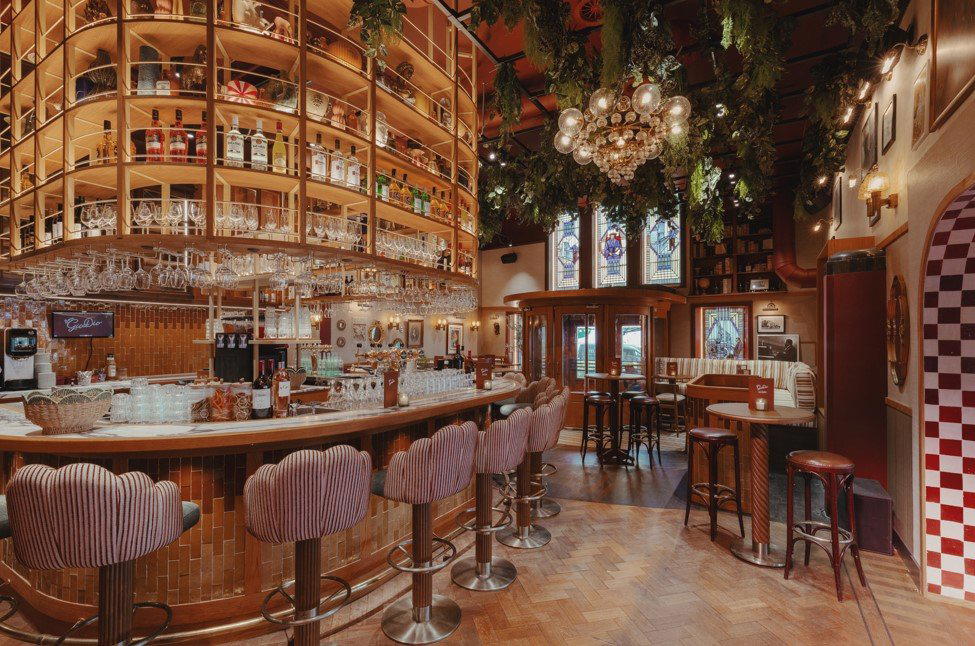
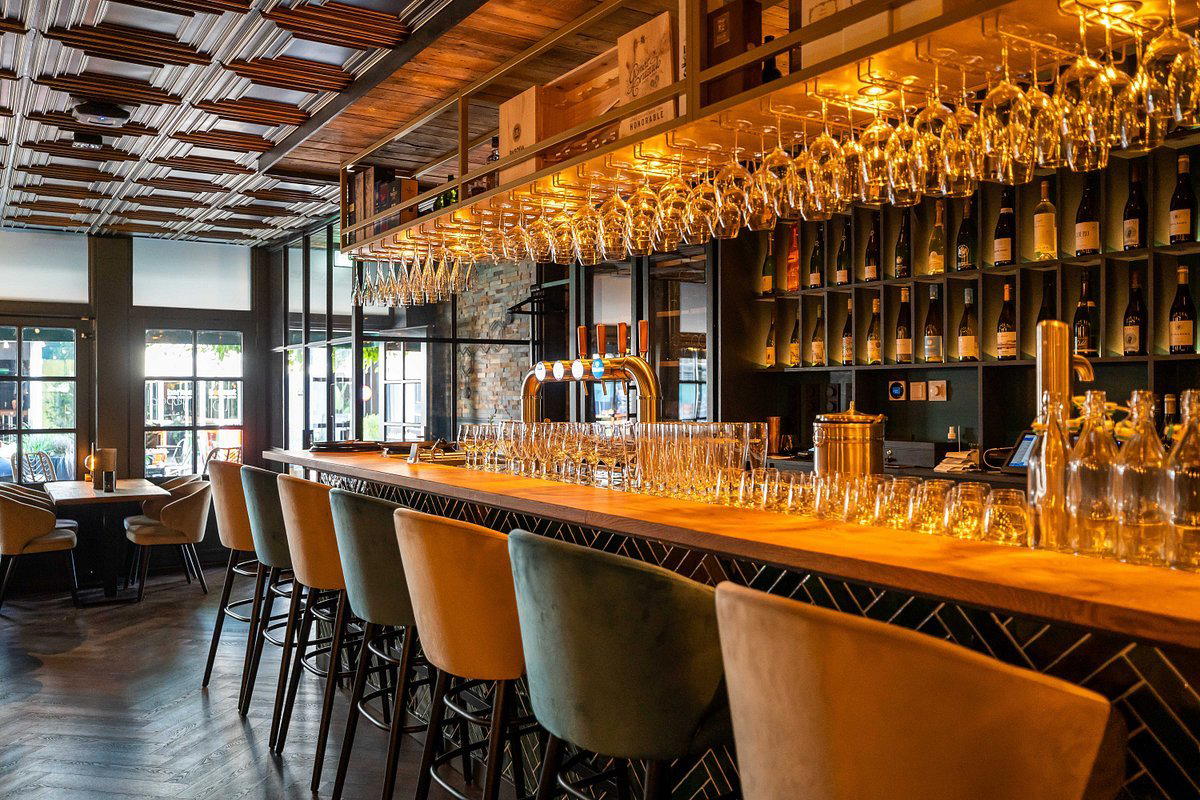
Intimate ambiance with tasteful decor, relaxed atmosphere, nicely decorated, quiet with spacious tables.
Know Before You Go
- Getting there
- Lawickse Allee 9a, 6701 AN Wageningen, Netherlands