
Michelin Plate
Our verdict
In the Spittelberg quarter of Vienna's seventh district, Collina am Berg builds its menu around a strict Austrian-only sourcing policy, with game as the kitchen's signature thread. A large open counter anchors the room, and the format splits between a five-course tasting menu and à la carte, letting the season, not occasion, determine the order of the evening. Volkstheater U-Bahn station is a short walk from the door.

Pearl is the En Primeur Club membership app, where members save venues, book tables and use the concierge.
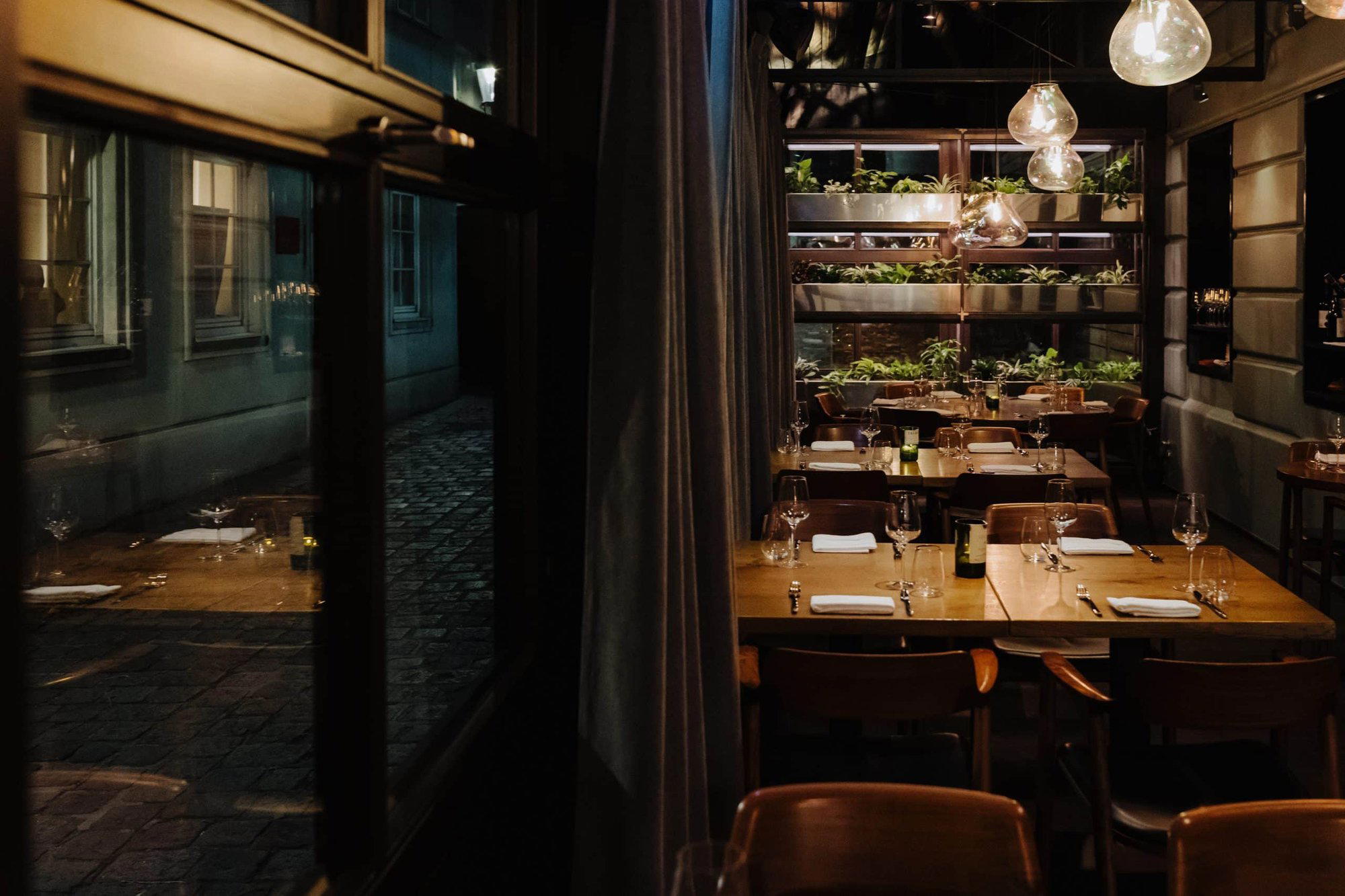
A Counter, a Kitchen, and a Commitment to the Austrian Wild
Spittelberg is one of Vienna's more composed neighbourhood propositions: a grid of Biedermeier-era streets in the seventh district where independent restaurants sit alongside wine bars and small shops, close enough to the MuseumsQuartier to draw a culturally literate crowd but sufficiently residential to keep the atmosphere from tipping into tourism. The restaurants that do well here tend to make a specific argument rather than appealing to everyone. Collina am Berg, on Spittelberggasse 12, makes one of the more committed arguments in the quarter: the kitchen sources exclusively from Austria, leans heavily on organic producers, and centres the menu on game, not as a seasonal flourish, but as a structural identity.
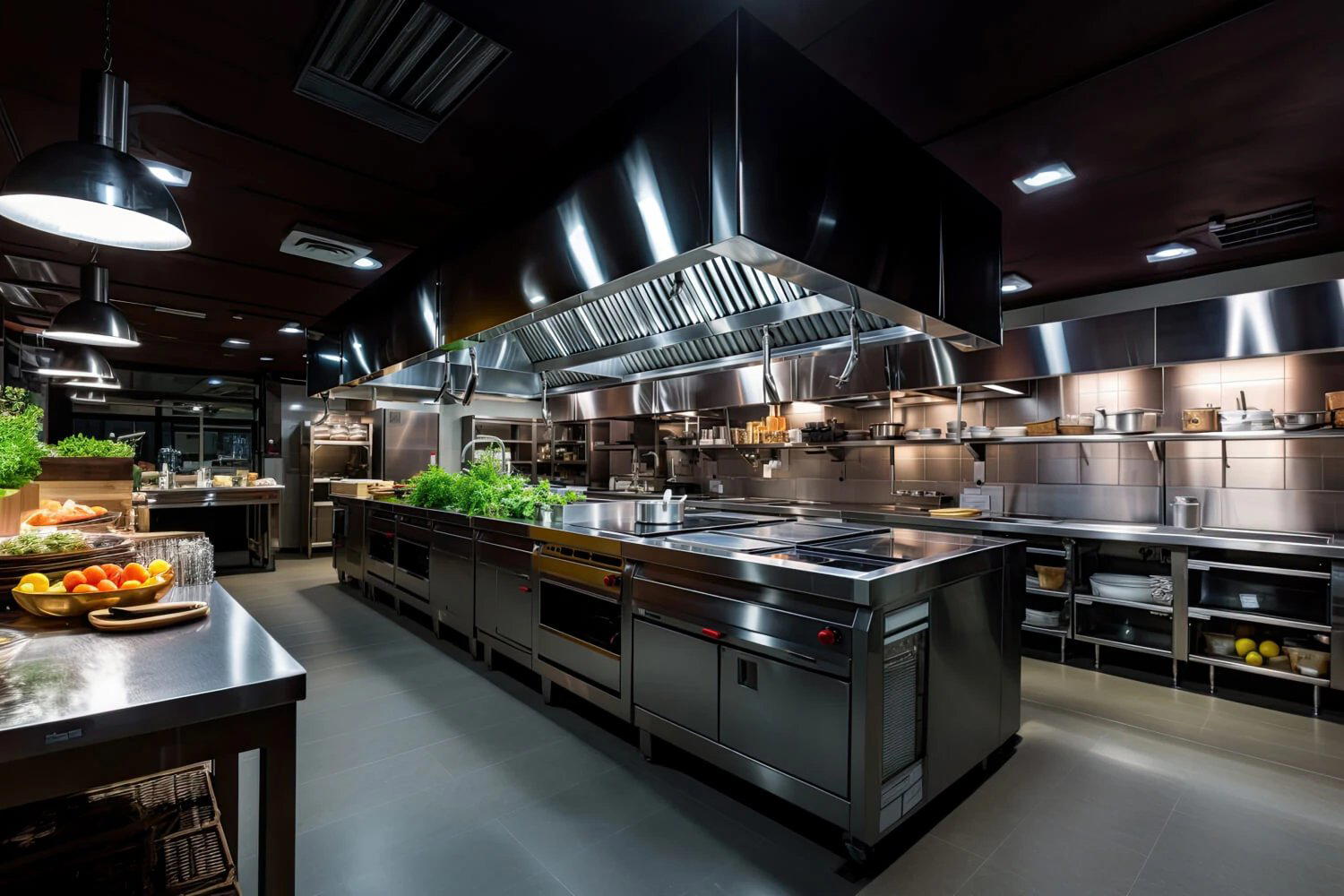
The room announces the approach immediately. The large counter and open kitchen dominate the space, placing the act of cooking within sightline of every table. This is not theatrical staging for its own sake. In a restaurant where the sourcing logic and the preparation method are the primary editorial statement, keeping the kitchen visible makes a coherent argument: the process is part of what you are paying for, and the restraint in execution is as legible as the produce on the plate.
How the Menu Works, and What It Reveals
The menu at Collina am Berg offers a structural choice that itself says something about the kitchen's confidence. Guests can follow a five-course tasting menu or order à la carte from individual dishes. The dual format positions the restaurant differently from the Michelin-registered Austrian contemporaries, Steirereck im Stadtpark and Mraz and Sohn among them, that operate on fixed tasting structures with minimal deviation. Here, the same kitchen can serve a solo diner working through a single dish of venison carpaccio as efficiently as a table that wants the full arc of the five-course format.
That carpaccio, dressed with pickled celeriac and celeriac mayonnaise, is one of the documented signature dishes. The doubling of celeriac in two preparations, raw-pickled acidity against the fat and emulsion of the mayonnaise, signals a kitchen that is thinking about ingredient relationships rather than simply assembling plates. The game schnitzel with potato salad and lemon takes the opposite approach, deploying one of Austria's most legible formats against the specific quality of the underlying ingredient. A schnitzel made from game cuts reads differently from veal: firmer, earthier, with less margin for error in the frying. The potato salad and lemon are not invention; they are framing.
Within Austria's broader fine-dining conversation, the Austrian-only sourcing rule and the game specialism create a distinct position. The city's highest-profile tables, Amador, Konstantin Filippou, apply modern European technique to a wider ingredient palette. Doubek works with a similarly focused sensibility. Collina am Berg's decision to source exclusively from within Austria is not unusual at the premium end of the market, but coupling it with a game specialisation that extends to the chefs hunting the animals themselves places it in a very small subset of European restaurants where ingredient provenance reaches that level of vertical integration.
The same emphasis on traceable, seasonal Austrian produce runs through the broader domestic restaurant tradition. At the alpine end of the country, Gourmetrestaurant Tannenhof in Sankt Anton am Arlberg and Griggeler Stuba in Lech operate in the same ingredient-integrity register. Obauer in Werfen and Landhaus Bacher in Mautern an der Donau represent the longer tradition of Austrian regional fine dining built around what the surrounding terrain produces. Collina am Berg's position within this lineage is urban rather than alpine, but the sourcing commitment reads from the same playbook.
The Room in Summer and Winter
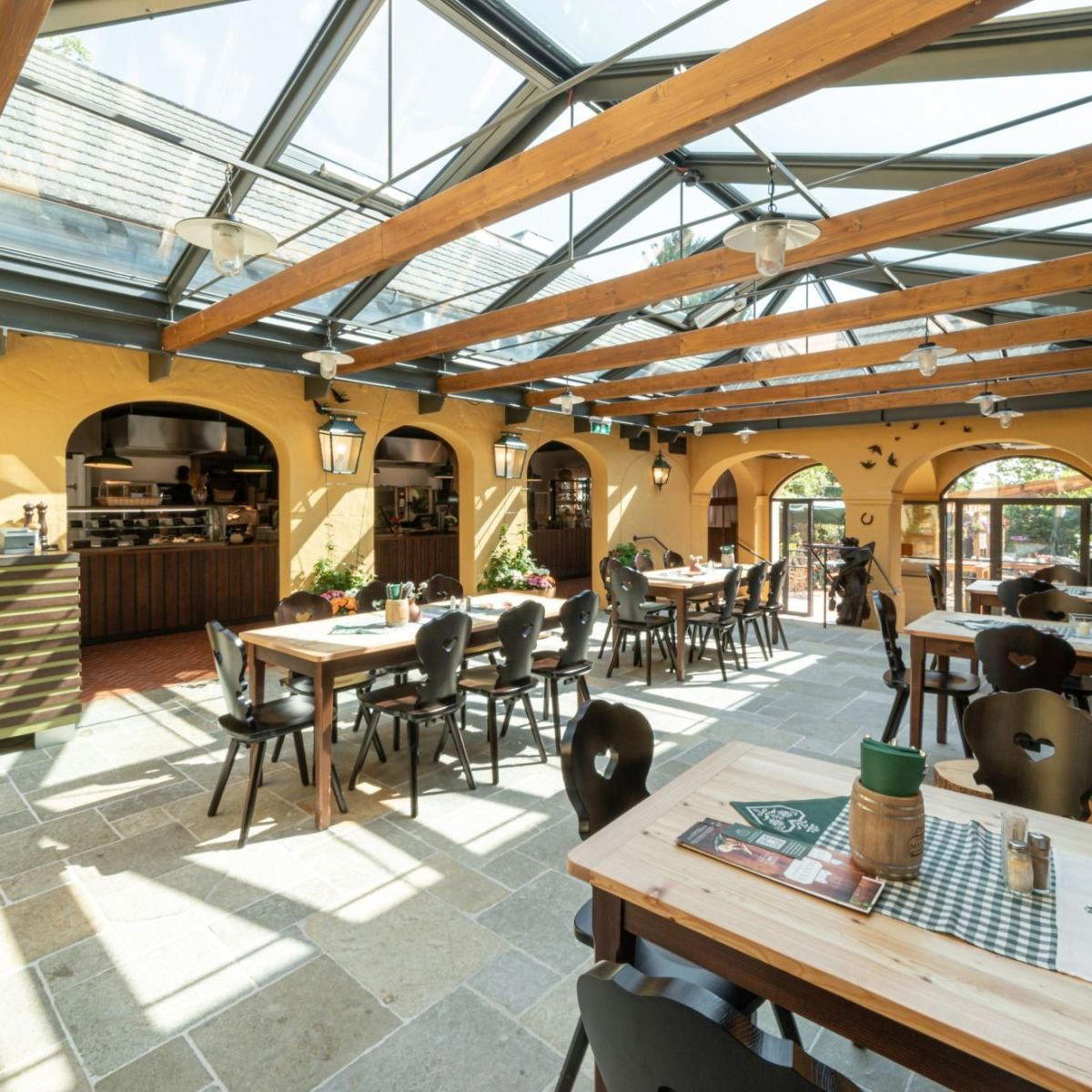
During warmer months, the restaurant deploys a rain-protected pergola with an open-front window arrangement that functions effectively as a terrace. The structure keeps the outdoor dining option available in variable weather rather than restricting alfresco service to dry evenings only. In a city where summer dining terraces fill quickly at the better-regarded addresses, this is a practical advantage that extends the room's capacity and atmosphere without the all-or-nothing exposure of a fully open courtyard.
The service approach described as exceptionally friendly and attentive sits in deliberate contrast to the formal register that Viennese fine dining has historically maintained. Across the city's upper-middle tier, there has been a steady move away from the white-glove formality of an earlier generation toward something more conversational, present and knowledgeable without the distance. Collina am Berg's described service tone aligns with that shift, and it matters in a room where the open kitchen and counter format already close the distance between brigade and guest.
Planning a Visit
Collina am Berg sits at Spittelberggasse 12 in Vienna's seventh district. The nearest underground station is Volkstheater, a few minutes' walk away, which connects to the U3 line and provides direct access from across the city. Street parking in the immediate Spittelberg area is limited, and arriving by public transport or on foot from the MuseumsQuartier is the more practical approach.
For visitors building a wider programme in the city, EP Club's full guides cover the complete picture: Vienna restaurants, Vienna hotels, Vienna bars, Vienna wineries, and Vienna experiences are each documented separately. For those extending a trip to Salzburg, Ikarus represents the city's most adventurous dining format. Kräuterreich by Vitus Winkler in Sankt Veit im Pongau offers a herbalist-driven counterpoint to the game-led approach at Collina.
Frequently asked questions
Is Collina am Berg Michelin-listed?
Collina am Berg has received recognition including: This charming and trendy restaurant is located in the heart of Vienna's vibrant Spittelberg neighbourhood, known for its bars, restaurants and shops. The centrepiece is the large counter and open kitchen, where unfussy seasonal dishes are p….
How do I find Collina am Berg?
Collina am Berg is located at Spittelberggasse 12, Vienna.
What do regulars order at Collina am Berg?
The two documented signature preparations are venison carpaccio with pickled celeriac and celeriac mayonnaise, and game schnitzel with potato salad and lemon. Both reflect the kitchen's central commitment to chef-hunted game and exclusively Austrian ingredients. For a structured introduction, the five-course tasting menu is the clearest path through the kitchen's range.
Do they take walk-ins at Collina am Berg?
Collina am Berg sits in Spittelberg, one of Vienna's more active dining streets, and the open-kitchen counter format suggests limited covers. Booking ahead is the lower-risk approach, particularly for weekend evenings.
What's the signature at Collina am Berg?
Game, handled with an unusually direct connection to the source: the chefs hunt the animals themselves, which gives the kitchen more control over provenance than most Austrian restaurants can claim. Venison carpaccio and game schnitzel are the two anchor dishes on the menu, both built around Austrian organic produce from trusted suppliers.
Is Collina am Berg allergy-friendly?
The kitchen's focus on Austrian organic ingredients and whole-animal game cookery suggests a menu with limited substitution flexibility. Guests with specific dietary requirements should contact the restaurant at Spittelberggasse 12 directly before visiting.
Recognition Snapshot
Comparable venues nearby, for context on price, style, and recognition.
| Venue | Cuisine | Price | Awards | Notes |
|---|---|---|---|---|
| Collina am BergThis venue (the venue you are viewing) | Modern Austrian Farm-to-Table | $50–100 | Michelin Plate | Not listed |
| Liebsteinsky | Modern Austrian Bistro | $50–100 | Michelin Plate | Staatsoper |
| Veranda | Modern Austrian Brasserie | $50–100 | Michelin Plate · Falstaff Restaurant - 87 Falstaff Points | Hofburg |
| Edlingers Tempel | Modern Austrian Regional | $30–50 | Michelin Plate | Praterstern Wien Nord |
| Skopik & Lohn | Modern Austrian Bistro | $30–50 | Michelin Plate | Praterstern Wien Nord |
| Café Sacher | Traditional Viennese Café | $20–30 | Not listed | Staatsoper |
Recognition history
Dated appearances from independent guides and award organizations, with the underlying list record or original source where available.
Michelin Plate
Michelin
Continue exploring
More in Vienna
Restaurants in Vienna
All restaurants in Vienna →
Bars in Vienna
All bars in Vienna →
Details
- Cozy
- Trendy
- Modern
- Intimate
- Date Night
- Special Occasion
- Group Dining
- Open Kitchen
- Extensive Wine List
- Local Sourcing
- Organic
- A La Carte
- Tasting Menu
- Vegetarian Friendly
Current opening hours
- Monday
- 12 PM–12 AM
- Tuesday
- 12 PM–12 AM
- Wednesday
- 12 PM–12 AM
- Thursday
- 12 PM–12 AM
- Friday
- 12 PM–12 AM
- Saturday
- 12 PM–12 AM
- Sunday
- 11:30 AM–3 PM
Hours can change for holidays and private events. Hours as of .
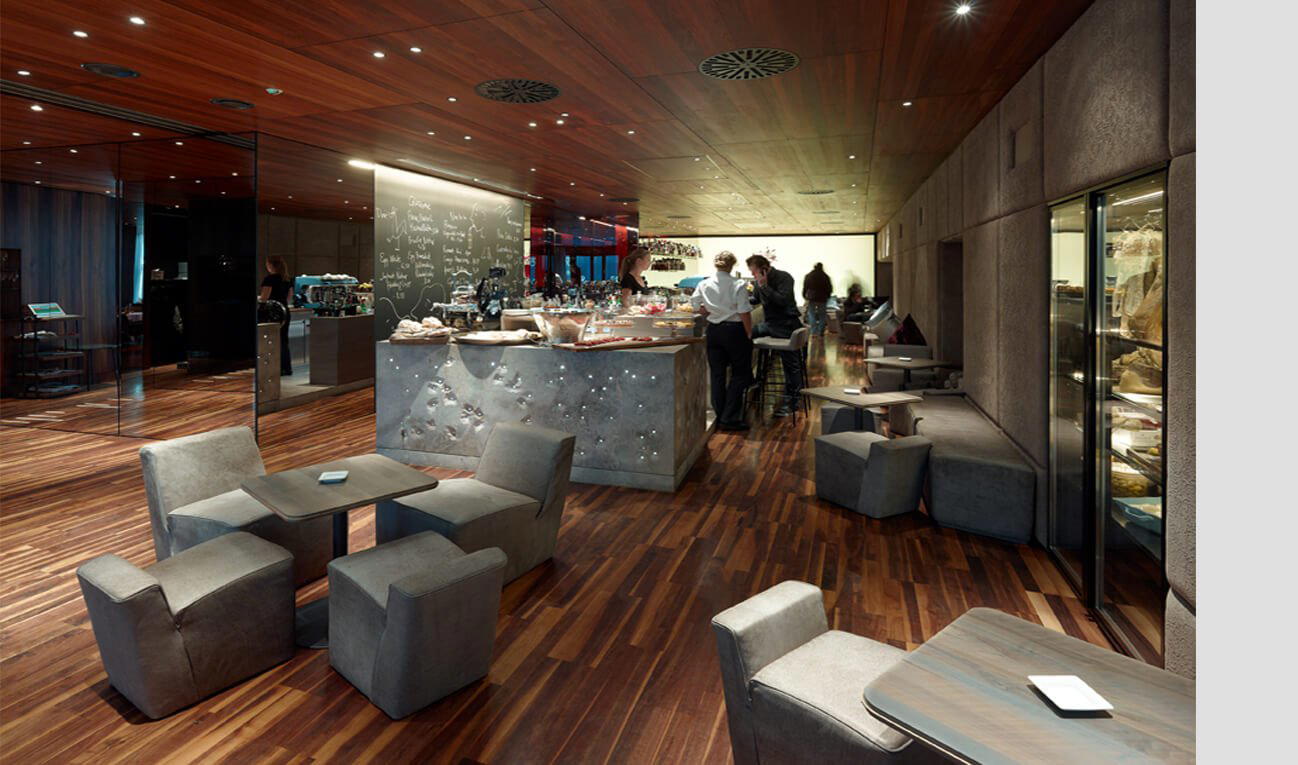
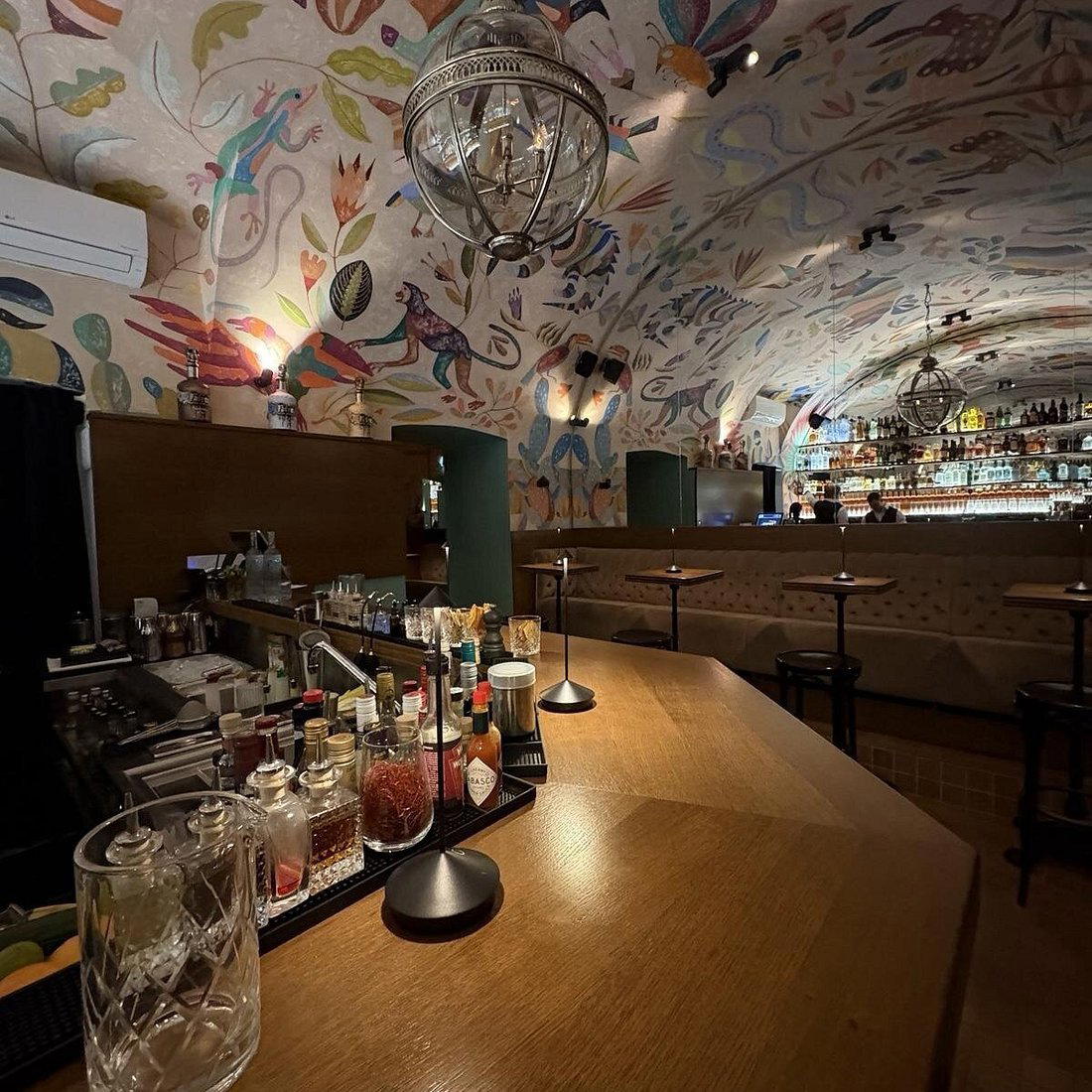
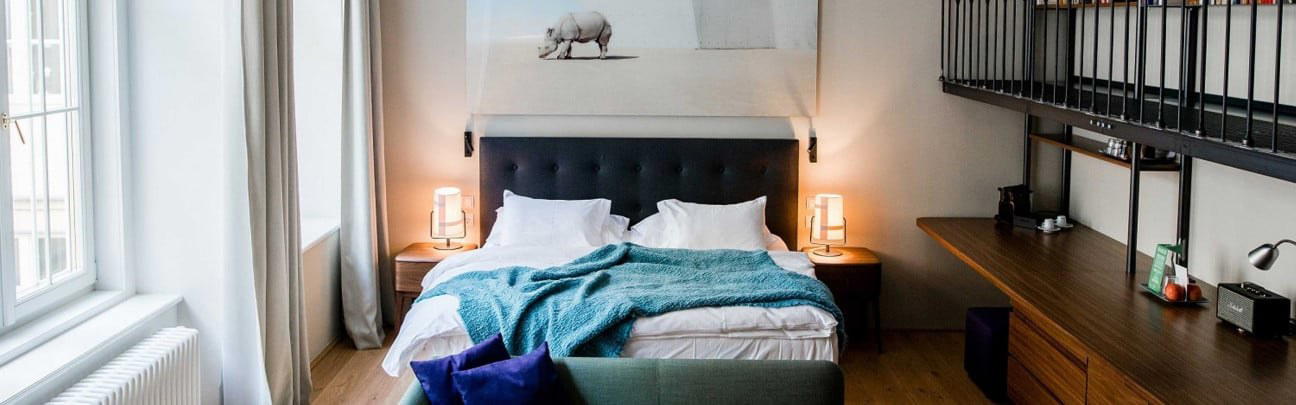
Modern and cozy interior with a relaxing atmosphere, featuring an open kitchen and warm lighting that creates a laid-back yet stylish neighborhood vibe.