
Our verdict
Café Sacher has anchored Vienna's coffeehouse tradition since the Hotel Sacher opened in 1876, drawing sustained recognition from Opinionated About Dining's Cheap Eats in Europe list across 2023, 2024, and 2025. The address on Philharmoniker Strasse places it opposite the Staatsoper, making it a natural stop within the city's First District cultural corridor. Open daily from 8 am to 10 pm, it operates without reservation pressure for most visits.

Pearl is the En Primeur Club membership app, where members save venues, book tables and use the concierge.
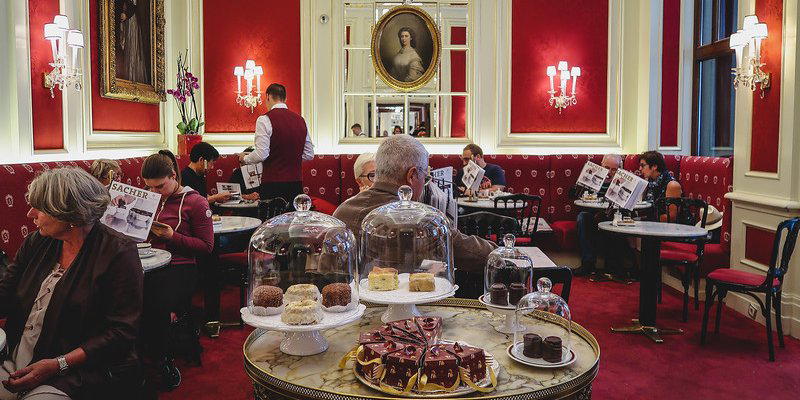
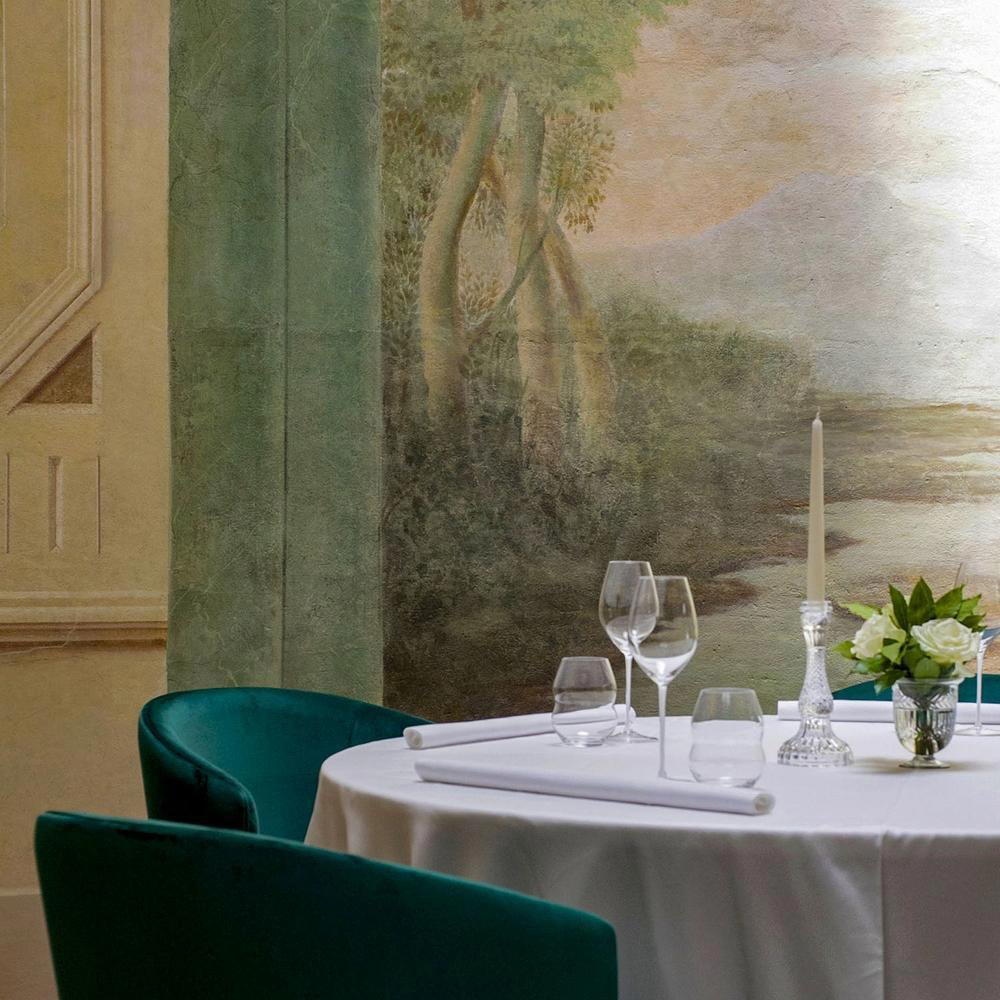
Stand at the corner of Philharmoniker Strasse on any given morning and the scene is consistent: a queue forming before the doors open, tour groups crossing from the Staatsoper, and a handful of regulars who arrive with newspapers and no apparent intention of leaving quickly. Vienna's coffeehouse tradition has been studied, debated, and declared dead roughly once per decade since the late nineteenth century, but the physical reality of a room like this one makes those obituaries feel premature. The red velvet, the dark wood panelling, the waitstaff in formal black, these are not a reconstruction. They are the operating standard.
Where Sacher Sits in the Vienna Coffeehouse Order
Vienna's café culture splits, broadly, into two tiers: the grand historic houses that function partly as institutions and partly as tourist destinations, and the neighbourhood Beisln and smaller cafés where locals conduct their actual daily rituals. Café Sacher operates squarely in the first category, which means its audience is genuinely international, its prices reflect the real estate and the name, and the experience is inseparable from the building that contains it. Comparing it to Demel K.u.K. Hofzuckerbäckeri, its long-standing rival for custodianship of the original Sachertorte, is a conversation Vienna has been having since the two houses settled their legal dispute over the recipe in 1963. That dispute, which ran for seven years in Austrian courts, remains one of the more absurd and specifically Viennese episodes in modern food history. It also did more for both establishments' reputations than any amount of advertising could have managed.
The competitive set for Sacher is not Vienna's fine-dining circuit. Steirereck im Stadtpark, Konstantin Filippou, and Amador occupy a different axis entirely, tasting menus, Michelin recognition, and a guest profile oriented around destination dining. Sacher is not competing in that space.
The Recognition Record
Opinionated About Dining, one of the more data-driven critical platforms operating in European restaurant coverage, has included Café Sacher in its Cheap Eats in Europe rankings for three consecutive years: ranked 51st in 2023, 65th in 2024, and 49th in 2025. The movement between years is less significant than the consistency of inclusion. OAD's Cheap Eats list is assembled from aggregated critic scores rather than a single editorial voice, which gives sustained presence across multiple cycles a different kind of weight than a single review. It signals that the experience holds up across repeated visits and diverse evaluators, a harder bar to clear than a one-time placement.
The ranking category, Cheap Eats, is also worth noting in context. Within the OAD framework, this designation covers accessible price-point venues across Europe, from Roman trattorie to Lisbon tascas to Paris bistros. For a venue operating at a premium address opposite the Staatsoper, that positioning is not automatic.
The Room and the Ritual
The architectural character of a grand Viennese coffeehouse is not accidental. The high ceilings, the marble surfaces, the quality of the light, these were deliberate signals of civic standing in the late nineteenth century, when the coffeehouse functioned as a kind of democratic salon, open to anyone who could pay for a Melange and willing to sit for hours. The ritual persists: a glass of water arrives with the coffee, refilled without prompting, as a signal that the seat is yours for as long as you want it. That convention, observed across Vienna's historic houses, is one of the more quietly civilised customs in European café culture.
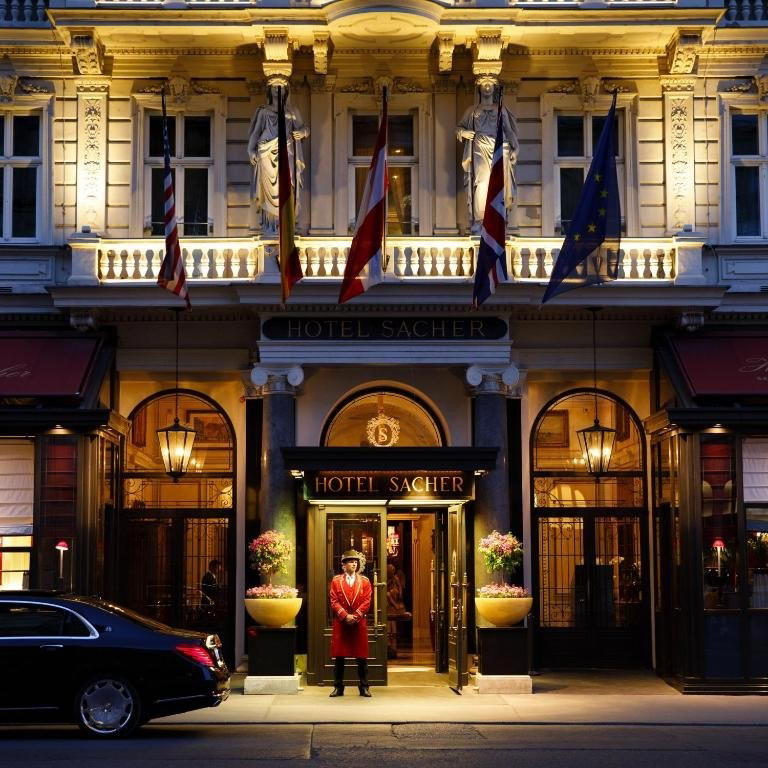
Within that tradition, Sacher's setting on Philharmoniker Strasse carries specific weight. The Staatsoper is directly across the street. The Albertina is a short walk east. The Hotel Sacher, which houses the café, has been operating at this address since 1876. The density of cultural infrastructure in this immediate pocket of the First District makes it one of the few addresses in Vienna where the café experience and the broader city programme are genuinely inseparable rather than merely adjacent.
Planning the Visit
Café Sacher opens at 8 am every day of the week and closes at 10 pm, giving it one of the longer operating windows among Vienna's grand café houses. The consistent daily hours make it more reliable than venues that shift schedules seasonally or close mid-week. No booking information is listed for standard café visits, which aligns with the walk-in logic of the coffeehouse format, tables turn at a pace set by guests rather than by a reservation grid, and the queue at peak hours is the main variable to manage. Morning arrivals before 9 am or visits after 3 pm on weekdays tend to encounter less pressure than the midday and post-concert windows. For those building a broader Vienna itinerary, the EP Club's full Vienna restaurants guide, hotels guide, bars guide, wineries guide, and experiences guide cover the city's full range.
Elsewhere in Austria and Across the Region
Vienna's dining scene extends well beyond its café institutions. The creative end of the Austrian restaurant circuit includes Doubek and the broader modern Austrian movement. Outside the capital, Döllerer in Golling an der Salzach and Ikarus in Salzburg represent distinct regional approaches, while the Alpine dining circuit, Gourmetrestaurant Tannenhof in Sankt Anton am Arlberg, Griggeler Stuba in Lech, Kräuterreich by Vitus Winkler in Sankt Veit im Pongau, and Landhaus Bacher in Mautern an der Donau, maps a different set of priorities entirely. For those comparing the grand café format across European capitals, Annelies in Berlin and Apotek 57 in Copenhagen represent the northern European end of that tradition.
Frequently asked questions
What should I order at Café Sacher?
The Sachertorte is the anchor order and the reason most first-time visitors come specifically to this address rather than one of Vienna's other grand café houses. As the house holding the registered trademark on the "Original Sachertorte" designation, the resolution of the seven-year legal dispute with Demel, Sacher's version carries a specific claim that no other address can replicate. Beyond the torte, the coffeehouse format rewards coffee-led ordering: a Melange (espresso with steamed milk) or a Verlängerter (a lengthened espresso) rather than anything more elaborate. The food programme follows standard Viennese café logic, the room is the primary product, and the menu supports the ritual rather than the other way around. OAD's three-year inclusion in the Cheap Eats Europe rankings, peaking at 49th in 2025, suggests the value calculation holds even for those arriving with calibrated expectations.
Pricing, Compared
| Venue | Cuisine | Price | Awards | Notes |
|---|---|---|---|---|
| Café SacherThis venue (the venue you are viewing) | Traditional Viennese Café | $20–30 | Not listed | Not listed |
| Steirereck im Stadtpark | Modern Austrian Fine Dining | $200–300 | 3 Michelin Stars · World's 50 Best #33 | Creative |
| Mraz & Sohn | Contemporary Austrian Fusion | $150–200 | 2 Michelin Stars · La Liste Top Restaurants | Modern Austrian, Creative |
| Silvio Nickol Gourmet Restaurant | Modern Austrian Fine Dining | $300–500 | 2 Michelin Stars · La Liste Top Restaurants | Modern Cuisine |
| Konstantin Filippou | Modern Fish-Led Fine Dining | $200–300 | 2 Michelin Stars · La Liste Top Restaurants | Modern European, Modern Cuisine |
| APRON | Modern Austrian Fine Dining | $150–200 | 1 Michelin Star · Falstaff Restaurant - 95 Falstaff Points | Austrian, Creative |
Recognition history
Dated appearances from independent guides and award organizations, with the underlying list record or original source where available.
Opinionated About Dining Cheap Eats in Europe Ranked #74
Opinionated About Dining
Full recognition history (4 entries)
Opinionated About Dining Cheap Eats in Europe Ranked #49
Opinionated About Dining
Opinionated About Dining Cheap Eats in Europe Ranked #65
Opinionated About Dining
Opinionated About Dining Cheap Eats in Europe Ranked #51
Opinionated About Dining
Continue exploring
More in Vienna
Restaurants in Vienna
All restaurants in Vienna →
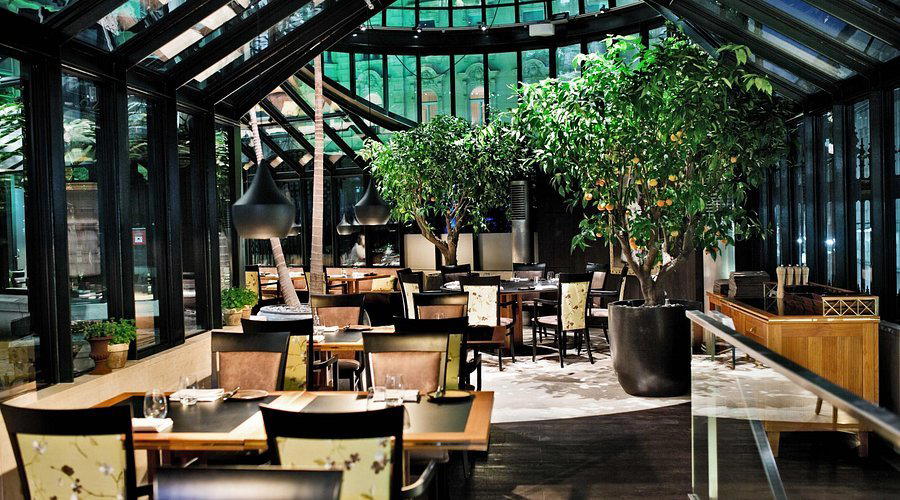
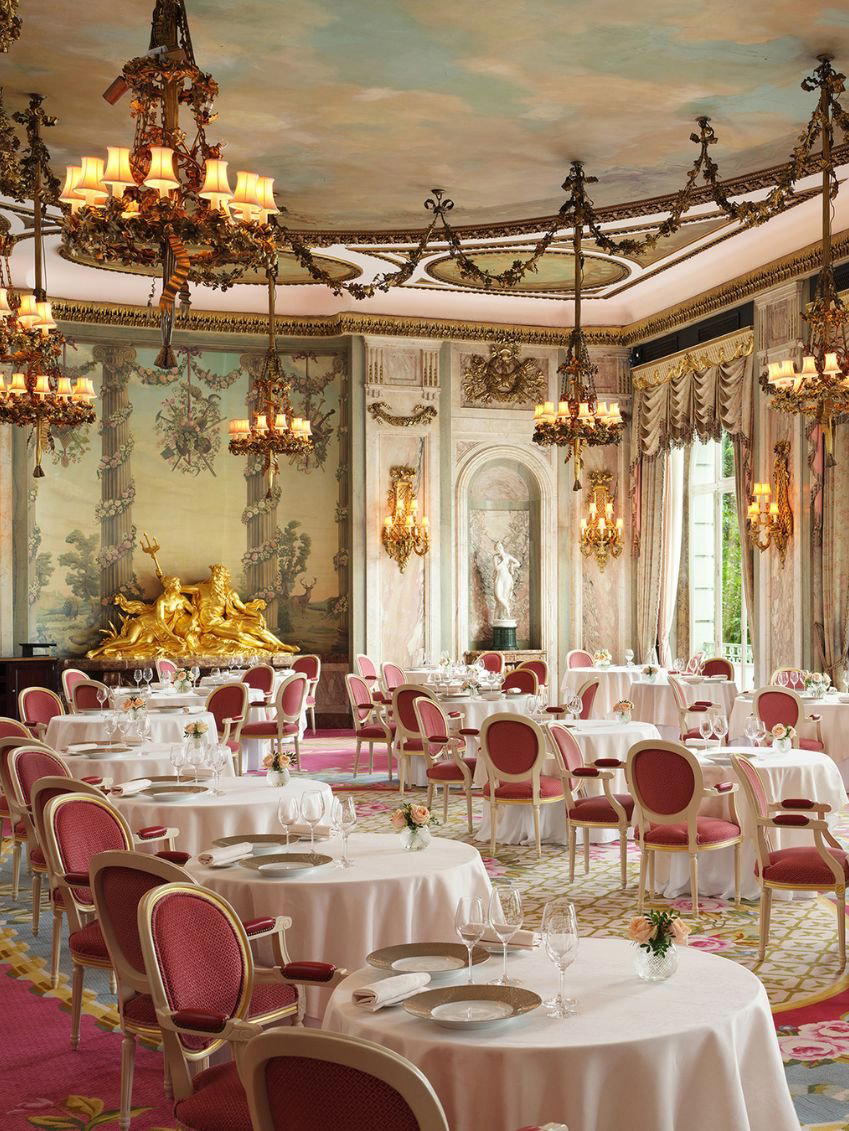
Bars in Vienna
All bars in Vienna →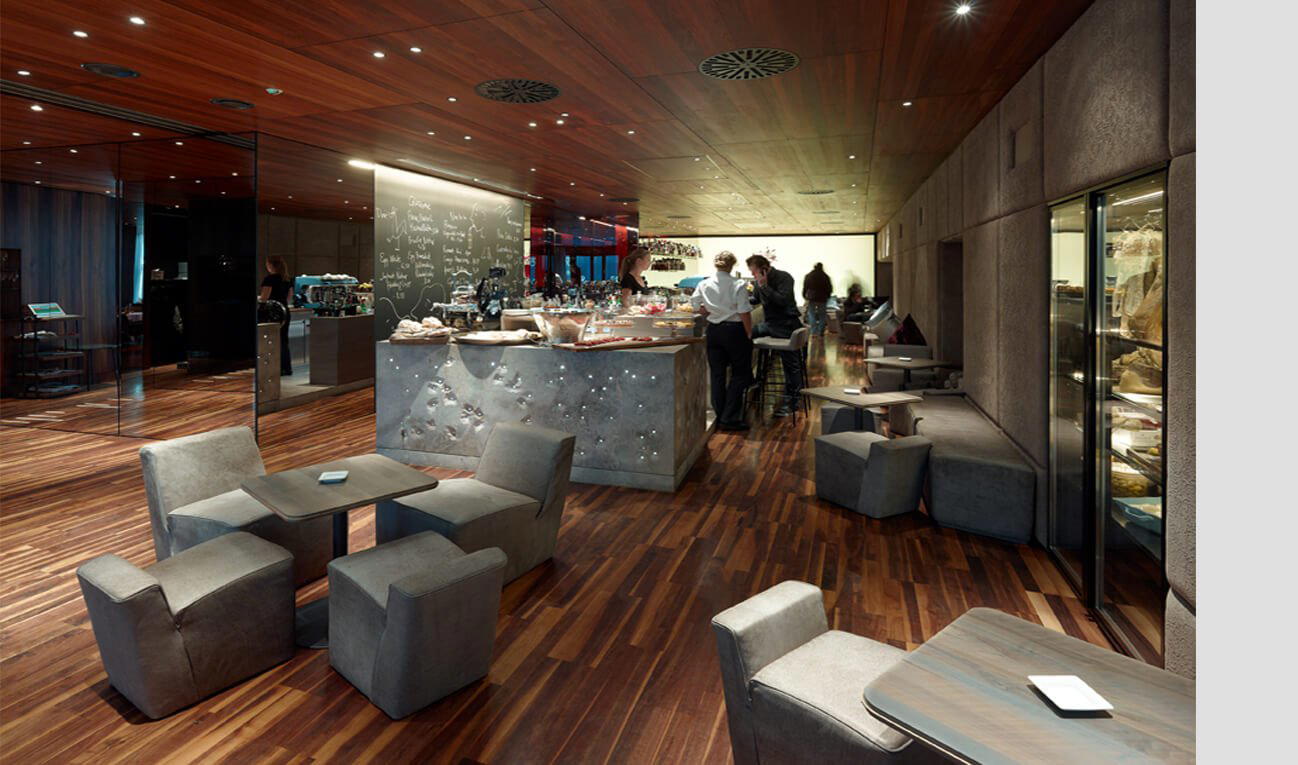
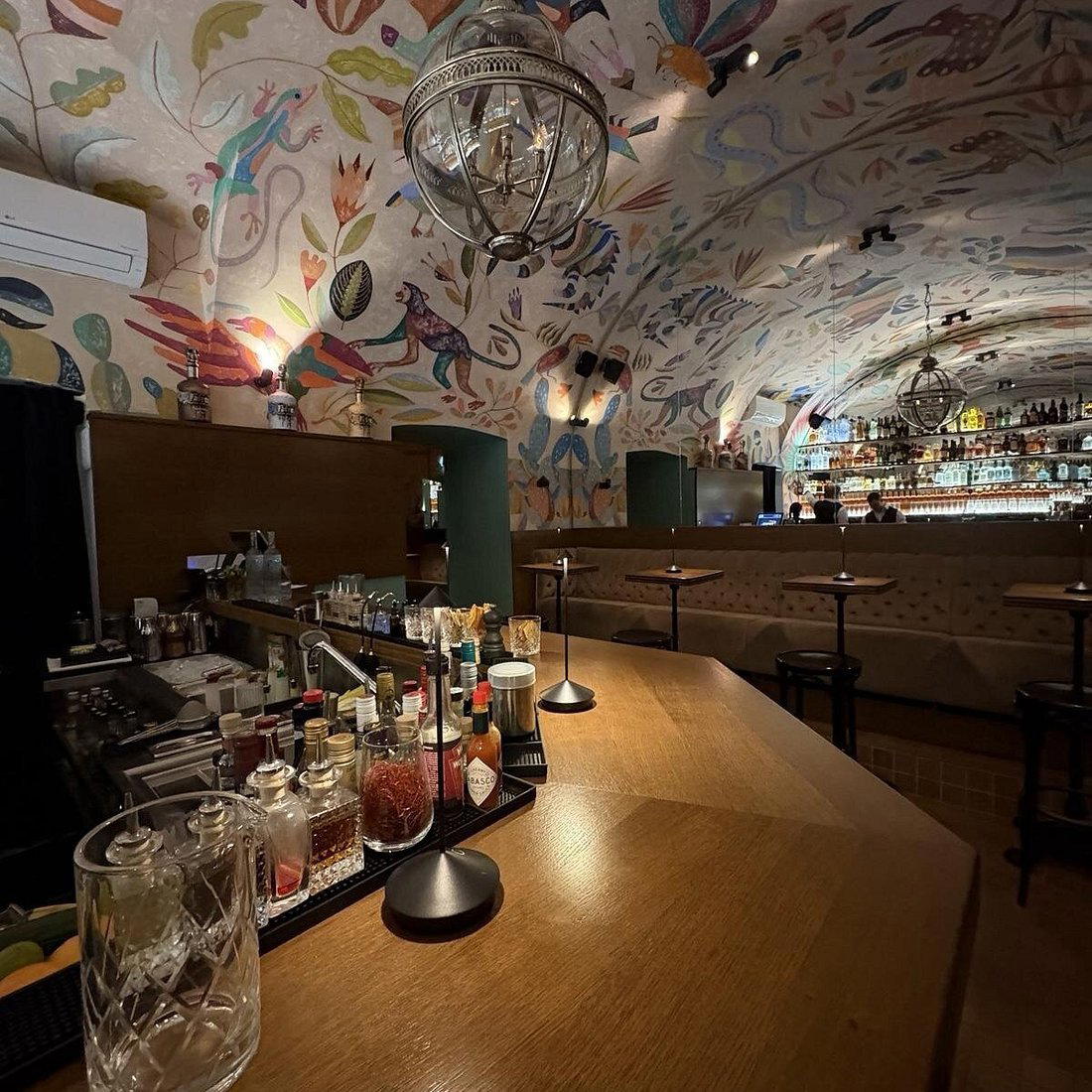
Details
- Classic
- Elegant
- Well Known
- Historic
- Special Occasion
- Casual Hangout
- Historic Building
- Hotel Restaurant
- Extensive Wine List
- A La Carte
Current opening hours
- Monday
- 7 AM–11 PM
- Tuesday
- 7 AM–11 PM
- Wednesday
- 7 AM–11 PM
- Thursday
- 7 AM–11 PM
- Friday
- 7 AM–11 PM
- Saturday
- 7 AM–11 PM
- Sunday
- 7 AM–11 PM
Hours can change for holidays and private events. Hours as of .
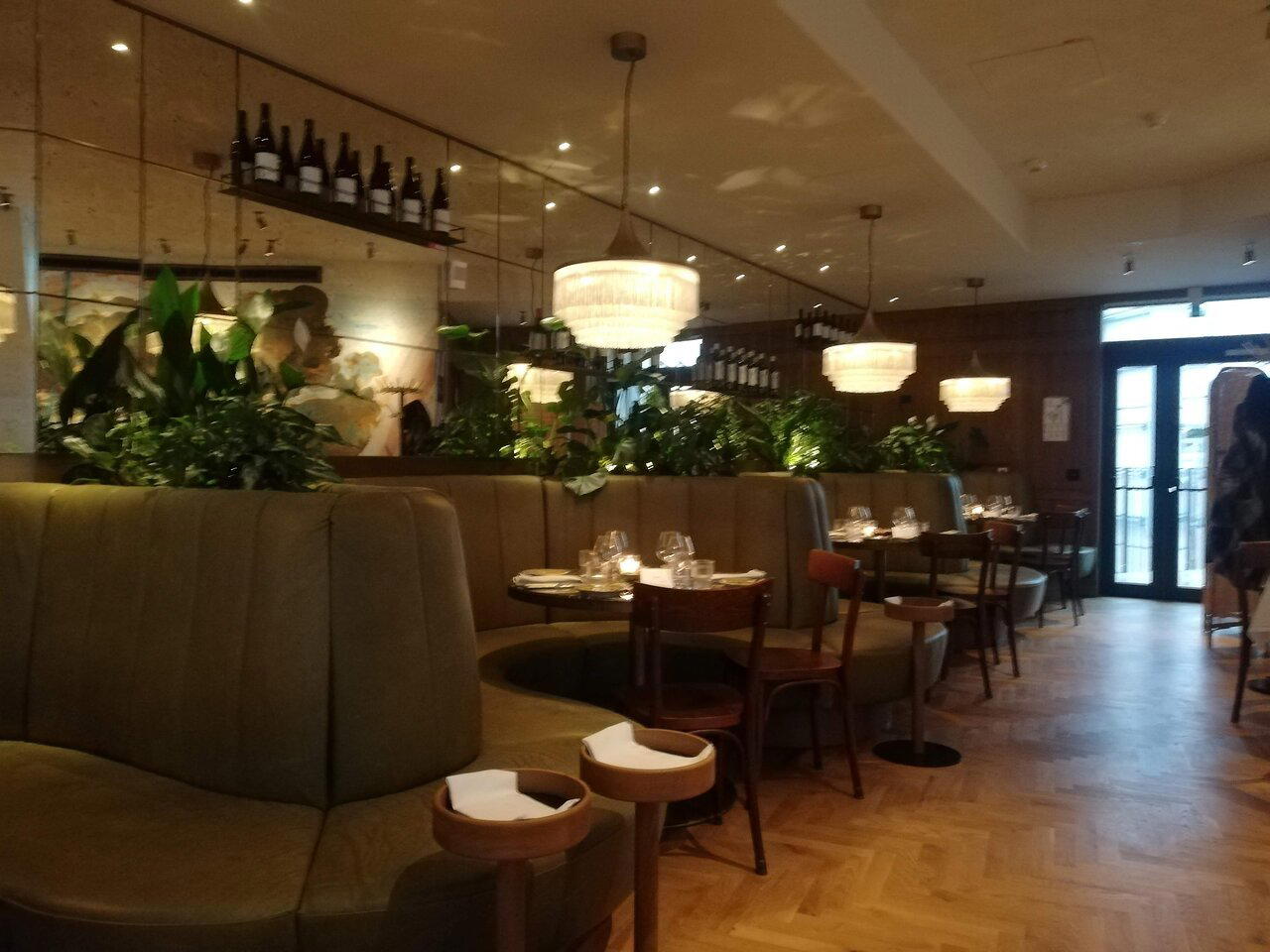
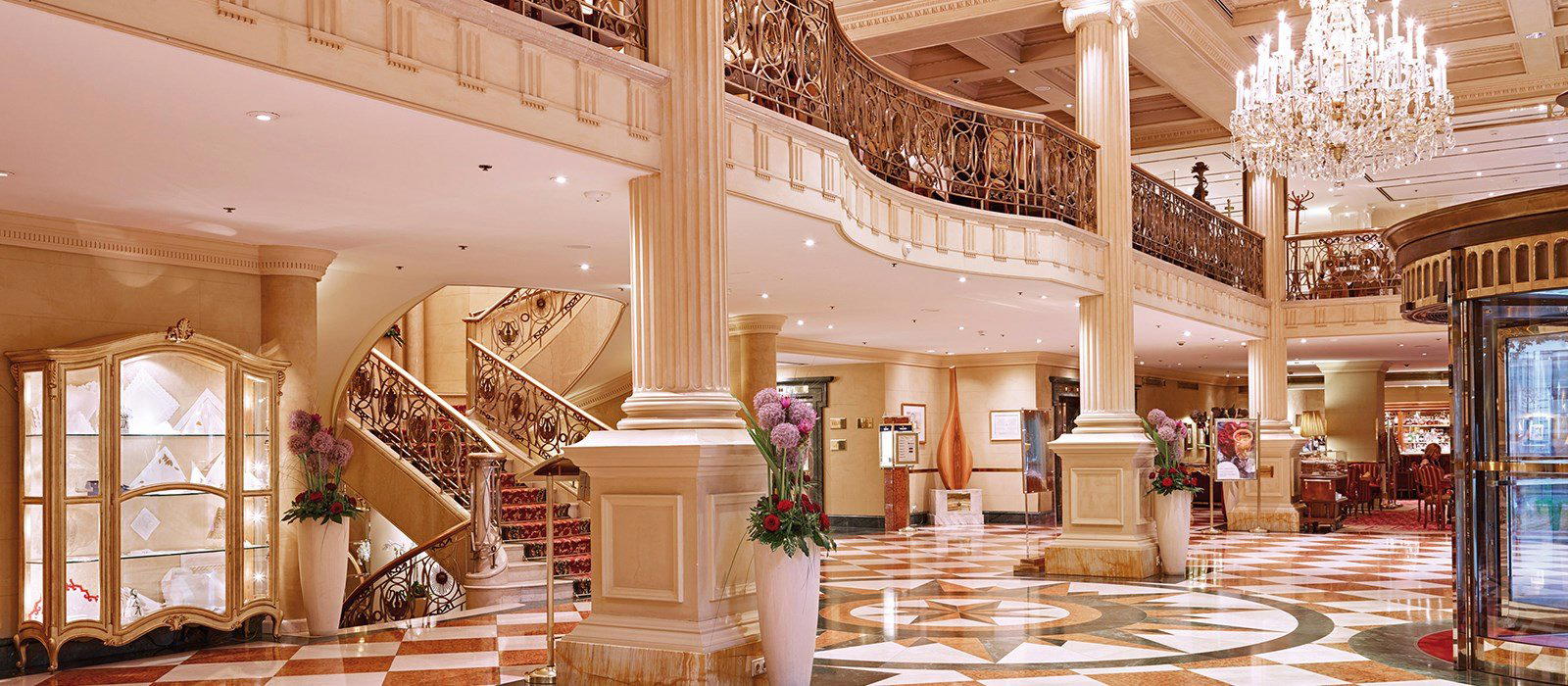
Elegant historic coffeehouse with chandeliers, imperial portraits, and red furnishings, though tables are tightly packed creating a somewhat cramped feel.