Our verdict
Hosa sits in Siolim, a quieter corner of north Goa where the dining pace slows and the setting does most of the talking. Located near St. Anthony's Church in Vaddy, it occupies a position within the local restaurant circuit that draws visitors seeking something calmer than the busier Mapusa strip. For context on the broader north Goa dining scene, see our full Mapusa restaurants guide.

Pearl is the En Primeur Club membership app — saves, bookings, and concierge access live there. Same editors, same standards.
- Address
- House no.60/1, Irada Home, Vaddy, near St. Anthony’s Church, Siolim, Bardez, Goa 403517, India
- Phone
- +917498627977
- Hours
- Daily 12–4 PM, 7–11 PM
- Website
- hosarestaurant.com
- Directions
- Get directions
- Booking
- Book on the venue's website
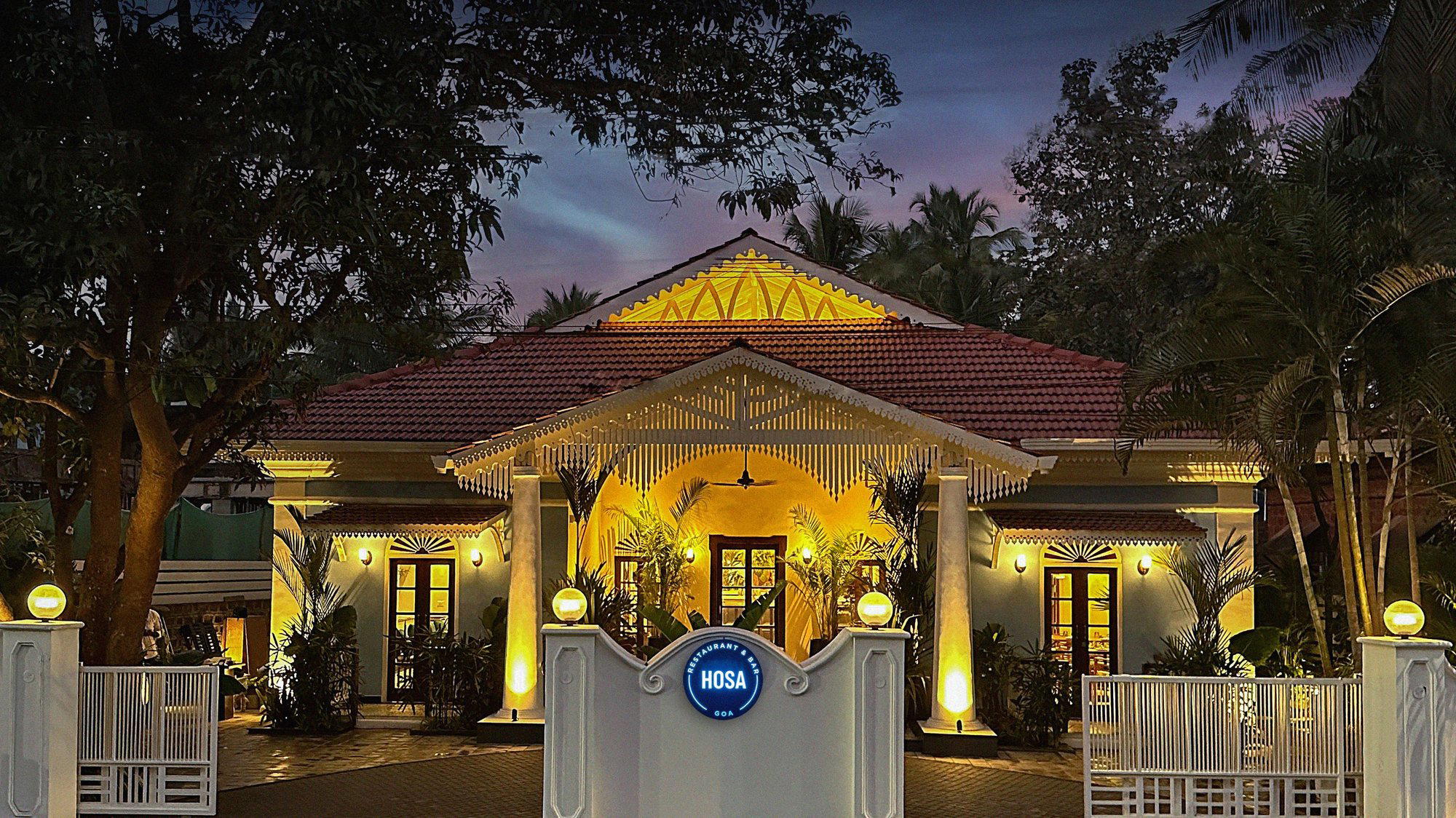
The Setting Before the Meal
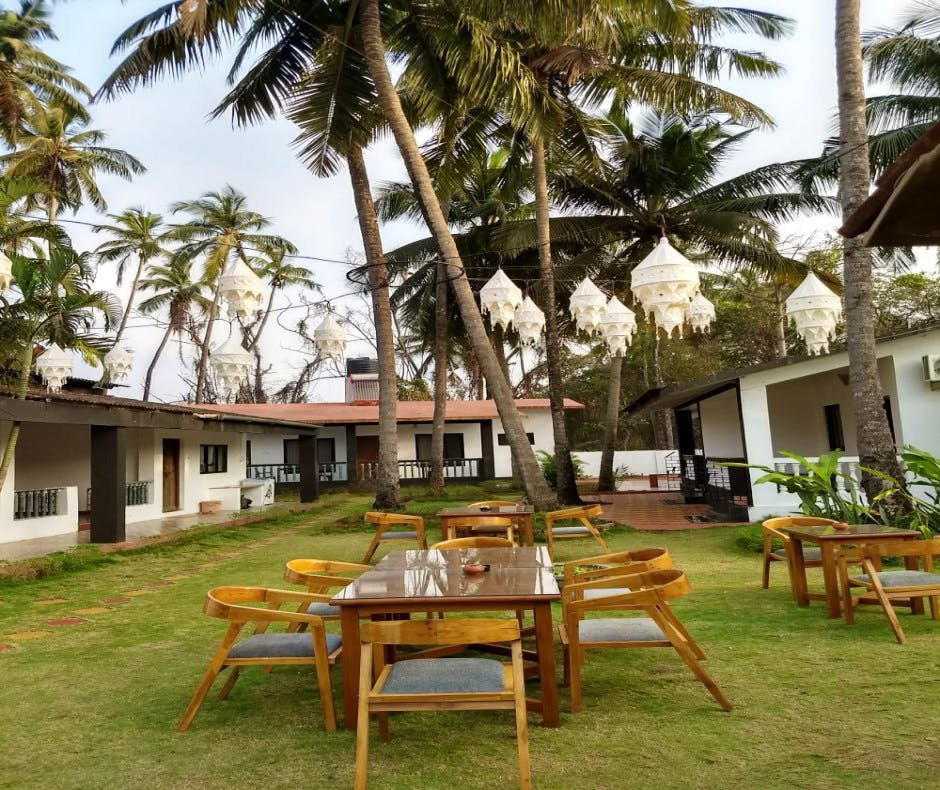
North Goa's dining geography separates along a predictable axis: the loud, tourist-facing strip around Calangute and Baga on one side, and the quieter, village-anchored tables of Siolim, Assagao, and Moira on the other. Hosa occupies the latter territory, positioned near St. Anthony's Church in the Vaddy neighbourhood of Siolim — a part of Bardez taluka where the roads narrow, the signage thins, and the meal itself tends to define the visit rather than the spectacle around it. This is a useful frame before arriving: the physical approach here is not designed to impress from the street. What it signals, instead, is that the priorities have been arranged differently.
Siolim as a dining address has gained quiet traction among the Goa-aware crowd — the kind of visitors who have already made their peace with the Anjuna market scene and are now looking for tables that feel rooted rather than constructed. In that context, Hosa at Irada Home sits within a cluster of north Goa addresses that reward a deliberate visit over an accidental one. For an overview of what the broader area offers, the our full Mapusa restaurants guide maps the neighbourhood character across price points and styles.
The Ritual of a Meal in This Format
Across Goa's smaller, setting-led restaurants, the dining ritual tends to follow a particular pacing logic. These are not places where the meal is compressed into an efficient transaction. The space does work that formal service architecture would otherwise do, slowing the room, encouraging a second drink, making the gap between courses feel like part of the experience rather than a failure of timing. This pattern, familiar to anyone who has eaten across the village-table tier in Assagao or Vagator, shapes how a place like Hosa should be read. Arriving with a timetable works against the format.
In Indian dining more broadly, this kind of unhurried sequencing has deep roots. From the elaborate thaali tradition to the multi-course coastal fish meals of Karnataka and Kerala, the idea that a meal earns its length through attention to each element is not a recent affectation. It reflects a culinary culture where the act of eating is structured around hospitality and accumulation rather than efficiency. Goa's own food culture, shaped by four centuries of Portuguese influence layered over Konkani and Saraswat traditions, carries that same temporal generosity. Restaurants that draw on this inheritance, rather than simply accelerating through it, tend to produce meals that register differently in memory. Comparable notes emerge from properties like Farmlore in Bangalore, which similarly frames the dining experience around agricultural rhythm and deliberate pacing.
Where Hosa Sits in the North Goa Restaurant Circuit
The north Goa restaurant circuit runs across a wide range of formats and price points. At the upper end, you find chef-driven tables in Assagao competing loosely with urban Indian fine dining; at the accessible end, the beach shacks and family-run joints that define Goa's everyday eating culture. Hosa in Siolim occupies mid-territory in that spectrum, a neighbourhood address with a specific physical identity (Irada Home, a residential-style setting) rather than a destination dining proposition built on kitchen credentials or award recognition.
Within Mapusa's broader restaurant orbit, the comparison set is instructive. Cohiba, Gunpowder, and Hideaway each represent different points on the local dining register. Hosa's Siolim address puts it slightly off the Mapusa centre of gravity, which is part of its character: it serves a neighbourhood rather than drawing from a wider tourist radius. That distinction matters when calibrating expectations. Across India, restaurants embedded in residential or village-adjacent settings tend to carry a different social function than destination tables, they are part of a local eating ecosystem rather than an attraction in their own right. The contrast is visible when you compare a place like this with more deliberately positioned operations: Bukhara in New Delhi or Esphahan in Agra both operate as deliberate destinations with decades of reputation behind them. Hosa is not in that tier, nor does it appear to be positioned toward it.
Goa's Village-Table Tradition in Context
The village-table format that Hosa represents has parallels across coastal India. In Kerala, homestay dining at places like Leela Kerala Terrace in Trivandrum operates on similar logic: the setting carries meaning, the food connects to local sourcing and family tradition, and the meal is structured by hospitality rather than by kitchen ambition alone. In the Himalayan north, Naar in Kasauli uses terrain and altitude as context for what arrives on the plate. The common thread across these formats is that geography and setting are doing active editorial work alongside the kitchen.
In Goa specifically, this format benefits from an unusually dense intersection of influences: Saraswat vegetarian cooking, Catholic Goan seafood traditions, the cashew and coconut axis that runs through both, and the Portuguese imprint on spicing, technique, and even the architecture of the meal itself. Restaurants in the village tier frequently carry more of this layered character than the louder beach-facing tables, where the menu has often been simplified toward tourist expectation.
Planning Your Visit
Hosa is located at House No. 60/1, Irada Home, Vaddy, near St. Anthony's Church, Siolim, Bardez, which means it sits outside the immediate Mapusa town centre and requires deliberate navigation rather than a casual walk-in. The Siolim address puts it roughly equidistant from the beaches of Morjim and Vagator, making it a workable stop for visitors already spending time in the north Goa interior. No dress code or seat count data is available. For comparison across India's varied dining registers, Americano in Mumbai and 5868 Restaurant in Gandhinagar illustrate what different price points and settings look like at the city end of the spectrum.
Frequently asked questions
Is Hosa child-friendly?
Hosa sits in a residential setting in Vaddy, Siolim — a low-traffic, village-pace environment that suits families more naturally than a busy beach-strip venue. The format is unhurried, which tends to work in favour of younger diners who need flexibility.
What should I expect atmosphere-wise at Hosa?
The address tells you a great deal: House No. 60/1, Irada Home, near St. Anthony's Church in Siolim places Hosa firmly in north Goa's quieter, village-residential belt rather than anything approaching a commercial dining strip. Expect a setting-led experience where the surroundings carry as much weight as the food. Pacing is deliberate, and the atmosphere skews intimate over animated.
How does Hosa's location in Siolim differ from the main north Goa restaurant hubs?
Hosa's address in Vaddy, Siolim places it several kilometres from the chef-driven cluster in Assagao and well clear of the Calangute-Baga tourist axis that defines mass-market dining in north Goa. Siolim itself sits on the Chapora river bank in Bardez taluka, giving it a pace and residential character that few restaurant-dense areas in the region can match. That geographic separation is the point: this is not a venue you pass on the way to somewhere else.
What do people recommend at Hosa?
Given its location within the north Goa village-table circuit — a format where menus often shift with season and supply — the safest approach is to eat what the kitchen is offering that day rather than arriving with a fixed order in mind.
What's Hosa's location?
Hosa is located at House no.60/1, Irada Home, Vaddy, near St. Anthony’s Church, Siolim, Bardez, Goa 403517, India, Mapusa.
What's the best way to book Hosa?
A phone number and website are not listed for Hosa at this time, which is common for smaller, setting-led venues in the Siolim-Bardez area. Arriving in person or asking locally near St. Anthony's Church in Siolim is a practical first step. Some north Goa village-format restaurants of this type also take bookings through direct social media contact.
Cuisine Lens
Comparable venues nearby, for context on price, style, and recognition.
| Venue | Cuisine | Price | Awards | Notes |
|---|---|---|---|---|
| HosaThis venue — the venue you are viewing | Modern South Indian | $30–50 | Not listed | Not listed |
| Cohiba | Goan and Continental | Not listed | Not listed | Candolim |
| Gunpowder | South Indian Coastal | $10–20 | Not listed | Assagao |
| Hideaway | cocktail_bar | Not listed | Not listed | Vagator |
| Bukhara Restaurant | North West Frontier Tandoori | $30–50 | World's 50 Best #37 · La Liste Top Restaurants | Diplomatic Enclave |
Continue exploring
More in Mapusa
Restaurants in Mapusa
Browse all →
Bars in Mapusa
Browse all →
Hotels in Mapusa
Browse all →
Wineries in Mapusa
Browse all →
Details
- Lively
- Modern
- Casual Hangout
- Group Dining
- After Work
- Standalone
- Craft Cocktails
- A La Carte
- Cocktails
- Vegetarian Friendly
Current opening hours
- Monday
- 12–4 PM, 7–11 PM
- Tuesday
- 12–4 PM, 7–11 PM
- Wednesday
- 12–4 PM, 7–11 PM
- Thursday
- 12–4 PM, 7–11 PM
- Friday
- 12–4 PM, 7–11 PM
- Saturday
- 12–4 PM, 7–11 PM
- Sunday
- 12–4 PM, 7–11 PM
Hours can change for holidays and private events. Last verified .
Lively and lively atmosphere with contemporary design that respects the traditional Goan architectural setting.