Tucked into the Chapora-Vagator corridor near Mapusa, Hideaway sits in one of North Goa's most storied stretches for independent dining, where the Anjuna market economy gave rise to a generation of cook-what-you-find kitchens. The address places it close to the fishing boats and vegetable sellers that have long shaped what lands on plates in this corner of the state.
Pearl is the En Primeur Club membership app — saves, bookings, and concierge access live there. Same editors, same standards.
- Address
- Cross Anjuna, H. No. 622, Near Julie Jolie Rest. Chapora, Vagator, Goa 403509, India
- Phone
- +918605219351
- Website
- instagram.com
- Directions
- Get directions
 Saves & bookings on Pearl
Where Goa's Ingredient Economy Shows Its Hand
North Goa's dining strip between Anjuna and Chapora has never operated on import logic. The kitchens that survived and earned loyalty in this corridor did so by working with what arrived each morning, catch from the Arabian Sea, coconut and kokum from the hinterland, vegetables from the Mapusa Friday Market a short drive inland. That weekly market, among the more frequently visited produce hubs in the state, functions as both a supply chain and a quality signal for the area's independent restaurants. Proximity to it shapes menus in ways that no chef-driven tasting-menu philosophy could fully replicate. Hideaway, a restaurant in Vagator, Goa, serves Continental and Goan Fusion and sits inside that geography and inside that tradition.
The address tells part of the story. Cross Anjuna and the Chapora-Vagator stretch represent the older, less branded layer of Goa's restaurant culture, pre-dating the resort-corridor dining that now competes for tourist attention in South Goa and Calangute. What developed here was a kitchen culture built on availability, improvisation, and a clientele that rewarded freshness over formula. That pressure, produce what the day allows, tends to produce kitchens that know their ingredients more closely than those with fixed global supply lines.
The Chapora-Vagator Dining Context
Within Mapusa's broader restaurant orbit, the Chapora-Vagator pocket occupies a specific niche. It runs parallel to but distinct from the Anjuna beach-shack economy, and it sits at a different price and ambition point from the newer design-led restaurants that have appeared further south. The comparison set for a place like Hideaway is not Zomato-listed fine-casual; it is the cluster of independent operations that built their reputation through word-of-mouth, return visitors, and the kind of consistency that comes from a fixed, locally-sourced pantry rather than seasonal menu changes driven by trend.
Other venues in the Mapusa dining orbit, Cohiba, Gunpowder, and Hosa, each occupy different positions on the formality and cuisine spectrum. The broader Goa independent-restaurant category increasingly has to define itself against both the beach-shack informality below and the aspirational regional-fine-dining tier above, a tier represented elsewhere in India by places like Farmlore in Bangalore, which built an explicit farm-to-table framework around Karnataka sourcing. The Chapora corridor doesn't announce its sourcing in that branded way, it simply operates as though the local market is the only available option, which for much of its history it was.
Ingredient Geography and What It Produces
The ingredient logic of North Goa kitchens is worth understanding before arriving. The Mapusa market supplies coconut in multiple processed forms, milk, oil, grated flesh, alongside fresh turmeric, chillies from the Konkan belt, and seasonal vegetables that change by month. The coastline supplies ladyfish (muddoshi), pomfret, mackerel, and tiger prawns depending on season and weather; the fishing boats that operate out of the Chapora river mouth and the Arabian Sea beyond it determine what appears on menus with more authority than any purchasing manager could. In the monsoon months, when fishing restrictions apply along the Goa coast, the kitchen logic shifts toward preserved, dried, and pickled ingredients, a tradition that predates tourism and gives Goan food much of its depth.
That seasonal pressure is worth factoring into any visit. The dry season, roughly October through April, offers the widest variety of fresh seafood. Pre-monsoon months see supply narrow. Any kitchen working within that constraint is, by definition, cooking a different menu in June than it is in January. For travellers accustomed to year-round menu consistency, this is an adjustment; for those interested in how place actually shapes food, it is the point. Venues across India's coastline that take this approach seriously, from Leela Kerala Terrace in Trivandrum to WelcomCafe Oceanic Restaurant in Visakhapatnam, demonstrate how coastal sourcing disciplines, when followed, produce menus with a specificity that fixed supply chains cannot achieve.
Planning a Visit
The Chapora-Vagator corridor is leading approached with some flexibility on timing. The area is accessible from Mapusa town, and the address, near the Julie Jolie restaurant landmark on the Chapora road, is the kind of location that benefits from being confirmed with the venue directly before visiting, as signage in this part of North Goa runs inconsistent. The area's independent dining operations have historically kept low digital profiles; that's a feature of the corridor's character rather than a sign of closure. For context on other Mapusa options and how the broader dining scene is organised, the EP Club Mapusa restaurants guide covers the full picture.
Visitors travelling from other parts of India for food-focused trips should note that Goa's independent restaurant tier requires a different set of expectations than the credentialled fine-dining venues found in major metros. The sourcing rigour here is implicit rather than narrated. It doesn't come with the tasting-note language of a place like Esphahan in Agra or the documented provenance framing of Naar in Kasauli. What it offers instead is proximity to the actual supply chain, the kind of directness that tighter, more formalised restaurant cultures eventually try to recreate at considerable expense. For that quality, the Chapora-Vagator corridor still operates with a structural advantage that newer dining destinations in Goa have not yet replicated.
For broader India context, public sources covers everything from Bukhara in New Delhi and Americano in Mumbai to regional specialists like Beera Chicken House in Amritsar and Harvest Kitchen Somnath in Veraval, useful reference points for calibrating what different tiers of the country's restaurant culture look and feel like.
Comparable Venues
Comparable venues nearby, for context on price, style, and recognition.
| Venue | Cuisine | Price | Notes |
|---|---|---|---|
| HideawayThis venue — the venue you are viewing | Continental and Goan Fusion | $$ | Not listed |
| Gunpowder | South Indian Coastal | $$ | Assagao |
| Cohiba | Goan and Continental | $$ | Candolim |
| Hosa | Modern South Indian | $$$ | Siolim |
| Hideaway | cocktail_bar | $$ | Vagator |
| Green Park | Indian & International Garden Dining | $$ | Fatehabad Road |

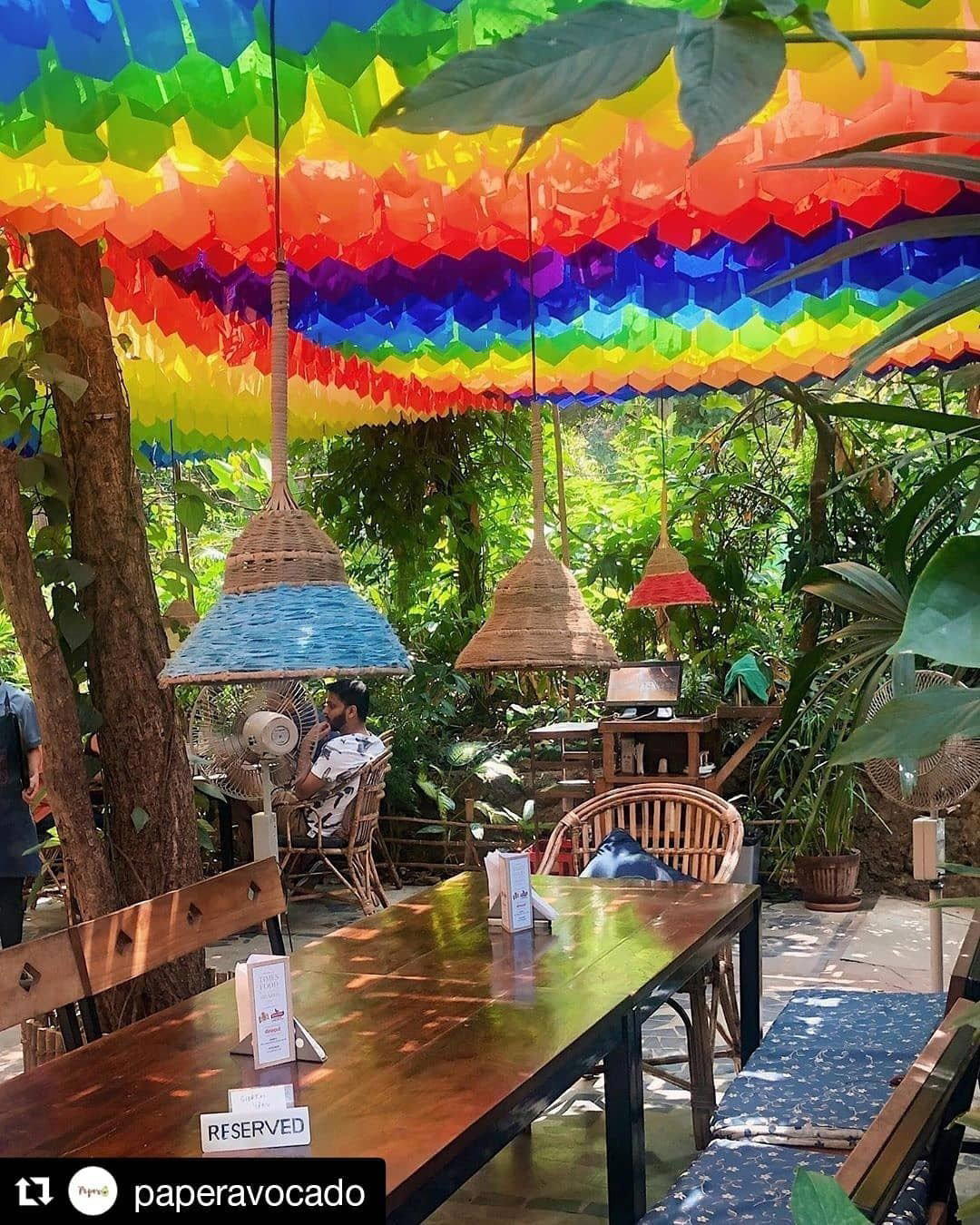
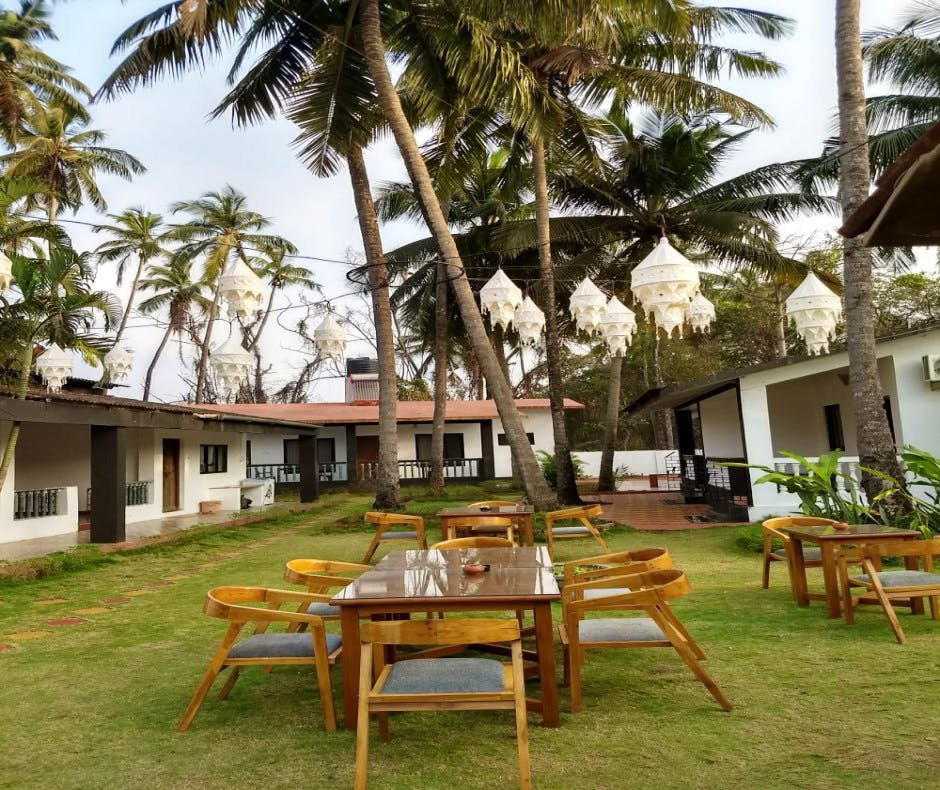
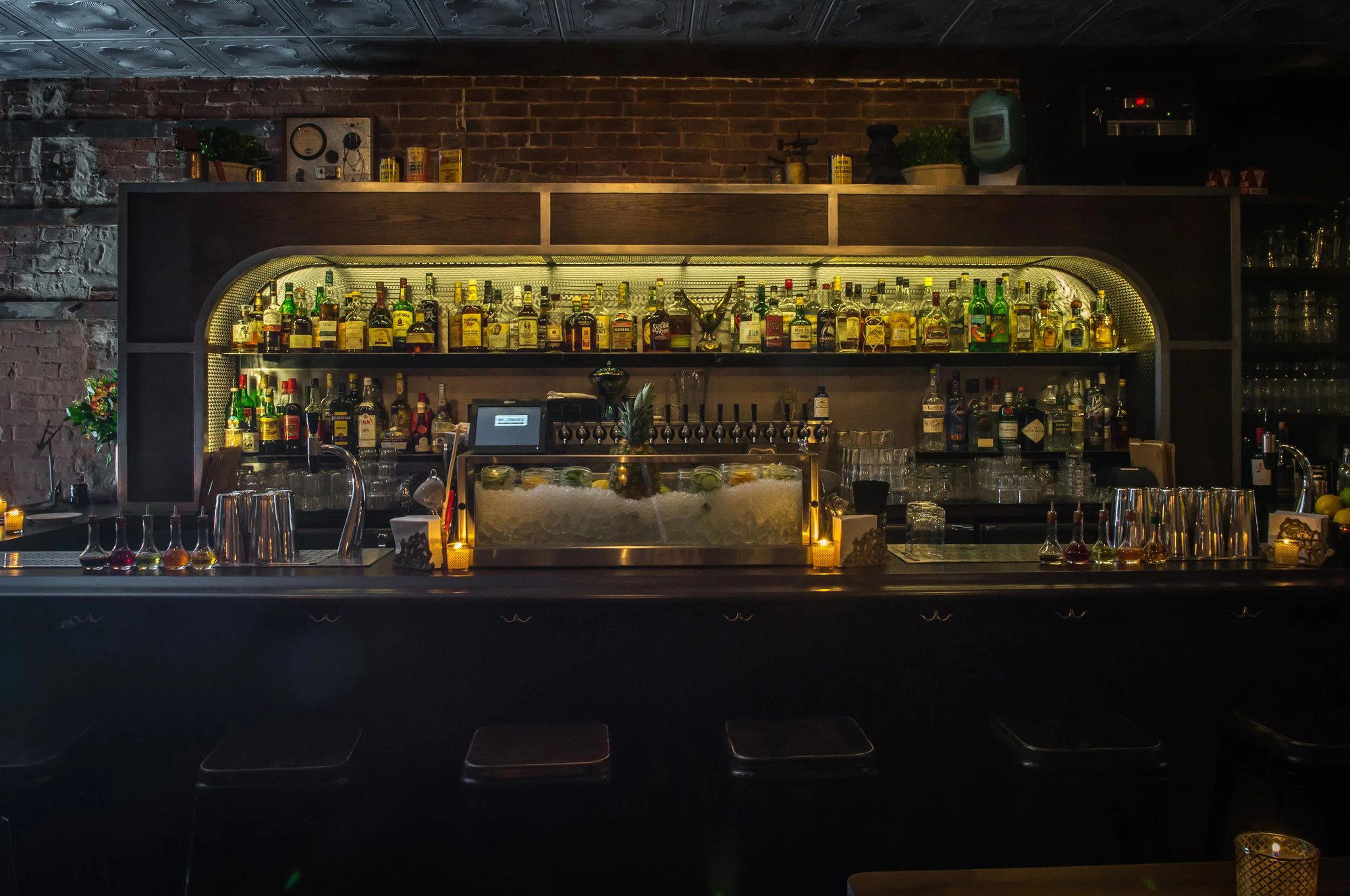
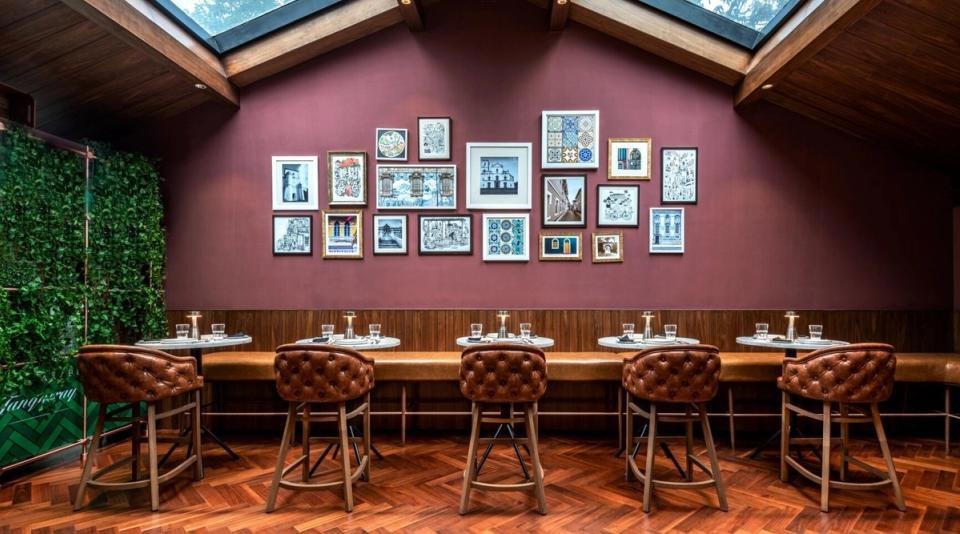
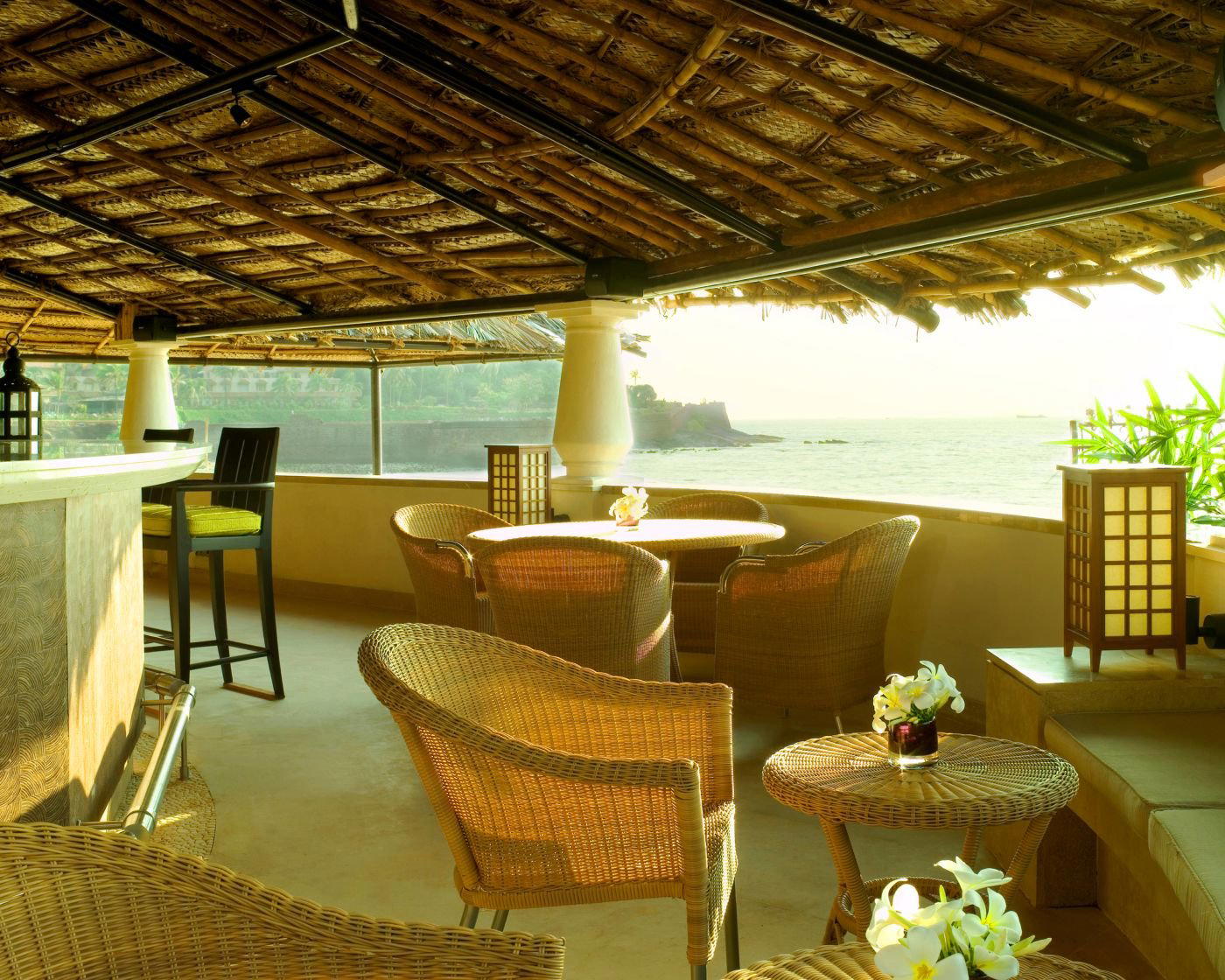
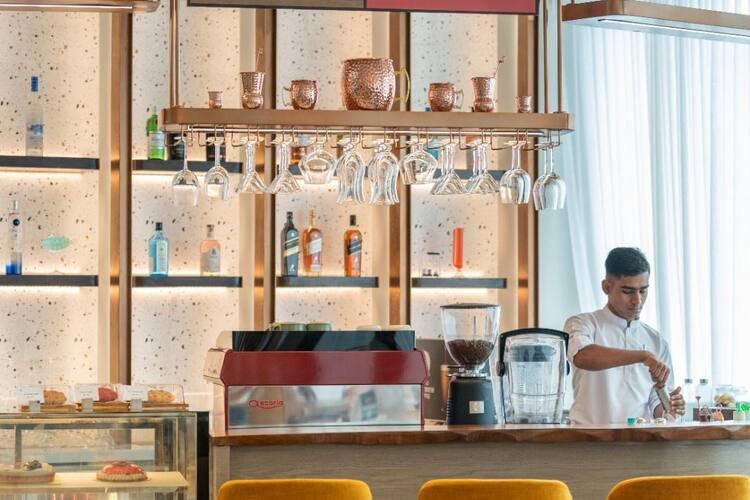
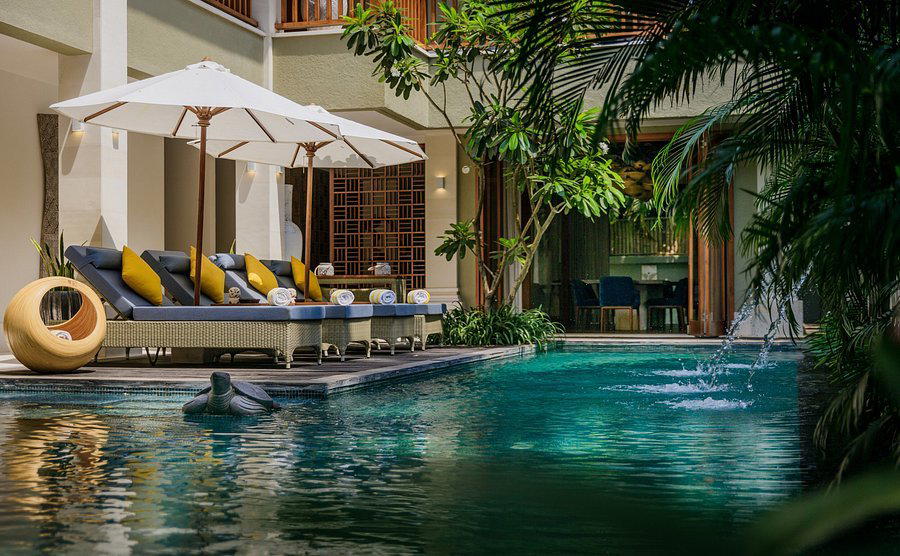
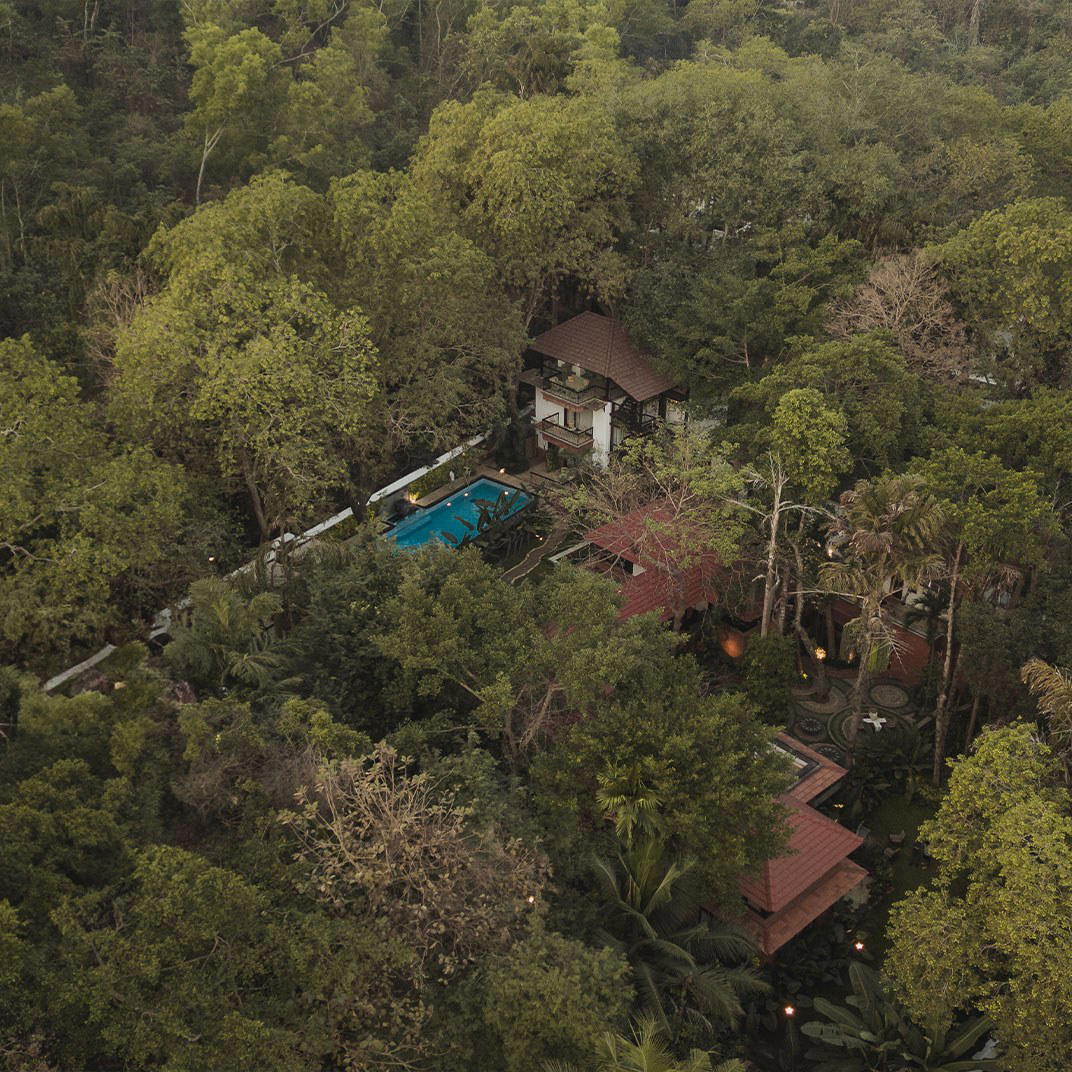

At a Glance
- Cozy
- Casual Hangout
- Craft Cocktails
Current opening hours
- Monday
- 7 PM–1 AM
- Tuesday
- Closed
- Wednesday
- 7 PM–1 AM
- Thursday
- 7 PM–1 AM
- Friday
- 7 PM–1 AM
- Saturday
- 7 PM–1 AM
- Sunday
- 7 PM–1 AM
Hours can change for holidays and private events. Last verified .
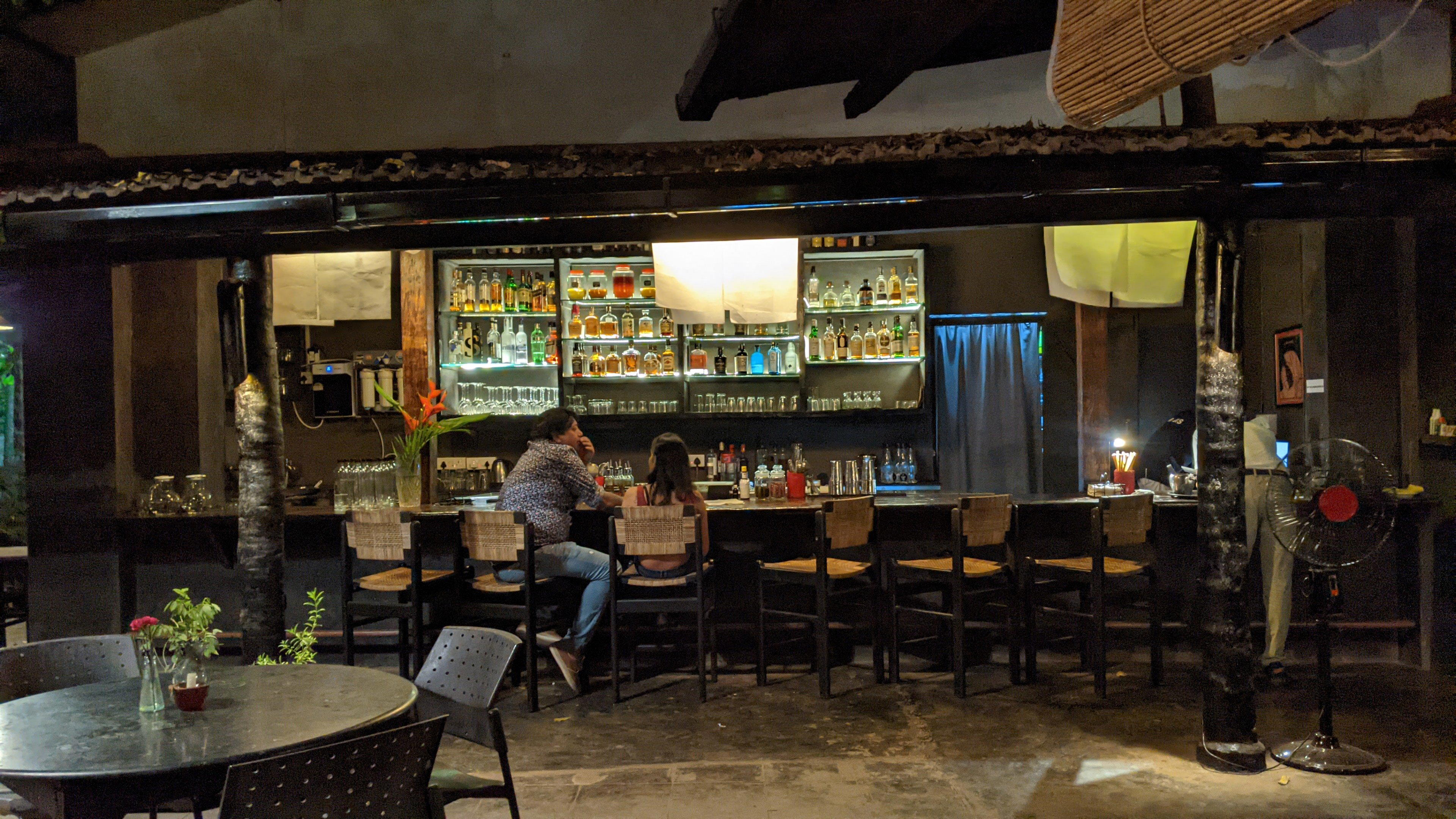
Great ambience with good music and a cozy vibe.