The coffee bar at Frankfurt's Kunstverein sits at Markt 44 in the heart of the Altstadt, occupying the cultural institution's ground-floor space where the city's art crowd and passing professionals converge. It operates at the intersection of cultural programming and daily café ritual, making it a reference point for understanding Frankfurt's less obvious but well-rooted café scene.
- Address
- Markt 44, 60311 Frankfurt am Main, Germany
- Phone
- +49 69 48008990
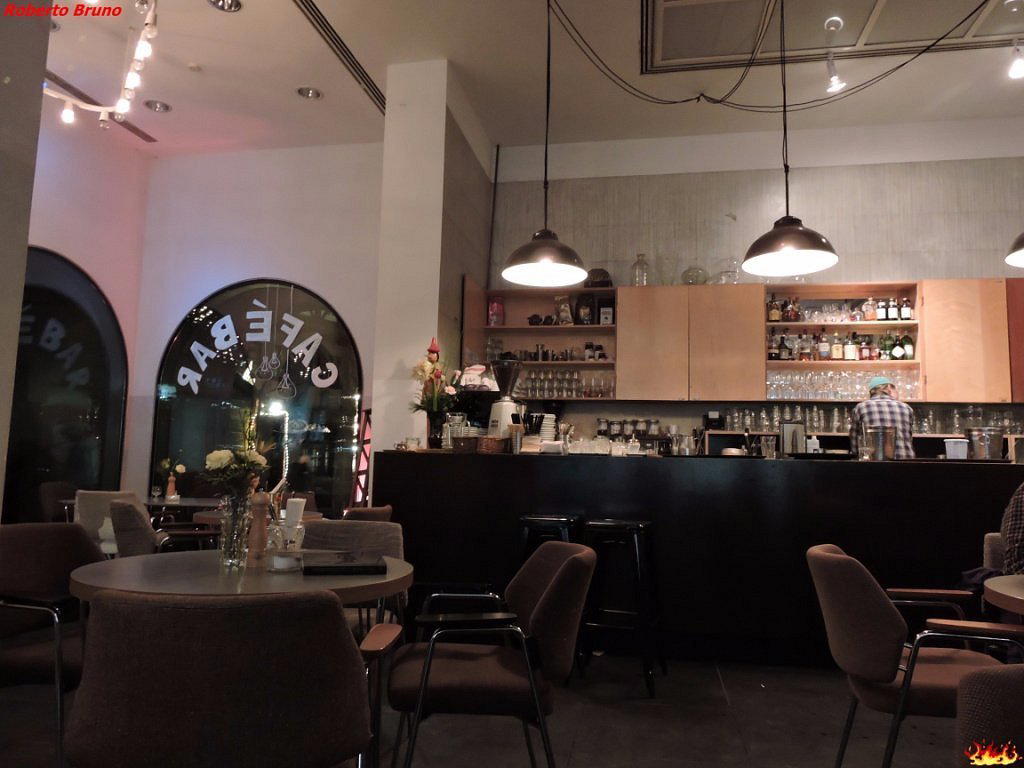
Where the Art World Takes Its Coffee
Frankfurt's Altstadt has been rebuilt, debated, and rebuilt again, and the stretch around Markt remains one of the few areas where the city's institutional and street-level life still overlap in any meaningful way. The Kunstverein Frankfurt, the city's longstanding contemporary art association housed at Markt 44, anchors that overlap. Its ground-floor coffee bar occupies the threshold between the institution's programming and the everyday rhythm of the surrounding square, which means the room tends to read differently depending on when you arrive: quieter during morning hours when the art crowd hasn't assembled yet, and animated in the mid-afternoon when exhibition openings draw in a more deliberate audience.
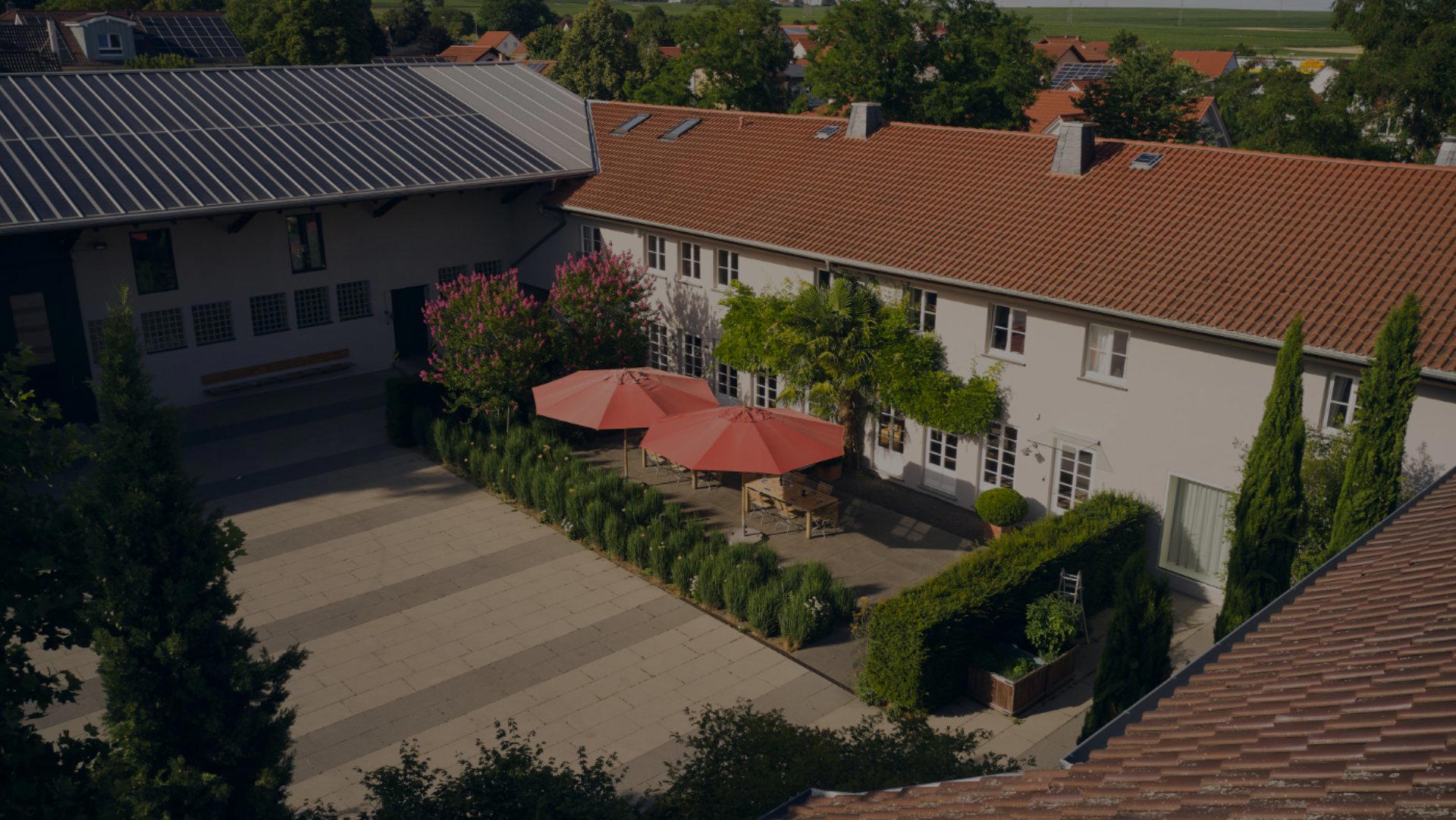
That positioning inside a Kunstverein rather than a standalone commercial café tells you something about the kind of space this is. The coffee bar at the Kunstverein belongs closer to the latter group. The physical environment carries the weight of the building's cultural use: white walls, an attention to light, and a general restraint in decoration that reads as intentional rather than minimal by default.
Frankfurt's Café Scene and Where This Fits
Frankfurt is not a city that invites easy café comparisons. Its food culture runs deeper on the restaurant side, where venues like ALEJANDRO'S, Allgaiers Restaurant, and Ariston position themselves within a recognizable European fine dining conversation. The café tier is less mapped but no less specific. Frankfurt's professional population, dense around the banking district a few minutes west of Markt, generates a particular kind of café demand: fast, reliable, and quality-conscious without being precious about it.
The Kunstverein's coffee bar serves a different subset of that population. Its visitors tend to arrive with more time and a reason to linger connected to the exhibitions above. That audience self-selects for a slower pace, which affects everything from the acoustic register of the room to the likely provenance of what ends up on the table. In cities where cultural institutions have invested seriously in their food and beverage offer, the café becomes a secondary reason to visit the building. Whether that is fully the case here depends on what the current programming cycle brings to the Kunstverein's main galleries, since the two spaces are functionally linked in a way that most standalone cafés are not.
Compared to Frankfurt's more commercially visible café operations, the Kunstverein's coffee bar operates at a remove from the city's mainstream café circuits. Venues like atm by Deli&Grape and Babam address Frankfurt's appetite for casual, quality-driven eating from a retail or street-facing position. The Kunstverein café is more insular by design, drawing its energy from the institution rather than the street, which gives it a different social texture.
Ingredient Sourcing in Institutional Café Contexts
European art institution cafés that have moved beyond the vending-machine-and-plastic-sandwich era tend to approach sourcing in one of two ways. Some treat the café as an extension of their cultural programming, sourcing from producers whose story or provenance carries its own editorial weight. Others keep it operationally simple, prioritizing reliable suppliers over narrative. What can be said is that the broader shift in German café culture toward regional and traceable supply chains has been well documented over the past decade, and any café operating inside a contemporary art institution carries an implicit expectation from its audience to align with that direction.
Frankfurt itself sits at an advantageous geographic point for ingredient sourcing. The Rhine-Main region produces Apfelwein, regional cheeses, and a range of agricultural output that urban cafés in the city have increasingly drawn on as consumer interest in local provenance has grown. Whether the coffee bar at the Kunstverein participates in that regional supply network is a question worth directing to the venue directly, since the institution's focus is contemporary art programming rather than food publicity.
Practical Considerations for a Visit
Markt 44 sits in the Altstadt, walkable from the Dom-Römer quarter and a short distance from the river promenade. The address is direct to reach on foot from Frankfurt's main transport corridors, including the U-Bahn lines that serve the Römer stop. Because the café functions within a cultural institution, opening hours are tied to the Kunstverein's own schedule rather than independent café trading hours, which typically means alignment with exhibition opening times. Visiting on a day when the galleries are open gives you the fullest version of what the space offers; arriving outside those hours may mean limited or no access.
Booking is unlikely to be required for a café visit of this kind, though the room's capacity and any event programming should be confirmed in advance if you are planning around a specific exhibition opening or evening event. At roughly $20 per person, it sits in the moderate range for a casual café stop.
Those interested in Germany's broader fine dining reference points can look at Schwarzwaldstube in Baiersbronn, Aqua in Wolfsburg, JAN in Munich, Vendôme in Bergisch Gladbach, CODA Dessert Dining in Berlin, Victor's Fine Dining by christian bau in Perl, ES:SENZ in Grassau, Schanz in Piesport, Waldhotel Sonnora in Dreis, and Restaurant Haerlin in Hamburg.
Comparable Venues
Comparable venues nearby, for context on price, style, and recognition.
| Venue | Cuisine | Price | Awards | Notes |
|---|---|---|---|---|
| Coffee bar at the KunstvereinThis venue — the venue you are viewing | Italian Café Bistro | $$ | , | |
| La Perla Nera | Authentic Italian Ristorante | $$ | , | Enkheim |
| Pasta Davini | Authentic Italian Pasta | $$ | , | Roemerberg |
| Pizzeria Olbia | Traditional Italian Pizza | $ | , | Palmengarten |
| L'Unico | Authentic Italian | $$$ | , | Goethehaus |
| Ciro il lattaio | Authentic Italian Pinsa and Pasta | $$ | , | Roemerberg |
Continue exploring
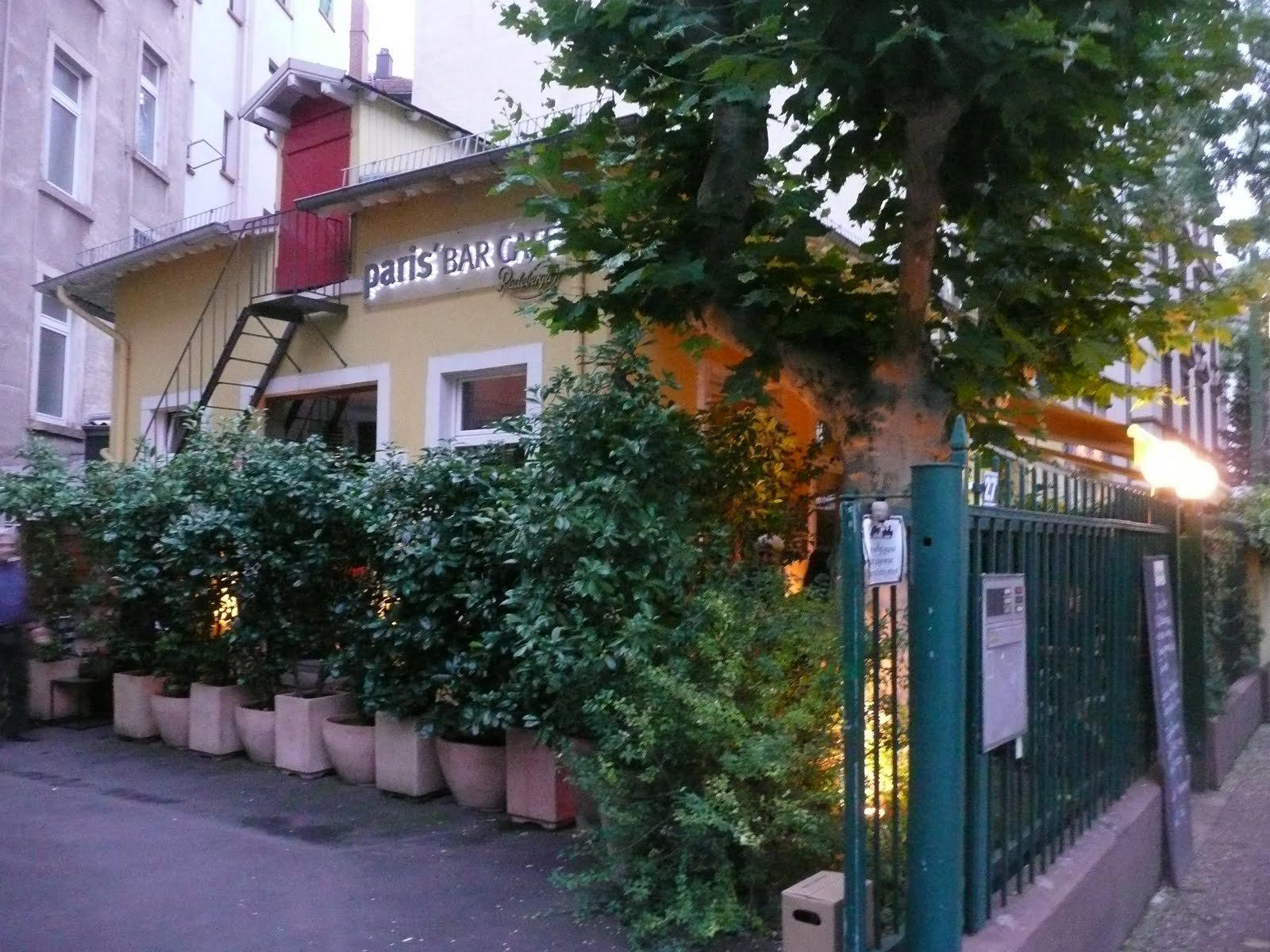
More in Frankfurt
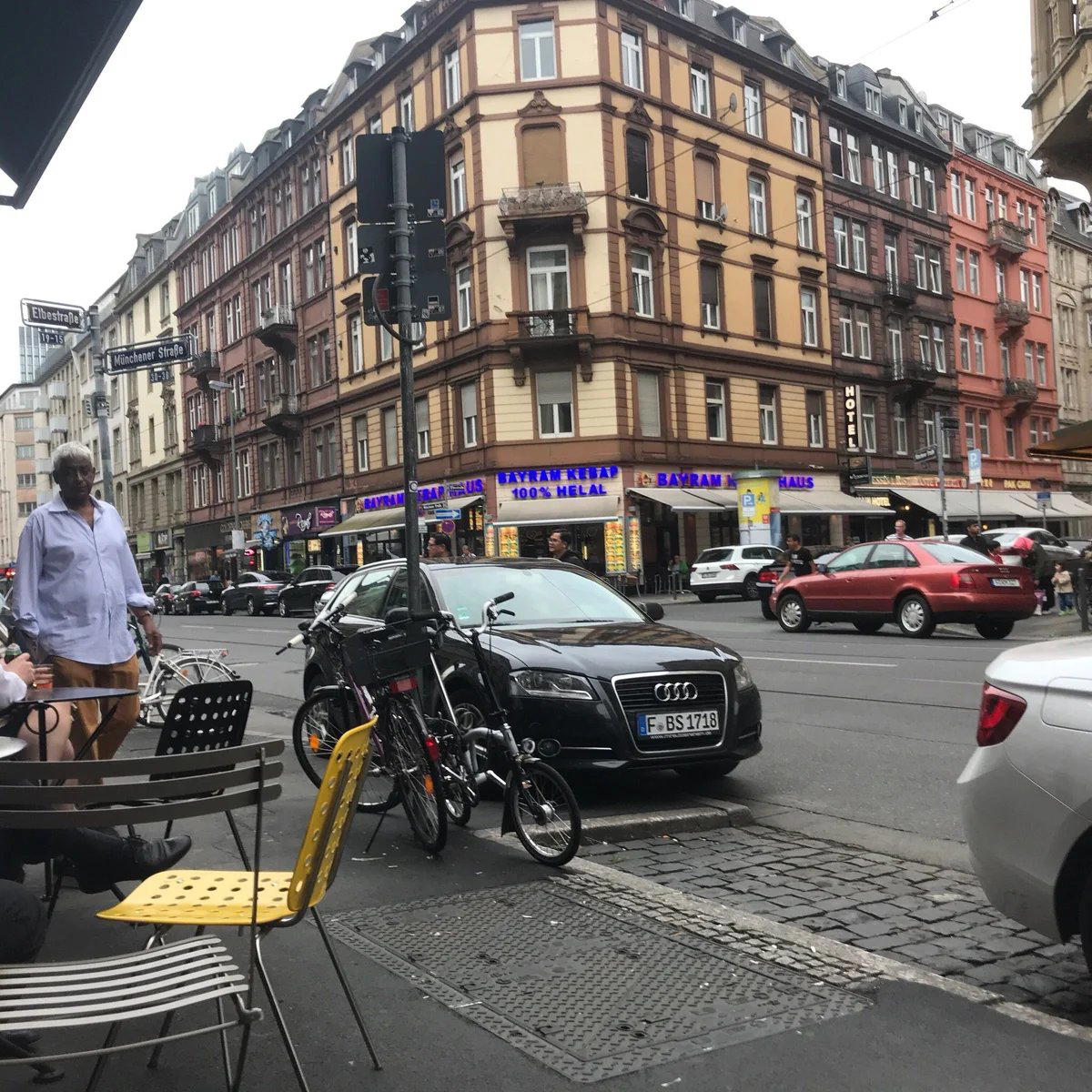
Restaurants in Frankfurt
Browse all →
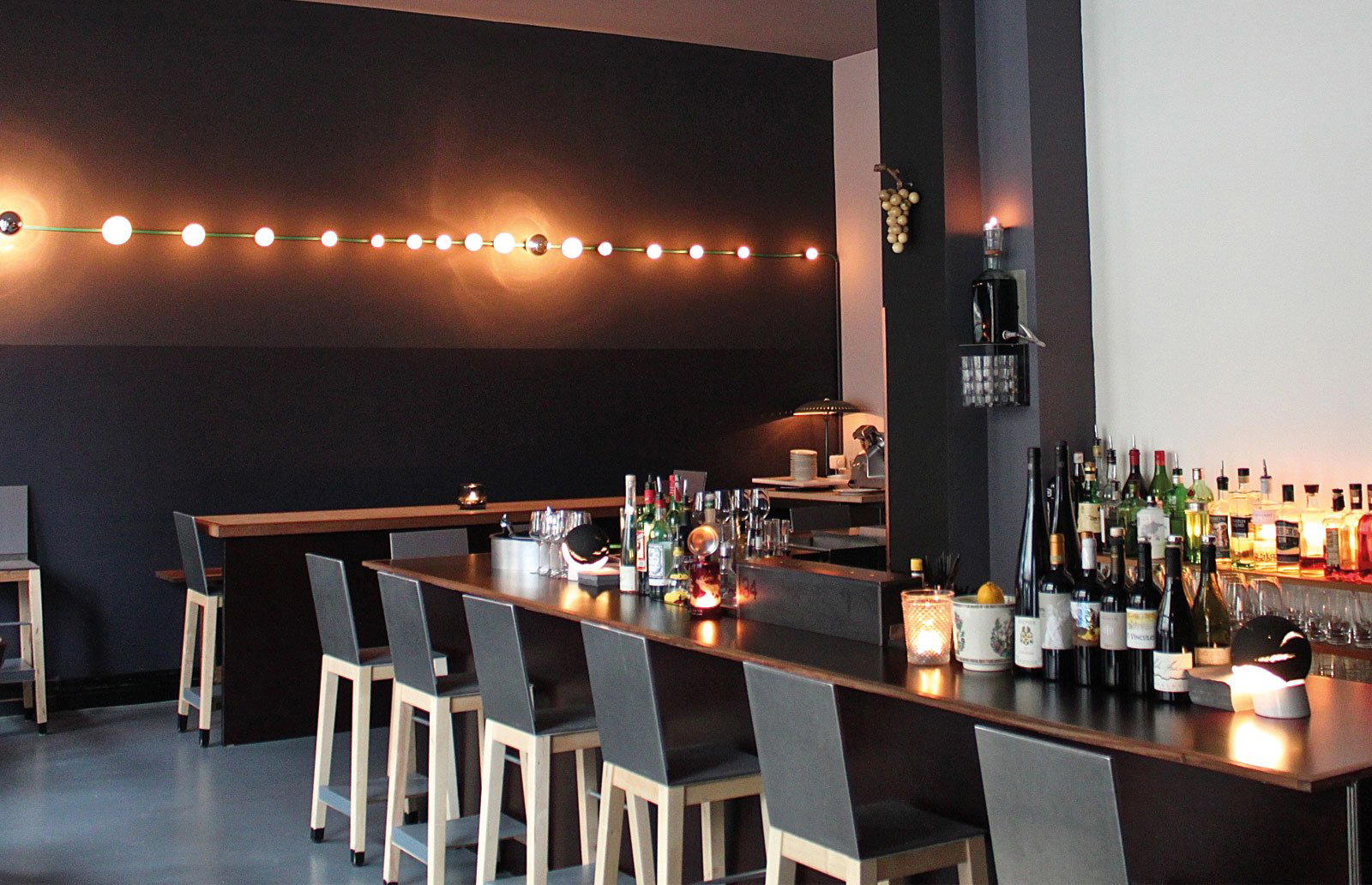
Bars in Frankfurt
Browse all →
Hotels in Frankfurt
Browse all →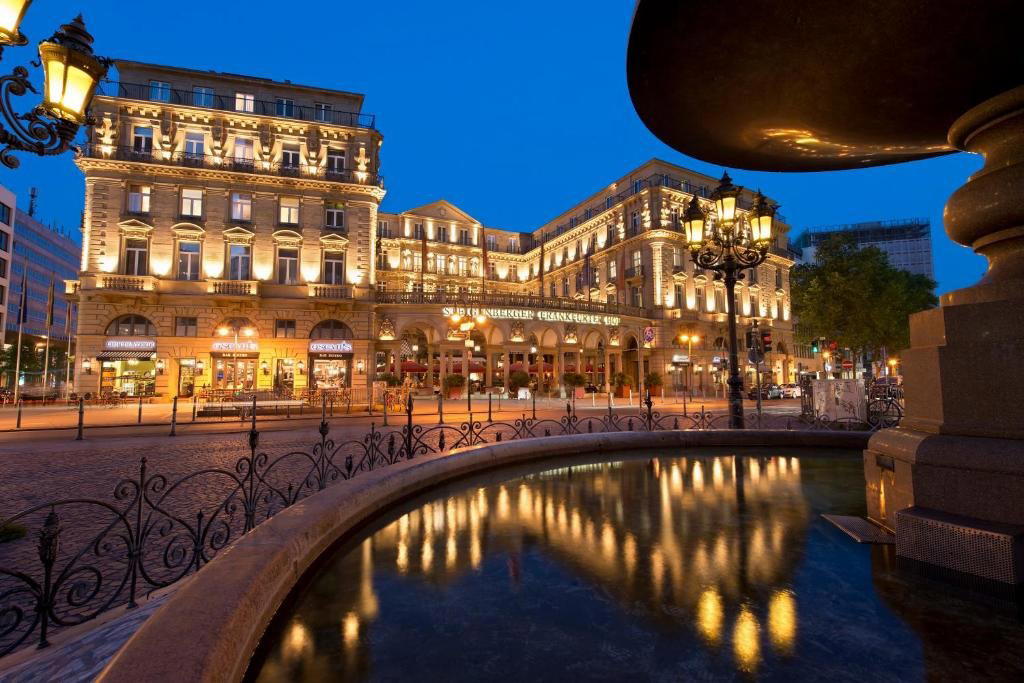
At a Glance
- Cozy
- Modern
- Trendy
- Intimate
- Casual Hangout
- After Work
- Brunch
- Historic Building
- Design Destination
- Local Sourcing
- Street Scene
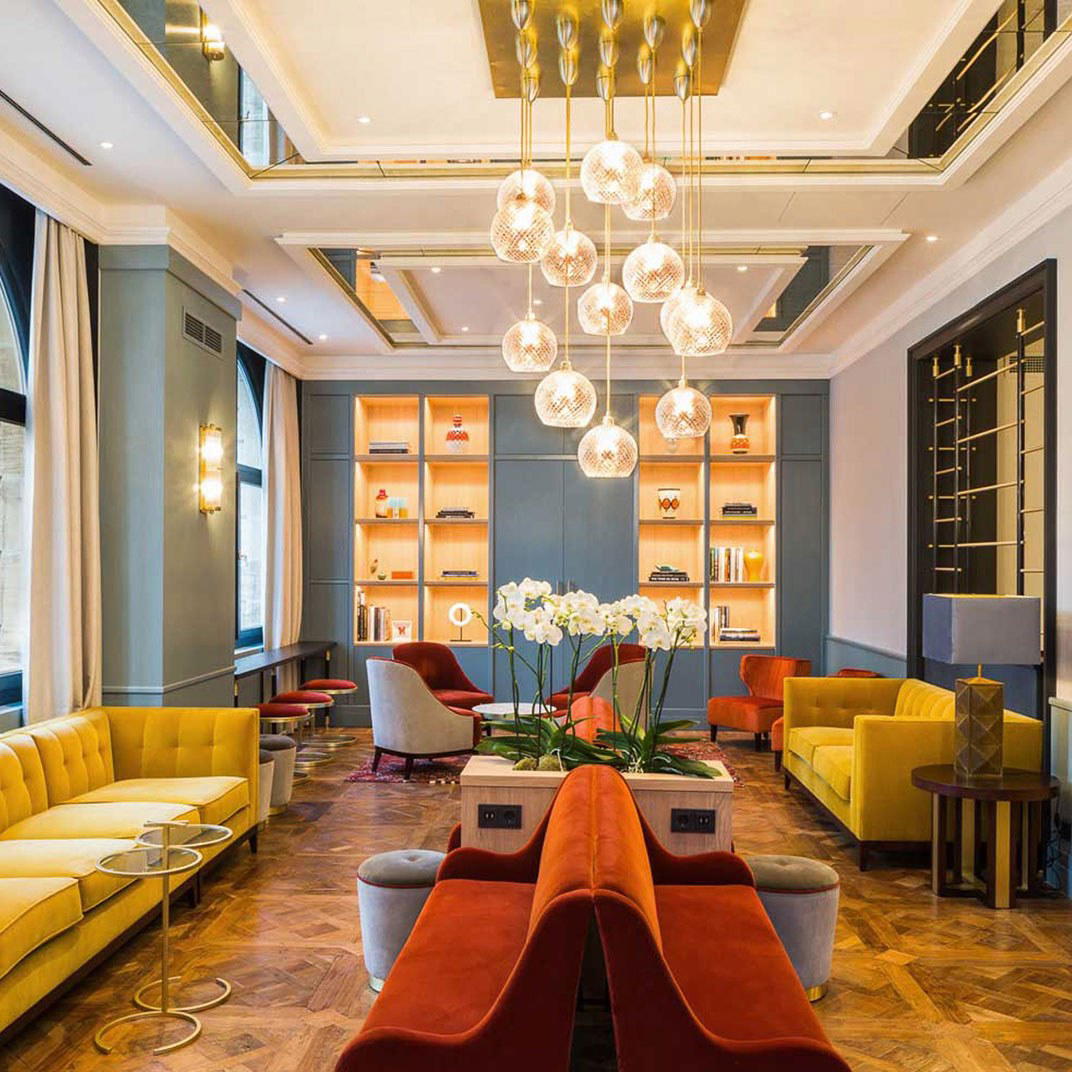
Stylistically adventurous interior with creative, cultural inspiration and feel-good atmosphere.