Orrery
Orrery occupies a converted Victorian stable on Marylebone High Street, placing it in the quieter, residential tier of London's formal dining circuit rather than the West End's showier orbit. The room's long, narrow proportions and rooftop terrace give it a physical character that few central London restaurants match. It draws a neighbourhood-loyal crowd while maintaining the kitchen discipline expected at this price point.
Pearl is the En Primeur Club membership app — saves, bookings, and concierge access live there. Same editors, same standards.
- Address
- 55 Marylebone High Street, London, England, W1U 5RB, United Kingdom
- Phone
- 020 7616 8000
- Website
- orrery.co.uk
- Directions
- Get directions
 Saves & bookings on Pearl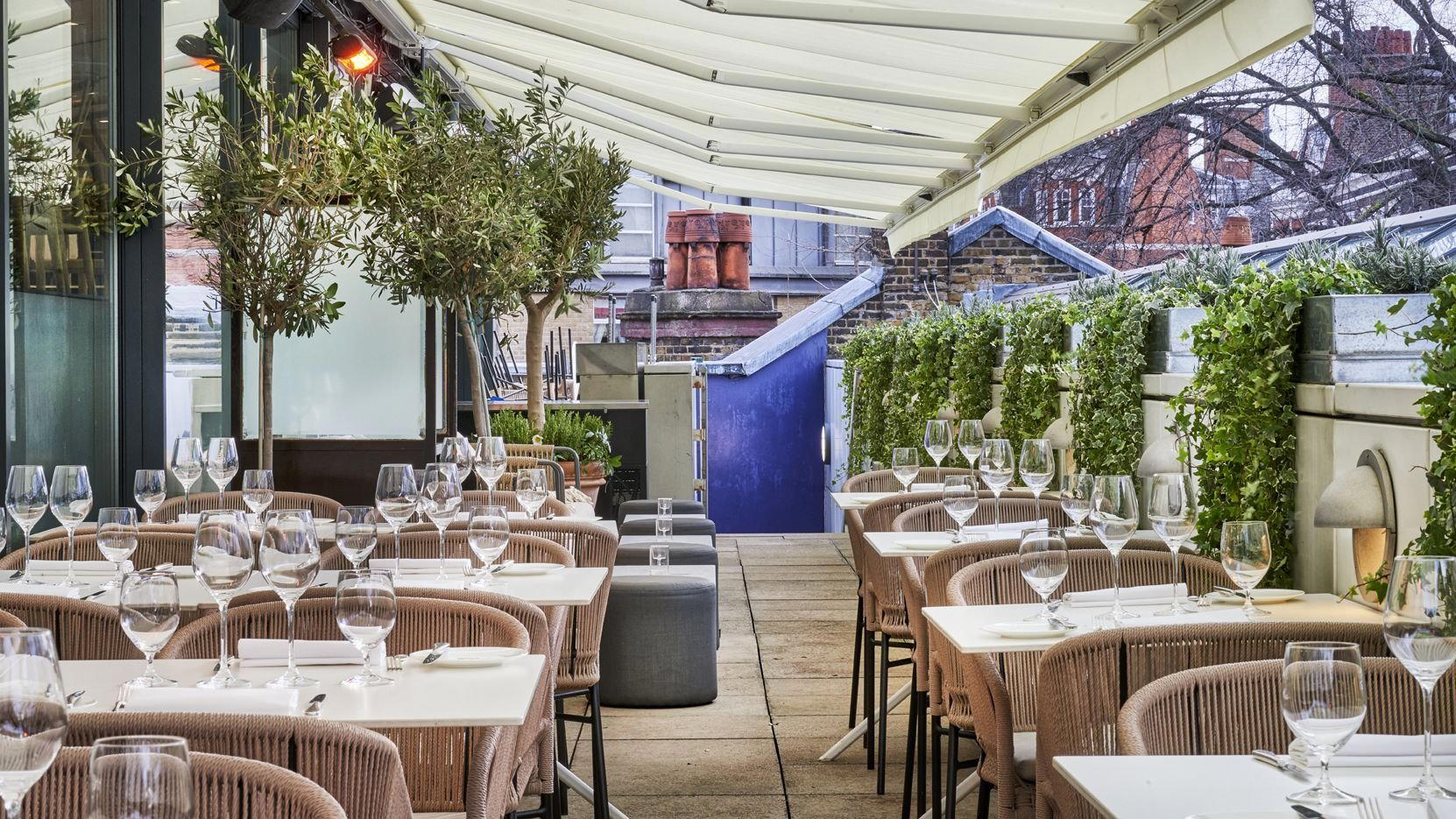
Marylebone's Formal Register
London's premium dining has long operated in distinct geographic registers. The West End corridor from Mayfair to Soho concentrates much of the city's leading kitchen activity, from Sketch, The Lecture Room and Library to Restaurant Gordon Ramsay. Marylebone runs parallel to that circuit without fully joining it. The neighbourhood's character is residential and unhurried, with independent retailers and a weekly farmers' market setting a tone that the street's restaurants tend to reflect. Orrery, at 55 Marylebone High Street, has spent decades operating in that register: formal enough to compete with the city's leading European tables, grounded enough to attract regulars who live within walking distance rather than those making a destination booking across the city.
That positioning matters when assessing what the room is asking of you and what it delivers in return. This is not a venue calibrated for first-time London visitors working through a trophy list. It functions more like a serious neighbourhood restaurant with destination-level polish.
The Room and Its Proportions
The physical setting shapes the experience before a single plate arrives. Orrery occupies a converted Victorian stable building, a structural fact that gives it a long, narrow footprint quite unlike the square dining rooms typical of purpose-built restaurant spaces. The room runs lengthways, with natural light entering from the south-facing windows and, in warmer months, from the rooftop terrace above. In a city where outdoor dining space is scarce and often improvised on pavements, a dedicated rooftop terrace above a formal restaurant is a clear spatial advantage.
The atmosphere that results is quieter than the louder rooms at comparable London addresses. Sound disperses along the length of the space rather than pooling in a central dining area. Tables are not pressed close together in the manner common to high-demand West End restaurants operating at full commercial density. These are not accidental qualities. They reflect a deliberate calibration toward the neighbourhood's expectations rather than the footfall logic of a tourist-adjacent location.
London's fine dining has increasingly split between two formats: the theatrical, high-concept room designed around a narrative or a chef's personal statement, and the disciplined European dining room where the cooking is the spectacle. Orrery belongs firmly in the second category, in company with places like The Ledbury and, further afield in the UK, Le Manoir aux Quat' Saisons.
European Kitchen Discipline in a British Context
The kitchen at Orrery operates within the tradition of classical European cooking as practiced by London's serious French-influenced houses. This is a tradition with deep roots in the city: formal tasting and à la carte formats built around French technique, seasonal British sourcing, and a wine programme oriented toward classic European regions. It is the same tradition that shaped CORE by Clare Smyth and, in its earlier configuration, Dinner by Heston Blumenthal, though both of those have pushed the format in distinctly modern directions. Orrery's version is less revisionist, it draws on classical foundations without treating them as material for deconstruction.
That restraint places it in a smaller sub-cohort of London restaurants that have chosen sustained formal discipline over trend responsiveness. Internationally, the analogy would be something like Le Bernardin in New York City, where technical consistency functions as its own form of statement. In the UK context, the comparison points are places like Gidleigh Park in Chagford and Moor Hall in Aughton: regionally embedded, classically anchored, measuring themselves against a standard of consistency rather than novelty.
The Sensory Sequence
At this tier of London dining, the experience is structured well before the food arrives. The approach from Marylebone High Street establishes the tone: a high street address with village-scale foot traffic, without the doorman formality of Mayfair or the queue energy of Soho. Inside, the room's proportions, elongated, calm, with warm natural materials characteristic of the stable conversion, set a sensory baseline that is closer to a serious Parisian brasserie than a contemporary open-kitchen London restaurant. The light changes character across the day, making lunch service feel notably different from dinner: brighter, less enclosed, the street noise from Marylebone High Street present but not intrusive.
The rooftop terrace introduces another register entirely. Above the street, the formal-dining context softens without disappearing. It is the kind of space that justifies a warm-weather reservation on its own terms, separating Orrery from competitors at similar price points that cannot offer the same transition from enclosed dining room to open air within the same meal arc.
For UK comparisons in terms of culinary ambition and format, L'Enclume in Cartmel, The Fat Duck in Bray, and Hand and Flowers in Marlow each represent distinct positions within the same broad tier. Orrery's distinction within that field is urban embeddedness: it operates at this level from a neighbourhood high street rather than a rural or semi-rural setting, which changes the cadence of how it functions and who it serves.
Planning a Visit
Orrery sits in London's upper-tier à la carte market, with pricing consistent with the ££££ range. Advance reservations are essential, particularly for rooftop terrace seating during spring and summer months and for weekend dinner service. Lunch typically offers better availability. The venue is accessible from Baker Street, Bond Street, and Regent's Park Underground stations, all within a short walk along Marylebone High Street.
Logistics at a Glance
| Venue | Format | Price Tier | Location |
|---|---|---|---|
| Orrery | À la carte / formal European | ££££ | Marylebone High Street, W1 |
| The Ledbury | Tasting menu | ££££ | Notting Hill, W11 |
| Sketch, The Lecture Room and Library | Tasting menu | ££££ | Mayfair, W1S |
| CORE by Clare Smyth | Tasting menu | ££££ | Notting Hill, W11 |
For a broader view of London's dining options at every price point and format, see our full London restaurants guide. If you're planning the wider trip, our London hotels guide, bars guide, wineries guide, and experiences guide cover the full range of options. For comparable ambition outside the city, Atomix in New York City demonstrates how the disciplined tasting-counter format operates at a peer level internationally.
Awards and Standing
Comparable venues nearby, for context on price, style, and recognition.
| Venue | Cuisine | Price | Notes |
|---|---|---|---|
| OrreryThis venue — the venue you are viewing | Modern French Fine Dining | $$$$ | Not listed |
| Galvin at Windows | Modern French Haute Cuisine | $$$$ | Mayfair |
| Mazarine | Coastal French Seafood | $$$$ | Mayfair |
| Atelier Robuchon London | Modern French Fine Dining | $$$$ | Mayfair |
| Bellamy’s | Classic French Brasserie | $$$$ | Mayfair |
| Bonheur | Modern French Fine Dining | $$$$ | Mayfair |
Recognition history
Dated appearances from independent guides and award organizations, with the underlying list record or original source where available.
AA Rosettes 3 Rosettes
AA Rosettes
Continue exploring
More in London
Restaurants in London
Browse all →
Bars in London
Browse all →
Hotels in London
Browse all →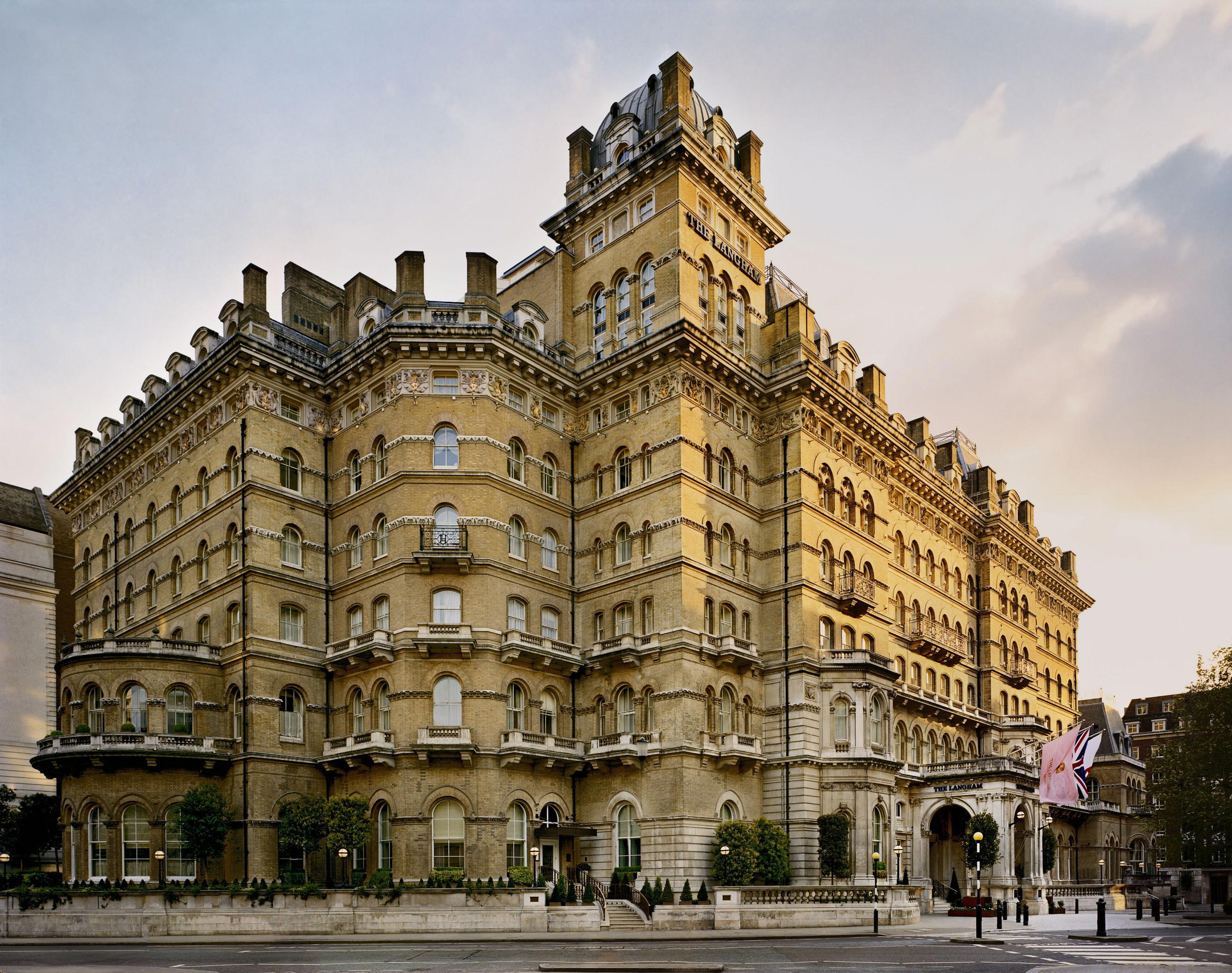



At a Glance
- Elegant
- Sophisticated
- Classic
- Date Night
- Business Dinner
- Special Occasion
- Private Dining
- Terrace
- Hotel Restaurant
- Extensive Wine List
- Sommelier Led
Current opening hours
- Monday
- Closed
- Tuesday
- Closed
- Wednesday
- 6–11 PM
- Thursday
- 12–11 PM
- Friday
- 12–11 PM
- Saturday
- 12–11 PM
- Sunday
- 12–5 PM
Hours can change for holidays and private events. Last verified .
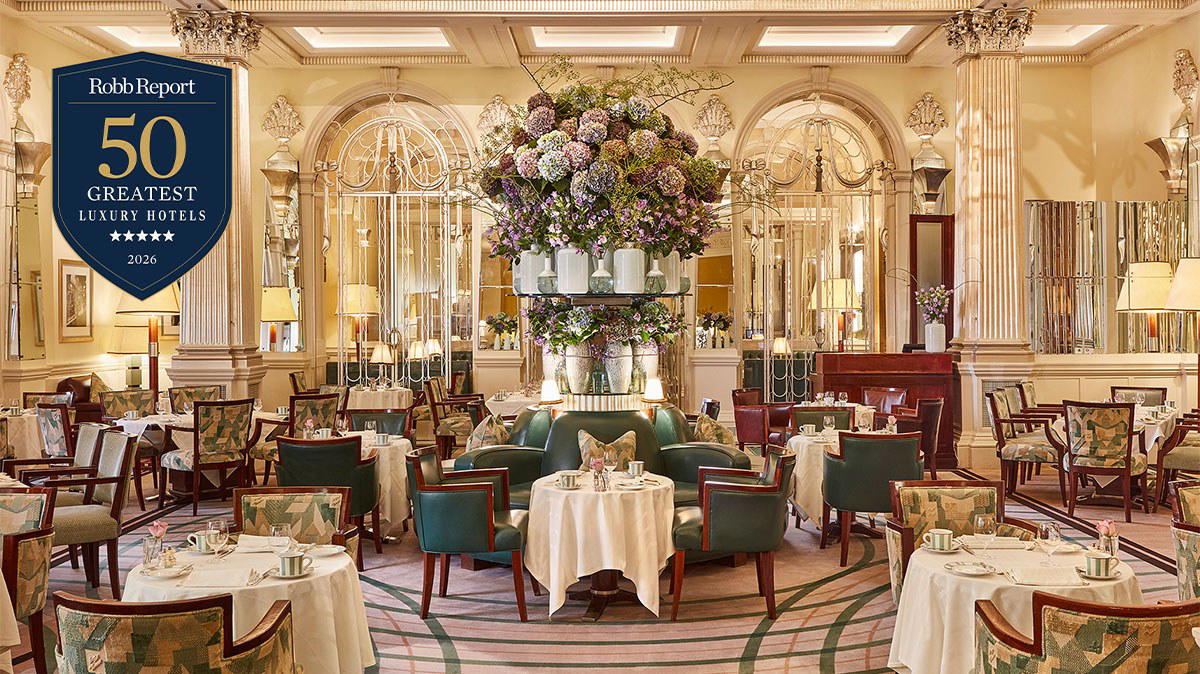
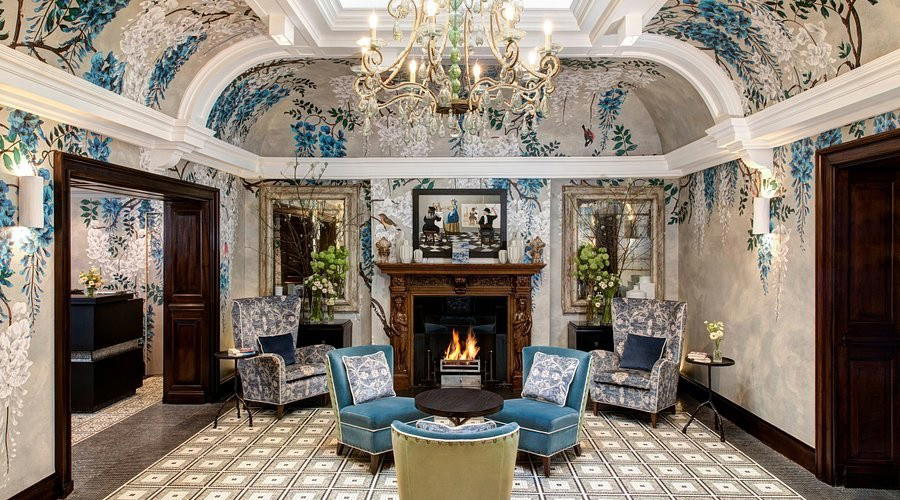
Light, bright, and elegant dining room with calm, professional atmosphere conducive to conversation.