
Clock places Sapporo curry culture in a residential Maruyama Nishimachi setting rather than the city-centre dining circuit. Its Tabelog Curry EAST 100 selections in 2017, 2019, 2020, 2023, and 2024 give it a measurable place in Japan’s curry conversation, while the curry-and-cafe format keeps the experience closer to daily local eating than occasion dining.
Pearl is the En Primeur Club membership app — saves, bookings, and concierge access live there. Same editors, same standards.
- Address
- Japan, 〒064-0944 Hokkaido, Sapporo, Chuo Ward, Maruyama Nishimachi, 9 Chome−2−25 旭山プラザ 1F
- Phone
- +81 11-642-2678
- Website
- clock-curry.myshopify.com
 Saves & bookings on Pearl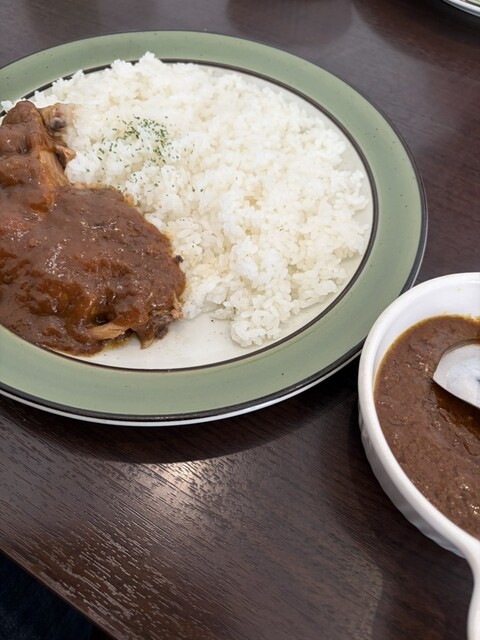
Maruyama Nishimachi changes the rhythm before the meal begins. The centre of Sapporo gives way to a quieter residential slope, with curry houses, cafes, and small neighbourhood rooms carrying a different kind of authority from the polished counters around Susukino or the hotel dining rooms downtown. Clock belongs to that slower Sapporo: curry and cafe, small-room scale, and a location that makes the meal feel tied to the western edge of the city rather than to a station-front crawl.
That matters because Sapporo’s curry identity is not a single lane. Soup curry dominates visitor shorthand, but the city’s curry map also includes Indo-style specialists, spice-led Japanese curry rooms, and cafe formats where curry works as an everyday anchor rather than a novelty. The useful comparison is not with high-ticket Sapporo dining such as Japanese cuisine Komatsu or Sushi Sohei, both operating in a far more formal price tier, but with the city’s casual curry network: places such as Ajanta Indo Curry Ten, Ajanta Sohonke, [Curry Senmon Ten] Maruyama Kyoju., and 175°DENO Tantanmen Sapporo kitaguchi ten when the question turns from formal dining to spice, heat, and everyday appetite.
Maruyama curry with repeat national-list credibility
Japan’s curry culture rewards depth at modest scale. A restaurant does not need a tasting menu, a chef biography, or theatrical service to build a following; consistency, local habit, and a clearly held curry style often matter more. Clock’s repeated selection for Tabelog Curry 100, including the EAST list in 2024 as well as earlier selections in 2017, 2019, 2020, and 2023, is the useful trust signal here. It places the restaurant inside a ranked editorial ecosystem for curry rather than inside the broader fine-dining economy.
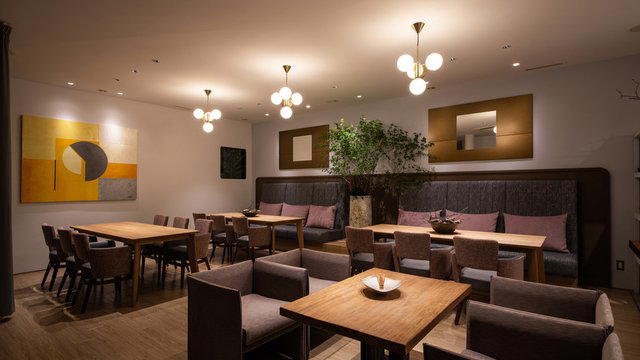
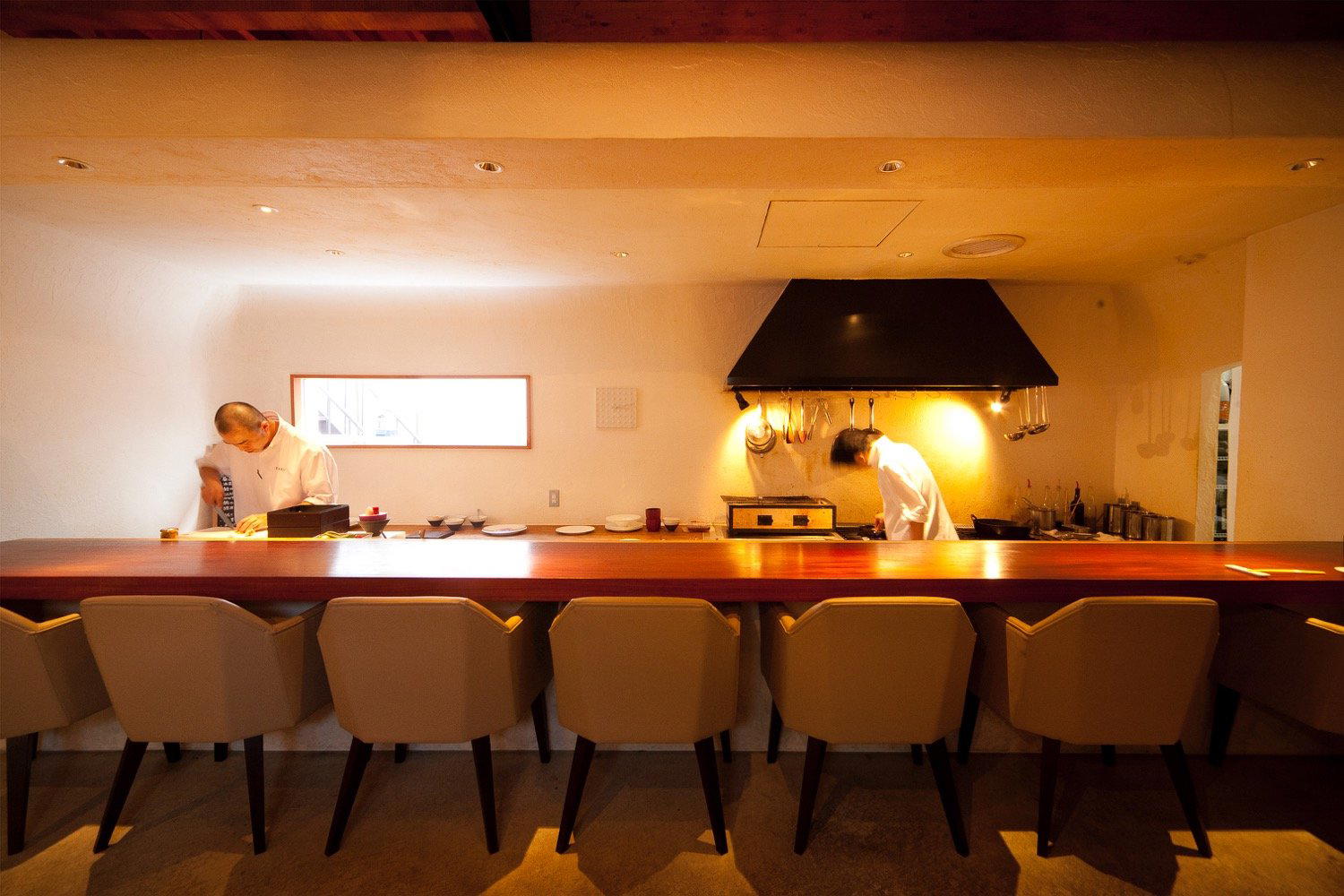
The category label, curry and cafe, is also instructive. In Sapporo, that hybrid format sits between commuter food and destination dining. It can absorb solo diners, families, and groups without turning the room into a formal event. That flexibility is part of the appeal: curry in Hokkaido often functions as comfort, weather food, and neighbourhood ritual at once. Clock’s 27-seat scale, with counter seating and tables, keeps it in the register of a local room rather than a large-format operation.
For travellers building a Sapporo food itinerary, this is the kind of address that corrects the city’s image. Sapporo is not only seafood markets, miso ramen, beer halls, and winter festival eating. The city has a serious curry culture, and Maruyama’s residential geography gives that culture a quieter frame than the commercial centre. Readers mapping a broader stay can use Our full Sapporo restaurants guide for dining context, then balance it with Our full Sapporo hotels guide, Our full Sapporo bars guide, Our full Sapporo wineries guide, and Our full Sapporo experiences guide for the wider city frame.
A casual room, not a formal Sapporo performance
The strongest reason to go is not spectacle. It is the way a curry specialist in a residential pocket can show a city’s daily palate more clearly than a grander dining room. Sapporo’s higher-end restaurants often ask diners to read seasonality through seafood, wagyu, sushi rice, or kaiseki structure. A curry cafe asks a different question: how does spice fit into ordinary urban life in a northern city built around long winters, practical transport, and neighbourhood loyalty?
That comparison is useful when choosing between meals. Japanese cuisine Komatsu and Sushi Sohei belong to an occasion-dining bracket; Clock sits in the low-cost curry tier, where the stakes are repetition rather than ceremony. Jhad Pul, with a similarly accessible lunch range, occupies a closer practical universe than French dining at Le Musee IDEA. The distinction is not about ambition. It is about format. Curry houses compete on familiarity, pacing, and whether diners want to return on an ordinary weeknight.
Maruyama Nishimachi also changes the audience. This is not the easiest neighbourhood for a casual tourist sweep, and that filters the experience. The reward is a more specific version of Sapporo, away from the greatest concentration of hotels and late-night traffic. The trade-off is that the meal works better as a planned neighbourhood stop than as an add-on between central sights. The city’s dining range is broad enough that a visitor can place Clock alongside bread and pastry destinations such as Aigues Vives, then return to central Sapporo for bars or hotel dining without forcing every meal into one district.
How to read Clock within a Japan itinerary
The editorial case is strongest for travellers who already understand that Japan’s serious food culture is not limited to luxury. Curry, ramen, soba, tonkatsu, kissaten cooking, and department-store food halls are all part of the same national argument: repetition creates standards. Clock’s Tabelog Curry 100 recognition gives the room a benchmark, but its value lies in showing how Sapporo’s curry tradition functions outside the obvious soup-curry narrative.
That makes it a useful counterpoint to bigger-city dining. Tokyo and Osaka often compress casual food into dense station districts; Sapporo gives some of its better everyday cooking more space and a stronger neighbourhood imprint. For readers comparing across Japan, the contrast with addresses such as. 鮪と炭火焼き うお炭 秋葉原店 in Tokyo.cafe in Osaka.know in Kumamoto, (Shoku) Vietnam in Kawasaki, [ki:] in Kyoto, and -Grilled beef Sukiyaki- KAMAKURA TANUKIAN 鎌倉 たぬき庵 in Kamakura is not cuisine-to-cuisine equivalence. It is a reminder that local context often explains why a modest room earns repeat attention.
Internationally, the same point applies. Japanese casual formats travel well, but the original context gives them sharper meaning. A sake bar in Los Angeles or an onigiri counter in Pasadena can express parts of Japanese food culture abroad, as seen with Jōdo Saké Bar in Los Angeles and Onigiri Time in Pasadena. In Sapporo, curry is not translation. It is local dining infrastructure, and Clock is most persuasive when read through that lens.
A Minimal
Comparable options at the same price tier.
| Venue | Cuisine | Price |
|---|---|---|
| ClockThis venue — the venue you are viewing | Chūō, Japanese Curry | $$ |
| [Curry Senmon Ten] Maruyama Kyoju. | Chūō, Japanese Curry House | $$ |
| NOUILLES JAPONAISE Tokuichi | Chūō, French-inspired Japanese ramen | $$ |
| Tiger Curry | Kita, Sapporo soup curry | $$ |
| PULU2 | Chūō, Sapporo soup curry house | $$ |
| soup curry Suage+ | Chūō, Sapporo soup curry specialty shop | $$ |
Recognition history
Dated appearances from independent guides and award organizations, with the underlying list record or original source where available.
Tabelog 100 #77 · No. 77
Tabelog · Tabelog 100 - Curry - EAST - 2024
At a Glance
- Cozy
- Classic
- Solo
- Casual Hangout
- Family
- Standalone
Current opening hours
- Monday
- Closed
- Tuesday
- 11:30 AM–10 PM
- Wednesday
- 11:30 AM–10 PM
- Thursday
- 11:30 AM–10 PM
- Friday
- 11:30 AM–10 PM
- Saturday
- 11:30 AM–10 PM
- Sunday
- 11:30 AM–10 PM
Hours can change for holidays and private events. Last verified .
A modest, long-established neighborhood curry spot with a warm, homestyle feel rather than a polished fine-dining atmosphere.