
Michelin Plate
Our verdict
Controverse holds consecutive Michelin Plate recognition (2024 and 2025) for its farm-to-table cooking in Aalst, a city with a quietly serious dining culture often overlooked by those scanning only the Brussels or Antwerp axis. The kitchen works within a produce-first framework, where sourcing decisions shape the menu rather than supplement it. At €€€ pricing, it sits at the upper tier of Aalst's independent restaurant scene.

Pearl is the En Primeur Club membership app, where members save venues, book tables and use the concierge.
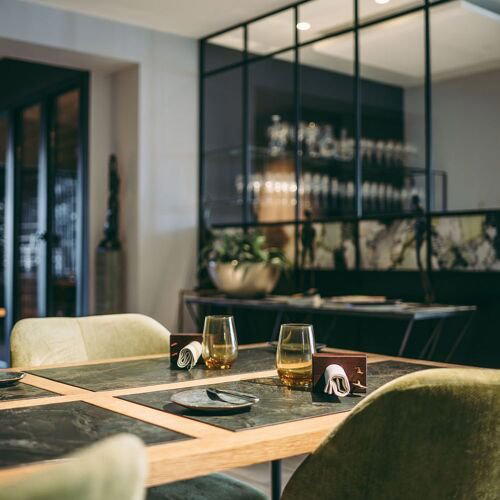
The menu
What to order
- Vitello tonnato
- Asparagus à la flamande
- Sabayon
- Saddle of hare
Arriving on Zandberg
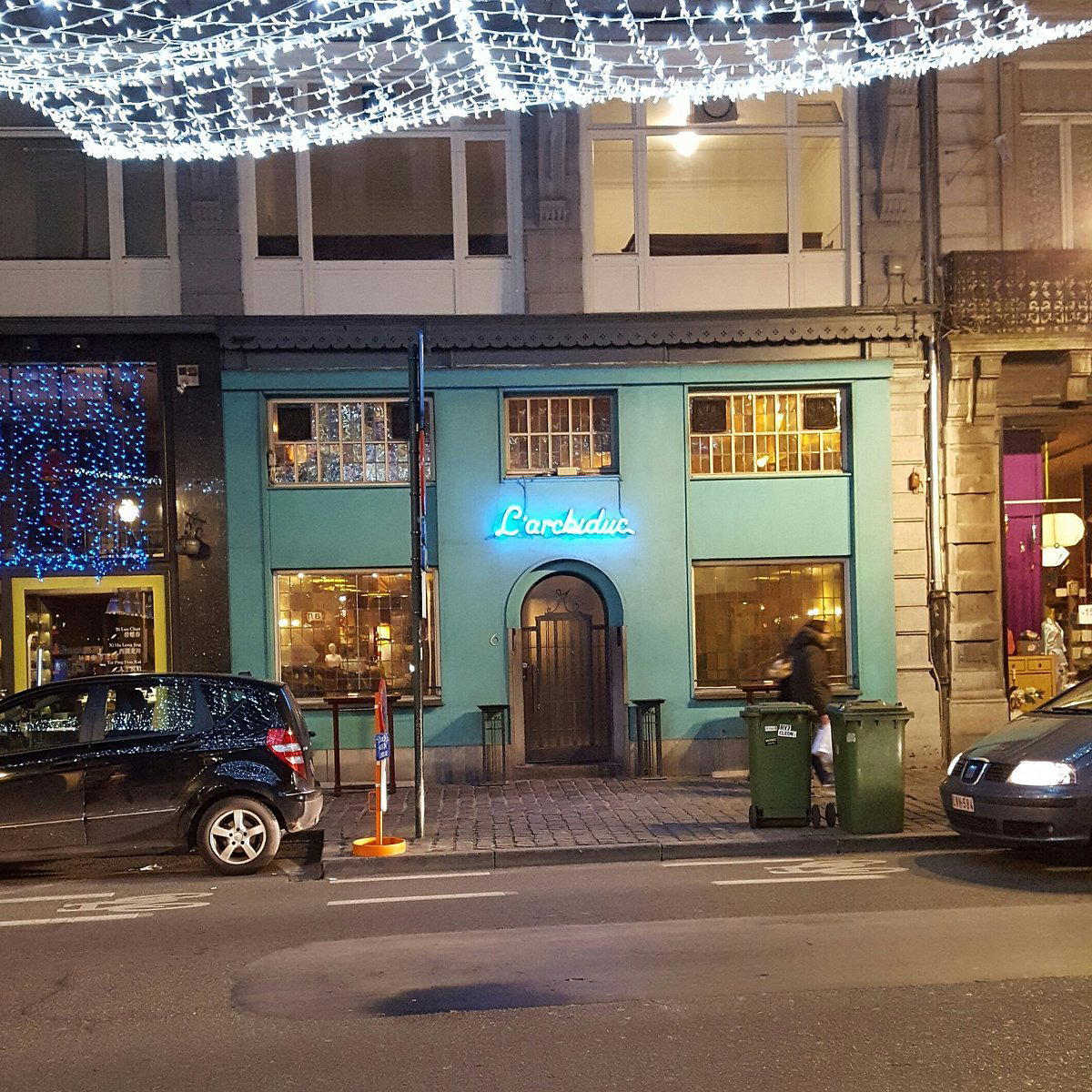
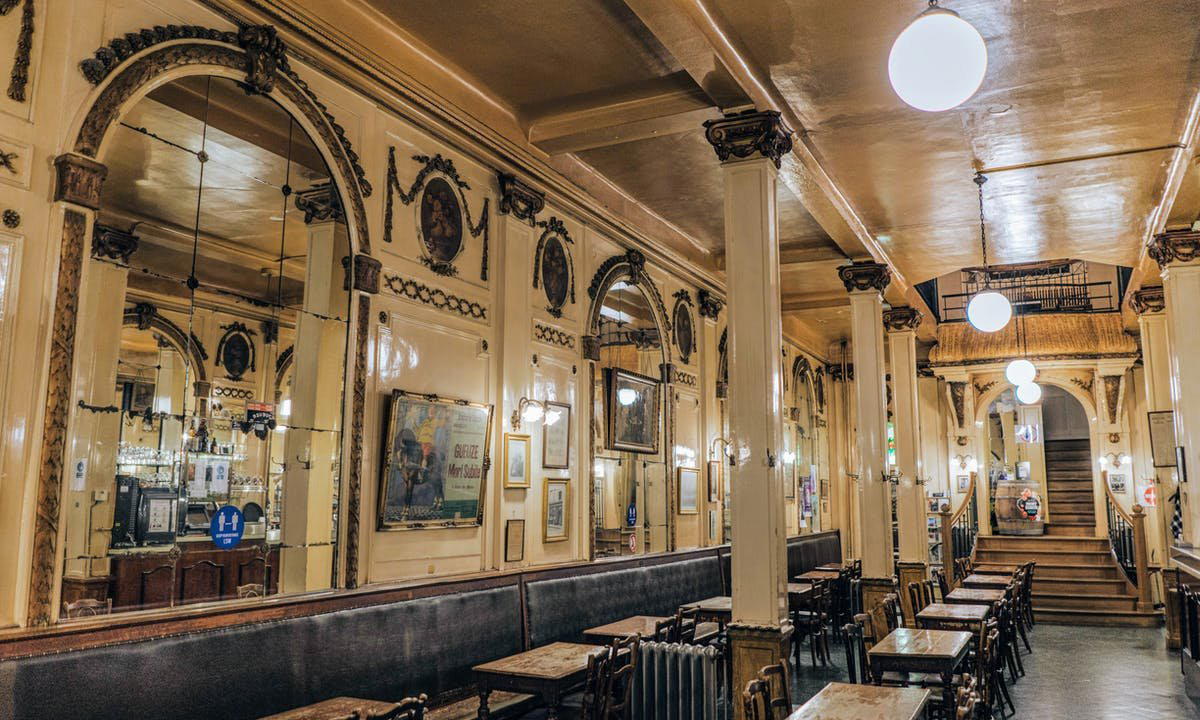
Zandberg 6 is not a grand dining address by any obvious measure. Aalst's central streets carry the practical rhythm of a Flemish market town rather than the self-conscious cool of a capital neighbourhood, and the approach to Controverse reflects that: no marquee signage, no theatrical entrance. What the setting does offer is exactly the kind of low-key context in which farm-to-table cooking tends to find its clearest expression. The ingredients are allowed to be the spectacle because nothing else is competing for the room's attention.
Belgium's farm-to-table movement has matured considerably over the past decade. Early iterations leaned heavily on the rhetoric of provenance without always delivering on the plate. The more disciplined current cohort, which includes kitchens like Au Gré du Vent in Seneffe and BOK Restaurant in Münster, treats sourcing as a structural constraint rather than a marketing position. Controverse, with Michelin Plate recognition in both 2024 and 2025, belongs to this more rigorous tier.
The Ritual of the Meal
Farm-to-table dining at this price point in Flemish Belgium carries specific expectations about pacing. These are not quick-turn tables. The format tends toward a sequence of small courses that shift with the season and the week's deliveries, meaning the meal's architecture is partly determined before the kitchen opens each service. Guests who arrive expecting a static menu may find the experience more fluid and more interesting than anticipated.
The rhythm of a meal at Controverse reflects a broader pattern among Belgian kitchens where the produce calendar governs the kitchen calendar. In practice, this means the early courses in a spring service will read differently from those in October, not because the kitchen is performing seasonality but because the supply chain genuinely changes. This is a distinction that separates producers-first kitchens from those that simply rotate a few garnishes. Michelin's Plate designation, awarded two years running, signals that the cooking meets a consistent technical standard within that framework.
At €€€ pricing, Controverse sits above Aalst's casual mid-market options and alongside the city's other considered dining rooms. 't Overhamme and Cul'eau occupy the same price tier with modern cuisine approaches, while Kelderman steps up a bracket to €€€€ with its Michelin Star. Borse van Amsterdam operates at €€ with a classic cuisine format. Controverse's positioning is deliberate: serious enough to carry Michelin recognition, accessible enough to function as a regular dining room rather than a special-occasion destination for those who live nearby.
Aalst in the Belgian Dining Picture
Aalst sits between Ghent and Brussels on the Dender, and its restaurant culture has historically been overshadowed by both cities. That is changing slowly. The presence of multiple Michelin-listed addresses in a single mid-sized Flemish town reflects a broader pattern: Belgian fine-casual dining has dispersed from the major urban centres into secondary cities where rents are lower and there is still a viable local clientele with appetite for this level of cooking.
For context on what the higher registers of Belgian gastronomy look like, kitchens like Hof van Cleve in Kruishoutem, Boury in Roeselare, and Zilte in Antwerp operate at the country's upper tier. Bozar Restaurant in Brussels represents the capital's considered end. Willem Hiele in Oudenburg and Bartholomeus in Heist show how the Flemish coast has developed its own produce-led identity. Castor in Beveren is another East Flanders address worth tracking. Controverse does not compete in that stratosphere, nor does it try to. It occupies a different and arguably more practical niche: Michelin-recognised, seasonally driven, and priced for repeat visits rather than annual pilgrimages.
Seasonal sourcing programmes only work if the kitchen can project demand over weeks, and that requires a returning clientele who trust the format.
Planning a Visit
Controverse is located at Zandberg 6, 9300 Aalst. Given the Michelin recognition and the relatively contained scale typical of kitchens in this format, booking ahead is advisable rather than optional, particularly for Thursday through Saturday services when Aalst's dining rooms fill from both local and regional traffic.
Aalst is served by direct train from both Brussels and Ghent, making it a viable evening destination from either city without requiring a car. For those staying overnight, the full Aalst hotels guide covers the available options. Visitors wanting to build a fuller picture of the city's food and drink scene can consult the Aalst restaurants guide, the bars guide, the wineries guide, and the experiences guide for a complete picture of what the area offers beyond the table.
Frequently asked questions
What kind of recognition has Controverse received?
Controverse has received recognition including: Michelin Plate (2025); Michelin Plate (2024).
What should I order at Controverse?
The kitchen operates under a farm-to-table framework, meaning the menu follows seasonal and regional produce rather than fixed signature dishes. At €€€ pricing in Flemish Belgium, expect multi-course formats built around whatever is at peak that week. Checking in at booking or arrival for the current menu is the practical approach.
Is Controverse more mid-range or high-end?
Pricing at Controverse is listed as €€€.
How do I find Controverse?
Controverse is located at Zandberg 6, 9300 Aalst, Belgium, Aalst.
How hard is it to get a table at Controverse?
Controverse has held a Michelin Plate in both 2024 and 2025, which places it firmly on the radar of diners travelling between Ghent and Brussels. Plan ahead, particularly for weekend sittings.
What's the defining dish or idea at Controverse?
The governing idea is Flemish farm-to-table cooking taken seriously enough to earn back-to-back Michelin Plate recognition in a city that has historically sat in the shadow of Ghent and Brussels. The format prioritises sourcing logic over menu spectacle, with produce provenance doing the work that presentation alone might elsewhere. That restraint is the point.
Category Peers
| Venue | Cuisine | Price | Awards | Notes |
|---|---|---|---|---|
| ControverseThis venue (the venue you are viewing) | Contemporary French-Belgian Brasserie | $50–100 | Michelin Plate | Not listed |
| Kelderman | Classic Belgian Seafood | $150–200 | 1 Michelin Star | Traditional Cuisine |
| 't Overhamme | Modern French | Not listed | Michelin Plate | Not listed |
| Borse van Amsterdam | Classic Belgian Brasserie | $30–50 | Michelin Bib Gourmand | Not listed |
| Cul'eau | Modern French Brasserie | $100–150 | Michelin Plate | Not listed |
Recognition history
Dated appearances from independent guides and award organizations, with the underlying list record or original source where available.
Michelin Plate
Michelin
Full recognition history (2 entries)
Michelin Plate
Michelin
Continue exploring
More in Aalst
Restaurants in Aalst
All restaurants in Aalst →
Details
- Elegant
- Sophisticated
- Scenic
- Modern
- Date Night
- Business Dinner
- Group Dining
- Special Occasion
- Garden
- Panoramic View
- Private Dining
- Terrace
- Sommelier Led
- Farm To Table
- Local Sourcing
- Garden
- A La Carte
- Prix Fixe
- Wine
- Vegetarian Friendly
Current opening hours
- Monday
- Closed
- Tuesday
- 12–2:30 PM, 6:30–10 PM
- Wednesday
- 12–2:30 PM, 6:30–10 PM
- Thursday
- 12–2:30 PM, 6:30–10 PM
- Friday
- 12–2:30 PM, 6:30–10 PM
- Saturday
- 6:30–10 PM
- Sunday
- Closed
Hours can change for holidays and private events. Hours as of .
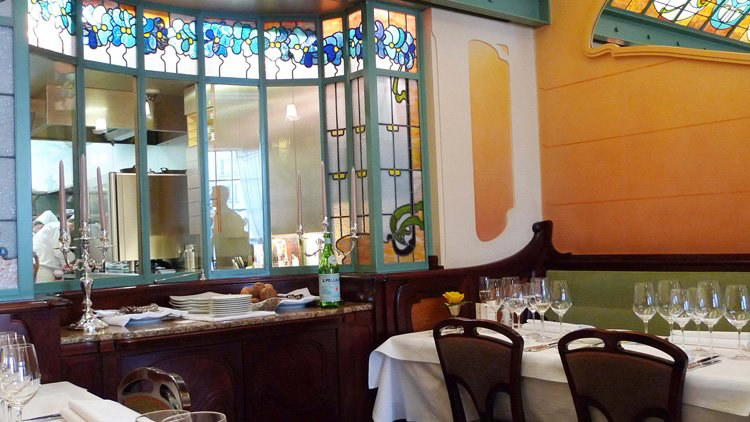
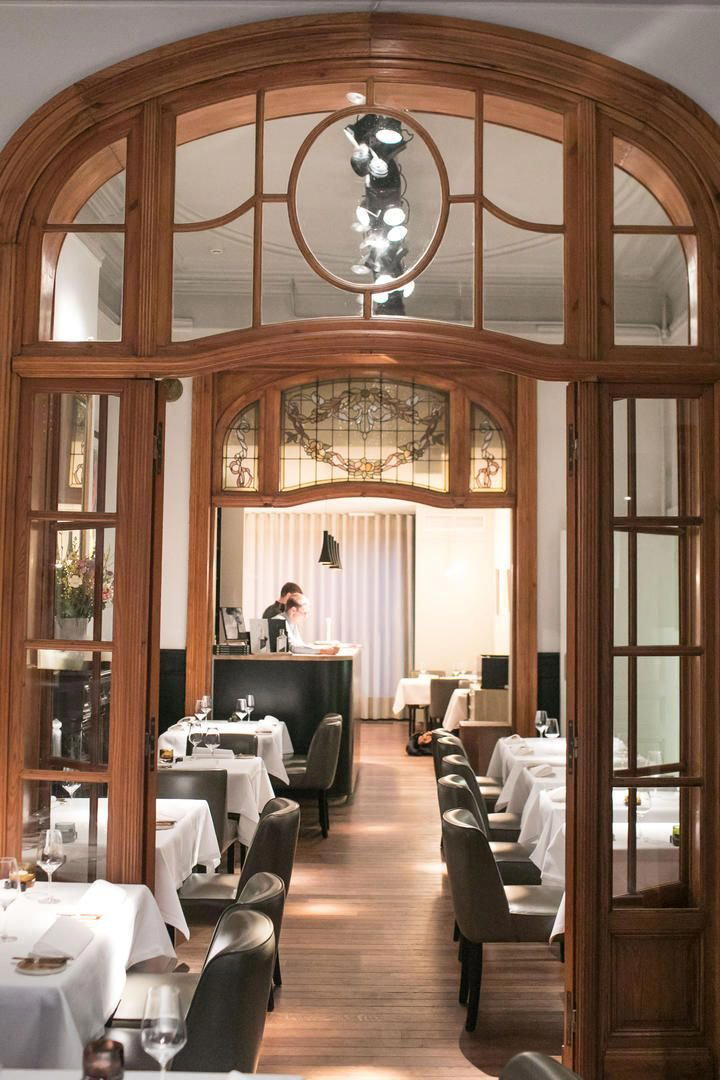
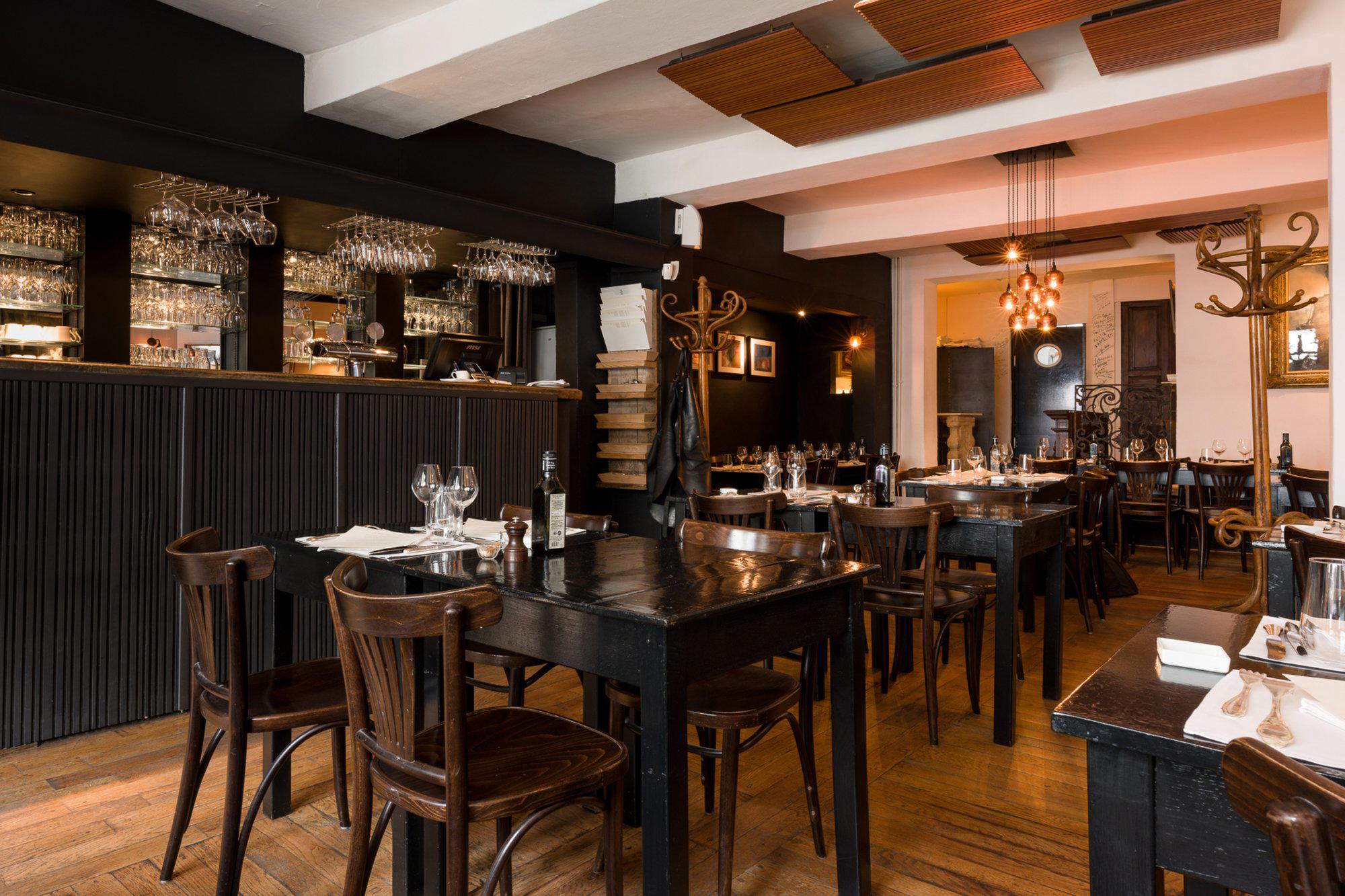
Crisp, clean-lined modern dining room with wide windows framing golf course views; refined yet relaxed atmosphere with ample spacing between tables for privacy.