CLINT Roquette sits on Rue de la Roquette in the 11th arrondissement, a street that has become one of the more telling addresses for Paris's contemporary dining shift away from the grand boulevards. The restaurant occupies the space where neighbourhood ambition and a changing Parisian dining culture converge, making it a reference point for the 11th's evolving food scene.
Pearl is the En Primeur Club membership app — saves, bookings, and concierge access live there. Same editors, same standards.
- Address
- 174 Rue de la Roquette, 75011 Paris, France
- Phone
- +33 1 73 71 51 55
- Website
- instagram.com
- Directions
- Get directions
 Saves & bookings on Pearl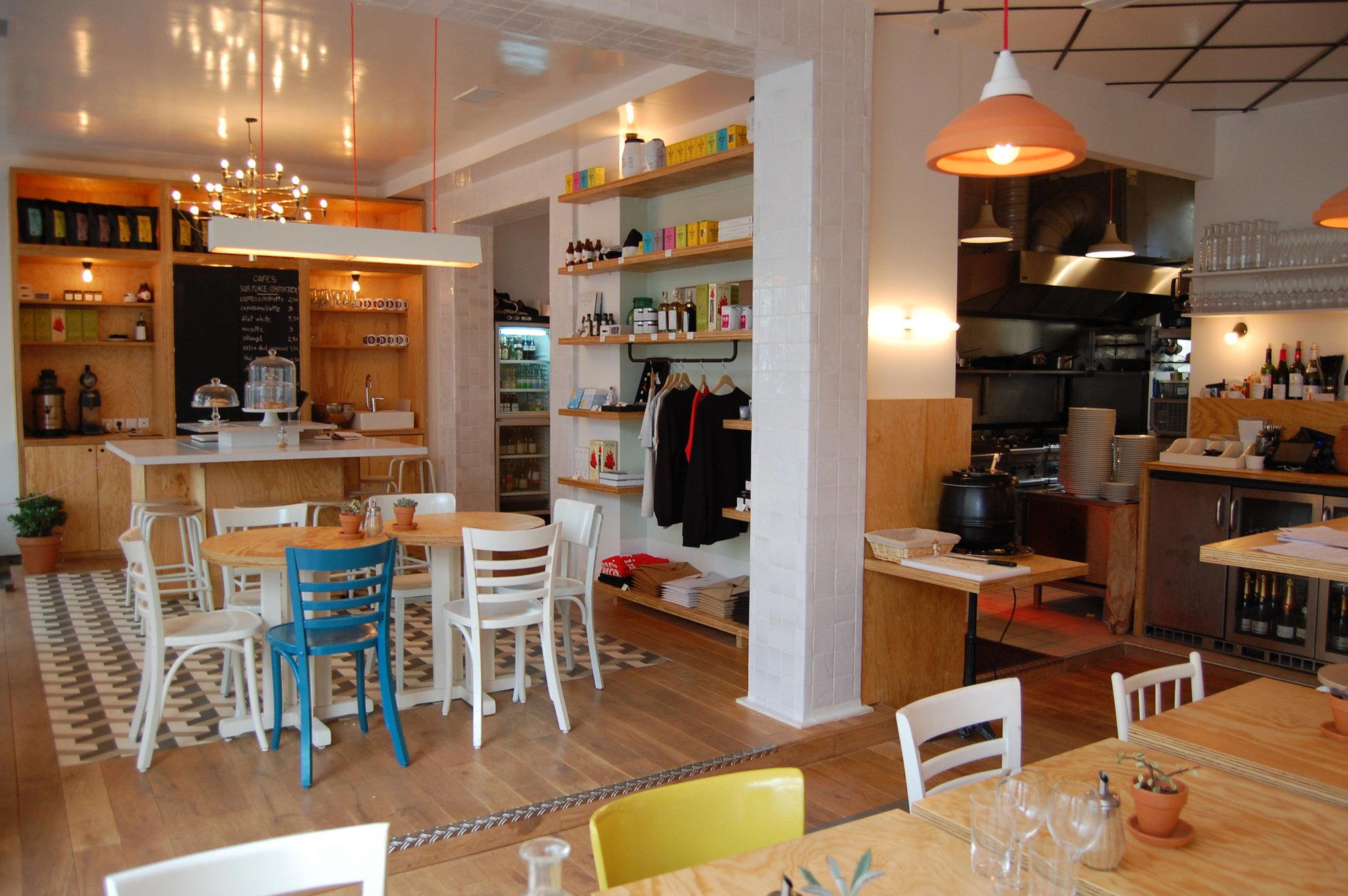
The 11th Arrondissement and the New Grammar of Parisian Dining
Rue de la Roquette runs northeast from the Place de la Bastille through the 11th arrondissement, and for the past decade it has functioned as an informal barometer of where Paris dining is heading. The grand institutions of the 8th — places like Le Cinq at the Four Seasons George V and L'Ambroisie on the Place des Vosges — represent one version of French culinary identity: marble, ceremony, and a canon of classic technique. The 11th represents something else entirely. Here, the room is the message. Smaller, less formal, and often more interesting in what it signals about where ambition goes when it escapes the palace hotels and the Michelin-starred dining rooms of the Right Bank.
CLINT Roquette, at 174 Rue de la Roquette, belongs to this second category. The address alone positions it inside a neighbourhood that has been reshaping the Parisian restaurant conversation, less tablecloth, more intent. Approaching from the Bastille end of the street, the character of the neighbourhood is cumulative: wine bars, natural wine bottle shops, compact restaurant frontages. The density of serious eating in this arrondissement has made it a genuine alternative to the city's more celebrated dining districts, rather than a fallback.
Cultural Roots: What the 11th Says About France's Culinary Conversation
France's dining culture has always been plural, even when it presented a unified face to the world. The Michelin-starred palaces in the Champs-Élysées corridor or the technically demanding kitchens behind places like Arpège occupy the internationally visible tier. Beneath that, and sometimes more revealing of where French cooking is actually moving, sits a dense layer of neighbourhood restaurants that take technique seriously without performing it for an audience expecting crystal and ceremony.
The 11th has become a focal point for this layer. The arrondissement's restaurant culture draws partly on the bistronomy movement, the early-2000s shift in which alumni of starred kitchens opened affordable, ingredient-focused rooms in working-class neighbourhoods, and has since evolved into something more varied. You'll find wine-forward addresses operating with natural producer lists, Japanese-influenced counters applying French product logic, and kitchens that combine classical French training with reference points drawn from across the Mediterranean. The through-line is a willingness to treat the room itself as a statement: if you are eating seriously here, you are choosing to do so without the scaffolding of luxury signifiers. Compare this to the trajectory of Kei in the 1st, which plants Japanese precision inside a more conventional fine-dining frame, and the contrast in approach becomes clear.
France's regional dining traditions, the long lineage running from Auberge de l'Ill in Alsace through Bras in the Aubrac to Troisgros in the Loire, have always grounded French cooking in landscape and locality. Paris absorbs those traditions and recombines them, and the 11th is where that recombination tends to feel most alive right now. Houses like Paul Bocuse outside Lyon, Georges Blanc in Vonnas, or Michel Guérard in Eugénie-les-Bains carry French culinary heritage in a particular key, rooted, regional, and institution-shaped. The 11th's leading addresses answer a different question: what does French culinary ambition look like when it operates without institutional support?
Where CLINT Roquette Sits in This Picture
The name CLINT carries a deliberate bluntness. In a city where restaurant naming conventions have historically trended toward classical allusion or founder surnames, a monosyllabic English-language name on a Parisian restaurant signals something about positioning: this is not a house trying to inherit the language of the grands restaurants. The address at 174 Rue de la Roquette reinforces that reading. It places the restaurant inside the arrondissement's more experimental corridor rather than adjacent to the Marais institutions or the Boulevard Beaumarchais addresses that attract a more tourist-facing crowd.
Within the broader spectrum of Paris dining, CLINT Roquette occupies a tier that has been growing in critical relevance, serious cooking without the full ceremony of the city's starred establishments. This is the same tier that has produced some of Paris's most-discussed openings over the past several years, where the competitive frame is not the palace hotels but the other neighbourhood restaurants attracting the city's more food-literate diners. For context on what that full spectrum looks like, the EP Club Paris restaurants guide maps the city's dining from palace-level institutions to neighbourhood-scale rooms.
The 11th, as a dining district, also benefits from an active late-night culture and a high density of natural wine bars, which means the neighbourhood's restaurant ecosystem extends beyond dinner service in ways that more formal districts do not. For travellers oriented around the food-and-wine axis rather than the monument circuit, this arrondissement has a different logic to it than the more obviously tourist-facing 1st or 4th.
The Broader French Fine Dining Frame
Understanding CLINT Roquette requires situating it relative to what France's serious dining culture looks like at scale. At the top of that scale sit restaurants with multi-decade records and international recognition: Mirazur in Menton, Flocons de Sel in Megève, Auberge du Vieux Puits in Fontjoncouse, and La Table du Castellet in Le Castellet, each operating in a regional context where provenance and setting are inseparable from the cooking. Paris-based restaurants occupy a different position in that ecosystem: they are not selling landscape, they are selling access to the city's culinary talent pool and the particular energy that produces.
For comparison outside France, Le Bernardin in New York represents what happens when French culinary rigour exports itself into a different market context, and Lazy Bear in San Francisco shows how communal-format dining has developed its own credibility outside the French tradition entirely. CLINT Roquette is neither of those things; it is specifically Parisian in its format and its neighbourhood, which is part of what makes it a reference point rather than a transplant.
Planning a Visit
174 Rue de la Roquette is reachable from the Voltaire or Rue des Boulets metro stops (lines 9 and 9 respectively), both within short walking distance. The 11th arrondissement's restaurant concentration means a meal here can anchor a longer evening in the area without requiring a cross-city journey. The neighbourhood itself warrants arriving with time to spare: the stretch of Rue de la Roquette between Bastille and the restaurant has enough to occupy an hour before or after dinner.
Price Lens
| Venue | Cuisine | Price | Awards |
|---|---|---|---|
| CLINT RoquetteThis venue — the venue you are viewing | Not listed | This venue | Not listed |
| Alléno Paris au Pavillon Ledoyen | Creative | €€€€ | Michelin 3 Star |
| Kei | Contemporary French, Modern Cuisine | €€€€ | Michelin 3 Star |
| L'Ambroisie | French, Classic Cuisine | €€€€ | Michelin 3 Star |
| Le Cinq - Four Seasons Hôtel George V | French, Modern Cuisine | €€€€ | Michelin 3 Star |
| Pierre Gagnaire | French, Creative | €€€€ | Michelin 3 Star |
Continue exploring
More in Paris
Restaurants in Paris
Browse all →
Bars in Paris
Browse all →
Hotels in Paris
Browse all →
At a Glance
- Modern
- Cozy
- Bohemian
- Trendy
- Brunch
- Casual Hangout
- Family
- Group Dining
- Open Kitchen
- Standalone
- Beer Program
Bright, relaxed, and contemporary urban atmosphere with big bay windows, light wood furnishings in pastel colors, and an open kitchen creating a lively yet welcoming environment.