Parenthèse Eat & Drink occupies a narrow corner of the 10th arrondissement's Rue de Mazagran, a street that has quietly become one of the more considered eating destinations on Paris's right bank. The address sits within a neighbourhood tier that prizes casual precision over ceremony, where the conversation around sourcing and waste reduction has moved from marketing language into actual kitchen practice.
Pearl is the En Primeur Club membership app — saves, bookings, and concierge access live there. Same editors, same standards.
- Address
- 9 Rue de Mazagran, 75010 Paris, France
- Phone
- +33147702890
- Website
- parenthesebrunch.com
- Directions
- Get directions
 Saves & bookings on Pearl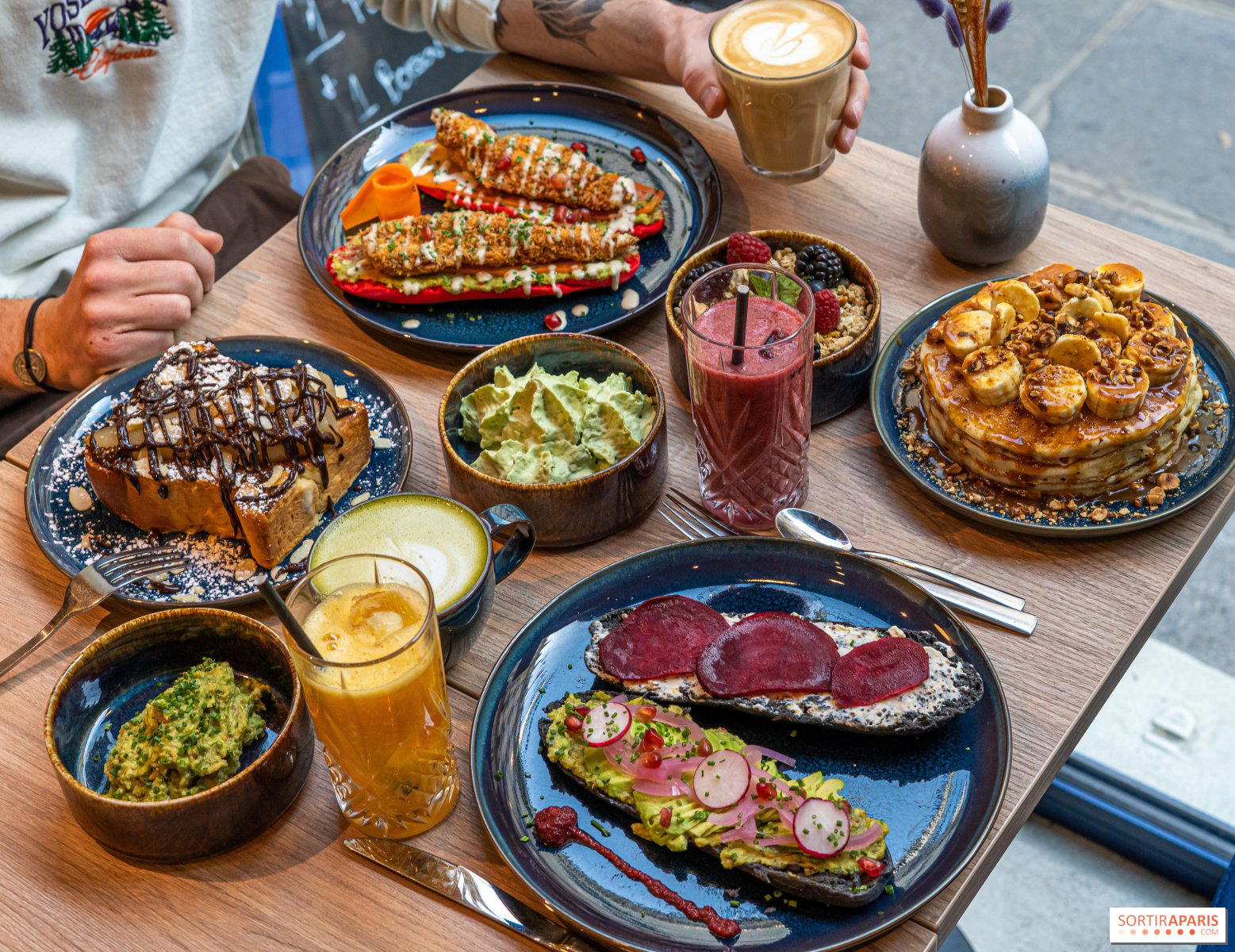
The 10th Arrondissement's Shift Toward Conscious Casual
Paris's dining conversation has, for most of its modern history, been pulled toward the grands établissements: the palace hotels, the multi-starred dining rooms where a meal at Parenthèse Eat & Drink is a casual American brunch restaurant in Paris, priced at about $28 per person, while a meal at L'Ambroisie or an evening at Le Cinq represents a certain codified idea of what French hospitality can be. But a quieter movement has been building in the city's less-celebrated arrondissements, particularly the 10th, where a cluster of addresses on and around Rue de Mazagran has drawn a different kind of diner: one less interested in ceremony than in specificity of sourcing, seasonal discipline, and the ethics of what ends up on the plate.
Parenthèse Eat and Drink sits on that street, at number 9, and fits a pattern that has become recognisable across European cities over the past decade. The format is deliberately unpretentious. The neighbourhood itself supplies part of the context: the 10th has long been a crossroads district, mixing working-class Paris with creative industries and a food culture that rewards the curious over the status-conscious. In that setting, sustainability-driven kitchens have found an audience that takes the conversation seriously rather than treating it as a trend signal.
What Ethical Sourcing Actually Looks Like in a Paris Neighbourhood Restaurant
The broader sustainability movement in French restaurants has split into two distinct expressions. At one end, houses like Mirazur in Menton and Bras in Laguiole have built their identities around deep connections to specific terroirs, with on-site gardens and documented supplier relationships that have become part of the restaurants' critical reputations. At the other end, a newer generation of neighbourhood addresses has absorbed those principles without the infrastructure, working instead through menu flexibility, whole-produce purchasing, and a willingness to let availability dictate what gets served rather than the reverse.
Parenthèse belongs to that second category. The address on Rue de Mazagran positions it within the accessible-serious tier of Parisian dining, the kind of place where the sourcing conversation happens in the cooking rather than in a printed manifesto. Across France, this approach has found traction in cities and regions where the farm-to-table supply chain is shorter and more direct: kitchens at places like Flocons de Sel in Megève and Auberge du Vieux Puits in Fontjoncouse have demonstrated that environmental discipline and serious cooking are not in tension. The urban version of that discipline, which Parenthèse represents, operates under different constraints but toward the same end.
Rue de Mazagran as an Address
The street itself is worth understanding before arriving. Rue de Mazagran runs between the Canal Saint-Martin corridor and the Grands Boulevards, a position that puts it at the edge of two distinct versions of the 10th: the more tourist-facing stretch near the canal and the older, denser commercial district to the south. Number 9 sits close enough to the Boulevard de Bonne-Nouvelle end to feel like a local address rather than a destination that has been discovered and packaged. That distinction matters in a city where particularly interesting eating happens in places that have not yet been absorbed into the standard itinerary.
For comparison, the starred dining rooms that define Paris internationally, from Alléno Paris au Pavillon Ledoyen to Kei, operate in arrondissements where the address itself is part of the proposition. The 10th offers something different: the sense that the food is the reason, not the postcode. That has made it a useful neighbourhood for formats that prioritise substance over setting, and Parenthèse's placement there is consistent with that logic.
The Wider French Context: Sustainability Beyond the Grand Restaurants
France's relationship with sustainable dining has evolved considerably since the pioneering generation of chefs made ecological consciousness a formal part of their identity. Troisgros in Ouches, Auberge de l'Ill in Illhaeusern, and the legacy of Paul Bocuse all represent a tradition in which regional sourcing was never separable from quality. What has changed is the distribution of that ethos: it is no longer confined to destination restaurants or to chefs with documented philosophical commitments. It has become a baseline expectation at a growing tier of neighbourhood addresses, particularly in Paris, where the market infrastructure, proximity to producers in Île-de-France and Normandy, and a dining public increasingly attentive to provenance have made ethical sourcing operationally possible at smaller scales.
For the reader planning a Paris itinerary that includes both the major addresses, Arpège for its documented garden-to-table commitment, or AM par Alexandre Mazzia as a point of comparison from Marseille, and the city's neighbourhood tier, Parenthèse represents the accessible end of a continuum that runs from three-Michelin-star ecological ambition down to the daily practice of a small room on a side street in the 10th. Internationally, equivalents to this tier appear at addresses like Le Bernardin in New York for its sourcing discipline, or Atomix for its menu precision, though at a considerably different price and formality level. The point of comparison is structural, not experiential: what each of those places shares is a kitchen that has made sourcing a decision rather than a default.
For a broader view of how Paris's restaurant scene layers from starred rooms to neighbourhood addresses, the EP Club Paris restaurants guide maps the full range. Regional French comparisons worth considering include Assiette Champenoise in Reims and Au Crocodile in Strasbourg, both of which demonstrate how the sourcing conversation plays out in cities with more direct access to local agricultural supply chains.
Know Before You Go
| Address | 9 Rue de Mazagran, 75010 Paris, France |
|---|---|
| Neighbourhood | 10th arrondissement, between Canal Saint-Martin and Grands Boulevards |
| Nearest Metro | Bonne-Nouvelle (lines 8 and 9) or Strasbourg-Saint-Denis (lines 4, 8, 9) |
| Ideal time to visit | Weekday evenings tend to be quieter in this part of the 10th; weekends attract a broader neighbourhood crowd |
| Booking | Reservations are recommended. |
| Price Range | About $28 per person. |
Cuisine and Credentials
Comparable venues nearby, for context on price, style, and recognition.
| Venue | Cuisine | Price | Notes |
|---|---|---|---|
| Parenthèse Eat & DrinkThis venue — the venue you are viewing | American Brunch | $$ | Not listed |
| CLINT Roquette | American Brunch & Burgers | $$ | 11th Arrondissement (Popincourt/Bastille) |
| Burger de Chez Naëlle | American Burgers | $$ | 18eme Montmartre |
| Derrière | Classic French Brasserie | $$ | Marais (3rd arrondissement) |
| Lézard Café | Classic French Brasserie | $$ | Montorgueil |
| Le Relais Du Vin | Traditional French Bistro | $$ | Les Halles |
Continue exploring
More in Paris
Restaurants in Paris
Browse all →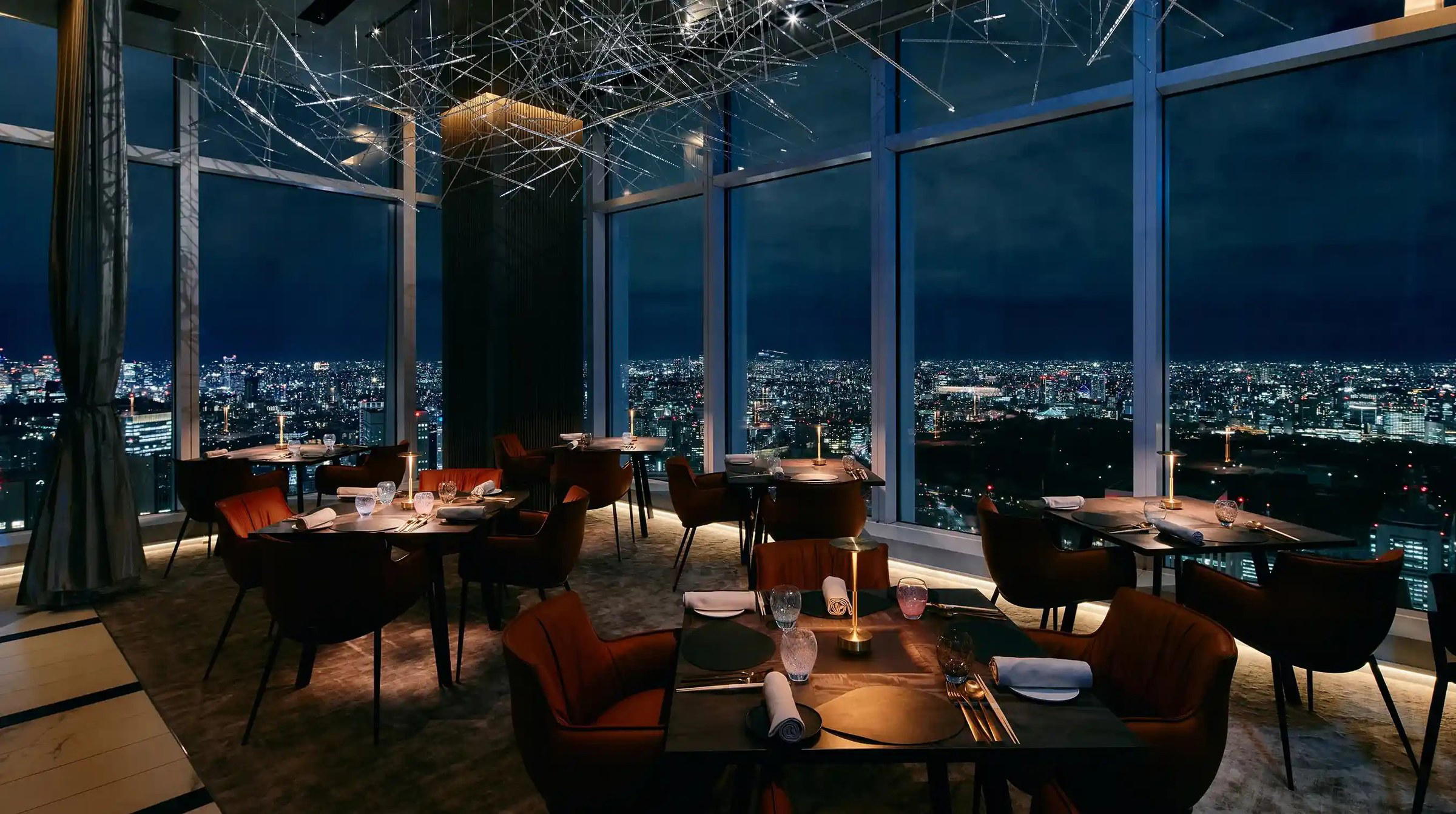
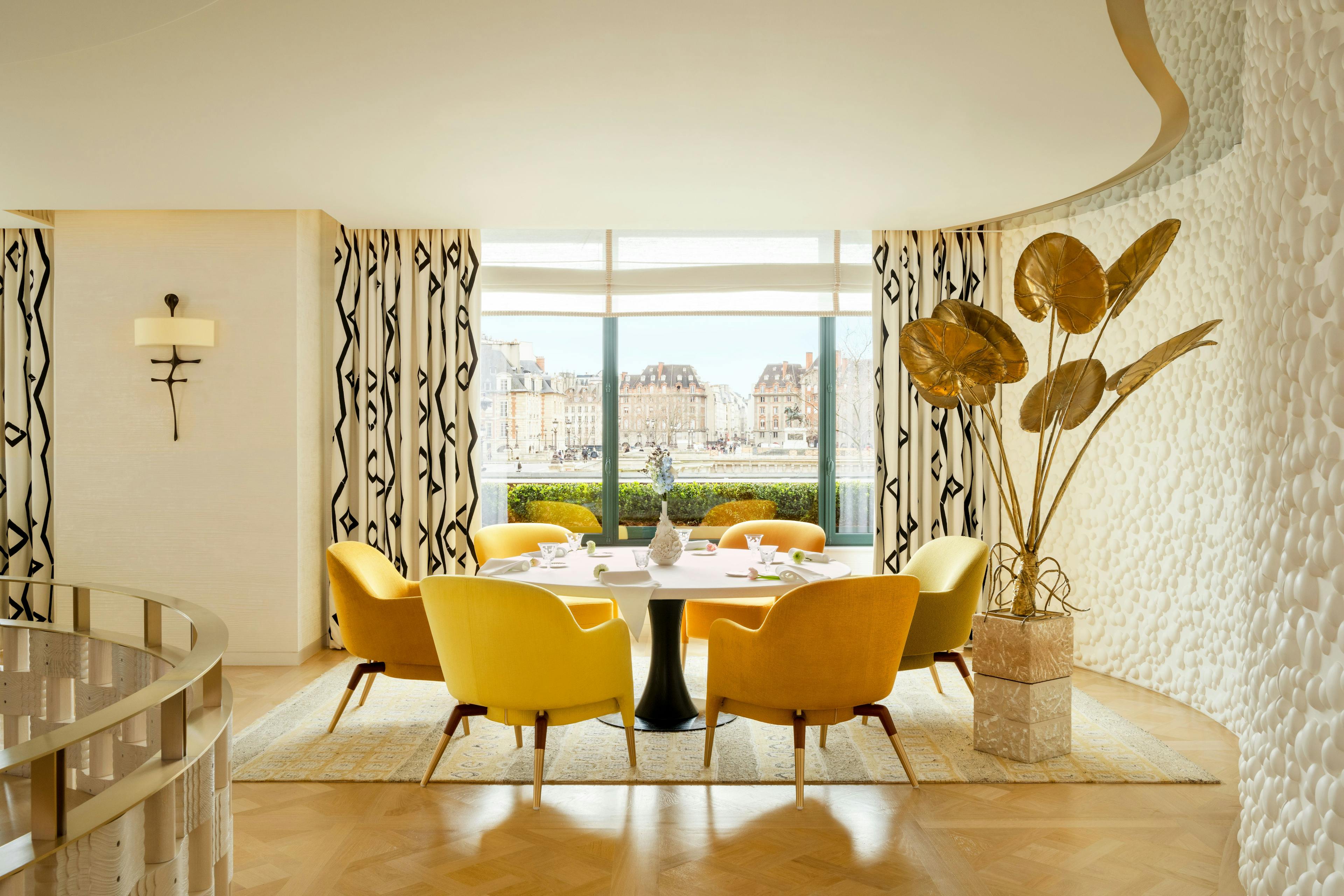
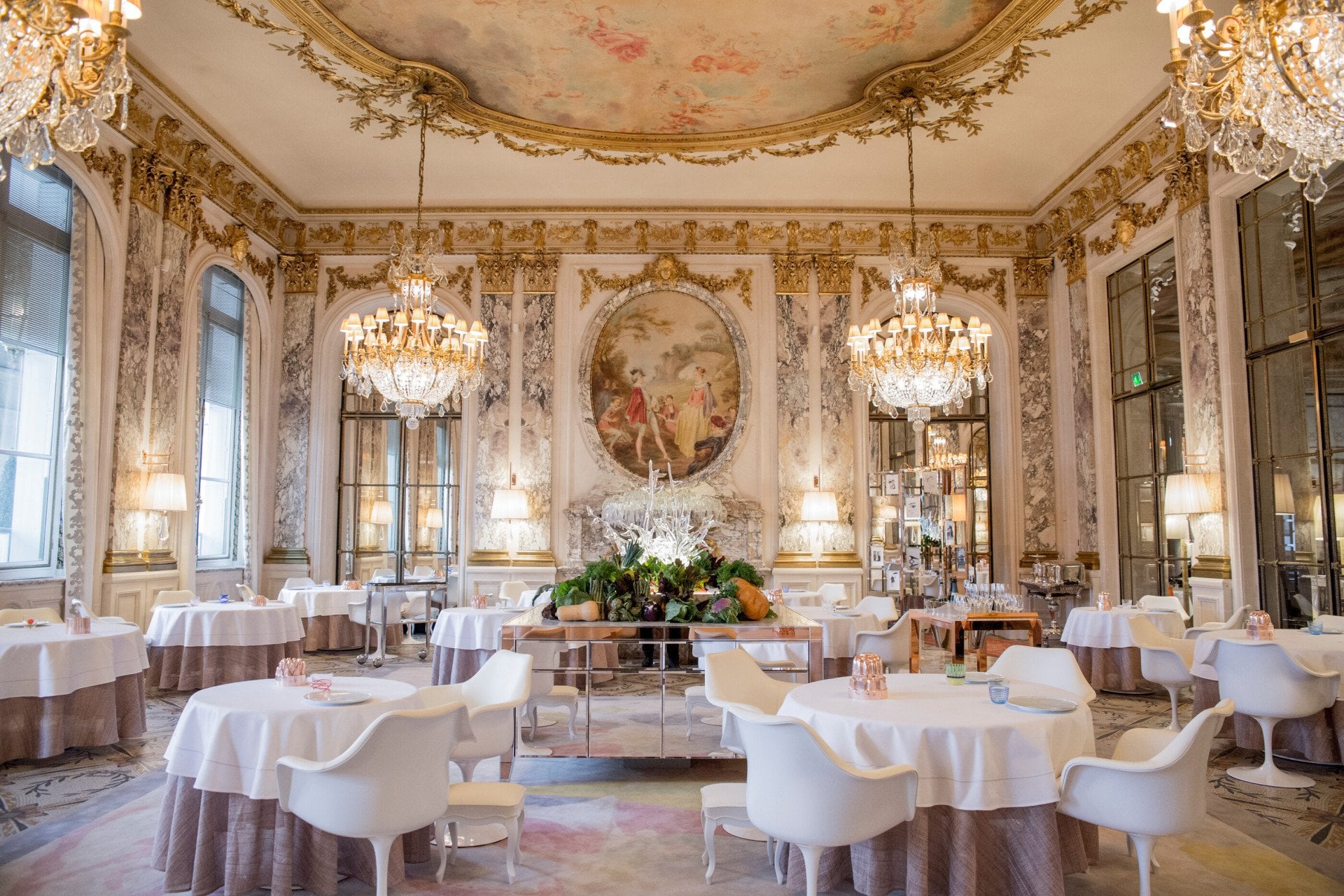
Bars in Paris
Browse all →
Hotels in Paris
Browse all →



At a Glance
- Cozy
- Modern
- Lively
- Brunch
- Casual Hangout
- Terrace
- Craft Cocktails
Current opening hours
- Monday
- 9 AM–4 PM
- Tuesday
- 9 AM–4 PM
- Wednesday
- 9 AM–4 PM
- Thursday
- 9 AM–4 PM
- Friday
- 9 AM–4 PM
- Saturday
- 9 AM–5 PM
- Sunday
- 9 AM–5 PM
Hours can change for holidays and private events. Last verified .
Cosy and warm atmosphere with modern blue-and-white decor, velvet banquettes, and a convivial setting.