Cleopatra Mediterranean Cuisine
Cleopatra Mediterranean Cuisine sits at 2701 Manhattan Blvd in Harvey, Louisiana, bringing the sourcing traditions of the broader Mediterranean pantry to the west bank of greater New Orleans. The restaurant operates in a strip-mall format typical of Harvey's dining scene, where unpretentious addresses often shelter kitchens with serious intentions. For the area, a Mediterranean option at this address offers a distinct counterpoint to the Gulf Coast and Southern cooking that dominates the surrounding blocks.
Pearl is the En Primeur Club membership app — saves, bookings, and concierge access live there. Same editors, same standards.
- Address
- 2701 Manhattan Blvd #24, Harvey, LA 70058
- Phone
- +15043611113
- Website
- cleocuisine.com
 Saves & bookings on Pearl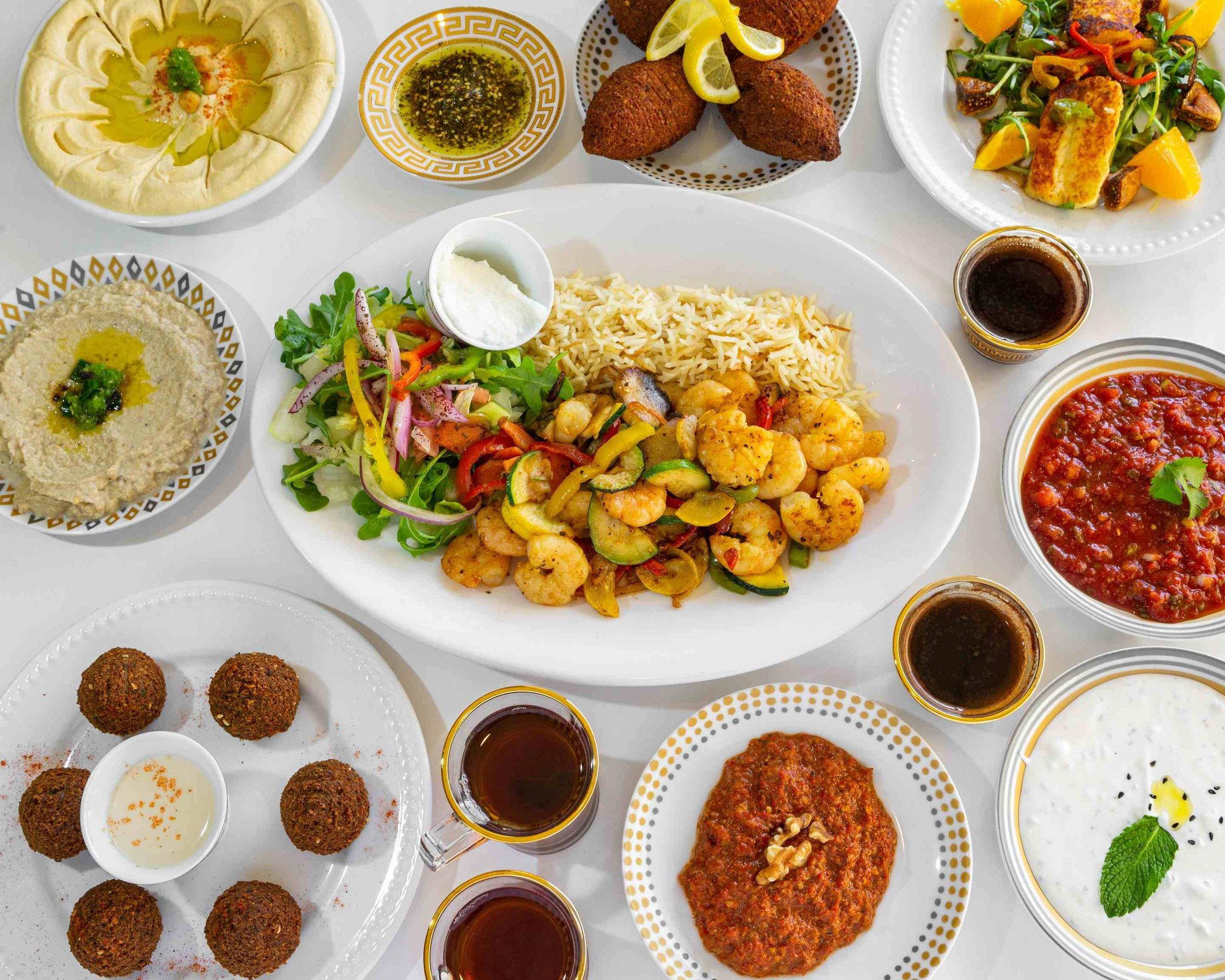
Harvey, Louisiana and the Case for Mediterranean Sourcing in Gulf Country
Harvey sits on the west bank of the Mississippi, separated from New Orleans proper by the river and connected to it by bridge and by the same restless appetite that defines the broader metro area. Dining here runs toward the deeply local: Gulf seafood, Southern comfort food, and the Creole-Cajun continuum that stretches across Jefferson Parish. That context makes Cleopatra Mediterranean Cuisine, a Palestinian-Mediterranean restaurant in Harvey, Louisiana, worth reading carefully. Mediterranean cuisine in the American South is not rare, but it carries a specific set of sourcing assumptions that sit in productive tension with the regional larder around it.
The Mediterranean pantry is, at its core, a sourcing argument. Olive oil over butter, legumes over heavy cream, preserved citrus and cured fish over fresh-only preparation, and a reliance on herbs that grow in dry, sunny climates: thyme, oregano, za'atar, sumac. When those ingredients arrive in a Gulf Coast context, they meet a region that already has its own deeply sourced identity. Louisiana's oysters, blue crab, and shrimp are among the most geographically specific ingredients in American cooking. The question any Mediterranean kitchen in this geography must answer is how it navigates that overlap, or whether it simply ignores it and imports its pantry wholesale.
That tension is not unique to Harvey. Across the United States, Mediterranean restaurants operating in regions with strong local food identities tend to occupy one of two positions: they treat the cuisine as a fixed import, or they read the local market as a source of compatible ingredients. The latter approach has driven some of the more compelling cooking in American cities over the past decade, at places like Providence in Los Angeles, where California's coastal sourcing informs a kitchen that borrows Mediterranean technique, or Oyster Oyster in Washington, D.C., which applies a hyper-local sourcing ethic to a format that would fit comfortably in a European context.
Strip-Mall Format and What It Signals About the Room
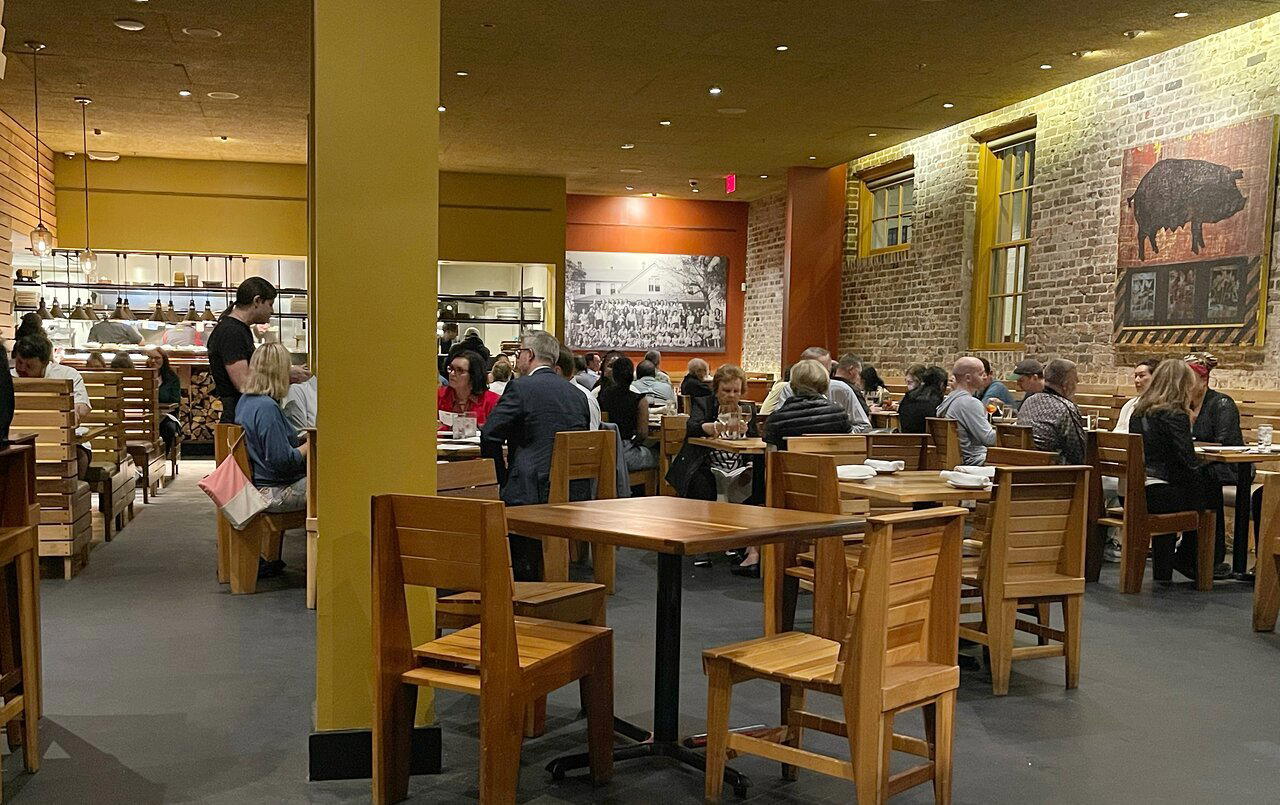
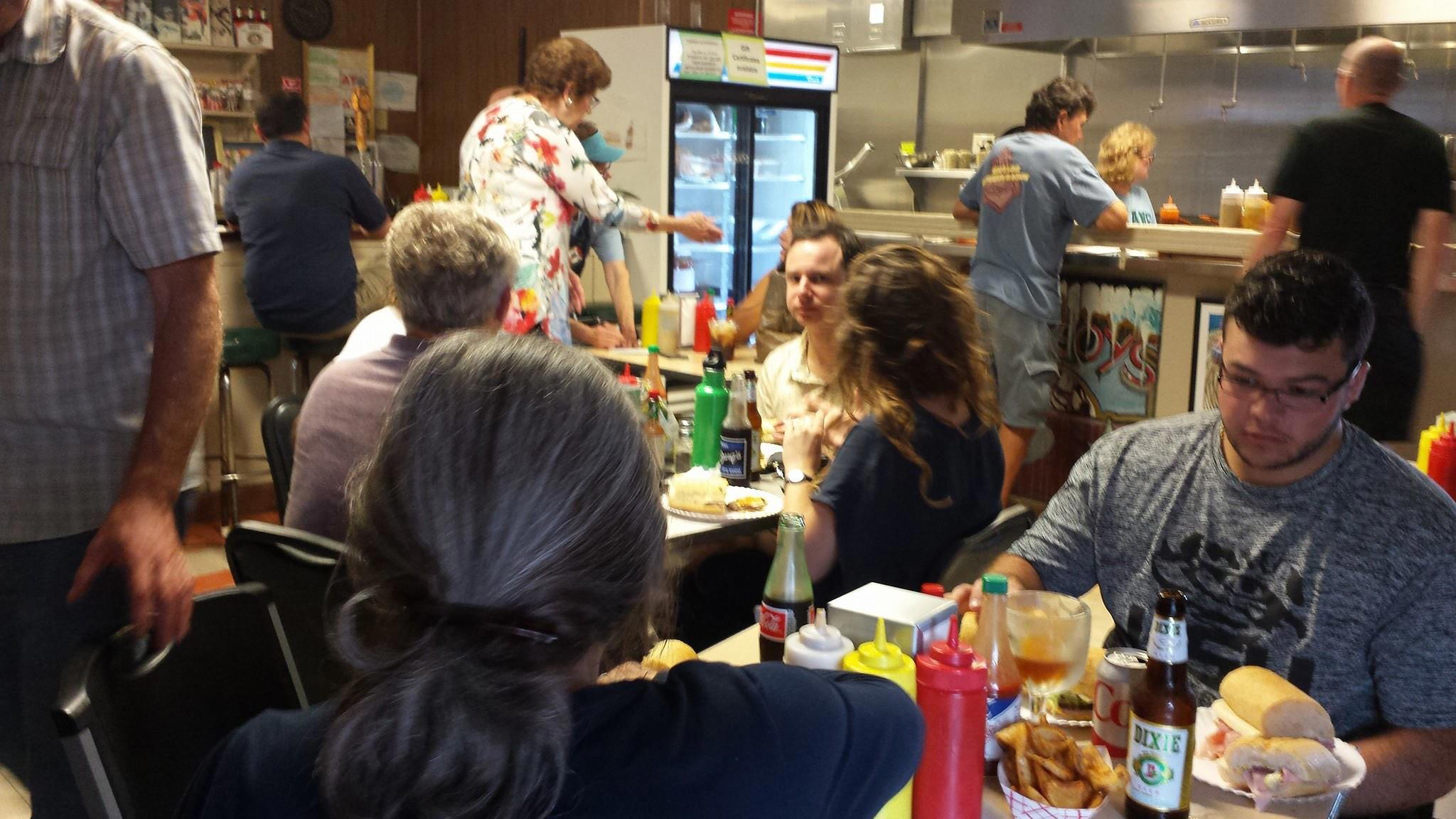
Harvey's dining addresses tend toward the utilitarian. The west bank has not attracted the kind of design investment that has followed fine dining into neighborhoods like the Warehouse District across the river, and the strip-mall format at Manhattan Blvd is consistent with the area's broader hospitality character. That format carries its own logic. Overhead is lower, which can translate into more spending on the kitchen and the plate. The room's atmosphere is generally shaped by the crowd rather than by an interior design concept, which means the social temperature varies by service.
For a Mediterranean kitchen, a modest room is not a liability. Much of the cuisine's home context is exactly this: functional spaces where the food is the point, whether a Lebanese meze counter, a Greek family taverna, or a Turkish kebab house where the sourcing of the meat is the entire conversation. The expectation of atmosphere, in the fine-dining sense, is largely a Western European and American addition to cuisines that predate that framing by centuries.
Harvey's dining scene, covered in more detail in our full Harvey restaurants guide, includes options at various price points across the Southern and American spectrum. For a sense of the soul food end of the local range, Chicken's Kitchen represents a different but equally rooted approach to the west bank table.
Mediterranean Cuisine and the Sourcing Question
The Mediterranean diet, in culinary rather than nutritional terms, is a sourcing system built around what specific climates and coastlines produce in abundance. Olive trees, grape vines, wheat, legumes, and the fish of inland seas define the base. Lamb and goat appear across the region in different preparations, from Moroccan slow braise to Greek grill to Turkish spice-forward kebab. The herb palette is consistent enough across the region's many national expressions that sourcing quality in oregano, mint, parsley, and dried spice blends is as determinative of plate quality as any protein decision.
For a kitchen operating in south Louisiana, the local market offers several points of genuine advantage. Gulf shrimp, blue crab, and oysters can carry Mediterranean preparation, particularly the lighter olive-oil-and-citrus frameworks of Greek and Levantine cooking, with more elegance than the richer preparations those ingredients attract in Creole cooking. The geographic proximity to some of America's finest shellfish sourcing is a structural advantage that any serious kitchen in the area holds.
The sourcing conversation at the highest levels of American dining has moved firmly toward regional provenance. Single Thread Farm in Healdsburg and Blue Hill at Stone Barns in Tarrytown have built their entire editorial identity around the sourcing argument. Smyth in Chicago and The Wolf's Tailor in Denver operate in a similar register. These are not peer comparisons for a Harvey strip-mall address, but they illustrate that sourcing transparency has become a credibility signal across the full price range of American dining, not only at the upper end. A neighborhood Mediterranean kitchen that can point clearly to where its lamb comes from, which olive oil it uses and why, and how it sources its preserved ingredients sits on the right side of a conversation that is no longer exclusively about fine dining.
Planning a Visit
Cleopatra Mediterranean Cuisine is located at 2701 Manhattan Blvd, suite 24, in Harvey, Louisiana, 70058. Harvey is accessible from New Orleans via the Crescent City Connection bridge and is a short drive from the French Quarter and the Central Business District. The restaurant sits in a commercial strip on Manhattan Blvd, which is one of the main arterials through Harvey's retail corridor. Current hours are Mon: Closed; Tue to Thu: 11 AM to 9 PM; Fri and Sat: 11 AM to 10 PM; Sun: 11 AM to 8:30 PM. Reservations are recommended, and the price tier is moderate. For broader context on what the greater New Orleans area offers in terms of serious restaurant dining, Emeril's in New Orleans remains a useful reference point for the region's upper tier, and ITAMAE in Miami shows how Gulf-adjacent cities are using coastal sourcing within non-American culinary frameworks in ways that parallel what is possible in south Louisiana.
For readers planning a longer itinerary that uses New Orleans as a base for exploring ingredient-driven American cooking more broadly, the sourcing-focused programs at Addison in San Diego, Frasca Food and Wine in Boulder, The Inn at Little Washington, Lazy Bear in San Francisco, Atomix in New York City, Le Bernardin in New York City, and Atelier Moessmer Norbert Niederkofler in Brunico each illustrate, in different ways, what a kitchen looks like when sourcing becomes a governing editorial principle rather than a marketing point. The French Laundry in Napa remains the canonical American reference for that discipline at the highest level of investment.
At-a-Glance Comparison
Comparable venues nearby, for context on price, style, and recognition.
| Venue | Cuisine | Price | Awards | Notes |
|---|---|---|---|---|
| Cleopatra Mediterranean CuisineThis venue — the venue you are viewing | Palestinian-Mediterranean | $$ | , | |
| Chicken’s Kitchen | Soul Food | $$ | , | Gretna |
| Rock 'n' Sake | Modern Japanese Sushi & Sake Bar | $$ | , | Arts District |
| Cafe Malou | New Orleans-Inspired Cafe | $$ | , | West Riverside |
| Holmes | New Orleans-Inspired Southern | $$ | , | French Quarter |
| Coco Hut | Authentic Caribbean (Jamaican-Honduran-Panamanian) | $$ | , | Esplanade Ridge |
At a Glance
- Romantic
- Cozy
- Classic
- Date Night
- Family
- Group Dining
- Casual Hangout
- Celebration
- Standalone
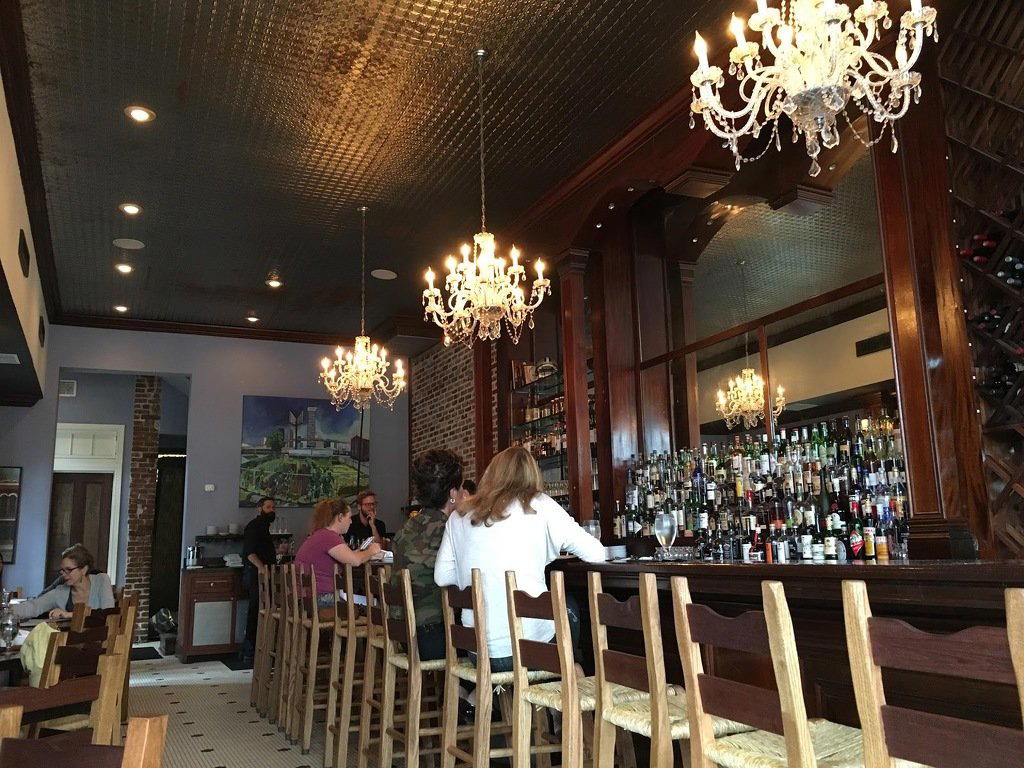
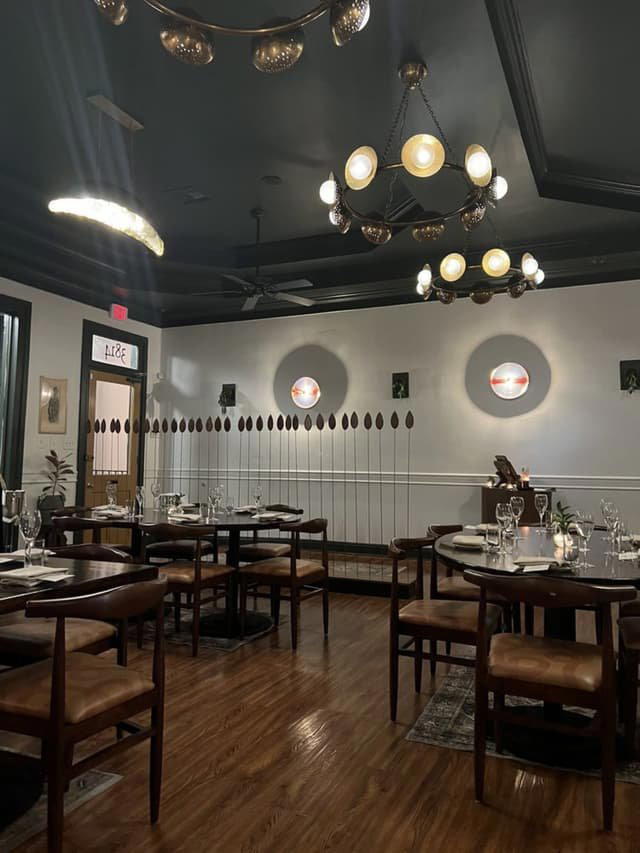
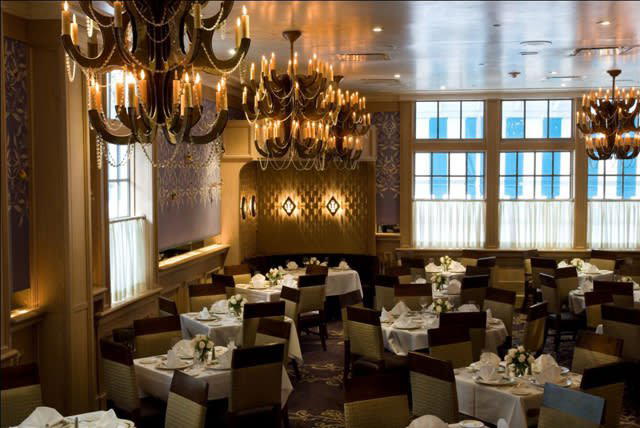
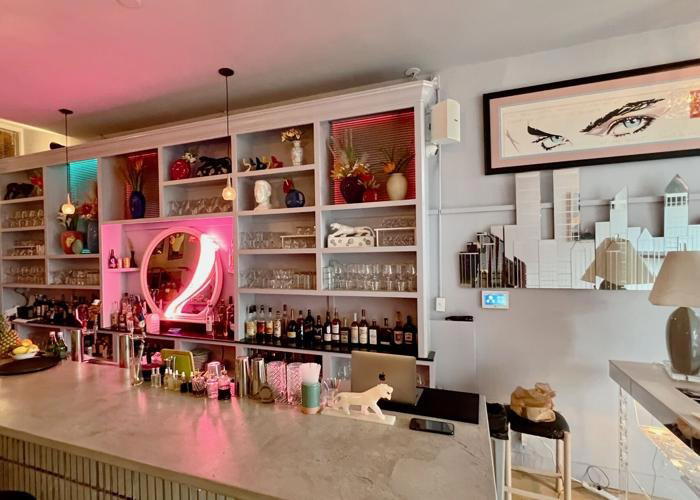
Comfortable neighborhood atmosphere with tasteful fusion of African and Mediterranean decor, white tablecloths, and warm hospitality creating a romantic yet casual dining experience.