Clay Oven
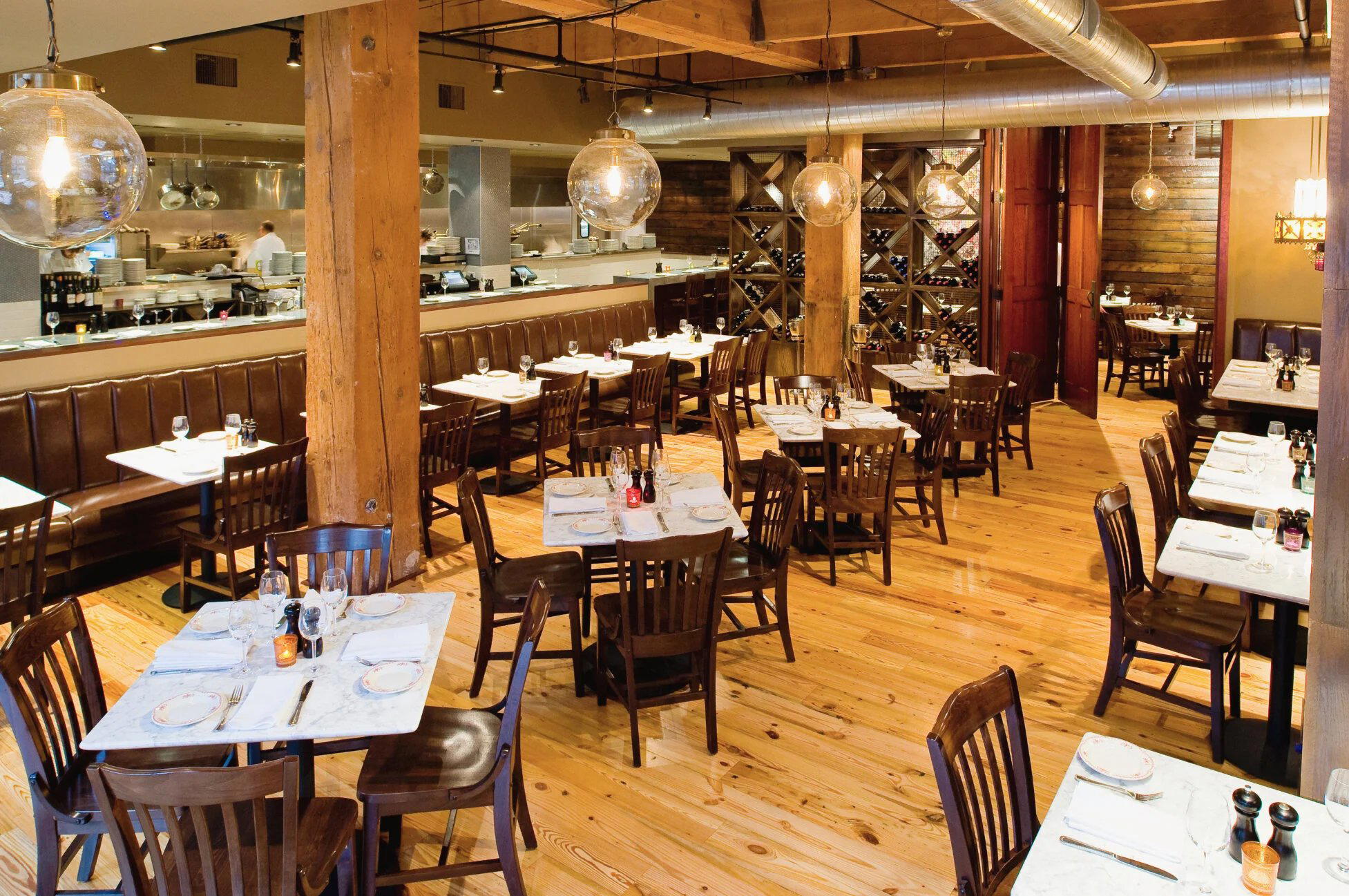
Clay Oven sits on Cheshire Lane in Plymouth, Minnesota, where the clay oven tradition — a cooking method that dates back millennia across South Asia and the Middle East — meets a suburban dining room format. The venue draws from a culinary lineage defined by high-heat radiant cooking, where the vessel itself shapes the character of every dish that emerges from it.
Pearl is the En Primeur Club membership app — saves, bookings, and concierge access live there. Same editors, same standards.
- Address
- 187 Cheshire Ln, Plymouth, MN 55441
- Phone
- +17633164389
- Website
- mnclayoven.com
- Directions
- Get directions
 Saves & bookings on Pearl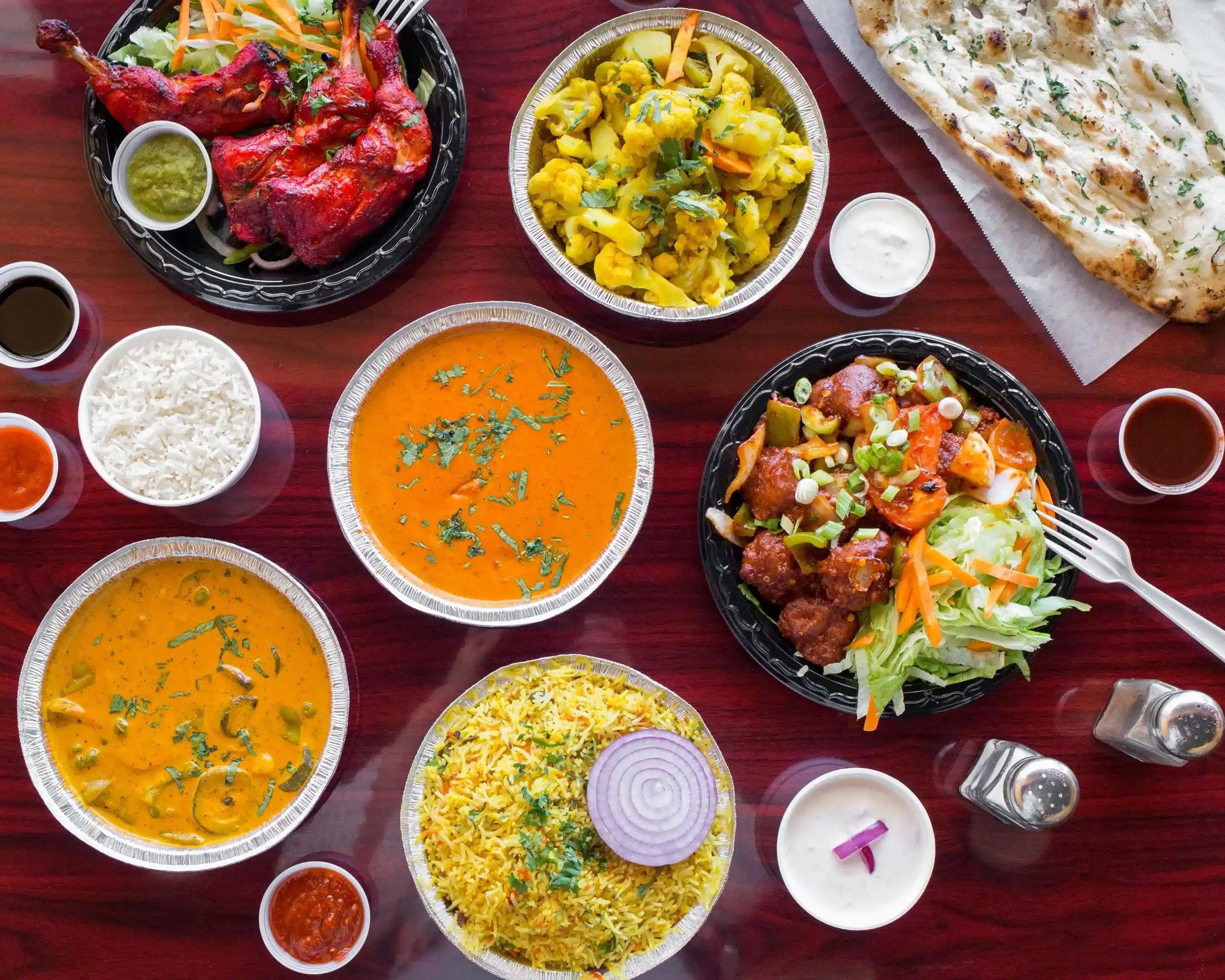
The Oven as the Argument
There is a reason that clay oven cooking has outlasted nearly every other high-heat technique in the world. The tandoor, in its various regional forms across South Asia, Central Asia, and the Levant, creates a cooking environment that no gas flame or convection system fully replicates: temperatures that routinely exceed 480 degrees Celsius at the inner wall, radiant heat that sears protein surfaces while the residual moisture inside keeps them from drying out, and a faint mineral quality imparted by the fired clay itself. Clay Oven on Cheshire Lane in Plymouth, Minnesota, operates inside that tradition, and the tradition is what matters most here.
Plymouth sits in the western suburban ring of the Twin Cities metro, a corridor where Indian and South Asian restaurants have built a steady, loyal customer base over the past two decades. Unlike the more concentrated dining districts of Dinkytown or Eat Street in Minneapolis proper, this suburban format serves communities that often drive specifically for a restaurant rather than stumbling across one. The audience for a place like Clay Oven tends to arrive with intent, which means the kitchen operates without the walk-in novelty traffic that keeps some city-centre venues afloat on volume alone.
Where the Food Comes From and Why That Changes What You Taste
Indian restaurant cooking in the United States has long operated on two supply models. The first relies on standardised spice blends and proteins sourced through broadline distributors, producing results that are consistent but rarely surprising. The second model, increasingly adopted by restaurants that want to distinguish themselves on ingredient terms rather than price, connects more directly to specific-origin spices, fresh-ground masalas, and proteins that hold up to the extreme heat of clay oven cooking without becoming anonymous.
The tandoor format rewards sourcing discipline in a specific way: because the cooking time is short and the heat is unsparing, ingredient quality is exposed rather than concealed. A chicken that has been marinated in a properly constructed yoghurt and spice mixture and then subjected to 480-degree radiant heat will either arrive at the table with character or without it. There is no sauce-heavy rescue option at that temperature. This is precisely why the sourcing argument matters more in clay oven cooking than in many other South Asian restaurant formats, where longer braises or heavily reduced gravies can compensate for weaker starting materials.
For context, the farm-to-table sourcing ethos that defines venues like Blue Hill at Stone Barns in Tarrytown or Single Thread Farm in Healdsburg rests on a similar logic: when the cooking method is precise and relatively unmasked, the provenance of the ingredient becomes the primary variable. Clay oven restaurants operating at a serious level apply the same discipline to their marinades and proteins, even if the price tier and the cultural reference points sit in an entirely different register.
Plymouth's Dining Context
Understanding Clay Oven means understanding the competitive set it operates within. Plymouth's restaurant options span a range from casual American chains to independently operated ethnic cuisines. Within the South Asian category specifically, the Twin Cities metro is a competitive environment: diners have access to a number of Indian restaurants across Minneapolis, St. Paul, and the inner-ring suburbs, which means that a venue in Plymouth must hold its own on either price, quality, or both.
The city's broader dining scene includes options like Compari's On the Park and Fiamma Grille, both of which operate in the mid-range independent category. For visitors interested in what Plymouth's dining options look like across cuisines, the full Plymouth restaurants guide covers the broader picture.
For those who want a sharper editorial angle on what distinguishes venue types in this geography, the contrast between Clay Oven's clay-fired format and the Modern British approach at Fletcher's (rated at the ££ tier) or the international format at Barbican Kitchen is instructive. Plymouth has moved, gradually, toward a more varied independent restaurant base, and Clay Oven's specific cooking tradition represents one of the more technically demanding formats in that mix.
At the national level, the sourcing-forward, technique-specific approach that the clay oven tradition represents can be compared in spirit, if not in price or scale, to what venues like Smyth in Chicago, Addison in San Diego, or Providence in Los Angeles do with their respective culinary traditions. The commitment to a defining cooking vessel or method as the organising principle of a menu is not unique to fine dining; it appears at every price point in restaurants that take the technique seriously. Le Bernardin in New York City built its identity around fish cookery as a discipline; Lazy Bear in San Francisco around a particular interpretation of American hearth cooking. The clay oven operates on a comparable organising logic, with a history that predates either of those formats by several thousand years.
Other reference points in the sourcing-led conversation include Emeril's in New Orleans, The French Laundry in Napa, The Inn at Little Washington, Atomix in New York City, and Atelier Moessmer Norbert Niederkofler in Brunico, each of which has built a distinct identity around where its ingredients originate and how that provenance shapes the final plate.
Planning Your Visit
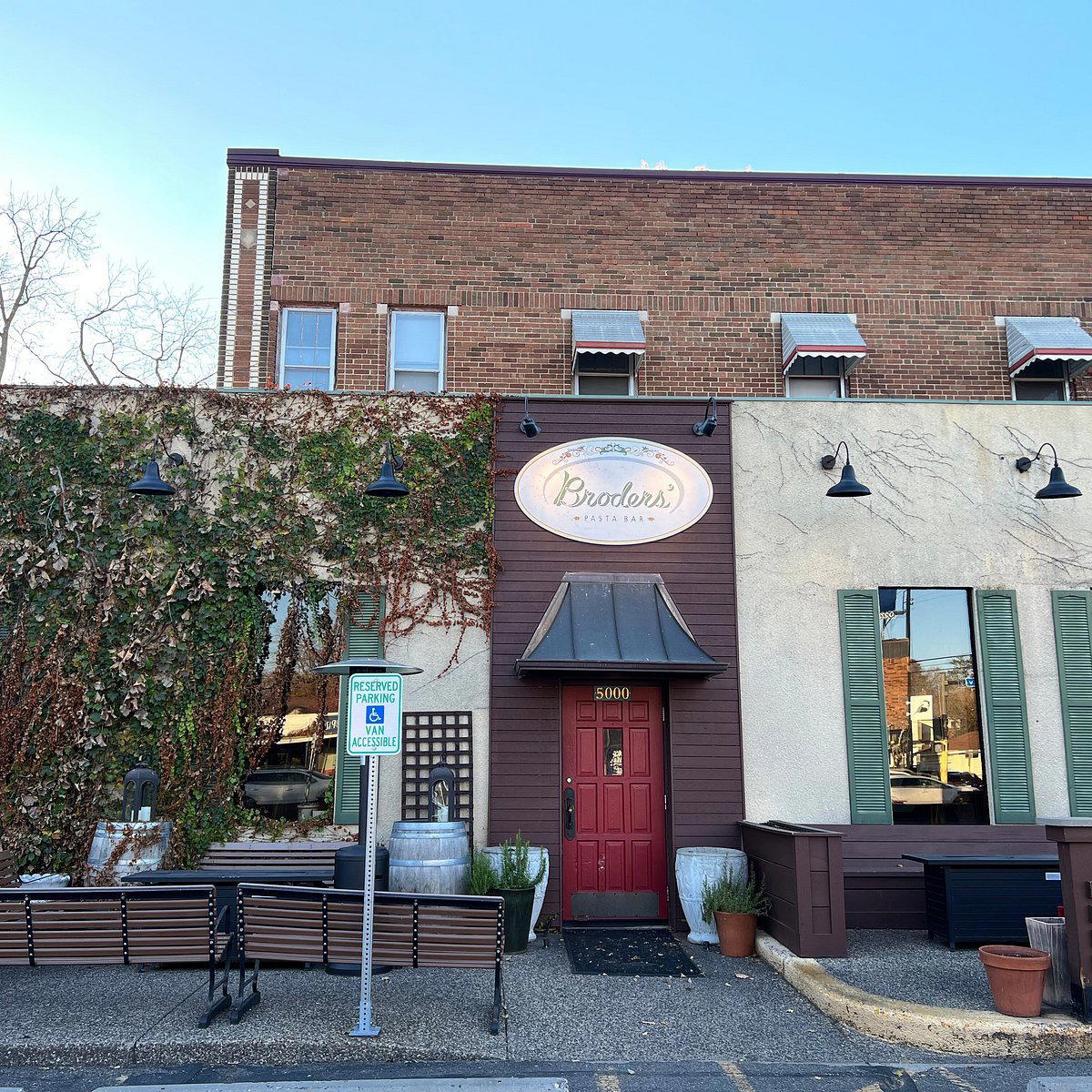
Clay Oven is located at 187 Cheshire Lane in Plymouth, Minnesota 55441. The venue sits in a suburban commercial corridor, accessible by car from the broader Twin Cities metro area. For current hours, booking arrangements, and menu information, contacting the restaurant directly or checking current local listings is advisable, as specific operational details were not available at time of writing. Walk-in availability, as with most suburban independent restaurants of this format, will vary by day of week and time of service; evenings on weekends tend to draw higher volume across Plymouth's independent dining segment generally. The KUKU venue nearby offers an alternative for evenings when Clay Oven is operating at capacity.
In Context: Similar Options
| Venue | Cuisine | Price | Awards |
|---|---|---|---|
| Clay OvenThis venue — the venue you are viewing | This venue | Not listed | Not listed |
| Fletcher's | Modern British | ££ | Modern British, ££ |
| Àclèaf | Modern Cuisine | ££££ | Modern Cuisine, ££££ |
| Barbican Kitchen | International | ££ | International, ££ |





At a Glance
- Cozy
- Family
- Group Dining
- Casual Hangout
Current opening hours
- Monday
- 11 AM–2 PM, 4–9:45 PM
- Tuesday
- 11 AM–2 PM, 4–9:45 PM
- Wednesday
- 11 AM–2 PM, 4–9:45 PM
- Thursday
- 11 AM–2 PM, 4–9:45 PM
- Friday
- 11 AM–2 PM, 4–9:45 PM
- Saturday
- 11 AM–9:45 PM
- Sunday
- 11 AM–9:45 PM
Hours can change for holidays and private events. Last verified .
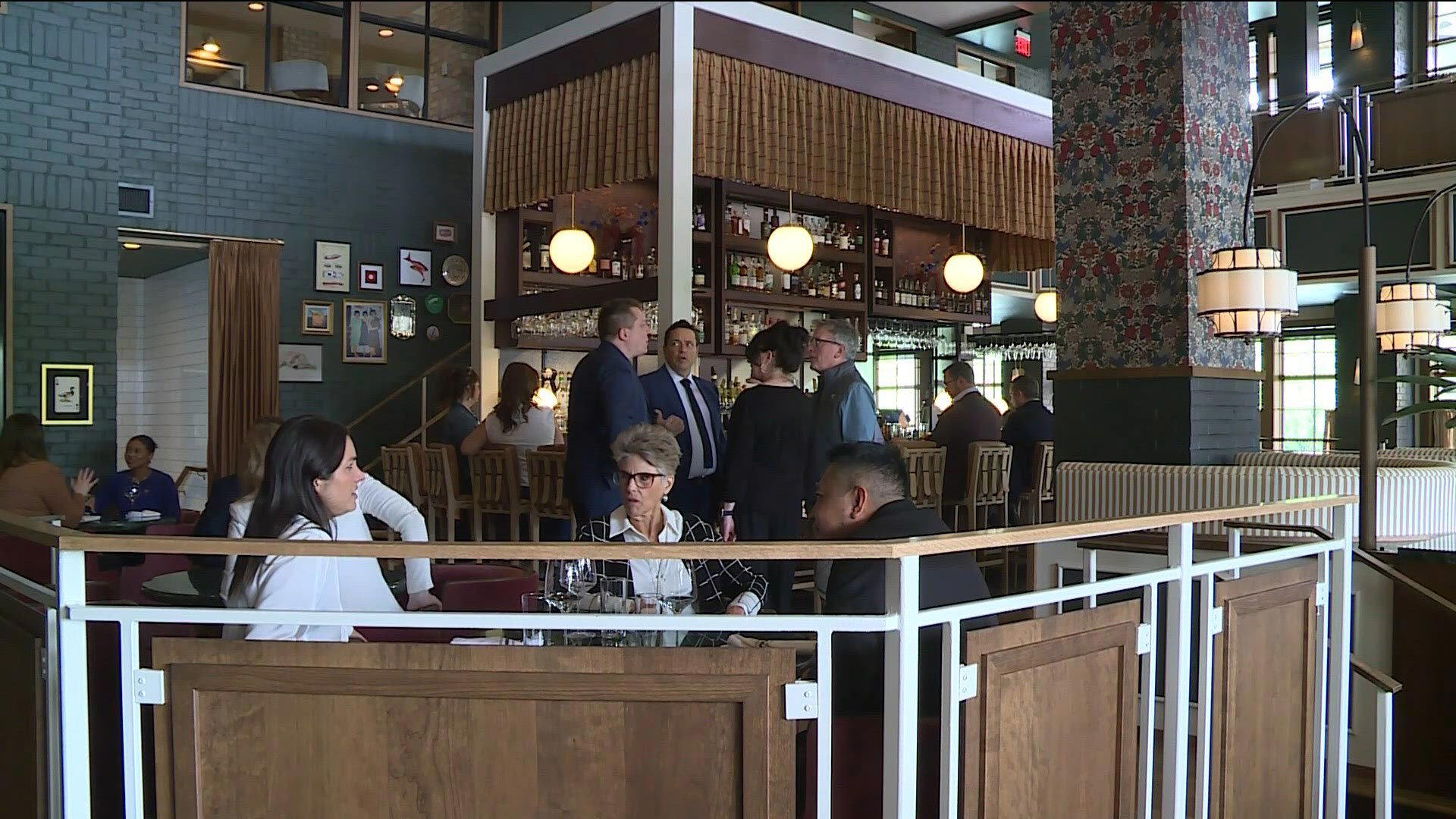
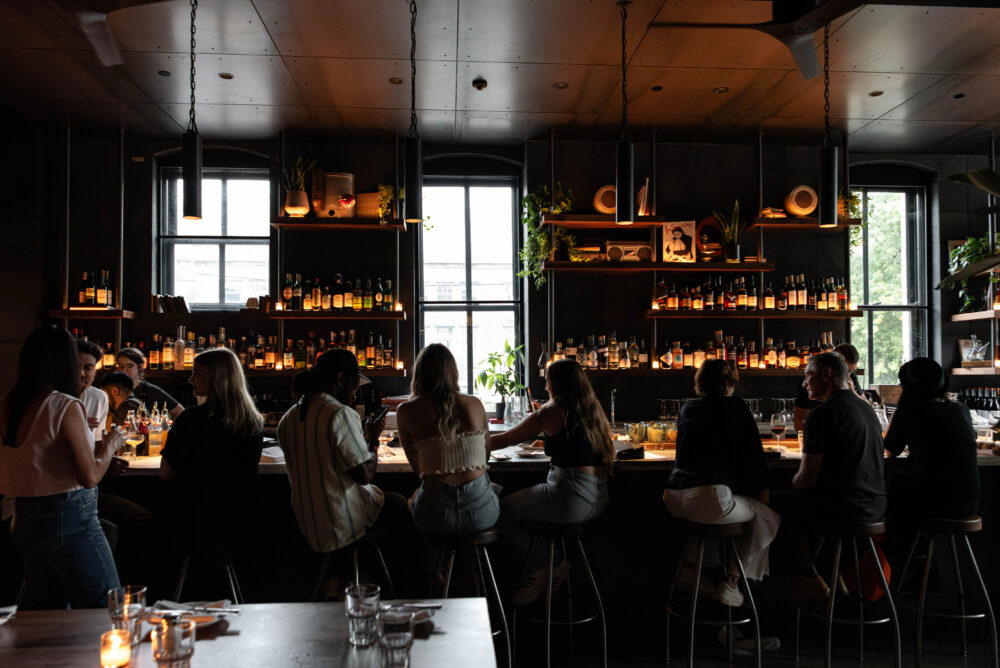
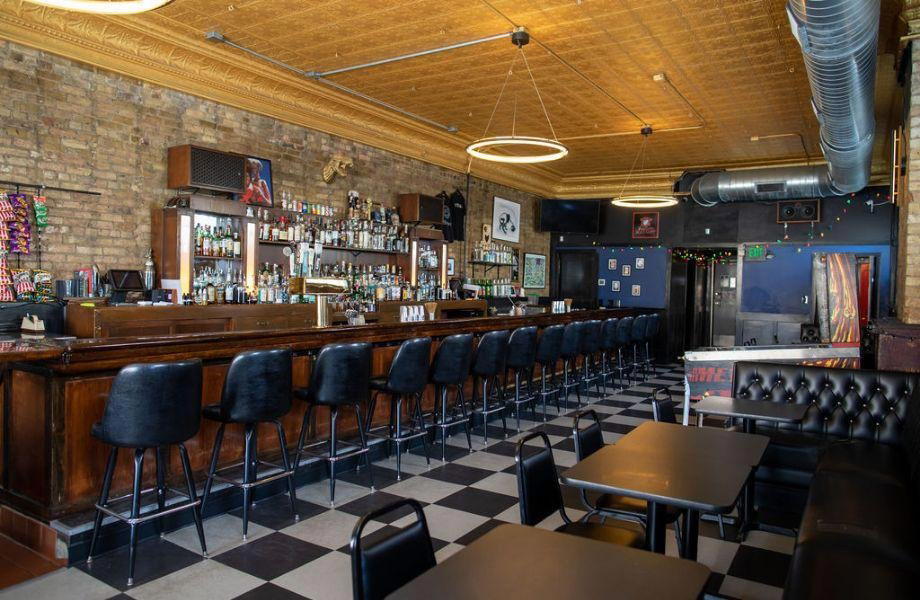
Warm and inviting atmosphere with traditional South Asian flavors.
Know Before You Go
- Getting there
- 187 Cheshire Ln, Plymouth, MN 55441