Barbican Kitchen

Michelin Plate
Our verdict
Barbican Kitchen sits inside Plymouth's Black Friars Distillery, the historic home of Plymouth Gin, serving a Michelin Plate-recognised brasserie menu of simply cooked dishes and classic comfort food.

Pearl is the En Primeur Club membership app, where members save venues, book tables and use the concierge.
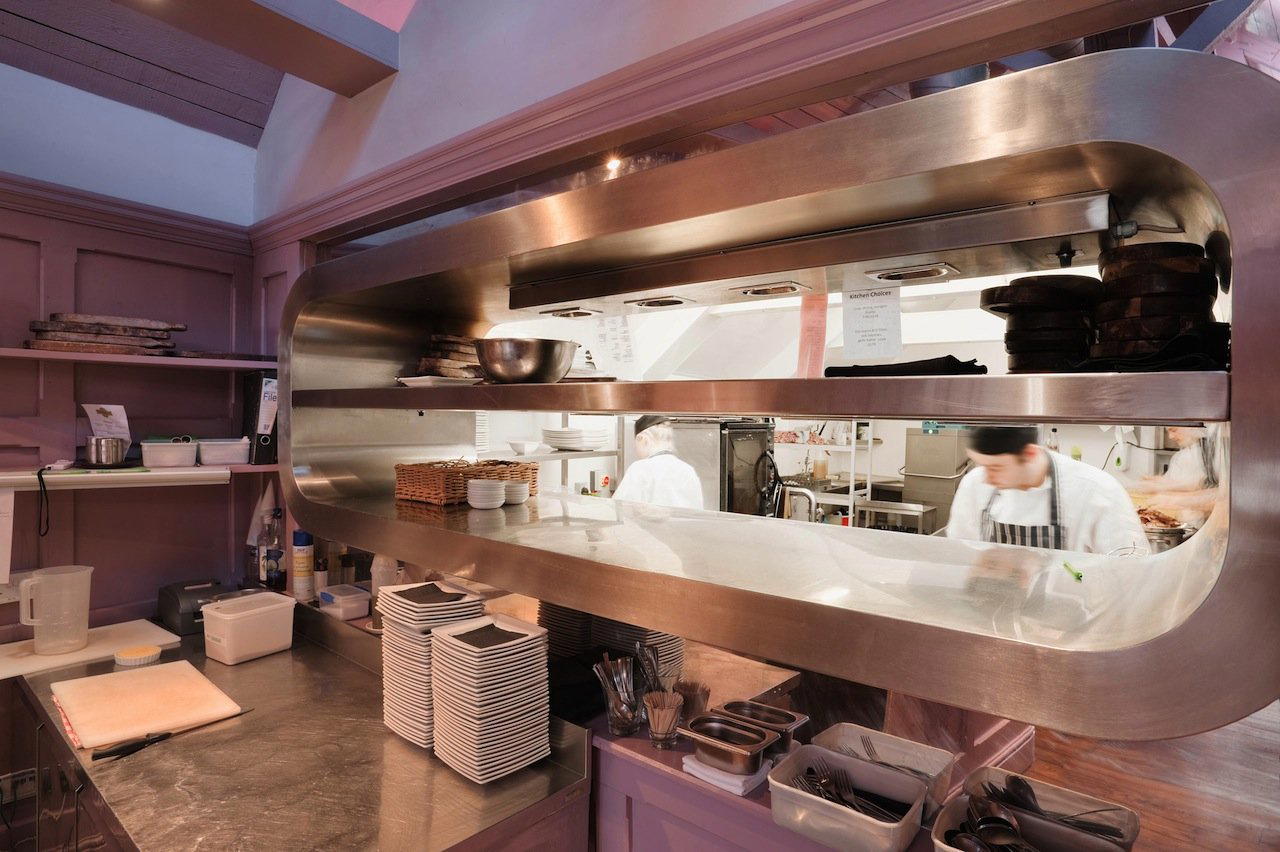
The menu
What to order
- Rib eye steak
- Beer battered fish with triple cooked chips
- Pork belly with apple purée
- Crème brûlée
- Sticky toffee pudding
Gin, History, and the Brasserie at Black Friars
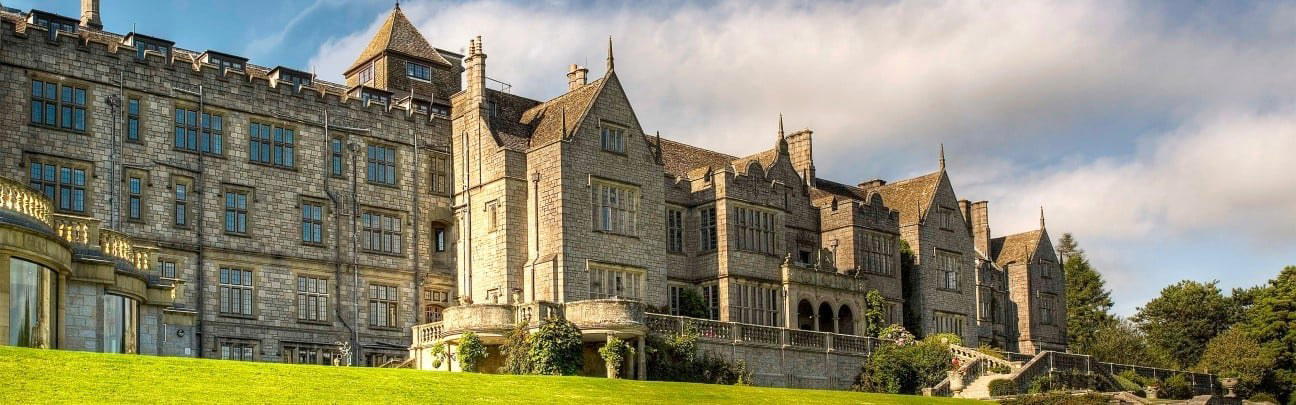
Plymouth's Barbican quarter carries more maritime and industrial history per square metre than almost anywhere else in the South West. The cobbled streets running down to the Mayflower Steps have seen centuries of naval provisioning, trade, and departure, and the buildings that line them have been put to work accordingly. Black Friars Distillery on Southside Street is one of those buildings: a Dominican friary turned working distillery, where Plymouth Gin was once produced specifically for the Royal Navy. Today, the Barbican Kitchen brasserie occupies that same space, serving a Michelin Plate-recognised menu inside walls that have absorbed several hundred years of the city's history.
That physical setting matters more than it might in an ordinary restaurant. The connection between the building and the broader story of British naval provisioning, of gin rationing and expedition supply, gives the room a cultural weight that few brasseries can claim. The Barbican Kitchen brasserie in Plymouth earns its Michelin Plate recognition not as a fine-dining destination but as a venue where the surroundings, the format, and the cooking are all pointing in the same direction: towards something direct, honest, and well-located within a city that is finally receiving serious culinary attention.
Where Barbican Kitchen Sits in Plymouth's Dining Picture
Plymouth's restaurant scene has been reshaping itself over the past decade. The city now has representation at both ends of the ambition spectrum: Àclèaf operates at the formal, modern-cuisine end of the market, while Fletcher's anchors the Modern British mid-tier. Barbican Kitchen occupies a different register entirely, working within a brasserie format that prioritises accessibility over technical display. A price point of ££ places it firmly in the middle of the market, below the tasting-menu tier that draws comparison to venues such as L'Enclume in Cartmel or Moor Hall in Aughton, but well above casual dining.
The Michelin Plate is worth parsing here. It sits below the star tiers occupied by venues like CORE by Clare Smyth or Gidleigh Park in Chagford, but it is Michelin's explicit signal of good cooking, awarded where the inspectors judge the food to be well prepared using quality ingredients. For a brasserie operating inside a working distillery attraction, that recognition is significant. It separates Barbican Kitchen from the many tourist-facing venues that crowd the Barbican waterfront and rely on footfall rather than kitchen discipline.
The Cultural Roots of the Brasserie Format
The European brasserie tradition that Barbican Kitchen draws from has an interesting relationship with exactly the kind of building it now occupies. The original Parisian and Belgian brasseries were industrial in origin: working spaces attached to breweries, where the food was functional and the atmosphere was built around conviviality rather than ceremony. Comfort food, generous portions, a menu that could satisfy without demanding much of the diner in terms of engagement or occasion: these were the brasserie's defining characteristics, and they translate cleanly into the Black Friars Distillery setting.
Menu at Barbican Kitchen follows that logic. Simply cooked dishes with classic comfort food at the centre, a range wide enough to accommodate different appetites, and solid provision for vegetarians. This is not the kind of cooking that rewards obsessive analysis of technique. It is the kind of cooking that rewards a long lunch in a remarkable room, perhaps with a Plymouth Gin in hand before sitting down. The international cuisine designation reflects the brasserie's inclusive range rather than any specific regional identity, which is consistent with the format's European heritage of pragmatic, broadly appealing menus.
That vegetarian provision deserves a specific note. In a port city with strong meat and fish traditions, the brasserie's explicit commitment to catering well for vegetarians positions it as a venue that thinks across its whole dining room rather than defaulting to a single demographic. This aligns with broader shifts in British comfort-food cooking, where the most considered brasserie operators have learned that the quality of a vegetable dish is often a more honest measure of kitchen capability than anything that arrives with a premium protein.
The Room, the Distillery, and What to Expect
Black Friars Distillery is among the oldest surviving commercial buildings in Plymouth, and the architectural fabric reflects that age in the leading possible way. Dining inside a working historic distillery is a different experience from eating in a purpose-built restaurant. The proportions, the materials, and the accumulated atmosphere of a building used for centuries contribute something that no amount of interior design spend can replicate. For visitors to Plymouth who want to understand the city's relationship with its industrial and naval heritage, a meal at Barbican Kitchen is one of the most direct entry points available.
Southside Street sits at the heart of the Barbican quarter, within easy reach of the waterfront and the historic Mayflower Steps. The area concentrates much of Plymouth's heritage tourism, but the street itself has the character of a working neighbourhood rather than a sanitised attraction zone. For those building a wider Plymouth itinerary, the Plymouth experiences guide covers the city's cultural offer in more depth, and the Plymouth bars guide maps the drinking options in the surrounding area, including those with their own connection to the city's gin heritage.
On the practical side, Barbican Kitchen operates at a price point that makes it a workable choice across a range of occasions: a weekday lunch, a family meal, a post-distillery-tour dinner. The ££ bracket means that two courses with a drink will sit comfortably under most reasonable meal budgets.
Plymouth's broader dining and hospitality picture is covered in full across the Plymouth restaurants guide, the Plymouth hotels guide, and the Plymouth wineries guide. For those tracking the international brasserie format across other European cities, Loumi in Berlin and Haubentaucher in Rottach-Egern offer useful points of comparison for how the international dining register plays out in different urban contexts.
Frequently asked questions
Can I bring kids to Barbican Kitchen?
The ££ price point, informal format, and menu built around simply cooked comfort dishes make Barbican Kitchen a reasonable choice for families. The brasserie style, by its nature, tends to run more relaxed on formality than a tasting-menu room. The distillery setting inside Black Friars adds genuine historical interest that extends beyond the plate.
What's the overall feel of Barbican Kitchen?
Barbican Kitchen operates as an informal brasserie inside Black Friars Distillery on Southside Street, one of Plymouth's oldest surviving commercial buildings. The setting gives it a grounded, characterful atmosphere that suits the comfort-food-forward menu rather than formal dining ritual. It holds a Michelin Plate (2024), awarded for good cooking with quality ingredients, which places it above a casual pub kitchen without nudging it into fine-dining territory.
Is Barbican Kitchen Michelin-listed?
Barbican Kitchen has received recognition including: An informal eatery in the Plymouth Gin Distillery (where gin was once distilled for the Navy). Brasserie menus offer a good choice of simply cooked dishes, with classic comfort food to the fore; vegetarians are well catered for.; An informa….
What do regulars order at Barbican Kitchen?
The menu centres on simply cooked dishes with classic comfort food at its core, and vegetarians are specifically well provided for according to the Michelin Plate (2024) recognition. The brasserie format means a broad choice rather than a fixed menu, which keeps the room useful for both quick meals and longer visits. Specific dish details are best confirmed directly with the kitchen before your visit.
Budget and Context
| Venue | Cuisine | Price | Awards | Notes |
|---|---|---|---|---|
| Barbican KitchenThis venue (the venue you are viewing) | Modern British Brasserie | $50–100 | Michelin Plate | Not listed |
| The Ledbury | Modern British Fine Dining | $300–500 | 3 Michelin Stars · World's 50 Best #42 | Modern European, Modern Cuisine |
| Sketch, The Lecture Room and Library | Modern French Fine Dining | $200–300 | 3 Michelin Stars · World's 50 Best #18 | Modern French |
| CORE by Clare Smyth | Modern British Fine Dining | $150–200 | 3 Michelin Stars · World's 50 Best #97 | Modern British |
| Restaurant Gordon Ramsay | French Fine Dining | $200–300 | 3 Michelin Stars · World's 50 Best #13 | Contemporary European, French |
| Dinner by Heston Blumenthal | Modern British, Traditional British | Not listed | Michelin 2 Star | Not listed |
Recognition history
Dated appearances from independent guides and award organizations, with the underlying list record or original source where available.
Michelin Plate
Michelin
Full recognition history (3 entries)
Michelin Plate
Michelin
Michelin Plate
Michelin
Continue exploring
More in Plymouth
Restaurants in Plymouth
All restaurants in Plymouth →
Details
- Elegant
- Modern
- Romantic
- Sophisticated
- Date Night
- Business Dinner
- Celebration
- Family
- Special Occasion
- Historic Building
- Standalone
- Craft Cocktails
- Beer Program
- Local Sourcing
- A La Carte
- Set Menu
- Plymouth Gin Cocktails
- Wine By The Glass
- Vegetarian Friendly
- Allergy Accommodating
Current opening hours
- Monday
- Closed
- Tuesday
- 6–9 p.m.
- Wednesday
- 6–9 p.m.
- Thursday
- 6–9 p.m.
- Friday
- 12–2 p.m., 6–9:30 p.m.
- Saturday
- 12–2 p.m., 5–10 p.m.
- Sunday
- Closed
Hours can change for holidays and private events. Hours as of .
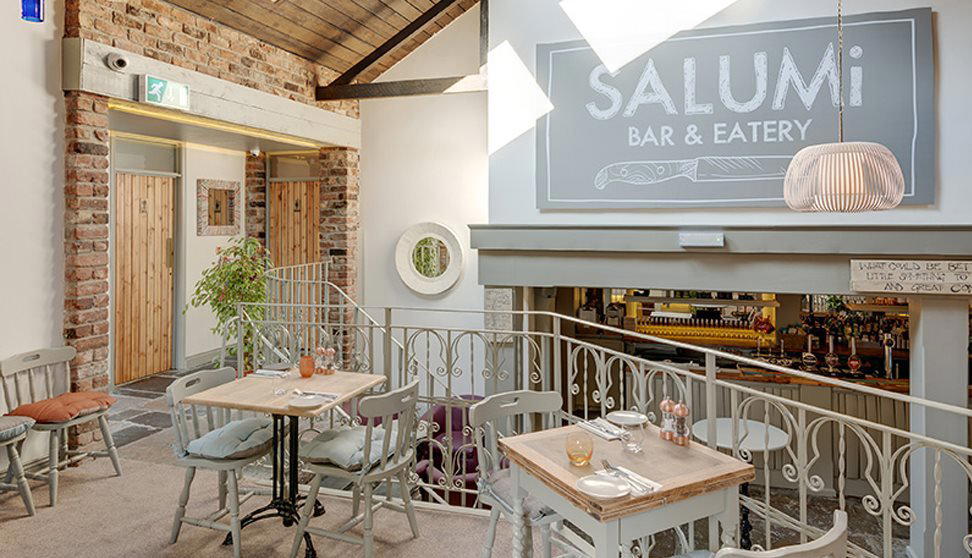
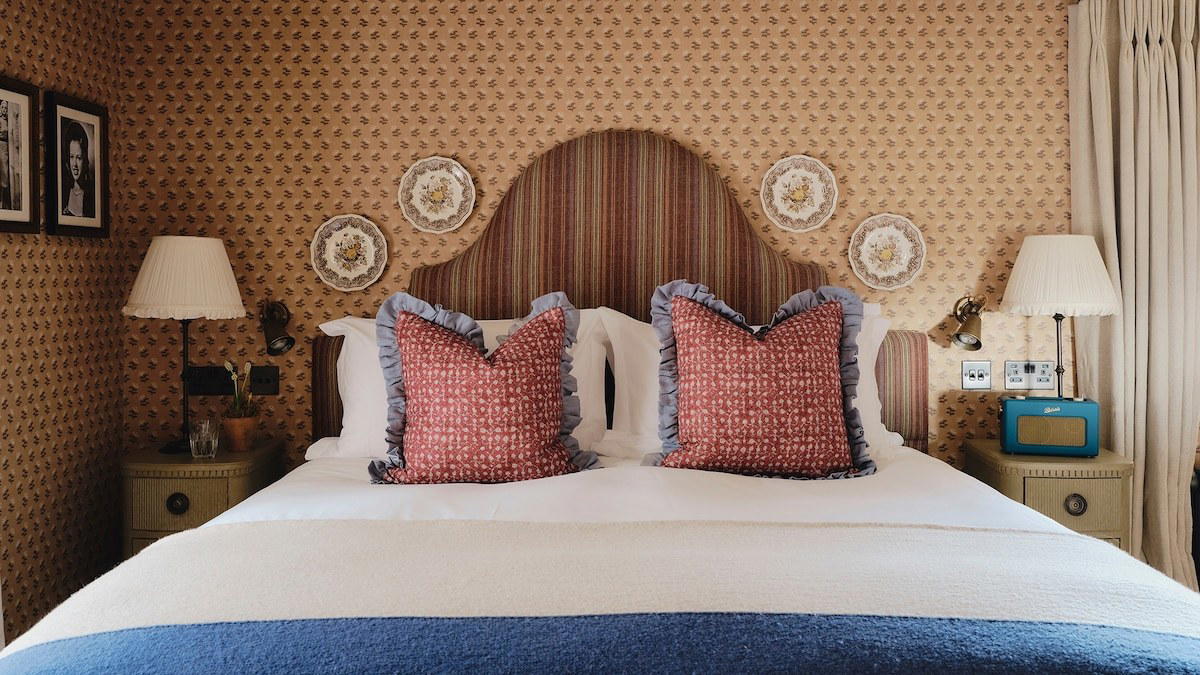
Colourful, modern décor with chilled indie/pop music creating an easygoing, welcoming atmosphere; ancient stone walls from the gin distillery setting provide historic character.