Salumi

The Good Food Guide GFG Good
Our verdict
Along the Millbay Road corridor toward Plymouth's international ferry terminals, Salumi operates as a brasserie with genuine range: filled bagels as a house speciality, a fixed-price lunch that holds its own on value, and a menu built around named Devon suppliers. The cooking has enough flair to make it worth tracking down, even if the wine list doesn't keep pace with the kitchen.

Pearl is the En Primeur Club membership app, where members save venues, book tables and use the concierge.
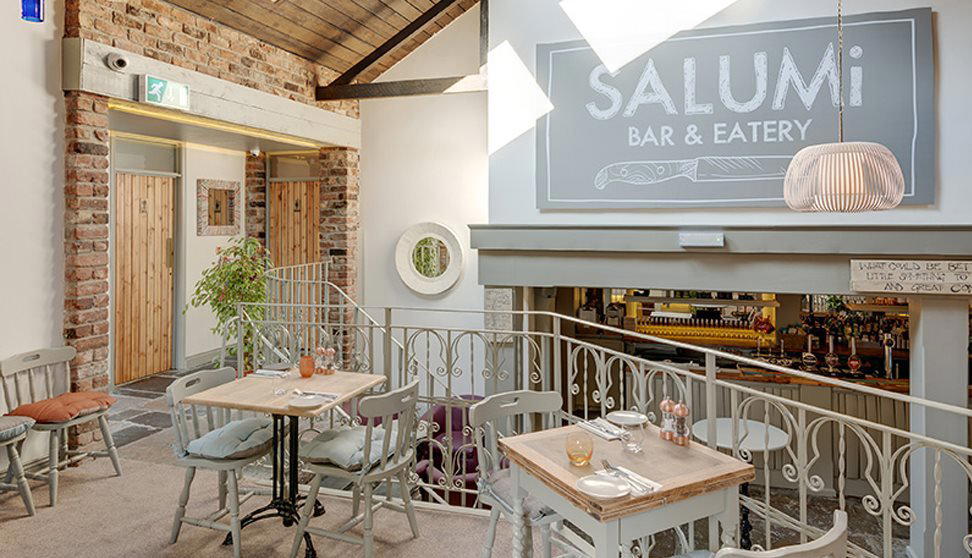
The Millbay Corridor and What It Tells You About Plymouth's Dining Geography
Plymouth's restaurant scene has always been shaped by its waterfront, but the action tends to concentrate around the Barbican and the city centre rather than the western approach toward the ferry terminals. Millbay Road sits on the route that most visitors use to leave, not arrive, which means the stretch has historically been overlooked as a dining address. That positioning works, in a slightly counterintuitive way, for a place like Salumi: there's none of the tourist-footfall logic that keeps menus safe and prices inflated, and the room has had to earn its regulars on cooking and atmosphere alone. The team behind it includes David Jenkins, who previously ran Rock Salt, which had a meaningful run as one of Plymouth's more serious kitchens before closing. That provenance matters as a credential, even if Salumi operates in a different register, closer to the accessible brasserie end of the spectrum than to the destination-dining tier occupied by, say, Àclèaf.
Devon on the Wall: Why Supplier Transparency Signals Something
In British brasserie cooking, the crediting of suppliers has shifted from genuine declaration to routine wallpaper over the past decade. The wall-board at Salumi, listing Devon producers by name, is the kind of thing that can go either way: it's either meaningful provenance or decorative reassurance. The cooking itself gives better evidence. The menu draws from a Devon supply chain that, in this part of England, is genuinely strong. The southwest has some of the most productive and well-regarded food agriculture in the UK, with Dartmoor lamb, Atlantic fish, and southwest dairy all operating at a tier that makes named-supplier menus a coherent position rather than a marketing gesture.
Dartmoor lamb rump appearing on the menu here is the kind of ingredient that, when handled well, requires very little elaboration: the breed and pasture do most of the work before a kitchen gets involved. The combination with pommes Anna and black garlic purée reflects a cooking register that understands restraint as well as the more elaborate pairings elsewhere on the menu. That reading is reinforced by other dishes that move in a different direction entirely, including a duck confit paired with a pork and shrimp baozi and a Thai pork curry, which suggests a kitchen willing to range across techniques and reference points rather than staying inside a single culinary lane. It's a broader range than you'd find at the tighter focus of somewhere like Fletcher's, which operates with a sharper Modern British identity.
The smoked mackerel pâté, presented in a wide earthenware dish in a way that reads visually like a bowl of soup, with pickled vegetables, hazelnuts, and dill, accompanied by seeded stout and treacle bread, is the kind of dish that signals a kitchen thinking about presentation as part of the experience rather than an afterthought. At a brasserie price point, that level of attention to plating is not the default setting. The bread pairing alone, stout and treacle, shows a kitchen engaging seriously with its suppliers and their products rather than treating bread as filler.
The Physical Space and Its Claim on the Evening
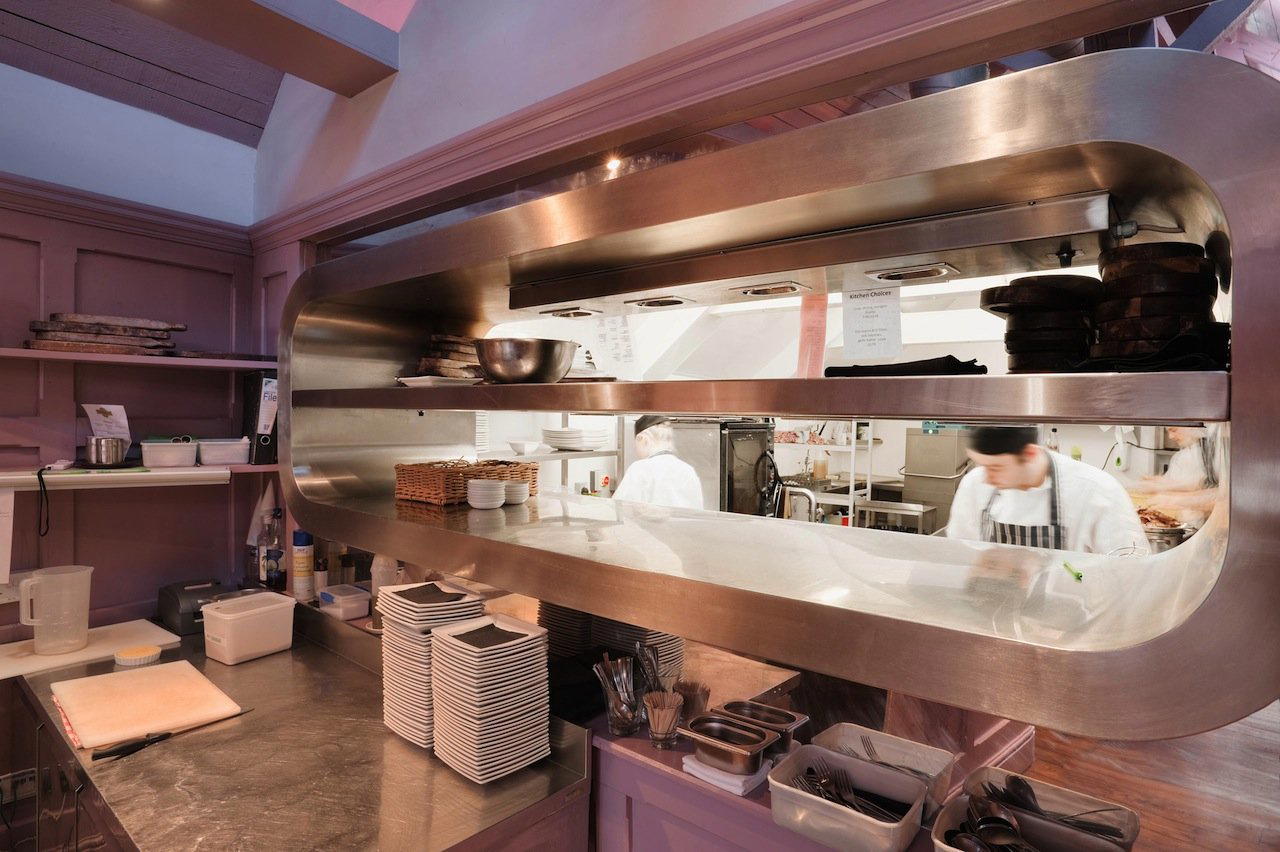
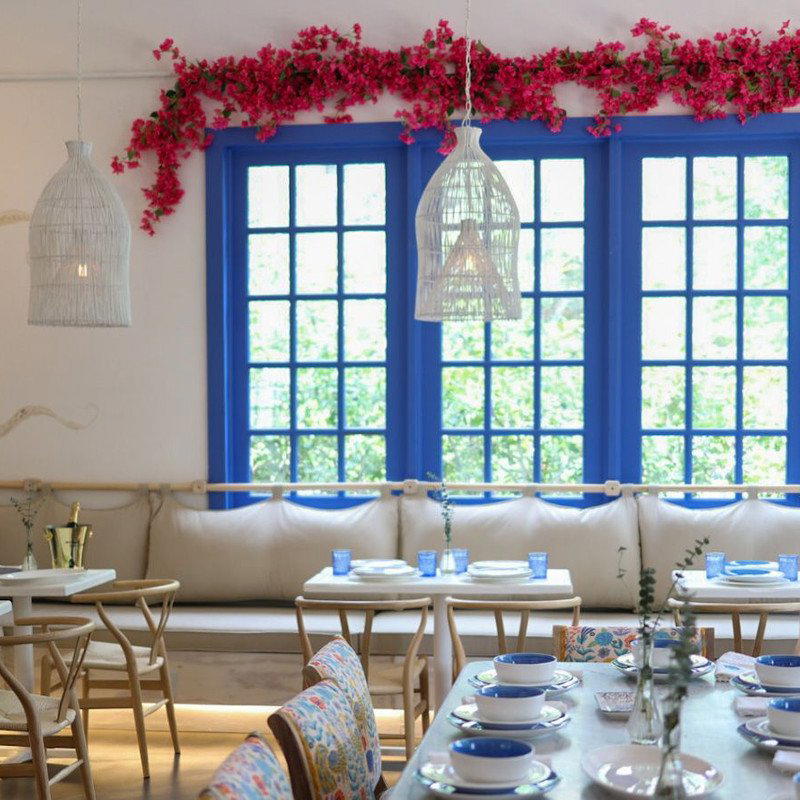
Brasseries that manage to feel like actual places, rather than generic versions of a category, tend to succeed by accumulating specific physical character over time. Salumi's layout, a warren of indoor spaces across different levels plus an outdoor area, is the kind of configuration that can either feel chaotic or interestingly layered depending on how it's managed. The multi-level arrangement creates natural variation in atmosphere, which gives the room more flexibility than a single open-plan dining floor. Regular music nights extend the venue's identity beyond a direct dining proposition, which is consistent with how the brasserie format has evolved in mid-size British cities: the food has to hold its own, but the program around it is increasingly part of the offer.
For Plymouth, which has a drinks and nightlife culture that runs alongside its restaurant scene rather than entirely separate from it, the music programming makes sense as a way of building a consistent crowd across different occasions. Whether that appeals depends on what you're after: the same space on a quiet Tuesday lunchtime and a Friday evening with live music will feel entirely different. The fixed-price lunch is the quieter, lower-commitment entry point, and on that format the venue makes its value argument most clearly.
Filled Bagels, Fixed-Price Lunch, and the Question of Format
The bagel as a brasserie speciality is an interesting choice for Plymouth, where the reference points for that format are less established than in a city with a larger Jewish or New York-influenced food culture. It works here as a distinct identity marker rather than a trend-follow: it gives the menu a recognisable anchor that's different from the burger-and-wings house speciality that shows up at most comparable venues. The fixed-price lunch positions Salumi explicitly as a value option in the mid-range of Plymouth's dining spectrum, below the tasting-menu pricing of Àclèaf and broadly aligned with the accessible tier that includes Barbican Kitchen and Fletcher's.
The dessert program, running to cheesecake, toffee pudding, and a raspberry trifle served in a sundae glass with honeycomb and raspberry sorbet, is honest brasserie territory executed with care. The intensity of the sorbet alongside the trifle is the kind of detail that separates a kitchen paying attention to balance from one filling a dessert slot.
Where the Wine List Falls Short
One consistent criticism worth flagging is that the wine list does not match the kitchen's ambition. A short, underdeveloped wine selection is a recurring weakness in British brasseries that invest in cooking but treat the drinks program as secondary. For a restaurant with the provenance credentials Salumi carries, and cooking that in places reaches the level of somewhere like Hide and Fox in its more considered moments, the wine list represents a genuine gap. The cocktail offer partially compensates, and for guests focused on food over wine pairing, it's a workable situation. But it's a limitation worth knowing before you arrive rather than after.
Planning Your Visit
Salumi sits on Millbay Road, Plymouth, close to the international ferry terminal rather than in the city centre, so arriving by car is more practical than for venues on the Barbican. The fixed-price lunch is the most direct value entry point, and the format suits a weekday visit when the space is calmer. For evenings, the music programming changes the atmosphere considerably, which makes it worth checking ahead if a quieter dinner is the objective. Families will find the brasserie format accommodating: the menu range and multi-space layout give enough flexibility to work across different needs, though the evening music program shifts the venue toward an older demographic. For a fuller picture of what Plymouth offers across price points and styles, our full Plymouth restaurants guide maps the city's dining options in detail. For context on hotels, the Plymouth hotels guide covers the main options near both the waterfront and the ferry terminals. Bars are covered separately in our Plymouth bars guide, and for anyone exploring the wider region, Gidleigh Park in Chagford represents the benchmark for Devon fine dining, with a very different format and price point to what Salumi offers.
Frequently asked questions
Does Salumi work for a family meal?
The multi-level indoor layout plus an outdoor area gives the space some flexibility for groups of different sizes. The menu runs from filled bagels and a good-value fixed-price lunch through to mains like Dartmoor lamb rump and Thai pork curry, which covers a reasonable range of preferences. That said, Salumi sits on Millbay Road near the ferry terminals rather than in the city centre, so factor in the location when planning the trip.
What is the atmosphere like at Salumi?
The venue occupies a warren of indoor spaces across different levels, with an outdoor area adding to the spread. Regular music nights are part of the programme, which shifts the tone beyond a conventional brasserie sitting. The physical layout and the events calendar together make it feel closer to a neighbourhood venue than a destination dining room.
What kind of recognition has Salumi received?
Salumi has received recognition including: A little out of Plymouth city centre, along the route to the international ferry terminals, this is the latest venture from David Jenkins and the team behind Rock Salt (now closed). It's a place that's determined to demonstrate its versatil….
What dish is Salumi famous for?
Filled bagels are listed as a house speciality, an unusual anchor for a Plymouth brasserie given how rarely that format appears in the city's dining references. The kitchen also puts clear effort into presentation on dishes like smoked mackerel pâté served in an earthenware dish with pickled veg, hazelnuts, dill, and seeded stout and treacle bread alongside.
Comparable Spots, Quickly
Comparable venues nearby, for context on price, style, and recognition.
| Venue | Cuisine | Price | Awards | Notes |
|---|---|---|---|---|
| SalumiThis venue (the venue you are viewing) | Modern British Gastropub | $20–30 | The Good Food Guide GFG Good | Not listed |
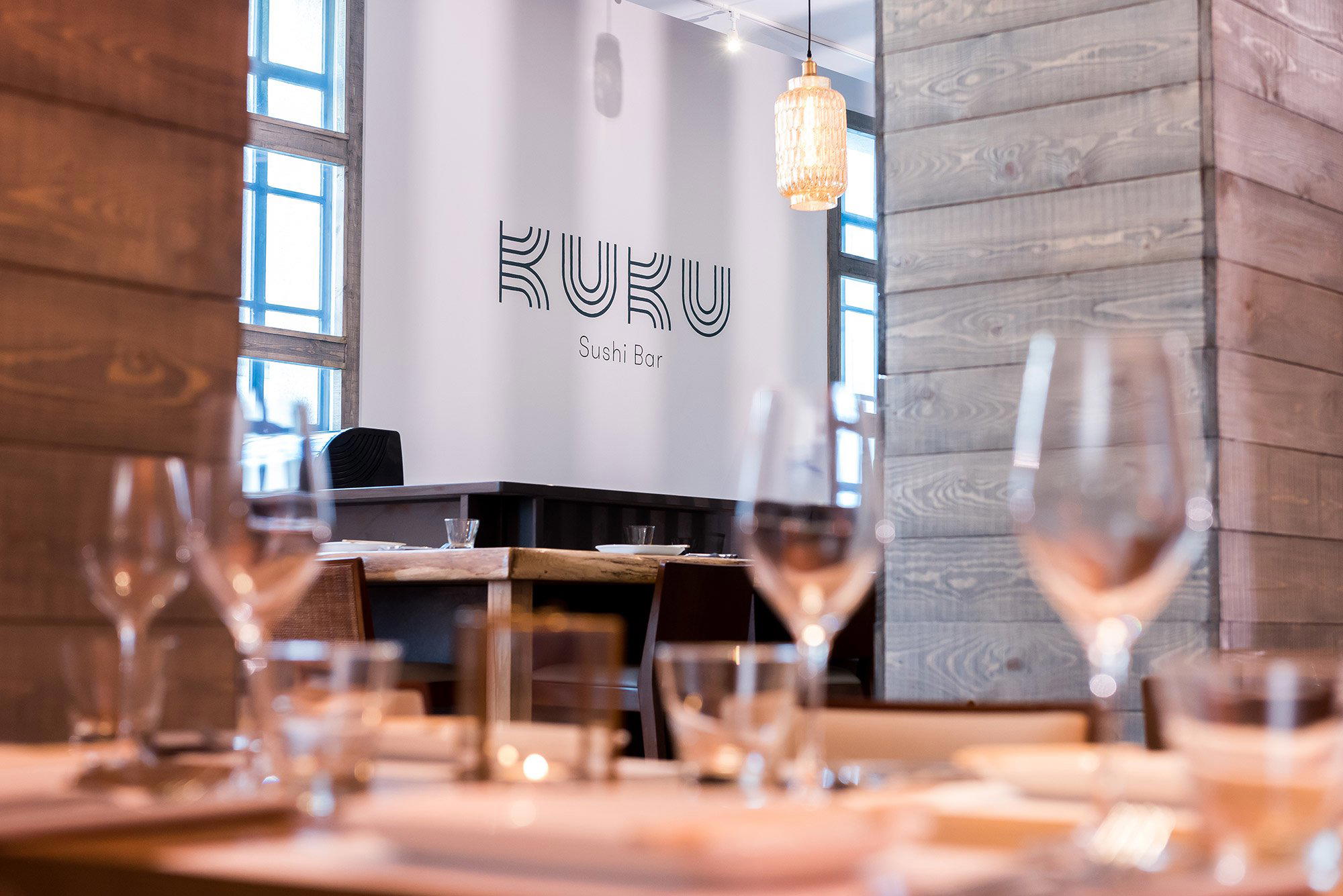
| KUKU | Modern Japanese Sushi & Robata | $50–100 | Not listed | Plymouth City Centre |
| Fletcher's | Modern British | Not listed | Michelin Plate · The Good Food Guide GFG Good | City Centre |
| Positano | Italian Trattoria | $20–30 | Not listed | Plymouth City Centre |
| Turtle Bay Plymouth | Caribbean Jerk & Soul Food | $20–30 | Not listed | city centre |
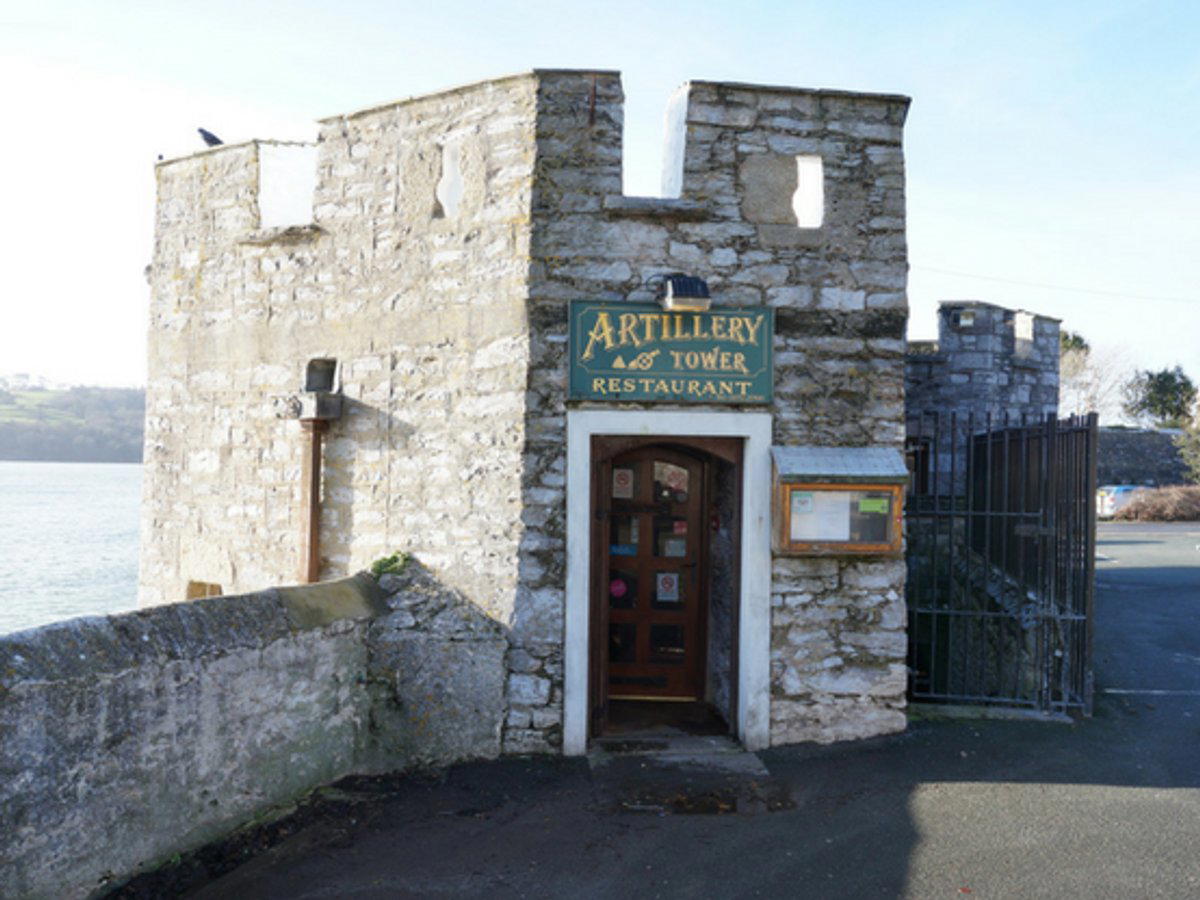
| The Artillery Tower | Modern British with West Country Focus | $50–100 | Not listed | Firestone Bay |
Recognition history
Dated appearances from independent guides and award organizations, with the underlying list record or original source where available.
The Good Food Guide GFG Good
The Good Food Guide
Continue exploring
More in Plymouth
Restaurants in Plymouth
All restaurants in Plymouth →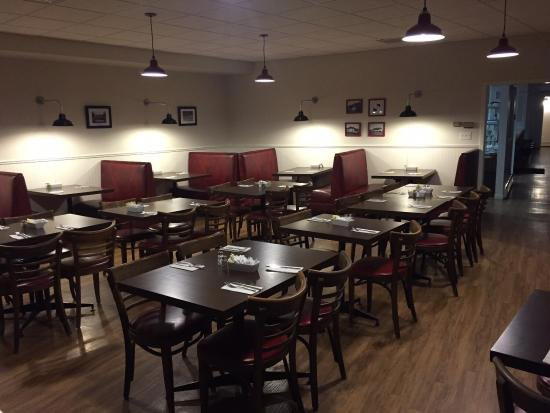

Details
- Cozy
- Modern
- Date Night
- Casual Hangout
- Open Kitchen
- Extensive Wine List
- Local Sourcing
- A La Carte
- Small Plates
- Vegetarian Friendly
- Vegan Options
- Gluten Free Options
Current opening hours
- Monday
- 5–11 PM
- Tuesday
- 5–11 PM
- Wednesday
- 5–11 PM
- Thursday
- 5–11 PM
- Friday
- 12–11 PM
- Saturday
- 12–11 PM
- Sunday
- 11 AM–11 PM
Hours can change for holidays and private events. Hours as of .
Quaint and relaxing with comfortable seating, good atmosphere, and a beautiful garden area.