Àclèaf



1 Michelin Star · AA Rosettes 4 Rosettes · The Good Food Guide GFG Very Good
Our verdict
Àclèaf occupies a former minstrels' gallery inside Boringdon Hall, a Grade I-listed Elizabethan manor house outside Plymouth. Chef Scott Paton's compact, seasonally driven menus draw on prime regional ingredients and internationally influenced technique, producing cooking that is refined without being showy. The wine list carries authoritative depth and marks up fairly against comparable fine-dining rooms.

Pearl is the En Primeur Club membership app, where members save venues, book tables and use the concierge.
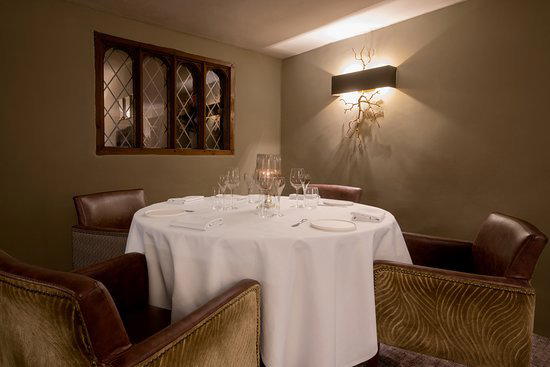
A medieval hall and a modern kitchen
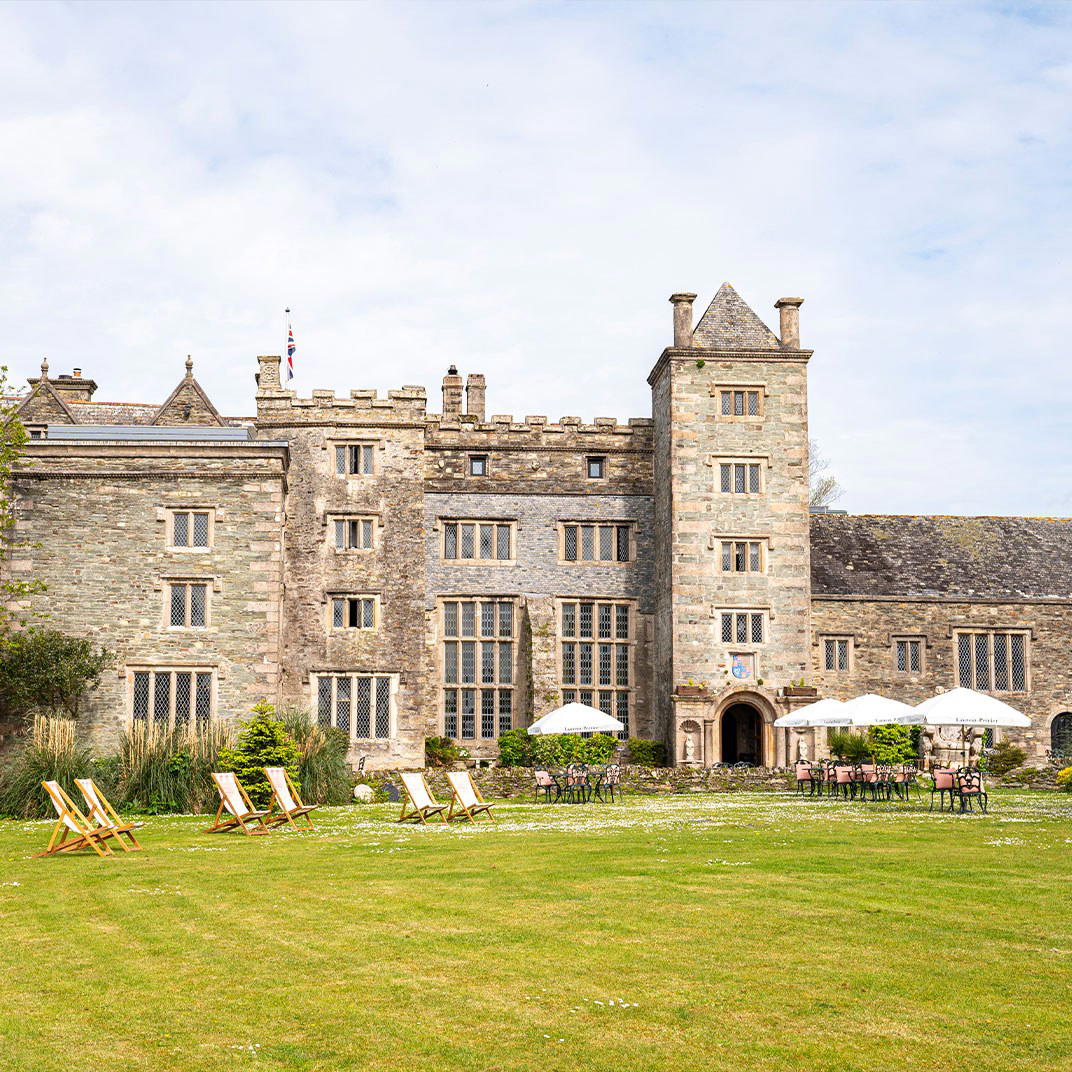
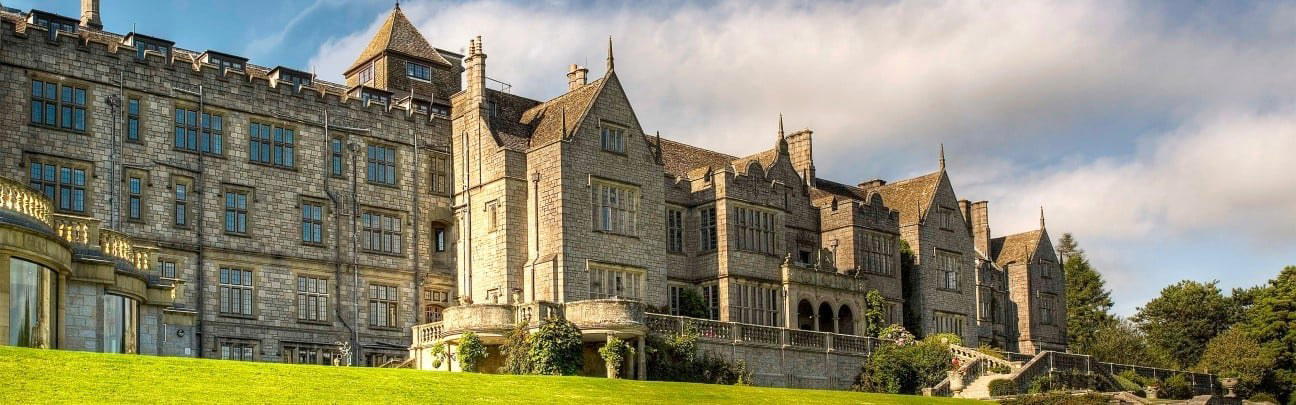
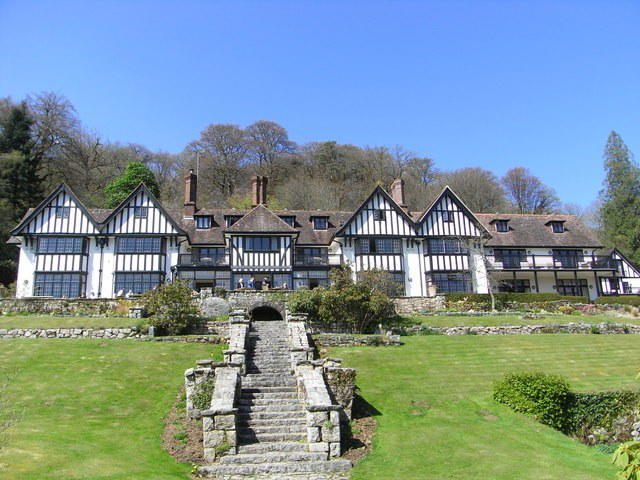
The approach to Boringdon Hall sets the register before you reach the dining room. The Grade I-listed Elizabethan manor house dates its origins to the Domesday Book, and the stone fabric of the building carries that weight visibly: dark timbers, a majestic great hall, proportions that remind you this was a working estate long before it was a hotel. The dining room itself, Àclèaf, occupies what was the minstrels' gallery above that hall. Wooden beams frame the ceiling, linen covers well-spaced tables below, and the combination produces a room that feels occasion-specific in the way that only genuinely old spaces can. The name, incidentally, is Anglo-Saxon for oak leaf, a detail that anchors the room's identity in the landscape it sits within rather than in any borrowed metropolitan vocabulary.
This kind of setting, fine-dining inside a heritage country house, has a long tradition in England, running from Le Manoir aux Quat' Saisons in Oxfordshire through to Gidleigh Park in Chagford, barely forty miles from Plymouth. What separates the tier worth travelling for from those coasting on architectural grandeur alone is, consistently, the quality of sourcing and the rigour of the kitchen. At Àclèaf, the evidence points toward the former category.
Where the ingredients come from, and why that matters
Devon and Cornwall together form one of England's most productive food regions, and any serious kitchen in Plymouth has access to a supply chain that urban restaurants spend considerable effort and expense replicating. Wild fish lands at Plymouth and Brixham. The county's dairy tradition underpins cheesemaking and butter that appears at this price point largely because geography makes it logical rather than aspirational. Game, venison, and heritage-breed meats move through regional estates and farms that have supplied the area's leading tables for generations.
Chef Scott Paton's menus at Àclèaf are built around seasonal availability and prime regional supply, and the kitchen's restraint reflects confidence in those ingredients. Venison with prunes and beetroot draws on the kind of game that Devon and Dartmoor estates produce through the autumn and winter seasons. A whole-table speciality of Highland wagyu served au poivre with parsnip signals that sourcing ambition extends beyond purely local provenance when the quality argument holds. The approach, using regional anchors as a foundation and pulling in higher-quality alternatives where they strengthen the dish, is the same logic that drives the serious country-house kitchens at Moor Hall in Aughton and L'Enclume in Cartmel, even if the culinary idioms differ.
The internationally influenced technique layered over these ingredients is handled with enough balance to avoid the common failure mode of such kitchens, where global flavour references flatten rather than extend the primary ingredient. Cured hamachi with yuzu ponzu is a precise example: the acidity of the ponzu and the delicacy of the cure are calibrated to serve the fish, not to announce a fusion credential. A Middle Eastern-influenced combination of squab, dates, and preserved lemon follows similar logic, those flavours have an affinity with game that is grounded in culinary tradition, not novelty. For context on how this type of internationally oriented modern cuisine is executed at the highest levels in the UK, kitchens like The Ledbury in London and hide and fox in Saltwood offer useful reference points.
The menu format and how to approach it
Àclèaf operates an evening-only format, open seven days a week from 6:30 PM. The dinner menu is structured as a compact, four-course progression, a format that gives the kitchen enough space to build a coherent arc without stretching into the marathon territory that some tasting menus occupy. The four-course structure also gives diners a clearer sense of pacing: snacks and breads arrive first, and reviewers note that concentrated thought goes into these early-arrival details, with the kitchen using them to establish register and intent before the main courses run.
The savoury logic extends into the dessert course, where the kitchen avoids the pure-sweetness pivot that can feel disconnected from the rest of a meal at this level. A duck egg with exotic fruits and coconut, or a confection of vanilla, bergamot and star anise, both show a dessert approach that treats seasoning and balance as seriously as any other course. This is consistent with how the better-regarded modern British and contemporary European kitchens have evolved dessert in the past decade, see the approach at The Fat Duck in Bray or Restaurant Andrew Fairlie in Auchterarder for the tier Àclèaf is working within.
Opening salvos have included goat's cheese with brambles and pecans, a dish that reads Devon larder directly: the cheese, the foraged fruit, the nut, all of it available within a short radius of Boringdon Hill across the autumn season.
The wine list and the room's tone
The wine program at Àclèaf draws consistent praise for its scope and for mark-ups that reviewers describe as fair relative to the ambition of the list. At the ££££ price tier, wine lists in comparable rooms frequently become a secondary revenue centre rather than a genuine service, the fact that this one draws specific commendation for value signals a considered approach to how the list functions within the overall dining proposition. Matching by the glass is available and, given the kitchen's range of international flavour influences across a four-course menu, well-chosen glass pours make practical sense as the default rather than the compromise option.
The service tone across multiple reviews aligns on the same descriptors: knowledgeable, passionate, attentive without pressure. In a room with the physical formality of a minstrels' gallery in an Elizabethan manor, the difference between staff who wear the setting easily and those who perform it is considerable. The consensus here points to the former.
Àclèaf in Plymouth's broader dining context
Plymouth's fine-dining scene is smaller than its size might suggest, but it has depth at specific points. Barbican Kitchen covers a different register at the waterfront, and Fletcher's adds to the modern British offer closer to the city centre. Àclèaf operates in a different tier, positioned at the top of the Plymouth and wider Devon fine-dining bracket by format, price, and the physical context of Boringdon Hall.
For those travelling into Plymouth from outside the region, Boringdon Hall is located at Colebrook, a short drive from the city centre on Boringdon Hill. The hotel's position means a stay on-site is a practical and logical option, removing the logistics of a return to Plymouth city after a four-course dinner. For a fuller picture of where to eat, drink, and stay across the city, see our full Plymouth restaurants guide, our full Plymouth hotels guide, our full Plymouth bars guide, our full Plymouth wineries guide, and our full Plymouth experiences guide.
For reference on the broader modern cuisine category at the international level, Frantzén in Stockholm and FZN by Björn Frantzén in Dubai represent how the format operates at maximum scale and ambition. The Hand and Flowers in Marlow offers a useful UK-based comparison for serious cooking in a characterful building that avoids metropolitan pretension.
Frequently asked questions
Is Àclèaf open every day?
Hours at Àclèaf: Monday 6:30 PM-11 PM Tuesday 6:30 PM-11 PM Wednesday 6:30 PM-11 PM Thursday 6:30 PM-11 PM Friday 6:30 PM-11 PM Saturday 6:30 PM-11 PM Sunday 6:30 PM-11 PM.
What kind of recognition has Àclèaf received?
Àclèaf has received recognition including: The impressive Boringdon Hall Hotel plays host to this cosy, intimate restaurant, which sits under wooden beams within the former minstrels’ gallery. The building itself dates back to the Domesday book and still exudes a historic feel. Prim….
What do people recommend at Àclèaf?
Reviewers consistently point to the four-course dinner menu as the way to experience the kitchen's range. Dishes such as cured hamachi with yuzu ponzu and Highland wagyu 'au poivre' with parsnip draw particular attention, and the wine pairings, praised for fair mark-ups relative to the list's scope, are worth taking up. Chef Scott Paton's seasonally driven approach means specific dishes rotate, so the format matters more than any single plate.
What's the pricing like at Àclèaf?
Pricing at Àclèaf is listed as ££££.
Fast Comparison
| Venue | Cuisine | Price | Awards | Notes |
|---|---|---|---|---|
| ÀclèafThis venue (the venue you are viewing) | Modern Fine Dining | $100–150 | 1 Michelin Star · AA Rosettes 4 Rosettes | Not listed |
| The Ledbury | Modern British Fine Dining | $300–500 | 3 Michelin Stars · World's 50 Best #42 | Modern European, Modern Cuisine |
| Sketch, The Lecture Room and Library | Modern French Fine Dining | $200–300 | 3 Michelin Stars · World's 50 Best #18 | Modern French |
| CORE by Clare Smyth | Modern British Fine Dining | $150–200 | 3 Michelin Stars · World's 50 Best #97 | Modern British |
| Restaurant Gordon Ramsay | French Fine Dining | $200–300 | 3 Michelin Stars · World's 50 Best #13 | Contemporary European, French |
| Dinner by Heston Blumenthal | Modern British, Traditional British | Not listed | Michelin 2 Star | Not listed |
Recognition history
Dated appearances from independent guides and award organizations, with the underlying list record or original source where available.
Michelin 1 Star
Michelin
AA Rosettes 4 Rosettes
AA Rosettes
The Good Food Guide GFG Very Good
The Good Food Guide
Full recognition history (5 entries)
Michelin 1 Star
Michelin
Michelin 1 Star
Michelin
Continue exploring
More in Plymouth
Restaurants in Plymouth
All restaurants in Plymouth →
Details
- Intimate
- Elegant
- Cozy
- Sophisticated
- Date Night
- Special Occasion
- Hotel Restaurant
- Historic Building
- Extensive Wine List
- Prix Fixe
Current opening hours
- Monday
- 6:30–9:30 PM
- Tuesday
- 6:30–9:30 PM
- Wednesday
- 6:30–9:30 PM
- Thursday
- 6:30–9:30 PM
- Friday
- 6:30–9:30 PM
- Saturday
- 6:30–9:30 PM
- Sunday
- 6:30–9:30 PM
Hours can change for holidays and private events. Hours as of .
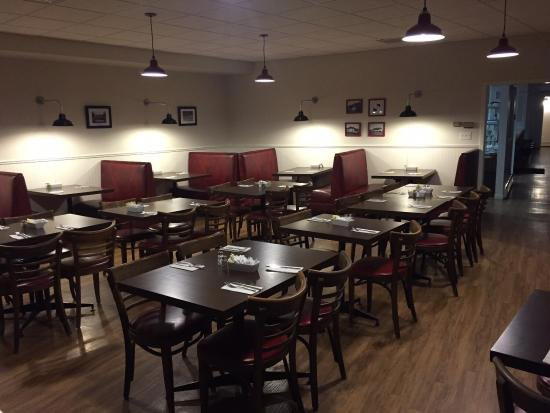
Low-lit and comfortable space under wooden beams with a historic, cosy atmosphere.