
A Michelin Plate-recognised seafood restaurant occupying a restored farmhouse in the open countryside outside Fabbrico, Claudio brings Adriatic and southern Italian coastal cooking, with a particular lean toward Puglia, to the heart of the Po Valley. At a mid-range price point, it represents one of the more considered arguments for serious fish cookery well away from any coastline.
Pearl is the En Primeur Club membership app — saves, bookings, and concierge access live there. Same editors, same standards.
- Address
- Via A. Ferretti, 109/b, 42042 Fabbrico RE, Italy
- Phone
- +39 0522 660065
- Website
- claudioristorante.it
- Directions
- Get directions
 Saves & bookings on Pearl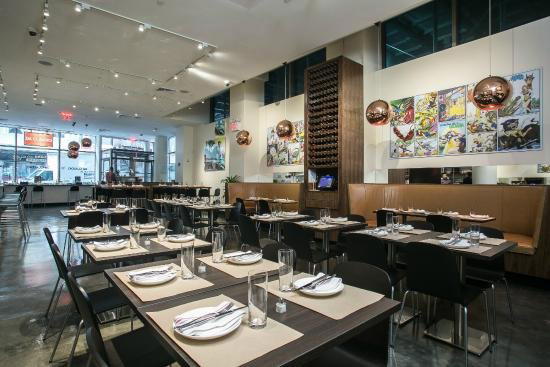
Seafood in the Po Valley: An Unlikely Address, a Considered Argument
The flatlands of the lower Po Valley are not where most diners look for serious fish cookery. The Emilian countryside around Fabbrico runs to cured pork, aged Parmigiano, and lambrusco, the foundations of one of Italy's most self-contained food cultures. Against that backdrop, a farmhouse dining room given over almost entirely to seafood makes a pointed editorial statement about what a kitchen can achieve when the cuisine on the plate and the geography outside the window are in deliberate tension. Claudio Ristorante occupies that exact position: a specially restored cascina on Via A. Ferretti, set in open countryside, running a menu anchored in the sea rather than the soil.
The Sourcing Logic Behind a Landlocked Seafood Kitchen
Running a credible seafood kitchen away from the coast depends almost entirely on supply discipline. In Italy, the two models are daily delivery from the Adriatic, particularly from ports along the Romagna and Marche coastlines, which sit within a few hours of Fabbrico, or direct relationships with southern suppliers, a pattern common among chefs with roots in Puglia, Calabria, or Campania. The kitchen at Claudio draws on the second tradition in a specific way: the cuisine carries what Michelin's own inspectors have noted as southern accents, particularly from Puglia, which reflects not just flavour vocabulary but a sourcing orientation toward southern Adriatic and Ionian seafood. That orientation matters. Puglian fish markets, Taranto, Gallipoli, Bari, run on species and curing traditions that rarely appear in northern Italian kitchens. When those ingredients travel north, it is usually via chefs who know the provenance personally, not via anonymous wholesale channels.
This port-to-interior supply line is the defining structural feature of what Claudio does. Claudio operates in a different register, accessible rather than ceremonial, but the sourcing seriousness that earns a Michelin Plate at all is not a lesser ambition, just a different one.
A Farmhouse Setting That Works Against Expectation
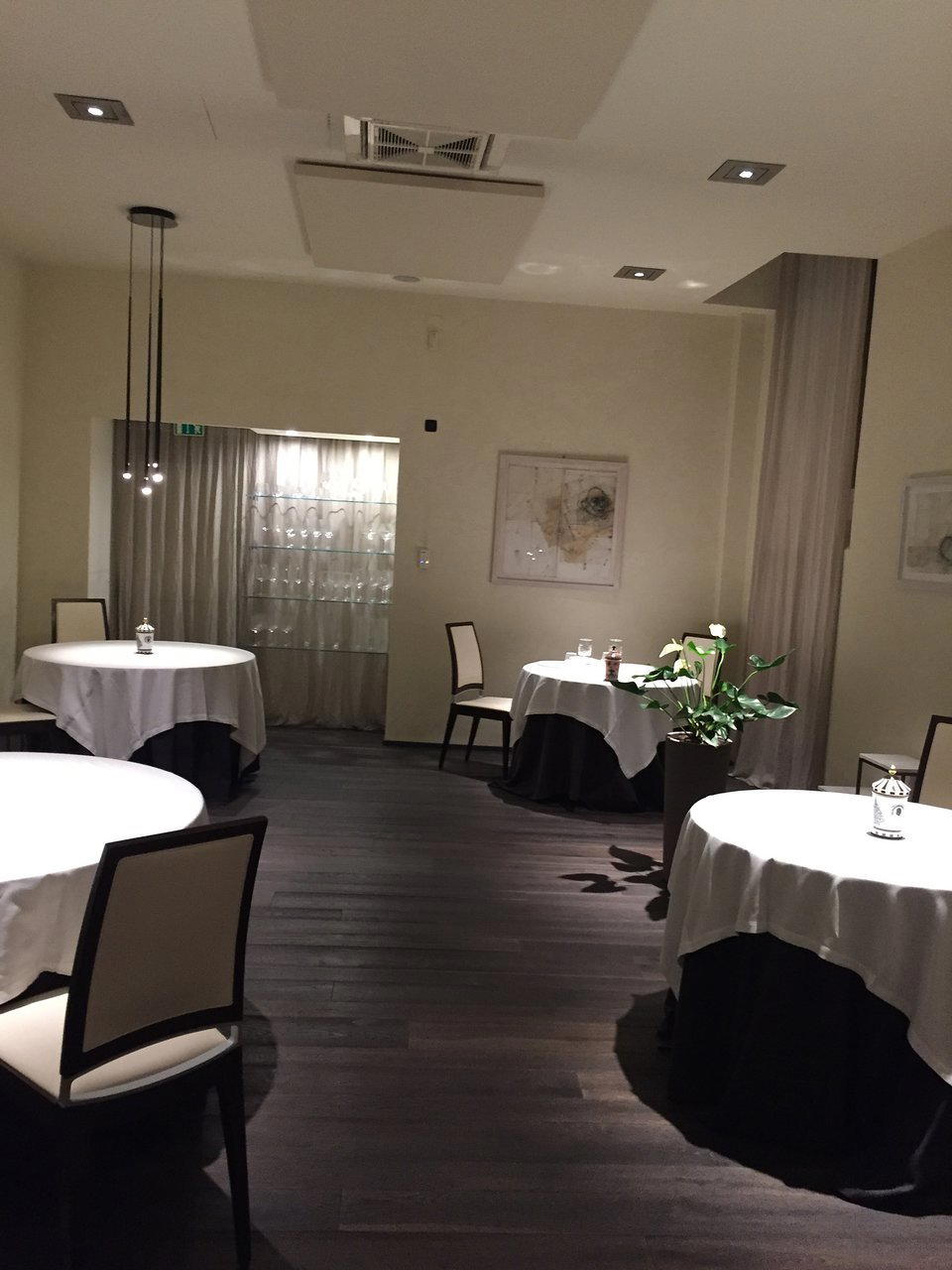
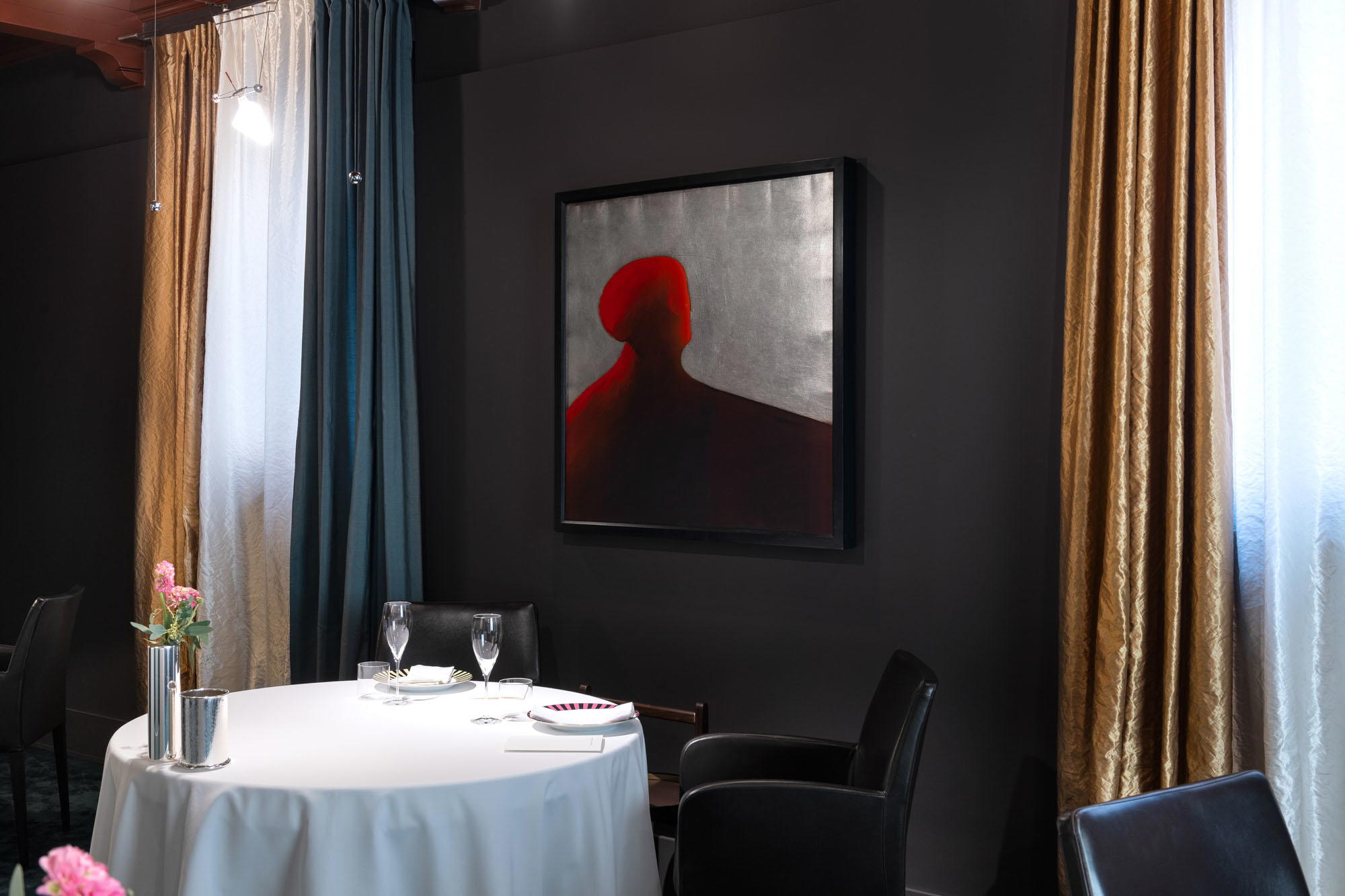
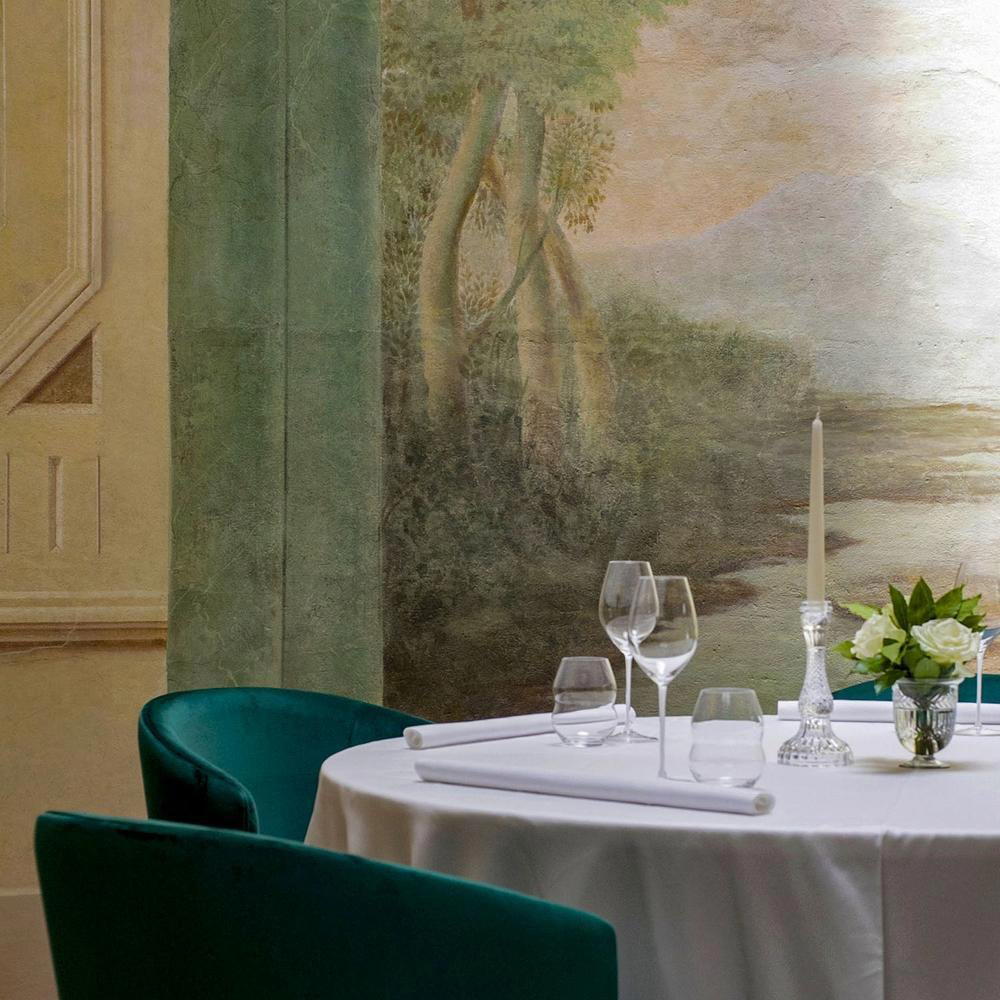
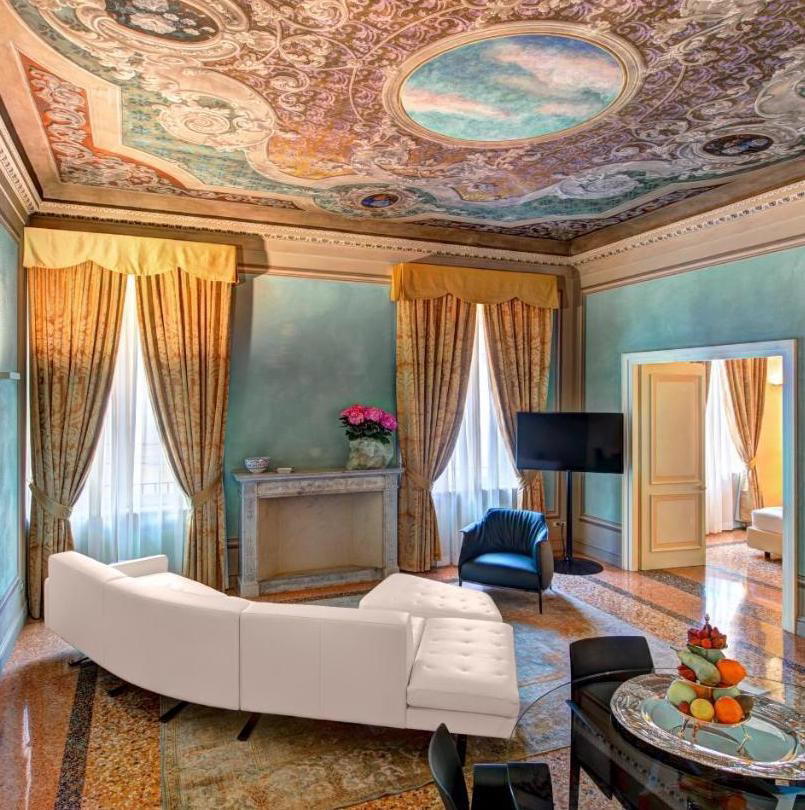
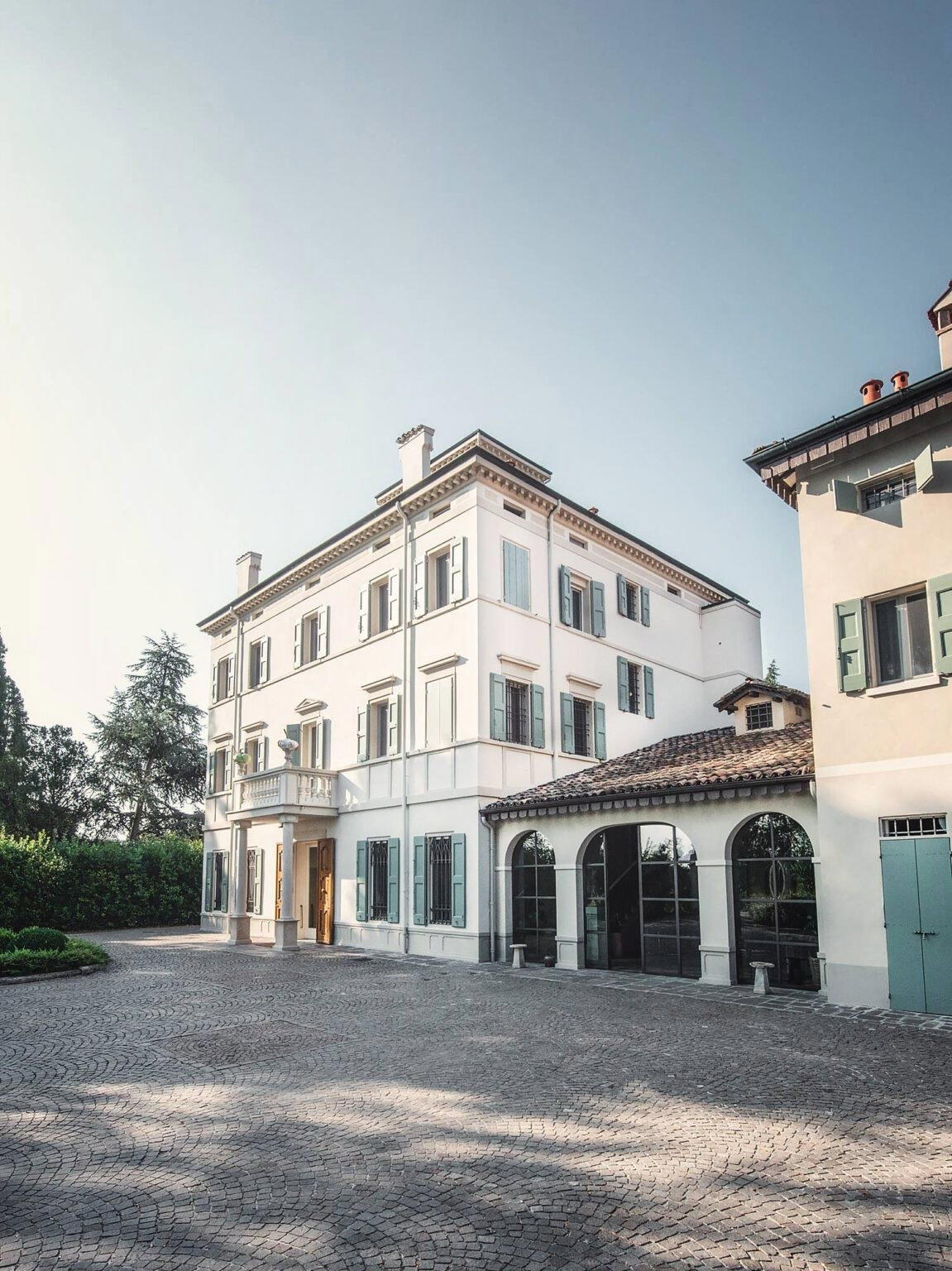
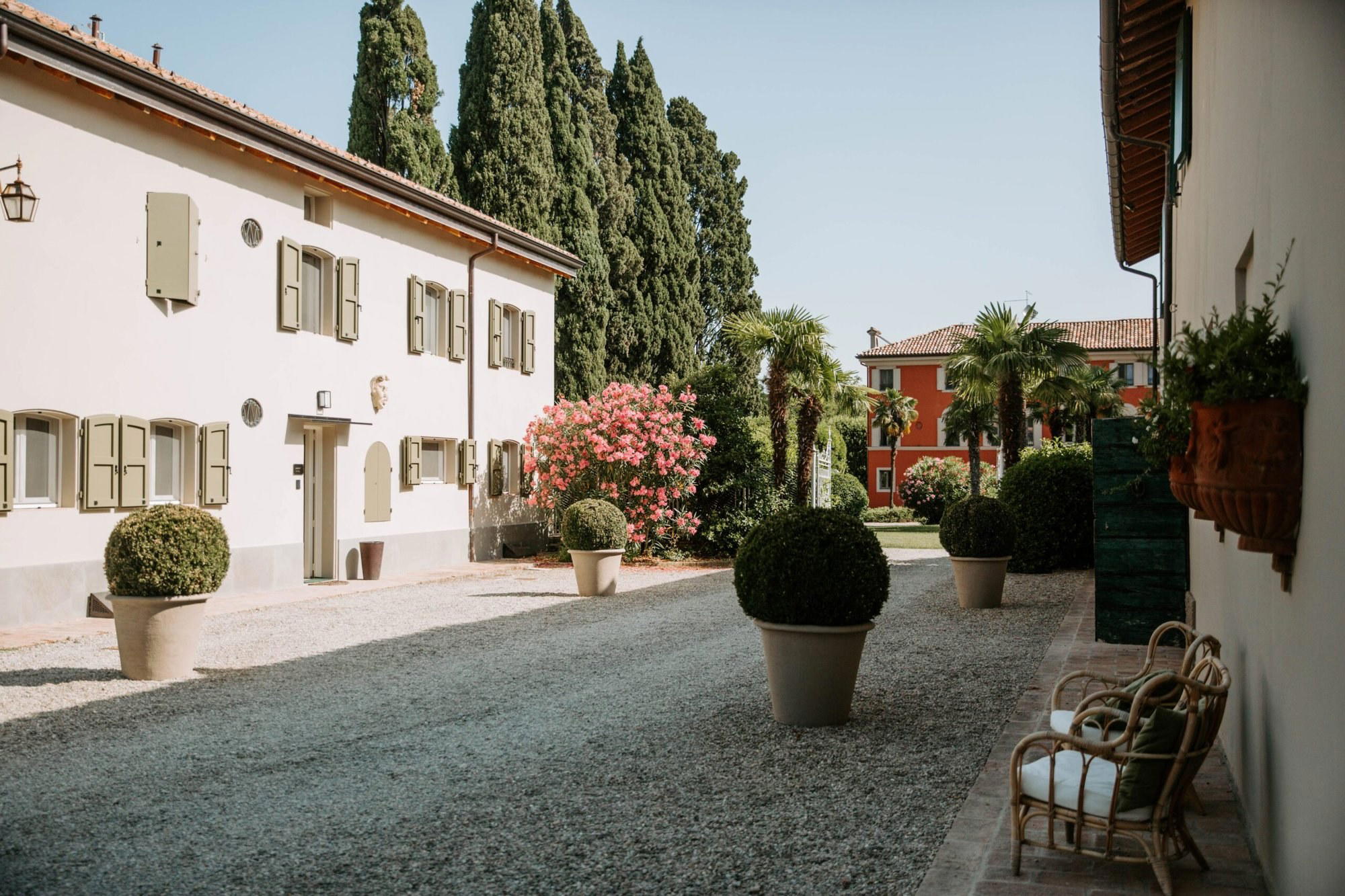
Restored farmhouse dining in the Emilian countryside is not an unusual format, there are dozens of agriturismi within an hour of Fabbrico. What distinguishes Claudio's setting is the deliberate contrast between the rustic exterior and the contemporary interior. The first-floor dining room has been fitted with a modern sensibility rather than the exposed-beam, terracotta-tile vernacular that most farm restorations default to. In summer, the outdoor tables under the modern portico extend the operation outside, making the setting genuinely seasonal in character. That summer terrace configuration is worth planning around: a weekday lunch in the warmer months, eating fish in the open air of the Po plain, sits in a different experiential register than a winter evening service indoors. Both work, but the outdoor setting adds a dimension that indoor-only farmhouse restaurants cannot replicate.
The price positioning places Claudio below the ceiling of the northern Italian fine dining tier. For context, the region's most decorated tables, Osteria Francescana in Modena and, further afield, Dal Pescatore in Runate, operate at €€€€. Claudio's mid-range positioning is not a compromise on sourcing standards so much as a different set of decisions about format and ceremony. The audience here is local and regional diners eating seriously rather than visitors arriving for ceremony. That grounding keeps the kitchen honest in a way that purely destination-facing restaurants sometimes lose.
Southern Accents in a Northern Room: The Puglia Connection
The Puglia dimension in Claudio's cooking reflects a broader pattern in Italian seafood restaurants outside the coastal south. Chefs who grew up near the Ionian or southern Adriatic tend to carry specific product knowledge that cannot be easily replicated: familiarity with ricci di mare (sea urchin), raw shellfish traditions, particular cuts and preparations of oily fish, and a preference for technique that emphasises the ingredient's condition rather than building it into a composed sauce. That southern Italian coastal vocabulary, transplanted to the north, tends to read as clean and direct against the richer, butter-and-cream register that dominates much of Emilian cooking.
For comparison points across Italy's broader seafood dining scene, Gambero Rosso in Marina di Gioiosa Ionica in Calabria works within that same southern Ionian tradition at close range, while Alici on the Amalfi Coast represents the Campanian take on produce-led coastal cooking. Claudio operates at a geographic remove from all of them but shares the sourcing logic that defines that category.
Planning a Visit
Fabbrico is a small comune in the Province of Reggio Emilia, roughly equidistant between Reggio Emilia and Mantua. The address, Via A. Ferretti 109/b, sits in open countryside outside the town centre, which means arrival by car is the practical assumption for most visitors. Reservations are recommended, particularly for weekend evenings and summer terrace service. The €€ price range makes this a viable weekday destination rather than an occasion-only reservation, which is consistent with how the Michelin Plate tier functions across Italy: recognised kitchens running at accessible prices that reward repeat visits over single pilgrimages. Fabbrico's broader travel infrastructure, including accommodation options, is covered in our Fabbrico hotels guide; for drinking before or after, see our Fabbrico bars guide, our Fabbrico wineries guide, and our Fabbrico experiences guide.
For those building a broader northern Italian itinerary around serious cooking, the region provides strong context: Le Calandre in Rubano, Piazza Duomo in Alba, Casa Perbellini 12 Apostoli in Verona, Enrico Bartolini in Milan, Reale in Castel di Sangro, Enoteca Pinchiorri in Florence, and Atelier Moessmer Norbert Niederkofler in Brunico all represent the €€€€ tier of Italian fine dining, against which Claudio's mid-range Michelin Plate positioning reads as a substantively different but credible dining category.
Side-by-Side Snapshot
Comparable venues nearby, for context on price, style, and recognition.
| Venue | Cuisine | Price | Awards | Notes |
|---|---|---|---|---|
| Claudio RistoranteThis venue — the venue you are viewing | Modern Italian Seafood | $$$ | Michelin Plate | Not listed |
| Il Barolino | Traditional Emilian Italian | $$$ | Michelin Plate | Carpi center |
| La Loggia Bistrò | Modern Italian Bistro | $$$ | Michelin Plate | Citta' Antica |
| Trattoria la Rosa 1908 | Traditional Emilian Trattoria with White Truffle Specialties | $$$ | Michelin Plate | Sant'Agostino |
| Osteria del Guà | Modern Italian Creative | $$$ | Michelin Plate | Bagnolo |
| Fiamma Cremisi | Contemporary Italian | $$$ | Michelin Plate | Calvisano |
Recognition history
Dated appearances from independent guides and award organizations, with the underlying list record or original source where available.
Michelin Plate
Michelin
Michelin Plate
Michelin
Michelin Plate
Michelin
Continue exploring
More in Fabbrico
Restaurants in Fabbrico
Browse all →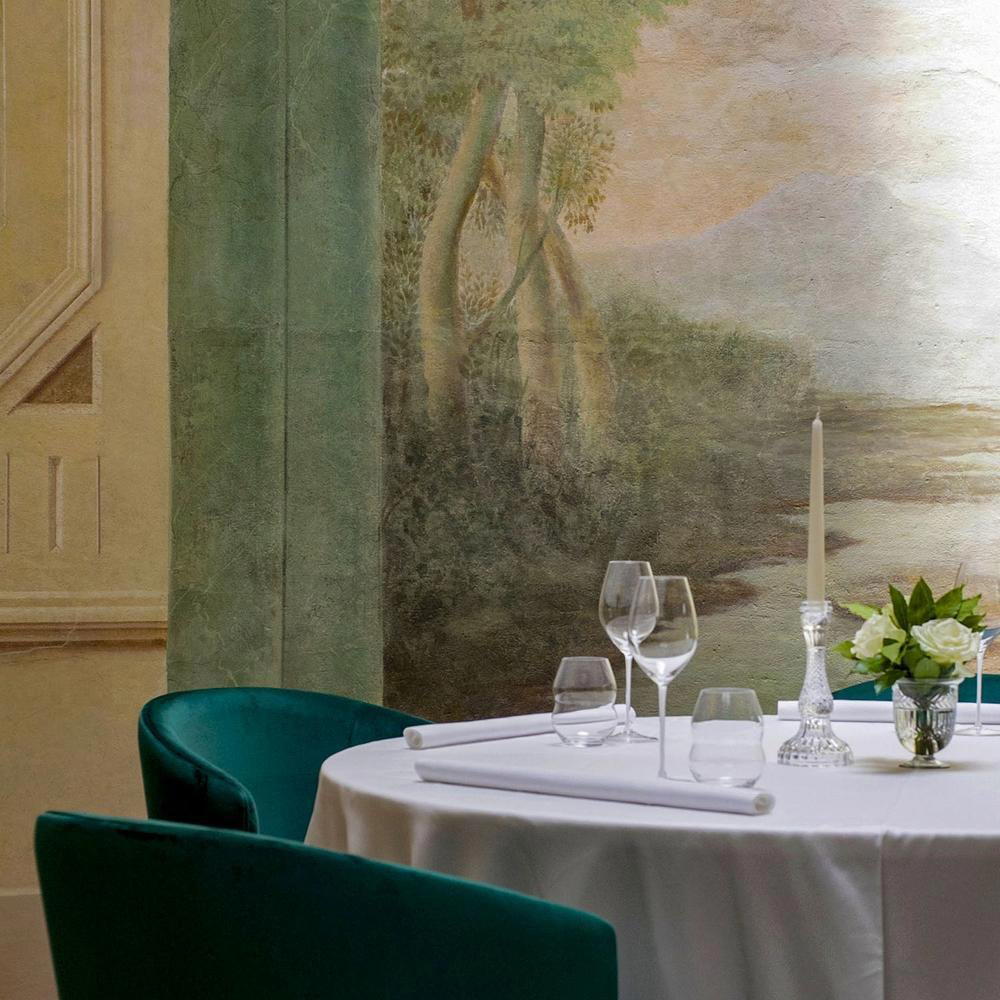
Bars in Fabbrico
Browse all →
Hotels in Fabbrico
Browse all →

At a Glance
- Elegant
- Sophisticated
- Cozy
- Date Night
- Special Occasion
- Open Kitchen
Contemporary indoor dining room on the first floor with a modern portico for summer outdoor seating.