Our verdict
Cinnamoon occupies a corner address on Zschochersche Strasse in Leipzig's Plagwitz district, a neighbourhood that has reoriented the city's dining conversation over the past decade. The space sits within the broader west Leipzig creative cluster, where industrial-era buildings now house a generation of independent operators working at a remove from the tourist-facing centre.

Pearl is the En Primeur Club membership app — saves, bookings, and concierge access live there. Same editors, same standards.
- Address
- Zschochersche Str. 2A, 04177 Leipzig, Germany
- Phone
- +4917684694059
- Hours
- Mon ClosedTue–Thu 9 AM–6 PMFri–Sat 9 AM–7 PMSun 9 AM–6 PM
- Website
- social.quandoo.com
- Directions
- Get directions
- Booking
- Book on the venue's website
Plagwitz and the West Leipzig Dining Shift
Leipzig's most interesting dining has, for some years now, been pulling west. The neighbourhoods around Karl-Heine-Strasse and Zschochersche Strasse have absorbed the kind of independent, format-conscious operators that once defaulted to Connewitz or the Südvorstadt. This migration reflects a broader pattern visible in mid-sized German cities: as post-industrial districts attract younger residents and studio-to-apartment conversions, the food scene that forms around them tends to resist the conventions of city-centre dining. Covers are smaller, formats are less fixed, and the physical spaces carry the weight of a building's history rather than a decorator's brief.
Cinnamoon sits on Zschochersche Strasse 2A, directly inside this westward shift. For a visitor cross-referencing the city's dining options, the relevant comparison points are not the Stadtpfeiffer near the Gewandhaus or the modern cuisine format at Kuultivo, which operate within a different register entirely. Cinnamoon belongs to the west Leipzig independent tier, where spatial decisions and neighbourhood embeddedness carry as much signal as a menu or a price point.
The Physical Container: Reading the Space
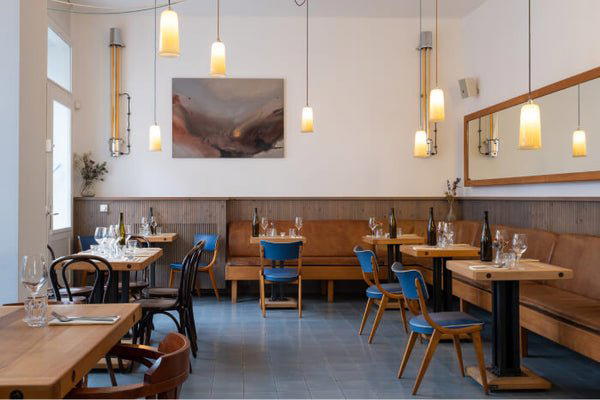
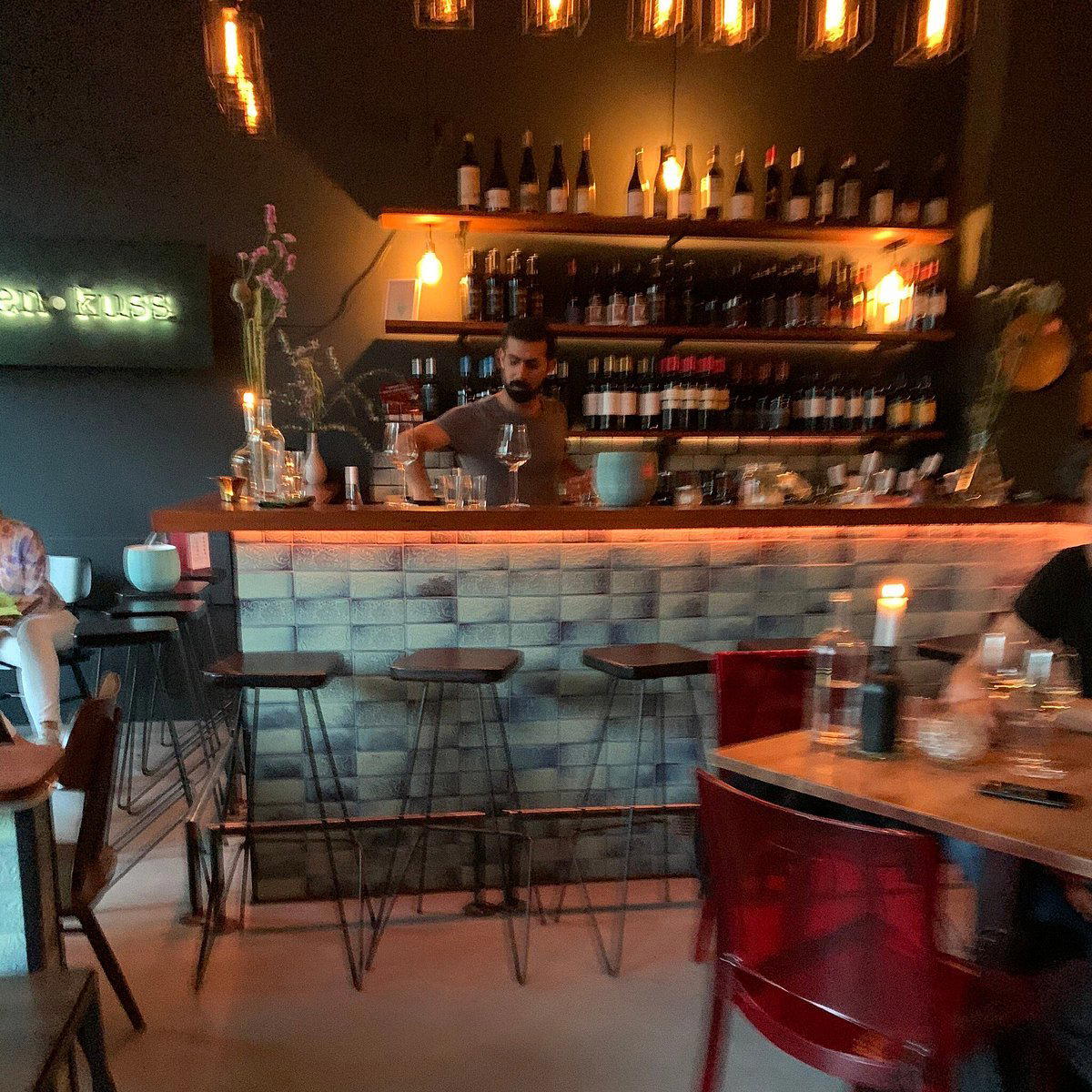
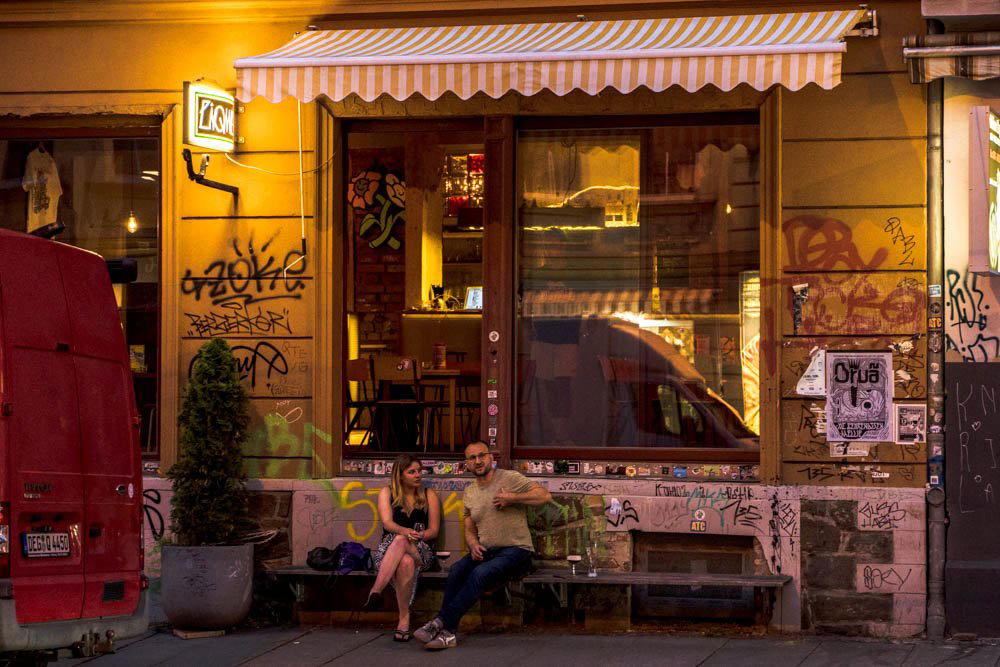
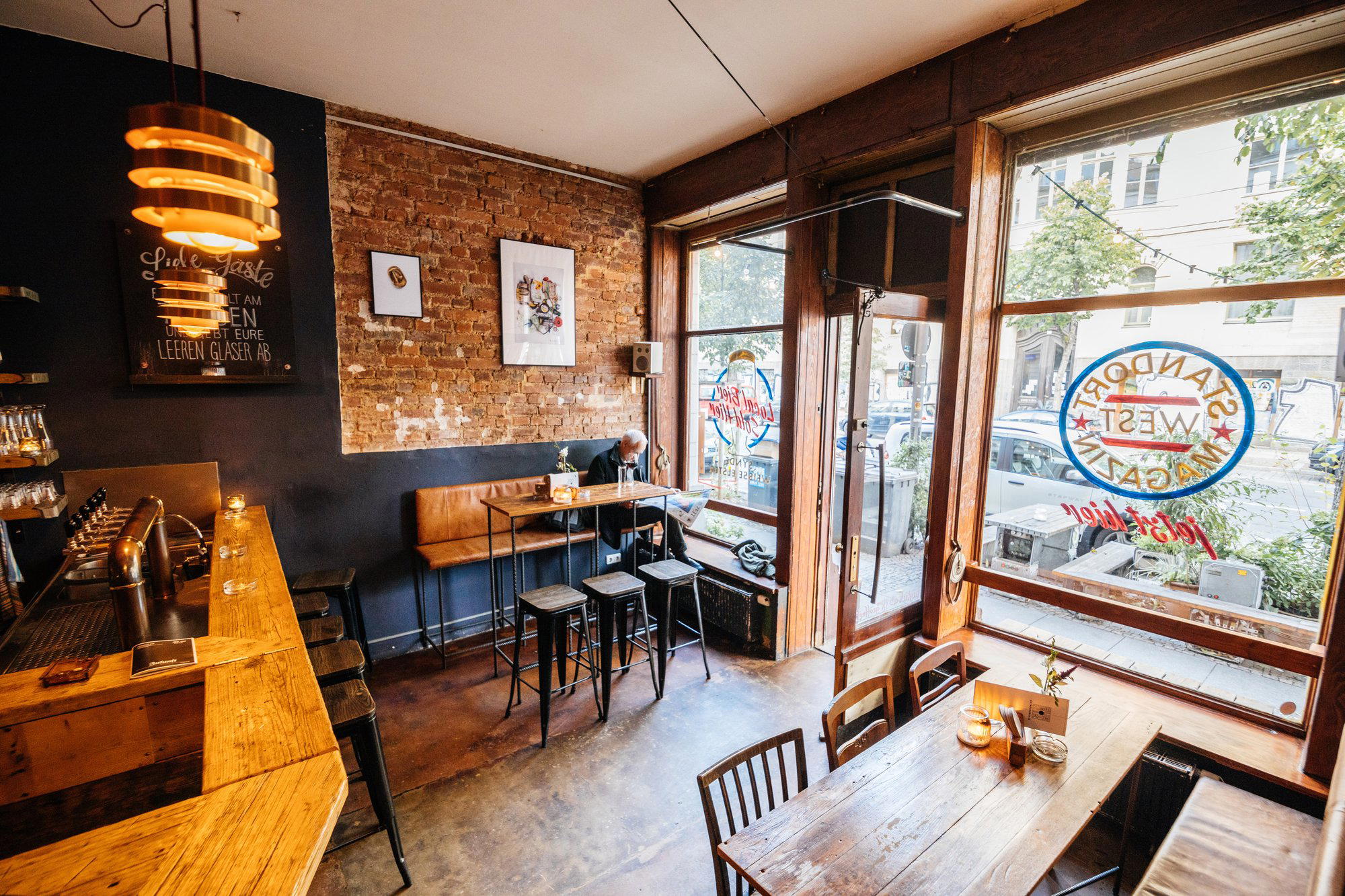
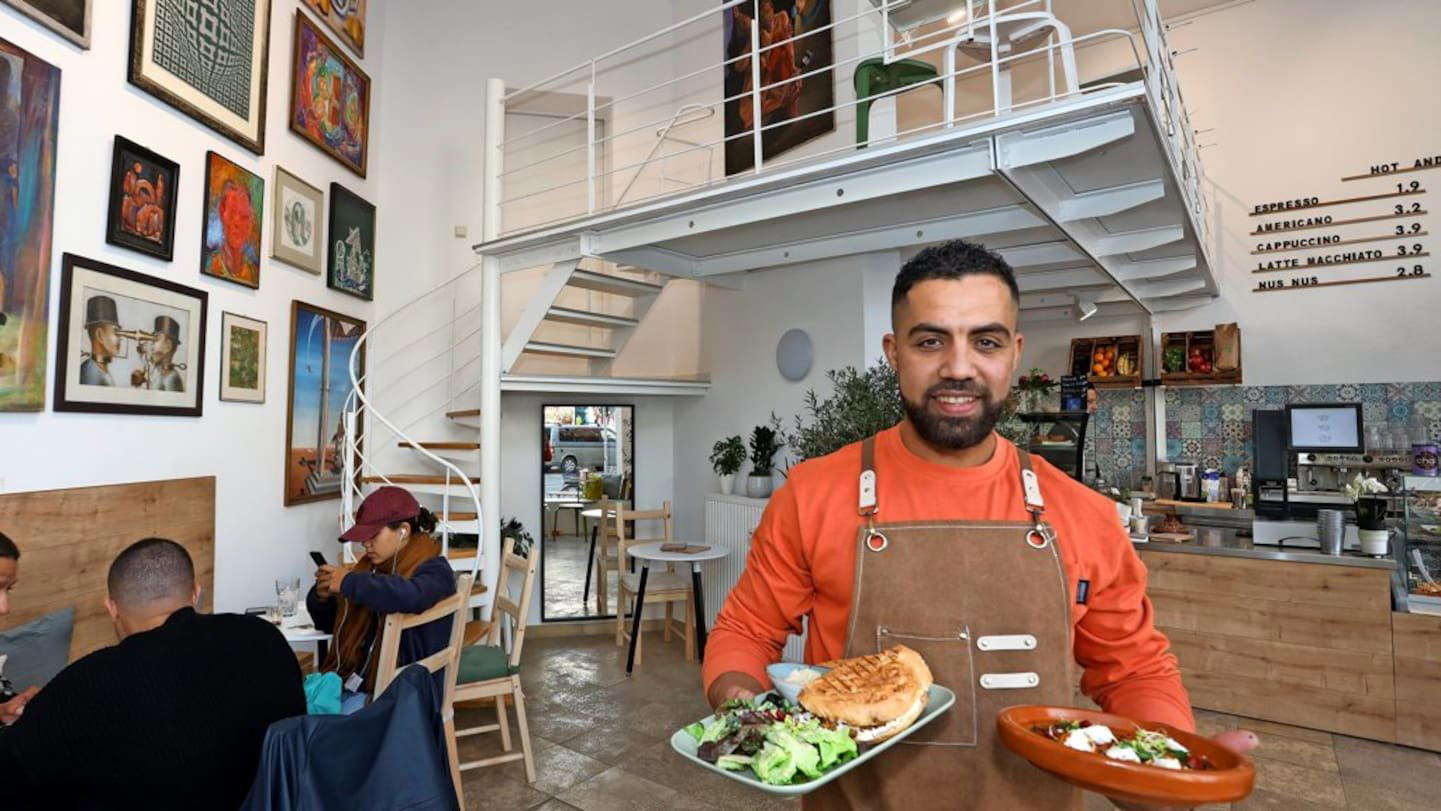
In Plagwitz, the built environment is the argument. Former textile and manufacturing buildings define the streetscape on Zschochersche Strasse, and operators who choose these addresses are, consciously or not, committing to a spatial vocabulary defined by high ceilings, exposed structural elements, and the kind of natural light that comes through large, un-dressed windows. This is not the curated warmth of a city-centre design restaurant. It is something closer to the European neighbourhood bistro model, where the room earns its atmosphere through use and texture rather than through deliberate styling.
The design-and-space angle is the most instructive lens for understanding what venues like Cinnamoon offer relative to the rest of Leipzig's table. At the higher end, restaurants such as Stadtpfeiffer invest in formal room design as part of the experience contract with the diner. Further out on the independent spectrum, the room is less a designed object and more an inherited condition: the operator works with what the building gives them. In Plagwitz, that inheritance tends toward the generous, the slightly rough-edged, the spatially uncomplicated. These are rooms that feel inhabited rather than presented.
For context on how this spatial tradition plays out at the more ambitious end of the German restaurant scene, venues like ES:SENZ in Grassau and Schanz in Piesport demonstrate what happens when design investment is brought to bear at a high level. Cinnamoon operates at a different register, but the question of how a physical space frames a dining experience is the same in both cases.
Leipzig's Broader Restaurant Map
Understanding where Cinnamoon sits requires a working knowledge of how Leipzig's restaurant categories distribute across the city. The centre and the Innenstadt carry the formal end: fine dining rooms, hotel restaurants, and the kind of address that makes sense on an expense account. The 997 Sushi Restaurant, Addis Café, and Alfa Restaurant each represent distinct points on that map, from specialist cuisine formats to more casual neighbourhood eating. The west Leipzig independent tier, by contrast, runs on repeat local custom and a diner base that values consistency and neighbourhood belonging over occasion dining.
For visitors arriving from cities with more developed independent dining scenes, the comparison is useful. The Plagwitz model maps loosely onto what Berlin's Neukölln or Prenzlauer Berg produced a decade ago: small operators in post-industrial spaces, cooking for a local audience with international references but without the apparatus of fine dining. CODA Dessert Dining in Berlin represents one trajectory of that kind of operator achieving national recognition. The Plagwitz equivalent is earlier in that curve.
Germany's recognised fine dining reference points, including Schwarzwaldstube in Baiersbronn, Aqua in Wolfsburg, Vendôme in Bergisch Gladbach, Victor's Fine Dining by Christian Bau in Perl, and Waldhotel Sonnora in Dreis, cluster in different regions and operate at a different scale of ambition.
Cuisine and Format
What the address and neighbourhood context do suggest is a format consistent with the west Leipzig independent model: approachable covers, a menu that reflects seasonal availability rather than fixed prestige ingredients, and pricing that aligns with a diner base of local residents rather than destination visitors. The name itself, Cinnamoon, signals warmth and informality over technical ambition, which positions it within the comfort-led, neighbourhood-anchored tier of Leipzig's independent scene rather than the modernist cuisine end represented by venues like Kuultivo.
For international reference points on what high-ambition cooking looks like when format discipline is the organising principle, Le Bernardin in New York City and Lazy Bear in San Francisco sit at an entirely different register, but they illustrate the range of outcomes that a serious commitment to format and space can produce. JAN in Munich and Restaurant Haerlin in Hamburg show the German equivalent within a formal dining frame. Cinnamoon is none of these things, and that is precisely its position: a neighbourhood address doing neighbourhood work in a district that is still defining what its dining identity will become.
Planning Your Visit
Cinnamoon is located at Zschochersche Strasse 2A, 04177 Leipzig, in the Plagwitz district on the city's west side. From Leipzig Hauptbahnhof, the address is accessible by tram via the Karl-Heine-Strasse corridor. Plagwitz operates on a neighbourhood rhythm rather than a tourist one, meaning weekday evenings often have a different character from weekends, and local custom tends to fill the better independent spots with regulars. For a broader orientation to Leipzig's dining options across price points and cuisines, the EP Club Leipzig restaurants guide maps the city's full range.
Frequently asked questions
Where exactly is Cinnamoon?
Cinnamoon is located at Zschochersche Str. 2A, 04177 Leipzig, Germany, Leipzig.
Is Cinnamoon a good option for dinner in Leipzig's Plagwitz district?
Cinnamoon at Zschochersche Str. 2A sits at the centre of Plagwitz, the Leipzig district that has drawn the most consistent restaurant interest west of the city centre over recent years. Checking current hours before visiting is advisable.
What's the must-try dish at Cinnamoon?
The venue sits on Zschochersche Strasse in Plagwitz, a neighbourhood where operators tend to build focused, deliberate menus rather than broad covers. Visiting with an open order is the practical approach until more detail surfaces.
Can I walk in to Cinnamoon?
2A. Smaller Plagwitz venues frequently run limited covers and fill quickly, particularly on weekend evenings. Contacting the venue directly before arrival is the safer move.
What's the signature at Cinnamoon?
What is clear is its address context: Zschochersche Strasse in Plagwitz, where the dining scene has been shaping itself around the neighbourhood's former industrial buildings and a guest base that migrated west from central Leipzig. That setting tends to define the register of venues operating there.
Category Peers
Comparable venues nearby, for context on price, style, and recognition.
| Venue | Cuisine | Price | Notes |
|---|---|---|---|
| CinnamoonThis venue — the venue you are viewing | Innovative Levante Café | $10–20 | Not listed |
| Bistro Jasmin | Middle Eastern Bistro with Vegan Döner | $1–10 | Gohlis-Süd |
| Restaurant Casablanca | Moroccan | $20–30 | Lindenau |
| eyal | Modern Levantine Street Food | $20–30 | Lindenau |
| Karli61 | Lebanese | $10–20 | Südvorstadt |
| Bayerischer Bahnhof | Traditional German Brewery with Saxon-Bavarian Cuisine | $20–30 | Zentrum-Südost |