Our verdict
On Karl-Liebknecht-Straße, Leipzig's most energetic dining corridor, Karli61 occupies a position in the neighbourhood's mid-tier independent scene that leans toward conscious eating over spectacle. Compared to the creative tasting formats at Stadtpfeiffer or the modern cuisine ambitions of Kuultivo, Karli61 reads as a more grounded proposition — one where the address does much of the contextual work before you've looked at a menu.

Pearl is the En Primeur Club membership app — saves, bookings, and concierge access live there. Same editors, same standards.
- Address
- Karl-Liebknecht-Straße 70, 04275 Leipzig, Germany
- Phone
- +4917621411198
- Hours
- Mon ClosedTue–Sun 12–11 PM
- Website
- karli61-leipzig.com
- Directions
- Get directions
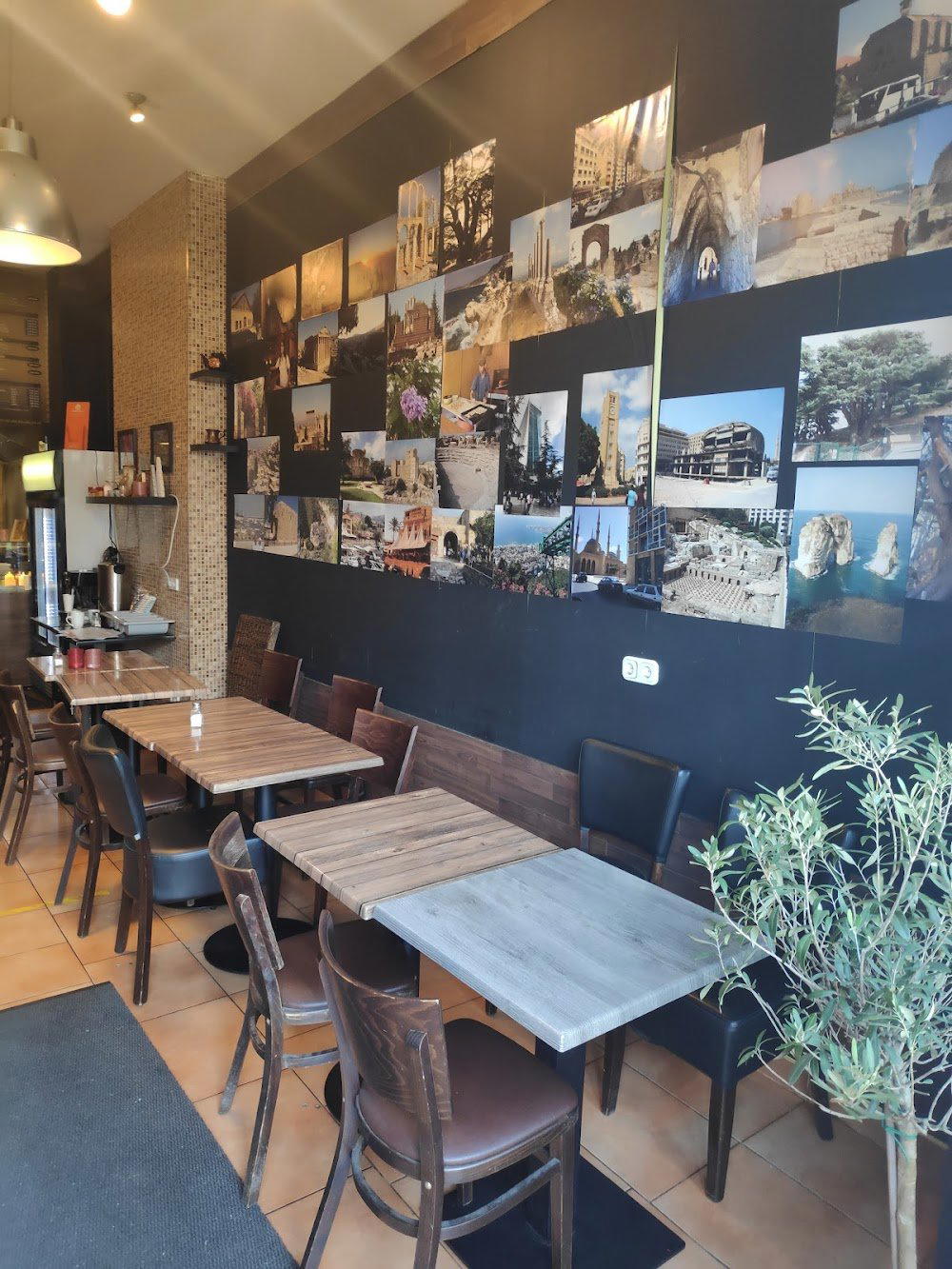
The menu
What to order
- Shawarma Teller
- Shish Tawouk
- Falafel Teller
- Halloumi
- Hummus Plate
Karl-Liebknecht-Straße and the Case for Staying South
Leipzig's dining geography tends to funnel visitors northward, toward the Innenstadt and its established fine-dining addresses. But the stretch of Karl-Liebknecht-Straße that locals abbreviate to 'Karli' has been pulling serious eating south for over a decade. The street is long, dense, and uneven in quality — which is precisely what makes the addresses that hold their footing more interesting. At number 70, Karli61 sits in a section of the street where independent operators outnumber chains and where the clientele is as likely to be debating sourcing politics as wine lists. That context matters before you walk through the door.
In a city that has gradually assembled a credible fine-dining tier — with Stadtpfeiffer (Creative) and Kuultivo (Modern Cuisine) anchoring the upper bracket, the mid-tier independent scene has become more competitive and more interesting. Karli61 belongs to that middle ground: not a tasting-menu destination in the vein of Germany's heavily decorated addresses, but a place where the editorial interest lies in how it positions itself relative to the neighbourhood's growing appetite for food with a point of view. For a broader map of where it sits across the city, the full Leipzig restaurants guide gives useful peer context.
The Sustainability Frame: What It Actually Means Here
Across Germany's independent dining sector, sustainability has split into two distinct registers. The first is performative: printed provenance statements, seasonal menus that change with the marketing calendar, and language borrowed from agricultural policy. The second is structural: supplier relationships built over years, menus that reflect what is actually available rather than what photographs well, and waste practices embedded in kitchen operations rather than bolted on as PR.
Karl-Liebknecht-Straße has become one of Leipzig's more reliable corridors for the structural version of this. The neighbourhood's demographics skew toward residents who read labels and ask questions, which creates a different kind of pressure on operators than a tourist-heavy district would. Venues here that adopt ethical sourcing as a real operational commitment tend to hold their audience more reliably than those treating it as a positioning exercise. Karli61's address at number 70 places it within that ecosystem, the question for any first visit is how deeply the commitment runs below the surface.
For comparison, some of Germany's most discussed sustainability-conscious kitchens operate at very different price points and scales. Aqua in Wolfsburg and ES:SENZ in Grassau demonstrate that ecological awareness can coexist with high formal ambition. At the other end of the format spectrum, CODA Dessert Dining in Berlin has built a globally discussed program around fermentation and minimal waste within a tasting format. Karli61 operates at a less decorated level, but the neighbourhood context and independent positioning suggest alignment with the same broad direction.
What the Address Signals About the Format
Venues on Karl-Liebknecht-Straße generally avoid the formal register that defines Leipzig's Innenstadt dining. The physical environment along this stretch favours exposed materials, functional furniture, and room layouts that prioritise throughput and conversation over ceremony. Number 70 sits in a building stock typical of the southern Gohlis and Connewitz boundary, pre-war construction with ground-floor commercial frontage that has been repurposed multiple times over the past thirty years.
That architectural context tends to shape what kind of dining makes sense. Heavy tasting-menu formats with long service sequences and elaborate tableside preparation read awkwardly in rooms without the spatial depth to accommodate them. What works here, and what the independent operators in this corridor have generally figured out, is a more direct format: a focused menu, attentive but unpretentious service, and a kitchen that has made clear decisions about what it is and isn't trying to do. Visitors coming from the more formal structures of Schwarzwaldstube in Baiersbronn or Vendôme in Bergisch Gladbach should adjust their expectations accordingly, this is a different kind of serious eating.
Leipzig's Independent Scene in European Context
Leipzig occupies an unusual position in German dining geography. It lacks the media saturation of Berlin, the financial density of Munich, and the international tourism volume of Hamburg, yet its independent restaurant scene has developed at a pace that outstrips its profile. This gap between quality and visibility is partly a function of the city's demographic, a large student and creative-class population with strong opinions about food ethics and limited tolerance for price inflation without substance.
The result is a dining environment where operators need to earn loyalty through consistency and conviction rather than location or reputation. Addresses like Addis Café and Alfa Restaurant illustrate the range of what the independent scene covers: different cuisines, different price points, different relationships to the city's culinary identity. 997 Sushi Restaurant shows that the city's appetite extends to formats that would have seemed improbable here fifteen years ago. Karli61 fits within this pattern of operators betting on substance over spectacle in a city that has proven willing to reward that bet.
For reference on what formal ambition looks like at the top of the German market, JAN in Munich, Victor's Fine Dining by Christian Bau in Perl, Waldhotel Sonnora in Dreis, Restaurant Haerlin in Hamburg, and Schanz in Piesport define the upper tier against which Leipzig's more informal independents should be understood as a deliberate counterpoint, not a lesser version. Internationally, Le Bernardin in New York City and Atomix in New York City represent the kind of format discipline that the world's most discussed dining rooms have built their reputations on, a different scale entirely from Karl-Liebknecht-Straße, but useful as a calibration point for what editorial seriousness about food looks like across formats.
Planning a Visit
Karli61's address, Karl-Liebknecht-Straße 70, 04275 Leipzig, is reachable by tram from the city centre, with the Karli corridor well served by Leipzig's public transit network. The southern stretch of the street is walkable from Connewitz and Plagwitz, making it a logical addition to an afternoon or evening that begins elsewhere in the city's independent quarter.
Frequently asked questions
Where is Karli61 in Leipzig?
Karli61 is located at Karl-Liebknecht-Straße 70, 04275 Leipzig, Germany, Leipzig.
How does Karli61's location compare to Leipzig's central dining district?
Karli61's address at Karl-Liebknecht-Straße 70 places it roughly two kilometres south of Leipzig's Innenstadt, reachable by tram from the city centre along the Karli corridor. The area operates at a different register from the established fine-dining addresses further north, with a denser concentration of independent operators and a more locally oriented crowd. For visitors staying centrally, it represents a deliberate southward detour rather than a default choice.
What's the must-try dish at Karli61?
Venues along Karl-Liebknecht-Straße 70's stretch of Leipzig's independent corridor typically rotate offerings around seasonal and ethically sourced produce.
Do I need a reservation for Karli61?
Independent rooms on Karl-Liebknecht-Straße run at high occupancy Thursday through Saturday, when the neighbourhood draws a strong local dining crowd. Booking ahead for weekend visits is advisable. Midweek tends to offer more flexibility, though that can shift during Leipzig's event calendar.
What is Karli61 known for?
Karli61 sits at Karl-Liebknecht-Straße 70, one of Leipzig's most active stretches for independent food operators. The address places it within a corridor associated with ethical sourcing and reduced-waste practices, giving it a distinct identity from the formal dining addresses concentrated in the city's Innenstadt.
Do they accommodate allergies at Karli61?
Venues in Leipzig's independent sector, particularly those operating within sustainability and ethical sourcing frameworks, generally engage closely with ingredient questions, but contacting Karli61 directly before visiting is the appropriate step for specific dietary requirements.
Is Karli61 worth the price?
The Karl-Liebknecht-Straße address context generally supports mid-range neighbourhood pricing rather than the premium tiers of Leipzig's Innenstadt, which tends to mean strong value relative to comparable independent operators in German cities with higher media profiles.
Compact Comparison
Comparable venues nearby, for context on price, style, and recognition.
| Venue | Cuisine | Price | Notes |
|---|---|---|---|
| Karli61This venue — the venue you are viewing | Lebanese | $10–20 | Not listed |
| Café H.b.b. Funk West | Oriental Fusion Street Food | $10–20 | Lindenau, Oriental Fusion Street Food |
| Bistro Syrien | Syrian Bistro | $1–10 | Volkmarsdorf, Syrian Bistro |
| Cinnamoon | Innovative Levante Café | $10–20 | Altlindenau, Innovative Levante Café |
| maza pita - syrian specialties | Syrian Specialties | $10–20 | Schleußig, Syrian Specialties |
| Mein liebes Frollein | Organic German Breakfast Café | $10–20 | Südvorstadt, Organic German Breakfast Café |
Continue exploring
More in Leipzig
Restaurants in Leipzig
Browse all →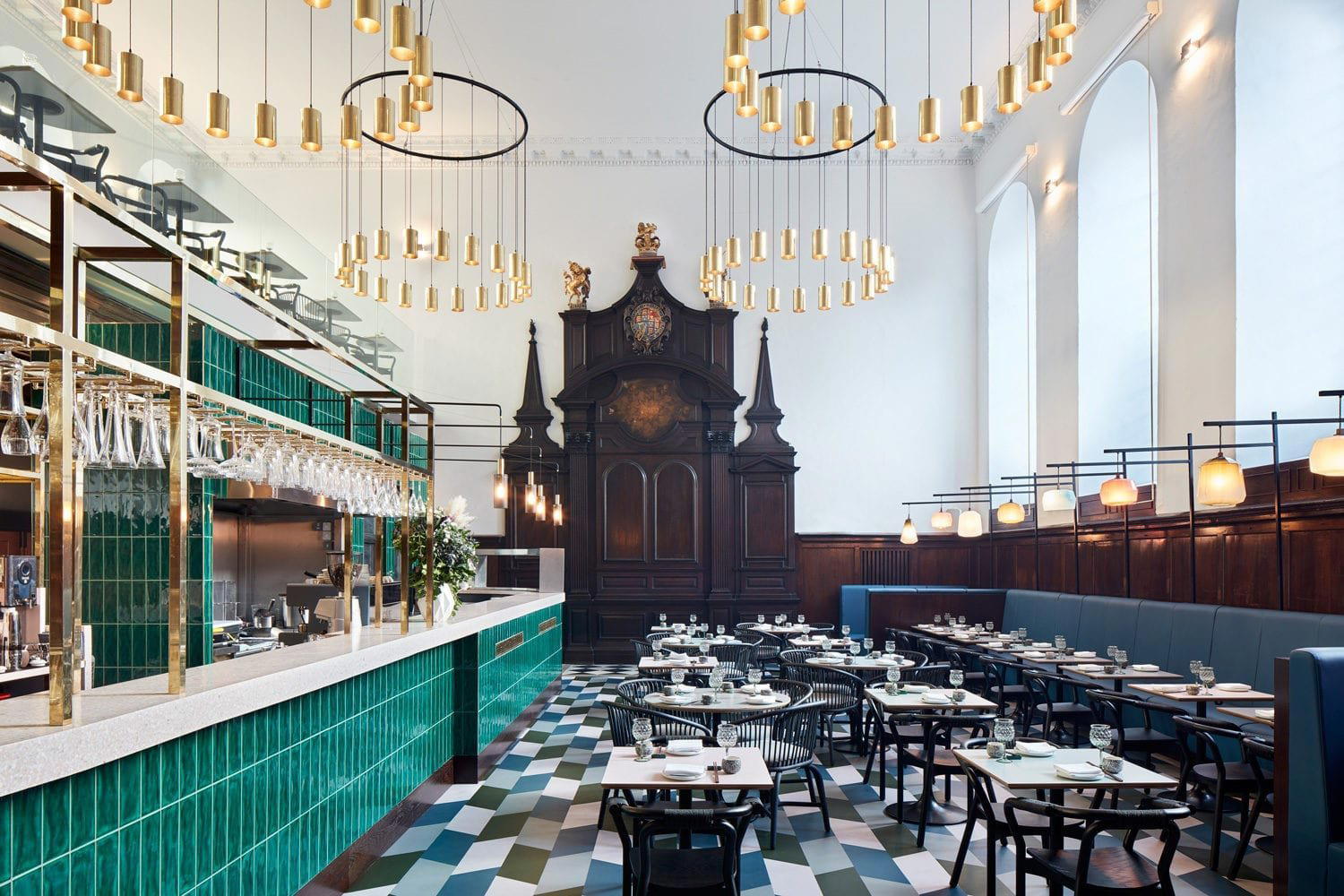
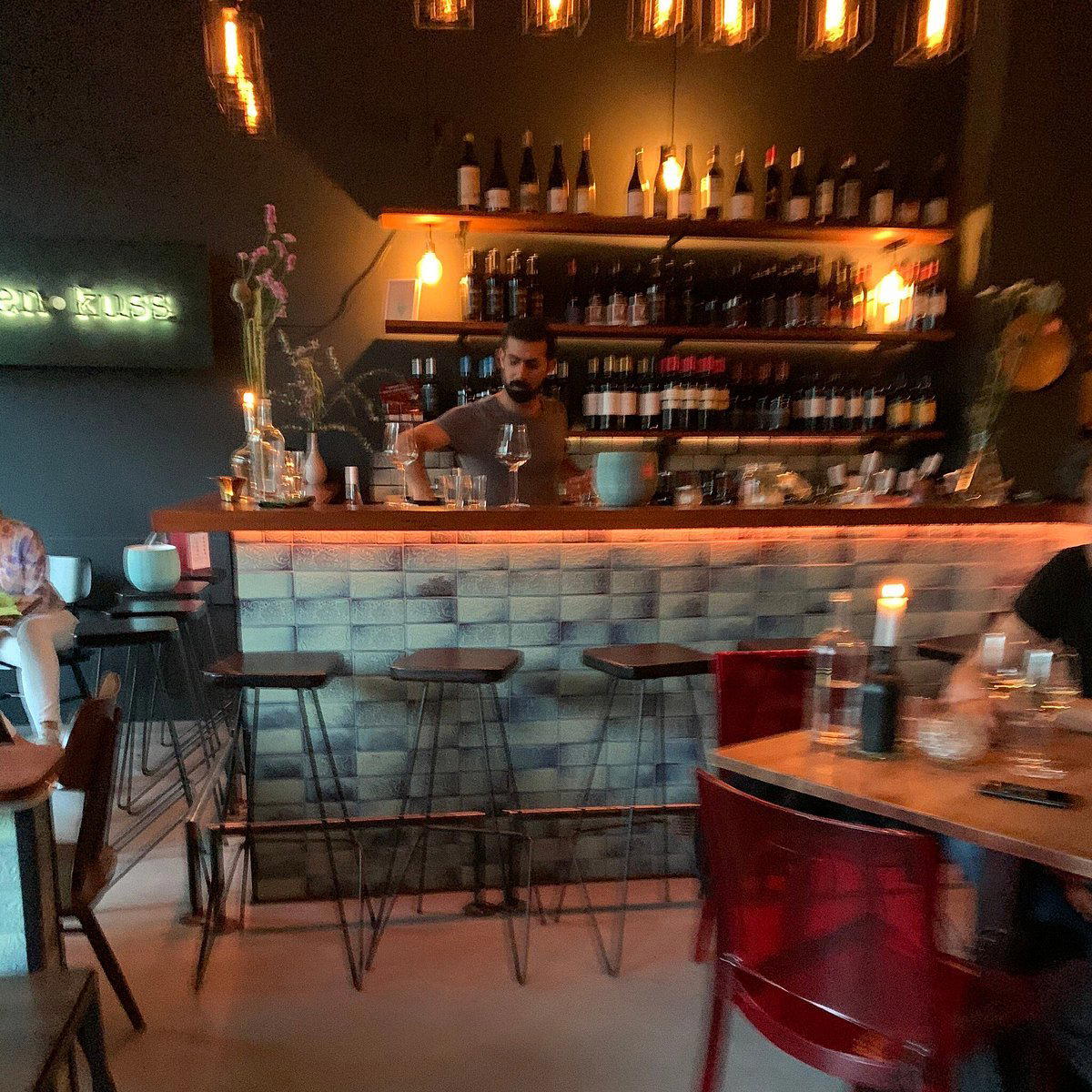
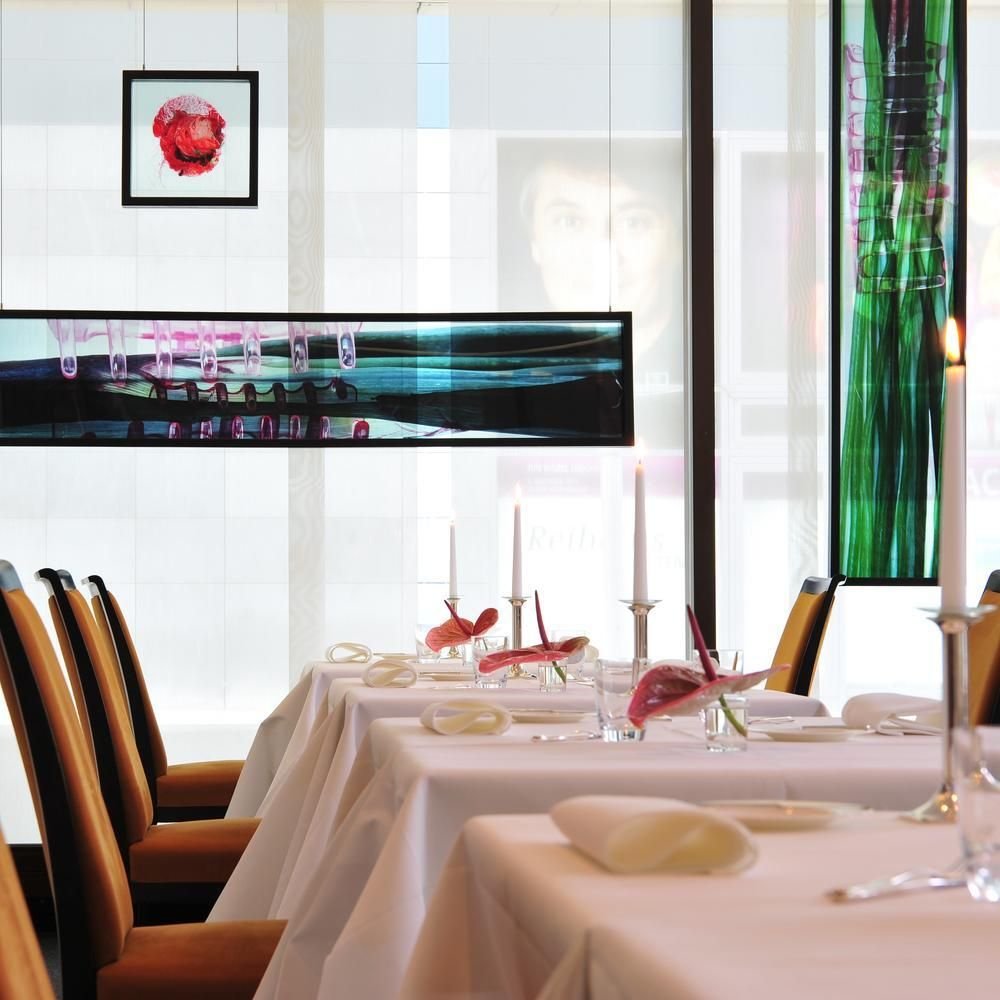
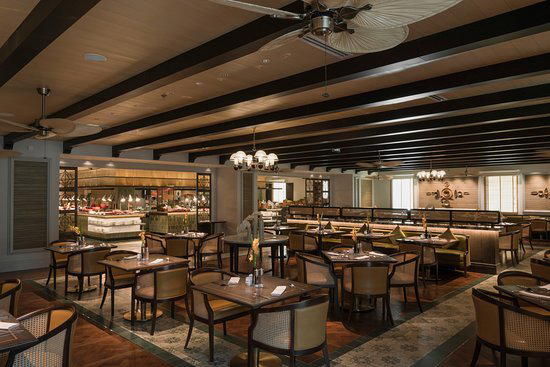
Bars in Leipzig
Browse all →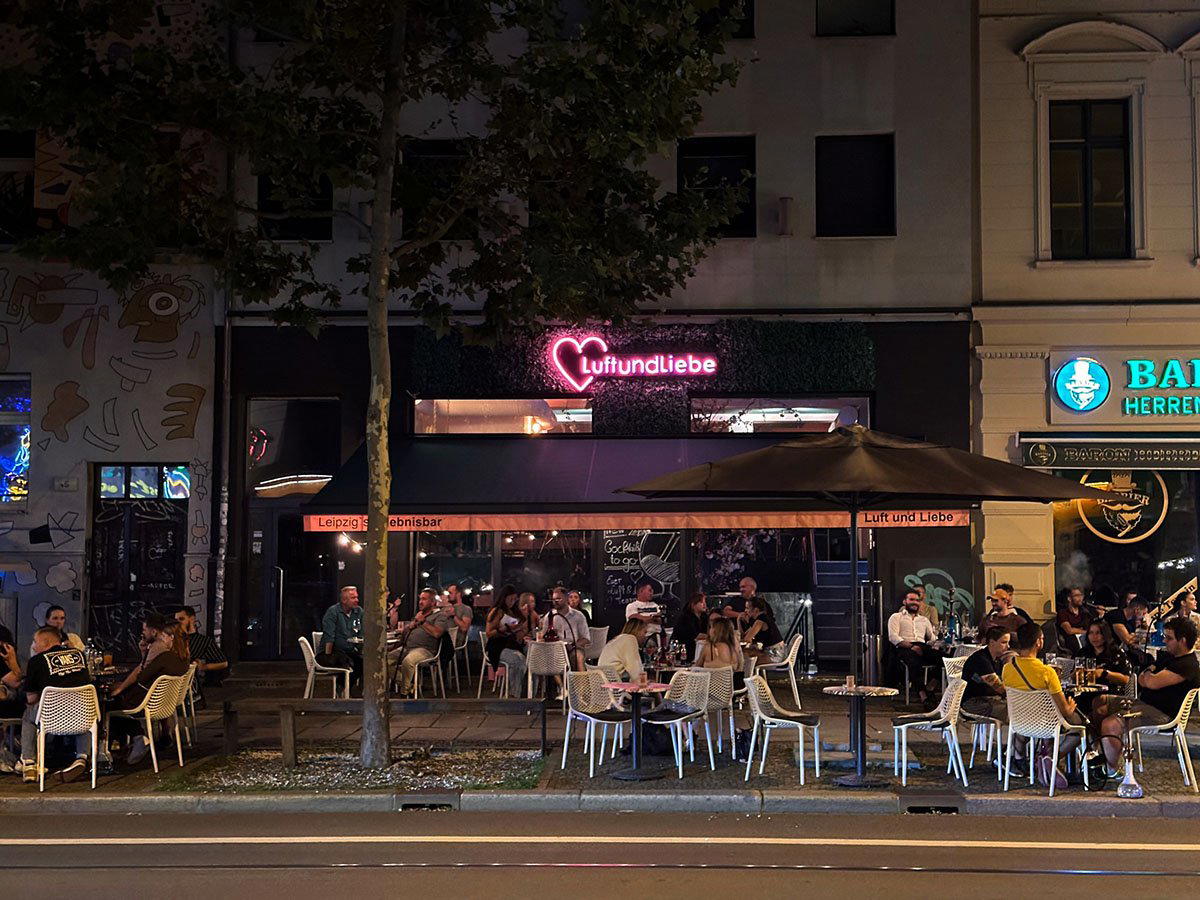
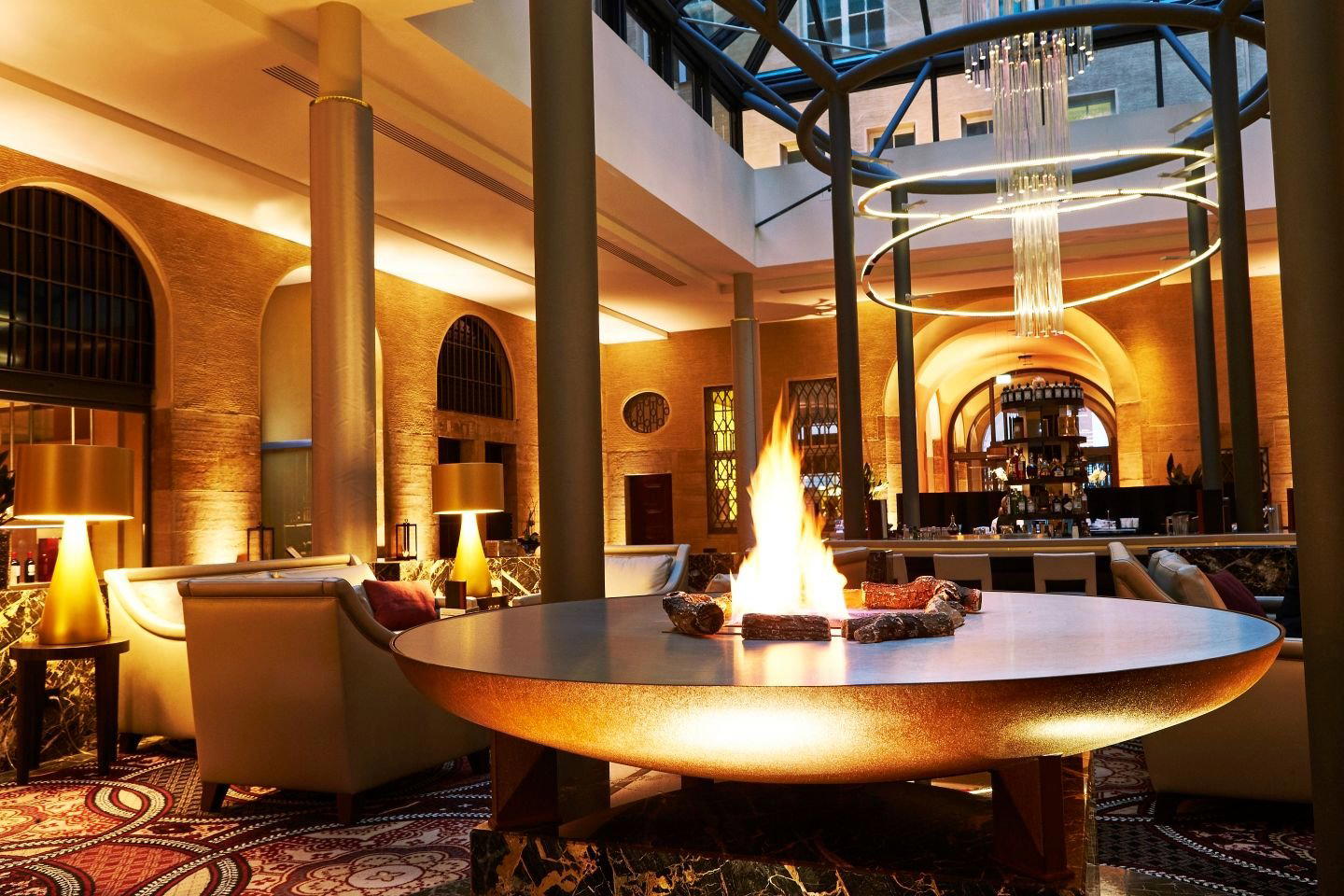
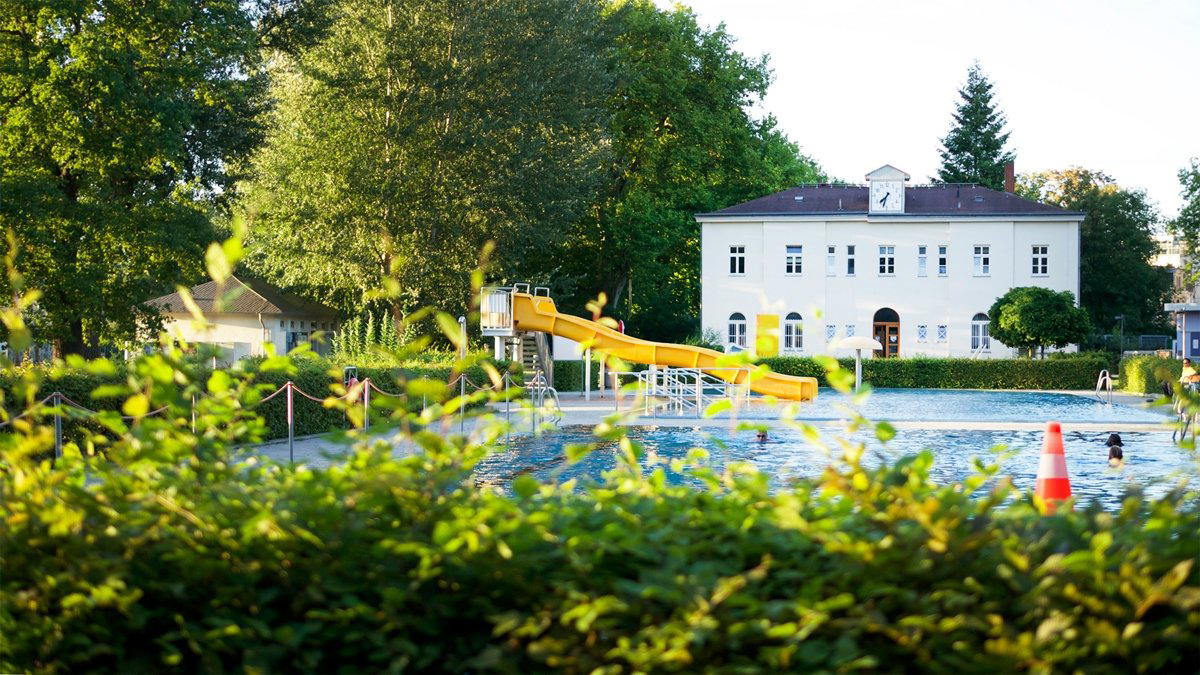
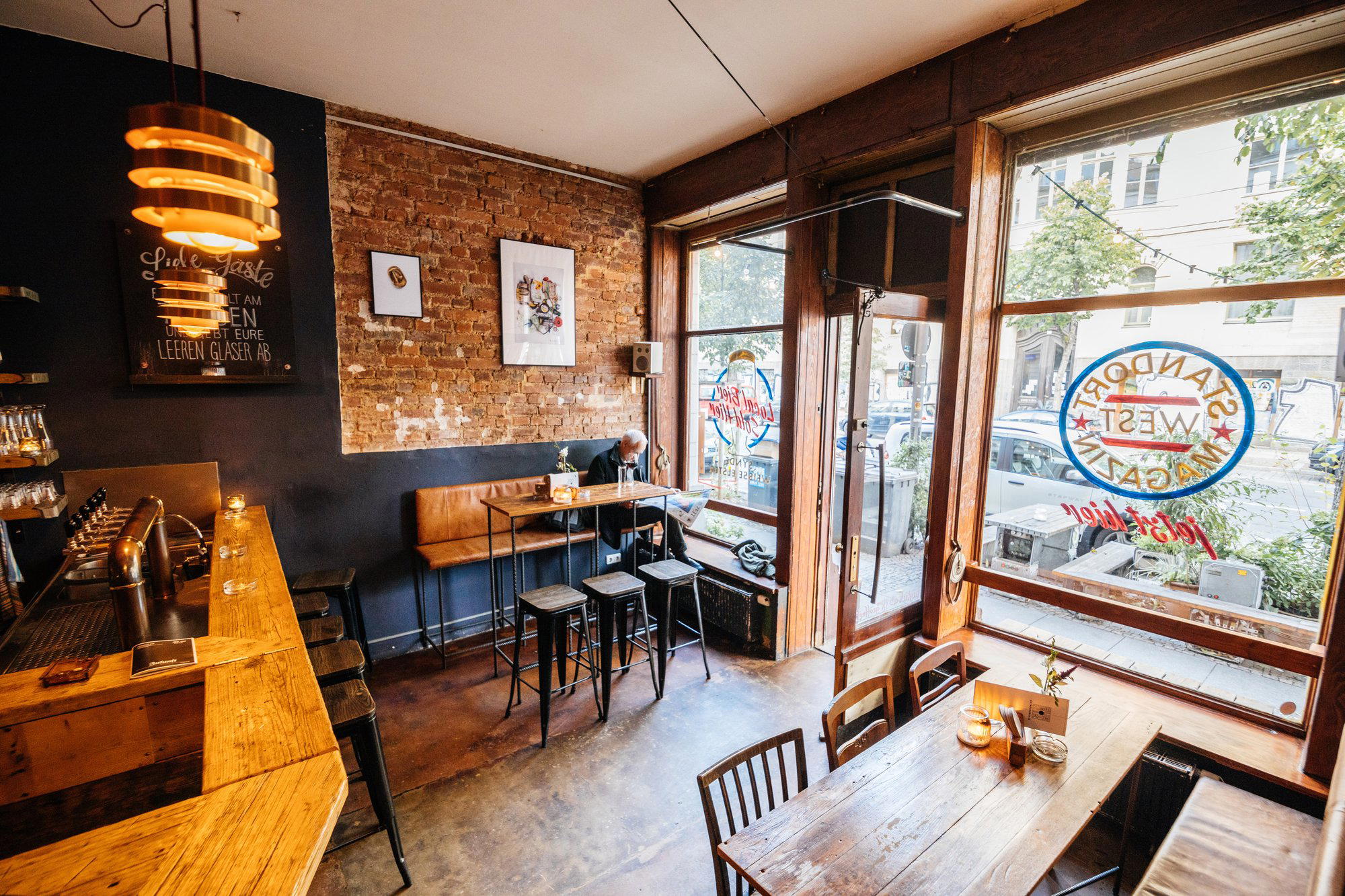
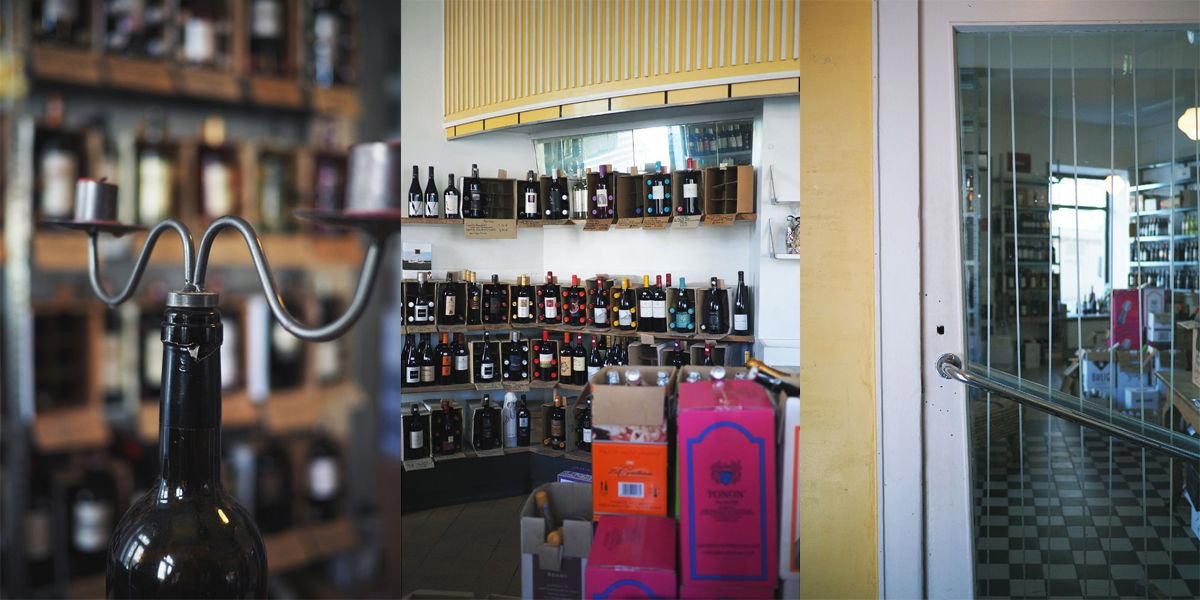
Hotels in Leipzig
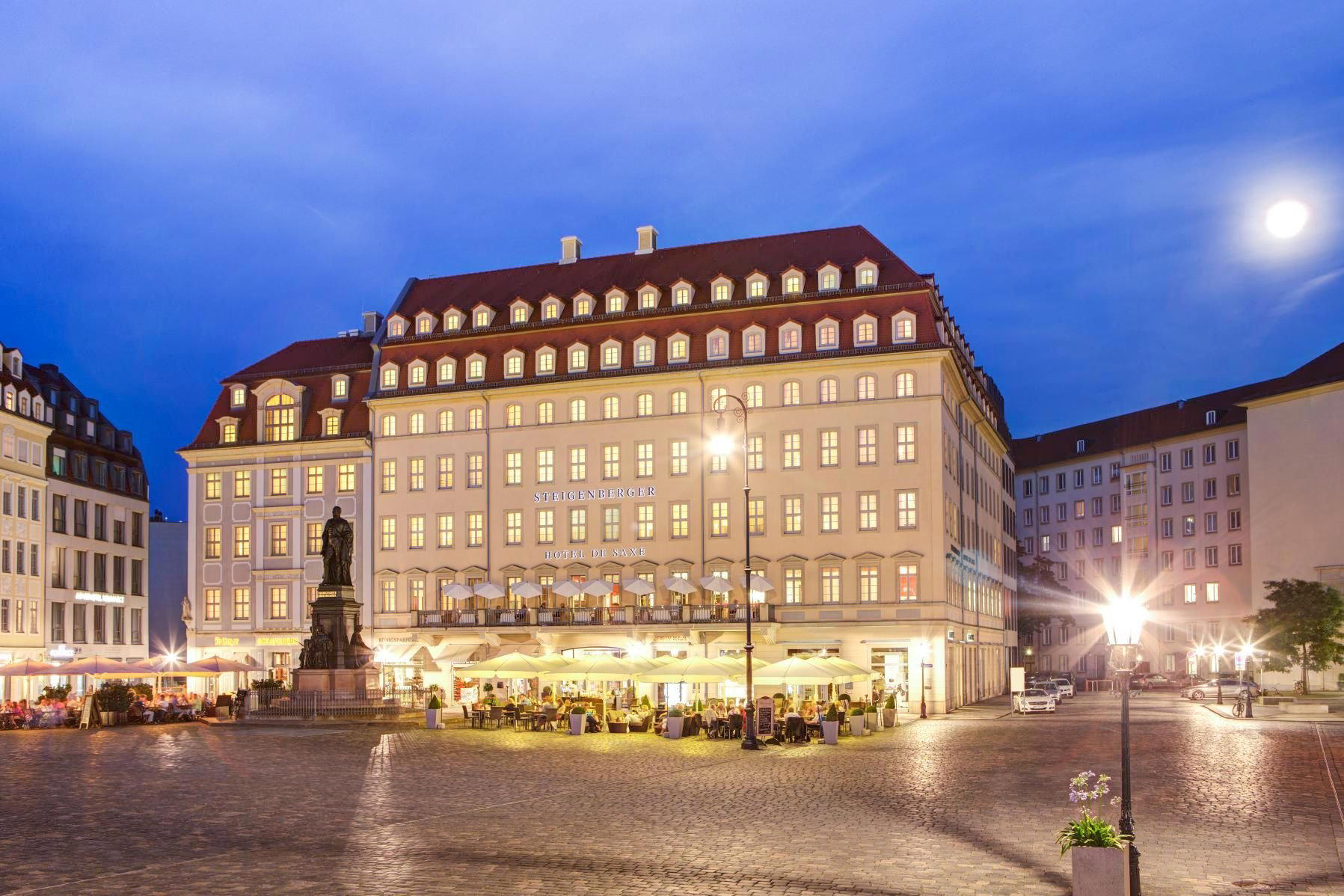
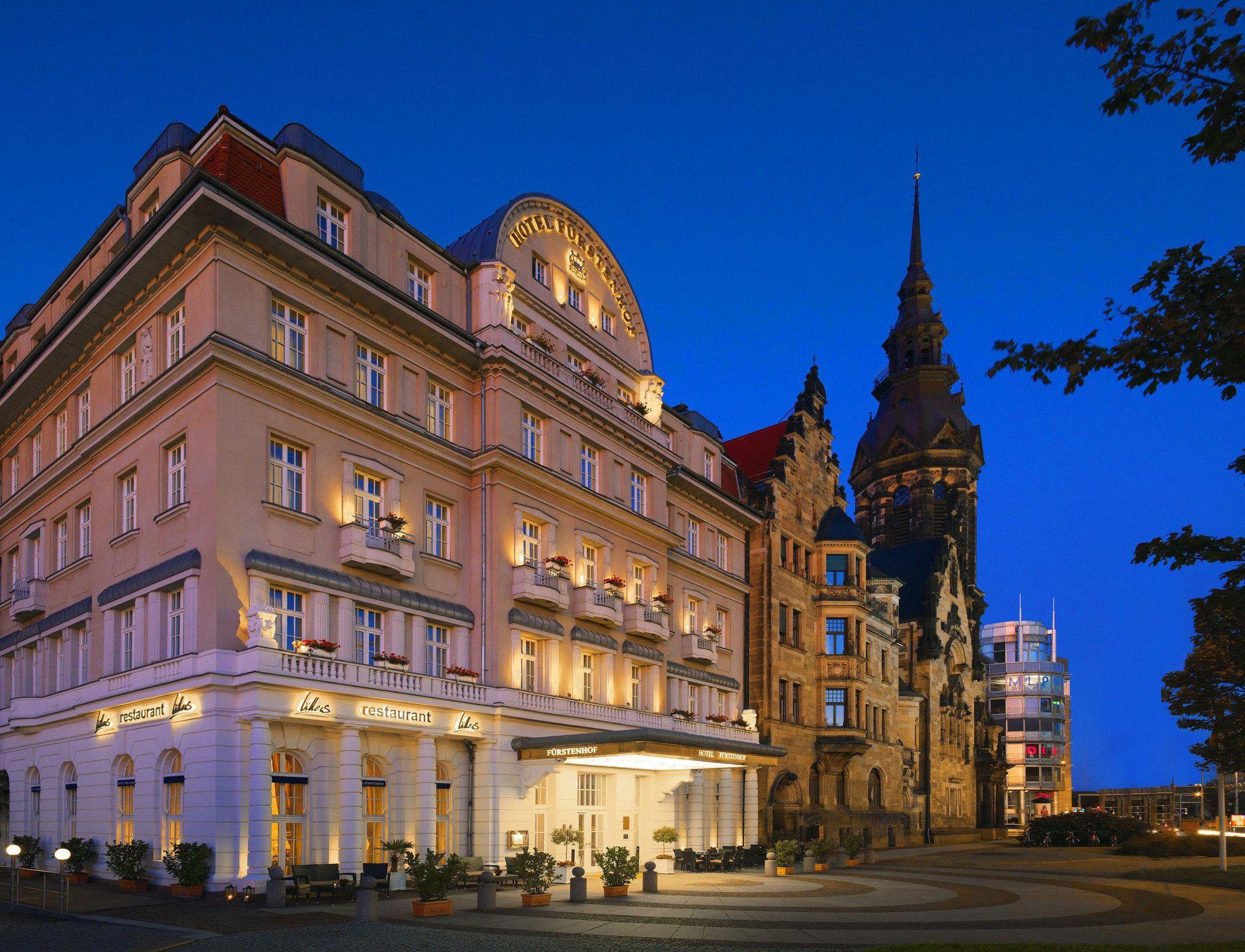
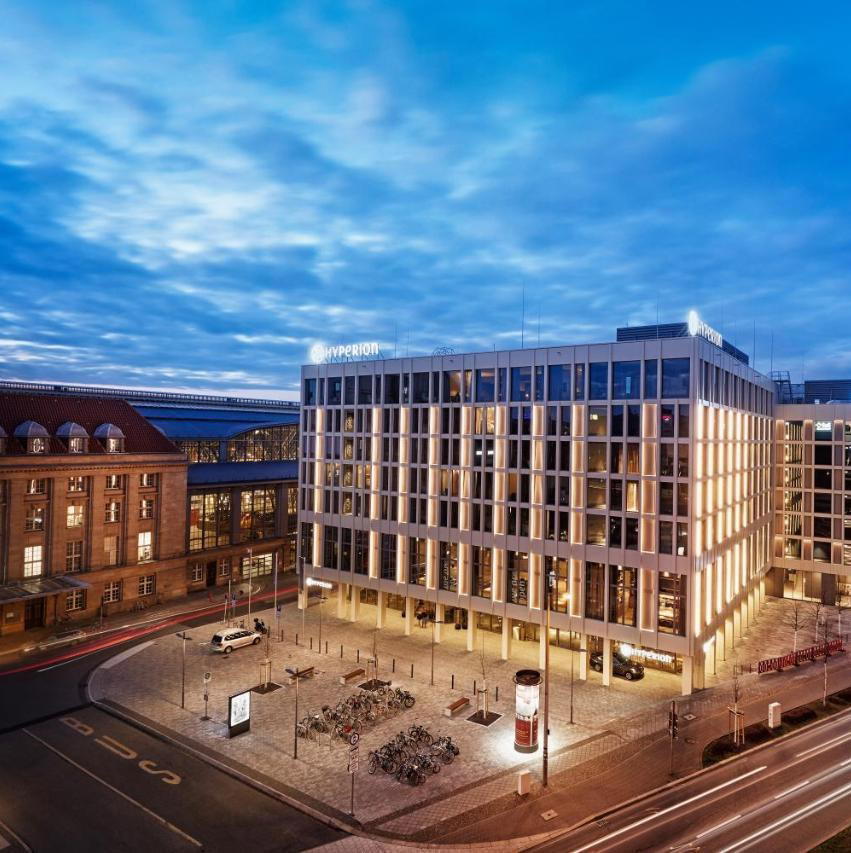
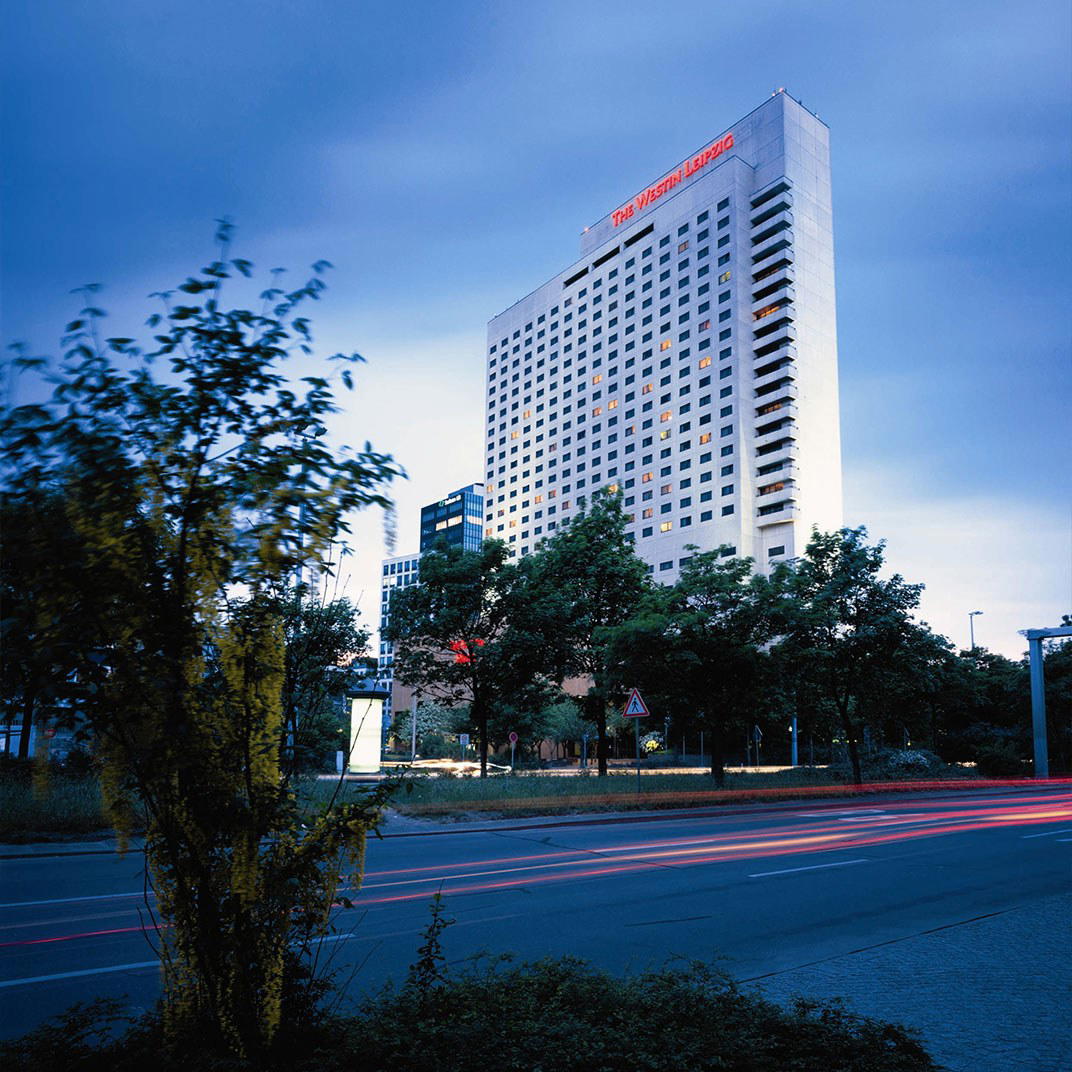
Browse all →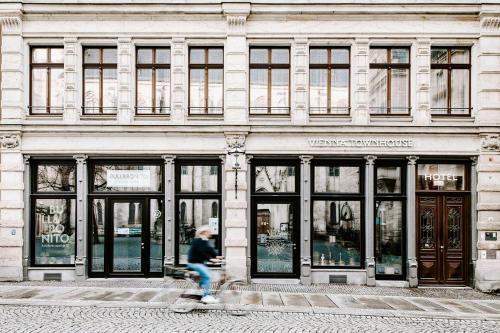
Wineries in Leipzig
Browse all →
Details
- Casual
- Cozy
- Trendy
- Casual Hangout
- Group Dining
- After Work
- Standalone
- Open Kitchen
- A La Carte
- Vegetarian Friendly
- Vegan Options
Current opening hours
- Monday
- Closed
- Tuesday
- 12–11 PM
- Wednesday
- 12–11 PM
- Thursday
- 12–11 PM
- Friday
- 12–11 PM
- Saturday
- 12–11 PM
- Sunday
- 12–11 PM
Hours can change for holidays and private events. Last verified .
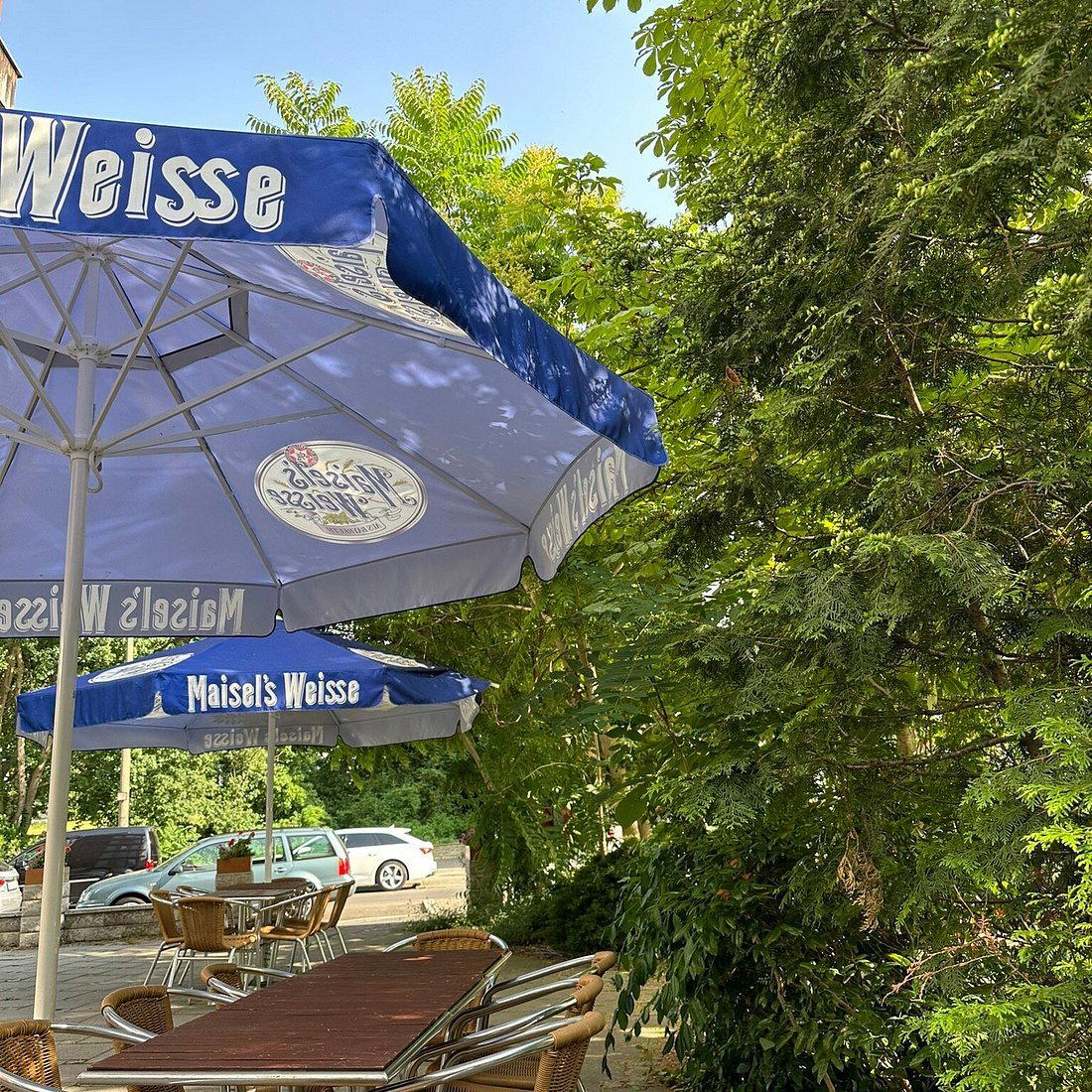
Casual and welcoming atmosphere with outdoor seating, designed for both relaxed dining and quick takeaway service.