Our verdict
On Brüderstraße in Leipzig's historic Zentrum, Addis Café brings Ethiopian dining to a city whose restaurant scene skews heavily Central European. The address places it within walking distance of the city's main cultural circuit, making it a practical and distinctive detour from the surrounding mix of German and Italian standards. For visitors seeking something outside that default register, it earns a look.

Pearl is the En Primeur Club membership app — saves, bookings, and concierge access live there. Same editors, same standards.
- Address
- Brüderstraße 39, 04103 Leipzig, Germany
- Phone
- +4934124831144
- Hours
- Mon–Tue ClosedWed–Sun 4–10 PM
- Website
- addis-cafe.de
- Directions
- Get directions
- Booking
- Book on the venue's website
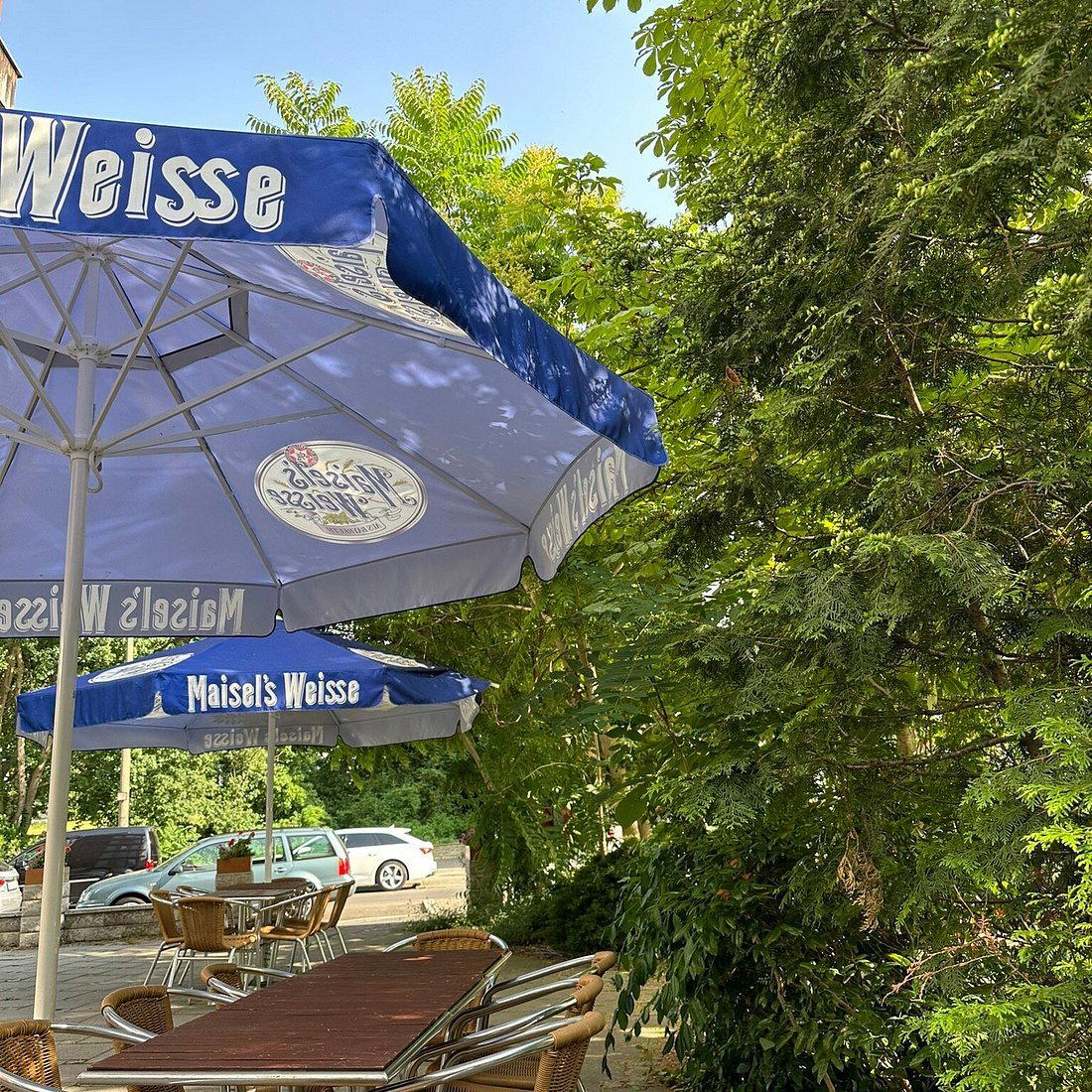
Where the Smell of Spiced Lentils Meets a Saxon Street Corner
Brüderstraße runs through the older residential grain of Leipzig's Zentrum, where nineteenth-century facades line a street that doesn't attract much tourist foot traffic. That is precisely the register in which Addis Café operates. There are no neon signs flagging its presence, no queue management system. What arrives first, if you approach with the windows open, is the scent — the warm, earthy drift of berbere and clarified butter that marks a kitchen working with a spice vocabulary almost entirely absent from this part of Germany. That sensory contrast, Leipzig street outside and East African kitchen inside, is the first thing that tells you this place occupies a distinct position in the city's dining map.
Ethiopian restaurants remain sparse across Germany's smaller cities. Berlin has a recognisable cluster; Munich has a handful. In Leipzig, a city whose restaurant scene at the upper end runs toward modern Central European cooking at places like Kuultivo (Modern Cuisine) and Stadtpfeiffer (Creative), and whose mid-range fills quickly with Italian and international formats, an Ethiopian address is not a casual occurrence. It represents a gap being filled by a specific community of hospitality rather than a trend response. That distinction matters when you are trying to read what a city's food culture actually contains versus what it performs for visitors.
The Grammar of the Table
Ethiopian dining has its own internal logic that separates it from the individual-plate format that dominates European restaurant culture. The injera — a spongy, slightly sour flatbread made from teff flour, functions simultaneously as plate, utensil, and structural element of the meal. Dishes arrive on top of it or alongside it, and the act of eating is inherently communal: tearing, sharing, combining. That format doesn't translate as a novelty act. It reflects a domestic dining tradition in which the table is organised around collective participation rather than individual choice.
For a diner whose frame of reference is the service formats at restaurants like Schwarzwaldstube in Baiersbronn or Aqua in Wolfsburg, where each course is precisely plated and sequenced, an Ethiopian spread operates on entirely different terms. The comparison is not hierarchical, it is structural. Communal formats like this require a different kind of attention from the diner: reading the spread, understanding what combines with what, adjusting pace to the group rather than to a tasting menu's rhythm.
The vegetarian and legume-heavy preparation that defines much of Ethiopian cooking, spiced red lentils, split peas, collard greens, chickpea flour dishes, also positions the kitchen within a tradition of plant-forward cooking that predates any contemporary European trend toward it. Lent observance in the Ethiopian Orthodox calendar has shaped a cuisine capable of making vegetables the primary event rather than the accompaniment. That context gives the food its own internal credibility, independent of any wellness framing.
Leipzig's Mid-Range and Where Addis Café Sits in It
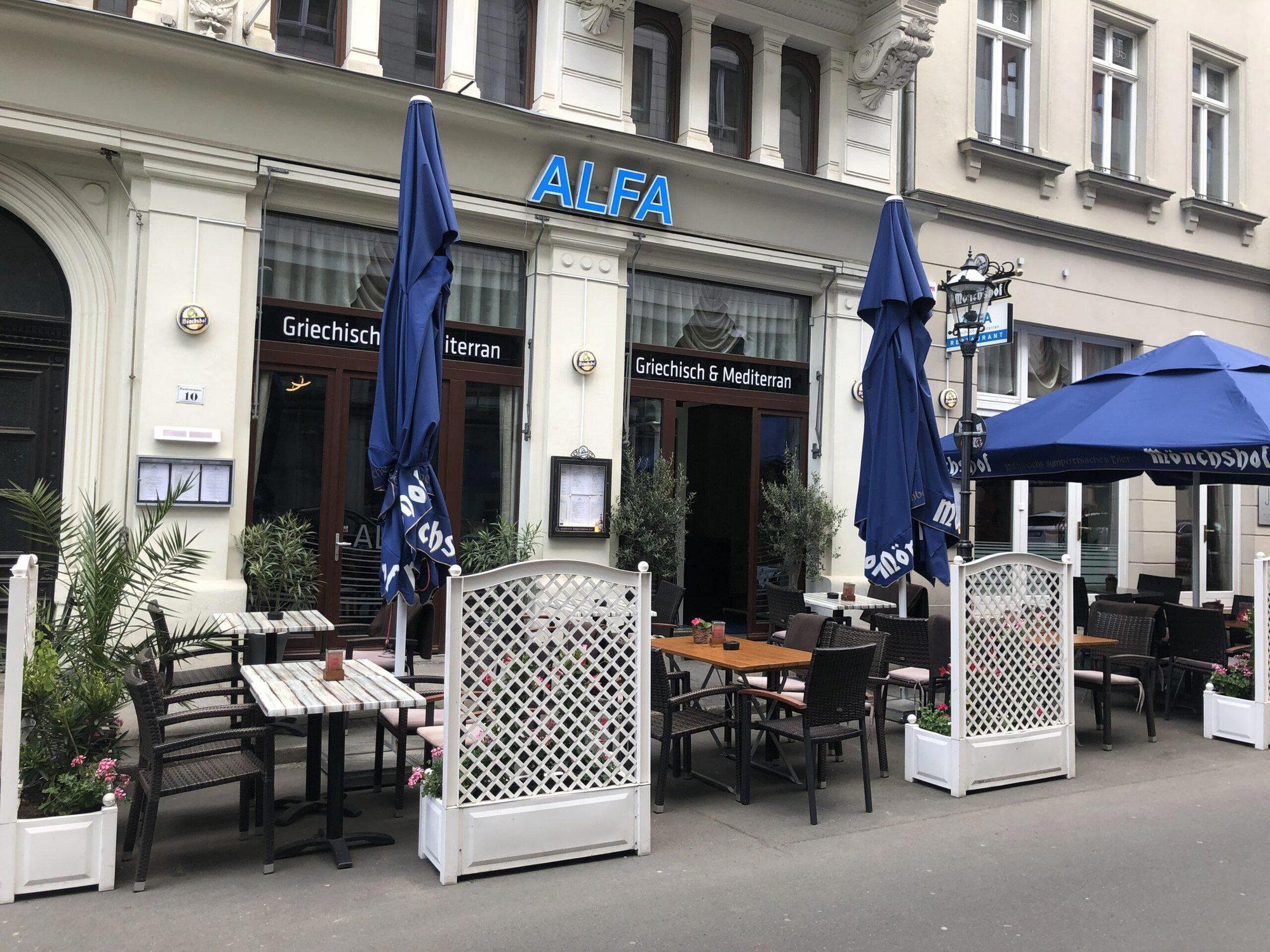
Leipzig's mid-range dining options span a predictable spread: Italian at Amico Italienische Spezialitäten, Japanese at 997 Sushi Restaurant, Greek at Alfa Restaurant. These are formats with established local audiences and decades of European familiarity behind them. Ethiopian sits outside that familiarity curve, which means the audience at Addis Café skews toward the curious rather than the habitual. That is not a weakness, it tends to produce a more engaged room.
German dining in cities like Leipzig has historically operated around price-to-portion logic at the casual end and a more austere fine dining tradition at the leading. The creative fine dining tier in Germany has produced serious work at addresses like JAN in Munich, Vendôme in Bergisch Gladbach, and CODA Dessert Dining in Berlin. Addis Café operates in no proximity to that tier and makes no claim to it. Its relevance is lateral: it offers a cuisine tradition that nothing else in Leipzig's mid-range addresses, and it does so at a Brüderstraße address that keeps it grounded in the city's residential rather than tourist fabric.
Timing and the Seasonal Register
Leipzig's cultural calendar concentrates in autumn and spring. The city's trade fair heritage, its music programming around the Gewandhaus and Opera, and its academic calendar all generate visitor peaks in those windows. During those periods, the restaurant pressure on the central district rises noticeably, and the conventional addresses, those with digital visibility and easy booking, absorb most of the overflow. A place operating without a visible online footprint navigates those peaks differently: walk-in timing becomes more relevant, and midweek evenings tend to offer more room than Friday or Saturday.
Winter in Leipzig brings a different quality to the indoor dining experience. The city's Gründerzeit buildings hold the cold at street level, and the warmth and spice register of East African cooking aligns well with that seasonal context in a way that a cold-plated European tasting menu does not. There is something practically suited about a meal built around lentils, slow-cooked stews, and flatbread when the temperature on Brüderstraße is running below zero. That is not marketing language, it is a direct observation about seasonal fit.
For a broader orientation to Leipzig's dining across all formats and price points, the full Leipzig restaurants guide maps the city's options against neighbourhood and category. Those wanting to understand Germany's higher end more widely can reference addresses like Victor's Fine Dining by Christian Bau in Perl, ES:SENZ in Grassau, Schanz in Piesport, Waldhotel Sonnora in Dreis, and Restaurant Haerlin in Hamburg, none of which compete with Addis Café in category, but all of which define the wider German culinary reference frame. International comparisons in the communal-format and cultural-specificity category are better drawn from places like Lazy Bear in San Francisco or, for precision at the high end, Le Bernardin in New York City, both of which demonstrate, in very different ways, how format clarity shapes the dining experience as much as ingredient quality does.
Planning Your Visit
Addis Café is at Brüderstraße 39 in Leipzig's Zentrum, a short walk from the city centre. Walk-in visits on quieter weekday evenings have the clearest path to a table.
Frequently asked questions
Is Addis Café okay with children?
Ethiopian dining at Addis Café is structured around shared plates placed at the centre of the table, which suits families with children better than formal plated-course formats. The communal style at Brüderstraße 39 encourages everyone to eat at their own pace from the same spread. There is no venue data indicating age restrictions or a dedicated children's menu, so it is worth confirming specifics directly before visiting.
What's the vibe at Addis Café?
The setting on Brüderstraße, a quieter residential stretch in Leipzig's Zentrum lined with nineteenth-century facades, keeps the atmosphere low-key rather than destination-restaurant polished. Ethiopian communal dining — sharing injera and wots from a central platter — shapes the social dynamic: tables here tend toward conversation rather than isolation. Expect something closer to a neighbourhood gathering place than a formal dining room.
Is Addis Café a good option for vegetarians and vegans in Leipzig?
Ethiopian cuisine structurally accommodates plant-based eating: a significant portion of traditional dishes are built around lentils, chickpeas, root vegetables, and spiced greens, with injera as the common base. For vegetarians and vegans in Leipzig looking beyond the city's standard German and Italian mid-range options, Addis Café on Brüderstraße 39 in Zentrum offers a format where plant-based eating is the default rather than an afterthought.
What do people recommend at Addis Café?
The communal platter format means ordering broadly tends to work better than singling out individual dishes. Asking staff what came in freshest is the standard approach at cafés of this type.
City Peers
Comparable venues nearby, for context on price, style, and recognition.
| Venue | Cuisine | Price | Notes |
|---|---|---|---|
| Addis CaféThis venue — the venue you are viewing | Authentic Ethiopian | $20–30 | Not listed |
| Vleischerei | Vegan Fast Food | $10–20 | Volkmarsdorf |
| Pholosophy | Authentic Vietnamese & Sushi | $10–20 | Zentrum-Süd |
| Alfa Restaurant | Authentic Greek | $20–30 | Zentrum |
| Umaii Ramenbar | Authentic Japanese Ramen | $10–20 | Zentrum |
| CÀ PHÁO – Sushi & Vietnamese Food | Vietnamese & Sushi | Not listed | Südvorstadt |
Continue exploring
More in Leipzig
Restaurants in Leipzig
Browse all →
Bars in Leipzig
Browse all →

Hotels in Leipzig
Browse all →
Wineries in Leipzig
Browse all →
Details
- Cozy
- Rustic
- Casual Hangout
- Group Dining
- Open Kitchen
- Small Plates
- Vegetarian Friendly
- Vegan Options
Current opening hours
- Monday
- Closed
- Tuesday
- Closed
- Wednesday
- 4–10 PM
- Thursday
- 4–10 PM
- Friday
- 4–10 PM
- Saturday
- 4–10 PM
- Sunday
- 4–10 PM
Hours can change for holidays and private events. Last verified .
Cozy atmosphere with friendly service and Ethiopian artwork.