Locanda on Rowell Road sits in Rochor's quietly evolving stretch of shophouses, where Italian trattoria traditions meet Singapore's dense network of produce markets and specialty importers. The address alone signals a particular kind of seriousness: far enough from the tourist circuit to attract a neighbourhood crowd, close enough to Little India's ingredient culture to matter. A useful reference point for Italian dining in a city that now supports several credible European tables.
Pearl is the En Primeur Club membership app — saves, bookings, and concierge access live there. Same editors, same standards.
- Address
- 109 Rowell Rd, Singapore 208033
- Phone
- +6596192691
- Website
- locanda.sg
- Directions
- Get directions
 Saves & bookings on Pearl
Rowell Road and the Shophouse Equation
The district's shophouse rows on and around Rowell Road attract operators who prefer low rents and high ceilings over postcode prestige, and the result is a dining strip with more culinary range per block than most of Singapore's designated food neighbourhoods. Locanda sits at 109 Rowell Road inside this pattern: an Italian address in a corridor better known for South Asian grocers, heritage coffee shops, and the spillover energy of Banana Leaf Apolo's long lunch queues.
The shophouse format imposes its own logic on any restaurant that occupies one. Narrow frontage, high ceilings, the interplay of street noise and interior stillness. For a trattoria-style Italian concept, that physical grammar is not a disadvantage. The trattoria tradition in Italy evolved inside cramped, lived-in spaces where the room itself communicated permanence rather than ambition. A Rochor shophouse can do something similar, provided the kitchen doesn't mistake the format for a limitation.
Where the Ingredient Argument Starts
The strongest case for serious Italian cooking in Singapore has always been an ingredient argument. The city is one of Southeast Asia's most connected import hubs, with cold-chain logistics capable of delivering Piedmontese Alba truffles, San Marzano tomatoes, and aged Parmigiano Reggiano within days of European dispatch. The question any Italian restaurant in Singapore answers is how far it commits to that supply chain versus how far it substitutes with local or regional alternatives.
This is not a trivial distinction. The Italian tables in Singapore that have earned sustained recognition tend to resolve that tension deliberately. Cicheti, also in Rochor, has built a following around a wine-forward format that treats ingredient sourcing as part of the pitch to its regulars. Across the broader Singapore Italian scene, operators like Etna Restaurant in Outram and Little Italy in Katong represent different points on the formality spectrum, from neighbourhood casual to something more structured. Locanda's position within that spectrum would define its credibility inside this competitive set.
Rochor's own geography helps. The district's proximity to the wet markets of Tekka and the specialty importers of the wider central zone gives any serious kitchen a short path to both local produce and the kind of imported goods that Italian cooking depends on at its upper tiers. A kitchen that pays attention to that geography can move between local herbs and Italian staples with less compromise than a restaurant anchored in a mall food court on the other side of the island.
The Trattoria Register in a Fine-Dining City
Singapore now supports a genuine spread of European fine dining, with French tasting-menu formats anchored by restaurants like Les Amis and Béni in Orchard at one end, and a much larger casual tier at the other. Italian cooking in the city tends to cluster in the middle registers: neither omakase-priced nor hawker-adjacent. The trattoria format, when it works, occupies a specific band in that middle range, generous portions, a wine list with genuine depth in the Italian regions, and a menu that doesn't rotate aggressively but does respond to what's available.
That format asks for a particular kind of discipline. The risk in the casual-Italian tier is that the kitchen defaults to a greatest-hits menu (carbonara, tiramisu, veal milanese) and stops there. The restaurants that sustain reputations in this category are the ones that treat those standards as a floor rather than a ceiling, using sourcing quality and technical consistency to differentiate what might otherwise read as generic. Singapore diners, especially in a district like Rochor where the comparison set includes sharp regional cooking from Fu He Delights and the hawker heritage of the surrounding streets, are not easy to hold with mediocre comfort food.
For context on what separates serious Italian cooking globally from its neighbourhood counterparts, the reference point remains kitchens like Le Bernardin in New York, which built its reputation on ingredient discipline and technical restraint. Singapore's leading Italian tables have absorbed versions of that lesson without replicating the price point. The city also has its share of precision-led kitchens working non-European traditions, as Atomix in New York demonstrates for Korean fine dining, and that broader standard of rigor has raised expectations for any restaurant operating above the casual tier in Singapore, regardless of cuisine type.
Rochor's Dining Personality
To understand Locanda's context properly, it helps to read the neighbourhood. Rochor is not a dining destination in the way that Dempsey Hill or the Marina Bay waterfront is marketed. It accretes restaurants the way older city districts do: organically, over time, because the rents are workable and the neighbourhood has enough foot traffic from residents and workers to sustain a lunchtime trade. The visitor who arrives deliberately is usually following a recommendation.
That matters because it shapes the room. Rochor restaurants that have lasted tend to build a local base before they attract city-wide attention. Our full Rochor restaurants guide maps how several of these addresses have evolved from neighbourhood regulars into addresses with broader recognition. Locanda's Rowell Road position places it within that dynamic. The surrounding blocks support Chinese fine dining at the Downtown Core level just minutes away, but Rochor itself trades on a lower-key register.
Planning a Visit
Rowell Road is accessible via the Rochor or Jalan Besar MRT stations, both within comfortable walking distance. The area is compact enough that visitors combining Locanda with other Rochor addresses, including Cicheti for pre-dinner drinks or the broader strip for a post-meal walk, will find the geography works in their favour. Reservations are recommended, and the restaurant's current hours should be checked before visiting, particularly for weekend evenings when the shophouse format limits covers. Italian trattoria formats in Rochor tend to land in the mid-range of Singapore's dining scene.
Comparable Venues
Comparable venues nearby, for context on price, style, and recognition.
| Venue | Cuisine | Price | Notes |
|---|---|---|---|
| LocandaThis venue — the venue you are viewing | Casual Italian | $$$ | Not listed |
| Cicheti | Rustic Italian Trattoria with Neapolitan Pizza | $$$ | Rochor |
| Banana Leaf Apolo | South Indian Curry House | $ | Rochor |
| Fu He Delights 福和 | Chinese Herbal Turtle Soup | $ | Rochor |
| Basilico | Italian All-Day Dining | $$$ | TANGLIN |
| Casa Vostra | Casual Italian Pizzeria & Trattoria | $$ | Raffles City / City Hall |
At a Glance
- Cozy
- Warm
- Date Night
Current opening hours
- Monday
- 12–3 PM, 6–11 PM
- Tuesday
- Closed
- Wednesday
- 6–11 PM
- Thursday
- 12–3 PM, 6–11 PM
- Friday
- 12–3 PM, 6–11 PM
- Saturday
- 12–3 PM, 6–11 PM
- Sunday
- 12–3 PM, 6–11 PM
Hours can change for holidays and private events. Last verified .
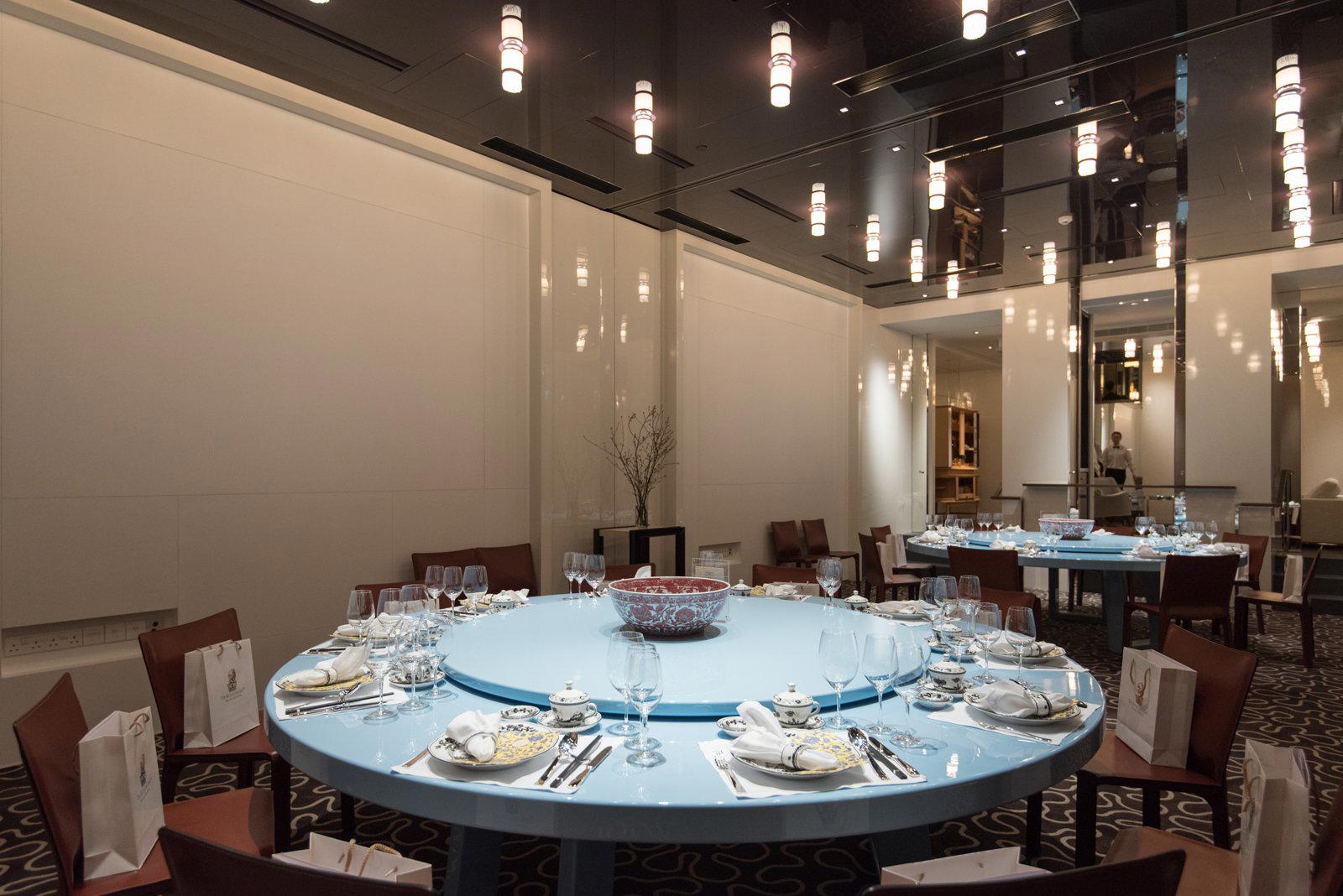
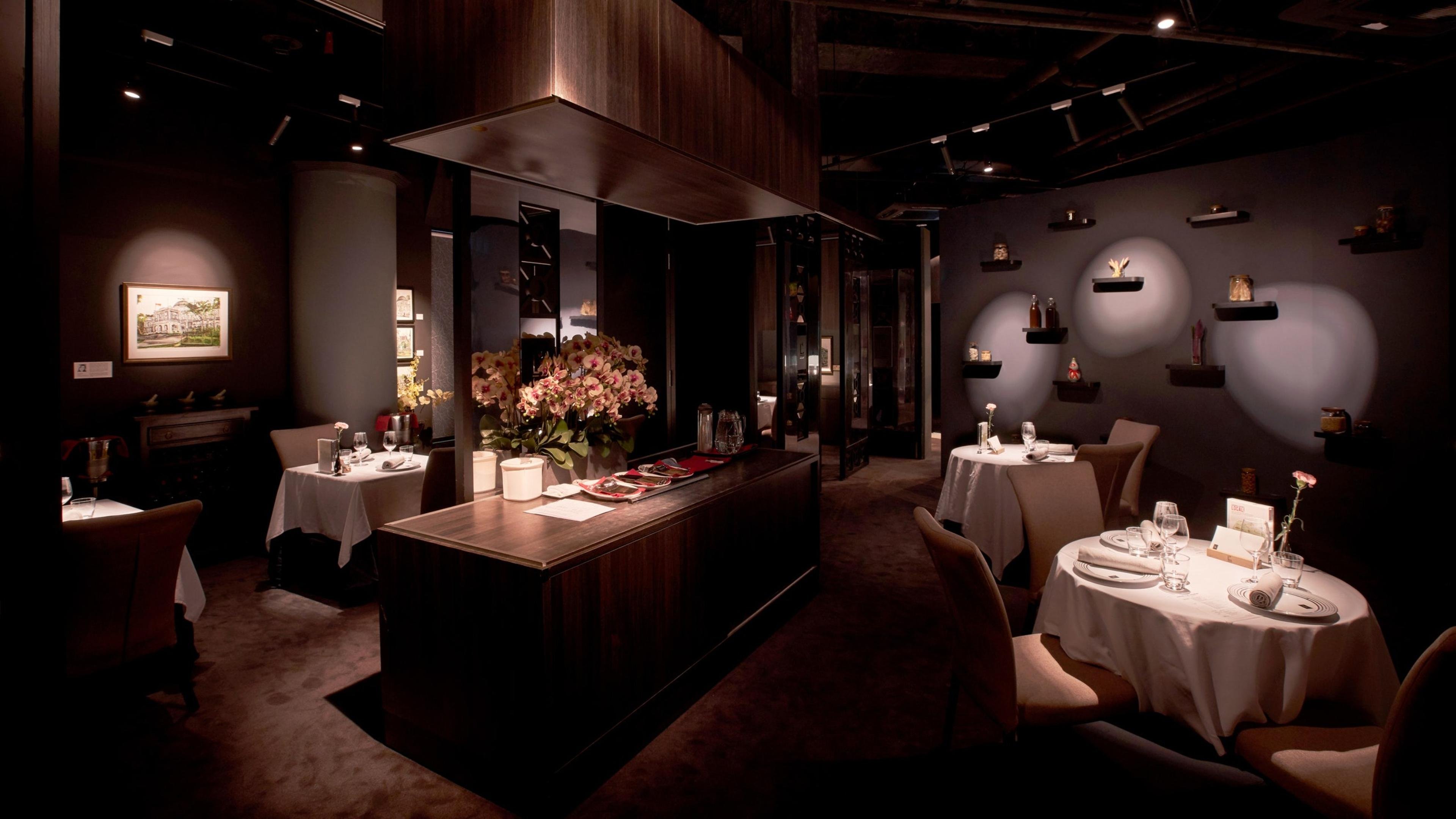
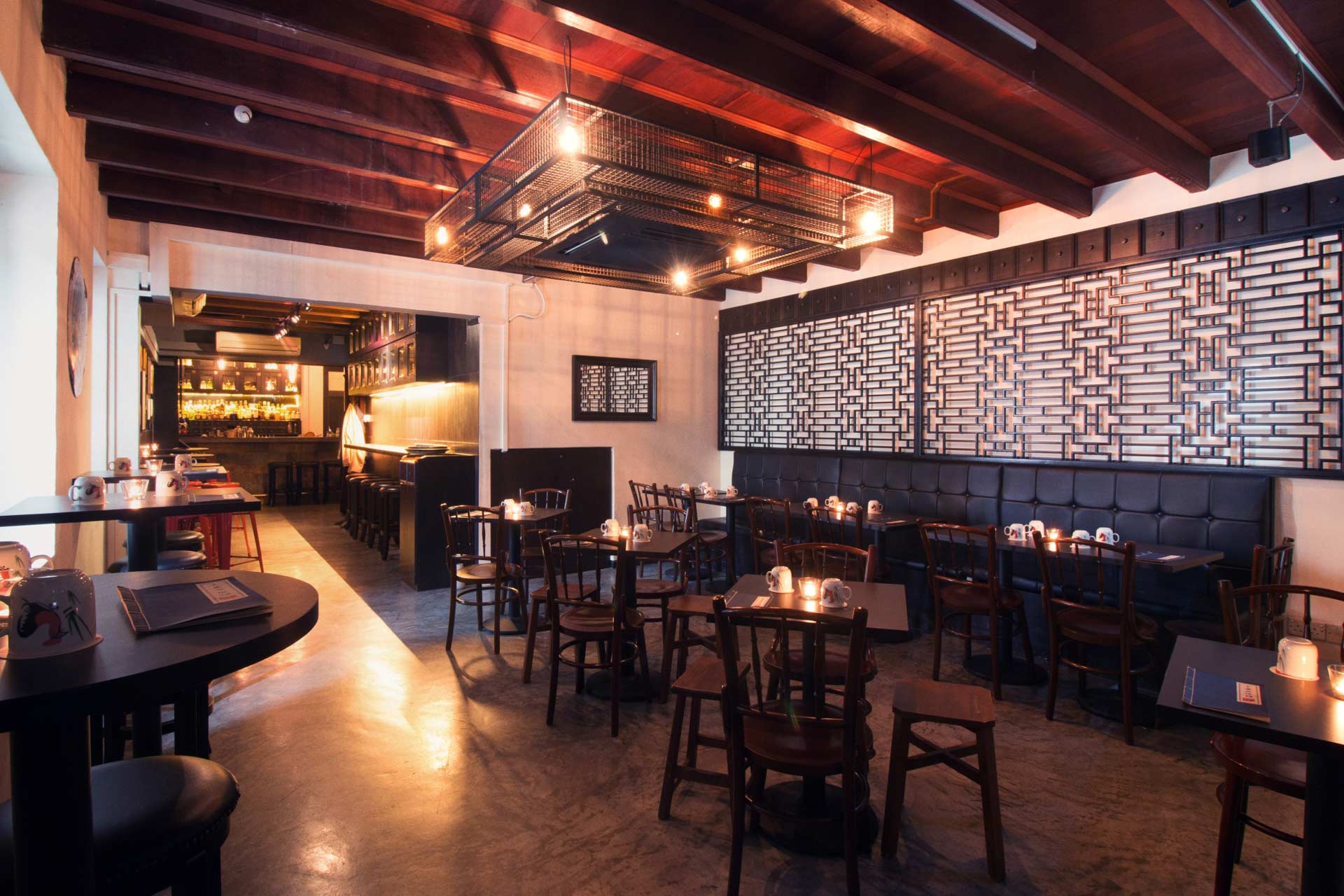
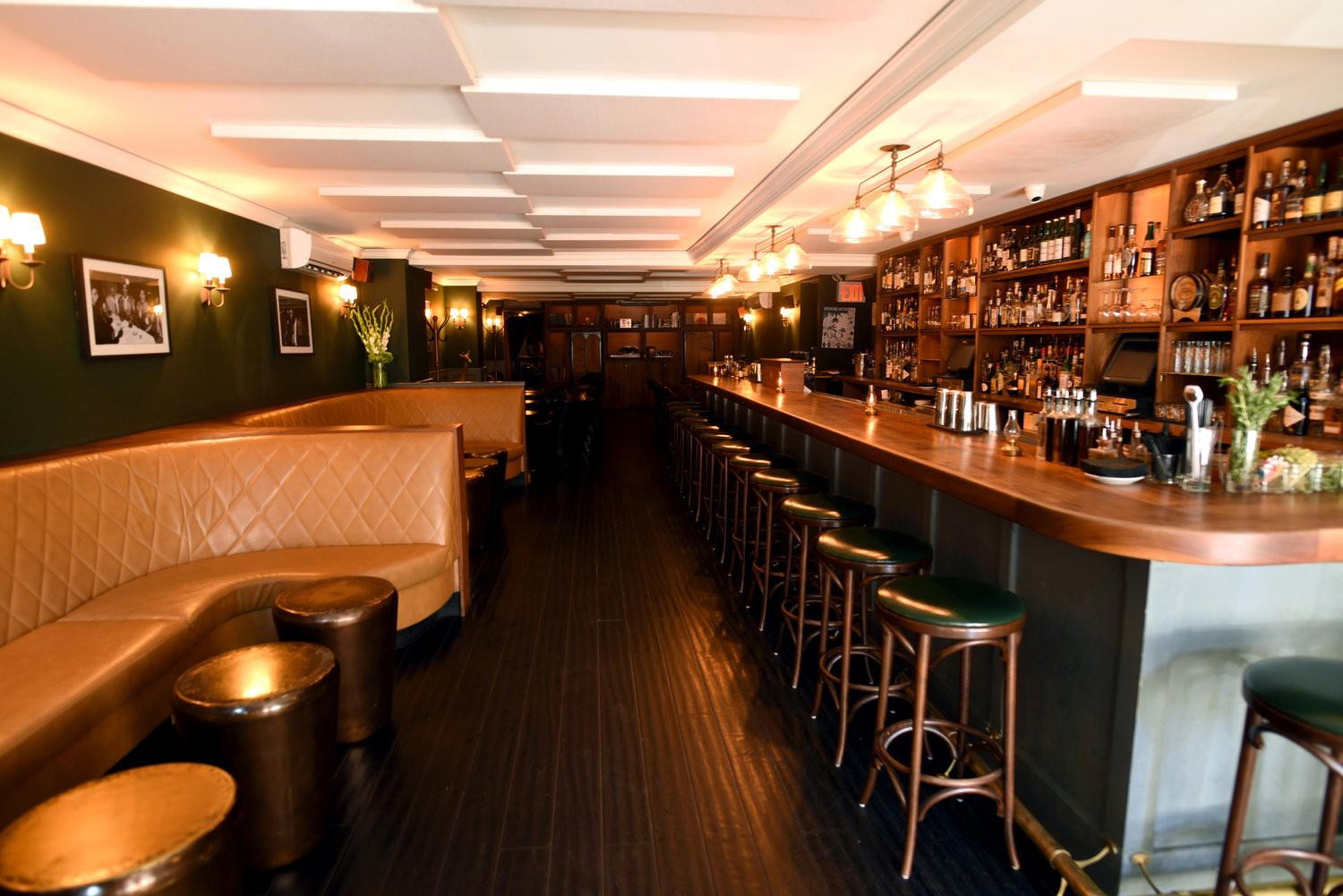
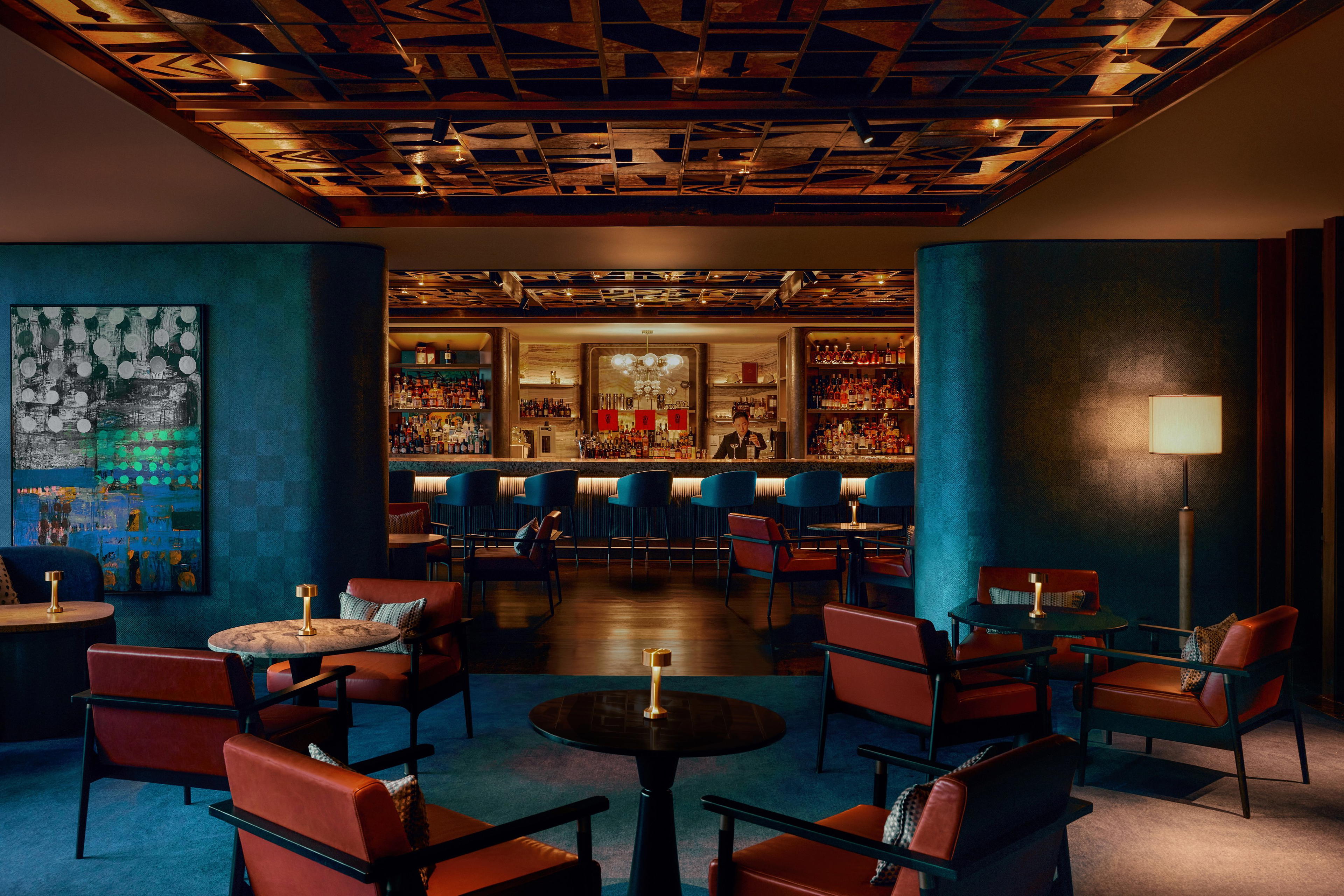
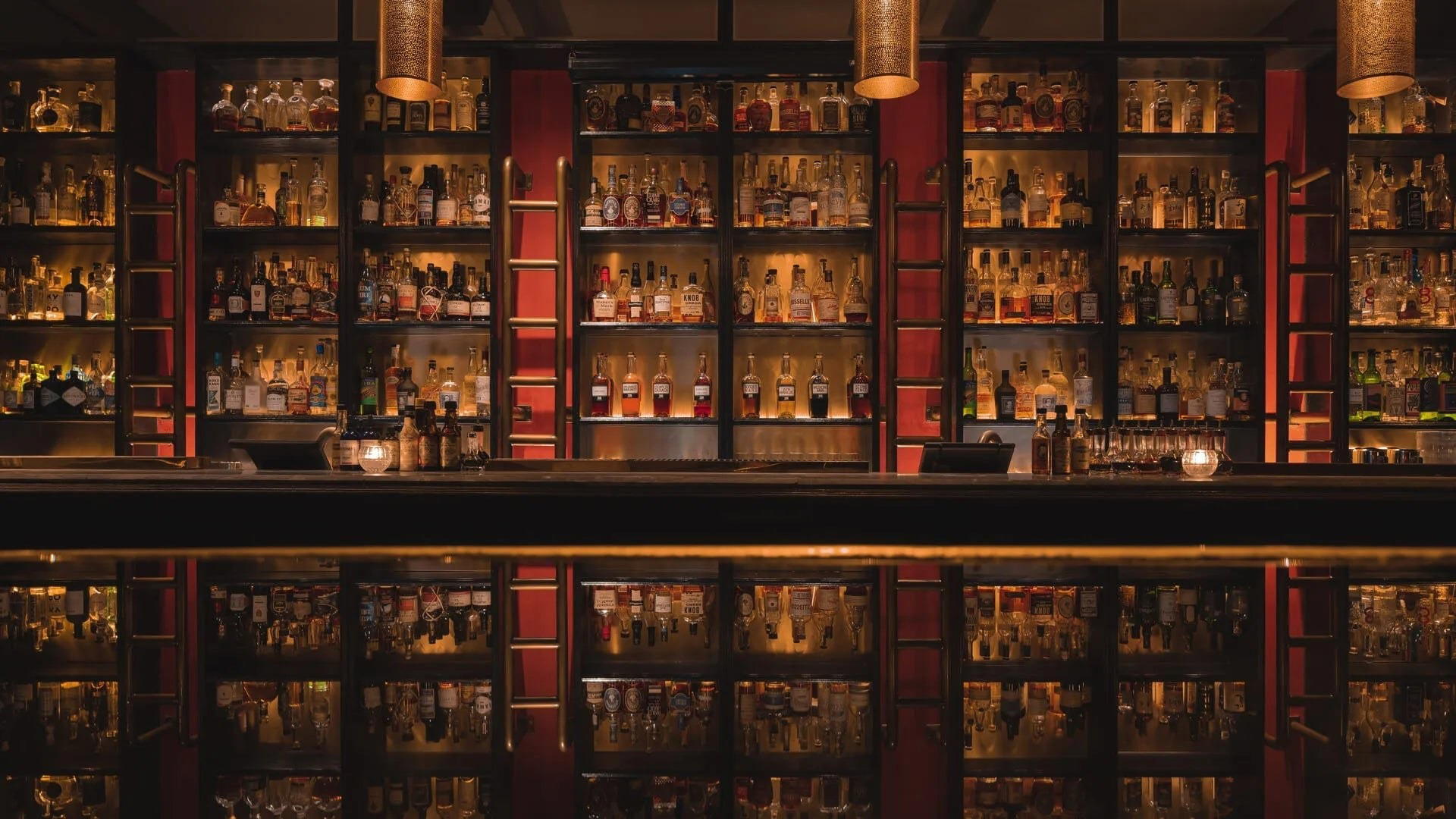
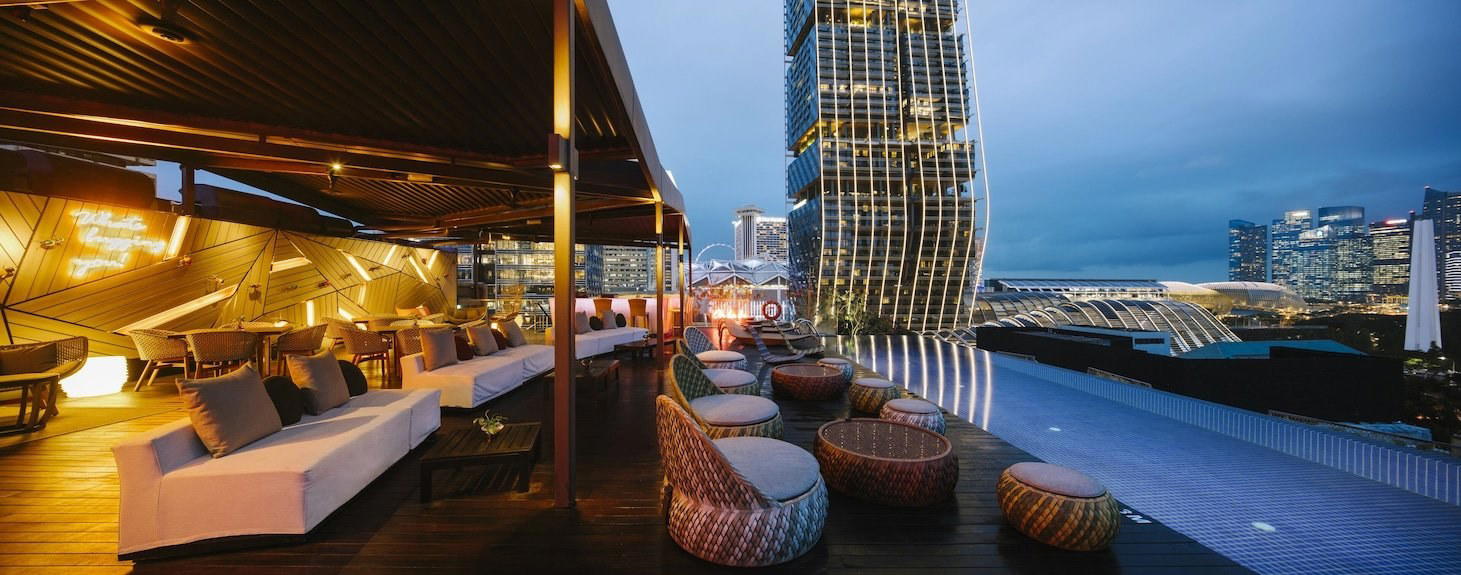
Warm and homely atmosphere with dark wooden tables and exposed brick walls.