
A Michelin Plate-recognised Italian at 126 Tanjong Pagar Road, Buko Nero holds a quiet but firm position in Singapore's mid-tier Italian dining scene. It draws a loyal local crowd to one of the city's more established Italian-leaning streets. The price point sits at the accessible end of the Michelin-tracked tier, making it a practical entry point into the neighbourhood's dining character.
Pearl is the En Primeur Club membership app — saves, bookings, and concierge access live there. Same editors, same standards.
- Address
- 126 Tg Pagar Rd, Singapore 088534
- Phone
- +65 6324 6225
- Website
- bukonero.com.sg
- Directions
- Get directions
 Saves & bookings on Pearl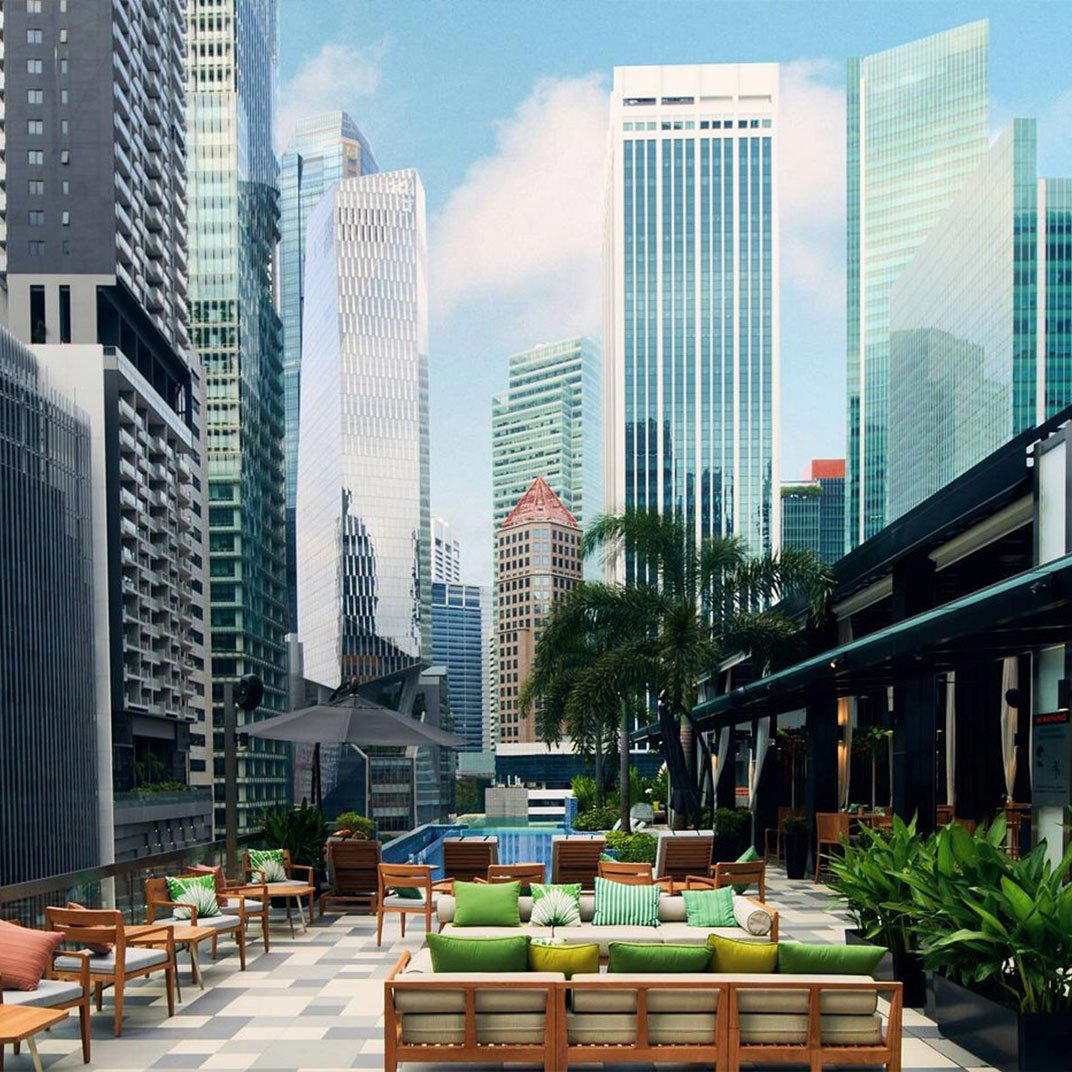
Tanjong Pagar After Dark: The Italian Aperitivo Corner That Earns Its Plate
Tanjong Pagar Road in the early evening has a particular quality that few Singapore streets replicate. The conservation shophouses hold the day's heat, the pavement fills with after-office foot traffic, and the restaurants that line this stretch settle into their pre-dinner rhythm before the main rush arrives. It is in this window, roughly six to eight on a weekday, that the aperitivo instinct makes most sense in Singapore: a transitional drink, something small and salted, the evening calibrating itself before the first course. Buko Nero, at 126 Tanjong Pagar Road, occupies that window with the easy confidence of a restaurant that has been playing this specific role for long enough to stop announcing it.
The aperitivo tradition in Italy is less about the drink than about the permission it grants, permission to slow down, to arrive somewhere before the meal begins in earnest. Singapore's Italian dining scene has historically been better at replicating the food than the ritual, but Tanjong Pagar's concentration of Italian addresses has nudged the neighbourhood toward something closer to the original logic. Buko Nero's Michelin Plate recognition in 2024 places it in a tier of restaurants that inspires a specific kind of confidence: not spectacle, not prestige dining theatre, but cooking that a rigorous inspection process decided was worth flagging for attention.
Where Buko Nero Sits in Singapore's Italian Tier
Singapore's Italian restaurant market divides into roughly three bands. At the leading sit the destination addresses with white-tablecloth formality and price points that align with the city's broader fine-dining set: Art di Daniele Sperindio and Fiamma operate in that upper bracket, where tasting menus and wine lists carry the weight of the experience. Below them, a mid-tier of serious trattoria-style restaurants handles everyday Italian with more editorial conviction than most cities in the region. Buko Nero's double-dollar price range and Michelin Plate status locate it squarely in that second band.
That positioning matters because it defines who eats here and why. A Michelin Plate is not a star, the guide uses it to mark restaurants with cooking that reviewers found worthy of note without awarding formal star recognition. In practical terms, it signals that the kitchen is doing something more disciplined than neighbourhood Italian, while keeping the room accessible to regulars who aren't planning a two-month-ahead booking.
For comparison within the Italian cohort, Fico, Garibaldi Italian Restaurant & Bar, and Solo each occupy different corners of Singapore's Italian dining map. Garibaldi anchors the older, more formal end of the market; Fico and Solo work in more casual registers. The restaurant's presence on Tanjong Pagar Road gives it a neighbourhood-institution quality that sets it apart from newer arrivals competing for the same mid-tier diner.
The Aperitivo Case for Buko Nero
In Italian cities, the aperitivo hour is largely a commercial invention that became a cultural fixture, Campari's marketing budget meeting Milanese reluctance to eat dinner before nine. What it produced was a genuine ritual: the Negroni or the Aperol Spritz as a structural device, small plates as a bridge, the conversation that happens before the meal rather than during it. Singapore has absorbed the format slowly, with more success in cocktail bars than in Italian restaurants, but the Tanjong Pagar corridor has enough density of Italian addresses to support the rhythm.
Arriving at the restaurant before the full dinner service begins, allowing time for a drink and something from the kitchen before committing to a full meal, captures the spirit of that tradition in a city where pacing is usually compressed. The pre-dinner window here is also practically sensible: Tanjong Pagar fills quickly as the evening progresses, and the mid-range Italian tier on this street is not a place where tables sit empty at seven-thirty on a Friday. Coming early is not just atmospheric advice; it is logistical common sense.
Italian Outside Italy: The Regional Context
The Italian restaurant format has travelled well precisely because it is flexible. Regional Italian cooking, with its emphasis on quality ingredients, restraint in technique, and deep product knowledge, adapts to international markets without losing its essential identity, provided the kitchen has the discipline to resist localising the flavour profile into something unrecognisable. Particularly successful Italian restaurants outside Italy hold that line. Across Asia, the benchmark cases include 8 1/2 Otto e Mezzo Bombana in Hong Kong, Octavium in the same city, and cenci in Kyoto, each representing a different point on the formality spectrum while maintaining the discipline that distinguishes Italian cooking from Italian-themed food.
Beyond Asia, comparable mid-to-upper-tier Italian addresses, Frasca Food & Wine in Boulder, Osteria Mozza in Los Angeles, Il Ristorante-Niko Romito in Dubai, and PRISMA in Tokyo, share a structural ambition: Italian cooking as a serious framework, not an approximation. The restaurant's Michelin recognition, even at Plate level, signals alignment with that ambition rather than the looser end of the market. 8 1/2 Otto e Mezzo Bombana in Shanghai represents the ceiling of what Italian dining achieves in Asia; the restaurant sits at a different altitude but in the same broad tradition of treating the cuisine with seriousness.
Planning a Visit: What to Know Before You Go
The restaurant is at 126 Tanjong Pagar Road, in the conservation shophouse stretch that makes this part of Singapore one of its more architecturally coherent dining streets. The price range at double-dollar positions the meal as accessible by Singapore fine-dining standards, expect to spend meaningfully without approaching the kind of outlay that a three-course tasting menu at the starred end of the market demands. Given the 4.7 rating and Michelin Plate status, securing a reservation before arriving is the practical approach; the restaurant's standing in the neighbourhood means tables are not speculative on busier evenings. For visitors assembling a broader Singapore itinerary, our full Singapore restaurants guide maps the dining scene across price tiers and cuisine categories. Those building a complete visit might also reference our Singapore hotels guide, bars guide, wineries guide, and experiences guide for context beyond the table.
Category Peers
Comparable venues nearby, for context on price, style, and recognition.
| Venue | Cuisine | Price | Awards | Notes |
|---|---|---|---|---|
| Buko NeroThis venue — the venue you are viewing | Refined Italian with Asian Influences | $$$ | Michelin Plate | Not listed |
| L’Antica Pizzeria da Michele | Authentic Neapolitan Pizza | $$$ | Michelin Plate | CHINATOWN |
| Bistecca Tuscan Steakhouse | Tuscan Steakhouse | $$$$ | Not listed | INSTITUTION HILL |
| Foc (Clarke Quay) | Modern Spanish Tapas | $$$ | Michelin Plate | CHINATOWN |
| Belimbing | New-Gen Singaporean | $$$ | Michelin Plate | KAMPONG GLAM |
| Fiamma | Italian Family Dining | $$$$ | Michelin Plate | SENTOSA |
Recognition history
Dated appearances from independent guides and award organizations, with the underlying list record or original source where available.
Michelin Guide Plate
Michelin Guide
Michelin Plate
Michelin
Continue exploring
More in Singapore
Restaurants in Singapore
Browse all →
Bars in Singapore
Browse all →
At a Glance
- Intimate
- Cozy
- Elegant
- Modern
- Date Night
- Special Occasion
- Standalone
- Extensive Wine List
Current opening hours
- Monday
- Closed
- Tuesday
- 6–11 PM
- Wednesday
- 6–11 PM
- Thursday
- 12–2:30 PM, 6–11 PM
- Friday
- 12–2:30 PM, 6–11 PM
- Saturday
- 12–2:30 PM, 6–11 PM
- Sunday
- Closed
Hours can change for holidays and private events. Last verified .
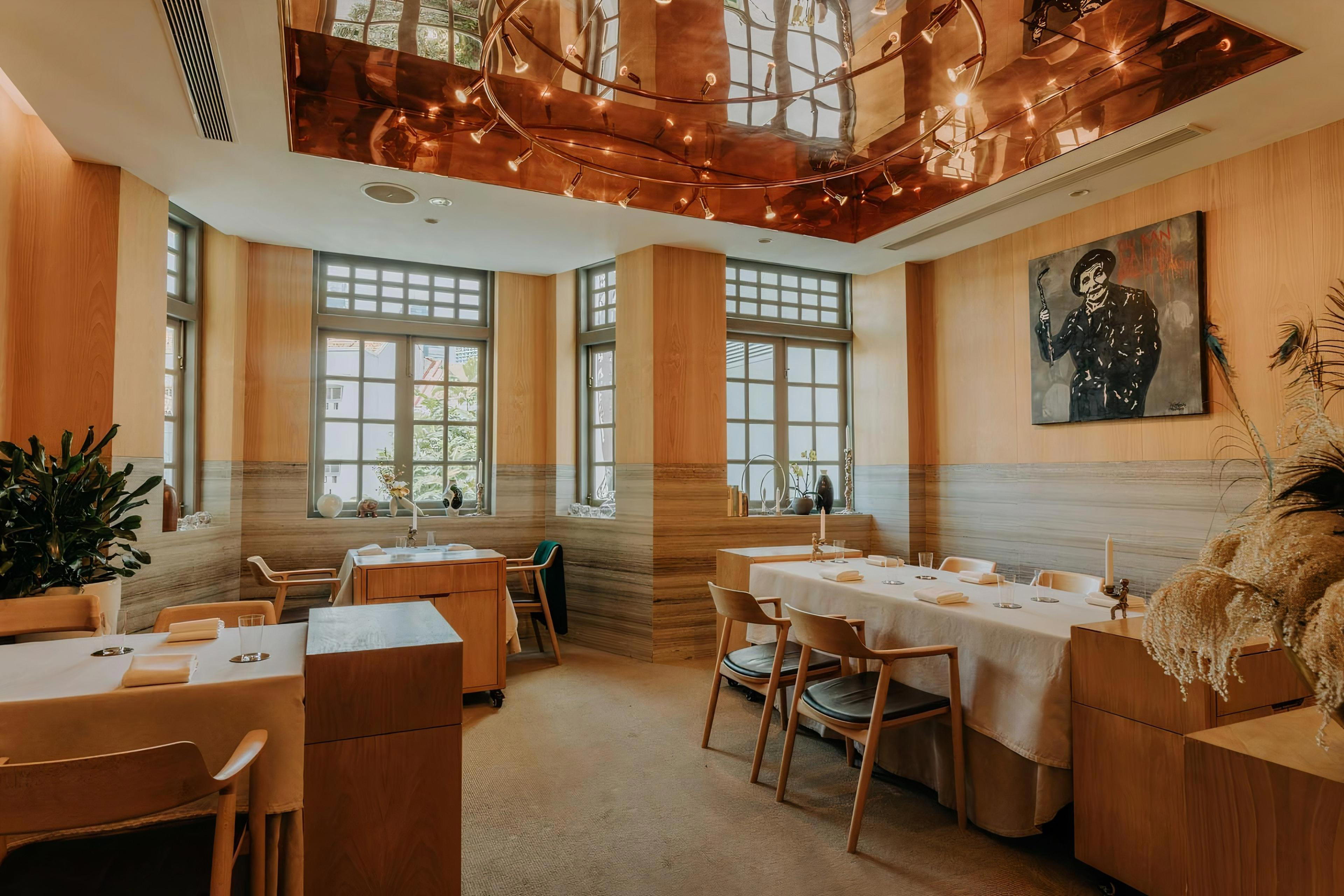
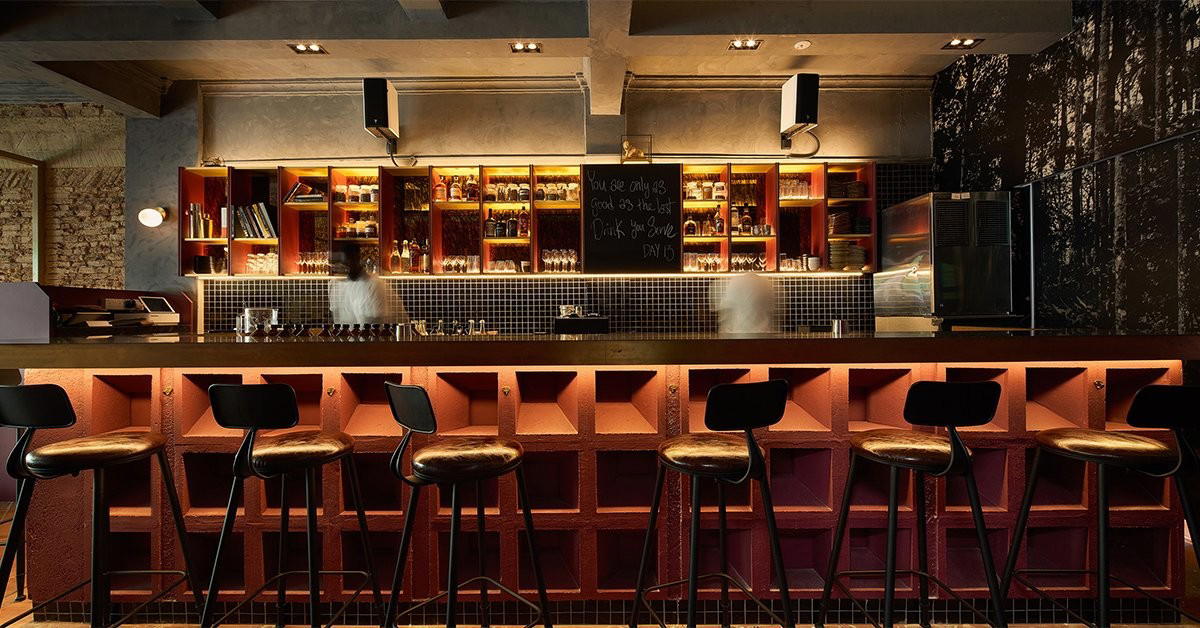
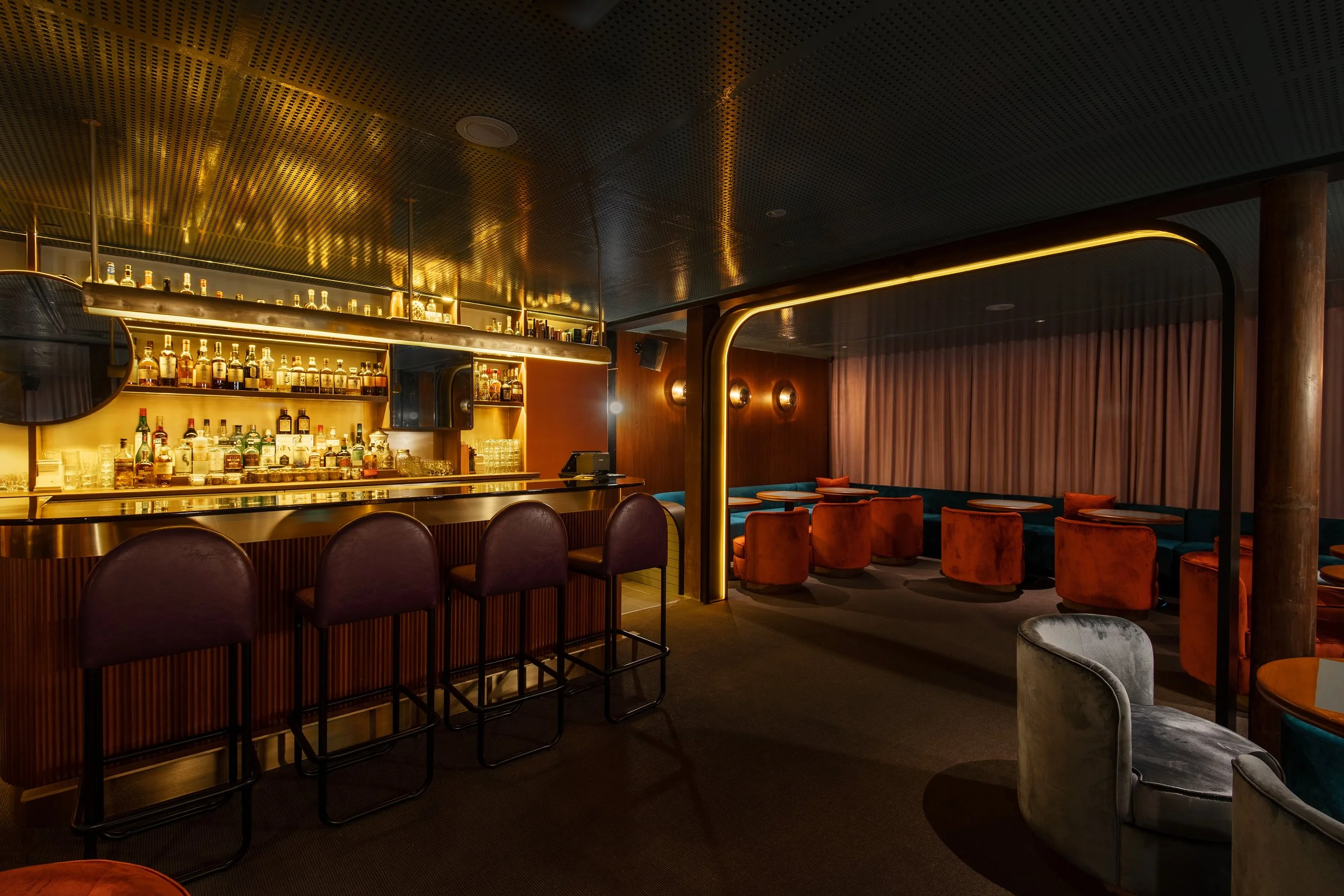
Cosy, homely, and warm with simple yet elegant styling that feels welcoming and unpretentious.