Ciao Cucina
Ciao Cucina at 112 Corrimal Street sits within Wollongong's evolving Italian dining scene, where the question of provenance, what arrives on the plate and from where, increasingly defines the difference between competent and considered. The restaurant occupies a neighbourhood where coastal proximity and regional produce both shape the kitchen's possibilities, placing it alongside a growing tier of Illawarra restaurants taking local sourcing seriously.
Pearl is the En Primeur Club membership app — saves, bookings, and concierge access live there. Same editors, same standards.
- Address
- 112 Corrimal St, Wollongong NSW 2500, Australia
- Phone
- +61405541024
- Website
- agfg.com.au
- Directions
- Get directions
 Saves & bookings on Pearl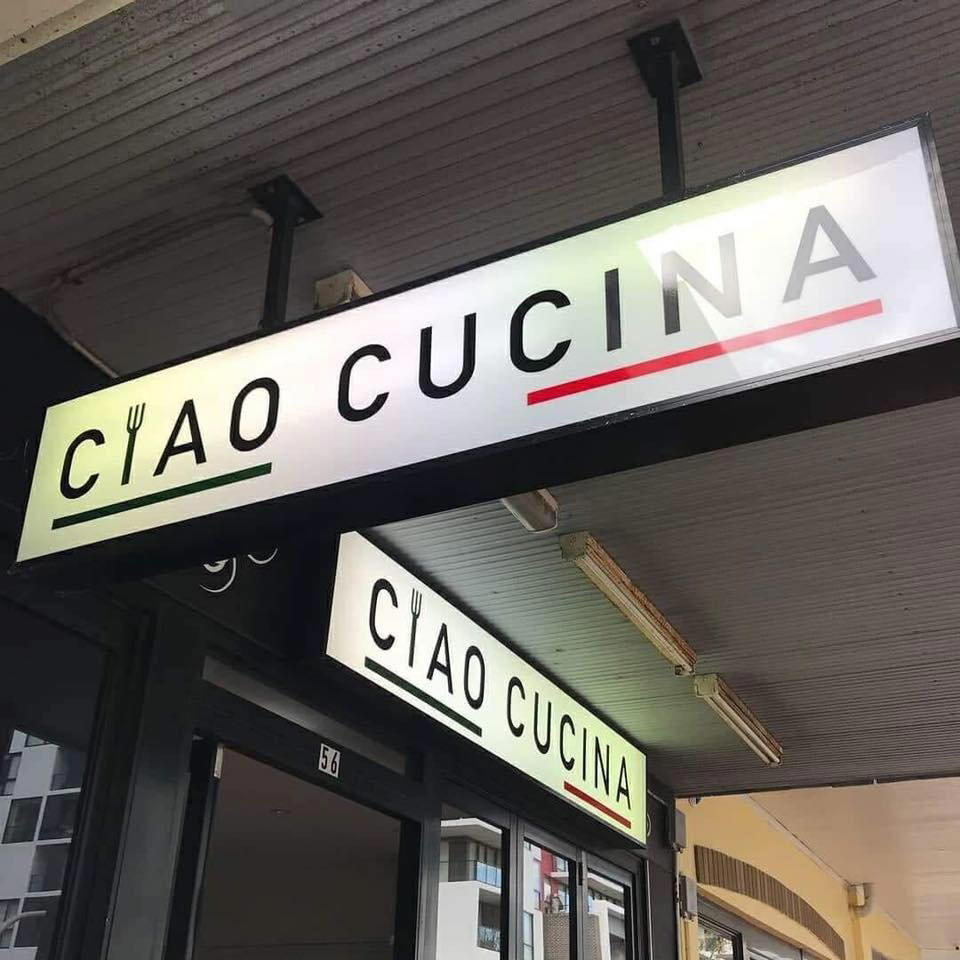
Corrimal Street and the Italian Dining Tradition in Wollongong
Wollongong's restaurant identity has shifted considerably over the past decade. Once a city where dining out meant pub meals and RSL counters, the Illawarra region now sustains a range of neighbourhood kitchens, Italian among them, that draw on both the coastal produce at the city's doorstep and the market garden hinterland running south through Kiama and Gerringong. Corrimal Street, where Ciao Cucina sits at number 112, is part of that shift: a mixed-use strip where hospitality has gradually overtaken retail, and where the lunch and dinner crowd now includes a committed local clientele rather than just passing trade.
The broader Italian dining category in Australian regional cities occupies a peculiar position. At its least ambitious, it defaults to a tourist-facing menu of carbonara and tiramisu disconnected from any regional Italian tradition. At its most considered, it engages seriously with the question of where the food comes from, the provenance of pasta flour, the sourcing of cured product, the relationship between local seafood and traditional preparations. Wollongong, with its direct access to South Coast fishing and proximity to the Southern Highlands' cool-climate smallholders, gives a kitchen real options if it chooses to use them. That context matters when reading what Ciao Cucina represents on this street and in this city.
The Ingredient Question: Sourcing as Editorial Statement
Across Australian fine and mid-casual dining, provenance has become a defining axis of differentiation. Restaurants like Brae in Birregurra and Attica in Melbourne have built their reputations partly on a tight, verifiable relationship between kitchen and source. Even further down the formality register, the question of what fish came off which boat, or whether the charcuterie is imported or made domestically, has entered the vocabulary of Australian diners in a way it simply didn't twenty years ago.
For a neighbourhood Italian in a coastal city, that shift creates both pressure and opportunity. The South Coast seafood supply is not hypothetical, snapper, kingfish, and cephalopods move through Wollongong's proximity to the continental shelf in ways that a kitchen paying attention can put to use. The Illawarra's own agricultural fringe, plus the supplier networks running up to Sydney's markets, means a kitchen on Corrimal Street has genuine access to product that could anchor a sourcing-led menu if the kitchen is inclined. Whether Ciao Cucina pursues that approach explicitly is leading assessed on the ground, but the geographic conditions that would make it possible are all present.
This matters because sourcing-led Italian cooking, when done with discipline, operates differently from assembly-line trattoria work. Pasta made from stone-milled Australian wheat, dressed with local shellfish, and finished with a domestic cheese has a different editorial argument than the same dish built from imported commodity ingredients. The gap between those two approaches is increasingly legible to Australian diners, particularly the cohort moving between Sydney dining and regional escapes along the South Coast corridor, which is precisely the audience passing through Wollongong's better restaurants on any given weekend.
Atmosphere and the Room
Corrimal Street's dining strip runs through a part of Wollongong that feels neither CBD-formal nor suburban-casual. The footpath widens enough for outdoor seating, and the buildings carry the low-scale commercial vernacular of a regional Australian city centre, brick, awnings, mid-century shopfronts. At 112, the environment invites a certain unhurried register: the kind of lunch that extends past two o'clock, or a dinner that suits a smart_casual plan. That physical context places Ciao Cucina in the neighbourhood Italian category, which shapes what you should expect from the room and from the pacing of a meal there.
Wollongong's dining options at this register now include Paninoteca Hub for Italian-adjacent casual eating, Kulcha Restaurant Wollongong for broader Asian-influenced cooking, Okami Japanese Restaurant for a different casual register entirely, and The Great Pavilion for event-scale dining. The city's restaurant mix has diversified enough that a neighbourhood Italian is no longer the default choice for a mid-range dinner, it competes against genuine alternatives for the same budget and occasion type. That competitive pressure, in cities of Wollongong's size, tends to sort kitchens quickly: those operating on volume and margin alone become visible in a way they didn't when the alternative was a pub schnitzel.
The Australian Coastal Italian Tradition in Context
Italian cooking along the Australian coast has its own distinct history, distinct from the red-sauce traditions of Italian-Australian communities in Melbourne's northern suburbs or Sydney's Leichhardt. The South Coast specifically has a long association with Italian-Australian fishing families whose presence shaped local seafood trade patterns from the mid-twentieth century onward. That history gives a coastal Italian kitchen in this region a potential narrative grounding that goes beyond generic Mediterranean positioning.
The tier of Australian restaurants now taking produce sourcing most seriously, Rockpool in Sydney, Botanic in Adelaide, Pipit in Pottsville, Ormeggio at The Spit in Mosman, sets a reference point for what sourcing discipline looks like at its most articulate. Neighbourhood kitchens are not expected to operate at that level of formality, but the principles filter down: diners who have eaten at those places carry the vocabulary of provenance into their neighbourhood restaurant visits and notice when kitchens engage with it or ignore it. For a coastal Italian in Wollongong, the geographic argument for engaging with local sourcing is easier to make than almost anywhere else on the eastern seaboard.
Planning Your Visit
The restaurant is located at 112 Corrimal Street, Wollongong NSW 2500, within walking distance of the city's central train station and the main CBD. Wollongong sits roughly 80 kilometres south of Sydney's CBD, approximately 90 minutes by train on the South Coast Line from Central, or around an hour's drive via the Princes Motorway, making it a practical day-trip or overnight destination for Sydneysiders. The restaurant's regular hours are Monday to Friday from 12 to 3 PM and 5 to 9 PM, Saturday from 5 to 9 PM, and Sunday closed. Reservations are recommended. Corrimal Street has paid parking close by, and the strip is walkable from the station, which simplifies arrival for those coming by rail.
Those building a longer South Coast itinerary might also consider the produce-led approaches found further afield at Hentley Farm in Seppeltsfield, Laura at Pt Leo Estate in Merricks, Provenance in Beechworth, Salt Water Restaurant in Cairns, and Lizard Island Resort in Lizard Island for coastal sourcing at different scales and price points. For international reference points in produce-driven seafood cooking, Le Bernardin in New York City and Lazy Bear in San Francisco represent how sourcing discipline can define a restaurant's identity at the highest tier.
In Context: Similar Options
Comparable venues nearby, for context on price, style, and recognition.
| Venue | Cuisine | Price | Notes |
|---|---|---|---|
| Ciao CucinaThis venue — the venue you are viewing | Homestyle Italian Trattoria | $$ | Not listed |
| The Great Pavilion | Modern Indian | $$ | Wollongong CBD |
| Okami Japanese Restaurant | Authentic Japanese All-You-Can-Eat | $$ | Unanderra |
| Paninoteca Hub | Italian Panini Deli | $$ | Lake Heights |
| Kulcha Restaurant Wollongong | Middle Eastern Kebab Fusion | $$ | Wollongong CBD |
| Criniti's Castle Hill | Southern Italian Woodfired Pizza | $$ | Castle Hill |
Continue exploring
More in Wollongong
Restaurants in Wollongong
Browse all →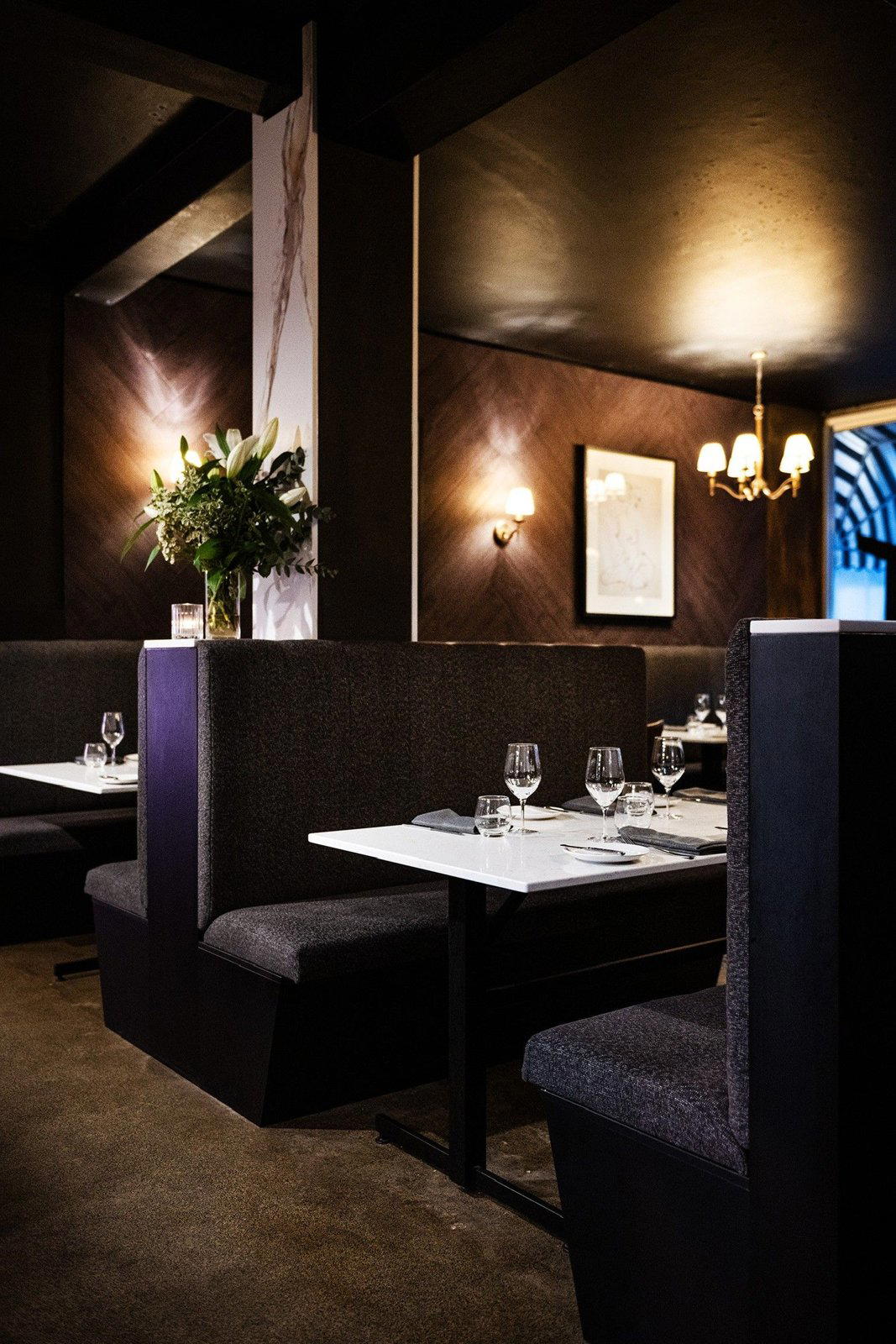

Bars in Wollongong
Browse all →
Hotels in Wollongong
Browse all →
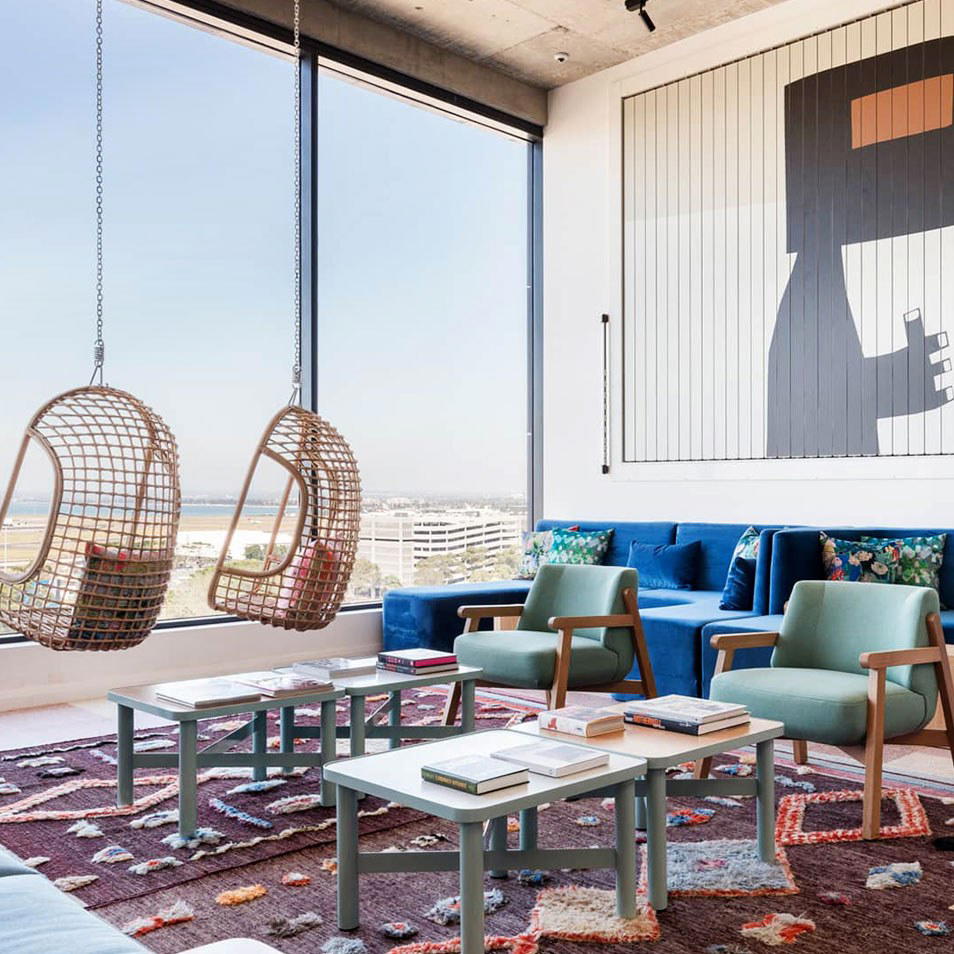
Wineries in Wollongong
Browse all →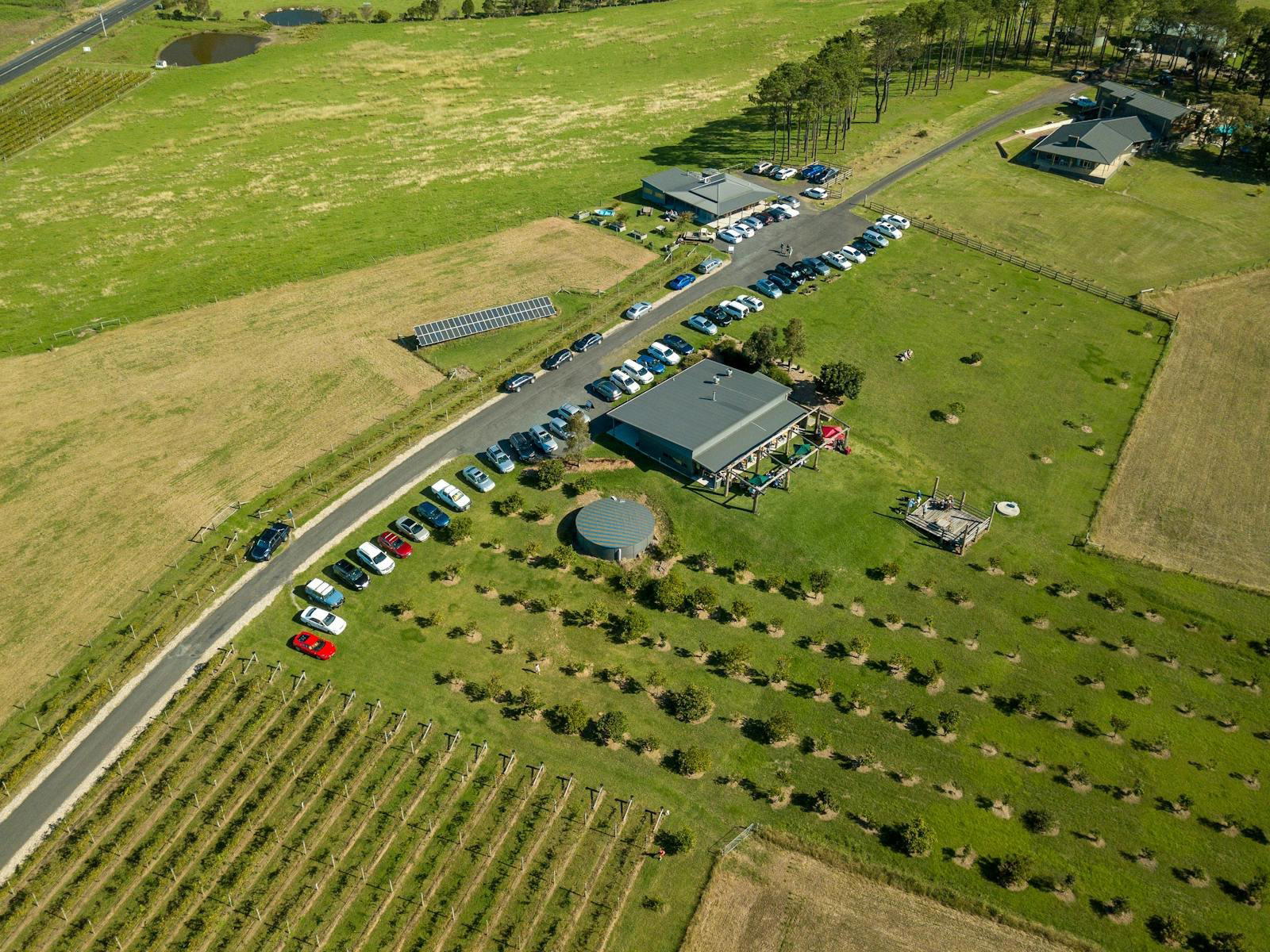
At a Glance
- Intimate
- Cozy
- Classic
- Date Night
- Family
- Celebration
- Open Kitchen
- Byob
Current opening hours
- Monday
- 12–3 PM, 5–9 PM
- Tuesday
- 12–3 PM, 5–9 PM
- Wednesday
- 12–3 PM, 5–9 PM
- Thursday
- 12–3 PM, 5–9 PM
- Friday
- 12–3 PM, 5–9 PM
- Saturday
- 5–9 PM
- Sunday
- Closed
Hours can change for holidays and private events. Last verified .
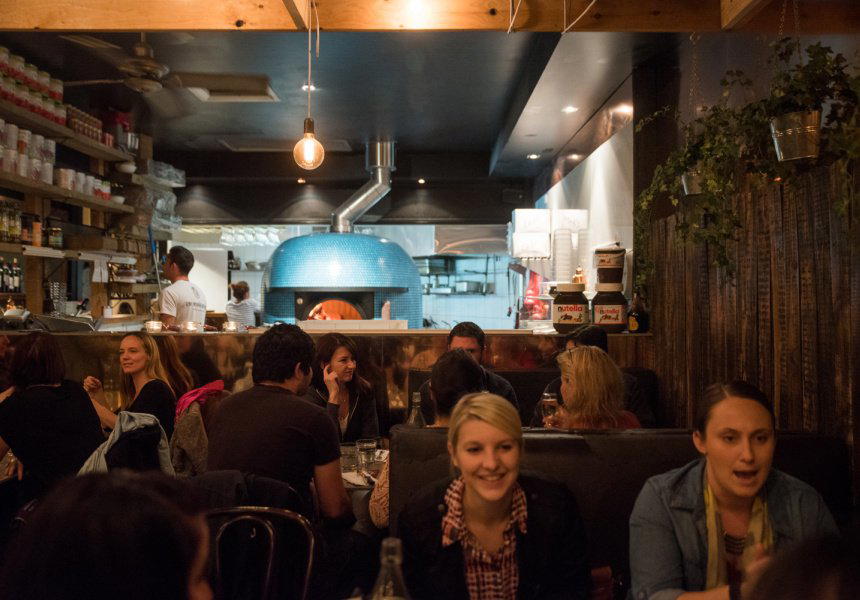
Intimate and welcoming with dark wood tables and Art Deco-style Italian prints, creating a lively buzz of conversation.