The Great Pavilion
Situated on Crown Street in Wollongong's central dining corridor, The Great Pavilion occupies a position among the city's mid-tier restaurant options, sitting alongside venues like Kulcha Restaurant Wollongong and Ciao Cucina. Details on cuisine type, pricing, and format are limited in the public record, which itself signals something about where this venue sits in a city still defining its dining identity.
Pearl is the En Primeur Club membership app — saves, bookings, and concierge access live there. Same editors, same standards.
- Address
- 3/50 Crown St, Wollongong NSW 2500, Australia
- Phone
- +61242250888
- Website
- mealnow.com.au
- Directions
- Get directions
 Saves & bookings on Pearl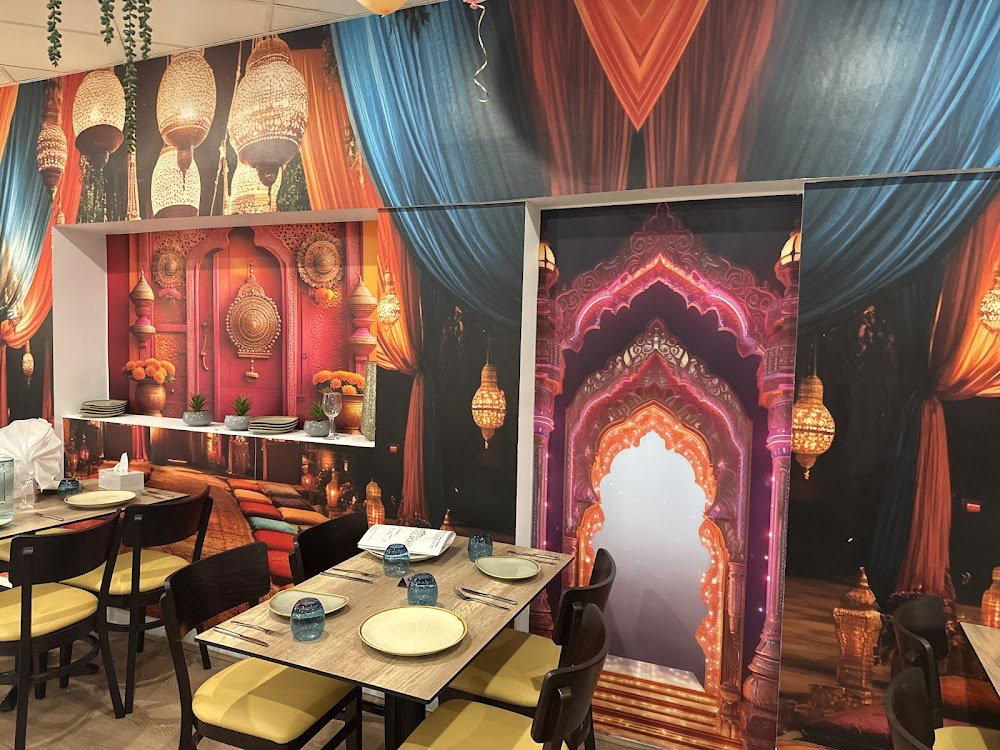
Crown Street and the Wollongong Dining Question
The Great Pavilion is a modern Indian restaurant in Wollongong, New South Wales, at 3/50 Crown St. Wollongong's dining scene has spent the better part of a decade negotiating between two identities: a working coastal city with deep loyalty to casual formats, and an emerging cultural address starting to attract the kind of deliberate hospitality thinking you'd associate with Rockpool in Sydney or, further afield, Attica in Melbourne. Crown Street sits at the centre of that tension. It is the city's primary dining corridor, and the address at number 50 puts The Great Pavilion in direct proximity to a cluster of venues that collectively define what eating out in Wollongong currently looks like.
That competitive context matters. On the same stretch and nearby streets, you have Kulcha Restaurant Wollongong, which operates in the mid-range multicultural format that has become one of the city's more reliable dining modes, and Ciao Cucina, which holds down the Italian casual end of the market. Paninoteca Hub adds a sandwich-and-coffee daytime layer, while Okami Japanese Restaurant draws from the all-you-can-eat Japanese model that has proven durable in suburban Australian markets. The Great Pavilion, positioned at this same address, enters a conversation already in progress.
What Crown Street Tells You About the Setting
Crown Street in Wollongong functions the way a main dining strip does in most mid-sized Australian cities: concentrated foot traffic, a mix of tenure lengths among operators, and enough critical mass to sustain browsing rather than destination-only visits. The street rewards walking it rather than targeting a single venue, and venues that land well here tend to do so by reading their immediate environment accurately. The ones that struggle usually import a format designed for a different city or a different scale of customer expectation.
Coastal New South Wales has its own dining logic, distinct from both Sydney and Melbourne. The proximity to the water shapes what people order and when they eat. Lunch competes seriously with dinner in a way that doesn't hold in the CBD-anchored dining cultures further north or south. Weekend trade tends to anchor around beach access, which means venues that draw weekday regulars as well as weekend visitors are operating a genuinely different business than their city-centre counterparts. In a city like Wollongong, roughly 80 kilometres south of Sydney's CBD, the diner pool is a combination of locals who eat out regularly and visitors arriving via the Illawarra train line or the Princes Motorway.
That geography places the restaurant in an interesting position. For visitors arriving from Sydney, the comparison set is not just local. Diners who regularly eat at Bayly's Bistro in Kirribilli or bills in Bondi Beach carry those reference points with them.
The Limits of the Public Record
That absence is itself a data point. In Australian dining, the venues that accumulate structured public-facing information tend to do so because they have invested in positioning: entering award programs, maintaining booking platforms with detailed profiles, or attracting editorial coverage. Restaurants without that paper trail are either new enough that the record hasn't formed, or operating at a scale and informality where the infrastructure of modern hospitality PR hasn't applied.
This contrasts sharply with the kind of documentation that surrounds high-profile Australian operators. The restaurant sits on the other end of that spectrum. For a traveller accustomed to verifying before booking, that requires a different approach.
Elsewhere in the Australian coastal dining circuit, comparable uncertainty applies to newer or quieter operators. Hungry Wolfs Italian Restaurant in Newcastle represents a coastal New South Wales format with more documented presence; the contrast is instructive. Even in cities of similar size and coastal character, some venues build public profiles and some don't. The reasons vary: ownership priorities, operating phase, or simply a local-first model that doesn't rely on out-of-town traffic.
Planning a Visit
The address is 3/50 Crown St, Wollongong NSW 2500, which places the venue within walkable distance of Wollongong's main transport connections, including the train station that links the city to Sydney's Illawarra line. For anyone travelling from Sydney, that rail connection is the practical baseline: roughly 90 minutes depending on the service, with Crown Street accessible on foot from the station. Walk-in is the practical option here, and current hours should be checked before visiting. Confirming trading status before visiting is the sensible approach, particularly for diners travelling specifically for the meal.
For a broader picture of what Wollongong's dining scene offers across formats and price points, the full Wollongong restaurants guide covers the city's options with more comparative depth. Those planning to extend their dining horizons beyond the Illawarra might also look at Johnny Bird in Crows Nest or Bar Carolina in South Yarra for coastal-adjacent formats in larger markets, or Barry Cafe in Northcote and Jaani Street Food in Ballarat for the kind of neighbourhood-anchored casual dining that Crown Street itself has historically done well. And for an international reference point on how a seafood-forward coastal identity can operate at the highest tier, Le Bernardin in New York City remains the clearest proof that proximity to water can be a serious culinary argument, not just a scenic one.
What the restaurant ultimately represents in Wollongong's dining story is clear enough from the address and format. The name carries a certain civic register, the kind of confident naming that implies a room worth entering.
At a Glance
Comparable venues nearby, for context on price, style, and recognition.
| Venue | Cuisine | Price | Notes |
|---|---|---|---|
| The Great PavilionThis venue — the venue you are viewing | Wollongong CBD, Modern Indian | $$ | Not listed |
| Ciao Cucina | Not listed | $$ | Wollongong CBD, Homestyle Italian Trattoria |
| Okami Japanese Restaurant | Not listed | $$ | Unanderra, Authentic Japanese All-You-Can-Eat |
| Paninoteca Hub | Lake Heights, Italian Panini Deli | $$ | Not listed |
| Kulcha Restaurant Wollongong | Not listed | $$ | Wollongong CBD, Middle Eastern Kebab Fusion |
| Rama's Fiji Indian Restaurant | Pearce, Fijian Indian Curry House | $$ | Not listed |
Continue exploring
More in Wollongong
Restaurants in Wollongong
Browse all →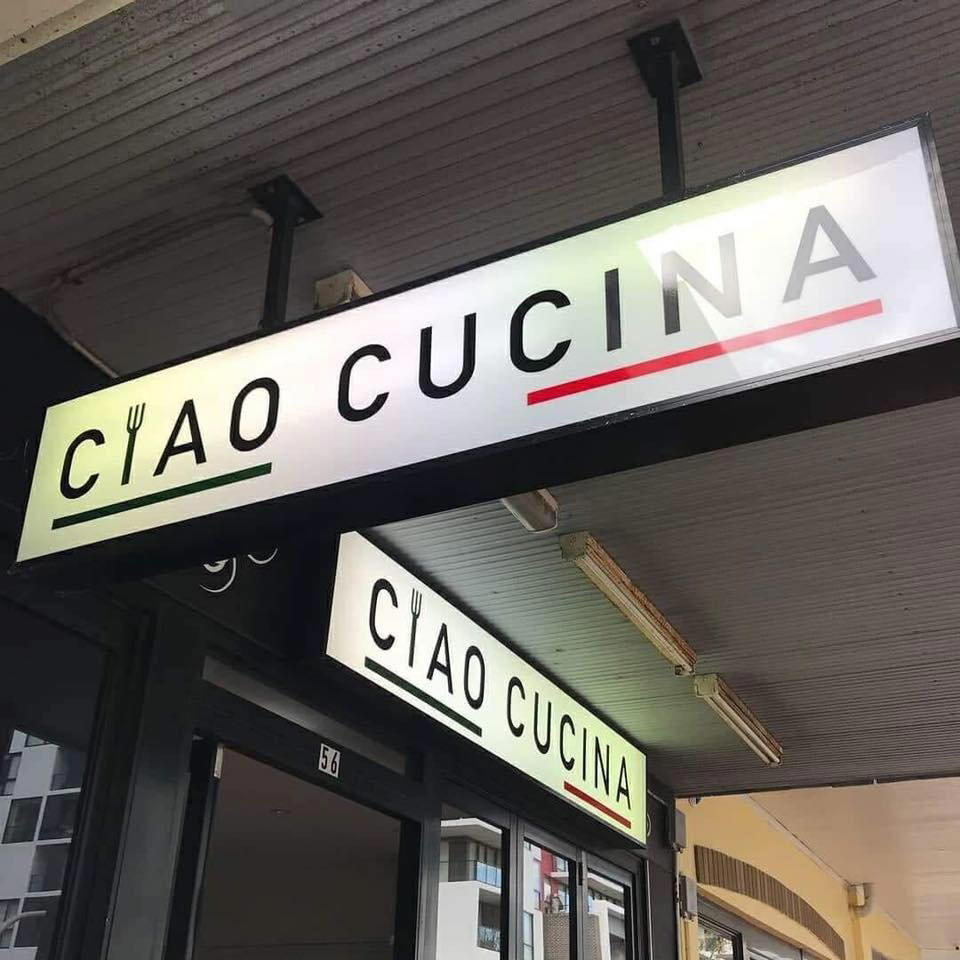

Bars in Wollongong
Browse all →
Hotels in Wollongong
Browse all →
Wineries in Wollongong
Browse all →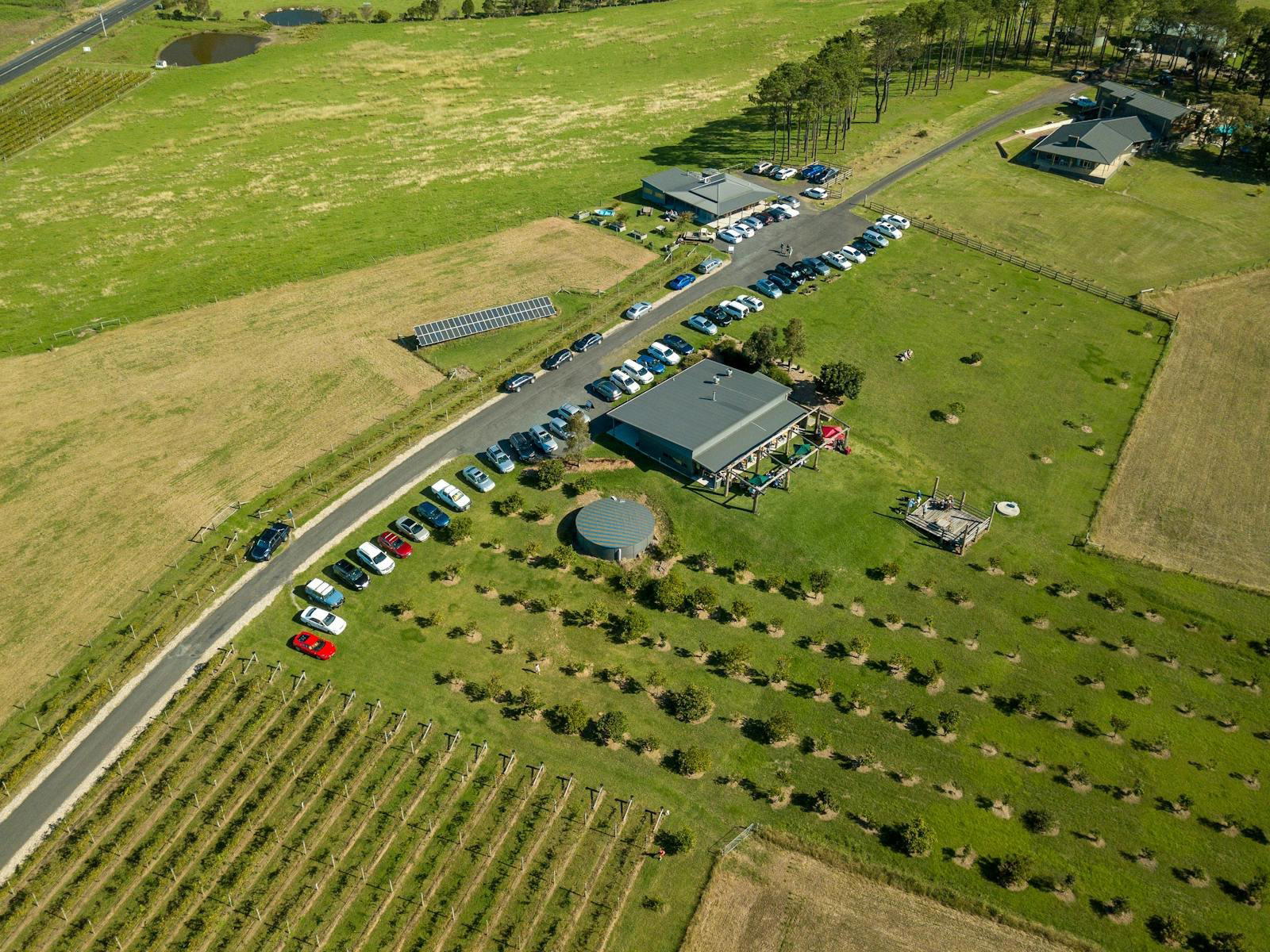
At a Glance
- Cozy
- Classic
- Casual Hangout
- Group Dining
- Family
- Celebration
- Standalone
Current opening hours
- Monday
- 11:30 AM–10 PM
- Tuesday
- 11:30 AM–10 PM
- Wednesday
- 11:30 AM–10 PM
- Thursday
- 11:30 AM–10 PM
- Friday
- 11:30 AM–10 PM
- Saturday
- 11:30 AM–10 PM
- Sunday
- 11:30 AM–10 PM
Hours can change for holidays and private events. Last verified .
Warm and welcoming atmosphere with attentive service; some guests note room for ambiance improvements.