Okami Japanese Restaurant
Okami Japanese Restaurant on Princes Highway in Unanderra brings a structured Japanese dining format to Wollongong's southern suburbs, where sit-down Japanese options remain comparatively sparse. The restaurant fits within a wider national pattern of accessible Japanese dining that prizes ritual and pacing over à la carte informality. For the Illawarra region, it represents a consistent address for Japanese food outside the city centre.
Pearl is the En Primeur Club membership app — saves, bookings, and concierge access live there. Same editors, same standards.
- Address
- 179 Princes Hwy, Unanderra NSW 2526, Australia
- Phone
- +61299815666
- Website
- okamirestaurant.com.au
- Directions
- Get directions
 Saves & bookings on Pearl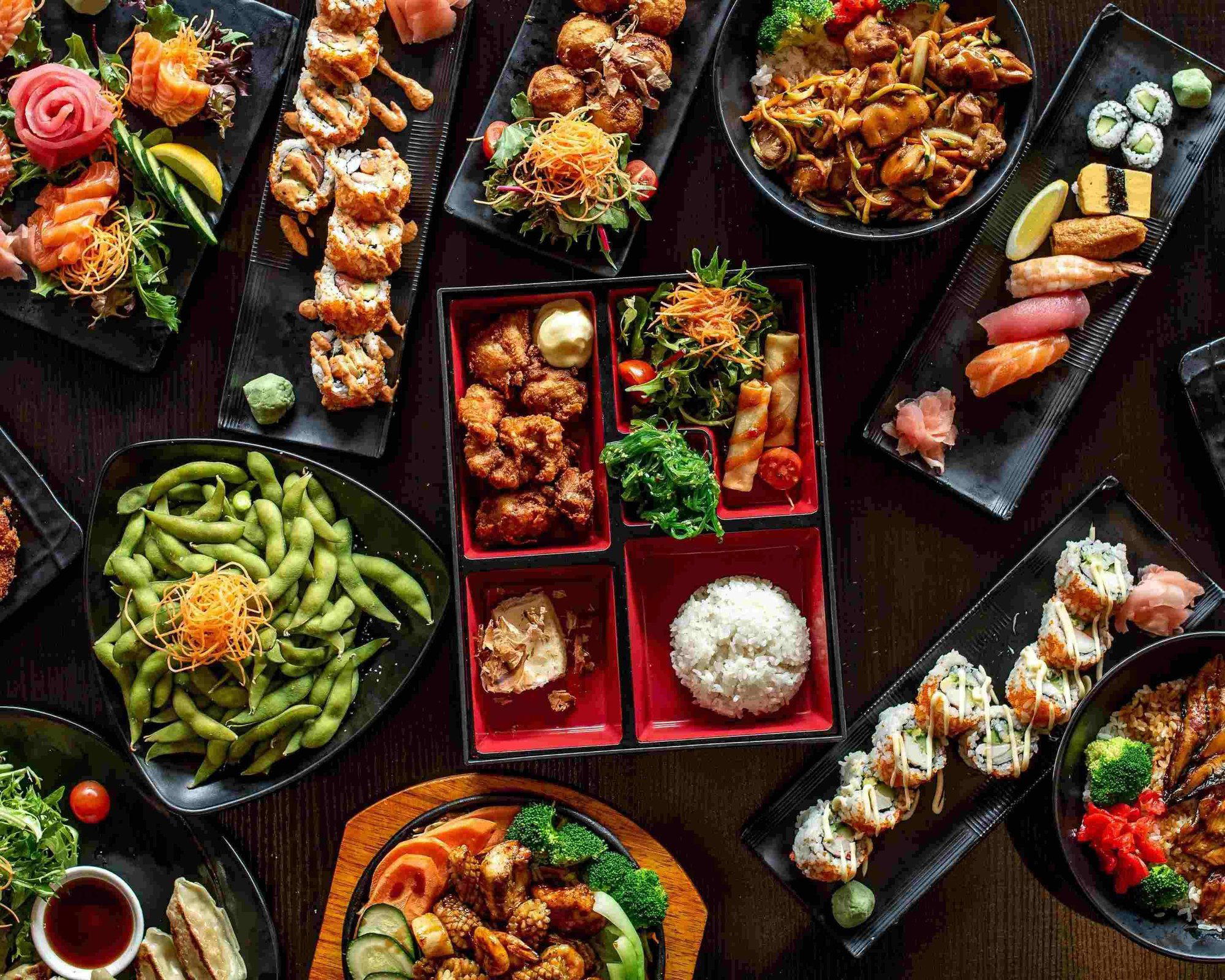
Japanese Dining in Wollongong's Southern Suburbs
That tension between the deliberate ritual of Japanese cuisine and the casual expectations of an outer-suburb dining room is, in many ways, the central story of accessible Japanese food across regional Australia. Wollongong's dining scene has matured considerably in recent years, with addresses like Kulcha Restaurant Wollongong and Ciao Cucina pushing the city's expectations upward, but Japanese cuisine with a defined dining structure remains comparatively rare south of the city centre.
Okami operates within a national chain model that has built its footprint across Australia by offering all-you-can-eat Japanese formats at a fixed price point. That format carries its own ritual logic: the meal unfolds through rounds of ordering rather than a single selection, encouraging a pacing and repetition that mirrors, loosely, the sequential service logic of more formal Japanese dining. It is a democratised version of a deeply structured culinary tradition, and understanding that framing matters for setting expectations correctly before you arrive.
The Dining Format and What It Asks of the Table
Japanese cuisine often places weight on sequence and restraint. The all-you-can-eat format Okami employs adapts this by dividing service into ordering rounds, typically in fifteen-to-twenty-minute intervals, which imposes a rhythm on the table that à la carte dining in a Western context rarely does. Pacing matters, since the format rewards steady ordering across the sitting.
This format suits places where a fixed-price Japanese meal makes sense for a broad local crowd. Wollongong sits in that category. For comparison, the kind of omakase counter experiences found in Sydney, or the tightly curated tasting formats at restaurants like Attica in Melbourne or Brae in Birregurra, require both a concentrated dining population and a price ceiling that regional markets rarely sustain. Okami's model threads a different needle entirely, prioritising access and volume over exclusivity.
The menu spans sushi, sashimi, tempura, gyoza, teriyaki dishes, and cooked mains. Groups with mixed familiarity with Japanese food can move through the format comfortably, with recognisable cooked options alongside rawer, more traditional preparations. That breadth is deliberate and functional rather than a sign of ambition beyond the format's scope.
Where Okami Sits in the Wollongong Dining Pattern
Wollongong's restaurant scene has been diversifying steadily, and a handful of addresses now offer genuinely considered dining. Paninoteca Hub and The Great Pavilion represent different points on that spectrum, from casual European-inflected eating to more formal occasion dining. Okami occupies a different category altogether: it is a reliably structured option for Japanese food in a part of the city where the alternatives are limited. Its Unanderra address on Princes Highway means it draws from a broad catchment that includes southern Wollongong suburbs and commuters passing through rather than targeting a concentrated dining precinct.
For diners used to Sydney's range of Japanese restaurants, Okami is a simpler format. That comparison is less useful than it might seem. The relevant comparable set here is other accessible Japanese options within the Illawarra region, where the choice is considerably narrower. Relative to that comparable set, a restaurant offering structured rounds of sushi, sashimi, and cooked Japanese dishes in a sit-down format at a fixed price represents a meaningful option. Regional dining context always matters more than abstract comparisons to metropolitan benchmarks like Rockpool in Sydney.
The chain model also supports consistency in procurement, kitchen training, and menu standards.
Planning Your Visit
Okami Japanese Restaurant is located at 179 Princes Highway, Unanderra, in Wollongong's southern suburbs, accessible by car and positioned on a major highway corridor that makes it reachable from multiple surrounding areas. As part of a national chain, booking procedures and current hours are most reliably confirmed directly through the Okami national website or the venue itself, as these details can shift. Arriving at the start of a session is a strong way to take full advantage of the format. Family groups and larger tables are well accommodated by the format, which removes the friction of splitting à la carte decisions across a large number of diners. For a broader picture of what Wollongong's dining scene currently offers across categories and price points, the EP Club Wollongong restaurants guide maps the full range.
Those curious about the wider geography of Japanese-influenced or Asia-Pacific dining across Australia and beyond might find useful context in exploring addresses like Johnny Bird in Crows Nest, bills in Bondi Beach, or further afield at Atomix in New York City, where the formal Korean tasting menu represents what the upper register of structured Asian dining can achieve at its most refined. The distance between those reference points and Okami's format is not a criticism; it is simply the map of a large and varied dining category.
Cuisine Context
Comparable venues nearby, for context on price, style, and recognition.
| Venue | Cuisine | Price | Notes |
|---|---|---|---|
| Okami Japanese RestaurantThis venue — the venue you are viewing | Authentic Japanese All-You-Can-Eat | $$ | Not listed |
| Paninoteca Hub | Italian Panini Deli | $$ | Lake Heights |
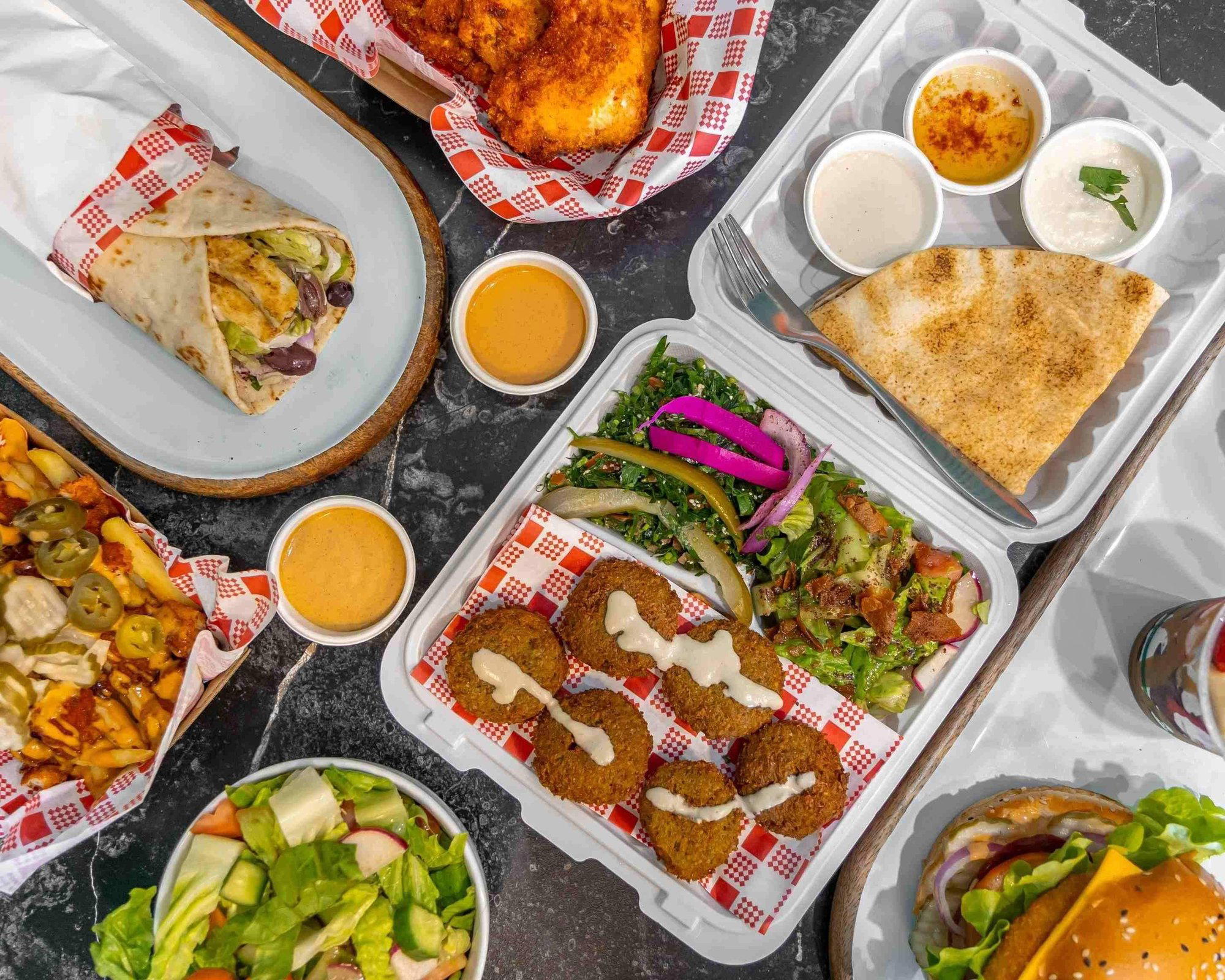
| Kulcha Restaurant Wollongong | Middle Eastern Kebab Fusion | $$ | Wollongong CBD |
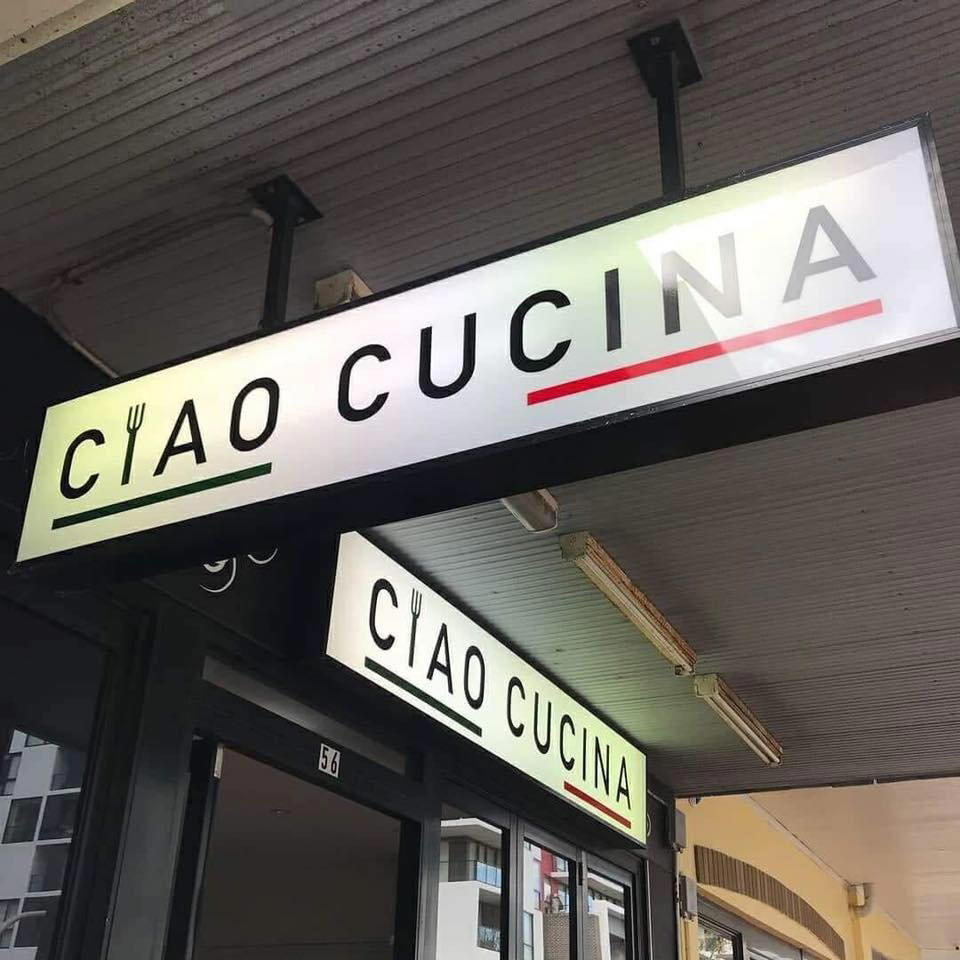
| Ciao Cucina | Homestyle Italian Trattoria | $$ | Wollongong CBD |
| The Great Pavilion | Modern Indian | $$ | Wollongong CBD |
| Sensei Sushi North Curl Curl | Japanese-Brazilian Fusion Sushi | $$ | North Curl Curl |
Continue exploring
More in Wollongong
Restaurants in Wollongong
Browse all →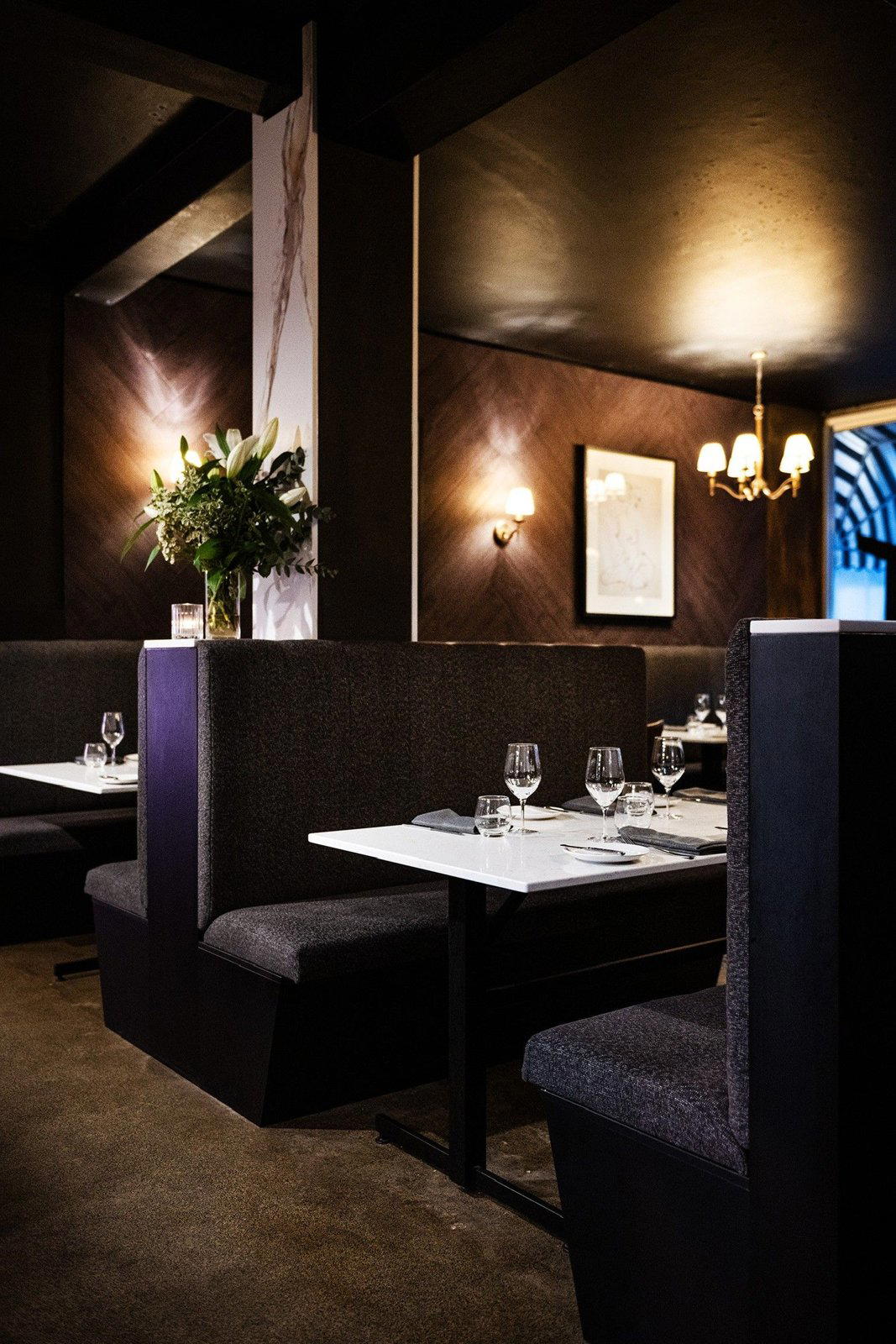
Bars in Wollongong
Browse all →
Hotels in Wollongong
Browse all →
Wineries in Wollongong
Browse all →
At a Glance
- Lively
- Family
- Group Dining
- Celebration
- Casual Hangout
- Sake Program
- Local Sourcing
Current opening hours
- Monday
- 5:30–10 PM
- Tuesday
- Closed
- Wednesday
- 5:30–10 PM
- Thursday
- 5:30–10 PM
- Friday
- 5–10:30 PM
- Saturday
- 5–10:30 PM
- Sunday
- 12–2:30 PM, 5–9:30 PM
Hours can change for holidays and private events. Last verified .
Welcoming and relaxing atmosphere ideal for family celebrations, anniversaries, or casual nights out with friends.