
50 Top Pizza Europe #33
Our verdict
The name signals Italian warmth, and the address places it firmly in Mokotów, one of the city's more considered neighbourhoods for everyday dining rather than tourist-facing spectacle. It sits at a remove from the Old Town circuit and the Śródmieście hotel cluster, which shapes both its clientele and its register.

Pearl is the En Primeur Club membership app — saves, bookings, and concierge access live there. Same editors, same standards.
- Address
- al. Niepodległości 217, 02-081 Warszawa, Poland
- Phone
- +48534000069
- Hours
- Daily 12–10 PM
- Website
- ciaoatutti.pl
- Directions
- Get directions
A Dining Corridor Away from the Centre
Warsaw's most interesting restaurants increasingly operate outside the obvious tourist radius. Ciao a Tutti, at number 217, sits in that corridor. The name is Italian in greeting and intention, and the address is firmly residential Mokotów: wide pavements, pre-war and post-war apartment blocks in alternation, and a pace that is noticeably slower than the Śródmieście hotel strip a few kilometres north.
That positioning matters. Warsaw's Italian dining options have expanded considerably since the early 2010s, ranging from high-end tasting-format rooms to neighbourhood pasta counters operating on thin margins and high repeat traffic. Ciao a Tutti's location on a primarily residential avenue places it in the latter camp by geography, even if the dining experience reaches further. For context on the broader Warsaw scene, the EP Club Warsaw restaurants guide maps the city's key dining corridors and formats in full.
The Logic of the Italian Trattoria in a Polish City
Italian food has occupied a particular role in Warsaw's dining culture for longer than most other imported cuisines. It arrived early enough to develop genuine local vocabulary rather than landing as a fully formed import. The trattoria format, with its emphasis on sequential eating, shared plates, and wine chosen by the carafe or short list rather than encyclopaedic cellar, translates well to a Polish dining public that has, over two decades, developed real fluency with European table customs.
The meal progression at a room like this tends to follow a familiar Italian arc: something light and acidic to open, pasta as a centrepiece rather than a side note, protein that earns its position rather than anchoring the menu by default, and a dessert course that lands as punctuation rather than performance. That arc, when executed with discipline, is one of the most satisfying structures in European dining. It rewards attention to pacing over spectacle, and it places the kitchen's skill in sequencing as much as in any individual dish. Warsaw's more technically ambitious rooms, including NUTA and hub.praga, work in a different register, building tasting menus around Polish produce and creative abstraction. The Italian trattoria tradition operates with a different contract: the format is known, the pleasure is in how well it is observed.
Where Mokotów Sits in Warsaw's Dining Geography
Understanding where Ciao a Tutti operates requires a brief map of how Warsaw's dining weight is distributed. Śródmieście holds the concentration of higher-end and hotel-adjacent rooms. Praga Północ, across the river, has attracted a younger, more experimental cohort. Mokotów functions as the city's most affluent residential district and generates steady demand for reliable, mid-to-upper-range dining without the theatrics that characterise some central venues. Repeat clientele is the rule here rather than the exception, which tends to discipline a kitchen: menus that fail on the third visit lose the table permanently.
Both rooms serve a mixed local and visiting clientele, and both prioritise consistency over novelty. Ciao a Tutti's Italian frame puts it in a slightly different lane, but the neighbourhood logic is shared.
The Tasting Arc: How the Meal Should Move
The strength of Italian-format dining in this part of Warsaw lies in how it structures time. A well-run trattoria does not rush antipasti. Pasta, in the Italian sequence, is a primo rather than a main: generous enough to carry the meal's flavour weight, disciplined enough not to end it. The secondo, if ordered, arrives as an argument for protein rather than an obligation to it.
That sequencing discipline separates rooms with genuine Italian kitchen training from those operating Italian as a stylistic register.enprimeurclub.com/restaurants/la-cucina-ristorante-gdansk-restaurant">La Cucina Ristorante in Gdańsk, which takes a similar Italian frame into a different coastal city context, and at the higher end, rooms like Arco by Paco Pérez in Gdańsk, where the tasting format absorbs Italian and broader Mediterranean influence into a more constructed progression. The trattoria format at Ciao a Tutti operates closer to the former: a room built around the rhythm of a meal rather than the architecture of a tasting menu.
Wine in the Italian Trattoria Context
Italian dining rooms in Warsaw typically anchor their wine offering to the Italian peninsula, which gives them structural coherence that pan-European lists sometimes lack. A carafe of something from Friuli or Abruzzo functions differently at a trattoria table than it does at a Modern European room. It is part of the format rather than a statement about the cellar. Warsaw's wine-forward venues, including Baken, approach the list as a primary editorial product. The trattoria tradition treats wine as a companion to food sequencing, which is a different kind of intelligence and no less considered for being quieter about it.enprimeurclub.com/restaurants/ok-wine-bar-wrocaw-restaurant">OK Wine Bar in Wrocław and Bottiglieria 1881 in Kraków represent the cellar-first approach applied in different cities. Further afield, Muga in Poznań and Giewont in Kościelisko show how regional Polish dining rooms build their own wine logic around local and European sourcing. The residential setting means street parking is more available here than in the central districts during evening service. Mokotów dining rooms at this address tend to draw a professional local crowd mid-week and a more mixed neighbourhood and visitor profile at weekends. Arriving without a reservation at peak weekend hours carries risk in any well-regarded Mokotów room; a booking made a few days in advance is the more reliable approach.
Readers looking for further context on Italian-format dining at international reference points can consult the EP Club coverage of Le Bernardin in New York City and Lazy Bear in San Francisco, both of which illustrate how tasting-progression formats operate at the highest tier, and how far the format can extend when pacing and sequencing are treated as primary design tools.
Frequently asked questions
Where do I go for Ciao a Tutti?
Ciao a Tutti is located at al. Niepodległości 217, 02-081 Warszawa, Poland, Warsaw.
How does Ciao a Tutti compare to Italian restaurants in central Warsaw?
Ciao a Tutti operates in Mokotów rather than Śródmieście, which puts it outside the tourist-facing concentration of Warsaw's central dining strip. That positioning means the room skews toward a neighbourhood clientele rather than hotel guests or short-stay visitors. For diners coming from central Warsaw, the venue sits within fifteen minutes by tram along Aleje Niepodległości — a trade-off that typically delivers a less transient atmosphere than central-district equivalents.
What dish is Ciao a Tutti famous for?
The Italian trattoria format the venue operates under typically anchors its menu to pasta and antipasti courses, with the full meal sequence carrying more weight than any single dish. Visiting with appetite for the multi-course structure is the more reliable approach than seeking one standout plate.
Do I need a reservation for Ciao a Tutti?
Ciao a Tutti sits on Aleje Niepodległości in Mokotów, a residential Warsaw corridor with a steady local dining base. Rooms of this type in that district tend to fill on Friday and Saturday evenings, making advance booking the safer position for weekend dinners. Mid-week visits typically carry more walk-in flexibility, though contacting the venue directly before arrival is advisable.
Credentials Lens
| Venue | Cuisine | Price | Awards | Notes |
|---|---|---|---|---|
| Ciao a TuttiThis venue — the venue you are viewing | Neapolitan Pizza | $10–20 | 50 Top Pizza Europe #33 | Not listed |
| Rozbrat 20 | Modern Polish Fine Dining | $100–150 | 1 Michelin Star · Star Wine List | Modern European, Modern Cuisine |
| alewino | Seasonal Polish Wine Bistro | $30–50 | Michelin Plate · Star Wine List | Not listed |
| Bez Gwiazdek | Modern Polish Regional | $200–300 | Michelin Plate · Star Wine List | Not listed |
| Butchery & Wine | Modern Steakhouse | $50–100 | Michelin Plate · Star Wine List | Not listed |
| hub.praga | Modern Polish Fine Dining | $100–150 | 1 Michelin Star · Star Wine List | Modern Cuisine |
Recognition history
Dated appearances from independent guides and award organizations, with the underlying list record or original source where available.
50 Top Pizza Europe #33
50 Top Pizza
Details
- Cozy
- Classic
- Casual Hangout
- Family
- Open Kitchen
- Local Sourcing
- A La Carte
- House Wine
- Vegetarian Friendly
- Vegan Options
Current opening hours
- Monday
- 12–10 PM
- Tuesday
- 12–10 PM
- Wednesday
- 12–10 PM
- Thursday
- 12–10 PM
- Friday
- 12–10 PM
- Saturday
- 12–10 PM
- Sunday
- 12–10 PM
Hours can change for holidays and private events. Last verified .
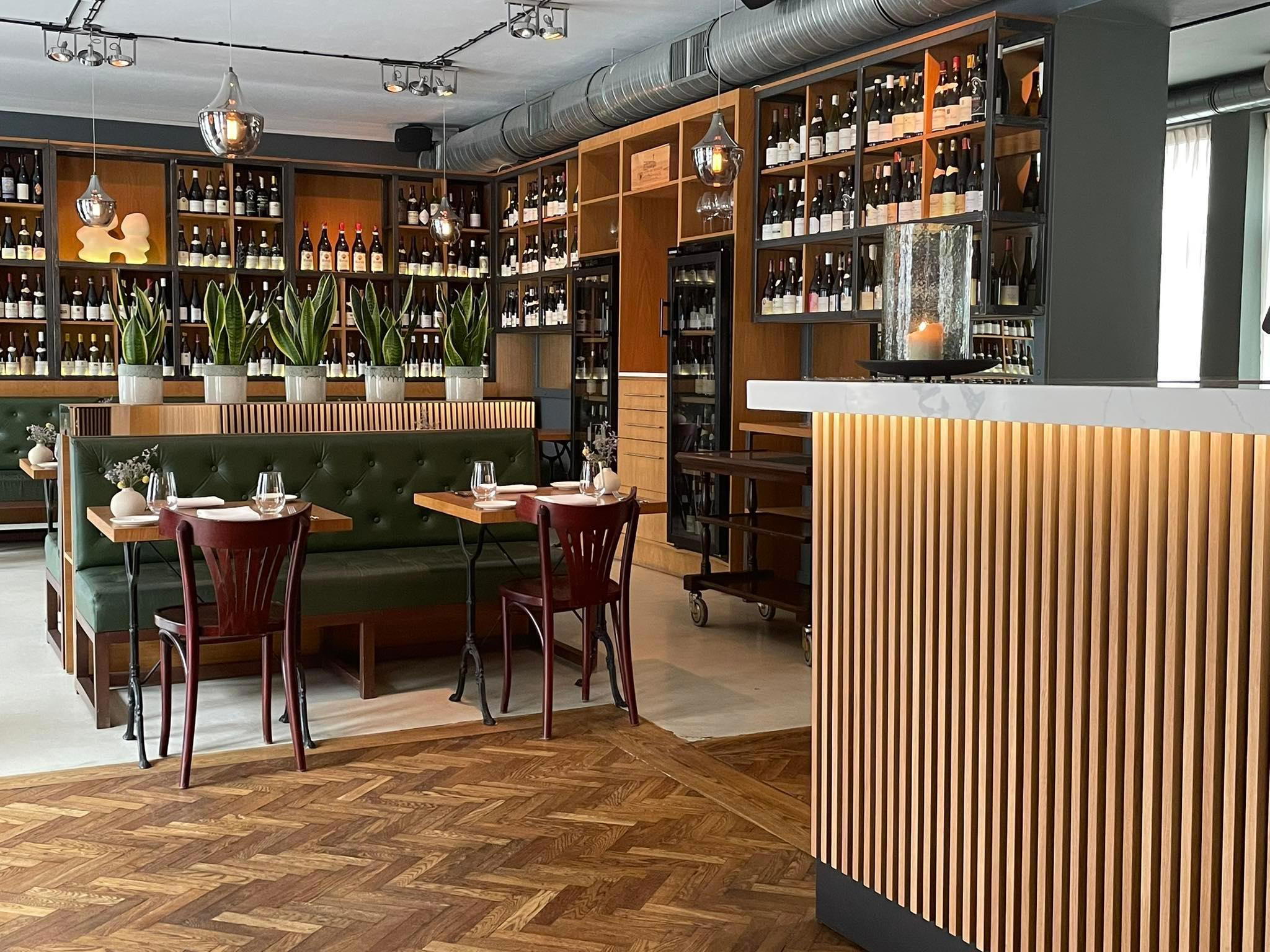
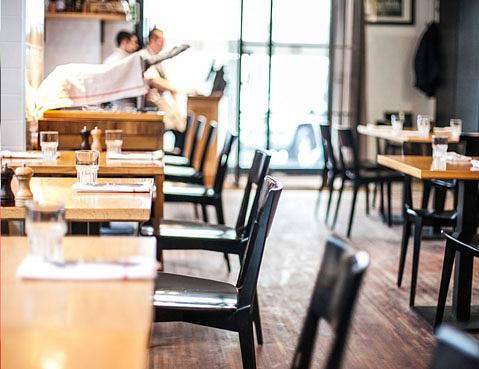
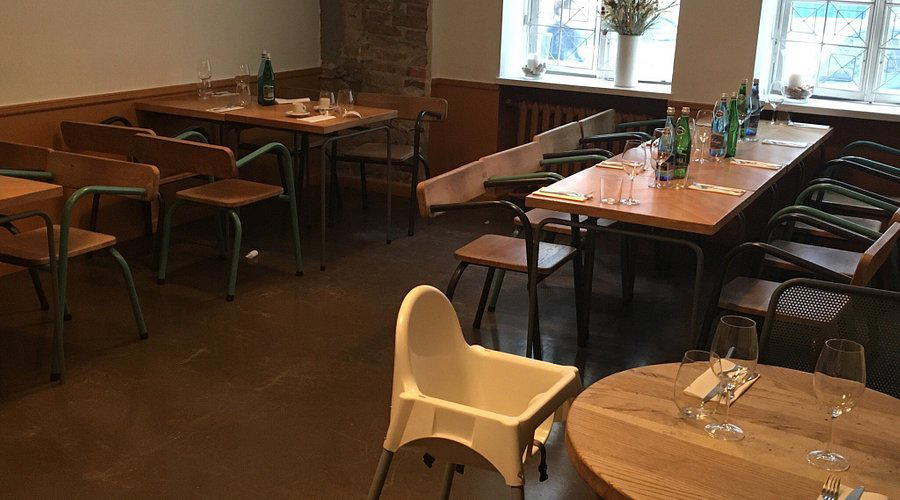
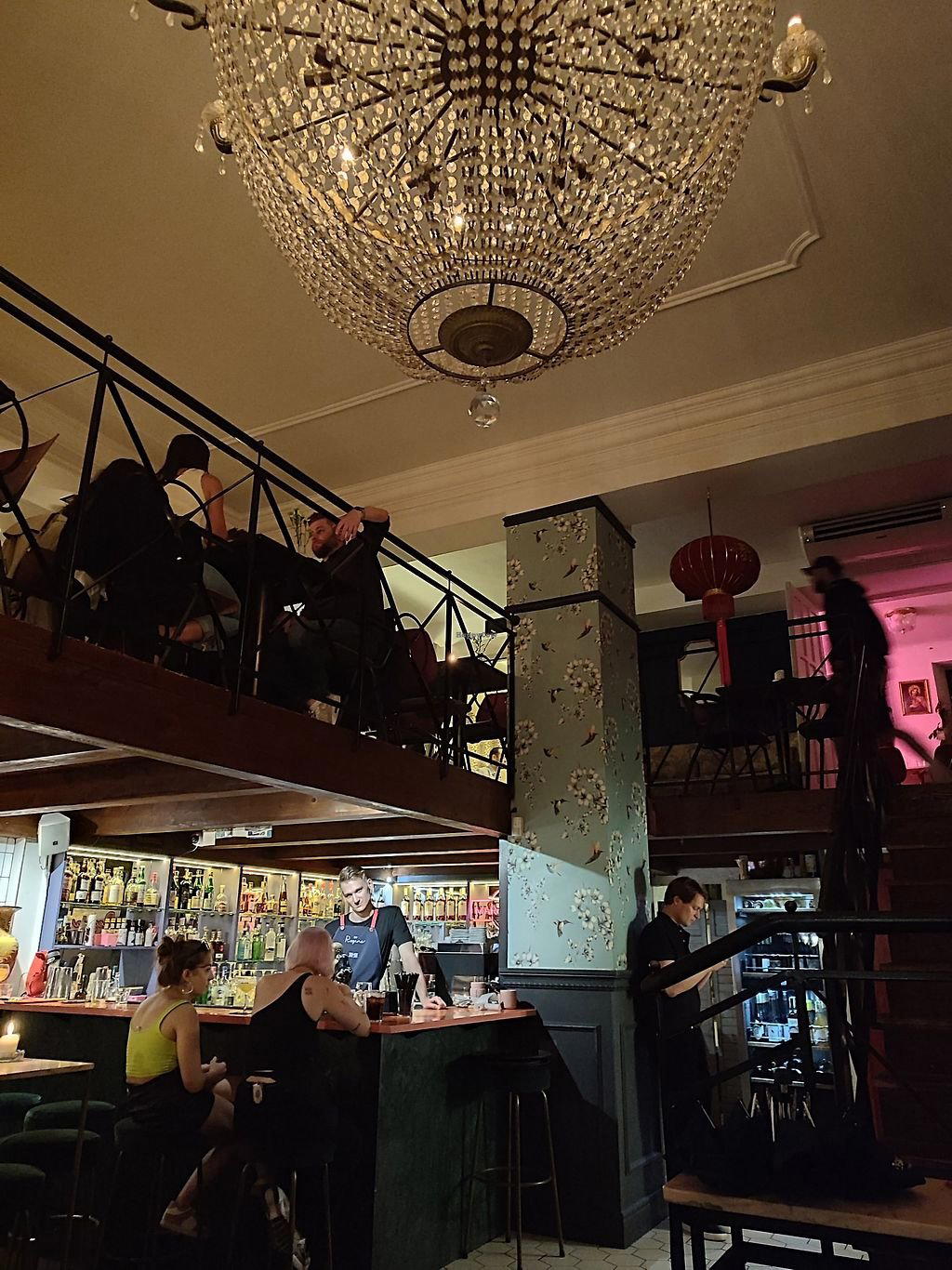
Cozy and simple trattoria atmosphere with a local following.