On Slovenska cesta, Ljubljana's main artery, Chuty's Heart of Asia occupies a space where Central European foot traffic meets a kitchen oriented toward the flavors and traditions of the Asian continent. In a city whose dining scene has moved decisively toward international reference points over the past decade, this address sits at a crossroads between local appetite and imported culinary tradition. Booking ahead is advisable, particularly on weekends.
Pearl is the En Primeur Club membership app — saves, bookings, and concierge access live there. Same editors, same standards.
- Address
- Slovenska cesta 19, 1000 Ljubljana, Slovenia
- Phone
- +38670401351
- Website
- chutys.com
- Directions
- Get directions
 Saves & bookings on Pearl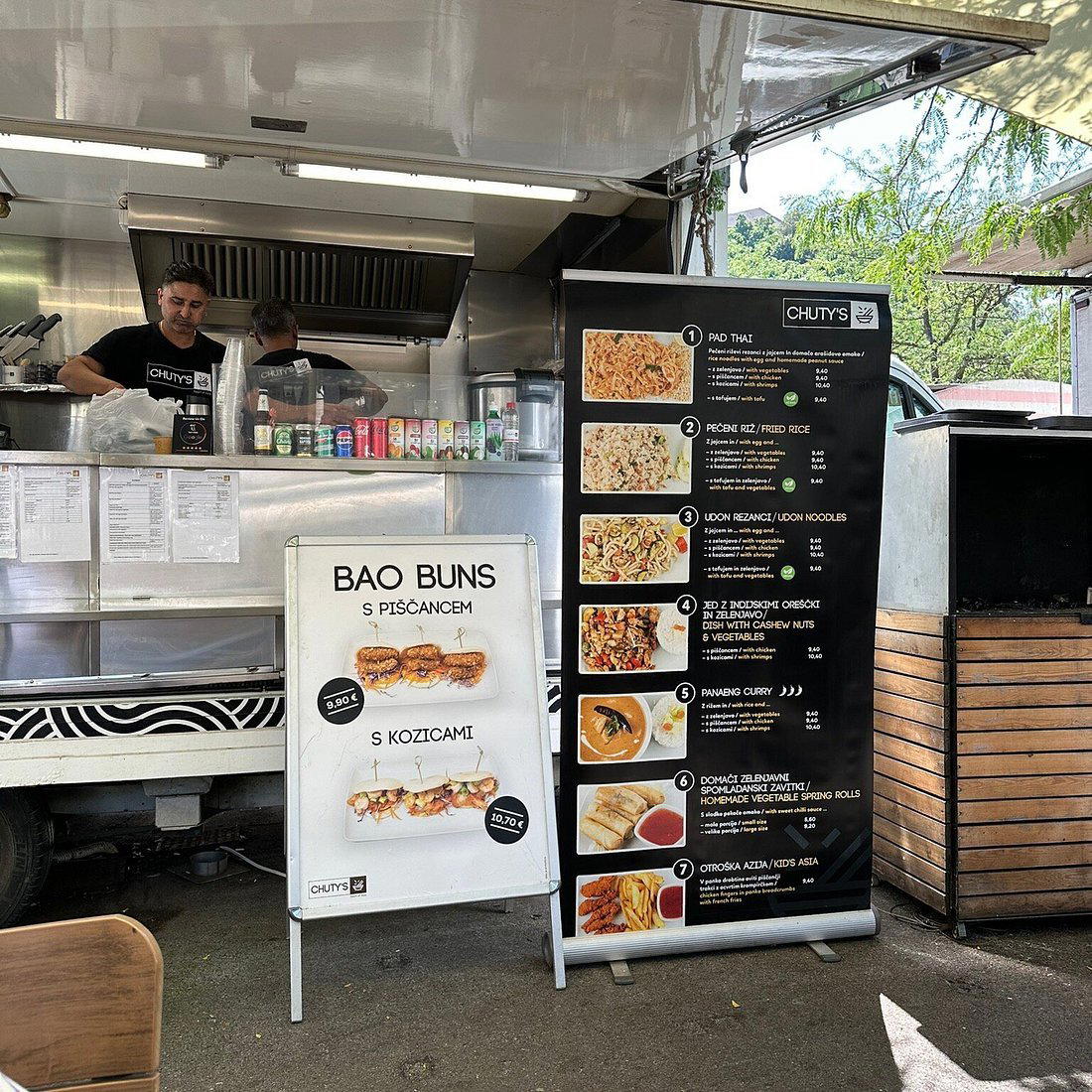
Asian Dining on Ljubljana's Central Corridor
Slovenska cesta is Ljubljana's spine: the long, broad avenue that connects the train station to the old town, lined with pharmacies, banks, and the kind of restaurants that survive on foot traffic and repeat custom. It is not, historically, where you go to find a specialist kitchen. That makes the presence of Chuty's Heart of Asia at number 19 worth examining. In a city where the dominant international influences at the table have long been Italian and Balkan, a restaurant oriented toward Asian cuisine occupies a distinct and relatively uncrowded position in the local dining conversation.
Ljubljana's restaurant scene has matured considerably since the mid-2010s. The capital's appetite for international reference points has grown alongside its tourism numbers, and a younger generation of diners educated by travel and by the rise of European Asian-fusion cooking has created demand that earlier generations of Slovenian restaurateurs never needed to meet. Chuty's Heart of Asia arrived into that shift, planting itself on the city's highest-traffic street rather than retreating to the more atmospheric back streets of the old town where Altrokè and other regional specialists tend to cluster.
Where It Sits in the Ljubljana Dining Tier
Ljubljana's dining map currently runs from affordable, high-quality regional cooking, the territory occupied by places like Altrokè, through a confident mid-market of contemporary European kitchens, to a thin but serious tier of fine dining anchored by addresses such as Restavracija Strelec, the castle restaurant that has become one of the city's benchmark modern cuisine destinations. Chuty's Heart of Asia does not position itself in that fine-dining bracket. Its address and format suggest a restaurant built for regularity: the kind of place a diner returns to monthly rather than annually.
That positioning is not a criticism. Particularly durable Asian restaurants in European capitals have built their reputations precisely by being the reliable, well-executed option in a market where reliable execution is harder to find than it appears. The question for any Asian kitchen operating in Central Europe is always one of supply chain and sourcing: the ingredients that define the cuisines of East, Southeast, and South Asia are not always available in the form or freshness that a specialist kitchen demands. How a restaurant manages that constraint, whether through menu editing, adaptation, or creative substitution, tends to define its ceiling.
The Wine Question in an Asian Kitchen Context
Asian kitchens in European cities present a specific challenge for wine programs. The flavor profiles that define the cuisines of the continent, fermented, spiced, umami-forward, sometimes sweet-sour, do not map neatly onto the wine traditions that most European sommeliers are trained to work with. The dominant European response to this problem has been one of two approaches: either a short, pragmatic list that prioritizes off-dry whites and light reds that tend to pair across a range of Asian flavor registers, or a more ambitious curation that treats each regional cuisine's pairing needs individually.
Slovenia, as it happens, is an interesting country in which to ask the wine question. The domestic wine culture is sophisticated beyond the country's size: the Vipava Valley, the Karst, and the Goriška Brda region collectively produce some of Central Europe's most discussed natural and skin-contact wines, styles that have found enthusiastic audiences in the same urban, internationally-minded demographic that tends to seek out specialist Asian restaurants. An orange wine from the Karst, with its oxidative depth and tannic grip, can hold its ground against a fermented chili sauce or a broth heavy with star anise in a way that a conventional Chardonnay cannot.
For context on how seriously Slovenia's broader dining circuit takes its wine program, the Michelin-recognized restaurants outside the capital, Hiša Franko in Kobarid, Gostilna Pri Lojzetu in Vipava, and Hiša Denk in Zgornja Kungota, have built drink lists that treat Slovenian producers as primary references rather than afterthoughts. The expectation that a wine program should reflect the country's terroir has filtered down from that tier into the broader restaurant culture.
The Broader Context: Asian Dining in Small European Capitals
In cities like Ljubljana, Vienna, Prague, and Zagreb, Asian restaurants operate in a market with particular dynamics. The pool of diners with direct knowledge of the source cuisines is smaller than in London, Paris, or Amsterdam. That cuts both ways: it means a kitchen faces less expert scrutiny on authenticity, but it also means the restaurant must work harder to communicate why its cooking is worth seeking out. The restaurants that manage this most effectively in smaller European capitals tend to be the ones that pick a lane, a specific regional cuisine or a clearly defined fusion approach, and execute it with consistency rather than breadth.
For comparison, consider how specialist kitchens in larger markets have navigated this: Le Bernardin in New York City has sustained a specific, disciplined identity for decades by refusing to expand its remit, while Lazy Bear in San Francisco has built a following through format clarity. The scale is different, but the underlying principle, know what you are and execute it without equivocation, applies at every price point.
Ljubljana's more international-facing restaurants, including AFTR and Allegria, have each carved out positions through format or ingredient discipline. Chuty's Heart of Asia occupies a different niche within the same city's ambitions: a kitchen facing East rather than West on a street that sees the full cross-section of Ljubljana's population.
Planning Your Visit
The restaurant is located at Slovenska cesta 19, one of Ljubljana's most central and accessible addresses, reachable on foot from the main train station in under ten minutes and from the old town in a comparable time. For current hours, reservation availability, and menu details, contact the restaurant directly. Given the restaurant's central position and the relatively small scale that most Ljubljana dining rooms operate at, reserving a table in advance, particularly for Friday and Saturday evenings, is a sensible precaution.
Those building a wider Slovenia itinerary around food will find strong anchors beyond the capital: Milka in Kranjska Gora, Pavus in Lasko, Hiša Linhart in Radovljica, Grič in Šentjošt nad Horjulom, Gostilna Skaručna in Vodice, Grič in Dobrova Polhov Gradec, and Dam in Nova Gorica each represent different facets of a national dining culture that has developed considerable range in a short time. For a more local, affordable contrast within the capital, Abi Falafel represents the city's appetite for casual, fast-format Middle Eastern food on a similar internationalist axis.
In Context: Similar Options
Comparable venues nearby, for context on price, style, and recognition.
| Venue | Cuisine | Price | Notes |
|---|---|---|---|
| Chuty's Heart of AsiaThis venue — the venue you are viewing | Authentic Thai with Seafood | $$ | Not listed |
| Osha | Thai & Vietnamese Street Food | $$ | Trubarjeva |
| Čad | Traditional Balkan Grill | $$ | Rožnik |
| Pop's Pizza & Sport | Authentic Neapolitan Pizza | $$ | Breg |
| Pop's place | Gourmet Burgers & BBQ Gastropub | $$ | City Center |
| Cacao | Modern Cafe with Gelato & Patisserie | $$ | Center |
Continue exploring
More in Ljubljana
Restaurants in Ljubljana
Browse all →
Bars in Ljubljana
Browse all →
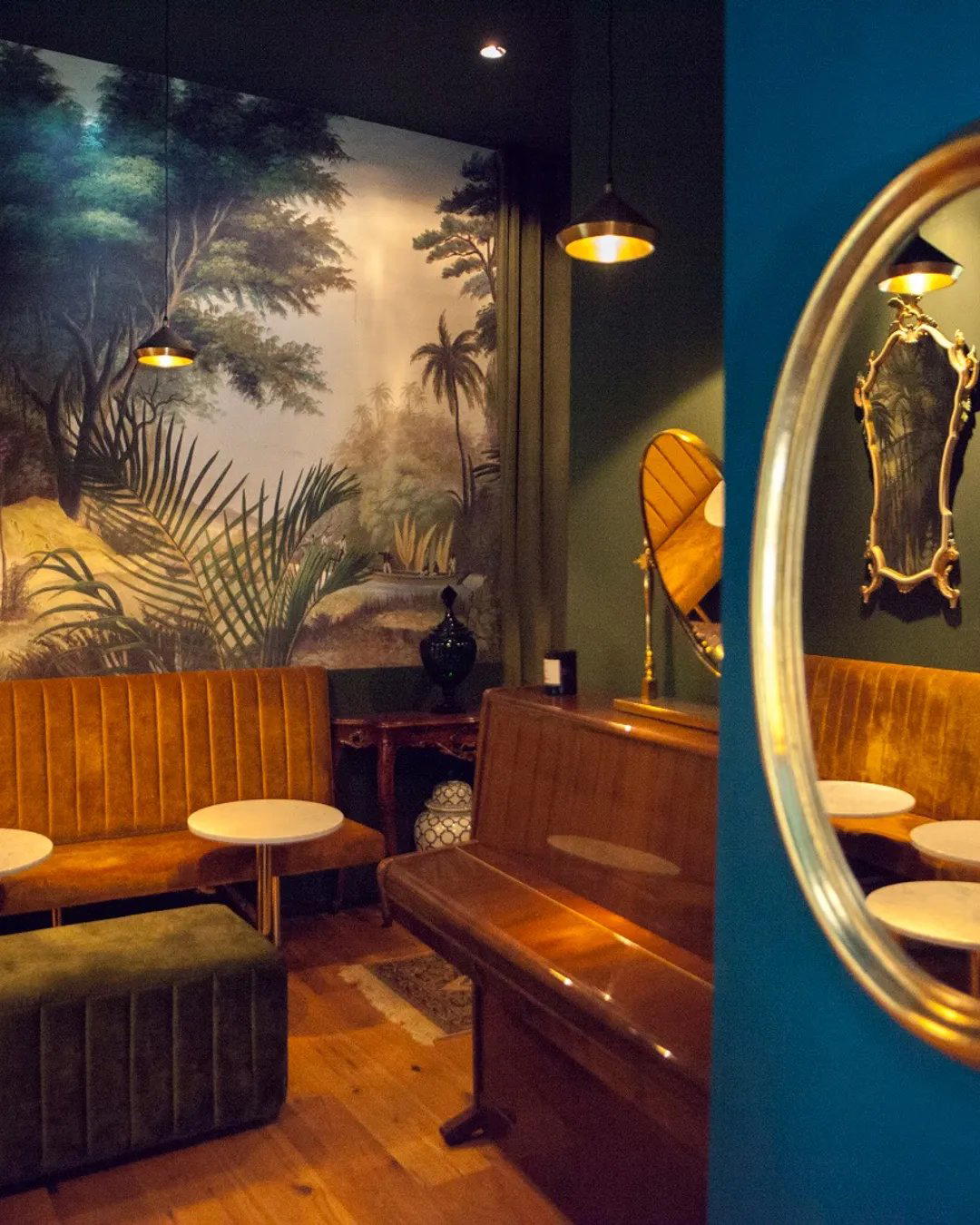
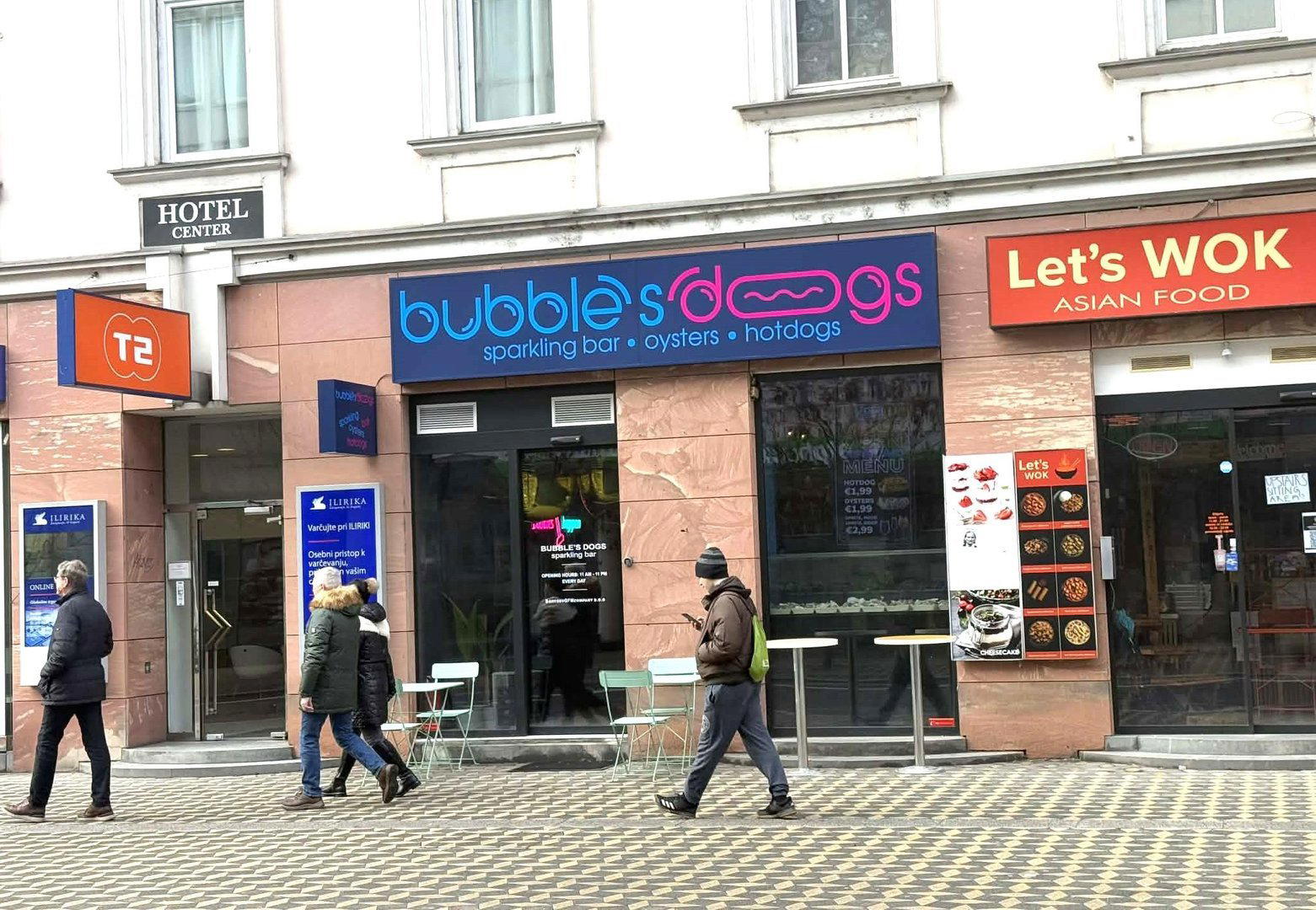
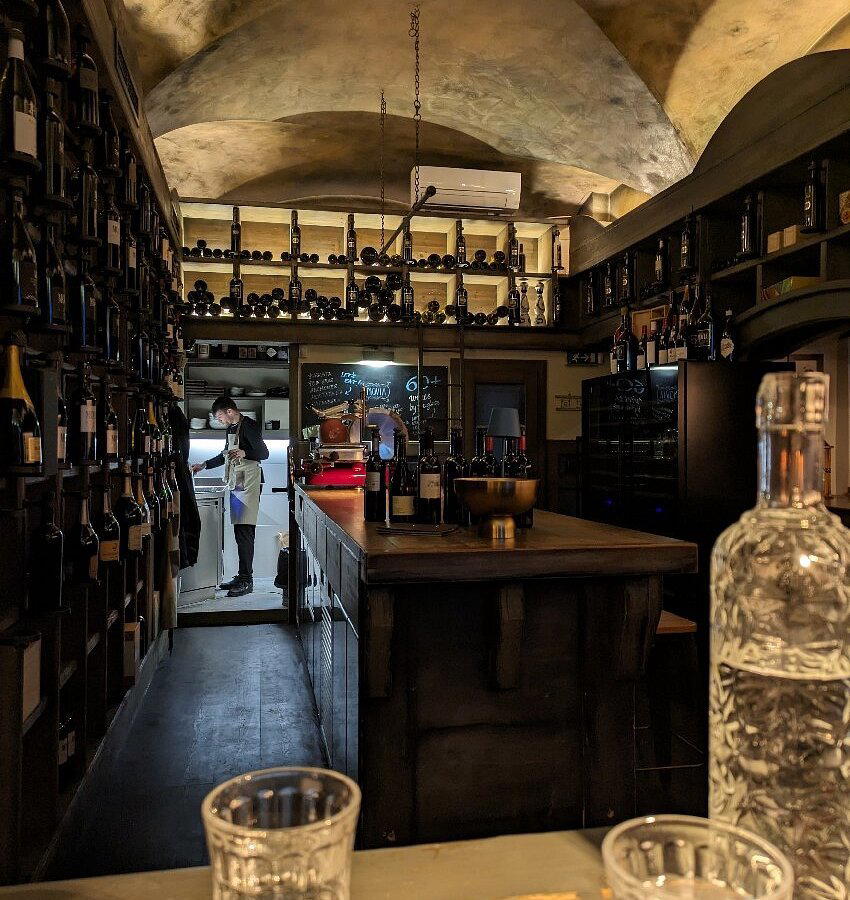
Hotels in Ljubljana
Browse all →

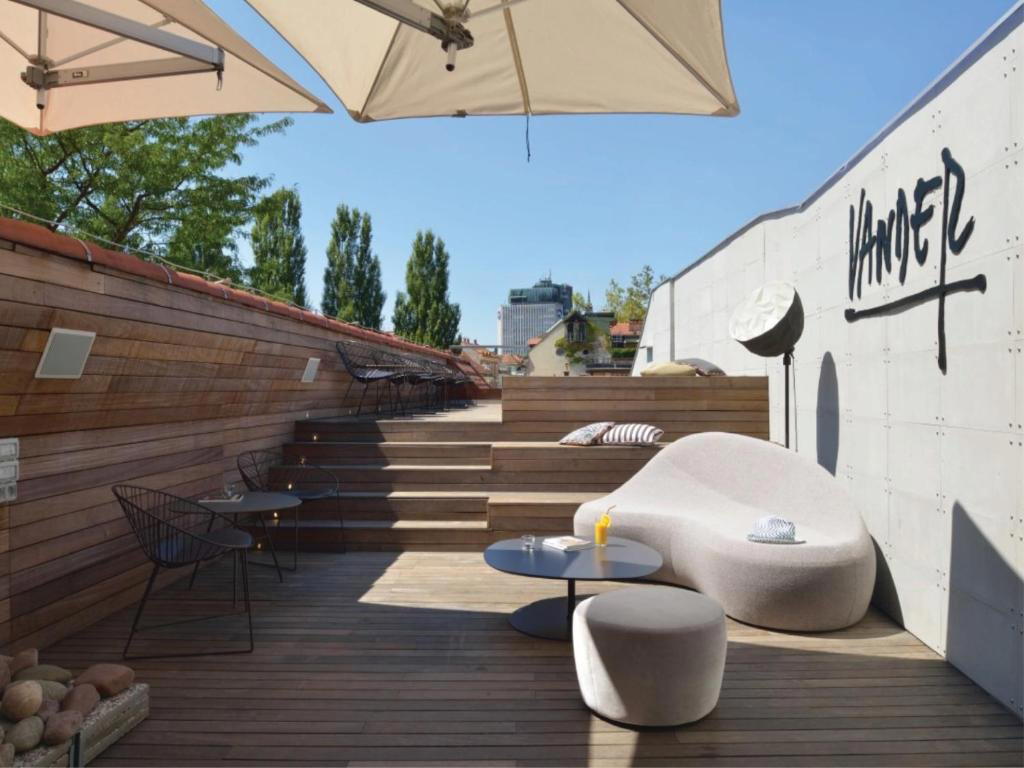
Wineries in Ljubljana
Browse all →
At a Glance
- Cozy
- Elegant
- Lunch
- Dinner
- Open Kitchen
Current opening hours
- Monday
- 11 AM–10 PM
- Tuesday
- 11 AM–10 PM
- Wednesday
- 11 AM–10 PM
- Thursday
- 11 AM–10 PM
- Friday
- 11 AM–10 PM
- Saturday
- Closed
- Sunday
- 12–8 PM
Hours can change for holidays and private events. Last verified .
Asian-inspired interior with warm lighting creating zen comfort.