
chukaryouriogiwara places Kashiwa’s Chinese dining scene in a compact counter format, with Tabelog 100 Chinese EAST 2026 recognition and a fish-conscious kitchen profile. The appeal is less about spectacle than ritual: a small room, reserved seating, wine and sake alongside Chinese cooking, and a suburban Chiba address that prices closer to special-occasion dining than casual station food.
Pearl is the En Primeur Club membership app — saves, bookings, and concierge access live there. Same editors, same standards.
- Address
- 千葉県柏市柏3-3-18 2F
- Phone
- +81471285757
- Website
- chuka-ogiwara.com
 Saves & bookings on Pearl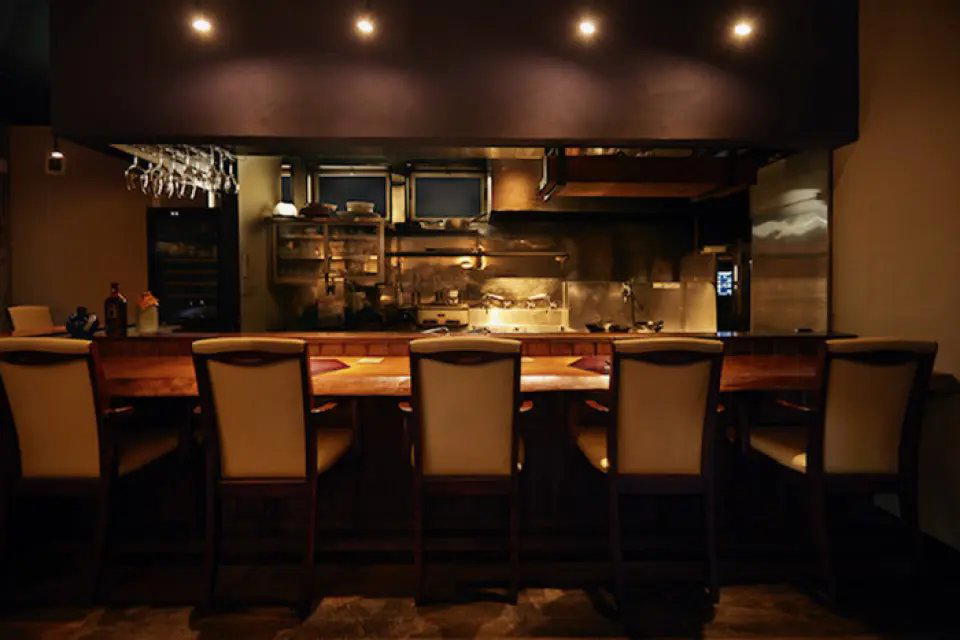
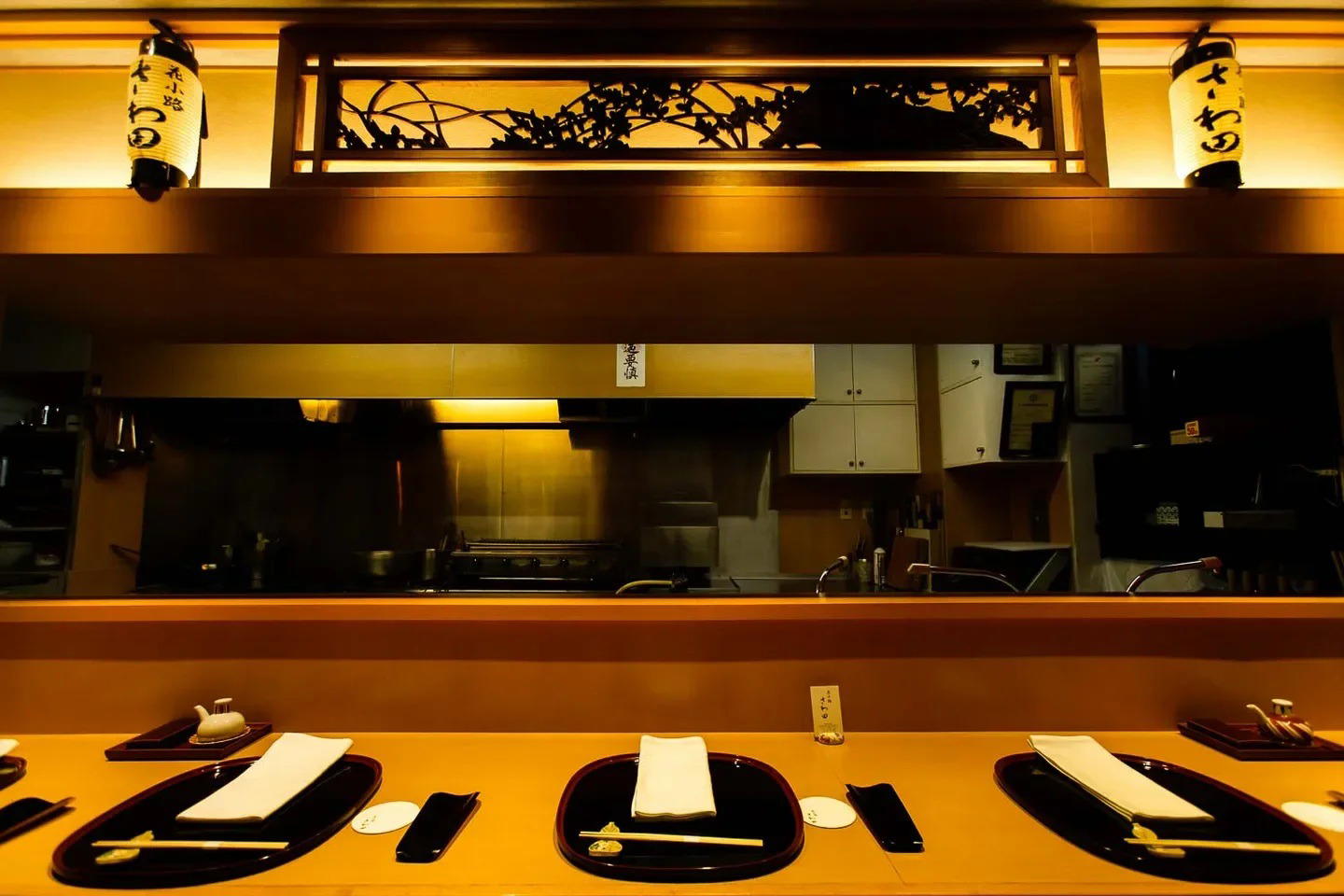
On the second floor in Kashiwa, the meal begins with a scale decision: ten counter seats, no private rooms, and a room built around the kitchen rather than around table turnover. That matters in Japanese Chinese dining, where the category can mean anything from inexpensive gyoza counters to polished banquet rooms. Here the ritual is tighter and more deliberate. The counter puts timing, pacing, and plate handoff in the foreground, closer to the habits of sushi and kappo than to the round-table model many diners associate with Chinese restaurants.
Kashiwa is often read as a transport city first, a commercial node in Chiba with strong station-area eating rather than a destination dining district. That makes a small Chinese counter with national-list recognition more interesting. chukaryouriogiwara was selected for Tabelog 100 Chinese EAST 2026, a category that groups it with eastern Japan’s stronger Chinese kitchens rather than only with local neighborhood restaurants. The Tabelog score of 3.64 also places it in the serious-review conversation, especially in a city where much of the everyday dining market sits at lower price points and faster formats.
A counter-led Chinese meal in a city better known for everyday eating
The useful comparison in Kashiwa is not simply Chinese versus Japanese cuisine, but occasion versus frequency. AYUBOWAN, 66, and the local curry and ramen circuit speak to the city’s reliable casual side, where meals are short, repeatable, and priced for regular use. Bunsai Ka occupies another serious-dining lane in Kashiwa, but the Chinese counter format changes the rhythm: fewer seats, closer contact with the kitchen, and less separation between cooking and service.
That structure shapes etiquette. Counter dining rewards punctuality, small-party discipline, and attention to pacing. The room is not designed for a sprawling banquet or a loud corporate dinner; it is built for diners who can follow the sequence of the meal and let the kitchen set tempo. This is where Japanese adaptations of Chinese cooking become interesting: the cuisine’s generosity is filtered through a smaller, more controlled service style, with drinks that include sake, shochu, and wine rather than only the expected beer-and-highball axis.
The restaurant’s listed categories, Chinese, izakaya, and dining bar, are telling. In Japan, those labels often overlap at the edges, particularly outside central Tokyo. The result is not a purist taxonomy but a local hybrid: Chinese technique and flavor grammar, izakaya-style conviviality, and a drinks program broad enough to support a longer meal. The listed focus on fish also pulls the experience away from the stereotype of heavy banquet cooking and toward a lighter, ingredient-led register, though the specific dishes should be treated as meal-dependent rather than assumed in advance.
Recognition changes the way to read the room
Tabelog’s Hyakumeiten lists are not Michelin-style star systems, but in Japan they carry real behavioral weight. Selection for Chinese EAST in 2026 signals that this is not merely a convenient Kashiwa address; it belongs to a wider eastern-Japan conversation about Chinese cooking. For travelers, that recognition is useful because Kashiwa is not a default dining stop on many Tokyo-area itineraries. The award helps explain why a compact counter here deserves consideration alongside better-publicized urban meals.
Price also changes expectations, even before any dish reaches the counter. Kashiwa has plenty of meals that ask little planning and little financial commitment; this sits in another bracket. Compared with Anbai, Bakery Feve, and other everyday addresses, the value question becomes less about portion size and more about concentration: seat count, recognition, drink compatibility, and the choreography of a reserved meal. The right diner is not chasing breadth across the city in one night. The right diner wants one controlled sitting.
There is a practical cultural point here. Tokyo visitors often assume the greater metro area’s serious meals cluster inside the Yamanote loop or in familiar luxury districts. Chiba’s dining map is less neatly packaged. Kashiwa’s strongest restaurants tend to be woven into ordinary commercial streets, upstairs rooms, and station-adjacent blocks, which means the difference between a casual find and a planned meal can be easy to miss. For broader orientation, Our full Kashiwa restaurants guide gives the local dining frame, while Our full Kashiwa hotels guide, Our full Kashiwa bars guide, Our full Kashiwa wineries guide, and Our full Kashiwa experiences guide help place the meal inside a wider trip.
Who should build a meal around it
This is a better fit for diners who understand that small-counter dining in Japan is a social contract. The kitchen can be generous, but the format asks for restraint: arrive ready for the scheduled seating, keep the party compact, and treat the counter as a shared stage rather than private territory. Children are listed as welcome, including babies, preschoolers, school-age children, and strollers, which is more accommodating than many intimate counters. Even so, the room’s scale means families should think carefully about temperament and timing rather than reading “family friendly” as license for a loose, noisy meal.
The strongest reason to come is the category tension: recognized Chinese cooking in a ten-seat Kashiwa counter, with sake and wine given meaningful space. That is not the common shape of Chinese dining in the Tokyo orbit. It suits travelers who have already eaten the obvious central-city meals and want to understand how serious suburban restaurants build identity without hotel gloss or Ginza polish. For a Japan itinerary with wider dining references, contrast the format with -Grilled beef Sukiyaki- KAMAKURA TANUKIAN 鎌倉 たぬき庵 in Kamakura. 鮪と炭火焼き うお炭 秋葉原店 in Tokyo.cafe in Osaka.know in Kumamoto, (Shoku) Vietnam in Kawasaki, and [Curry Senmon Ten] Maruyama Kyoju. in Sapporo. Outside Japan, Jōdo Saké Bar in Los Angeles and Onigiri Time in Pasadena offer a useful reminder of how Japanese food culture changes when format, city, and audience shift.
Cuisine and Credentials
Comparable venues by cuisine and price in the same metro.
| Venue | Cuisine | Price | Notes |
|---|---|---|---|
| chukaryouriogiwaraThis venue — the venue you are viewing | Chinese Course Dining | $$$ | Not listed |
| 66 | American Burgers | $$$ | Kashiwa |
| Bunsai Ka | Modern Cantonese-led Chinese with Hong Kong sweets | $$$ | Kashiwa |
| Tonkotsu Shoyu Ramen Oudouya Kashiwa ten | Iekei-style tonkotsu shoyu ramen | $ | Kashiwa |
| Casa PASCALE | Sri Lankan curry restaurant | $ | Sakasai |
| Curry no Mise Bombay Honten | Japanese curry house | $ | Kashiwa |
Recognition history
Dated appearances from independent guides and award organizations, with the underlying list record or original source where available.
Tabelog 100 #73 · No. 73
Tabelog · Tabelog 100 - Chinese cuisine - EAST - 2026








At a Glance
- Sophisticated
- Intimate
- Classic
- Date Night
- Business Dinner
- Group Dining
- Special Occasion
- Chefs Counter
- Design Destination
- Standalone
- Extensive Wine List
- Sake Program
- Local Sourcing
A calm, adult-oriented counter dining space with a chic, relaxed atmosphere designed for lingering over a course meal.