
Kashiwa’s curry scene rewards specialization over spectacle, and Curry no Mise Bombay Honten sits in that lane with Tabelog Curry EAST 100 selections in 2019, 2020, 2023, and 2024. The draw is not luxury dining; it is a compact, curry-focused room where Japanese curry-house culture, Indian curry influence, and local loyalty meet at everyday prices.
Pearl is the En Primeur Club membership app — saves, bookings, and concierge access live there. Same editors, same standards.
- Address
- Japan, 〒277-0005 Chiba, Kashiwa, 3 Chome−6−16 磯野ビル 1F
- Phone
- +81 4-7164-5488
- Website
- curryhouse-bombay.com
 Saves & bookings on Pearl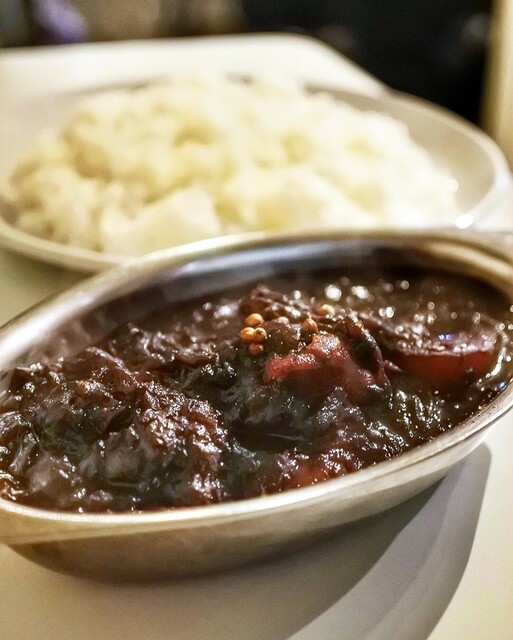
Approaching a serious Japanese curry house is rarely about ceremony. The appeal is sharper: a small room, counter seats within sight of the kitchen, and the confidence of a place built around one category rather than a broad menu. In Kashiwa, that compact format matters because stronger casual dining is often defined by repetition, speed, and regulars who know exactly what they want.
Curry no Mise Bombay Honten belongs to that tradition. Its public category is curry and Indian curry, a pairing that says much about Japanese curry culture: the form may be localised, but the spice grammar points outward. In Japan, curry houses split between thick, comfort-led rice plates, South Asian-leaning spice work, and hybrids borrowing from both. The strongest addresses show restraint. They do not need a long list; they need a base, heat structure, properly handled rice, and consistency across repeat visits.
Kashiwa curry, measured by repeat custom rather than ceremony
Kashiwa is not Tokyo dining compressed into a commuter city. Its restaurant culture is station-adjacent, practical, and less theatrical than the capital’s destination counters. That makes a curry specialist more revealing than it first appears. Here, a bowl of curry is not a consolation prize between trains; it is a benchmark for how well a casual kitchen turns spice, sauce, and rice into habit.
The Tabelog Curry EAST 100 selections in 2019, 2020, 2023, and 2024 give the shop a useful external signal without changing the category. This is not fine dining language. It is recognition within a field where small independents, old-school curry rooms, and specialist counters compete on focus. The 2024 selection places Curry no Mise Bombay Honten inside eastern Japan’s curry conversation, a more relevant comparison than Kashiwa’s higher-priced Japanese or Chinese dining rooms.
That distinction matters for travellers. In the same city, Bunsai Ka and chukaryouriogiwara sit in a higher spend bracket, while 66 and Mendokoro Nishio occupy the everyday end. Curry no Mise Bombay Honten reads closer to the latter in practical terms, but its specialist award profile gives it more weight than a generic lunch stop. AYUBOWAN, another Kashiwa address with South Asian associations, is the obvious local comparison for readers interested in spice rather than formality.
Why ingredient logic matters in Japanese curry
Japanese curry is often discussed through nostalgia, but it is better read through construction. The sauce depends on layered aromatics, fat, spice, and time; rice is the structural base, not a side issue; heat has to arrive with shape rather than brute force. Repeated selection in a specialist list does not imply a new cuisine. It suggests a durable balance between familiarity and intensity.
That is where the Indian curry label helps. It signals a spice-forward identity rather than a purely sweet, roux-heavy model. Still, forcing the place into a strict regional Indian frame would be a mistake. Japan’s curry houses have their own evolution, from Meiji-era adaptation to postwar canteens, kissaten-style plates, and modern specialist shops. The point is not museum authenticity; it is whether the cooking understands how spice behaves with Japanese rice, portioning, and service tempo.
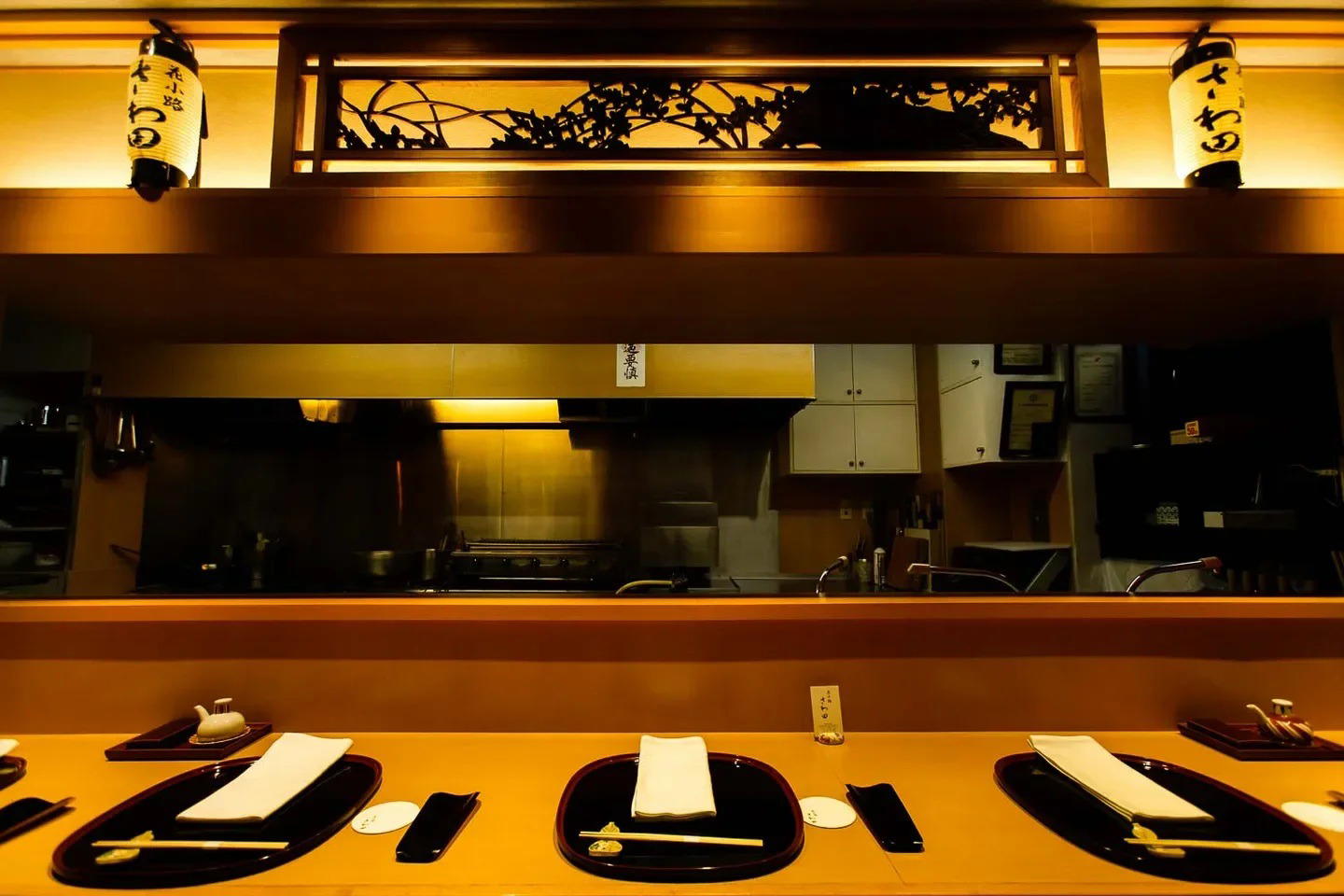
The room reinforces that reading. With 17 seats, including counter and table seating, this is a low-capacity format where turnover and consistency matter more than décor. Counter seating suits curry: the meal is direct, heat-driven, and usually decided before lingering becomes the point. For a broader map of the city’s dining range, Our full Kashiwa restaurants guide gives the local spread more context, from casual specialists to higher-ticket rooms. Nearby category guides, including Our full Kashiwa hotels guide, Our full Kashiwa bars guide, Our full Kashiwa wineries guide, and Our full Kashiwa experiences guide, help frame whether Kashiwa is a meal stop, an overnight base, or part of a wider Chiba itinerary.
How it fits into a wider Japan curry itinerary
For travellers building a Japan food route, curry is often overshadowed by sushi, ramen, tempura, and kaiseki. That hierarchy misses how central curry is to everyday dining. It is one of the country’s great adopted foods, flexible enough for railway counters, school lunches, specialist shops, and late-night plates. Kashiwa’s story is not grandeur. It is a city where a narrow-format restaurant can earn repeat recognition by doing a common dish with uncommon discipline.
Use the restaurant as a category stop, not a luxury anchor. Pair it with another Kashiwa specialist such as Anbai or Bakery Feve and the city begins to look less like a transit point than a network of focused rooms. Readers comparing curry across Japan might also look at [Curry Senmon Ten] Maruyama Kyoju. in Sapporo, where climate, local produce, and regional appetite push the category differently.
That wider comparison keeps expectations honest. A curry house is not tasting-menu theatre, and treating it as one distorts the pleasure. The value lies in speed, concentration, and the way a single plate can carry a city’s daily eating habits. For contrast across Japanese and Japanese-adjacent dining, EP Club’s wider restaurant coverage runs from -Grilled beef Sukiyaki- KAMAKURA TANUKIAN 鎌倉 たぬき庵 in Kamakura to. 鮪と炭火焼き うお炭 秋葉原店 in Tokyo.cafe in Osaka.know in Kumamoto, and (Shoku) Vietnam in Kawasaki. Overseas, the same appetite for focused Japanese formats appears in places such as Jōdo Saké Bar in Los Angeles and Onigiri Time in Pasadena, though the cultural role is different outside Japan.
The editorial case is clear: the restaurant makes a familiar category legible. Its repeated Tabelog Curry EAST 100 selections, compact seating, and curry-and-Indian-curry identity place it in the serious everyday tier, where ingredient handling and repetition matter more than ceremony. In Kashiwa, that is exactly the point.
Comparable Spots, Quickly
Side-by-side context: comparable cuisine and price.
| Venue | Cuisine | Price | Notes |
|---|---|---|---|
| Curry no Mise Bombay HontenThis venue — the venue you are viewing | Japanese curry house | $ | Not listed |
| Mendokoro Nishio | Ramen & Tsukemen Counter | $ | Kashiwa |
| Tonkatsu Hisago | Tonkatsu & Japanese Curry | $$ | Kashiwa |
| zoe's | Italian | $$ | Kashiwa |
| Anbai | Tonkatsu & Beefsteak | $$ | Kashiwa |
| Bunsai Ka | Modern Cantonese-led Chinese with Hong Kong sweets | $$$ | Kashiwa |
Recognition history
Dated appearances from independent guides and award organizations, with the underlying list record or original source where available.
Tabelog 100 #18 · No. 18
Tabelog · Tabelog 100 - Curry - EAST - 2024








At a Glance
- Classic
- Cozy
- Solo
- Casual Hangout
- Family
- After Work
- Standalone
Current opening hours
- Monday
- 11:30 AM–9 PM
- Tuesday
- 11:30 AM–9 PM
- Wednesday
- 11:30 AM–9 PM
- Thursday
- 11:30 AM–9 PM
- Friday
- 11:30 AM–9 PM
- Saturday
- 11:30 AM–9 PM
- Sunday
- 11:30 AM–9 PM
Hours can change for holidays and private events. Last verified .