
AYUBOWAN brings South Asian, Indian curry, and Sri Lankan cooking into Kashiwa’s casual dining circuit with a ritual built around spice, vegetables, and dietary range rather than luxury formality. Its Tabelog 100 Asian cuisine and Ethnic cuisine EAST selections from 2022 to 2024, plus an earlier Curry EAST selection in 2020, place it in a serious regional conversation despite its everyday format.
Pearl is the En Primeur Club membership app — saves, bookings, and concierge access live there. Same editors, same standards.
- Address
- Japan, 〒277-0011 Chiba, Kashiwa, Azumakamicho, 2−24 1F 屋上
- Phone
- +81 4-7186-6587
- Website
- ayubowan.jp
 Saves & bookings on Pearl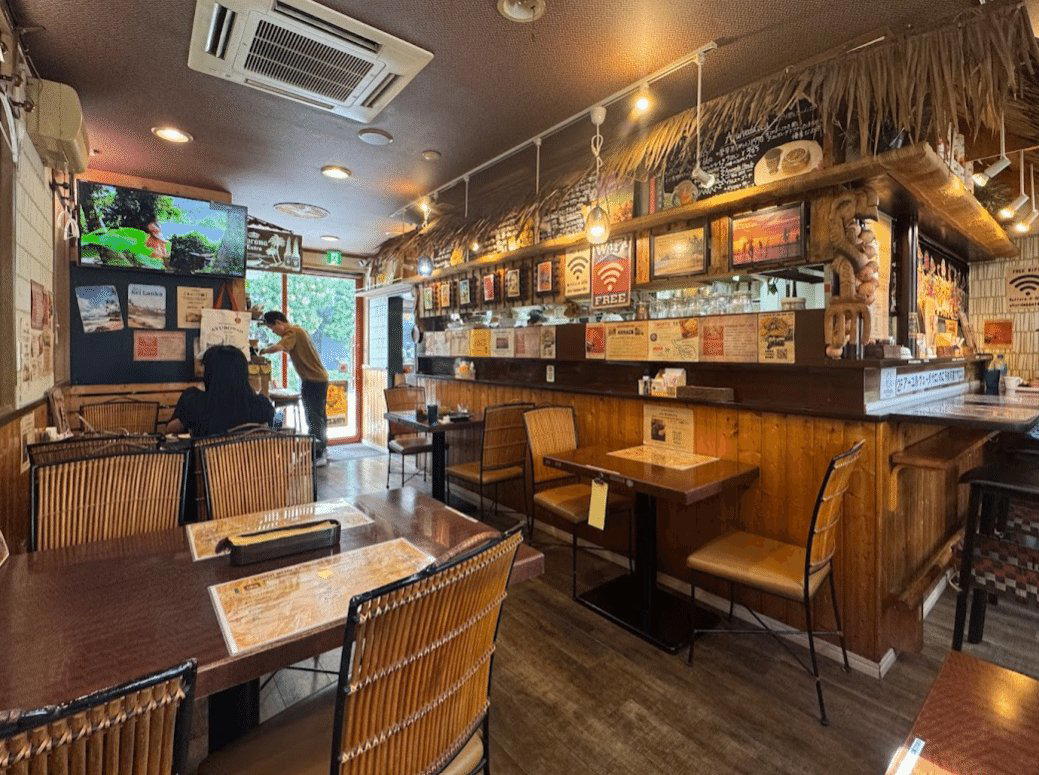
The approach to a small ethnic-cuisine room in Kashiwa lacks Ginza counter choreography or kaiseki hush, which is the point. The ritual is rice, curry, vegetables, condiments, heat, and a meal paced quickly at lunch or stretched into an easy evening with friends. AYUBOWAN sits in Japan’s practical, spice-led dining bracket, where seriousness is measured by how clearly the kitchen organizes South Asian, Indian curry, and Sri Lankan references for a local audience.
Kashiwa’s restaurant map splits usefully. One end holds higher-spend destinations such as Bunsai Ka and chukaryouriogiwara, where pricing and occasion imply planned dining. The other holds daily-use specialists: ramen, curry, bakeries, cafés, and compact neighborhood counters. AYUBOWAN belongs to the latter, but repeated Tabelog 100 selections make it more than a convenient local curry address. In a city where casual meals often earn the strongest loyalty, that matters.
Spice as a dining ritual, not a tasting-menu performance
Japanese curry culture runs from school-lunch nostalgia to specialty shops built around regional spice blends. Sri Lankan and broader South Asian cooking occupy a smaller lane, with a different rhythm. Instead of linear courses, the plate invites adjustment: rice as anchor, curry as structure, vegetables and sides as modulation. Pleasure comes from pacing combinations, not awaiting the next plate.
That makes dietary information editorially important. Vegetable-focused cooking, health and wellness menus, vegan options, vegetarian options, and halal options are public-facing parts of the offer. In Japan’s non-metropolitan ethnic dining scene, that range is not decorative; it determines who can eat there. For mixed groups, especially with dietary restrictions, the restaurant’s category does practical work before ordering.
The drinks list also points to Japan rather than a strict origin-story template. Sake, shochu, wine, and cocktails sit alongside the food, typical of local restaurants adapting international cuisines into Japanese dining habits: the cuisine looks outward, while the social grammar stays domestic. A curry meal can be a quick solo stop, a table for friends, or a low-key evening with drinks.
Why Kashiwa's casual tier deserves attention
Kashiwa is not Tokyo’s satellite in culinary terms; it has its own hierarchy of repeat-visit rooms, station-area specialists, and restaurants earning regional recognition without metropolitan theatrics. The useful comparison is not central Tokyo luxury dining, but Kashiwa addresses showing how locals spend across categories. 66 occupies a casual price band, Anbai sits in the broader city mix, and Bakery Feve shows how specialist formats carry neighborhood value without formal dining cues.
Against that background, AYUBOWAN’s recognition by Tabelog 100 Asian cuisine and Ethnic cuisine EAST in 2024, with selections also listed for 2023 and 2022, is the strongest trust signal. The earlier Tabelog Curry EAST 2020 selection adds another angle: this is not only an ethnic-cuisine entry, but a curry address with category memory. A Tabelog score of 3.69 gives a measurable marker in a market where small differences separate casual popularity from sustained specialist credibility.
The room’s compact scale, with counter seating included, reads closer to a neighborhood specialist than an occasion restaurant. Expectation matters. The restaurant does not need grand service architecture; it needs clarity of flavor, consistency, and a format regulars can fold into ordinary weeks. In Japan, many serious food cultures live precisely there.
For readers mapping Kashiwa more broadly, the city rewards category-hopping rather than a single prestige chase. The stronger itinerary is built around how a commuter city eats, drinks, and gathers after work, not one meal.
Who should choose it, and how to read the room
AYUBOWAN is strongest for diners who want spice-led cooking without turning dinner into a production. The format suits friends, mixed dietary needs, and travelers curious about how South Asian and Sri Lankan food has been localized outside central Tokyo. It is less suited to those seeking a chef-driven tasting structure, a long wine-service arc, or the quiet codes of luxury Japanese dining.
The etiquette is simple: read the meal as a plate-based ritual rather than a Western course sequence. Let rice, curry, vegetables, and sides work together. That is where the cuisine’s structure becomes legible, especially for diners used to Japanese set meals or single-bowl curry shops. The kitchen’s attention to vegetable and wellness-oriented options makes ordering less restrictive for groups, a meaningful advantage where spice and dietary rules can narrow the table.
There is also a rooftop and private-use dimension, shifting the restaurant from everyday specialist to small-group venue. That flexibility is uncommon among compact curry and ethnic-cuisine addresses, and helps explain why it reads differently from a simple station-area lunch stop. The first-floor restaurant, counter seating, take-out service, and group-use options create several ways to use the same address.
For broader Japan planning, compare it with focused casual formats rather than luxury destinations. Curry specialists such as [Curry Senmon Ten] Maruyama Kyoju. in Sapporo, Vietnamese cooking at (Shoku) Vietnam in Kawasaki, and compact everyday formats like.cafe in Osaka or.know in Kumamoto show how Japan’s casual dining depth often sits outside formal award-chasing categories. For contrast, more occasion-led pages such as -Grilled beef Sukiyaki- KAMAKURA TANUKIAN 鎌倉 たぬき庵 in Kamakura and. 鮪と炭火焼き うお炭 秋葉原店 in Tokyo clarify the difference in dining intent. Outside Japan, the same specialist logic appears at focused venues such as Jōdo Saké Bar in Los Angeles and Onigiri Time in Pasadena: narrow format, clear audience, repeatable ritual.
The editorial verdict is plain. AYUBOWAN is compelling because it gives a casual meal specialist weight. The awards history provides the credential, but the sharper story is how Kashiwa’s everyday dining tier absorbs South Asian and Sri Lankan cooking into local habits without stripping away the meal’s core grammar: spice, rice, vegetables, and the slow adjustment of a plate at the table.
Style and Standing
Side-by-side context: comparable cuisine and price.
| Venue | Cuisine | Price | Notes |
|---|---|---|---|
| AYUBOWANThis venue — the venue you are viewing | Sri Lankan Curry & Rooftop Beer Garden | $$ | Not listed |
| Casa PASCALE | Sri Lankan curry restaurant | $ | Sakasai |
| Tonkatsu Hisago | Tonkatsu & Japanese Curry | $$ | Kashiwa |
| Anbai | Tonkatsu & Beefsteak | $$ | Kashiwa |
| Mendokoro Nishio | Ramen & Tsukemen Counter | $ | Kashiwa |
| Chuka Soba Sakaeda | Japanese Ramen | $$ | Kashiwa |
Recognition history
Dated appearances from independent guides and award organizations, with the underlying list record or original source where available.
Tabelog 100 #2 · No. 2
Tabelog · Tabelog 100 - Asian cuisine / Ethnic cuisine - EAST - 2024







At a Glance
- Cozy
- Lively
- Group Dining
- Casual Hangout
- Celebration
- After Work
- Private Event
- Rooftop
- Garden
- Standalone
- Private Dining
- Design Destination
- Beer Program
- Garden
Current opening hours
- Monday
- 11 AM–3 PM, 5–11 PM
- Tuesday
- Closed
- Wednesday
- 11 AM–3 PM, 5–11 PM
- Thursday
- 11 AM–3 PM, 5–11 PM
- Friday
- 11 AM–3 PM, 5–11 PM
- Saturday
- 11 AM–3 PM, 5–11 PM
- Sunday
- 11 AM–3 PM, 5–11 PM
Hours can change for holidays and private events. Last verified .
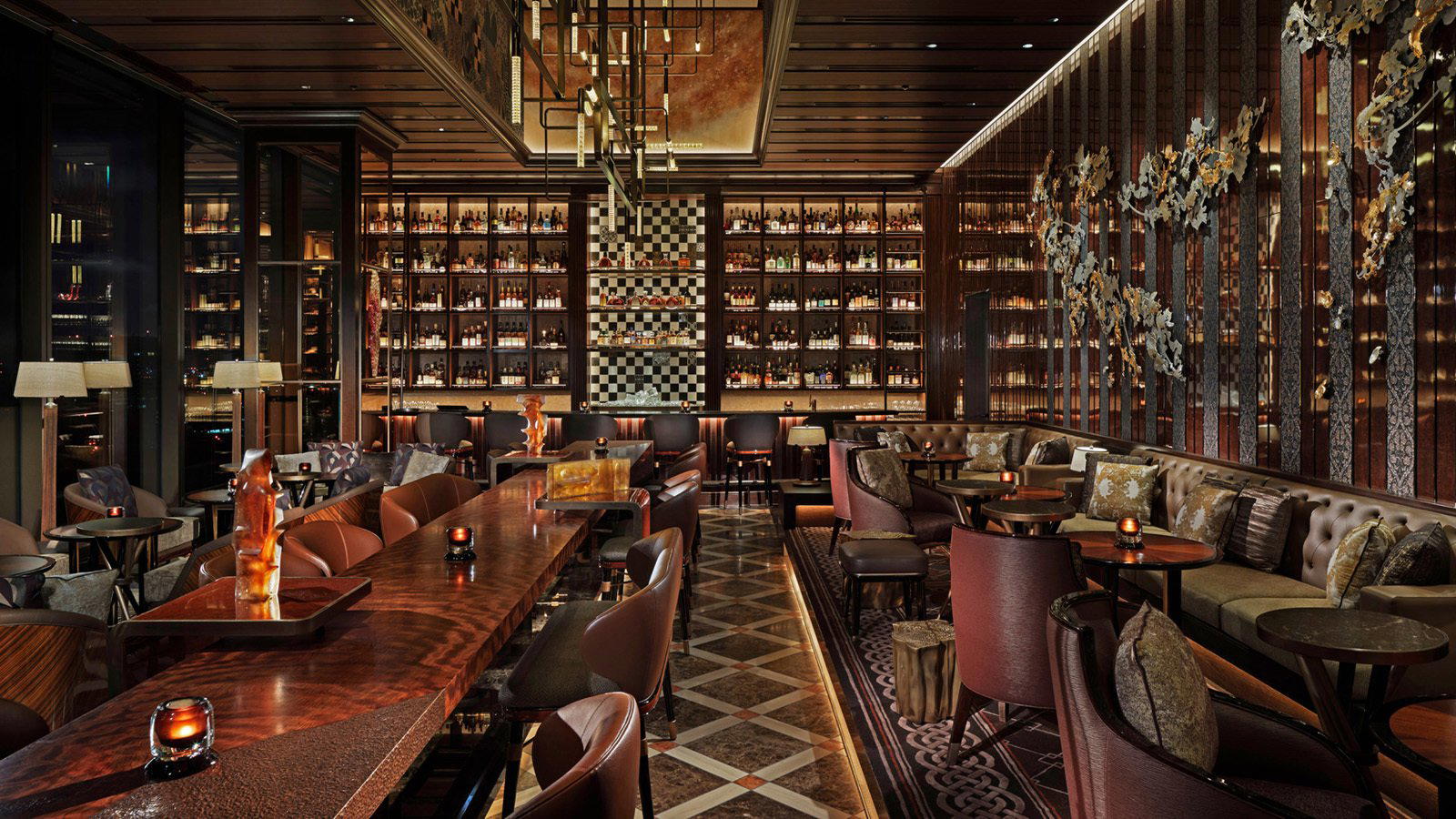
Warm, cozy and slightly tucked-away ‘adult hideout’ with a Sri Lankan resort feel on the rooftop and an Ayurveda-influenced, spice-forward atmosphere focused on relaxation and convivial gatherings.