
Chuka Sobaya Ito belongs to Tokyo’s lean, regular-driven ramen culture rather than the city’s theatrical dining circuit. The Kita City shop is a Tabelog Ramen TOKYO 100 selection for 2025, with a modest price band and a small-room format that rewards diners who understand timing, cash, and the rhythm of lunch-only ramen counters.
Pearl is the En Primeur Club membership app — saves, bookings, and concierge access live there. Same editors, same standards.
- Address
- 4 Chome-5-3 Toshima, Kita City, Tokyo 114-0003, Japan
- Phone
- +81 3-3913-2477
- Website
- tabelog.com
 Saves & bookings on Pearl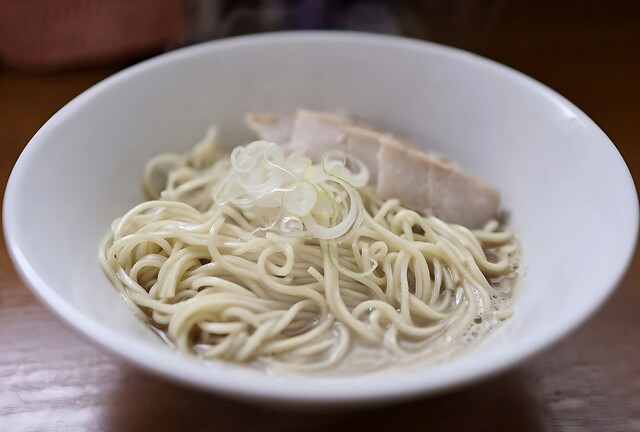
On the northern side of Tokyo’s ramen map, away from the heavy footfall of Shinjuku and Ginza, the appeal is quieter and more transactional: arrive, read the room, eat with focus, leave space for the next diner. Chuka Sobaya Ito fits that older rhythm. The room is compact, the format is ramen, and the audience is not built around spectacle. It is the kind of address regulars protect through habit rather than noise.
Tokyo ramen has split into several visible camps: polished ticket-machine shops near rail hubs, experimental counters chasing seasonal limited bowls, and small neighbourhood specialists whose authority comes from repetition. This shop belongs to the last category. Its inclusion in the Tabelog Ramen TOKYO 100 for 2025, alongside repeated selections stretching back to 2017, gives the place a measurable standing in a city where ramen opinion is unusually competitive. The Tabelog score of 3.79 is not the whole story, but in Tokyo ramen it signals sustained local attention rather than a passing queue.
A regulars' ramen counter in Kita City, not a destination dining performance
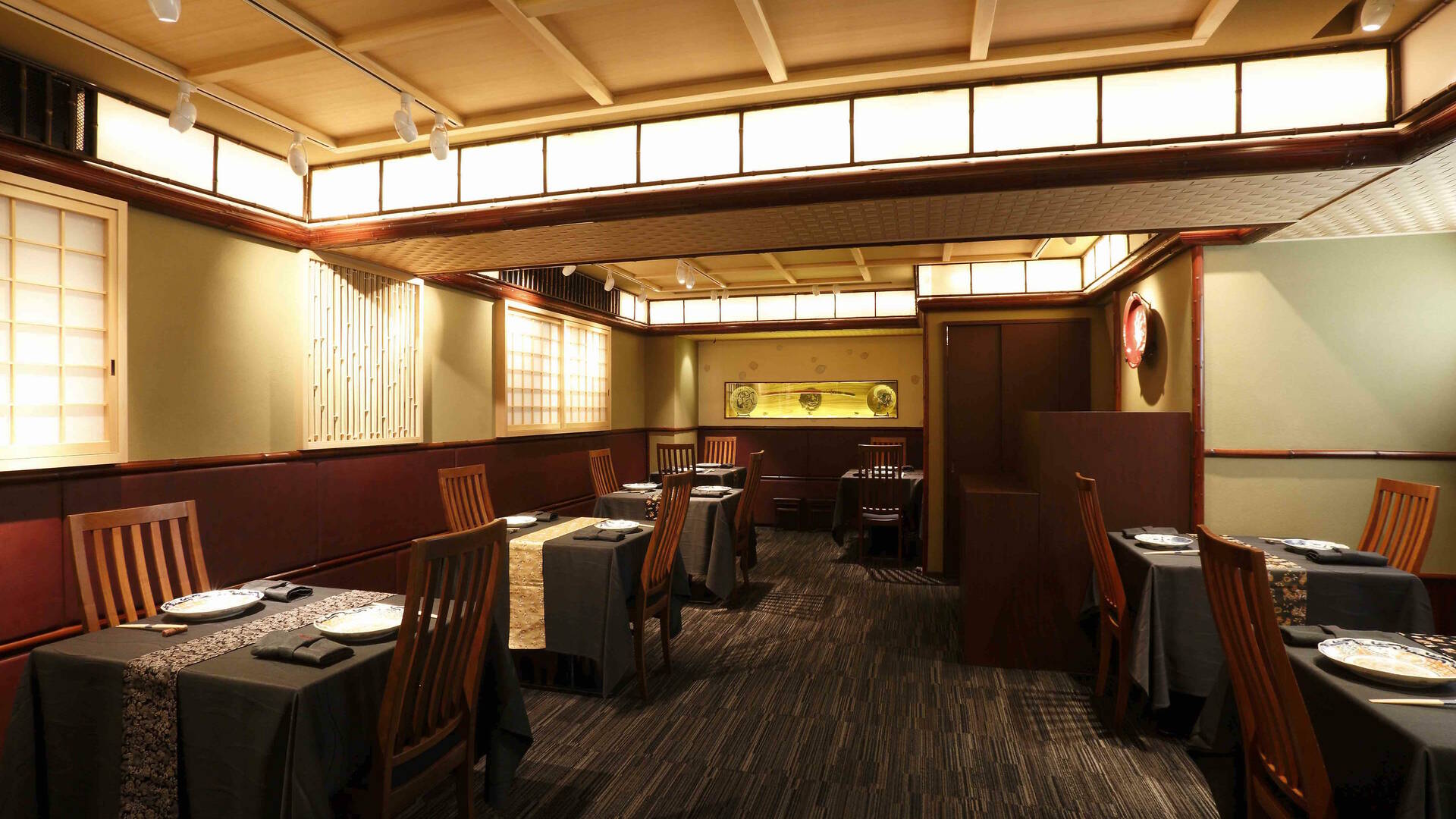
The useful way to read Chuka Sobaya Ito is through its clientele. A 12-seat ramen shop with counter seating and two small tables does not absorb indecision well. Regulars know the cadence: lunch service, limited space, no reservation buffer, and a meal that works well when treated as part of the day rather than an evening event. This is ramen as local infrastructure, not ceremony.
That matters because Tokyo ramen culture has become easy to misread from abroad. A highly rated bowl is often treated like a tasting-menu appointment, when the better comparison is a disciplined neighbourhood craft shop. At this tier, consistency counts more than theatre. Selection for Tabelog’s ramen list places the shop inside a narrow Tokyo conversation, but the room itself keeps the experience grounded. The category is ramen, the price band sits under JPY 999, and the practical feel is closer to a loyal lunch counter than a luxury restaurant.
Within the same broad low-price Tokyo orbit, Kuromatsu Honpo Sogetsu and Sansanto also sit in the sub-JPY 999 bracket, while King Seimen moves into the JPY 1,000 to JPY 1,999 range. That spread is useful for visitors because it shows how compressed value can be in Tokyo: a few hundred yen can separate daily-use eating from a more deliberate specialist stop. Ittoan brings soba into the comparison rather than ramen, while Minami Indian Nandori operates at a higher casual spend. Chuka Sobaya Ito’s distinction is not price alone; it is the combination of low cost, long-running recognition, and a room scaled for people who already know what they came for.
What the recognition says about Tokyo ramen in 2026
Tabelog’s Hyakumeiten lists are not Michelin-style fine-dining awards, and that is exactly why they matter for ramen. They tend to reflect intense category loyalty: diners who compare broth styles, noodle texture, speed, and repeatability across dozens of shops. A 2025 listing in Ramen TOKYO places the restaurant among a selected group in a city where ramen is both everyday food and obsessive subculture. Repeated recognition from 2017 through 2025 makes the signal stronger than a single-year appearance.
The regulars’ perspective also explains the unwritten rules. A small ramen shop rewards preparation: know that service is concentrated around lunch, expect a compact seating plan, and bring cash because card, electronic money, and QR payments are not accepted. Those details are not frills; they shape the experience. The room is non-smoking, children are welcome, and takeaway sets are listed in limited quantity, which gives the address a neighbourhood practicality that sits beneath the awards language.
For travellers building a Tokyo food itinerary, the decision is less about whether the shop is famous enough and more about whether the format suits the day. If the plan is a roaming northern Tokyo lunch built around trains, buses, and local streets, this is a strong ramen stop. If the plan needs reservations, long conversation, wine service, or a slow dining room, choose a different category. Tokyo’s range is broad enough to make that distinction meaningful; a ramen counter and a yakitori booking do not solve the same problem.
How to place it in a Tokyo itinerary
Kita City gives the meal a different texture from central Tokyo dining. The approach from Oji or Oji-Kamiya puts the shop in a residential rhythm, and that context is part of the point. Ramen of this kind often works better when paired with a neighbourhood walk than when squeezed between luxury retail stops. It is also a useful reminder that Tokyo’s serious eating is not confined to addresses with international hotel concierges and English-language booking systems.
Readers comparing formats can widen the lens through Our full Tokyo restaurants guide, then separate food from sleep and nightlife via Our full Tokyo hotels guide, Our full Tokyo bars guide, Our full Tokyo wineries guide, and Our full Tokyo experiences guide. For nearby or contrasting restaurant styles, the Tokyo list also includes. 鮪と炭火焼き うお炭 秋葉原店, 12/10 Shinjuku ten, 124. KAGURAZAKA (Yakitori), 2D Cafe, and 3 Chome no Curry Ya San.
For a broader Japan-and-beyond reading list, compare casual specialist formats with -Grilled beef Sukiyaki- KAMAKURA TANUKIAN 鎌倉 たぬき庵 in Kamakura.cafe in Osaka.know in Kumamoto, (Shoku) Vietnam in Kawasaki, [Curry Senmon Ten] Maruyama Kyoju. in Sapporo, [ki:] in Kyoto, Jōdo Saké Bar in Los Angeles, and Onigiri Time in Pasadena. The common thread is not cuisine; it is the discipline of small formats where regulars understand the rules before the first order is placed.
Comparable Spots
Comparable venues by cuisine and category.
| Venue | Cuisine | Price | Notes |
|---|---|---|---|
| Chuka Sobaya ItoThis venue — the venue you are viewing | Classic Tokyo niboshi ramen | $ | Not listed |
| Sansanto | Tonkotsu-gyokai ramen & tsukemen shop | $ | Kita |
| Habutae Dango Honten | Traditional Japanese dango & wagashi teahouse | $ | Arakawa |
| UCHOUTEN | Yoshoku (Japanese-style Western) hamburger steak | $ | Toshima |
| SAN TORA | Sapporo-style miso ramen | $ | Shinjuku |
| Stand Hero | Standing Japanese Izakaya & Kushikatsu Bar | $ | Chiyoda |
Recognition history
Dated appearances from independent guides and award organizations, with the underlying list record or original source where available.
Tabelog 100 #36 · No. 36
Tabelog · Tabelog 100 - Ramen - TOKYO - 2025






At a Glance
- Quiet
- Classic
- Cozy
- Minimalist
- Solo
- Family
- Casual Hangout
- After Work
- Standalone
Current opening hours
- Monday
- 11 AM–2:30 PM
- Tuesday
- 11 AM–2:30 PM
- Wednesday
- 11 AM–2:30 PM
- Thursday
- 11 AM–2:30 PM
- Friday
- 11 AM–2:30 PM
- Saturday
- 11 AM–2:30 PM
- Sunday
- 11 AM–2:30 PM
Hours can change for holidays and private events. Last verified .