
Chuka Soba Sen belongs to Osaka’s compact, counter-led ramen culture: small room, quick turnover, and a reputation measured by repeat recognition rather than ceremony. Its Tabelog Ramen OSAKA 100 selection in 2025, following earlier Hyakumeiten appearances, places it in the city’s serious ramen conversation while keeping the experience firmly in the everyday price tier.
Pearl is the En Primeur Club membership app — saves, bookings, and concierge access live there. Same editors, same standards.
- Address
- 7 Chome-6-15 Karita, Sumiyoshi Ward, Osaka, 558-0011, Japan
- Phone
- +81 6-6608-5001
- Website
- twitter.com
 Saves & bookings on Pearl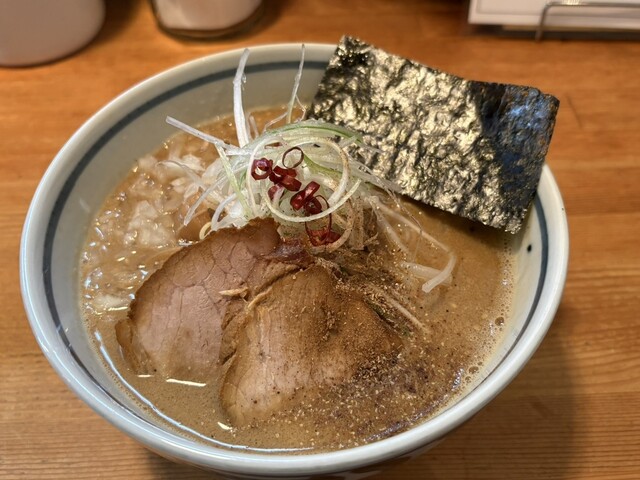
At a serious Osaka ramen counter, scale is the first signal: no dining room, lounge, or preamble before the bowl. Chuka Soba Sen compresses the format to nine counter seats, making ramen a close-range exchange between kitchen rhythm and customer pace. This is much of Japan’s ramen architecture: narrow frontage, short dwell time, and a room built around the bowl rather than the table.
That compactness matters in Osaka, where casual eating competes as fiercely as formal dining. The city’s appetite runs from pork buns at 551 Horai (551蓬莱) to bakeries such as 52CHO-ME BAKERY, neighborhood cafés like .cafe, and destination Italian rooms including a canto (Italian) and 99 Pizza Napoletana Gourmet. Ramen sits in another register, judged on focus, turnover, and whether a shop builds loyalty without service theater.
A nine-seat counter built for ramen, not lingering
Counter seating changes the meal. In larger restaurants, status may come through spacing, upholstery, lighting, and silence. In a ramen shop, the counter is stage, storage system, and social contract. Nine seats leave little room for indecision; diners arrive ready, eat attentively, and clear space for the next person. This is not austerity, but a format suited to noodle cookery, where timing matters more than decoration.
Chuka Soba Sen spans ramen, tsukemen, abura-soba, and maze-soba, showing how Osaka noodle counters have moved beyond a single-bowl identity. Ramen culture now often divides between soup-led bowls, dipping noodles, and brothless styles, all using the same small-shop grammar while shifting emphasis. Soup ramen asks for balance in the bowl; tsukemen separates noodle texture from dipping intensity; abura-soba and maze-soba sharpen seasoning, oil, and mixing technique. The room’s economy suits all four by keeping attention on preparation and pace.
The recognition is not decorative. Selection for Tabelog Ramen OSAKA 100 in 2025, with earlier Hyakumeiten recognition across Osaka and western Japan, signals durability in a category where novelty fades quickly. A Tabelog score of 3.67 sits in a competitive local context, especially for a casual counter format. Awards do not improve a bowl, but repeated selection marks a shop that has stayed relevant as Osaka’s ramen field changes.
Where Osaka's ramen scene rewards discipline over display
Osaka’s dining identity is often flattened into excess: sauce, smoke, late-night appetite, crowded shopping arcades. Ramen complicates that picture. The better city counters reward discipline: narrow menu logic, tight seating, reliable timing, and a clear point of view in noodle and broth style. Chuka Soba Sen fits that model more than the grand-occasion restaurant model. Its competitive set is closer to Chuka Soba Kaminari Wantan, another low-priced Osaka ramen address, than to high-spend rooms such as Matasaburo. For travelers, that separates craft from ceremony.
Price tier is part of the story. Osaka has serious eating at many levels, from sub-¥1,000 noodle counters to soba rooms such as Soba Kiri Oshiro and mid-priced places like Awagen. The ramen counter is one of the city’s clearest arguments that value and specialization can share one space. In a city where an evening can swing from udon to yakiniku to late snacks, the ramen stop works because it is narrow by design. It needs concentration, not a long arc.
Sumiyoshi Ward also changes the reading. Central Osaka dining often clusters around Namba, Umeda, and transit-heavy corridors that feed visitors through the city. A shop tied to Abiko sits in a more local daily-use pattern, less dependent on destination dining choreography. Ramen shops away from obvious visitor routes survive on regulars, repeatability, and a format that works on ordinary days. Recognition may bring outside attention, but the operating logic remains neighborhood counter dining.
For readers mapping Osaka broadly, this is one node in a city better understood by category than by a single itinerary. Restaurants sit alongside the wider hospitality field covered in Our full Osaka restaurants guide, while drinking, hotels, wineries, and experiences pull the city into different rhythms through Our full Osaka bars guide, Our full Osaka hotels guide, Our full Osaka wineries guide, and Our full Osaka experiences guide. Ramen belongs to the practical spine of that map: fast, exacting, and resistant to overproduction.
How to read the meal before committing the detour
The decision here is not whether the setting feels grand; it need not. The better question is whether a traveler values a compact, craft-led meal that asks for little beyond appetite and attention. For anyone building an Osaka eating day around contrast, the restaurant works better as a focused stop than as the anchor of a long night. Pairing a counter bowl with another casual address gives a sharper picture of how the city eats than reserving every meal for formal restaurants.
There is also a national comparison. Japan’s casual dining culture is intensely regional, and the meaning of a small specialist shop changes by city: curry in Sapporo at [Curry Senmon Ten] Maruyama Kyoju. a Kyoto counter such as [ki:], or Vietnamese cooking in Kawasaki at (Shoku) Vietnam all speak to local demand rather than a single Japanese dining template. The same applies farther afield, from.know in Kumamoto to -Grilled beef Sukiyaki- KAMAKURA TANUKIAN 鎌倉 たぬき庵 in Kamakura and. 鮪と炭火焼き うお炭 秋葉原店 in Tokyo. The restaurant belongs to that specialist logic: small footprint, defined category, and reputation built through repetition.
International Japanese dining makes the contrast clearer. Places such as Jōdo Saké Bar in Los Angeles and Onigiri Time in Pasadena translate Japanese formats for different cities, often with more explanation built in. Osaka ramen counters offer less translation and more immediacy. The design is the instruction manual: sit at the counter, read the room, eat while the noodles hold texture, and move with the shop’s pace.
That is the editorial case for the restaurant. The appeal is not spectacle, rarity, or luxury coding. It is how a small counter can carry a serious reputation without changing ramen’s basic promise: a brief meal, narrow focus, and enough consistency to earn repeat attention in one of Japan’s most demanding casual-food cities.
Nearby-ish Comparables
Comparable venues by category and price.
| Venue | Cuisine | Price | Notes |
|---|---|---|---|
| Chuka Soba SenThis venue — the venue you are viewing | Japanese Ramen | $ | Not listed |
| Umaiya Takoyaki | Traditional Osaka Takoyaki | $ | Tenma |
| Udon Yukino | Osaka Udon & Curry Udon Shop | $ | Higashisumiyoshi |
| Shima Ya Honten | Traditional Japanese sweet potato café | $ | Abeno |
| Yuiitsu Muni no Ramen Senmon Ten Ibukuro Washizukami | Specialty Ramen Shop | $ | Tennōji |
| Hokkyoku Nanba honten | Traditional Japanese ice candy shop | $ | Chūō |
Recognition history
Dated appearances from independent guides and award organizations, with the underlying list record or original source where available.
Tabelog 100 #85 · No. 85
Tabelog · Tabelog 100 - Ramen - OSAKA - 2025
Continue exploring
More in Osaka
Restaurants in Osaka
Browse all →




Bars in Osaka
Browse all →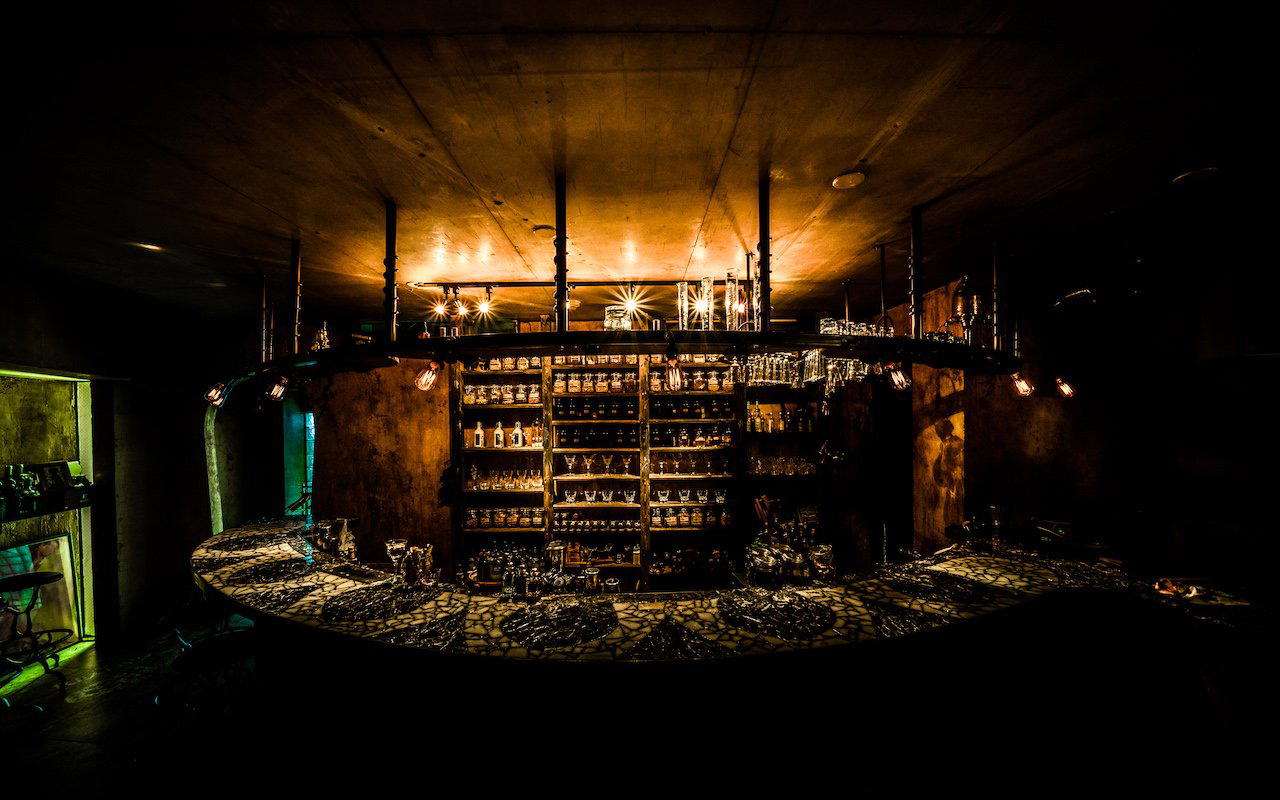
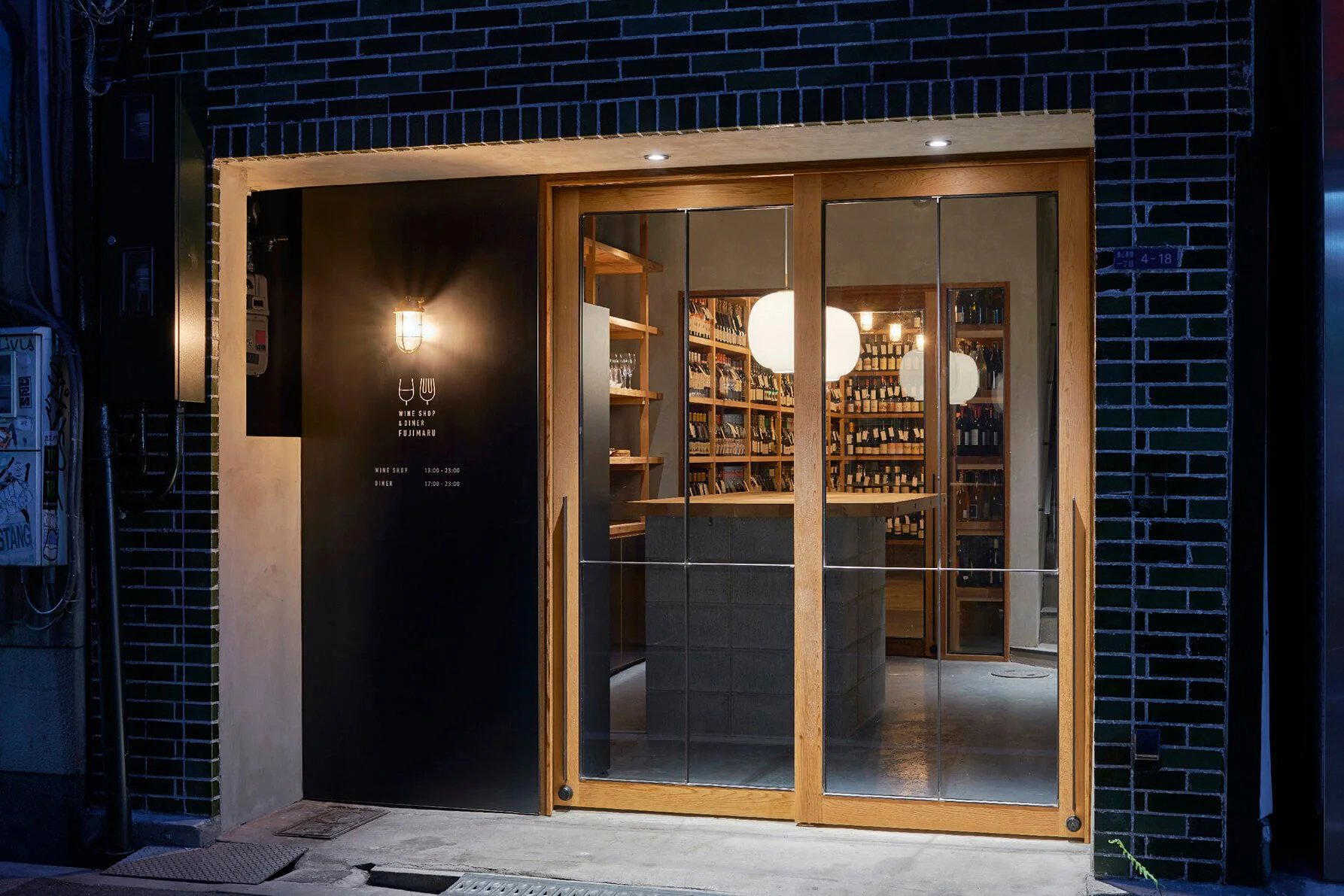


Hotels in Osaka
Browse all →



Wineries in Osaka
Browse all →
At a Glance
- Cozy
- Classic
- Solo
- Casual Hangout
- After Work
- Standalone
Current opening hours
- Monday
- Closed
- Tuesday
- 11:30 AM–2:30 PM, 6–11 PM
- Wednesday
- 11:30 AM–2:30 PM, 6–11 PM
- Thursday
- 11:30 AM–2:30 PM, 6–11 PM
- Friday
- 11:30 AM–2:30 PM, 6–11 PM
- Saturday
- 11:30 AM–2:30 PM, 6–11 PM
- Sunday
- 11:30 AM–2:30 PM, 6–11 PM
Hours can change for holidays and private events. Last verified .
Simple, no-frills, neighborhood ramen-shop atmosphere with a compact counter-focused setup.