
An eight-seat ramen counter near Shitennoji-mae Yuhigaoka, Yuiitsu Muni no Ramen Senmon Ten Ibukuro Washizukami belongs to Osaka’s compact, low-price ramen tier rather than its tasting-menu economy. Tabelog selected it for Ramen OSAKA 100 in 2024 and 2025, with a sub-JPY 1,000 listed budget, no reservations, and a format built for focused, quick turnover.
Pearl is the En Primeur Club membership app — saves, bookings, and concierge access live there. Same editors, same standards.
- Address
- 大阪府大阪市天王寺区四天王寺2-2-7
- Website
- tabelog.com
 Saves & bookings on Pearl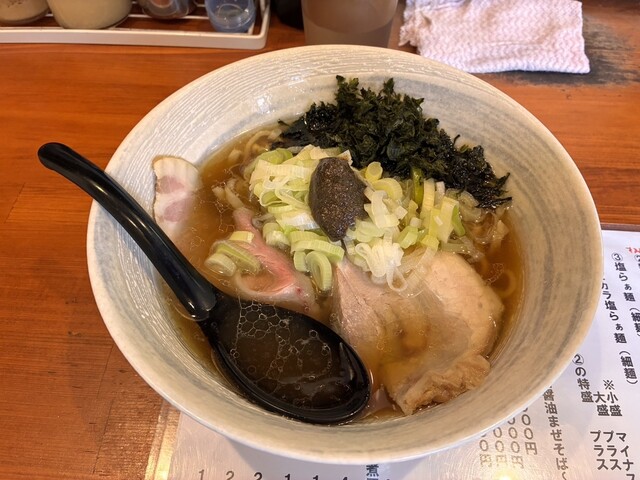
Approaching the Shitennoji side of Tennoji, Osaka’s density loosens into temple streets, small storefronts, and the kind of practical eating rooms where the queue tells a clearer story than the signboard. Ramen in this part of the city is not framed as ceremony. It is a compact transaction of stock, noodles, timing, and seat discipline, and the room at Yuiitsu Muni no Ramen Senmon Ten Ibukuro Washizukami makes that economy visible: eight seats, four at the counter and one table for four, with no private-room buffer between kitchen rhythm and customer turnover.
That scale matters. Osaka has expensive counters, hotel dining rooms, and international restaurants with long wine lists, but ramen operates by a different set of values. A sub-JPY 1,000 listed budget puts the shop in the city’s democratic eating category, where technical cooking has to be expressed through repetition rather than luxury ingredients or extended service. In that bracket, recognition carries weight because the margins are narrow and the format is unforgiving. Selection for Tabelog Ramen OSAKA 100 in both 2024 and 2025 places it inside the city’s serious ramen conversation without moving it into the polished, reservation-led world occupied by sushi rooms such as Sushidokoro Amano or higher-spend Italian addresses such as Chiara.
Eight seats, low spend, and a tighter definition of craft
Ramen is one of Japan’s clearest arguments for resource-conscious cooking. Bones, aromatics, tare, noodles, and toppings are built around extraction, reuse of heat, portion control, and minimal service waste. The environmental story here is not a slogan; it is embedded in the category. Small ramen shops run on limited seating, controlled prep, quick covers, and menus that rarely tolerate surplus. Compared with multi-course dining, the format asks less from the room and more from the pot.
Yuiitsu Muni no Ramen Senmon Ten Ibukuro Washizukami fits that lean model. The absence of reservations, cash-only payment policy, non-smoking room, and compact seating create a frictionless ramen-house structure rather than a destination-dining apparatus. Friday, Saturday, and Sunday evenings add a further wrinkle: the operation changes into a pure tonkotsu ramen specialty format under the Uraibukuro Washizuka name, so the weekend dinner slot is not just a later version of lunch. For diners trying to read Osaka’s ramen culture closely, that split shows how a small shop can use time rather than square footage to carry more than one identity.
The shop also carries a 2023 Ramen Walker New Store Grand Prix win, useful context for a place opened in 2022. New ramen shops in Osaka face a crowded field and a demanding local audience; early recognition signals that the cooking found traction quickly. The Tabelog score of 3.68 adds another practical marker, less a universal verdict than a sign that this is operating above the level of casual neighbourhood convenience.
Where it sits in Osaka's eating map
Tennoji is useful for travellers because it compresses several Osaka dining modes into a manageable area: station-adjacent snacking, temple-district noodles, old-school local rooms, and quick links north toward Namba and Umeda. Around Shitennoji-mae Yuhigaoka, the pace drops. That makes a ramen counter feel different here than in the commercial crush around major shopping streets. The meal can be short without feeling disposable.
Within the immediate comparison set, the value equation is clear. Boulangerie parigot sits in a similarly low-price bracket but speaks to Osaka’s bakery culture, while Niji no Hotoke occupies a modest JPY 1,000 to JPY 1,999 range. Shitennoji Hayauchi points toward soba, another noodle tradition built on restraint, while the city’s high-end sushi counters operate by scarcity, reservation control, and ingredient hierarchy. Ramen’s appeal in this context is its refusal to require ceremony. It gives the technically curious traveller a credible meal without asking for a full evening or a major spend.
The planning logic is therefore simple: arrive prepared to wait, carry cash, and treat the room as a quick-service specialist rather than a lingering restaurant. The nearest station is Shitennoji-mae Yuhigaoka on the Tanimachi Line, with Uehonmachi and Tennoji also walkable for diners building a wider route through the area. Parking is not provided, though coin parking is available nearby. Hours can change, and the weekend evening ramen format differs from regular service, so timing affects what kind of meal is on offer.
A sharper ramen stop for a broader Osaka itinerary
For a premium traveller, the point is not that every meal in Osaka should be expensive. The city rewards contrast: a ramen counter one hour, a sushi counter the next night, a bakery run before a museum, a bar after dinner. Yuiitsu Muni no Ramen Senmon Ten Ibukuro Washizukami belongs in that contrast because it shows how much of Osaka’s food intelligence lives in small, low-priced formats.
Readers mapping a broader Osaka table should use Our full Osaka restaurants guide for the city’s dining range, then branch into specific categories: Our full Osaka hotels guide, Our full Osaka bars guide, Our full Osaka wineries guide, and Our full Osaka experiences guide. Nearby and cross-category references help set the scale:.cafe, 52CHO-ME BAKERY, 551 Horai (551蓬莱), 99 Pizza Napoletana Gourmet, and a canto (Italian) each point to a different Osaka appetite.
For readers comparing Japanese casual formats beyond Osaka, the wider EP Club map includes -Grilled beef Sukiyaki- KAMAKURA TANUKIAN 鎌倉 たぬき庵 in Kamakura. 鮪と炭火焼き うお炭 秋葉原店 in Tokyo.know in Kumamoto, (Shoku) Vietnam in Kawasaki, [Curry Senmon Ten] Maruyama Kyoju. in Sapporo, [ki:] in Kyoto, Jōdo Saké Bar in Los Angeles, and Onigiri Time in Pasadena. Taken together, they underline the same point: Japanese casual dining is not a lesser category. It is often where discipline is easiest to see.
Same-City Peers
Comparable venues in the metro at similar price points.
| Venue | Cuisine | Price | Notes |
|---|---|---|---|
| Yuiitsu Muni no Ramen Senmon Ten Ibukuro WashizukamiThis venue — the venue you are viewing | Specialty Ramen Shop | $ | Not listed |
| Gokuraku Udon Ah-Men | Casual Udon Noodle Shop | $ | Ikuno |
| Udon Izakaya Edobori | Udon izakaya | $ | Nishi |
| Hana | Okonomiyaki & teppan comfort food | $ | Miyakojima |
| Odoru Udon Umeda ten | Japanese Udon | $ | Kita |
| Takeuchi Udon Ten | Sanuki-style udon and tempura shop | $ | Kita |
Recognition history
Dated appearances from independent guides and award organizations, with the underlying list record or original source where available.
Tabelog 100 #61 · No. 61
Tabelog · Tabelog 100 - Ramen - OSAKA - 2025
Continue exploring
More in Osaka
Restaurants in Osaka
Browse all →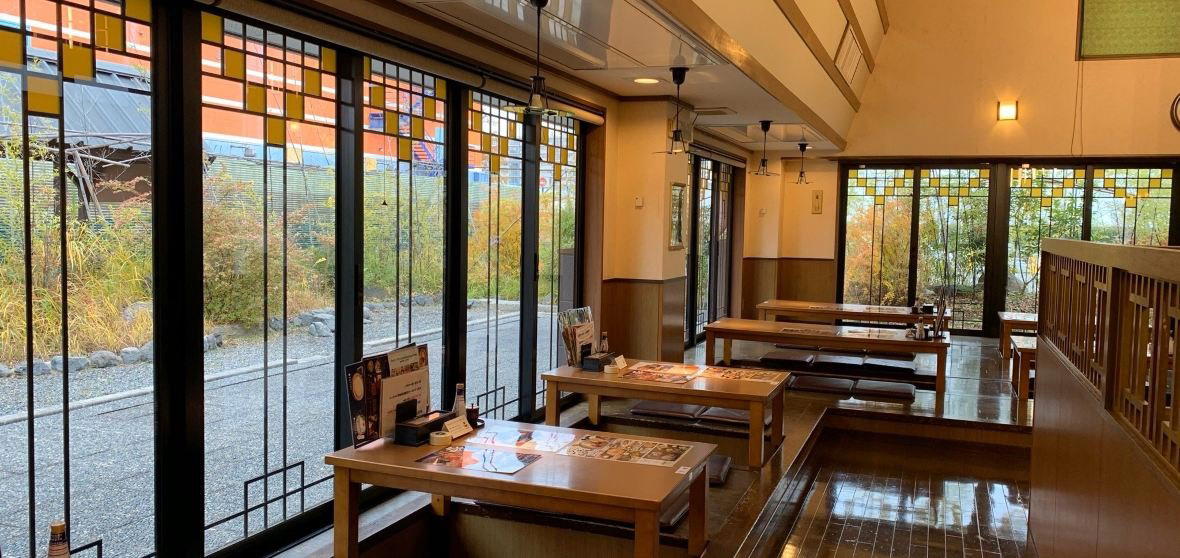


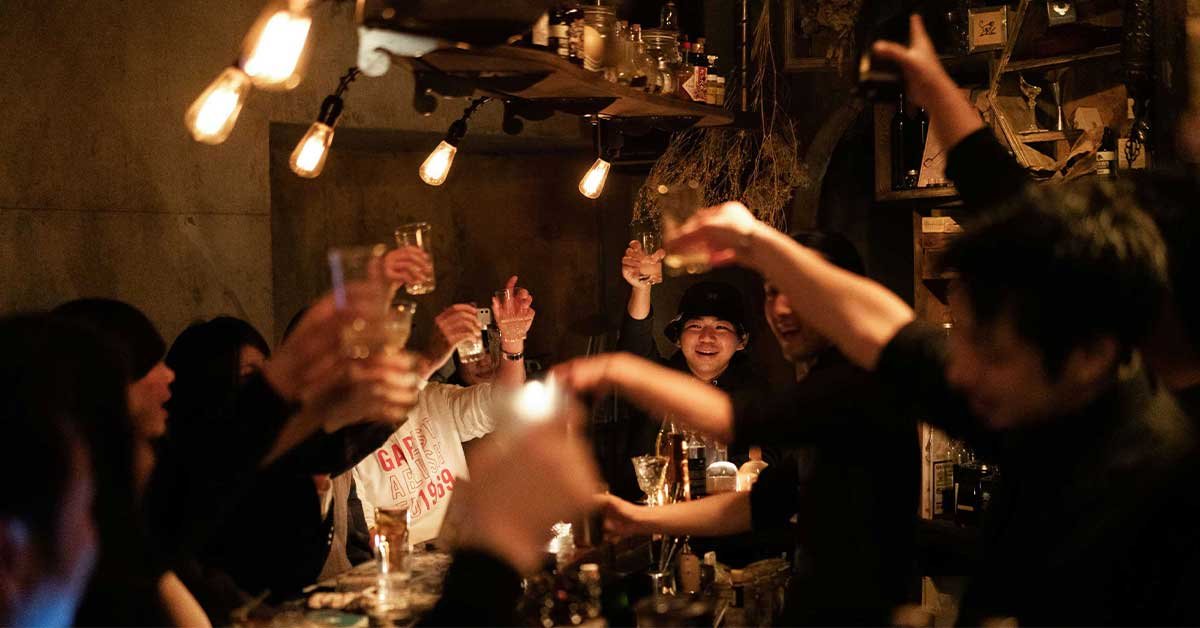
Bars in Osaka
Browse all →
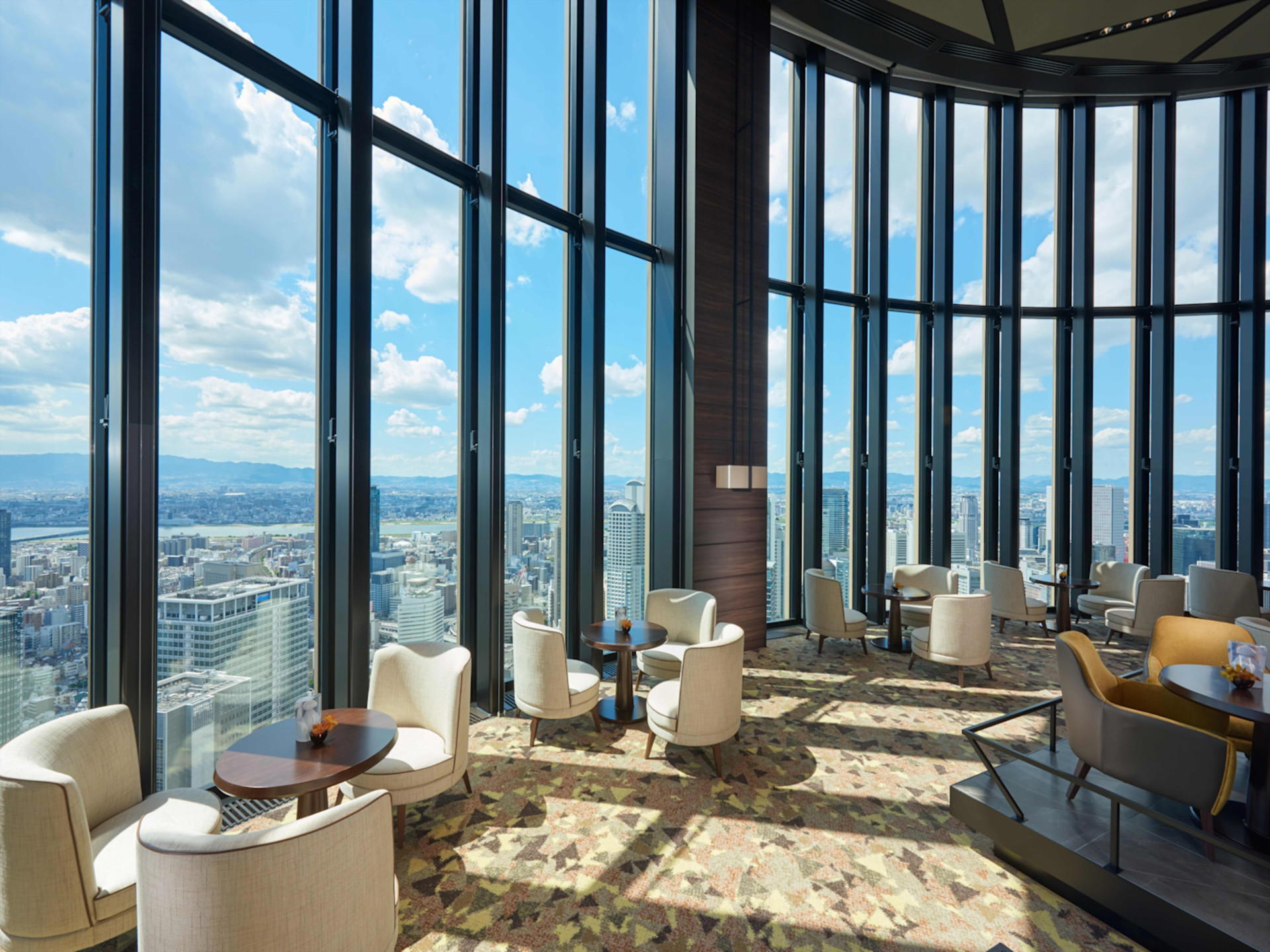
Hotels in Osaka
Browse all →


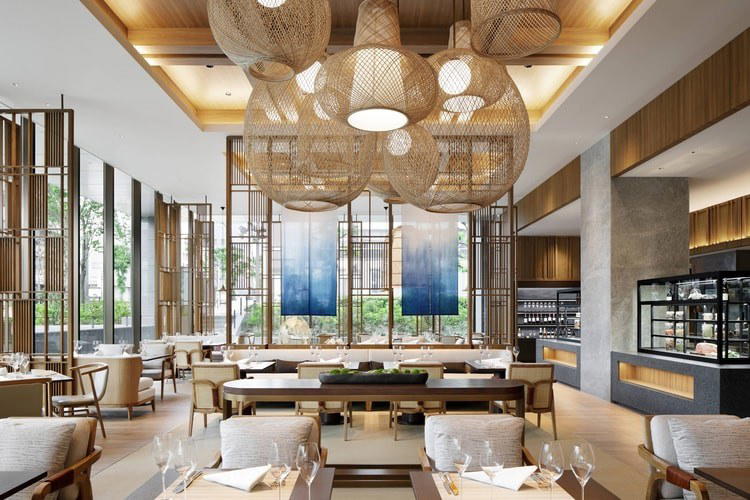
Wineries in Osaka
Browse all →
At a Glance
- Cozy
- Intimate
- Solo
- Casual Hangout
- After Work
- Late Night
- Standalone
A small eight‑seat, non‑smoking ramen shop with one counter and one table, creating a casual, cozy atmosphere focused on the ramen rather than decor; expect a direct, functional interior and a relaxed but busy feel during peak hours.