
Osaka’s udon culture rewards restraint: wheat, broth, timing, and texture matter more than ceremony. Udon Yukino belongs to that everyday-but-serious tier, with Tabelog Udon WEST 100 recognition in 2024 and a modest house-restaurant format in Higashisumiyoshi-ku that places it closer to local noodle craft than destination dining theatre.
Pearl is the En Primeur Club membership app — saves, bookings, and concierge access live there. Same editors, same standards.
- Address
- 大阪府大阪市東住吉区山坂3-10-14
- Phone
- +81666228866
- Website
- tabelog.com
 Saves & bookings on Pearl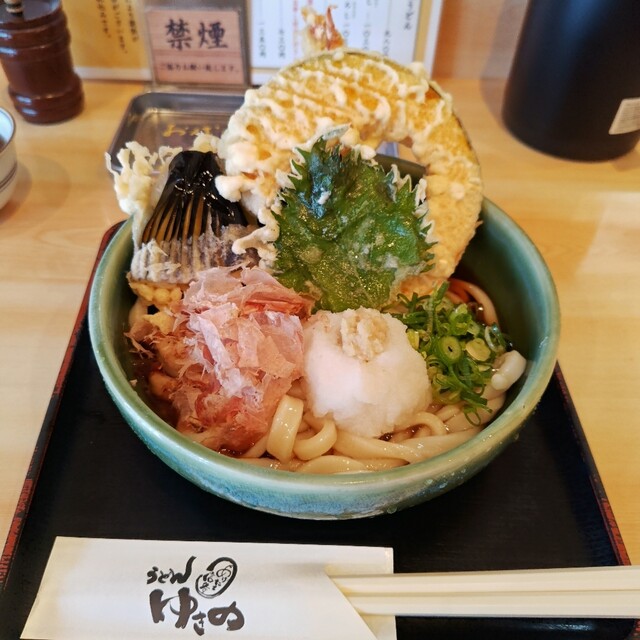
Approaching a house-style noodle shop in residential Higashisumiyoshi-ku differs from arriving at a restaurant-district counter. The rhythm is quieter: local streets, practical lunch traffic, and the compact expectations of a place built around one bowl, not a full evening. In Osaka, udon has never needed the ceremony attached to sushi or kaiseki. It is daily food, but at serious addresses the margins are exacting: flour choice, kneading, resting, cut, boil, rinse, broth, and temperature must all land before the bowl reaches the table.
Udon Yukino sits inside that Osaka tradition rather than above it. Its 2024 selection for Tabelog 100 - Udon - WEST places it among a curated group of western Japan noodle specialists, and its listed categories (udon, curry udon, and deep-fried foods) point to familiar Kansai grammar, not a chef-led tasting format. This is not the city’s high-spend lane, and that is the point: precision applied to a low-cost form, the same tension that makes Osaka’s casual cooking persuasive: ordinary dishes treated with obsessive standards.
Osaka udon judged by texture, broth, and restraint
Kansai udon differs from the firmer, darker-broth style many visitors associate with eastern Japan. Osaka and its region tend to prize lighter dashi, gentler salinity, and noodles that are supple without losing structure. The skill is quiet. A bowl can look plain and still expose every weakness in timing; overwork the dough or mishandle the boil and the noodle turns dull, under-season the broth and the dish collapses into warmth without depth.
That is why a Tabelog 100 udon selection helps travellers who usually chase Michelin stars or tasting menus. It signals local scrutiny in a category where diners are not paying for linen, theatre, or wine. In Osaka, a modest noodle shop competes on return visits, lunch-line discipline, and whether the bowl earns loyalty from people with dozens of alternatives nearby. Compared with venues such as Kama Hiro, another Osaka address in a similarly accessible price band, Udon Yukino belongs to the city’s democratic end of serious eating. It is a different proposition from higher-ticket dining such as Tenshin Kobo Kowloon, or specialist soba at Soba Kiri Oshiro, where category, pacing, and spend shift expectations.
Curry udon on the category list is culturally telling. It is not a novelty add-on in Japan, but a comfort form with its own technical demands, where sauce weight can smother noodle texture if the kitchen lacks control. Deep-fried foods complete the classic casual set, adding contrast to a meal built on wheat and broth. Without named dish data, the useful reading is structural: this is an udon shop operating in vernacular Osaka mode, not a restaurant using noodles as a branding device.
A small-room format that changes the meal
Capacity shapes the experience as much as the cooking. The room is listed at 17 seats, including counter seating and tables, placing it in the compact neighborhood category rather than the large, queue-processing format common around major stations. A small shop changes diner behavior: groups should think smaller, solo diners fit naturally, and the meal follows noodle-counter tempo: order, eat while the bowl is at its intended temperature, and release the seat.
That compactness also explains why this place can matter to a serious Osaka itinerary. The city’s dining identity is often flattened into nightlife around Namba and Dotonbori, but its stronger food culture is distributed across wards, train lines, and residential pockets. Higashisumiyoshi-ku is not the obvious first stop for visitors planning hotels, bars, and restaurants around the center, yet the Midosuji Line connection through Nishitanabe makes the trip legible for anyone willing to trade spectacle for specificity. The comparison is not only other udon shops. It is the choice between Osaka as entertainment and Osaka as daily craft.
The same calculus applies to a broader city plan. Travellers mapping casual daytime eating might pair this noodle stop with bakery or snack addresses such as 52CHO-ME BAKERY, .cafe, or 551 Horai (551蓬莱). A different Osaka day could move toward Italian cooking at a canto (Italian) or 99 Pizza Napoletana Gourmet. For planning beyond restaurants, use Our full Osaka restaurants guide, then cross-check stays, drinking, wine, and cultural formats through Our full Osaka hotels guide, Our full Osaka bars guide, Our full Osaka wineries guide, and Our full Osaka experiences guide.
Who should make the trip to Nishitanabe
This is a useful stop for travellers who care about Japanese food below the luxury tier. Osaka’s prestige dining can be compelling, but the city’s confidence often shows more clearly in lunch formats that locals fold into ordinary weeks. Udon Yukino’s repeated Tabelog 100 history, including selections in 2017, 2018, 2019, 2020, 2022, and 2024, gives the address a stronger signal than social-media novelty. The pattern suggests endurance in a category where consistency matters more than reinvention.
The editorial case is strongest for solo diners, small parties, and visitors already comfortable using transit for food. It is less suited to anyone seeking a long, hosted meal or broad drinks program. Osaka has plenty of those elsewhere; this belongs to the bowl-and-seat school of dining, where the reward is proportionate to how much attention the diner gives to texture and broth. In a city that can reward excess, restraint is its own argument.
For readers comparing Japanese regional food more broadly, Osaka’s udon culture sits in conversation with everyday specialties across the country: beef-focused cooking such as -Grilled beef Sukiyaki- KAMAKURA TANUKIAN 鎌倉 たぬき庵 in Kamakura, Tokyo charcoal and seafood formats like. 鮪と炭火焼き うお炭 秋葉原店 in Tokyo, Kumamoto dining at.know in Kumamoto, Vietnamese cooking in Kawasaki at (Shoku) Vietnam in Kawasaki, curry specialization at [Curry Senmon Ten] Maruyama Kyoju. in Sapporo, Kyoto minimalism at [ki:] in Kyoto, and Japanese food culture abroad at Jōdo Saké Bar in Los Angeles or Onigiri Time in Pasadena. The thread is not luxury; it is specificity. The restaurant earns attention because Osaka’s noodle tradition rewards that quality more than almost anything else.
The Minimal Set
Nearby venues at a similar price tier for orientation.
| Venue | Cuisine | Price | Notes |
|---|---|---|---|
| Udon YukinoThis venue — the venue you are viewing | Not listed | $ | Not listed |
| Human beings everybody noodles (人類みな麺類) | Not listed | $ | Nishinakajima, Yodogawa-ku, Traditional Shoyu Ramen |
| M Kasse | Sumiyoshi, Japanese Curry House | $ | Not listed |
| Yuiitsu Muni no Ramen Senmon Ten Ibukuro Washizukami | Tennōji, Specialty Ramen Shop | $ | Not listed |
| Men to Niku Daitsuru Tsuruhashi ten | Not listed | $ | Tennōji, Spicy Osaka Horumon Mazesoba & Ramen |
| Kei Chan | Hirano, Udon noodle shop | $ | Not listed |
Recognition history
Dated appearances from independent guides and award organizations, with the underlying list record or original source where available.
Tabelog 100 #58 · No. 58
Tabelog · Tabelog 100 - Udon - WEST - 2024
Continue exploring
More in Osaka
Restaurants in Osaka
Browse all →




Bars in Osaka
Browse all →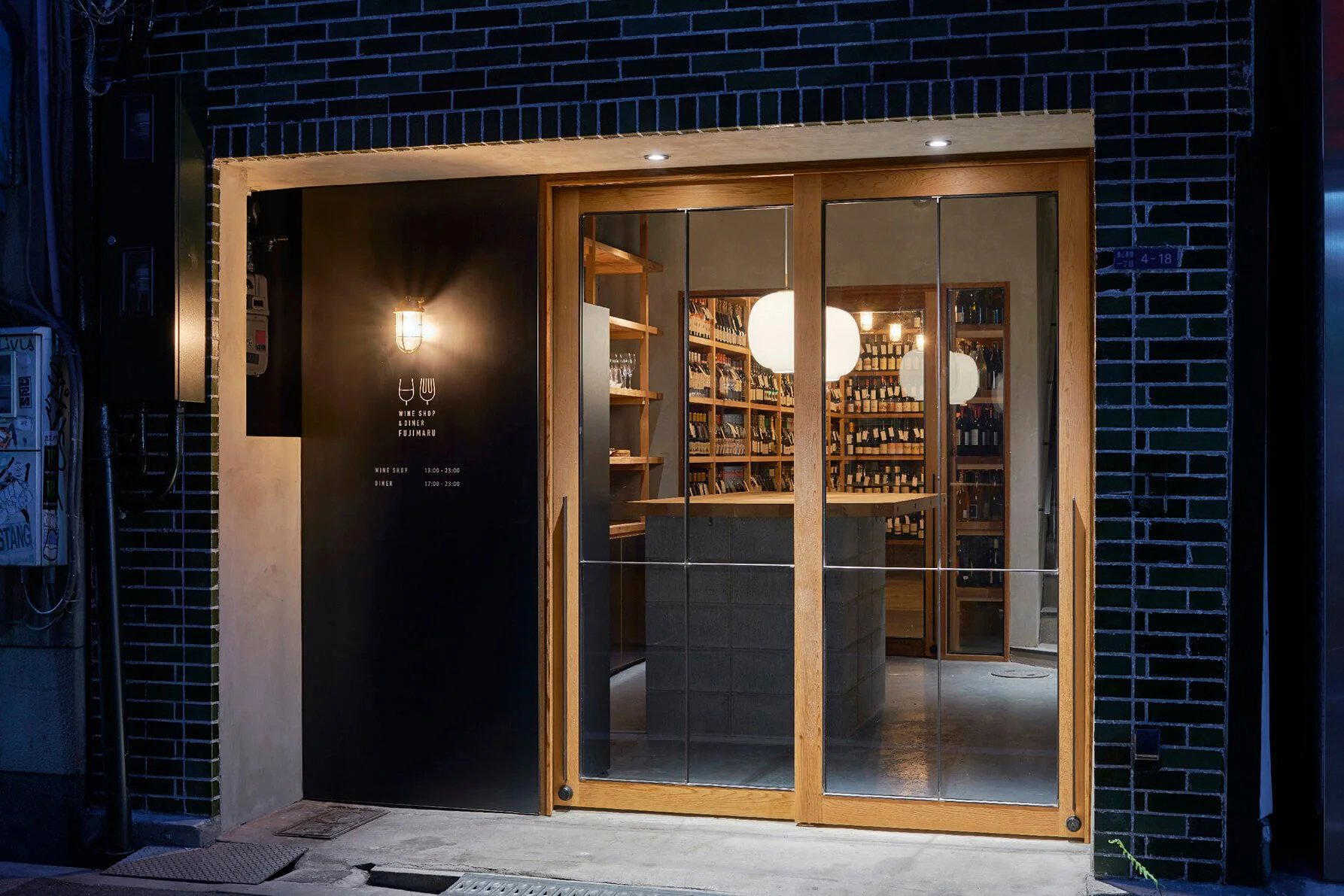
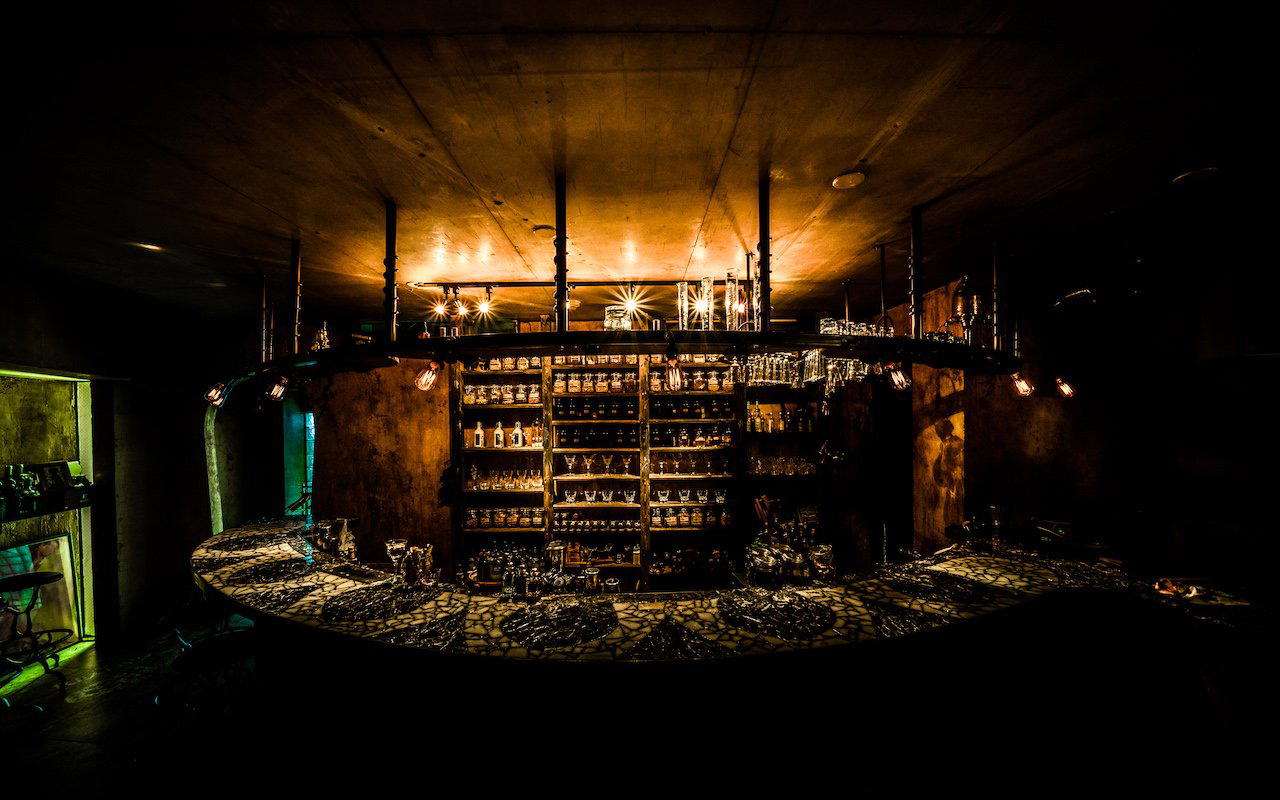
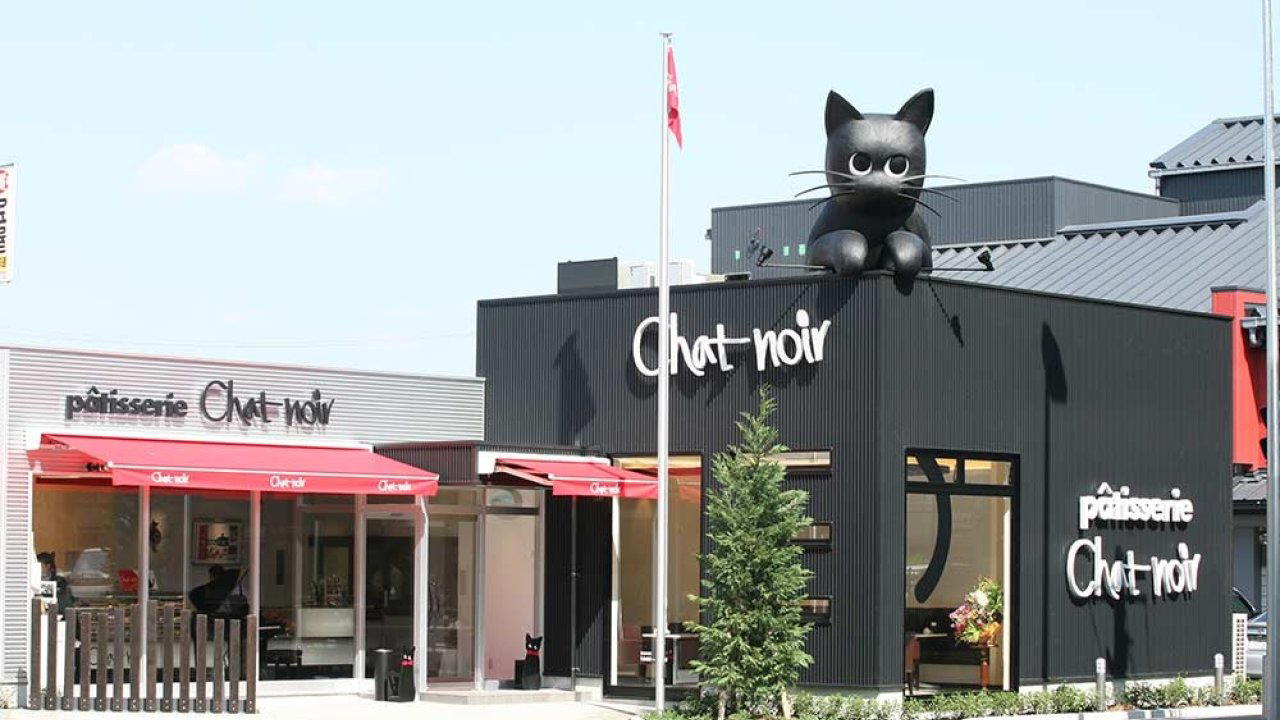


Hotels in Osaka
Browse all →



Wineries in Osaka
Browse all →
At a Glance
- Cozy
- Classic
- Solo
- Family
- Casual Hangout
- Group Dining
- Standalone
Small house-like neighborhood shop with simple, relaxed interiors, counter and a few tables; the feel is cozy and unfussy, with a comfortable atmosphere suited to solo diners, families, and friends despite frequent lines at lunch.