
Osaka’s Namba snack culture is built for movement: commuters, shoppers, families, and late-afternoon grazers eating with little ceremony. Hokkyoku Nanba honten belongs to the city’s compact dessert-and-street-food tier, combining ice cream, gelato, taiyaki, and obanyaki in a format recognized by Tabelog’s Ice Cream / Gelato 100 selection in 2023.
Pearl is the En Primeur Club membership app — saves, bookings, and concierge access live there. Same editors, same standards.
- Address
- 3 Chome-8-22 Namba, Chuo Ward, Osaka, 542-0076, Japan
- Phone
- +81 6-6641-3731
- Website
- hokkyoku.jp
 Saves & bookings on Pearl
Namba approaches food at street level first. Around the station, the city’s appetite is less about long meals than short, repeatable stops: a boxed pork bun, a griddled sweet, a cone eaten before the next train. In that setting, Hokkyoku Nanba honten reads as part of Osaka’s practical dessert grammar rather than a destination built around ceremony. The categories tell the story: gelato, ice cream, taiyaki, and obanyaki, four formats that put imported freezing technique beside Japanese griddle-shop habits.
Osaka has always been comfortable collapsing boundaries between snack, meal, and souvenir. Namba sharpens that instinct because the neighbourhood is dense, transactional, and built for foot traffic. The city’s richer restaurant culture includes counter tempura, department-store French, Italian dining, bakery queues, and takoyaki tourism, but its everyday genius often appears in lower-priced formats where turnover, clarity, and portability matter. Dessert shops in this bracket are judged less by tablecloth polish than by consistency, speed, and whether the format makes sense between errands.
Ice cream, gelato, taiyaki, and obanyaki in one Osaka snack language
The interesting tension here is not novelty; it is coexistence. Ice cream and gelato arrive from a global dessert vocabulary, associated with refrigeration, texture control, and the habit of choosing by flavor case. Taiyaki and obanyaki belong to Japan’s griddled-sweets tradition, where batter, filling, and heat define the experience. Put together, the range reflects a specifically urban Japanese way of eating: foreign technique is absorbed into a local snack rhythm rather than treated as a formal import.
That matters in Namba because the area rewards food that can be understood quickly. A dessert counter with frozen sweets and griddled cakes sits closer to Osaka’s everyday register than to the tasting-menu economy. The price tier reinforces the point: this is not a luxury-dessert room trying to imitate a salon, but a low-ticket stop in a city where small purchases can carry serious local loyalty. Tabelog’s Ice Cream / Gelato 100 selection in 2023 gives the shop a useful external signal, especially in a category where international awards rarely map cleanly onto neighbourhood taste.
Compared with nearby casual Osaka entries such as Juutei and Tenmasa, the appeal sits in a different pocket of the day. Those names occupy the meal-and-snack spectrum at modest spend levels; this address is more precisely a sweet stop, the kind of place that fits after a department-store browse, before a train, or between more substantial eating. Department-store names in the area, including Daman Lumiere Takashimaya oosaka ten and Comme Chinois Takashimaya oosaka ten, represent another version of Namba convenience: polished, retail-linked, and indoor. The stronger read here is older and more street-adjacent.
Namba's low-ticket food culture rewards clarity over performance
Osaka’s reputation for eating is often flattened into excess, but Namba’s stronger lesson is efficiency. The neighbourhood teaches visitors how much can happen in a small transaction. A shop does not need a long narrative if the category is legible, the queue moves, and the item suits the street. This is why sweet shops, bun counters, bakeries, and standing-friendly formats hold their ground beside more formal restaurants.
The second-floor café addition in 2023 is a meaningful shift because it moves part of the experience from pure takeaway into a brief pause. That change mirrors a broader pattern across Japanese city centers: established snack businesses add seating or café formats without abandoning their faster base trade. The result is not a reinvention of the category. It is a practical response to mixed users, from families to solo shoppers to travellers who need a moment off the pavement.
For readers mapping a Namba day, the useful comparison is not only restaurant against restaurant, but pace against pace. 551 Horai (551蓬莱) answers the savoury souvenir-and-snack need; 52CHO-ME BAKERY points toward Osaka’s bread culture; .cafe sits in the city’s café register; 99 Pizza Napoletana Gourmet and a canto (Italian) show how imported techniques become part of Osaka’s regular dining map. The dessert role is narrower, but that narrowness is the point: a small, focused sweet stop can be more useful than another full meal in a district already dense with options.
How to place it in an Osaka itinerary
Hokkyoku Nanba honten works as a punctuation mark, not the main sentence. The better plan is to treat it as part of a Namba food walk, especially when the day already includes heavier Osaka staples. The format is friendly to families, and the low spend level lowers the risk of trying it between scheduled meals. The non-smoking setting and children-welcome positioning also make it easier than many compact urban counters for mixed-age groups.
Its 2023 recognition in Tabelog’s Ice Cream / Gelato 100 should be read with category discipline. This is not the same signal as a Michelin-starred dining room, and it should not be judged by the grammar of fine dining. It is a dessert-and-snack address whose credibility comes from fitting its neighbourhood with precision: compact, accessible, sweet-led, and aligned with Osaka’s habit of taking casual food seriously.
For broader planning, use Our full Osaka restaurants guide to balance snack stops with longer meals, then cross-check Our full Osaka hotels guide, Our full Osaka bars guide, Our full Osaka wineries guide, and Our full Osaka experiences guide for the rest of the day. Readers comparing Japan’s broader casual-dining range can also look at -Grilled beef Sukiyaki- KAMAKURA TANUKIAN 鎌倉 たぬき庵 in Kamakura. 鮪と炭火焼き うお炭 秋葉原店 in Tokyo.know in Kumamoto, (Shoku) Vietnam in Kawasaki, [Curry Senmon Ten] Maruyama Kyoju. in Sapporo, [ki:] in Kyoto, Jōdo Saké Bar in Los Angeles, and Onigiri Time in Pasadena, each showing a different way Japanese food culture travels, localizes, or holds its ground.
- Milk ice candy
- Azuki bean ice candy
- Pineapple ice candy
- Cocoa ice candy
- Strawberry ice candy
- Matcha ice candy
Style and Standing
Comparable venues at similar price and category levels.
| Venue | Cuisine | Price | Notes |
|---|---|---|---|
| Hokkyoku Nanba hontenThis venue — the venue you are viewing | Traditional Japanese ice candy shop | $ | Not listed |
| Horumon Gibier Myojo | Stand-up Japanese horumon & wild game bar | $ | Chūō |
| Angetsu | Traditional Japanese Wagashi (Confectionery) | $ | Chūō |
| Ikareta Noodle Fish Tons | Japanese Ramen & Tsukemen | $ | Nishi |
| Udon Kyutaro | Standing Udon Bar | $ | Chūō |
| Columbia8 Kitahama honten | Osaka spice curry counter | $ | Chūō |
Recognition history
Dated appearances from independent guides and award organizations, with the underlying list record or original source where available.
Tabelog 100 #32 · No. 32
Tabelog · Tabelog 100 - Ice cream / Gelato - 2023
Continue exploring
More in Osaka
Restaurants in Osaka
Browse all →




Bars in Osaka
Browse all →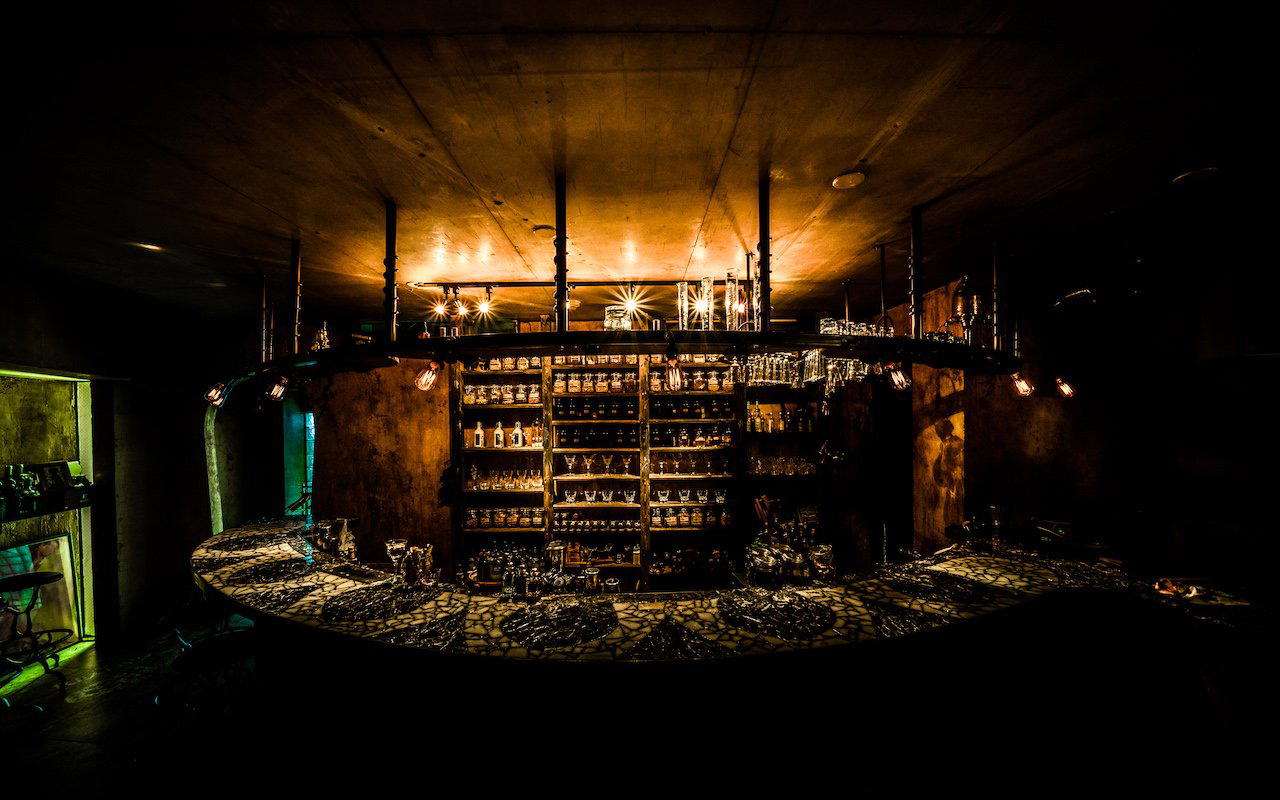
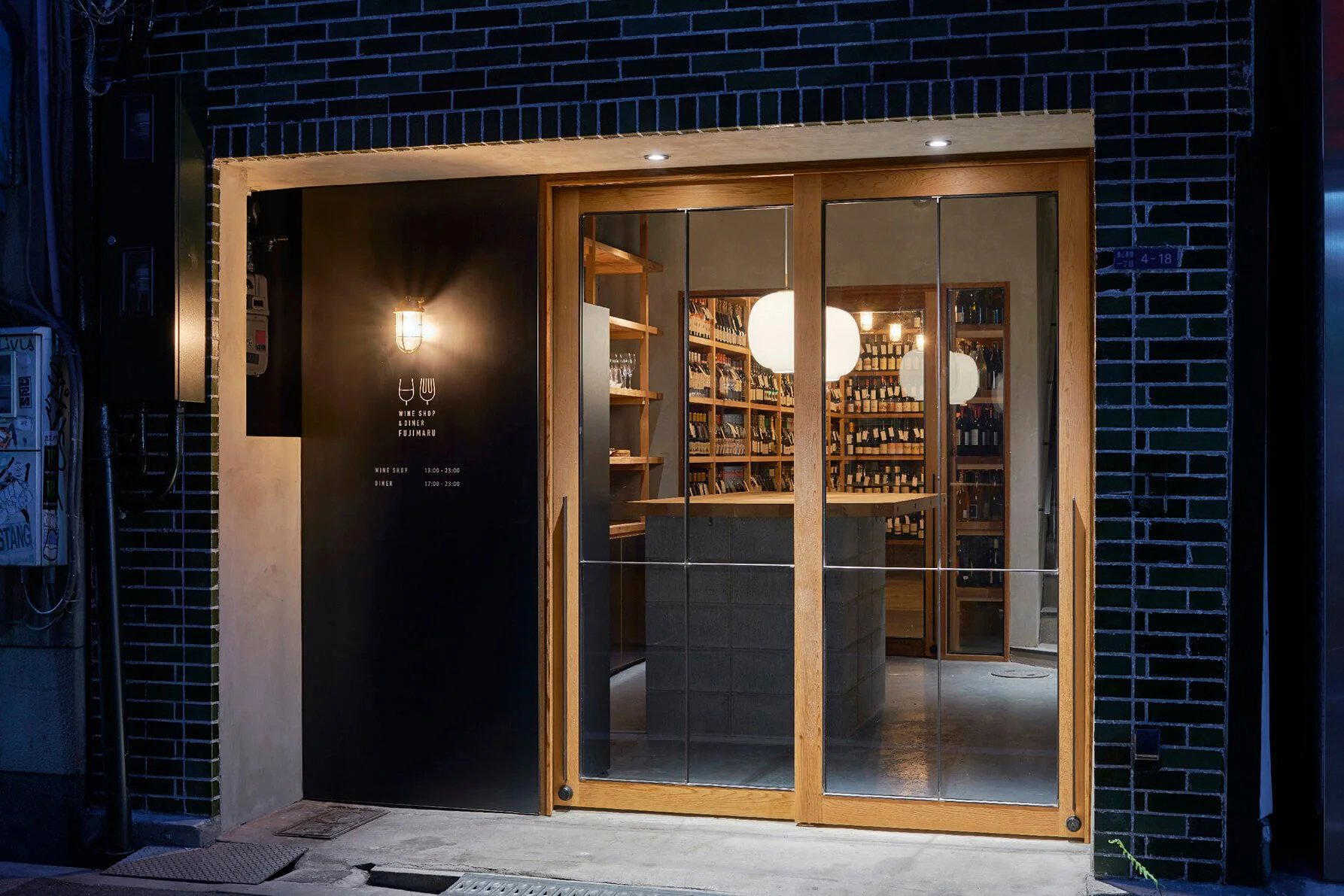


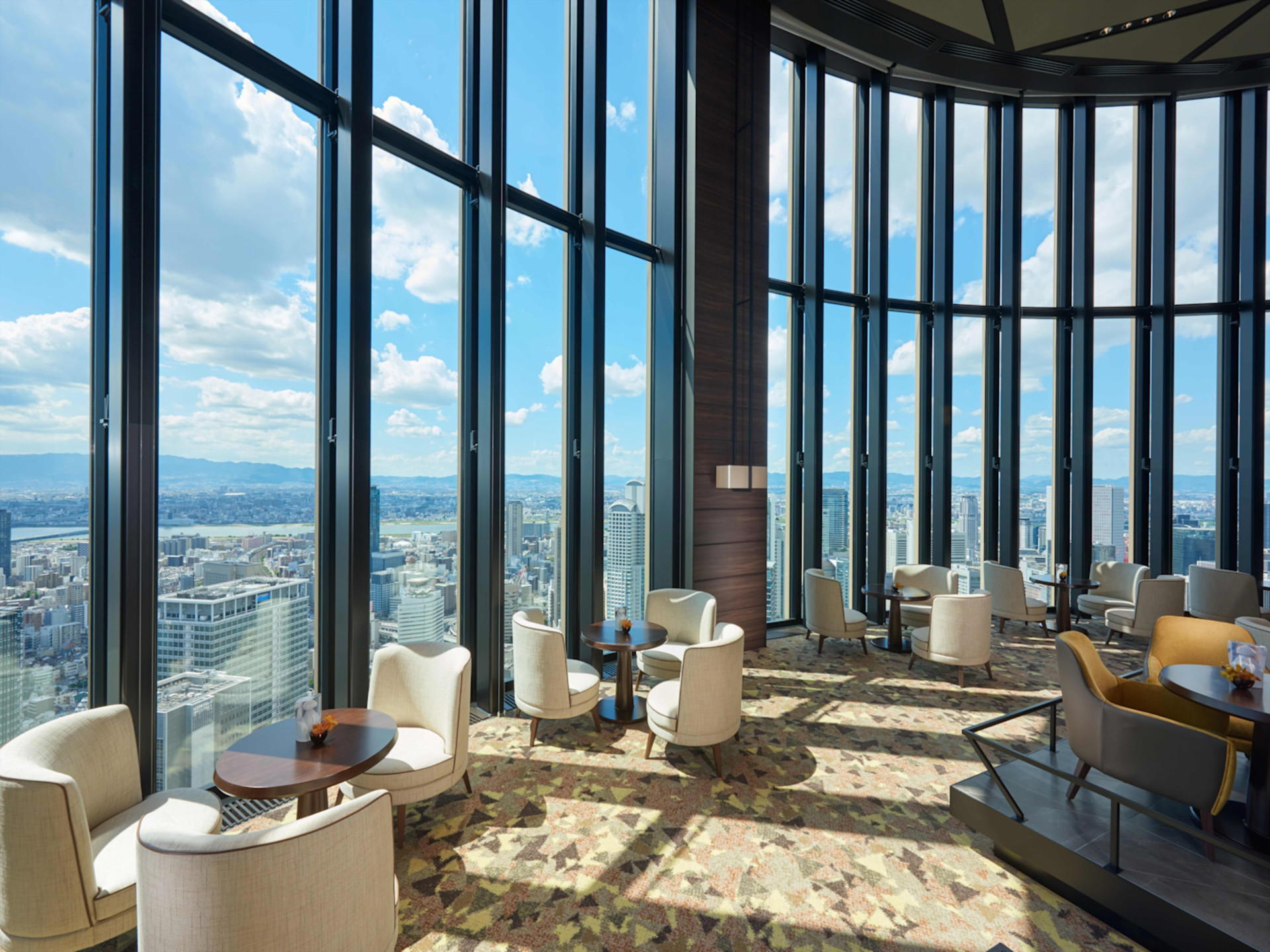
Hotels in Osaka
Browse all →



Wineries in Osaka
Browse all →
At a Glance
- Classic
- Well Known
- Solo
- Family
- Casual Hangout
- After Work
- Standalone
- Historic Building
- Local Sourcing
- Street Scene
Current opening hours
- Monday
- 10:30 AM–8 PM
- Tuesday
- 10:30 AM–8 PM
- Wednesday
- 10:30 AM–8 PM
- Thursday
- 10:30 AM–8 PM
- Friday
- 10:30 AM–8 PM
- Saturday
- 10:30 AM–8 PM
- Sunday
- 10:30 AM–8 PM
Hours can change for holidays and private events. Last verified .
Bright, simple counter-style shop on a bustling covered shopping street, with a retro, old-school feel focused on quick takeaway rather than lingered dining.