
Chuka Soba Kaoru belongs to Soka’s small-format ramen culture rather than Tokyo’s reservation-led dining circuit: nine seats, ramen and tsukemen, and recognition on Tabelog’s Ramen EAST 100 for 2025. Its appeal is practical and precise, especially for diners reading Saitama through station-area noodle shops rather than destination tasting menus.
Pearl is the En Primeur Club membership app — saves, bookings, and concierge access live there. Same editors, same standards.
- Address
- 埼玉県草加市栄町2-4-8
- Website
- tabelog.com
 Saves & bookings on Pearl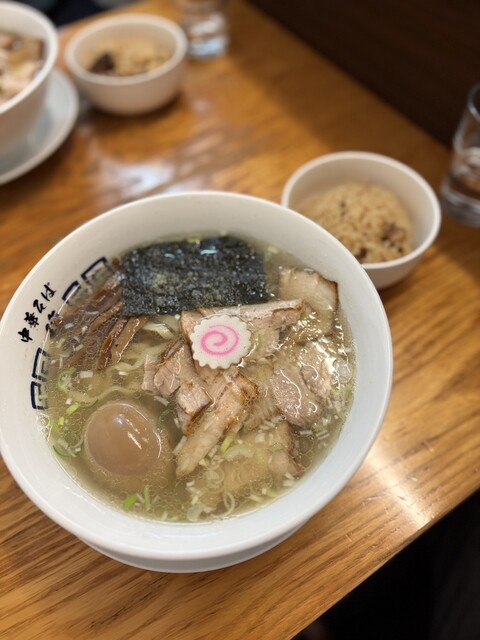
A nine-seat ramen shop changes the pace of a meal before the bowl arrives. There is little room for ceremony, and that suits Soka’s station-side noodle culture: quick turnover, tight focus, and a menu category where sourcing matters because the broth, tare, noodles, and toppings have few places to hide. Chuka Soba Kaoru sits in that compact register, with counter seating forming the heart of the room and a pair of small tables widening the format just enough for two-person meals.
Ramen in the eastern Kanto suburbs often rewards a different kind of planning from central Tokyo dining. The point is not a long reservation trail or a chef-led performance, but the discipline of a shop that can repeat a narrow craft across lunch and dinner service. Recognition on Tabelog’s Ramen EAST 100 for 2025 places this Soka address inside a regional conversation that includes serious noodle specialists beyond the capital’s better-known wards. That matters for travelers because Saitama ramen is often read as peripheral; lists like this draw attention to suburban shops where the cooking has enough consistency to travel for.
Ramen and tsukemen in a room built for turnover, not theatre
The useful distinction here is format. Chuka Soba Kaoru is listed for ramen and tsukemen, two styles that ask different things from the kitchen. Ramen puts balance in the bowl from the start: broth, seasoning base, noodles, fat, and garnish need to arrive as a unified composition. Tsukemen separates noodles from dipping soup, shifting attention toward noodle texture, concentration, and how the final mouthfuls hold up as temperature changes. A shop working both styles has to manage sourcing and preparation across two eating rhythms rather than simply vary toppings.
That sourcing frame is where small ramen shops become serious. In this price tier, luxury does not come from imported tableware or lengthy service. It comes from decisions that repeat daily: wheat choice, noodle thickness, broth extraction, tare salinity, oil, and the proportion of garnish to soup. None of those details need to be theatrical to matter. The better shops in this category tend to reveal themselves through restraint, not excess, because a heavy hand with seasoning or fat can flatten the bowl quickly.
Soka also changes the expectation. This is not a Ginza counter built around scarcity or a hotel dining room designed for lingering. It belongs to the commuter-belt grammar of eating: close to rail movement, small in capacity, and oriented toward diners who may be solo, local, or making a focused detour. The nine-seat scale means the experience is naturally intimate, but not precious. It is a working ramen format, and that is part of its appeal.
Why Soka's noodle shops deserve attention beyond Tokyo
For visitors who usually compress Japan’s ramen map into Tokyo, Kyoto, Osaka, and Fukuoka, Soka offers a useful correction. The Tobu Skytree Line corridor has its own everyday dining logic, with shops serving residents and commuters rather than international food pilgrims. That can make the cooking more legible: fewer layers of destination-dining expectation, more emphasis on whether the bowl justifies a seat in a small room.
The Tabelog 100 Ramen EAST 2025 selection gives Chuka Soba Kaoru a clear trust signal without turning it into a luxury proposition. The price bracket remains low by Japan dining standards, which is part of the point. Ramen’s democratic side is not a cliché here; it is structural. A shop can be recognized regionally while remaining accessible in format, and that combination is why serious eaters pay attention to ramen rankings differently from fine-dining awards.
Compared with out-of-metro peers in similar casual price territory, the distinction is not simply cost. Menya Kiryu Higashikawaguchi honten occupies a comparable low-price ramen lane, while Al Karam and Karachi no Sora sit in a different casual-dining category with broader meal structures. Girassol moves into a higher dinner spend, and backerei sakatuji belongs to a bakery register rather than a noodle counter. The restaurant’s relevance is narrower and cleaner: a small Saitama ramen shop, recognized in an eastern Japan ramen list, with a format that prioritizes the bowl over the room.
How to read it on a Soka itinerary
For a Soka dining day, this is the kind of address that works better as an anchor than as an afterthought. Ramen shops with limited seating can shape timing, especially when the room is built around counter places and small tables rather than a large dining floor. The absence of private rooms also clarifies the occasion: solo dining, quick meals, and focused two-person visits fit the format more naturally than groups.
Travelers building a wider Soka plan should treat the meal as part of the city’s everyday food fabric rather than an isolated trophy stop. For broader context, start with Our full Soka restaurants guide, then pair the dining map with Our full Soka hotels guide, Our full Soka bars guide, Our full Soka wineries guide, and Our full Soka experiences guide. The contrast with other Japan listings is instructive too: -Grilled beef Sukiyaki- KAMAKURA TANUKIAN 鎌倉 たぬき庵 in Kamakura. 鮪と炭火焼き うお炭 秋葉原店 in Tokyo.cafe in Osaka.know in Kumamoto, (Shoku) Vietnam in Kawasaki, [Curry Senmon Ten] Maruyama Kyoju. in Sapporo, [ki:] in Kyoto, #肉といえば松田 奈良本店 in Kashihara, 1/3 HAMBURGER FACTORY in Kanazawa, 1000 in Yokohama, 1000mヒュッテ 1000m Hut in Kutchan, Jōdo Saké Bar in Los Angeles, and Onigiri Time in Pasadena.
The editorial case is simple: go for a concise ramen format with regional recognition, not for spectacle. In Soka, that is often the more revealing meal.
Quick Comparison
Comparable venues by cuisine and price in the same metro.
| Venue | Cuisine | Price | Notes |
|---|---|---|---|
| Chuka Soba KaoruThis venue — the venue you are viewing | Ramen | $ | Not listed |
| かつれつ軒 | Japanese Tonkatsu | $ | 神宮 |
| Marusho Gyoza | Traditional Japanese Gyoza Specialist | $ | Daito City |
| Yoshoku GOTOO | Yoshoku (Japanese‑style Western) restaurant | $ | Toshima |
| Hokusai Sabo | Japanese sweets café & kakigori | $ | Sumida |
| Suzumeya | Japanese sweets / Dorayaki | $ | Toshima |
Recognition history
Dated appearances from independent guides and award organizations, with the underlying list record or original source where available.
Tabelog 100 #97 · No. 97
Tabelog · Tabelog 100 - Ramen - EAST - 2025
Continue exploring
More in Soka





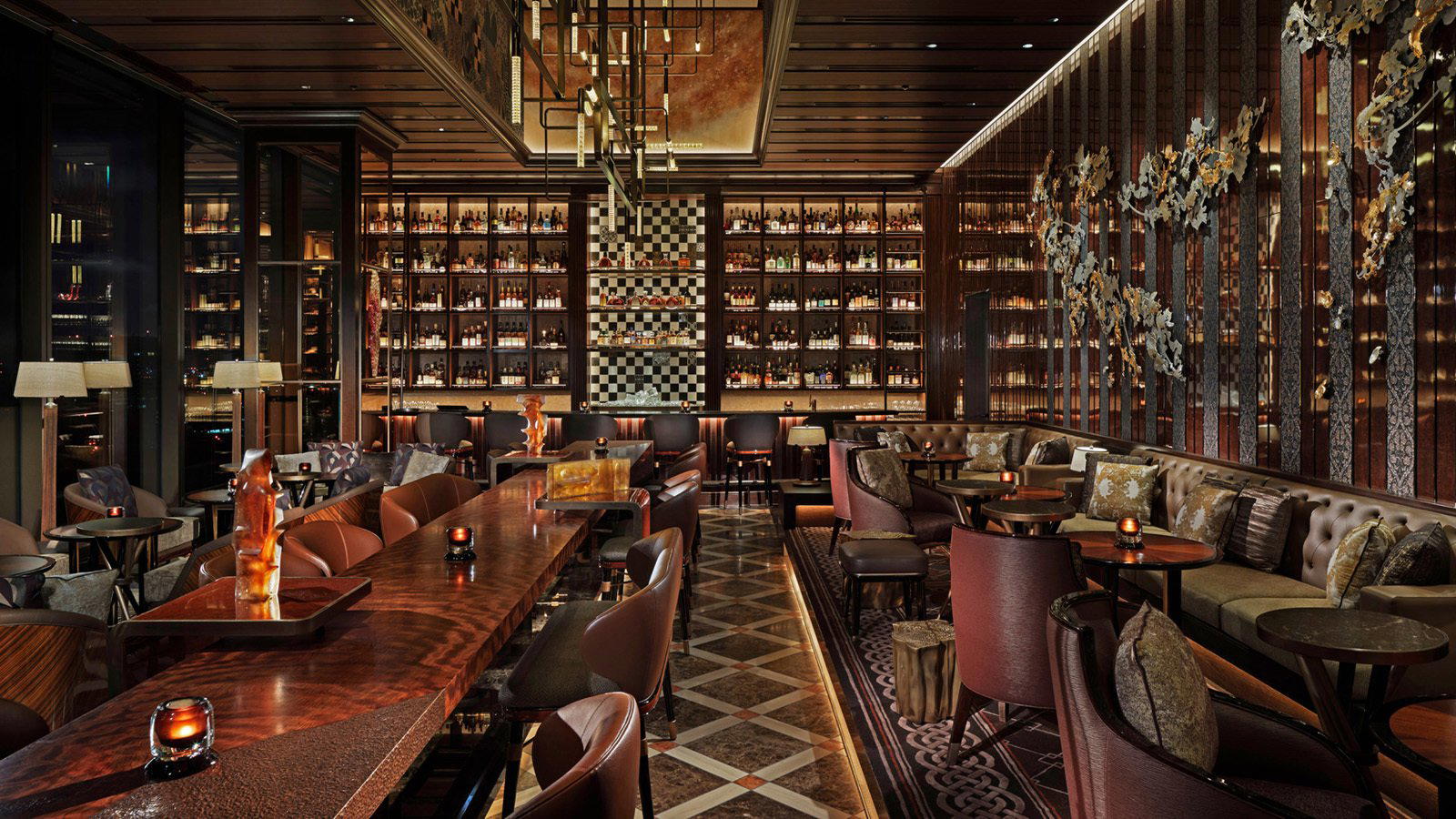
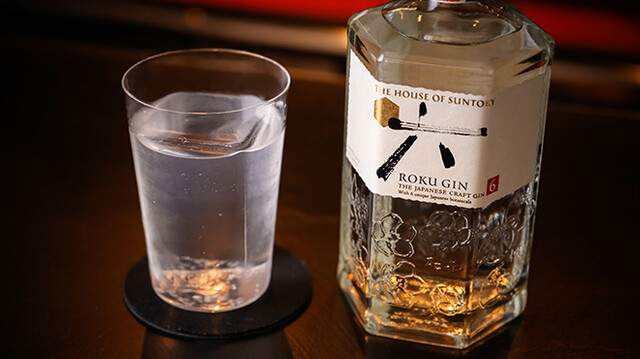
Bars in Soka
Browse all →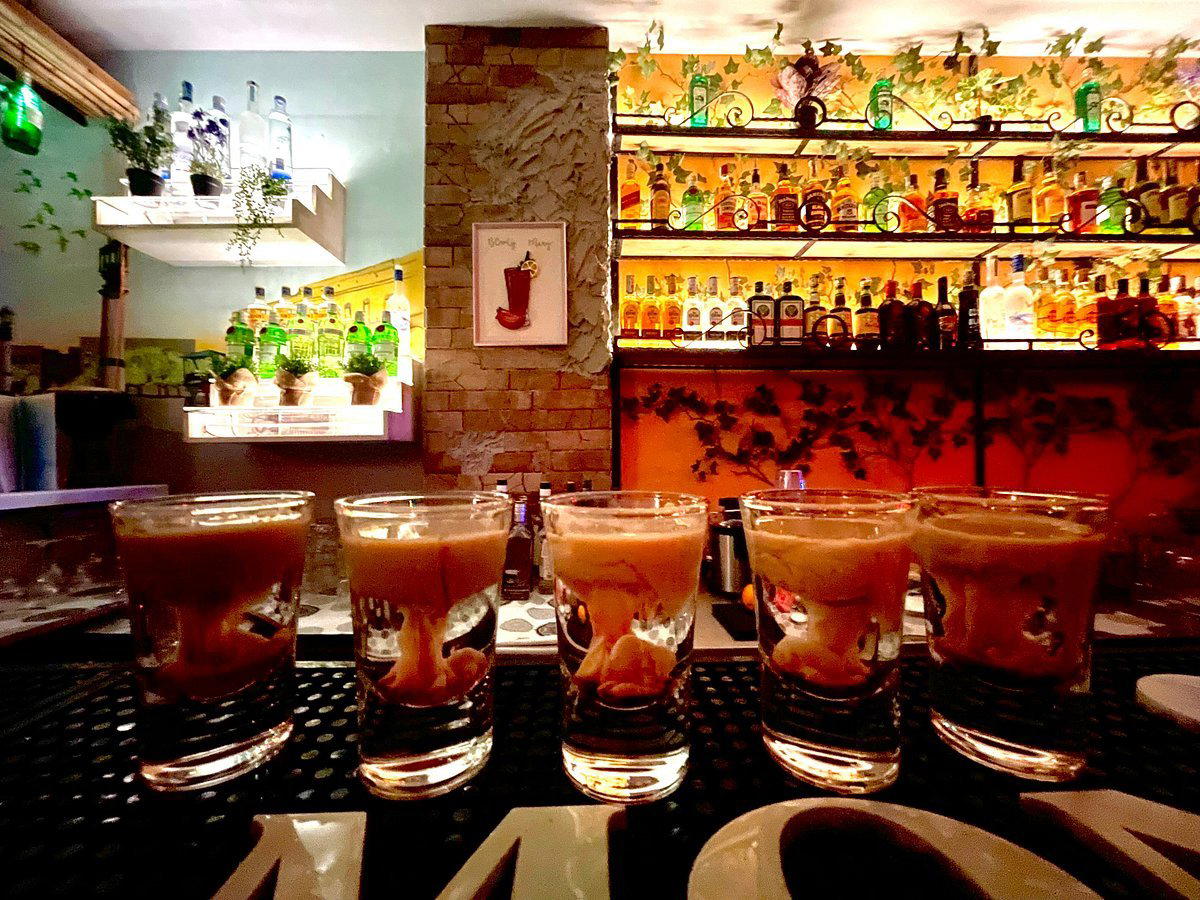



At a Glance
- Cozy
- Classic
- Quiet
- Solo
- Casual Hangout
- Standalone
Compact, no-frills ramen-shop atmosphere with counter seating and a small footprint; best suited to a quick, focused meal rather than a lingering dining experience.