
Tabelog 100 #12
Our verdict
Seasonal ramen in coastal Tsuruoka carries different stakes from city-counter ramen: access, timing, and local appetite shape the meal as much as the bowl. Chuka Soba Dokoro Konpiraso is a Tabelog 100 Ramen EAST 2025 selection with a low-price ramen format, family-friendly seating, and a setting tied closely to Sanze’s coastal rhythm.

Pearl is the En Primeur Club membership app — saves, bookings, and concierge access live there. Same editors, same standards.
- Address
- Japan, 〒999-7463 Yamagata, Tsuruoka, Sanze, 巳381-46
- Phone
- +81 235-73-3230
- Hours
- Mon–Wed 11 AM–2 PMThu ClosedFri–Sun 11 AM–2 PM
- Website
- soba.sanze.jp
- Directions
- Get directions
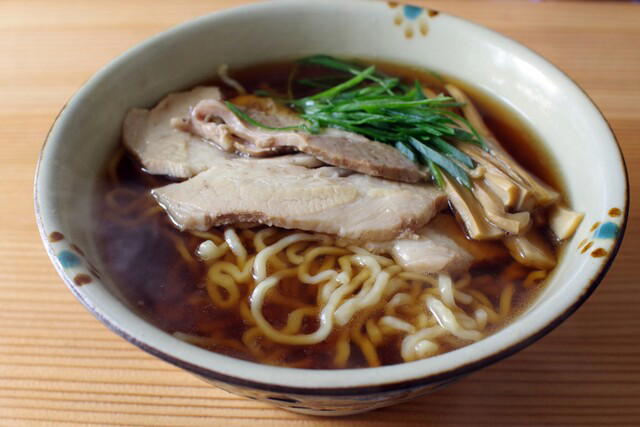
The menu
What to order
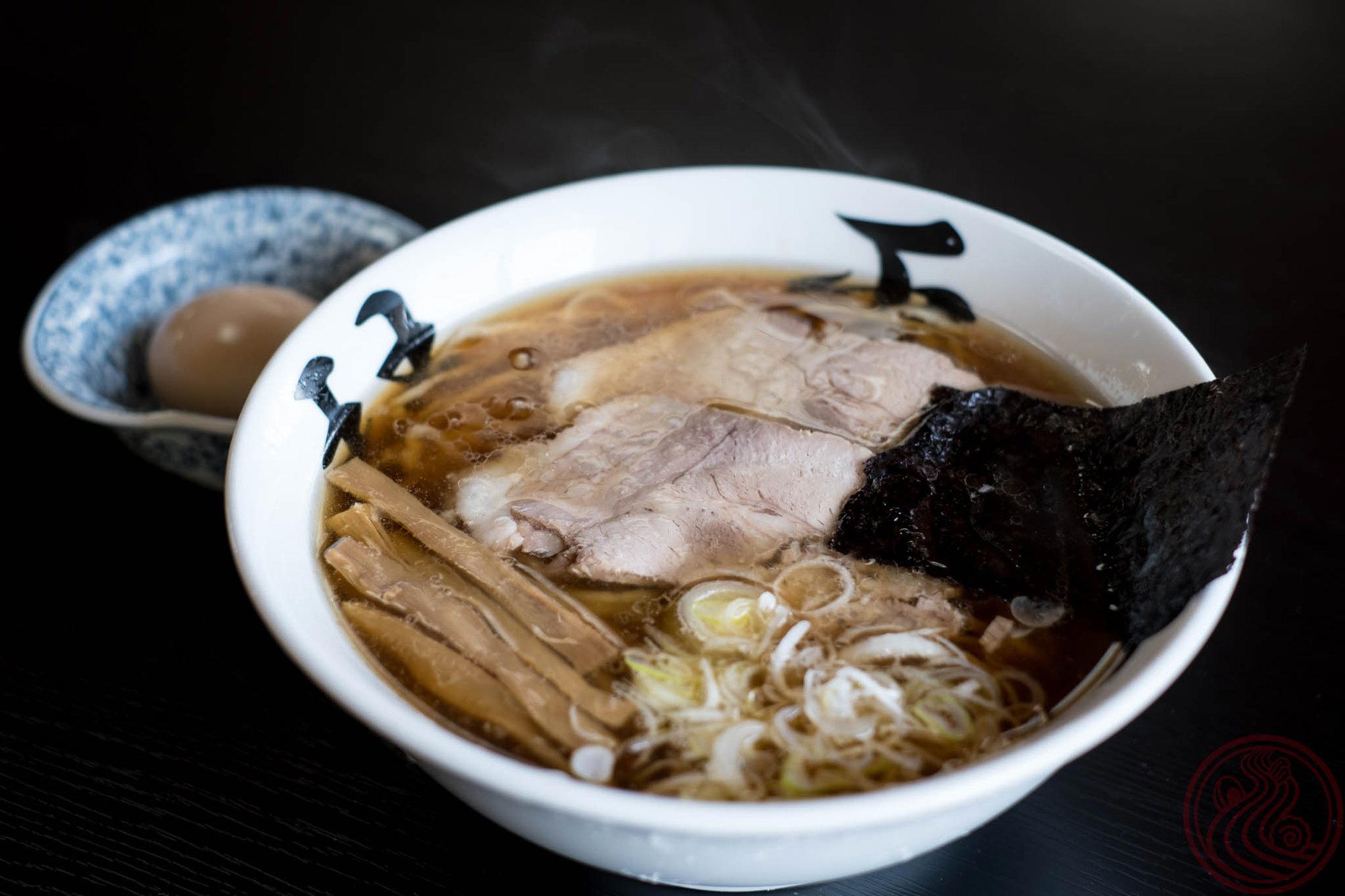
- Chuka soba (shoyu ramen)
- Kotteri chuka soba
The approach to Sanze puts ramen into a different frame from Tokyo’s station-side counter culture. Here, the sea is part of the dining context, not decoration: a coastal Tsuruoka address, an ocean-view setting, tatami seating, and a room built for groups rather than solo turnover. Chuka Soba Dokoro Konpiraso belongs to the regional ramen tradition where the bowl is inseparable from place, season, and the practical patience required to eat well outside a major city.
Tsuruoka’s food reputation has long rested on geography. The Shonai plain, the Sea of Japan, mountain vegetables, rice, and preserved foods give the city a vocabulary that differs sharply from Japan’s larger dining capitals. Ramen here is not an isolated urban snack; it sits beside fruit parlours, Italian cooking rooted in local produce, soba culture, seafood, and family dining. For a wider view of that spread, compare it with Fruit Shop Aomoriya, Mendokoro Kyuta (Ramen), and アル・ケッチァーノ, then use Our full Tsuruoka restaurants guide to place this bowl within the city’s broader table culture.
Coastal ramen, seasonal access, and the Shonai appetite for place
Ingredient sourcing is often discussed through chef manifestos, but in Tsuruoka the argument is more basic: local food depends on what the land and water make available, and on venues that keep their formats tied to regional demand. This ramen shop’s seasonal operating period, October through May, makes timing part of the experience. That matters because destination ramen is often judged only by queue length or online score; in rural Yamagata, the sharper question is whether the meal reflects a local pattern of eating rather than a transplanted urban template.
The format supports that reading. A 48-seat room with 12 four-seat tables sits closer to family restaurant logic than to the narrow counter theatre associated with metropolitan ramen. Tatami seating, children welcome, non-smoking status, take-out service, and parking all point to a restaurant built for local use as much as culinary travel. The Tabelog score of 3.72 and selection for Tabelog 100 Ramen EAST 2025 add external recognition, but the more telling signal is repetition: the restaurant has appeared in the Tabelog Ramen EAST 100 selections across multiple years, including 2017, 2018, 2019, 2022, and 2025.
That recognition places it in a more serious bracket than its low-ticket format might suggest. Ramen in Japan has always compressed craft and affordability, but destination ramen complicates the equation: a bowl can remain inexpensive while the effort to reach it becomes the real cost. In that sense, Chuka Soba Dokoro Konpiraso sits apart from higher-spend regional dining such as Koise, where the budget profile belongs to a different category, and from Tsuruoka’s produce-led restaurant conversation around アル・ケッチァーノ. The comparison is not about hierarchy; it is about what each format asks of the traveller.
Why the room matters as much as the bowl
Ramen criticism often overweights broth taxonomy and underweights dining architecture. A counter shop trains attention on the maker; a table-based, coastal, family-friendly room shifts attention toward occasion. That difference matters in Tsuruoka, where food travel is usually stitched into a day of coast, countryside, onsen, or temple visits rather than a single-venue sprint. The restaurant’s setting and room configuration make it easier to read as part of a regional day, not just a stop for completists chasing a list.
The low price band also changes the editorial calculus. Many award-selected restaurants require a reservation strategy, a tasting-menu budget, or a formal evening slot. This one sits in the ramen economy, where the distinction comes from demand, seasonality, and consistency rather than luxury signals. Numbered tickets are issued from 8:00, which is the clearest sign that planning matters. The practical lesson is simple: the bowl may be casual, but the logistics are not casual for travellers coming from outside Sanze.
There is no need to invent a signature order to explain the appeal. The public signal is category-level and strong enough: ramen, coastal setting, seasonal operation, repeated Tabelog 100 Ramen EAST recognition, and a format welcoming to families and groups. For travellers assessing Tsuruoka, that combination says more than a list of toppings would. It shows how regional ramen can function as destination dining without adopting the codes of fine dining.
How to frame it within a Tsuruoka trip
Tsuruoka rewards travellers who think in clusters rather than single reservations. A ramen lunch in Sanze can sit alongside the city’s fruit culture, farm-linked Italian cooking, and rural Yamagata hospitality. For planning beyond the table, Our full Tsuruoka hotels guide, Our full Tsuruoka bars guide, Our full Tsuruoka wineries guide, and Our full Tsuruoka experiences guide help map the meal into the wider trip.
Travellers building a Japan food itinerary can also use contrast to sharpen expectations. A casual coastal ramen room in Yamagata asks for a different lens than -Grilled beef Sukiyaki- KAMAKURA TANUKIAN 鎌倉 たぬき庵 in Kamakura. 鮪と炭火焼き うお炭 秋葉原店 in Tokyo.cafe in Osaka.know in Kumamoto, (Shoku) Vietnam in Kawasaki, [Curry Senmon Ten] Maruyama Kyoju. in Sapporo, [ki:] in Kyoto, and #肉といえば松田 奈良本店 in Kashihara. The same applies internationally: Jōdo Saké Bar in Los Angeles and Onigiri Time in Pasadena speak to Japanese food abroad, while Tsuruoka’s coastal ramen speaks to the conditions that produced it.
Frequently asked questions
Is Chuka Soba Dokoro Konpiraso okay with children?
Yes. The venue is listed as children welcome and family friendly, and its 48-seat room gives it more space than a typical ramen counter in Tsuruoka.
What kind of setting is Chuka Soba Dokoro Konpiraso?
It is a 48-seat ramen spot with 12 four-seater tables, tatami room seating, and parking available at the address in Sanze, Tsuruoka. The room is non-smoking and takeaway is offered.
Is Chuka Soba Dokoro Konpiraso expensive?
Pricing at Chuka Soba Dokoro Konpiraso is listed as - JPY 999.
What are Chuka Soba Dokoro Konpiraso's hours?
Hours at Chuka Soba Dokoro Konpiraso: Mon: 11 AM–2 PM; Tue: 11 AM–2 PM; Wed: 11 AM–2 PM; Thu: Closed; Fri: 11 AM–2 PM; Sat: 11 AM–2 PM; Sun: 11 AM–2 PM.
What's Chuka Soba Dokoro Konpiraso's location?
Chuka Soba Dokoro Konpiraso is located in Tsuruoka.
What is Chuka Soba Dokoro Konpiraso known for?
It was selected for Tabelog Ramen EAST "Tabelog 100" in 2025, after earlier selections in 2022, 2019, 2018, and 2017. The price sits in the JPY 999 and under bracket, and lunch service runs from Monday to Wednesday and Friday to Sunday.
How It Stacks Up
Comparable venues by cuisine and price in the same metro.
| Venue | Cuisine | Price | Awards | Notes |
|---|---|---|---|---|
| Chuka Soba Dokoro KonpirasoThis venue — the venue you are viewing | Traditional Japanese ramen (chuka soba) | $1–10 | Tabelog 100 #12 | Not listed |
| 中華そば処琴平荘 | Traditional Japanese ramen (chuka soba) | $1–10 | Tabelog 100 #12 | 三瀬 |
| Mendokoro Kyuta | Traditional Ramen & Tsukemen | $1–10 | Not listed | Atsumi Onsen |
| Fruit Shop Aomoriya | Fruit Parlor / Cafe | $10–20 | Tabelog 100 #91 | Suehiromachi |
| アル・ケッチァーノ | Hyper-local Italian | $50–100 | Tabelog 100 #58 | Ogawara |
| Suzaki Foods Shop | Sanuki Udon | $1–10 | Not listed | Takasecho, Mitoyo City |
Recognition history
Dated appearances from independent guides and award organizations, with the underlying list record or original source where available.
Tabelog 100 #12 · No. 12
Tabelog · Tabelog 100 - Ramen - EAST - 2025
Details
- Classic
- Cozy
- Scenic
- Well Known
- Lively
- Solo
- Family
- Group Dining
- Casual Hangout
- After Work
- Waterfront
- Historic Building
- Standalone
- Local Sourcing
- Waterfront
- Mountain
- A La Carte
- Soft Drinks
Current opening hours
- Monday
- 11 AM–2 PM
- Tuesday
- 11 AM–2 PM
- Wednesday
- 11 AM–2 PM
- Thursday
- Closed
- Friday
- 11 AM–2 PM
- Saturday
- 11 AM–2 PM
- Sunday
- 11 AM–2 PM
Hours can change for holidays and private events. Last verified .
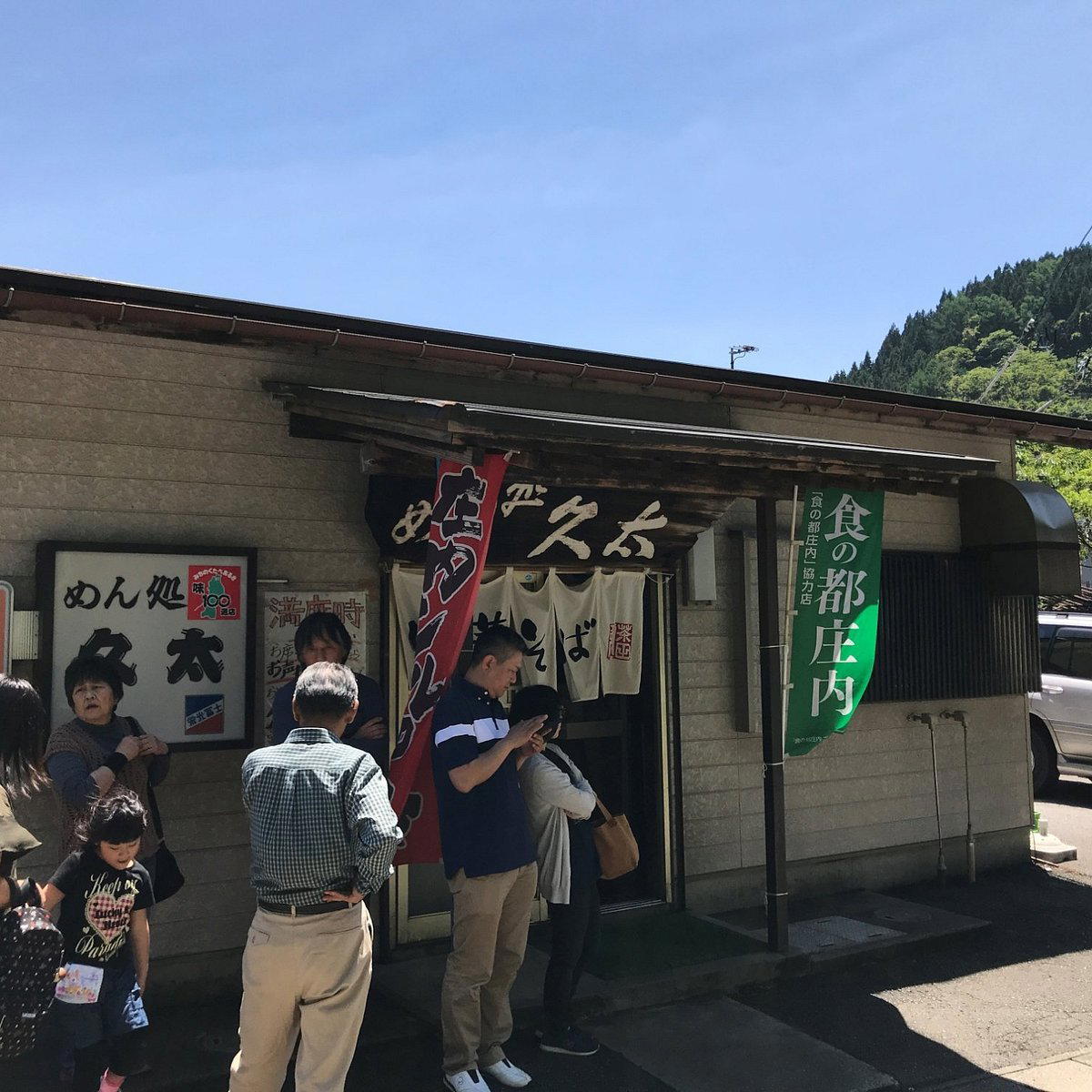
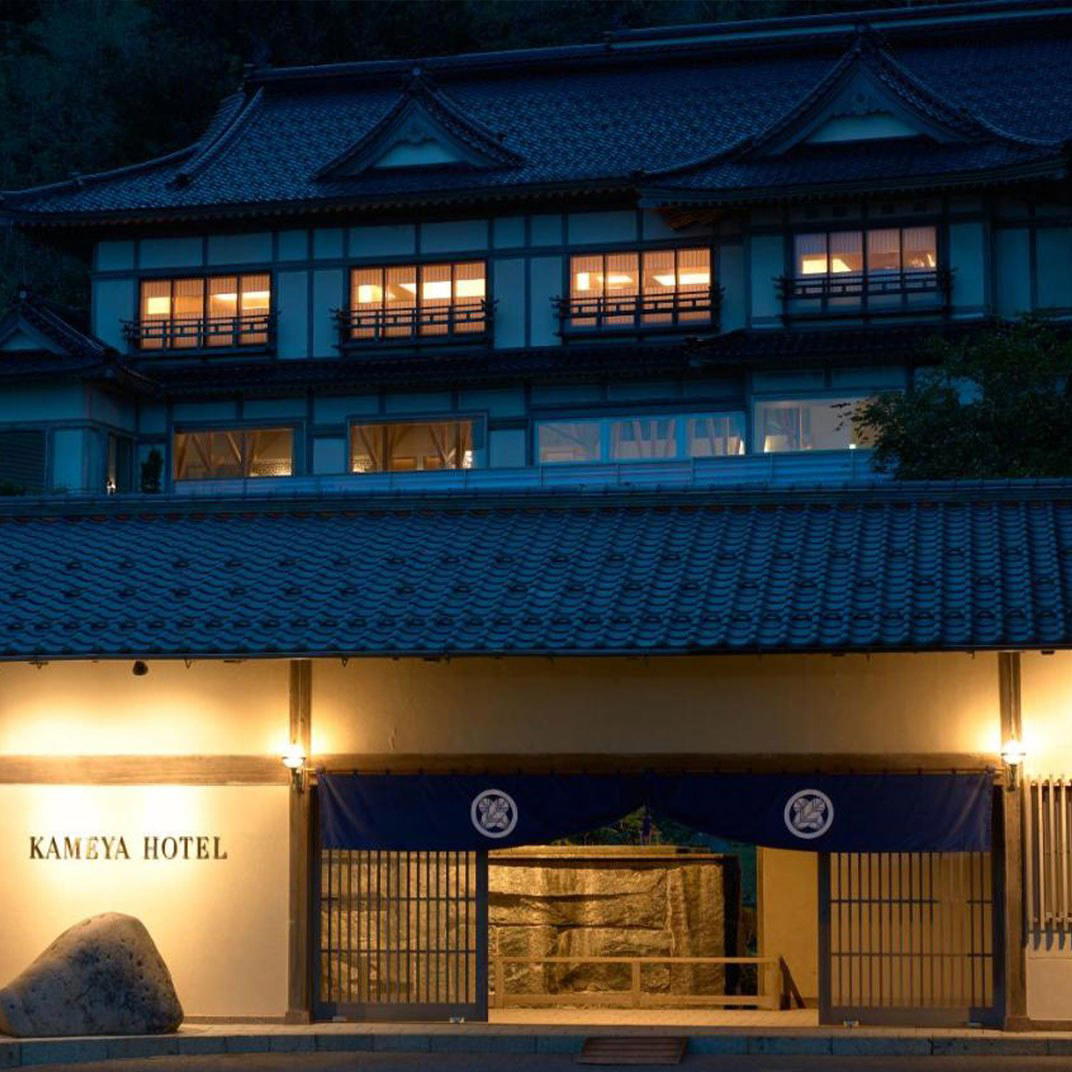
A bustling, nostalgic ramen hall set within a rural seaside ryokan, with simple table seating, bright daytime light, and views toward the Sea of Japan that give it a classic, pilgrimage-like atmosphere during its limited operating season.