Our verdict
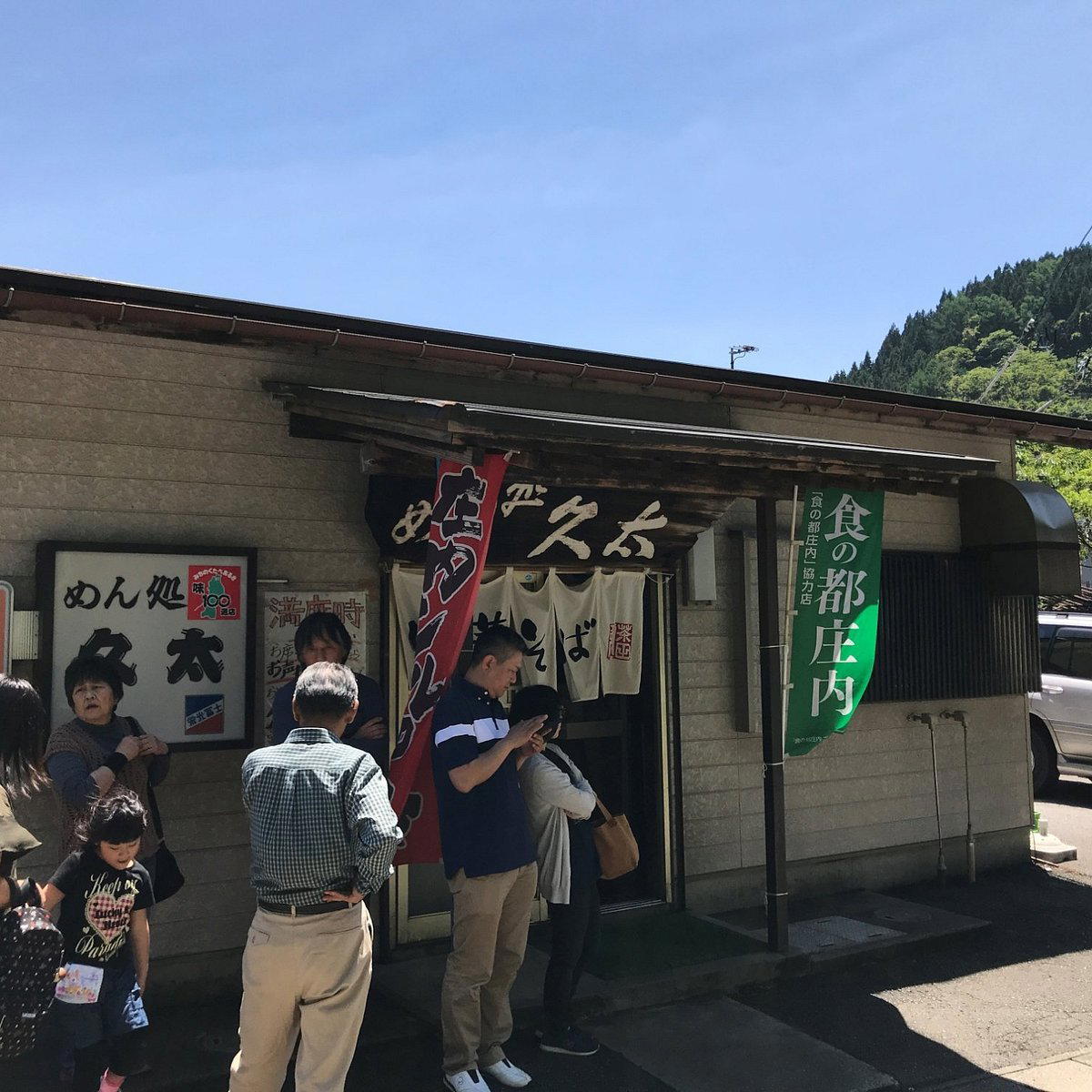
Ranked third among Ramen Beast's Top 10 Bowls of Ramen in 2025, Mendokoro Kyuta sits in the onsen district of Atsumi, where Yamagata Prefecture's ramen tradition meets a quieter, more localized dining register. The chashumen is the bowl to order. For serious ramen travelers working through provincial Japan, this Tsuruoka-area shop earns its place on any considered itinerary.

Pearl is the En Primeur Club membership app, where members save venues, book tables and use the concierge.
The menu
What to order
- Chinese-style ramen
- Tsukemen (dipping noodles)
Ramen at the Edge of the Onsen Town
Yamagata Prefecture has built a distinct identity in Japan's ramen conversation, with Yamagata City's cold summer ramen (hiyashi) and Sakata's lighter seafood-based broths establishing the region as genuinely plural in its approach. Within that regional picture, the Tsuruoka area represents a quieter, less catalogued layer, closer to the Sea of Japan, shaped by fishing culture, and historically more connected to the rhythms of the onsen towns that punctuate the Shonai coast. Mendokoro Kyuta sits in that specific register: a ramen shop in the Yuatami district of Atsumi, inside a landscape where local restaurants answer primarily to local habit rather than to wider dining media attention.
It is that ordinariness, in the leading provincial sense, that makes the shop's ranking in Ramen Beast's Top 10 Bowls of Ramen in 2025 worth reading carefully. Ramen Beast operates with a narrower critical brief than generalist food guides, focusing on bowl-level quality rather than atmosphere or concept, which means a third-place ranking in their 2025 list signals something specific: that the product in the bowl meets a high technical standard, regardless of setting or visibility. For a shop in an onsen-district address in Tsuruoka, that recognition places it in a different competitive tier than its geography alone would suggest.
The Bowl as the Argument
The chashumen is the featured bowl here, and in the context of Japanese ramen, that is a useful editorial anchor. Chashumen, ramen topped with multiple slices of chashu braised pork, is not an experimental format. It is a classic presentation that turns evaluation back toward fundamentals: the depth and clarity of the broth, the texture and seasoning of the pork, the quality of the noodle and its behavior in the soup over time. There is nowhere for technique to hide in a well-lit chashumen. The Ramen Beast ranking implies those fundamentals are being handled at a level that competes above its regional tier.
Yamagata ramen tradition leans toward mid-weight broths, neither the unctuous tonkotsu register of Fukuoka nor the stark shoyu clarity of some Tokyo-style bowls, but something in between that allows for regional ingredient character to show through. At a shop like this, in an onsen town with access to local agricultural and fishing supply chains, the broth is likely carrying more than a single influence. That is the broader pattern across serious provincial ramen shops in Tohoku: the bowl reflects a specific local sourcing logic rather than a national ramen brand template.
For editorial comparison, Chukasoba Mugen in Osaka and Chukasoba Oshitani in Nara represent the urban end of this same discipline, technically serious ramen operations in cities with more concentrated dining attention. Mendokoro Kyuta's position in the same top-ten list as venues from more competitive metropolitan markets tells you something about the gap between visibility and actual quality in Japanese ramen.
Tsuruoka as a Dining Context
Tsuruoka holds a specific position in Japan's regional food culture. The city is a UNESCO Creative City of Gastronomy, a designation that reflects the depth of its agricultural heritage, mountain vegetables, heirloom grains, centuries-old shojin ryori traditions tied to Dewa Sanzan. That context produces a city where restaurants are expected to work with strong local ingredient logic, and where diners, even at informal registers, tend to have developed palates for regional produce.
That backdrop matters when reading a ramen shop like this one. The kaiseki philosophy that defines Tsuruoka's higher-end dining, seasonal attentiveness, restraint, an emphasis on primary ingredient quality over elaboration, filters down through the city's broader food culture in ways that distinguish even casual restaurants from what you might find in a similar-sized city without that culinary infrastructure. アル・ケッチァーノ, the celebrated Italian restaurant that helped put Tsuruoka on Japan's national dining map, made its case by treating Shonai ingredients with the same seriousness that leading kaiseki kitchens apply to theirs. That standard has shaped the environment in which local restaurants, including ramen shops, operate.
For those building a fuller picture of Japan's regional dining depth, our full Tsuruoka restaurants guide maps the range from fine dining to the kind of specialist shops that only appear in serious province-by-province ramen surveys. Further afield, Japan's most decorated dining operations, HAJIME in Osaka, Harutaka in Tokyo, Gion Sasaki in Kyoto, akordu in Nara, and Goh in Fukuoka, represent the ceiling of their respective categories, but provincial Japan's most interesting eating often happens further from those centers, in towns where local habit, not dining media, drives what ends up on the menu.
Tohoku's dining scene has its own geography of quality. affetto akita in Akita represents the Italian-inflected local-sourcing model that has taken hold in the region's mid-tier cities, while ramen operations from other Japanese prefectures, Ajidocoro in Yubari District, aki nagao in Sapporo, show how seriously Japan's provincial towns treat the category at its finest.
Planning a Visit
The address, 518 Yunosiri, Yuatami, Tsuruoka, Yamagata, places the shop in the Atsumi Onsen district, which sits southeast of Tsuruoka city center along the coast. Visitors combining Tsuruoka's main food and heritage circuit with an onsen stay in Atsumi are in the natural position to include Mendokoro Kyuta without a detour; those coming specifically for the bowl should account for the distance from central Tsuruoka. Given the provincial nature of the location, visiting mid-week or arriving early in a session is the sensible approach for any shop of this profile, recognized by national ramen media, operating in a small district without significant surplus capacity. Hours should be verified locally before traveling from a distance, as onsen-district restaurants in Yamagata often keep shorter sessions than city-center counterparts.
Restaurants earning ranked recognition in credible specialist surveys, Abon in Ashiya, Aji Arai in Oita, Akakichi in Imabari, Amaki in Aichi, Amegen in Saga, anchoa in Kanagawa, share a common characteristic: they draw serious travelers specifically because they operate outside the easy-access dining circuits. Mendokoro Kyuta belongs to that pattern. The inconvenience is part of the signal.
Frequently asked questions
Would Mendokoro Kyuta be comfortable with kids?
A ramen shop in a rural onsen district like Atsumi Onsen is generally a low-formality setting, which tends to work well for families. The chashumen format, a straightforward bowl of ramen topped with chashu, is accessible to most ages. Phone and hours data aren't published, so confirming capacity or wait times before a family visit is advisable.
What's the overall feel of Mendokoro Kyuta?
The shop sits at address 518 Yunosiri in the Atsumi Onsen district, southeast of Tsuruoka city center, which puts it firmly in quiet, rural hot-spring territory rather than an urban dining strip. That context shapes the experience: this is a destination bowl in a slow-travel setting, not a city lunch counter. Tsuruoka's designation as a UNESCO Creative City of Gastronomy adds regional weight to what might otherwise read as a tucked-away local spot.
What kind of recognition has Mendokoro Kyuta received?
Mendokoro Kyuta has received recognition including: {….
What's the must-try dish at Mendokoro Kyuta?
The chashumen is the featured bowl and the reason Ramen Beast ranked Mendokoro Kyuta third in its Top 10 Bowls of Ramen in 2025. Chashumen is ramen topped with multiple slices of chashu pork, making it the most meat-forward expression of whatever broth style the shop runs. Start there.
Comparison Snapshot
Comparable venues nearby, for context on price, style, and recognition.
| Venue | Cuisine | Price | Awards | Notes |
|---|---|---|---|---|
| Mendokoro KyutaThis venue (the venue you are viewing) | Traditional Ramen & Tsukemen | $1–10 | Not listed | Not listed |
| Chuka Soba Dokoro Konpiraso | Traditional Japanese ramen (chuka soba) | $1–10 | Tabelog 100 #12 | Sanze |
| アル・ケッチァーノ | Hyper-local Italian | $50–100 | Tabelog 100 #58 | Ogawara |
| 中華そば処琴平荘 | Traditional Japanese ramen (chuka soba) | $1–10 | Tabelog 100 #12 | 三瀬 |
| Fruit Shop Aomoriya | Fruit Parlor / Cafe | $10–20 | Tabelog 100 #91 | Suehiromachi |
| Gamou | Traditional Sanuki Udon | $1–10 | Tabelog Bronze | Kamo Town |
Continue exploring
More in Tsuruoka
Restaurants in Tsuruoka
All restaurants in Tsuruoka →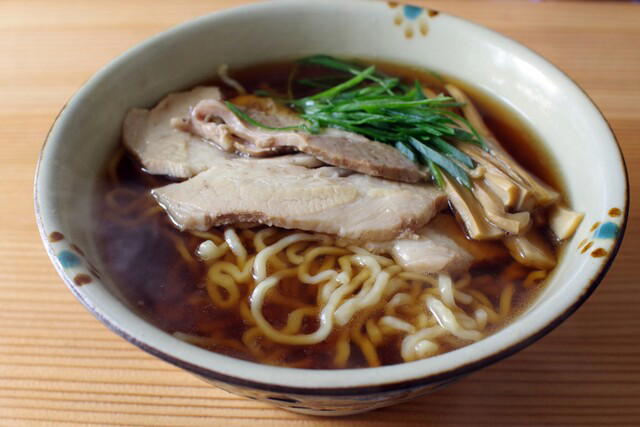
Hotels in Tsuruoka
All hotels in Tsuruoka →
Details
- Rustic
- Cozy
- Classic
- Solo
- Family
- Casual Hangout
- Standalone
- Counter Dining
- A La Carte
Intimate house-restaurant setting with tatami room and counter seating, creating a relaxed and welcoming atmosphere for solo diners and families.